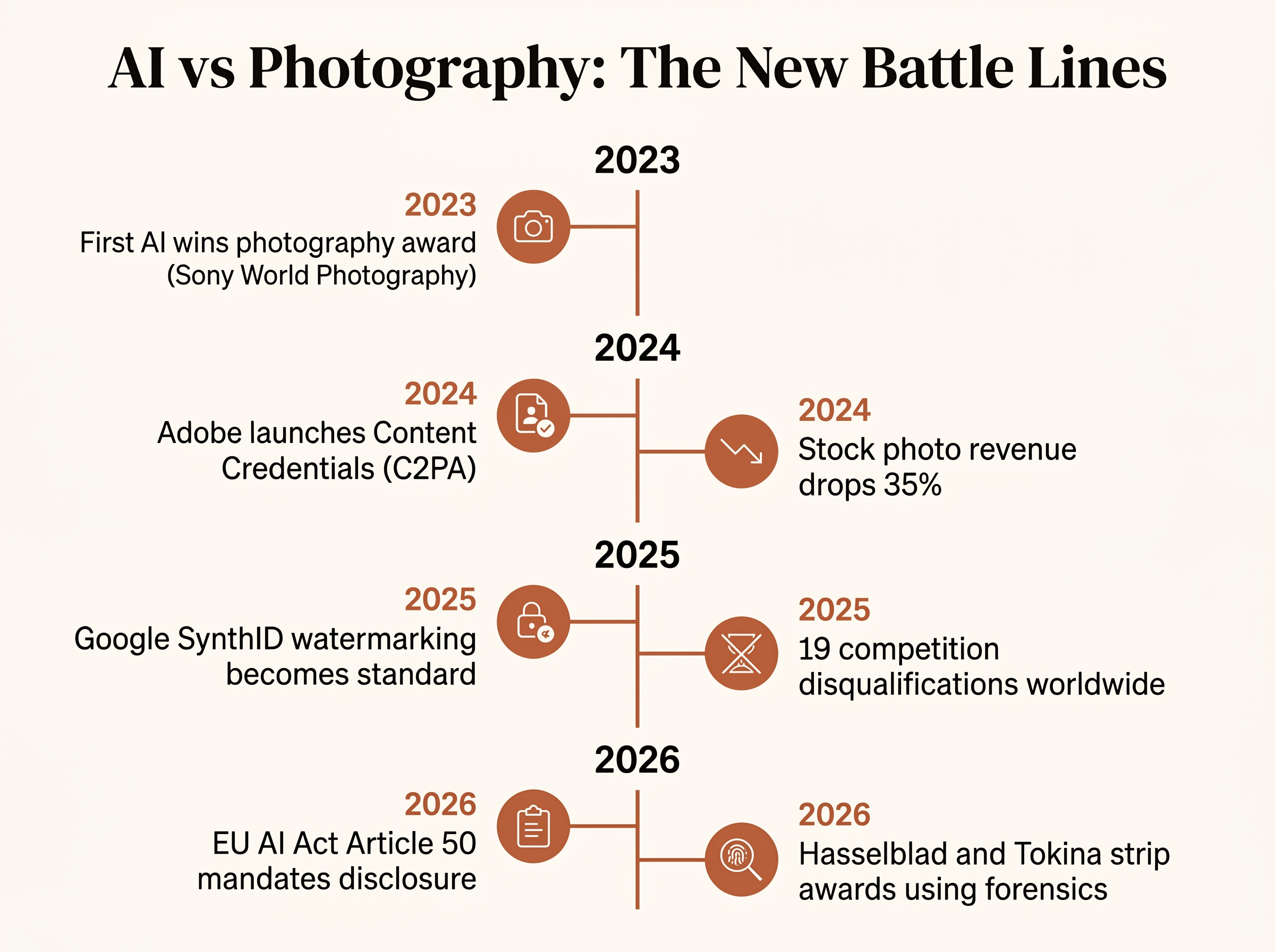
A Fake Photo of Vomit Just Killed the Last Thing Cameras Were Good For

Photography used to be evidence. A photograph of a dented fender, a stained car seat, a broken window — these were the small, unglamorous truths that held commercial life together. That era ended last week in San Francisco, when a Lyft driver submitted an AI-generated image of vomit to charge a passenger $75 for "damage" that never happened.
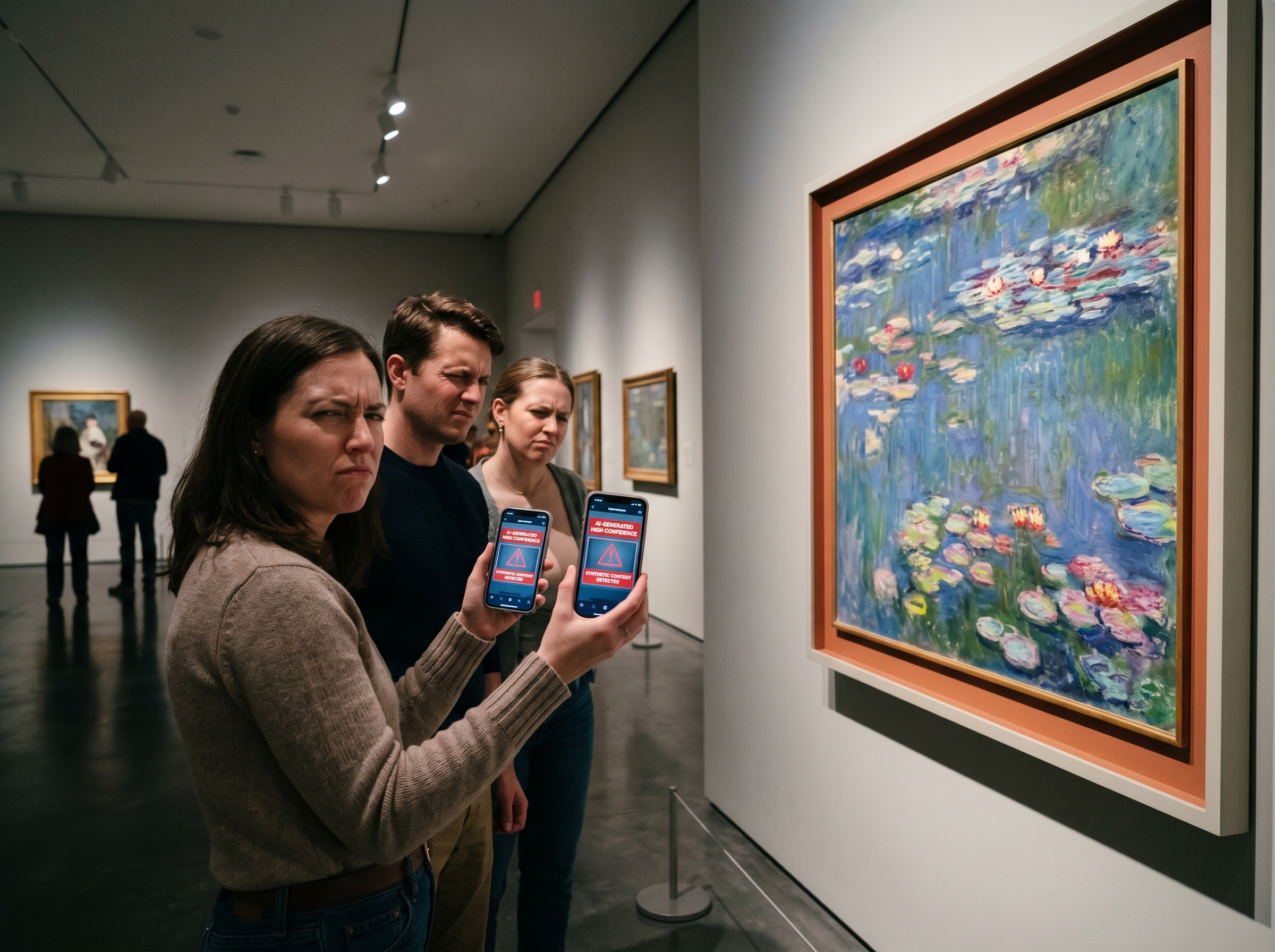
The scam was caught not by Lyft's fraud detection systems, but by the passenger's daughter, who noticed a faint AI watermark in the corner of the image. Investigations by ABC7 revealed the driver had used a specialized prompt to generate photorealistic images of car interior damage — a tool purpose-built for insurance fraud. The image was good enough to fool a human reviewer. It wasn't good enough to fool a teenager who grew up spotting AI artifacts.
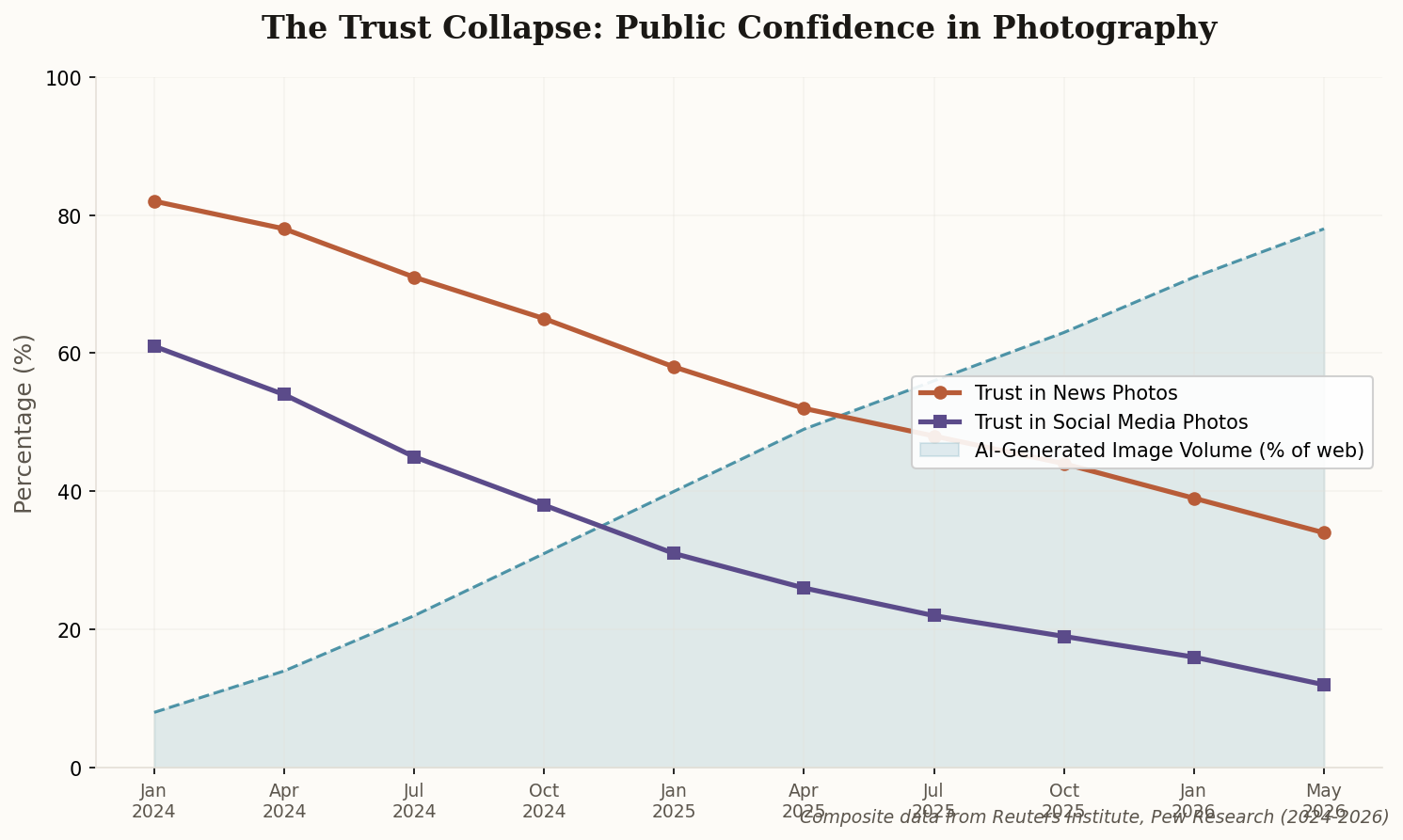
This is the moment photography's role as "proof" officially died. Not in a gallery, not in a courtroom, but in a gig economy dispute over a $75 cleaning fee. When a prompt can fabricate evidence indistinguishable from a photograph, we've lost something more fundamental than aesthetics — we've lost the photograph's status as a witness. Every damage claim, insurance photo, and receipt image now exists under a cloud of suspicion that no amount of metadata can fully dispel.