Flowers

The Bloom Report

Tariffs, turbulence, and tulips — the global flower industry braces for the most expensive Mother’s Day in history.

Listen
Lush spring floral arrangement with garden roses, peonies, and ranunculus in soft morning light
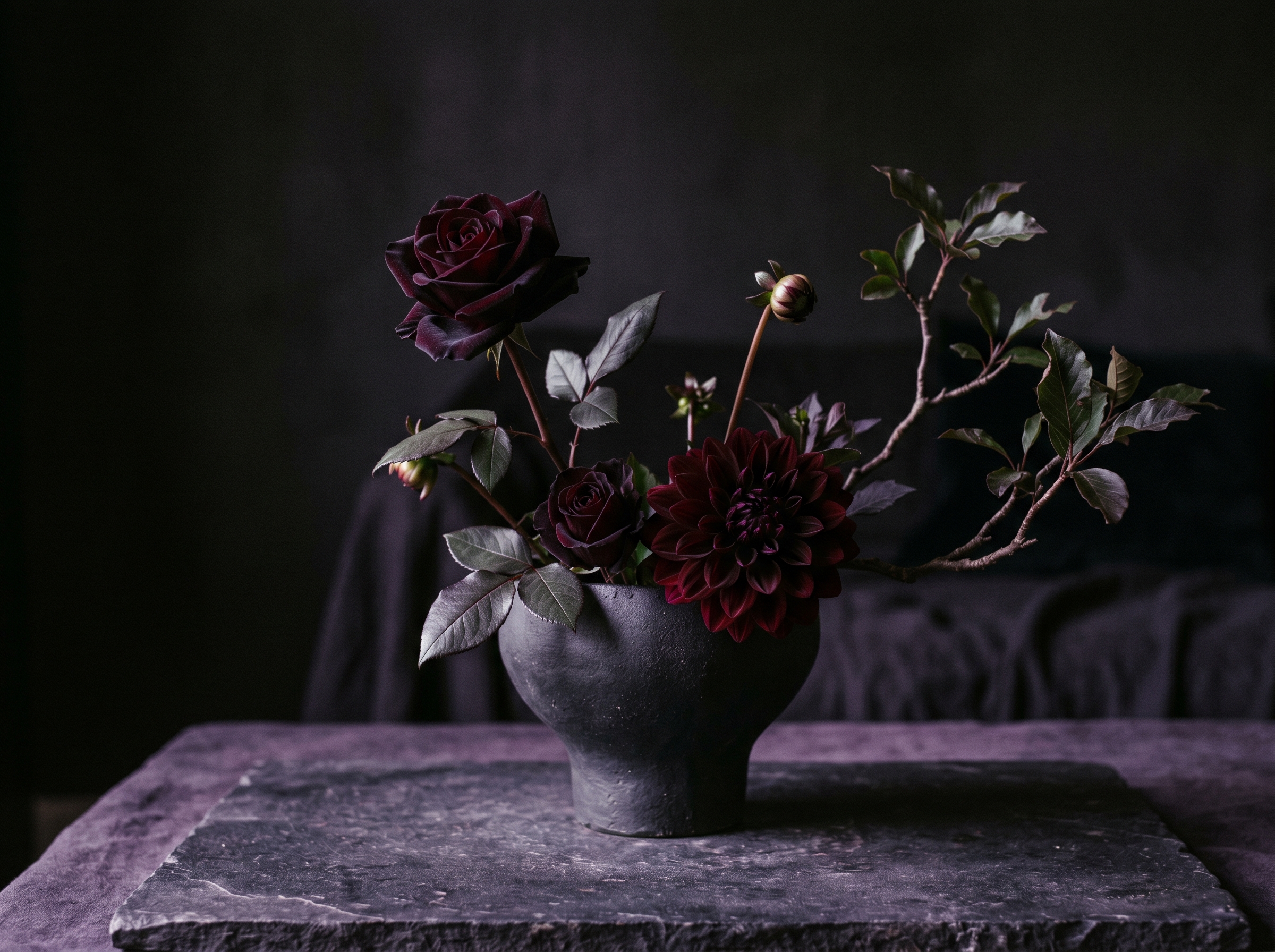
Dark dahlias and Black Baccara roses in an architectural arrangement
01

Forget the Bouquet — Luxury Floristry Now Worships the Single Stem

The boho wildflower era is dead, and high-end floristry knows exactly what killed it: consumer fatigue with AI-generated perfection. A new Florists’ Review industry report identifies “Quiet Luxury” as the dominant design trend for the rest of 2026, marking a decisive pivot from loose, undone arrangements toward architectural compositions that prize the integrity of each individual stem.

Think fewer flowers, more intention. The report highlights “velvet” blooms — dark dahlias and Black Baccara roses with their impossibly deep burgundy — arranged with the kind of structural precision that makes you count the stems. Floral foam is out (sustainability, finally). Farm-to-vase provenance is in. “Luxury in 2026 isn’t about size; it’s about the architectural integrity of the stem and the rarity of the hue,” says trend forecaster Talmage McLaurin.

What’s really driving this? A backlash against the algorithmically optimized, Instagrammable arrangements that dominated for years. Clients now want flowers that look uniquely flawed — a twist in the stem, an unexpected color break, the kind of imperfection that proves a human hand was involved. For specialized growers producing rare cultivars, this is a windfall. For mass-market wholesalers pushing commodity roses? A reckoning.
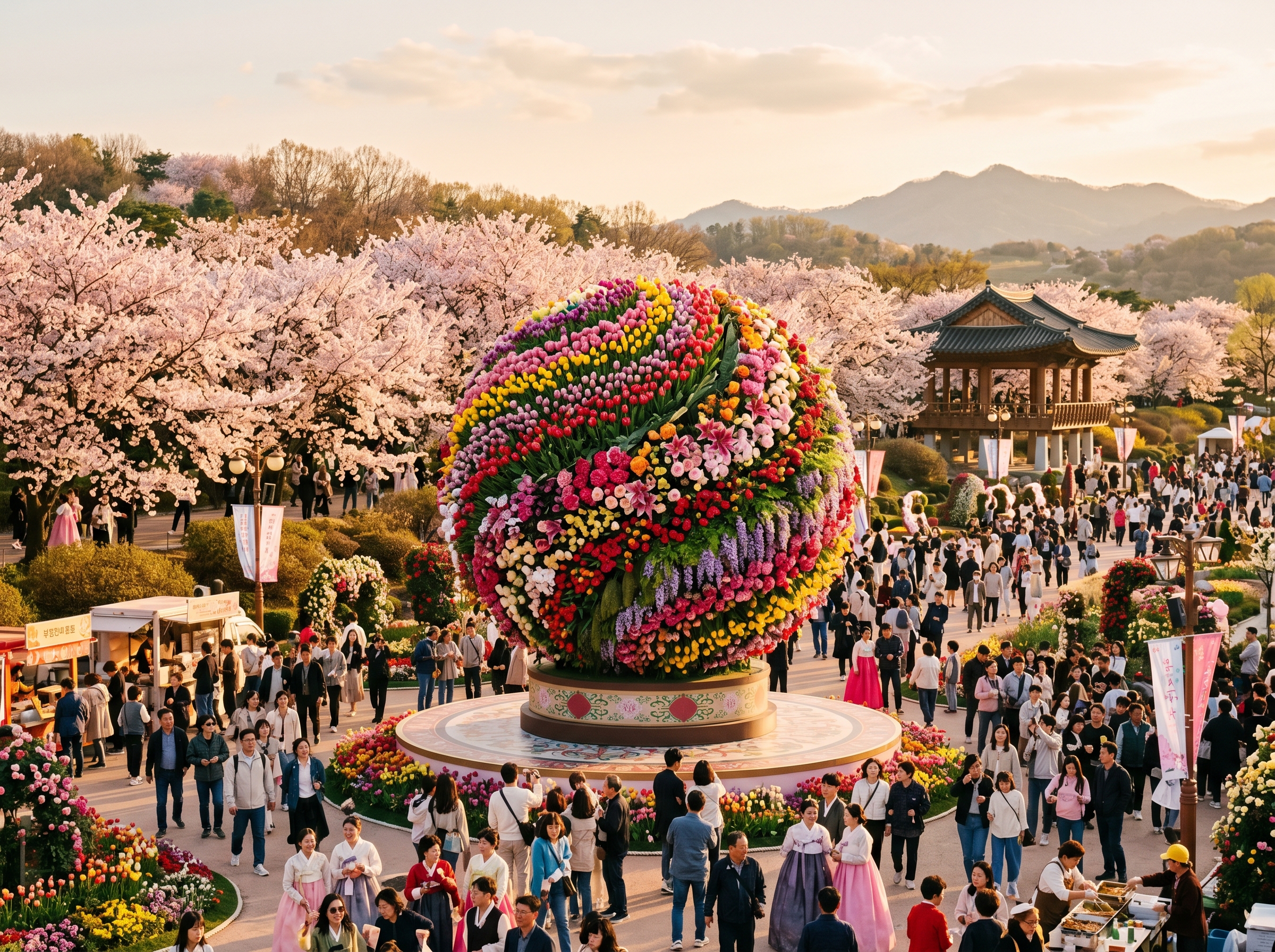
Massive rotating spherical floral sculpture at the Goyang International Flower Festival
02

South Korea Built a 13-Meter Rotating Flower Sphere and It’s Exactly as Wild as It Sounds

The 18th International Horticulture Goyang Korea opened at Ilsan Lake Park this week with rare plants from 30 countries and a centerpiece that makes the Chelsea Flower Show look like a window box. The “Garden of the Time Traveler” is a 13-meter-high rotating spherical floral sculpture — tens of thousands of live blooms arranged on a kinetic structure that references Korea’s astronomical heritage.

But beyond the spectacle, Goyang signals where the global flower exhibition is headed: away from static displays and toward immersive, narrative-driven installations. This year’s show includes a BTS-themed “Purple Floral Photo Zone” (because of course it does) and the debut of the “Elsa Tulip,” a new cultivar with a distinctive ice-crystal appearance that’s already generating pre-orders from European buyers.

“We’ve moved beyond a simple flower show to create a narrative-driven experience,” says Goyang Mayor Lee Dong-hwan. Translation: the money in flowers is no longer just in selling stems — it’s in selling stories. With Asia’s horticultural tourism exploding, expect other major shows to follow this blueprint.

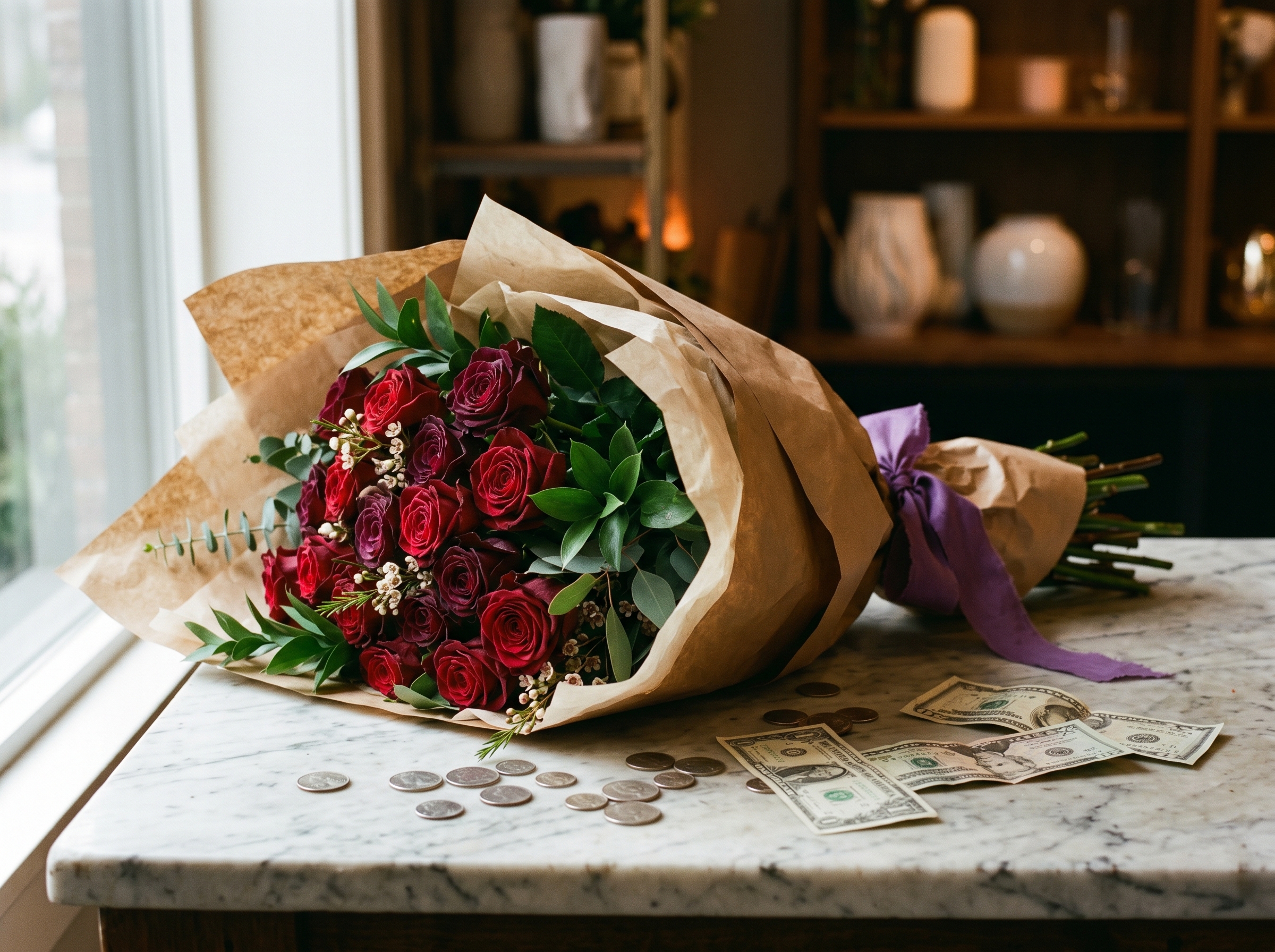
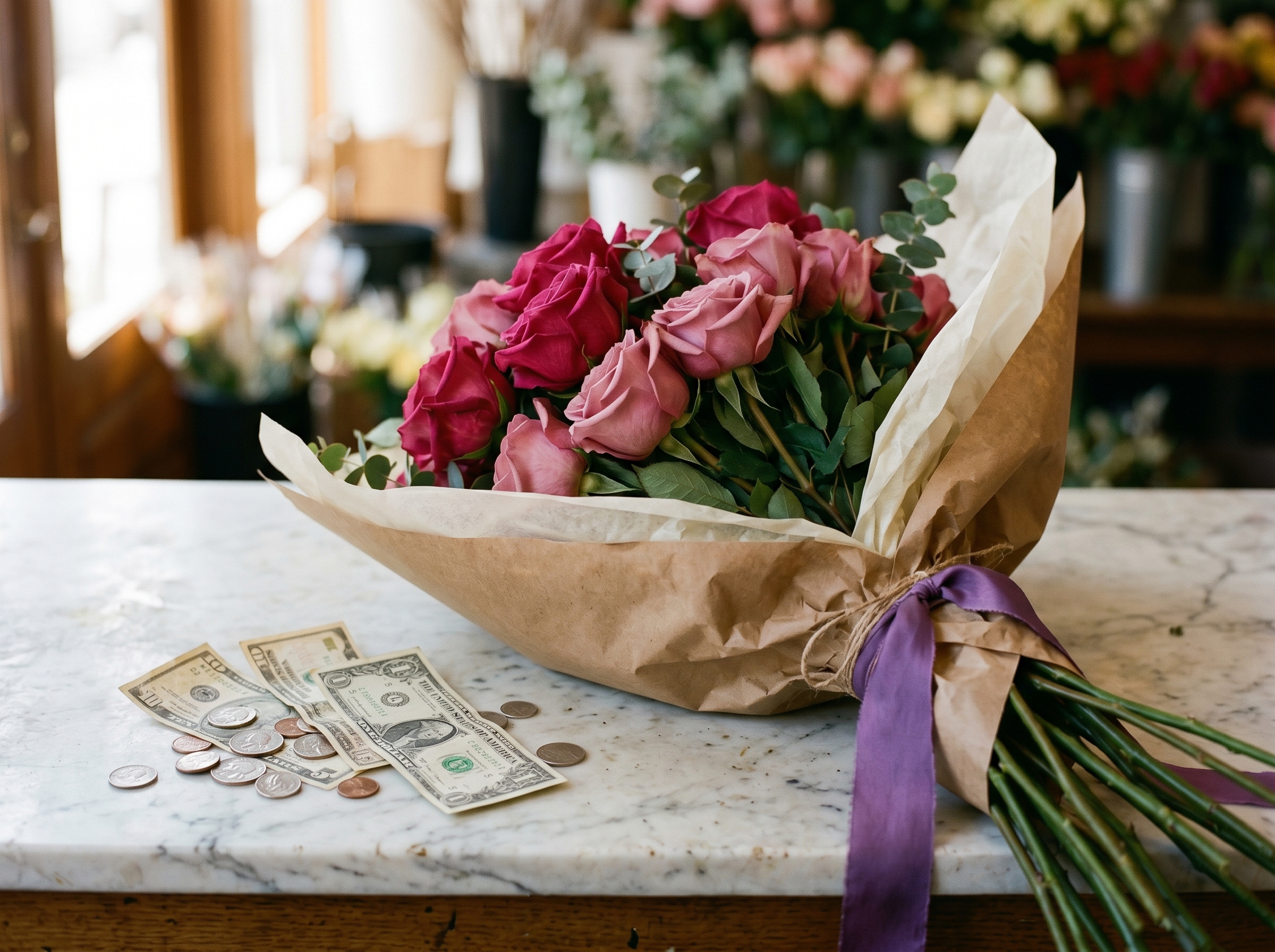
Elegant bouquet of imported roses with price tags, illustrating rising costs
03

Your Mother’s Day Bouquet Just Got a $25 Million Tax Bill

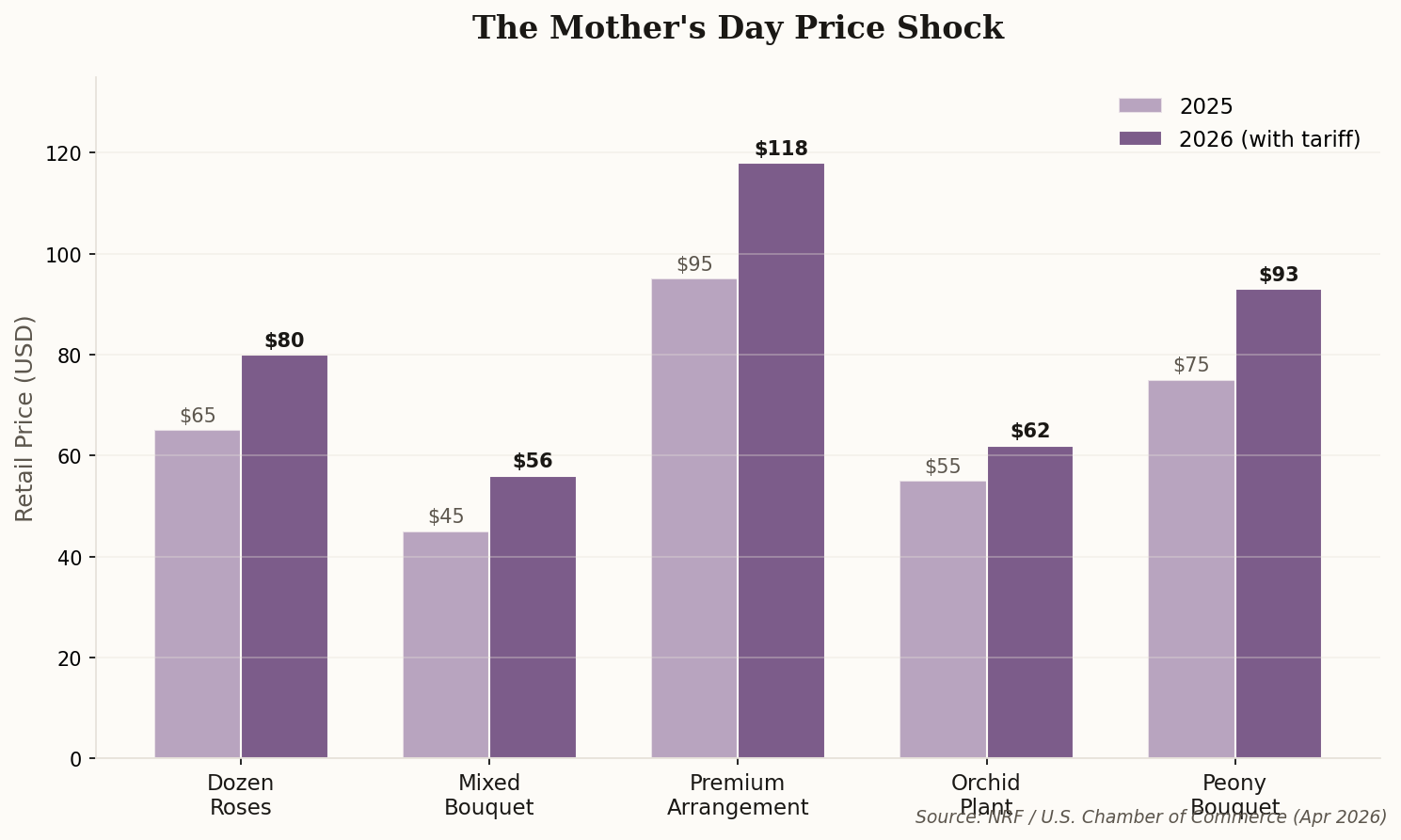
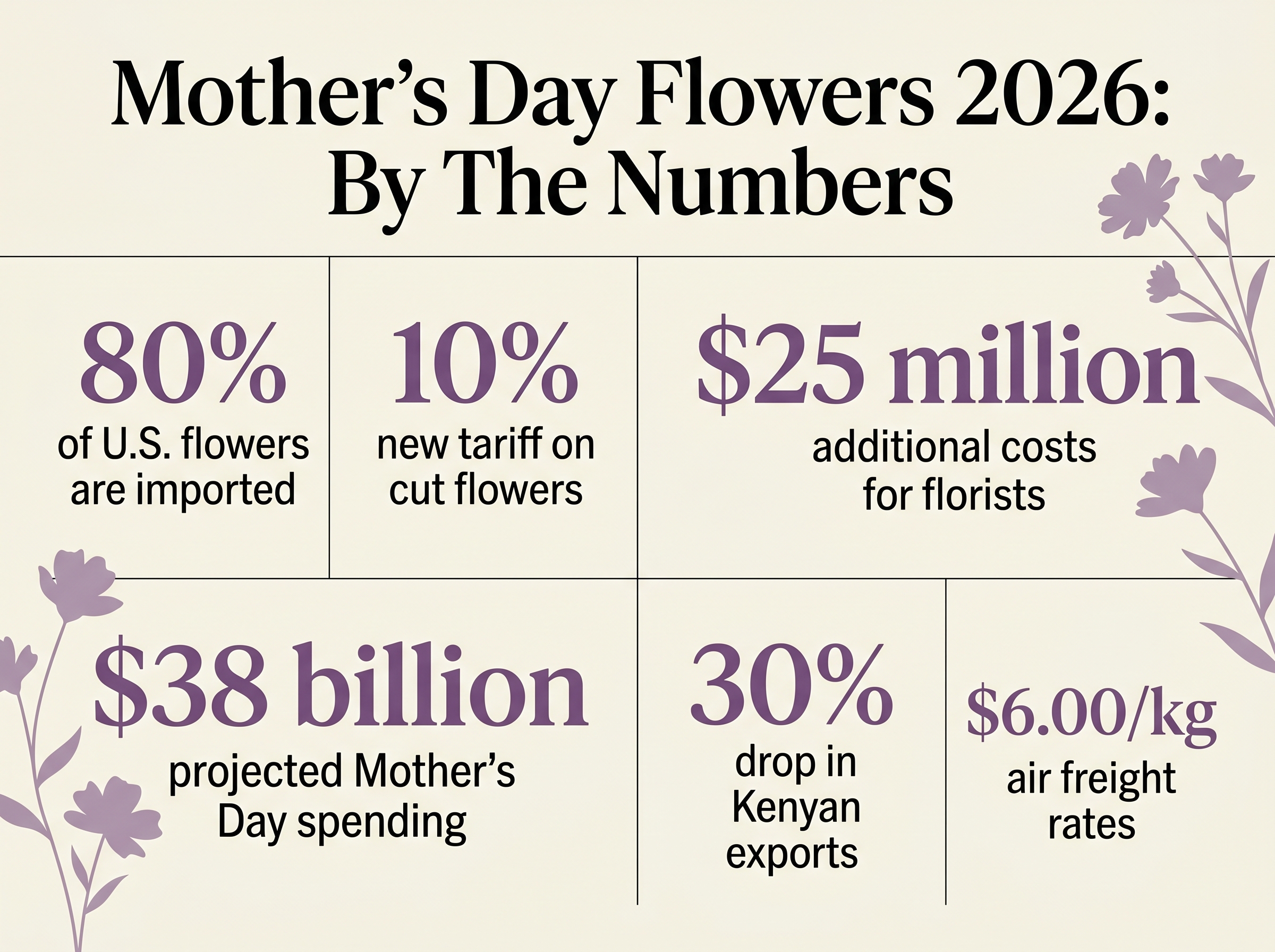
Here’s a number to sit with: 80% of the cut flowers sold in America are imported. Now add a 10% baseline tariff to every single stem. The U.S. Chamber of Commerce estimates that translates to roughly $25 million in additional costs for American florists this Mother’s Day alone — and every penny is being passed to consumers.

Bar chart comparing Mother's Day bouquet prices in 2025 vs 2026, showing significant increases across all categories
Average retail prices for popular Mother's Day arrangements, 2025 vs. 2026 with tariff impact. Source: NRF / U.S. Chamber of Commerce

That bouquet of long-stem roses that cost $65 last year? Budget $80 this year. Premium arrangements are climbing well beyond that. The National Retail Federation still projects record spending of $38 billion on the holiday — but that’s more dollars chasing fewer stems, not a booming market. The real story is what happens downstream: the “Mother’s Day Tax” is accelerating a strategic pivot toward domestically grown “slow flowers” and potted plants, both of which dodge the import duty entirely.

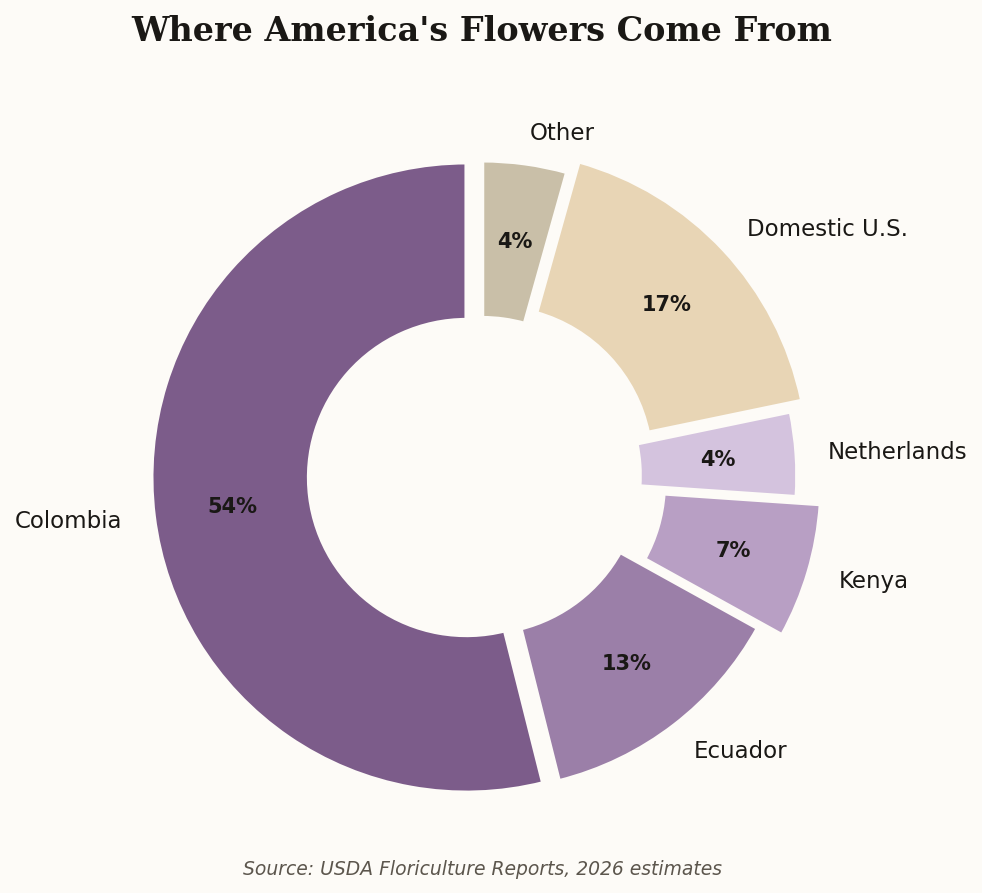
If you’re a florist in Colombia or Ecuador watching this, the math just got existential. The two countries supply roughly 77% of America’s imported flowers. A sustained tariff regime doesn’t just raise prices — it reshapes entire supply chains.

Donut chart showing where America's flowers come from: Colombia 62%, Ecuador 15%, Kenya 8%, and others
U.S. flower supply breakdown by origin. Source: USDA Floriculture Reports, 2026 estimates
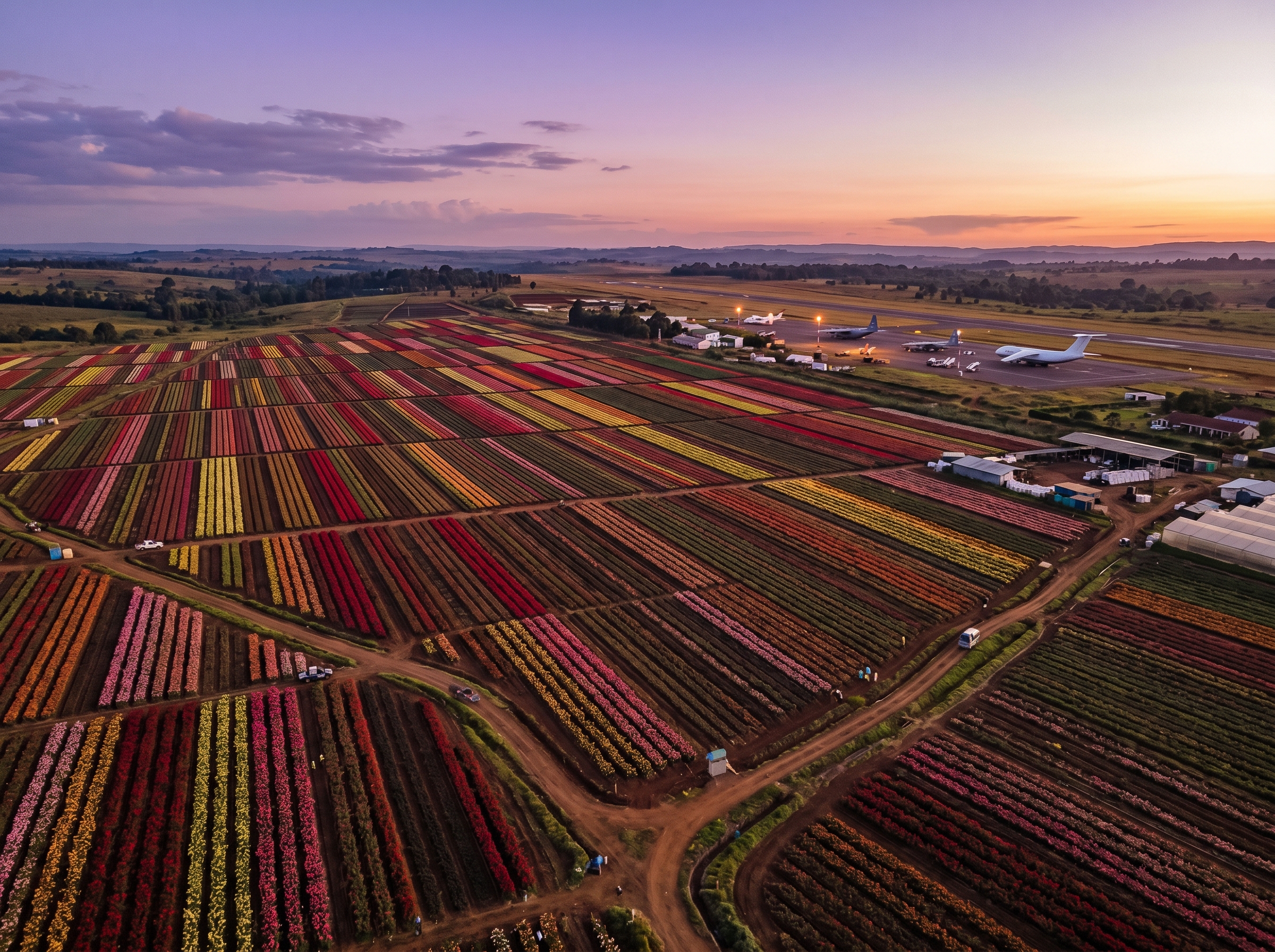
Aerial view of Kenyan flower farm with rows of colorful roses
04

Kenya’s Flower Farms Are Watching Their Peak Season Evaporate at $6 a Kilo

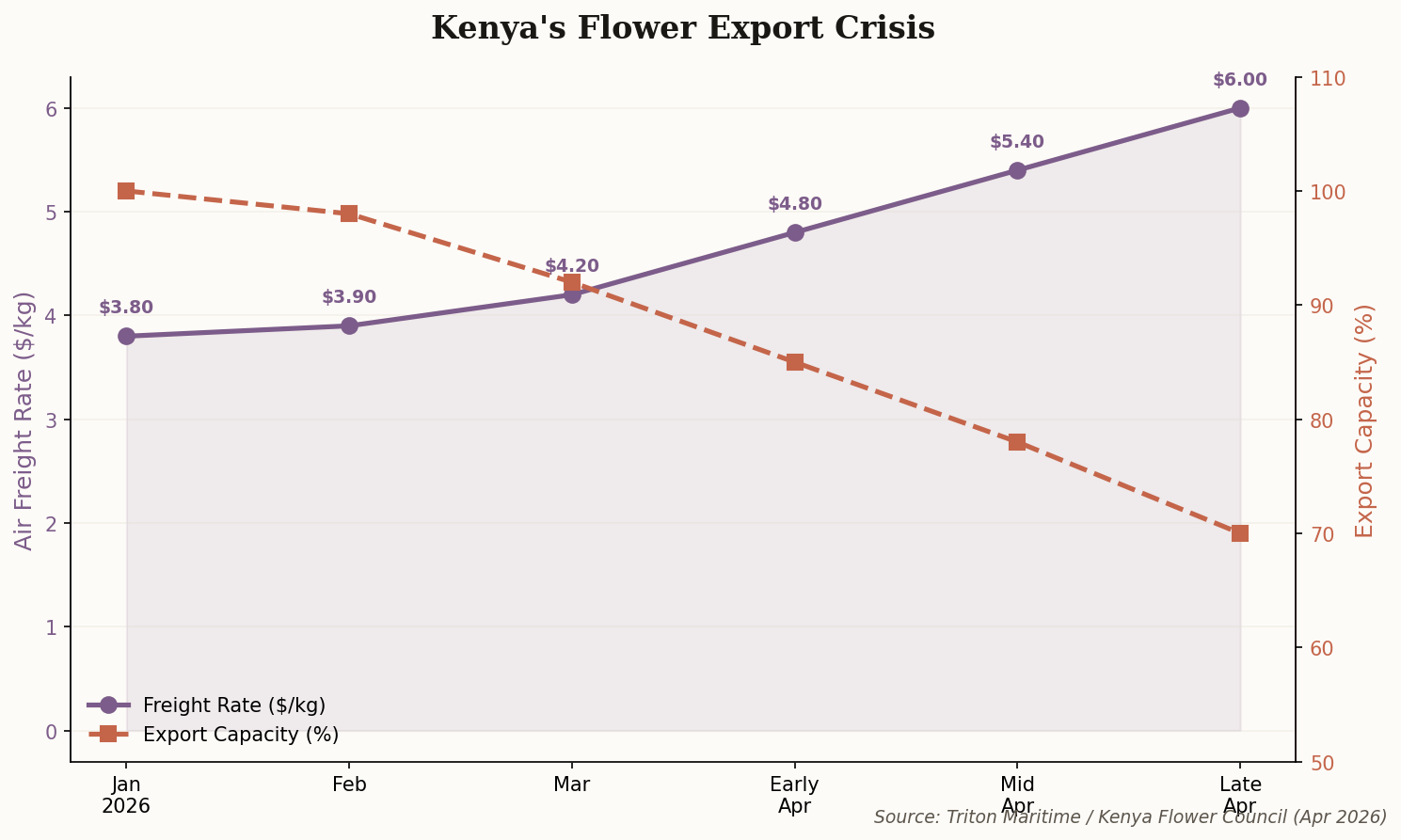
While American consumers absorb tariff-driven price hikes, the supply side is dealing with something worse. Escalating tensions in the Middle East have disrupted the air cargo corridors that Kenyan flower farms depend on, slashing export capacity by 30% at the worst possible moment — two weeks before Mother’s Day.

Dual-axis line chart showing rising Kenyan air freight rates and falling export capacity from January to April 2026
Kenya flower export crisis: air freight rates surge as capacity drops. Source: Triton Maritime / Kenya Flower Council

Air freight rates for blooms have surged to nearly $6.00 per kilogram. “The timing is catastrophic,” says Kenya Flower Council CEO Clement Tulezi. “We are seeing the most volatile air freight market in a decade right at our peak harvest window.” Some importers are gambling on ocean freight as an alternative, but the transit times are punishing for perishable stems. A rose that spends 14 days on a container ship arrives looking like a biology lesson, not a gift.

The compound effect is brutal: Kenya supplies about 8% of U.S. imports and roughly 35% of the European market. Between geopolitical disruptions and the new American tariffs, the global flower supply chain is being squeezed from both ends simultaneously. Florists who haven’t already locked in their Mother’s Day inventory are facing an ugly choice between empty coolers and razor-thin margins.

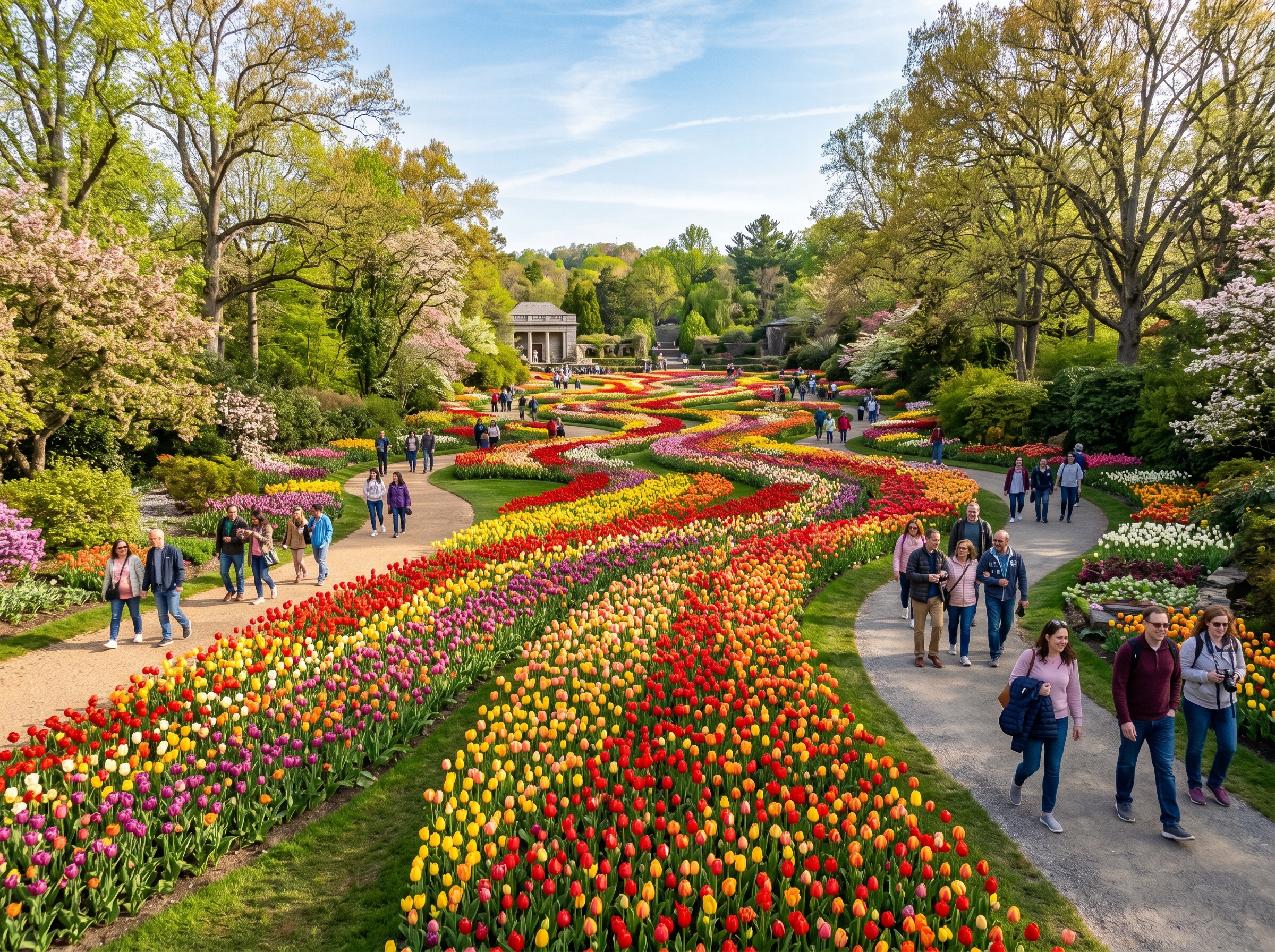
Sweeping field of 200,000 tulips in bloom at Atlanta Botanical Garden
05

200,000 Bulbs and a New Species: Atlanta’s Botanical Garden Goes All-In for 50

The Atlanta Botanical Garden just turned 50, and it celebrated the only way a botanical institution should: by burying 200,000 bulbs in the ground and waiting for spring. The “SUPER Blooms!” display features 140,000 tulips carpeting the Great Lawn — double the garden’s usual count — in a deliberate bid to create the kind of visual spectacle that sells tickets and funds science.

That funding model matters. Behind the Instagram-worthy tulip fields, Atlanta BG runs the International Plant Exploration Program, which recently discovered Arisaema mcmahanii, a new species in the aroid family. “We’ve doubled our usual bulb count to create a ‘super bloom’ effect that reflects five decades of botanical excellence and conservation,” says Garden President Mary Pat Matheson.

The strategy is increasingly common among major botanical gardens: blockbuster floral displays as the revenue engine that powers serious conservation and research programs. The Royal Botanic Gardens, Kew pioneered this model, but Atlanta’s scale — and its Earth Day conservation integration — shows American gardens are catching up fast. When 200,000 tulips can fund the discovery of a new species, the economics of spectacle start to make real sense.

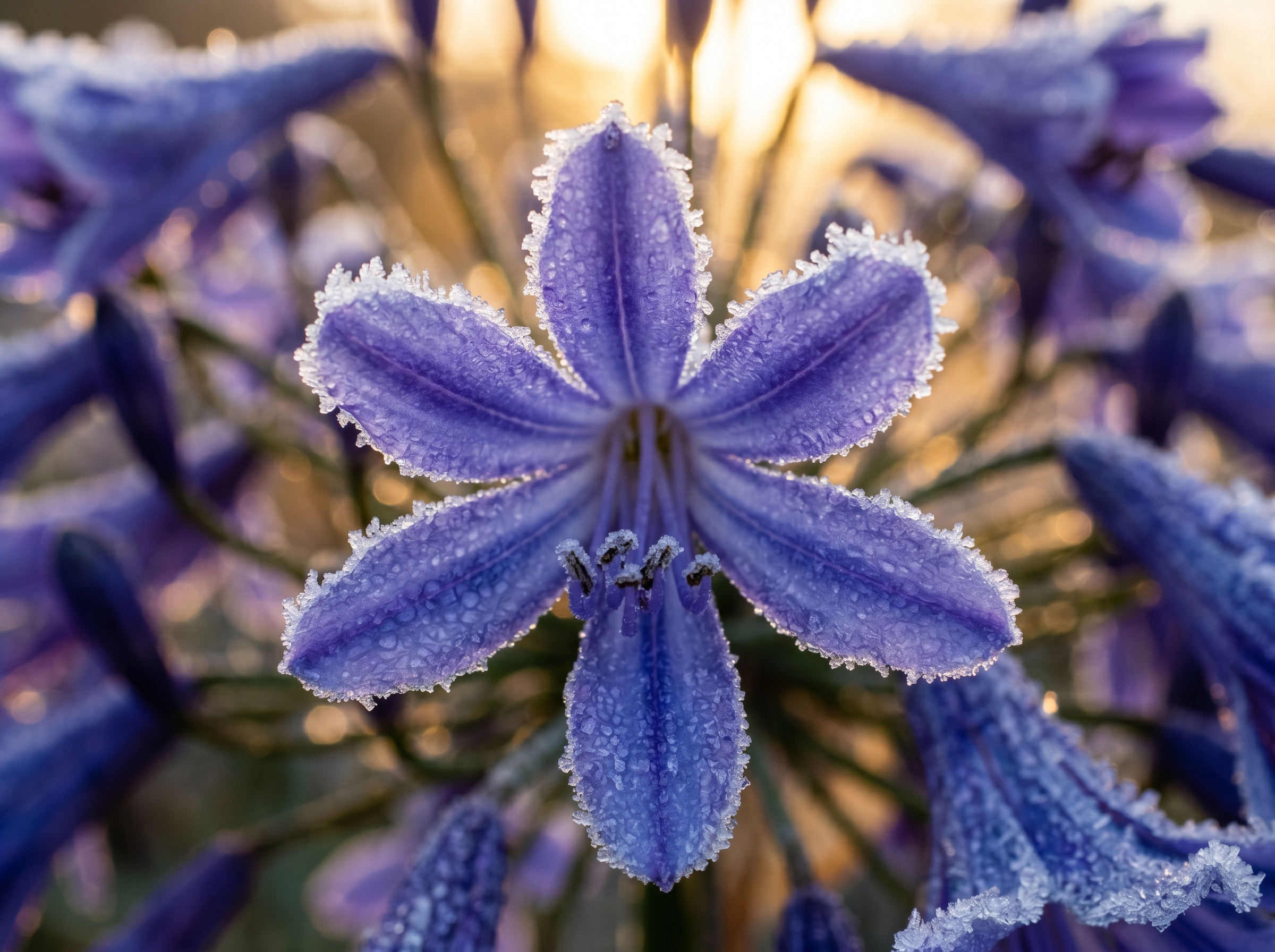
Resilient agapanthus flowers blooming through frost crystals at dawn
06

Breeding Flowers That Survive 40-Degree Temperature Swings Is the New Arms Race

Plants For Europe Ltd unveiled six new flower varieties this week, and none of them are optimized for beauty. They’re optimized for survival. The standout is the Agapanthus AtomicBloom ‘Santorini’ — a cultivar specifically bred to withstand the sudden frost-thaw cycles that have been devastating early spring crops across the American Northeast and Northern Europe.

“Breeding is no longer just about color; it’s about survivability in a climate that can swing 40 degrees in a single day,” says PFE Director Graham Spencer. The AtomicBloom series prioritizes low water usage and extended bloom times, essentially engineering flowers for what climate scientists call “whiplash weather” — the increasingly common pattern of extreme temperature volatility within short windows.

This is the quiet revolution in floriculture that rarely makes headlines. While the consumer-facing industry debates aesthetics and trends, the genetic backbone of the flower supply is being systematically re-engineered for a climate that no longer cooperates. Five years ago, breeders competed on petal count and color intensity. Now they compete on which cultivar can survive a late April frost followed by 85-degree heat three days later. That shift tells you everything about where we are.

Infographic: Mother's Day Flowers 2026 By The Numbers — showing key statistics including 80% import rate, 10% new tariff, $25 million additional costs, $38 billion projected spending, 30% drop in Kenyan exports, and $6.00/kg freight rates
Mother's Day 2026: The numbers behind the bouquet — Generated with Nano Banana 2.0

The Roots Beneath the Petals

Flowers are having their reckoning moment. The industry that made us believe a $12 bouquet from a gas station was normal is confronting the actual cost of growing, shipping, and preserving living things across continents. Tariffs are making the invisible visible. Climate volatility is making the resilient valuable. And a generation of buyers who grew up photographing flowers for content is starting to appreciate the imperfect stem that no algorithm would have chosen. Maybe that’s the real bloom this spring — the slow recognition that the best things we grow can’t be optimized.

Share X LinkedIn