A 400-Year-Old Eyewitness Finally Speaks English
Here's a thought experiment: imagine the most detailed account of the American Revolution existed only in Mandarin. That's roughly what English-speaking scholars have been dealing with for four centuries when it comes to Martín de Murúa's General History of Peru. The first complete English translation of Book 1 arrived in March 2026, and it's the kind of primary source that makes historians rethink their bibliographies.
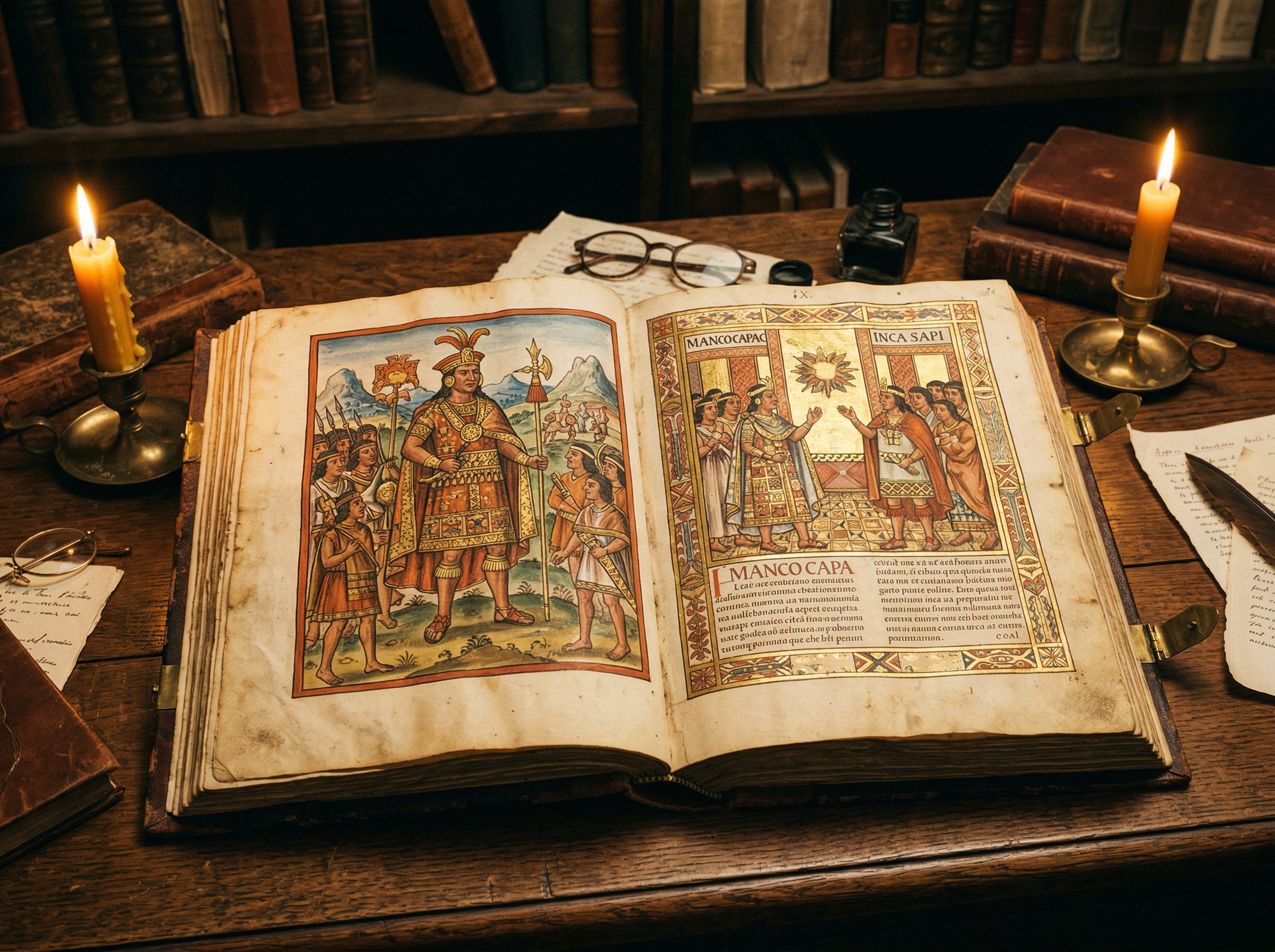
Murúa wasn't some distant chronicler. He was a Mercedarian friar living among the Inca's descendants in the late 1500s, and his 1616 manuscript contains the most granular accounts we have of the Sapa Incas' inner lives — their court politics, their succession crises, their ceremonial calendars. It also contains the famous "Murúa Murals," hand-painted illustrations that provide some of the only visual evidence of Inca clothing and ritual practice.
The translation matters because cross-referencing primary sources is how history self-corrects. Until now, English-language scholarship on the Inca has been disproportionately built on Garcilaso de la Vega and Cieza de León. Adding Murúa to the mix doesn't just fill a gap — it creates productive contradictions that force better questions. Expect the next generation of Inca scholarship to look very different.