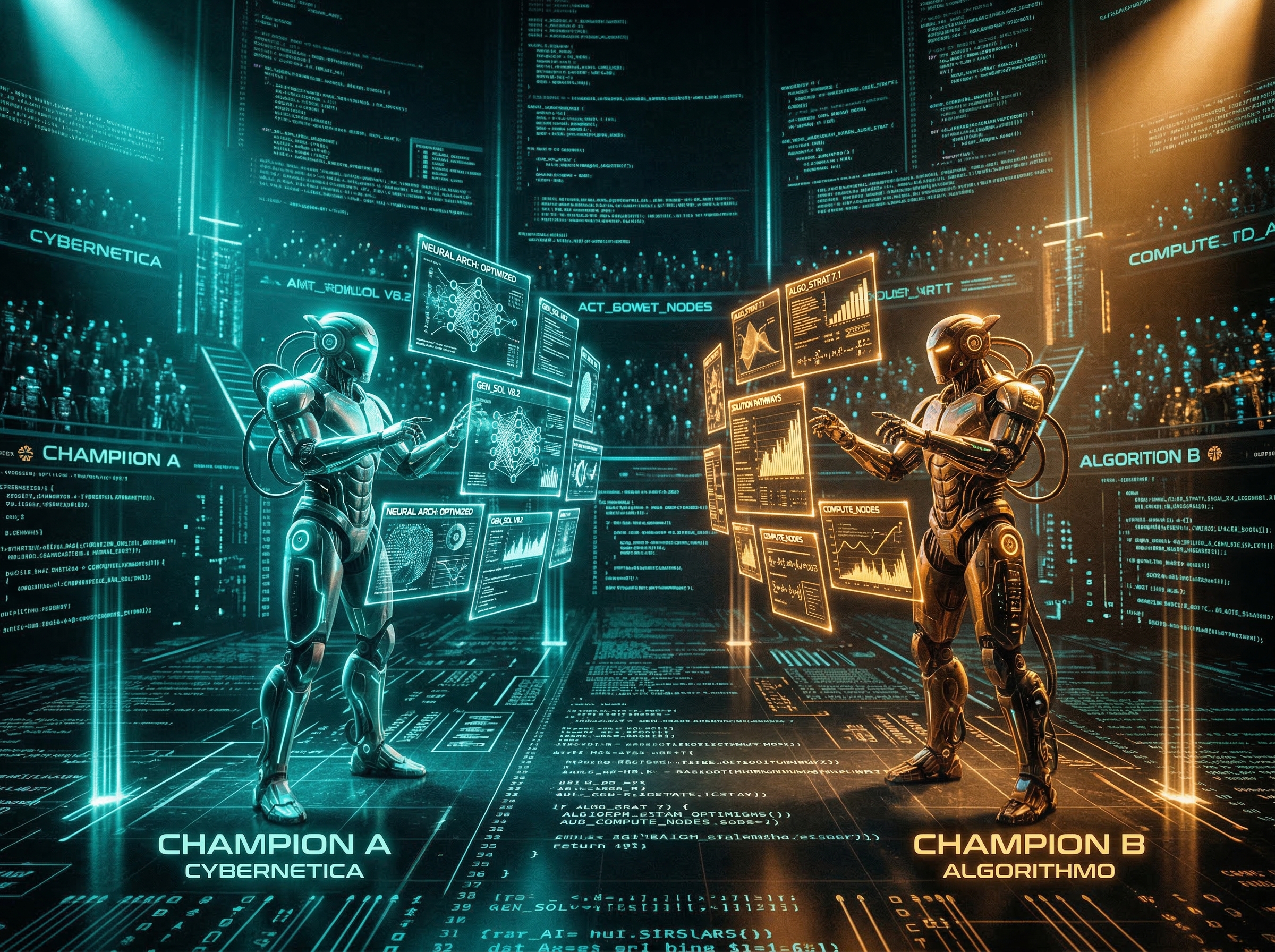
The Worker Bees Have Arrived
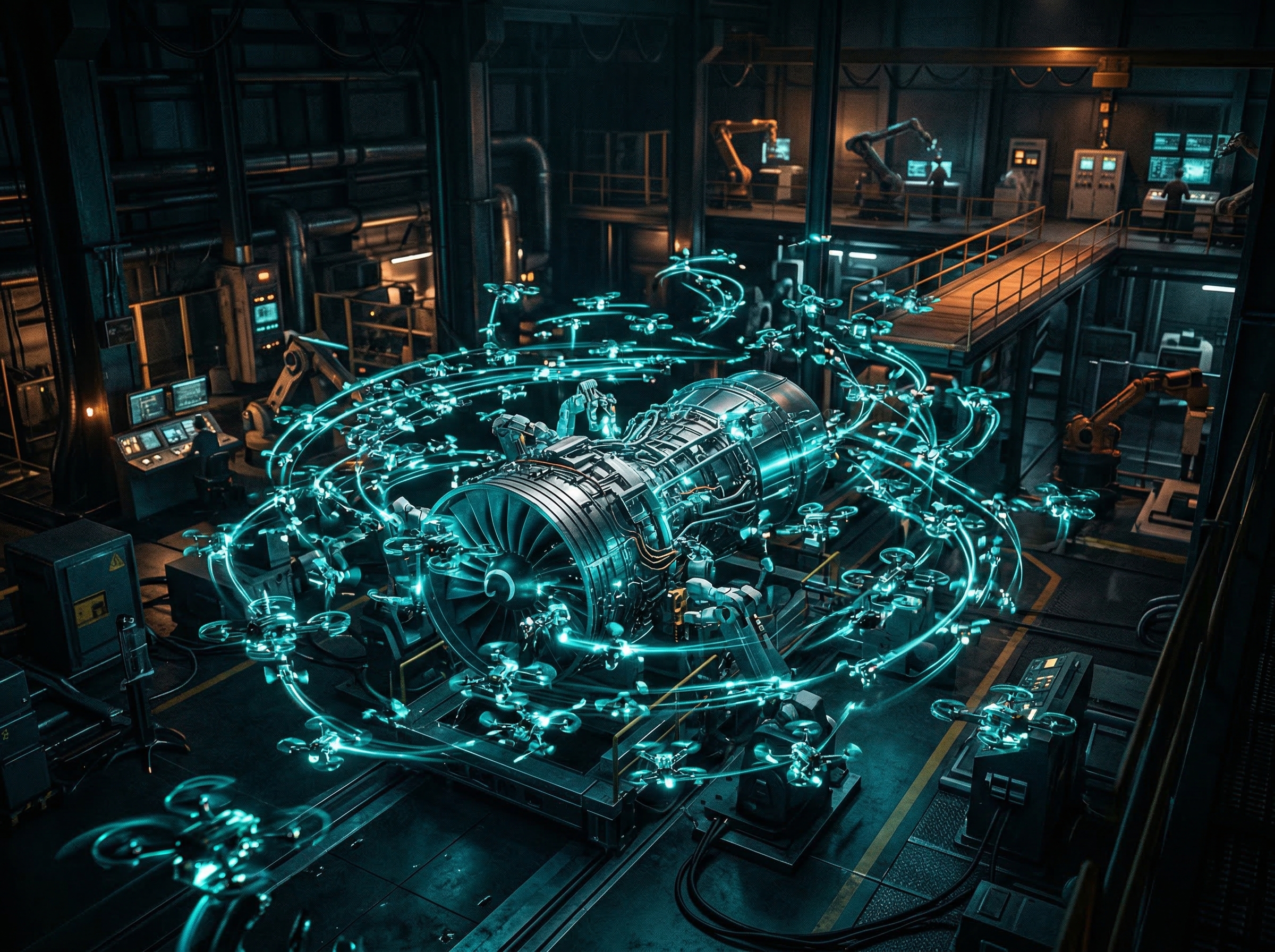
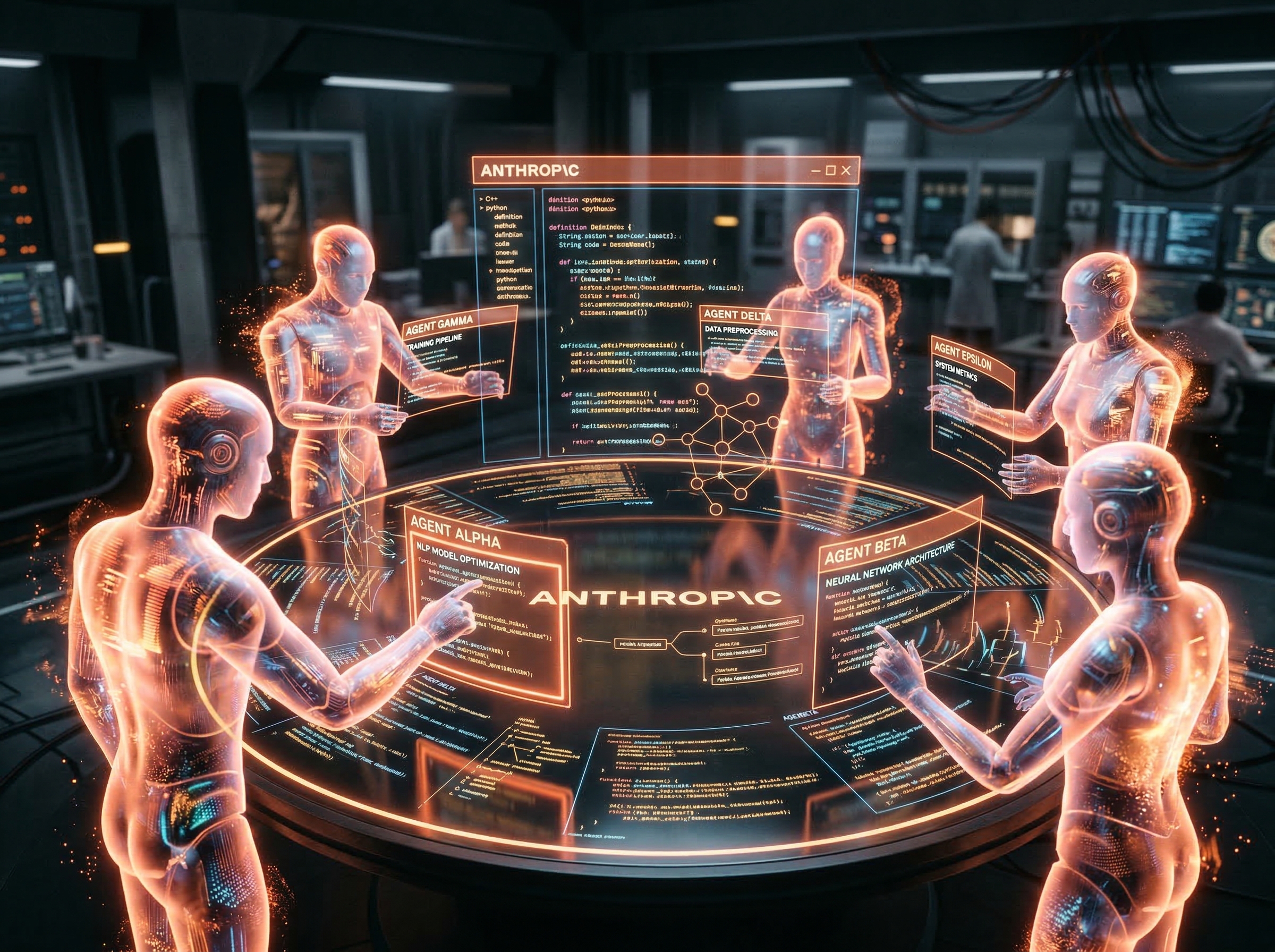
Forget the genius-in-a-box narrative. OpenAI's latest move isn't about making one model smarter — it's about making armies of smaller models cheaper to deploy. GPT-5.4 Mini and Nano are purpose-built for what OpenAI is calling "subagent orchestration": a primary model farms out file indexing, dependency analysis, and test generation to a swarm of lightweight specialists that cost a fraction of a full inference call.
The new Subagent Handover API is the interesting bit. It lets a parent model spawn, monitor, and terminate these worker-bee models programmatically — no human in the loop. Think of it as fork() for AI. The primary agent keeps the architectural vision; the subagents handle the grunt work. OpenAI claims a 2x speed improvement over running everything through a single model, and the cost implications for tools like GitHub Copilot and Cursor are obvious.
The real question isn't whether multi-agent architectures work — they clearly do. It's who controls the orchestration layer. If OpenAI owns the protocol for how agents talk to each other, every IDE and dev tool becomes a thin client. Watch this space.