A Financier's Radical Experiment
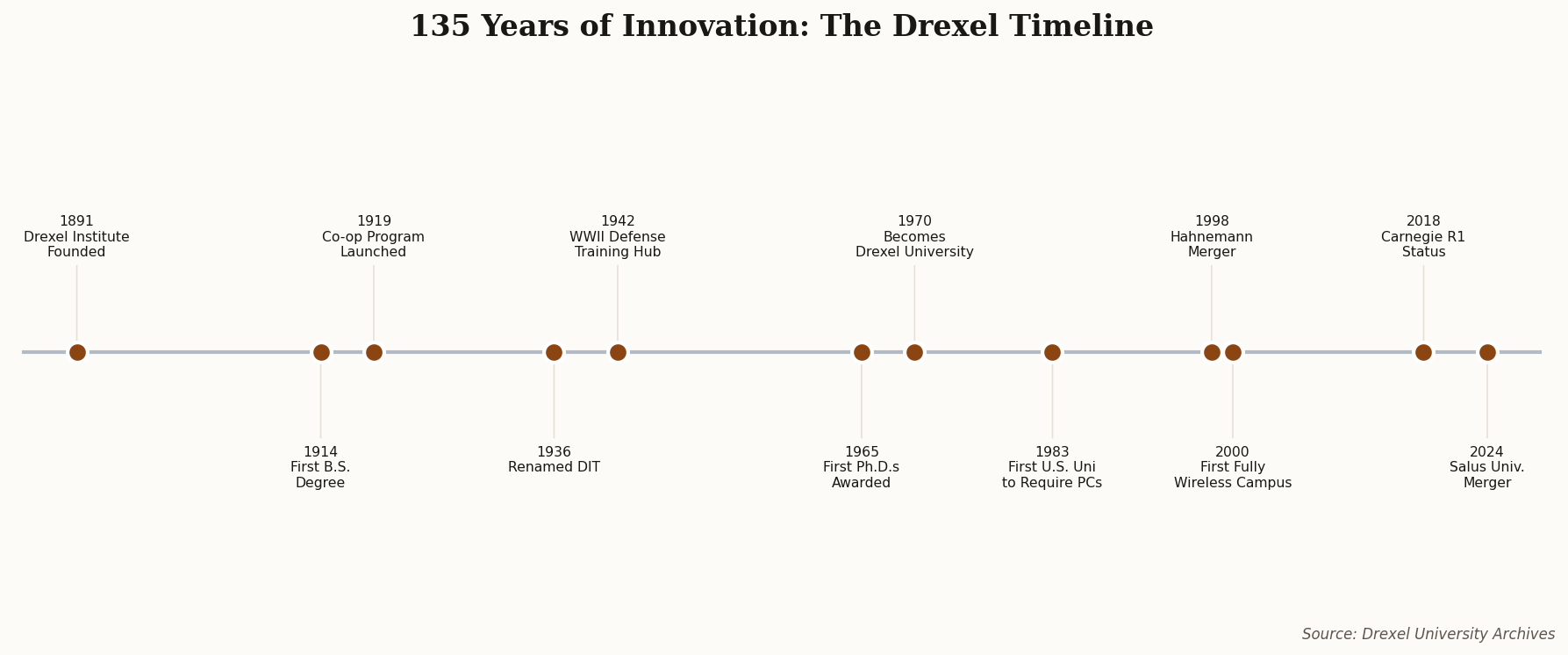
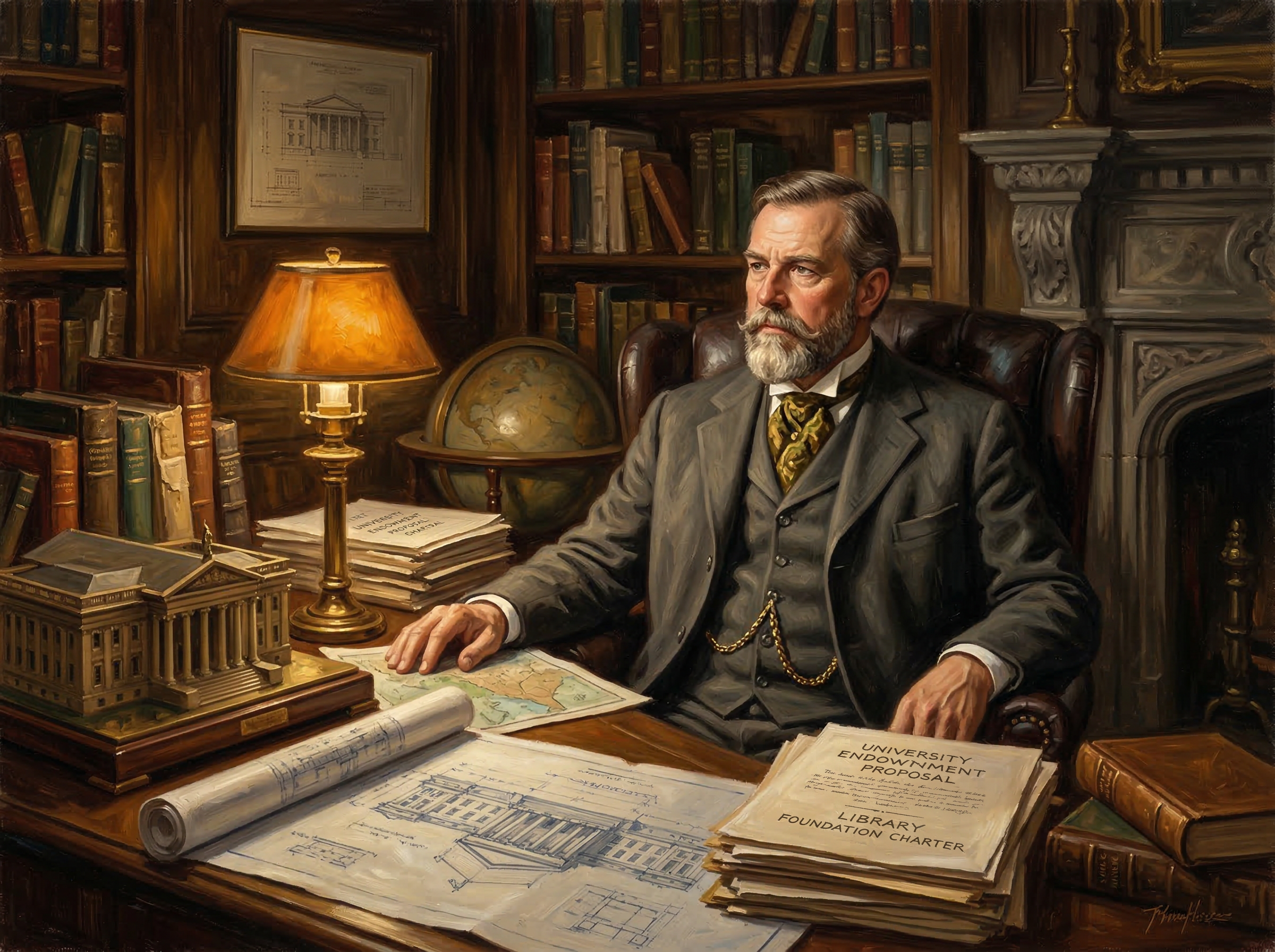
Anthony J. Drexel was not your typical university founder. He was a banker — partner to J.P. Morgan, builder of one of Philadelphia's most powerful financial dynasties, and a man who had never attended college himself. When he opened the Drexel Institute of Art, Science and Industry on December 17, 1891, he wasn't trying to create another ivory tower. He was trying to burn the concept down.
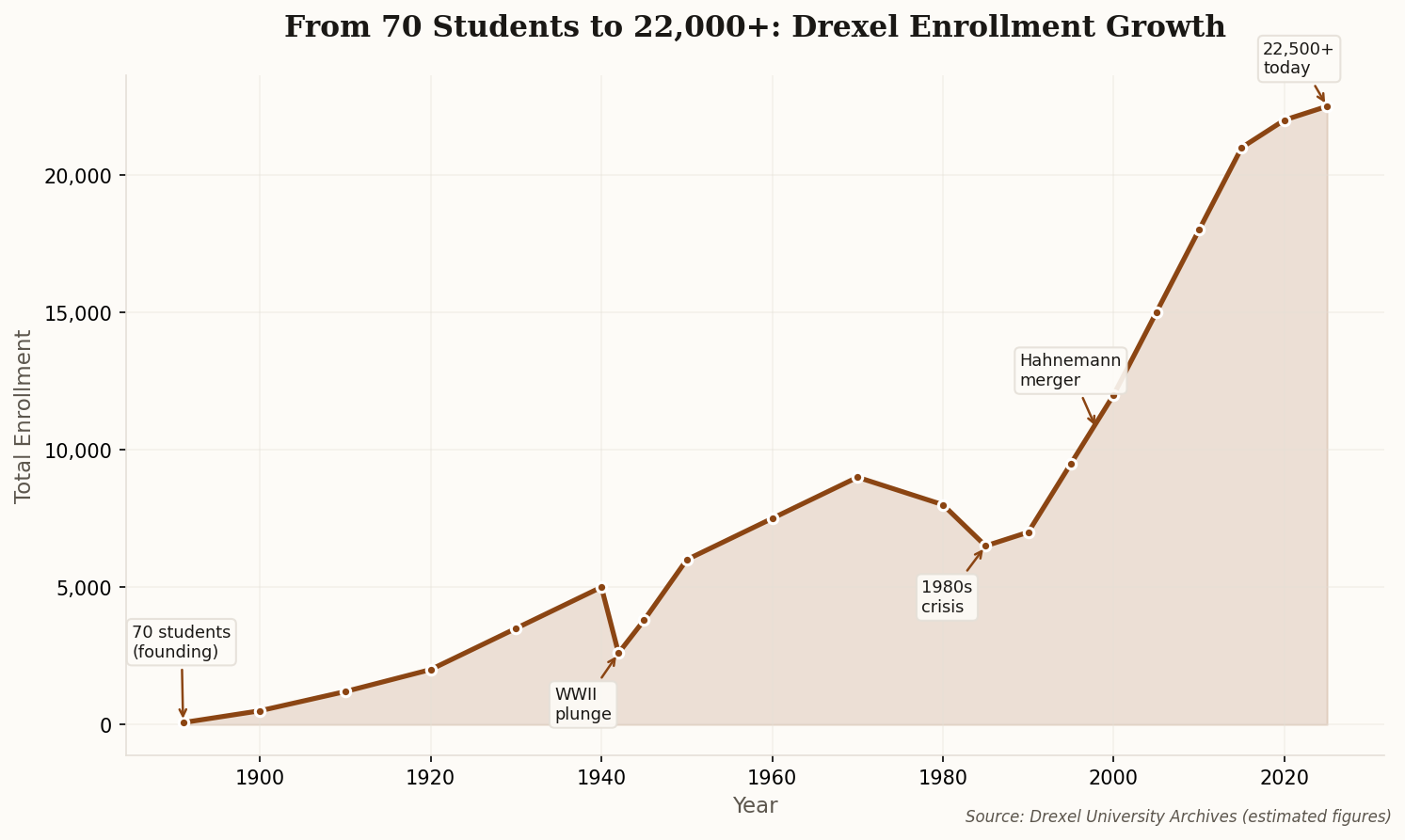
The vision was radical for the Gilded Age: coeducational from day one, non-sectarian, and open to students of all races and socioeconomic backgrounds. In an era when higher education was a gentleman's finishing school, Drexel built a "high-grade technical school" for the urban working class. The first class had just 70 students. The ambition was limitless.
"I know that the world is going to change, and I hope the Institute will change with it and be the leader." — Anthony J. Drexel
The Main Building, designed by Wilson Brothers & Company, was itself a statement. Now a National Historic Landmark, its 35-foot terra-cotta entrance features busts of Galileo, Shakespeare, and Newton — representing the balance of art, science, and industry that would define the institution. The buff-colored brick was a deliberate choice: futuristic and artistic against the era's dominant dark stone. It was designed to be a "city under one roof," housing everything from the library to the gymnasium. Anthony Drexel didn't live to see his institute mature — he died in 1893, just two years after opening day. But the DNA he embedded would prove nearly indestructible.