"There Will Be No Meetings" — How Four Words Built an Identity
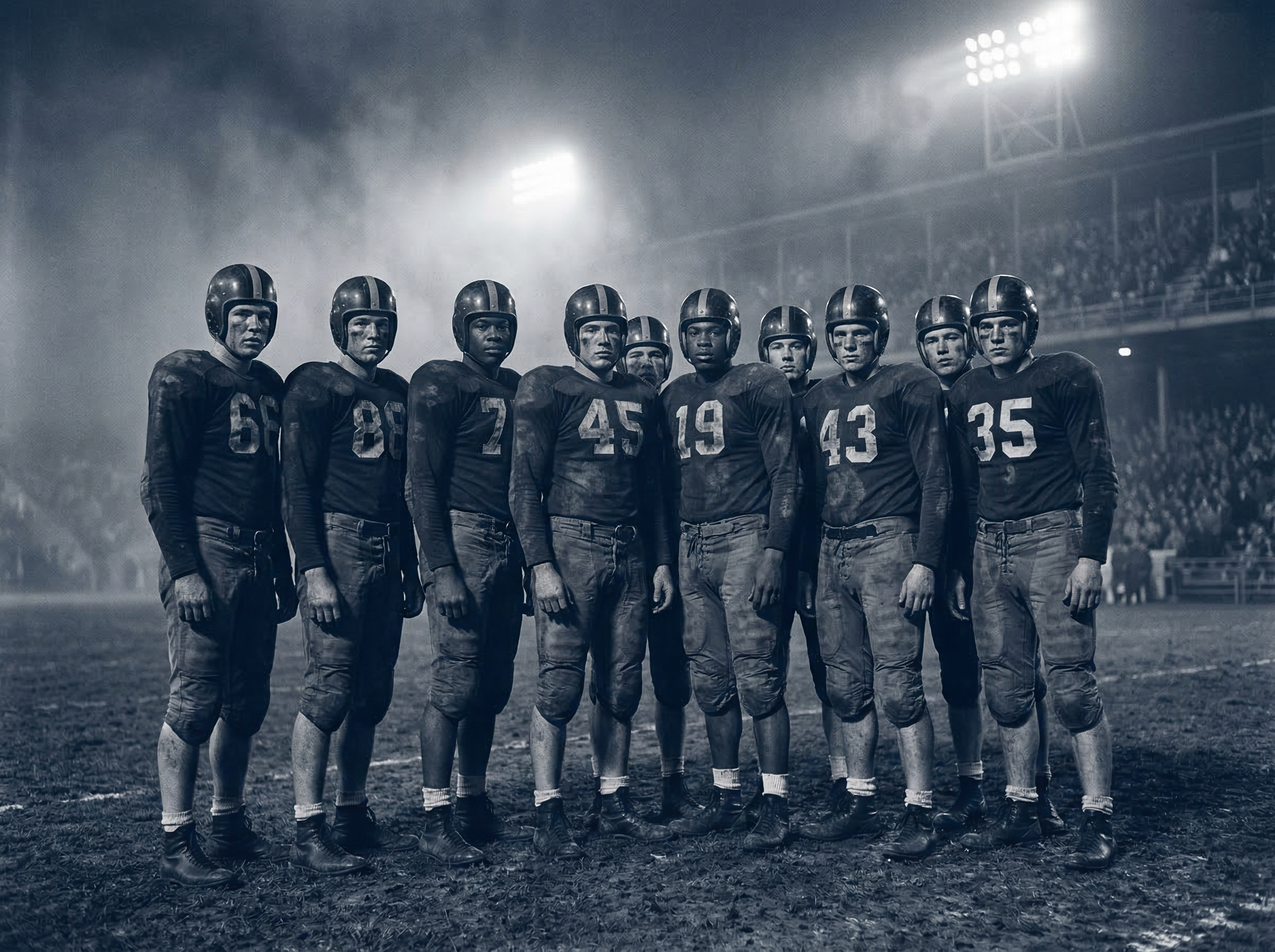
Before "We Are Penn State" was a chant echoing through Beaver Stadium, it was a moral line drawn in the dirt. In 1946, Penn State was scheduled to play an opponent that demanded the Nittany Lions bench their Black players — Wally Triplett and Dennie Hoggard. The team's captain, Steve Suhey, didn't call a meeting, didn't poll the locker room, didn't equivocate. He simply said: "We are Penn State. There will be no meetings."
That sentence did something no marketing campaign ever could. It welded the school's identity to a principle — that belonging at Penn State is unconditional, not contingent on the comfort of outsiders. Triplett would go on to become the first African American to play in the Rose Bowl (1948) and the first to be drafted by an NFL team. The phrase outlived its moment and became the university's universal declaration of solidarity, shouted by 106,000 fans in unison at every home game.
What makes this origin story so enduring isn't the defiance itself — it's the casualness of it. Suhey didn't frame it as a historic stand. He treated inclusion as a given, not a debate. That's what separates a slogan from a creed.