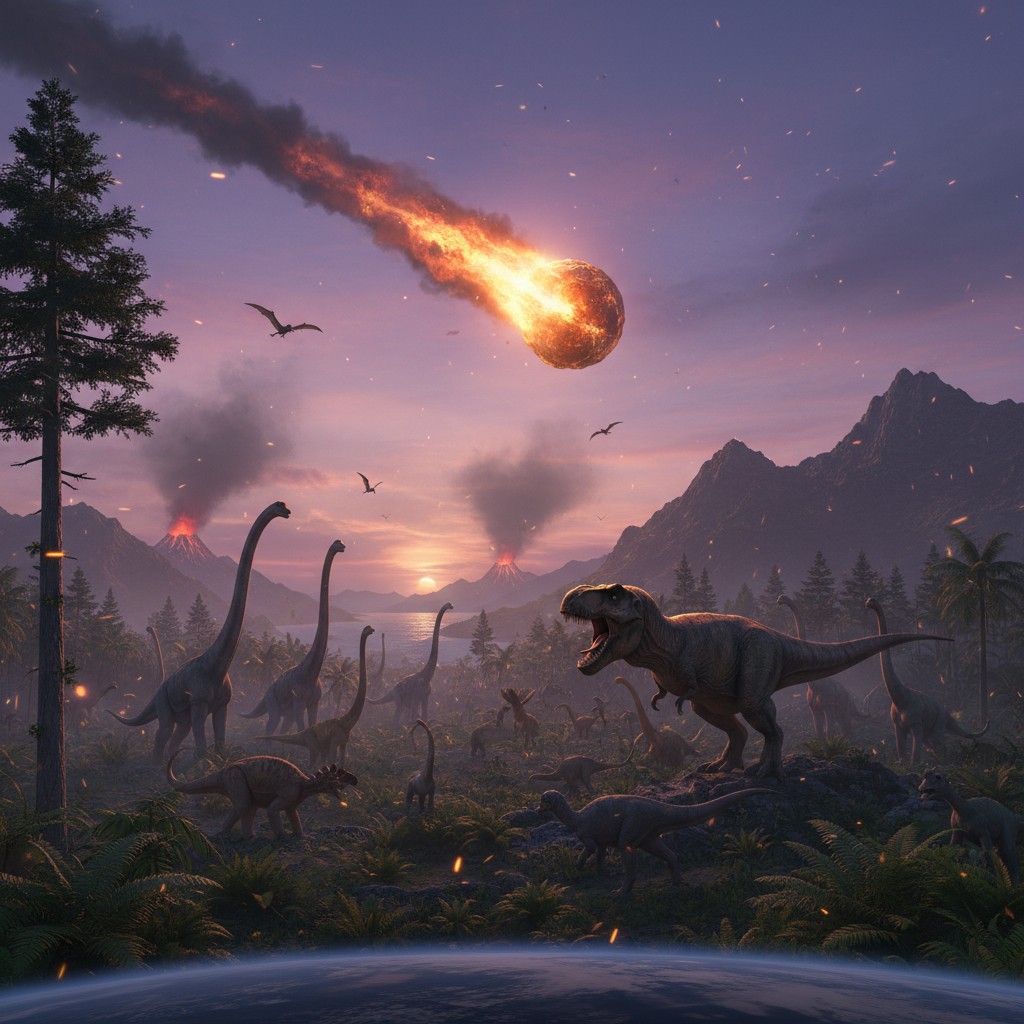
The Geological Illusion That Rewrote Dinosaur History
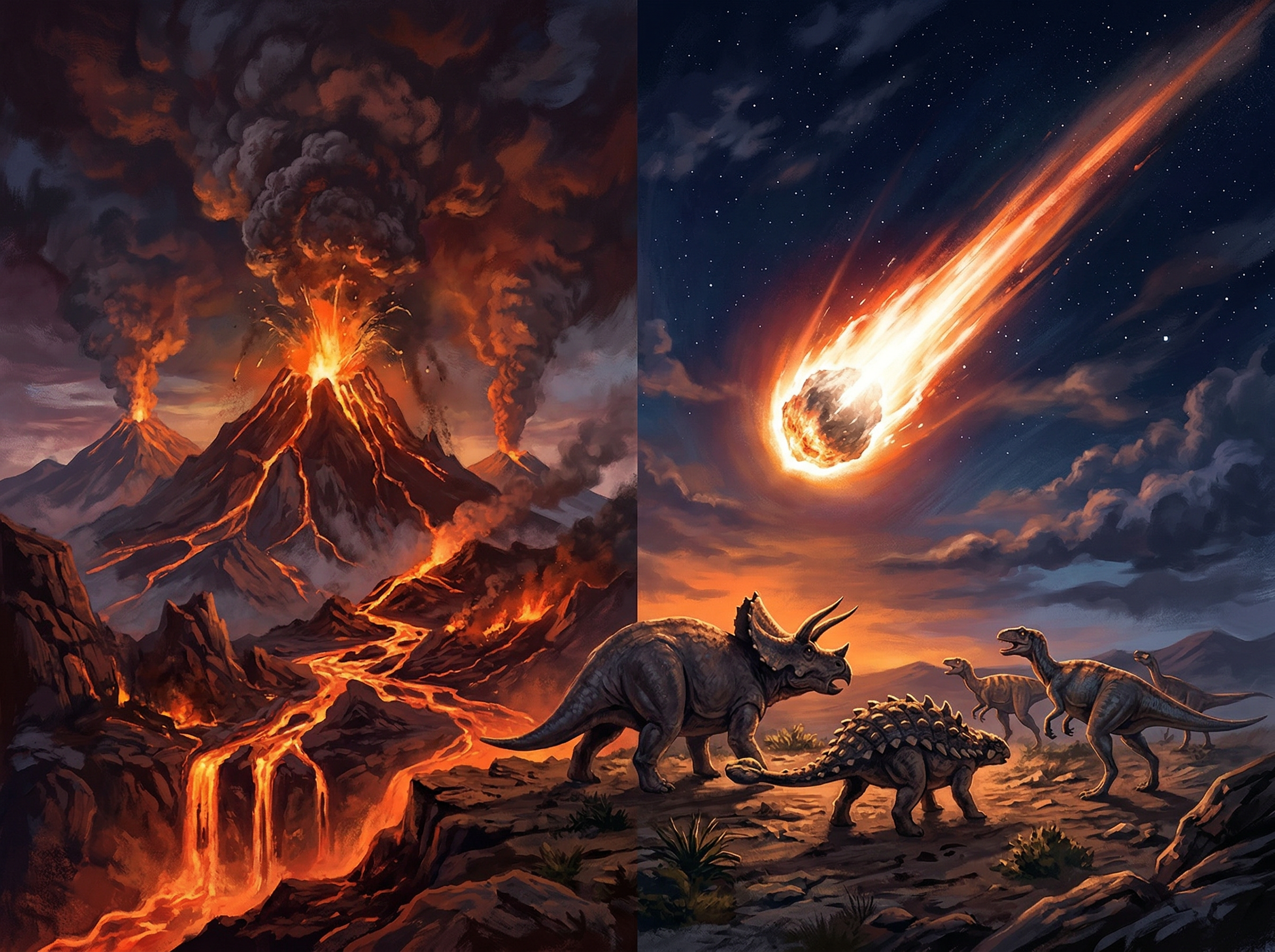
Here's a story that's been told so often it hardened into fact: dinosaurs were already on the decline when the asteroid hit. A dying dynasty, shuffling toward oblivion. The space rock just hurried things along. It's a comforting narrative — the inevitability of their fall, the preordained rise of mammals. And a 2025 study from University College London just demolished it.
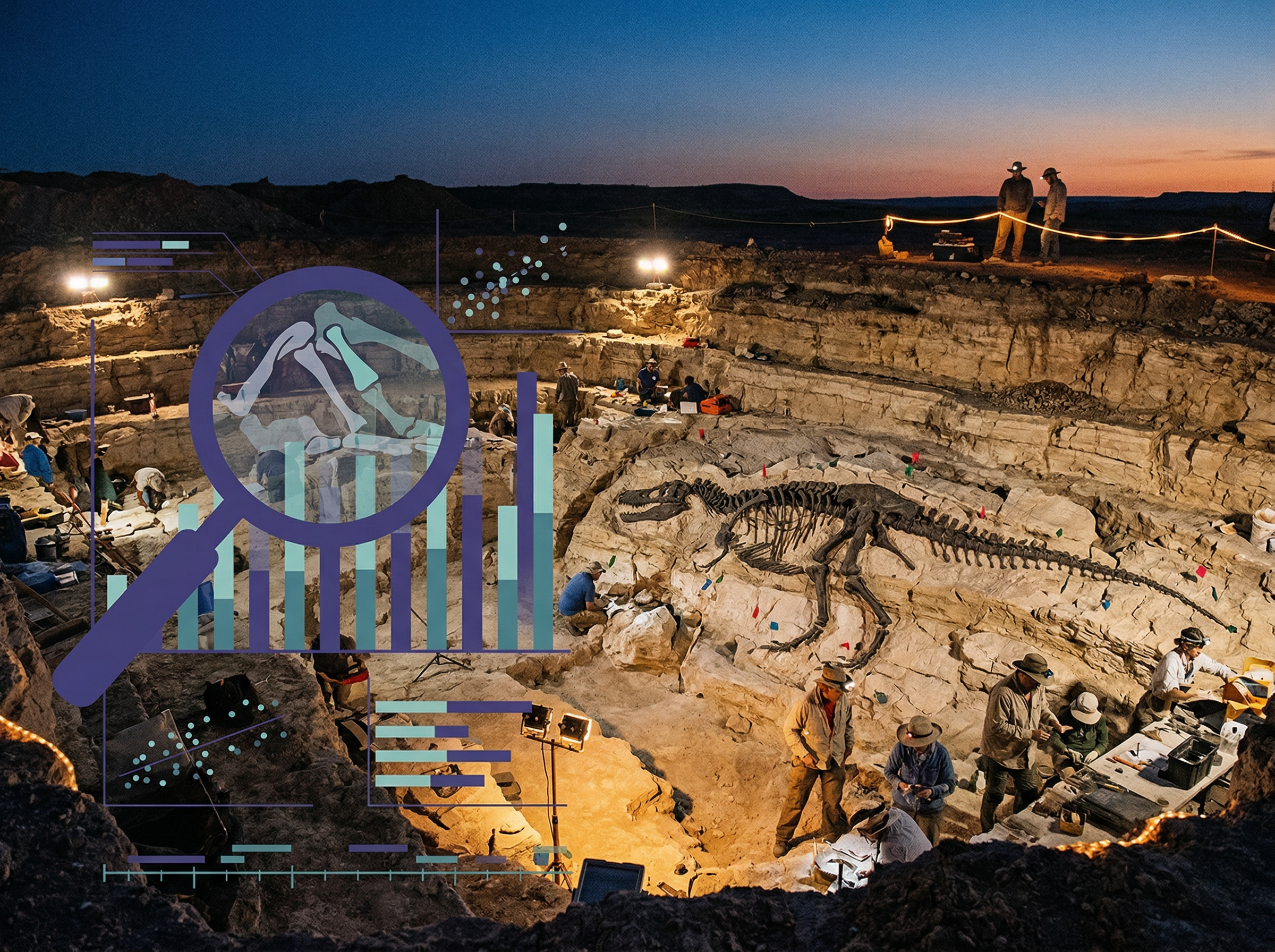
Researchers Alessandro Chiarenza and Chris Dean analyzed over 8,000 fossils from North America using occupancy modeling — a statistical technique borrowed from ecology that accounts for imperfect detection. Their finding was stark: the "apparent decline" in dinosaur diversity before the asteroid was a geological sampling artifact. We had fewer rock layers from the final few million years, so we found fewer fossils. We confused our incomplete record for their incomplete lives.
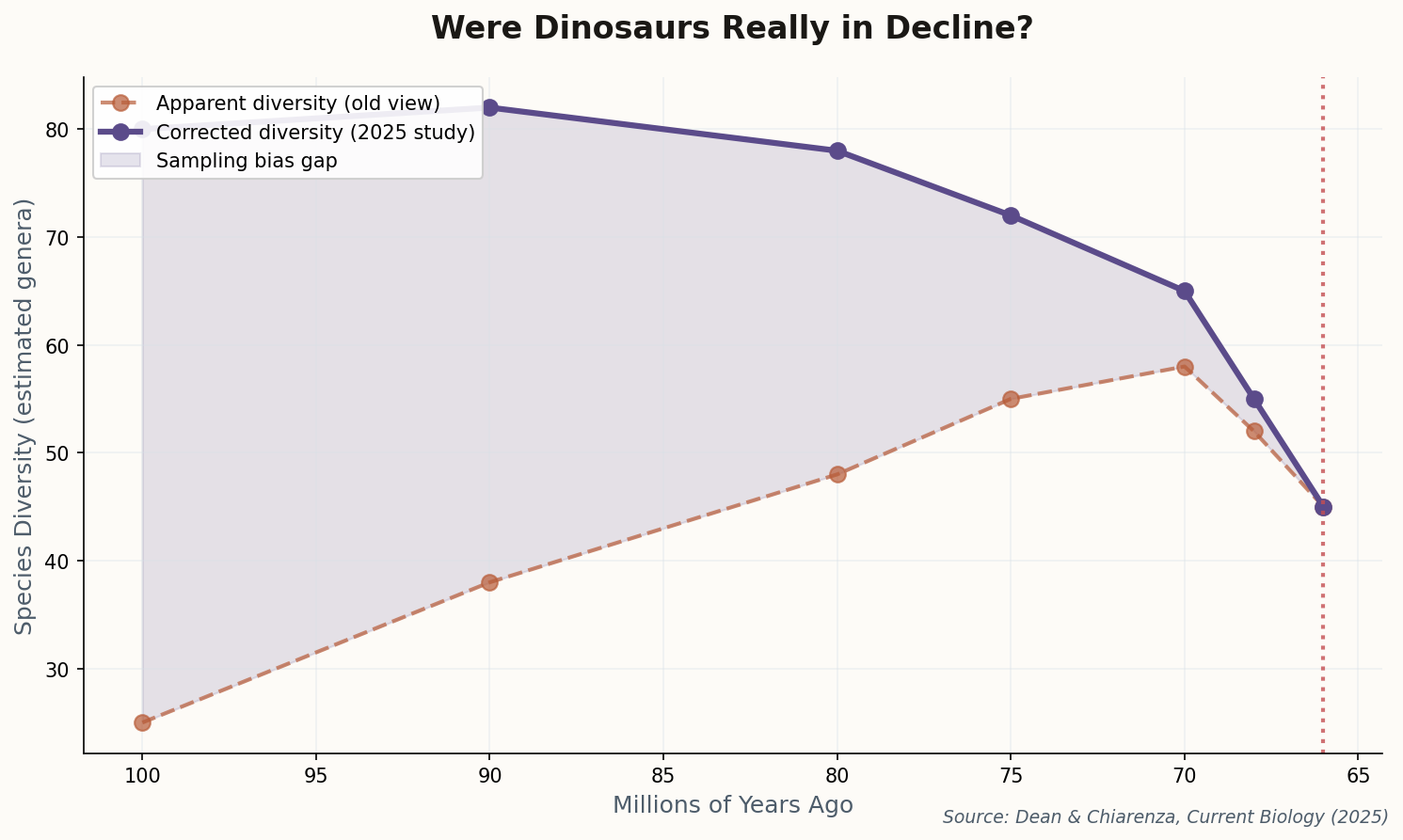
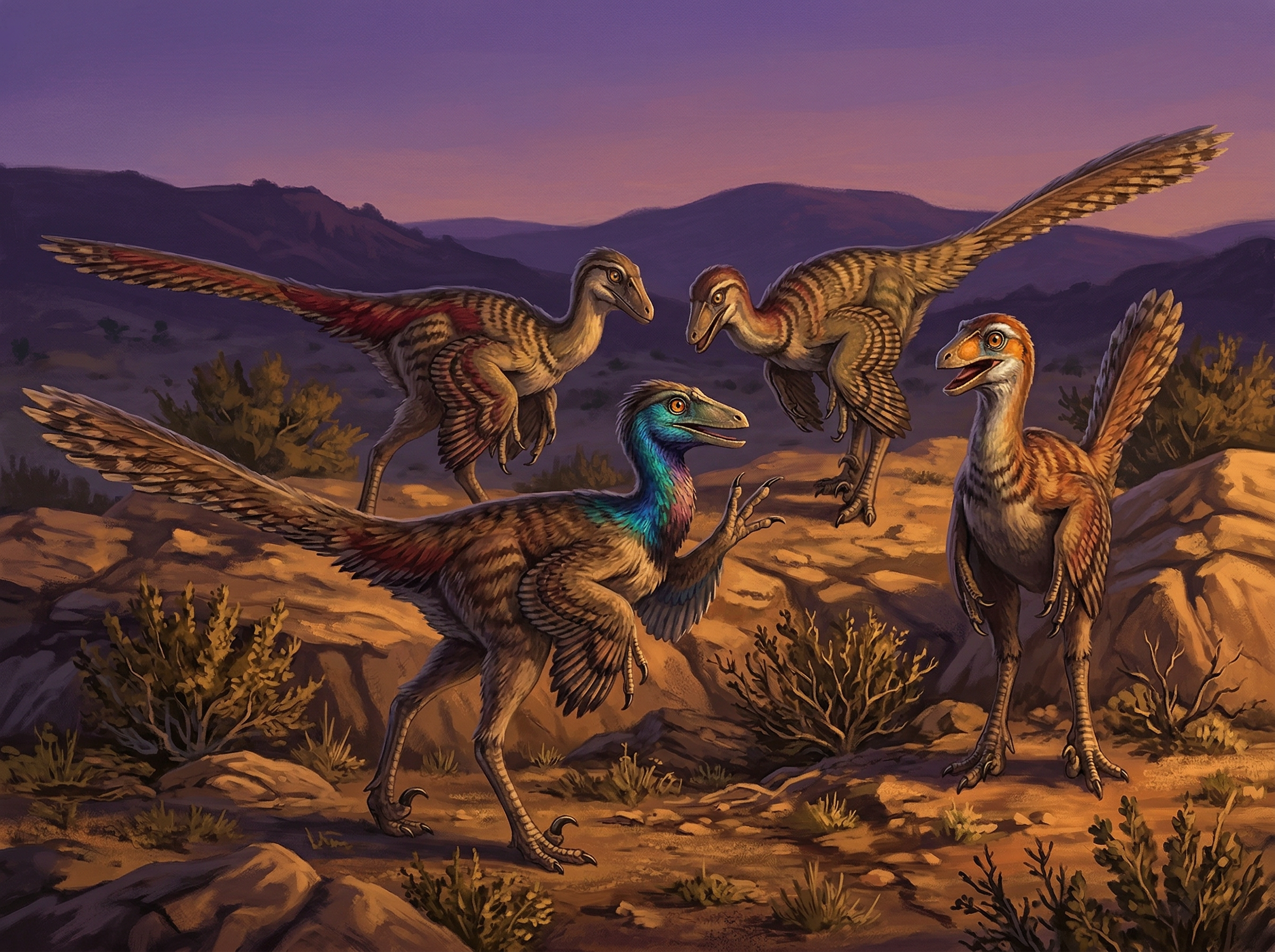
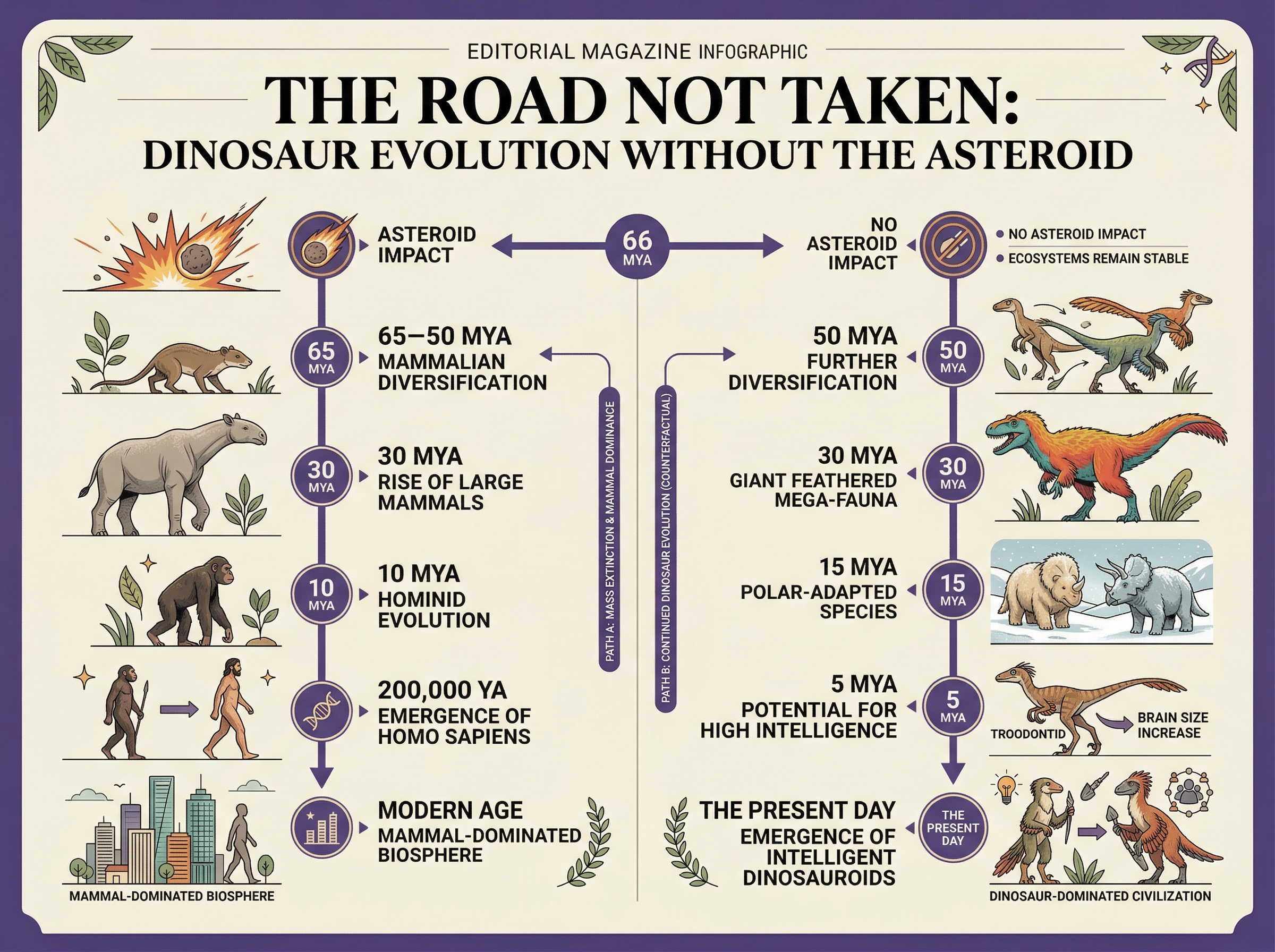
Ceratopsians, tyrannosaurids, hadrosaurs — they were all stable or expanding their range right up to impact day. The implication is jarring in its clarity: without that asteroid, dinosaurs would have likely continued to dominate Earth for millions of additional years. They weren't fading. They were thriving. We just couldn't see it through the gaps in the rock.