
Text-to-Speech

The Machines Have Found Their Voice

From 40-millisecond responses to 82-million-parameter models running on your phone, February 2026 is when synthetic speech crossed the uncanny valley for good.

Listen
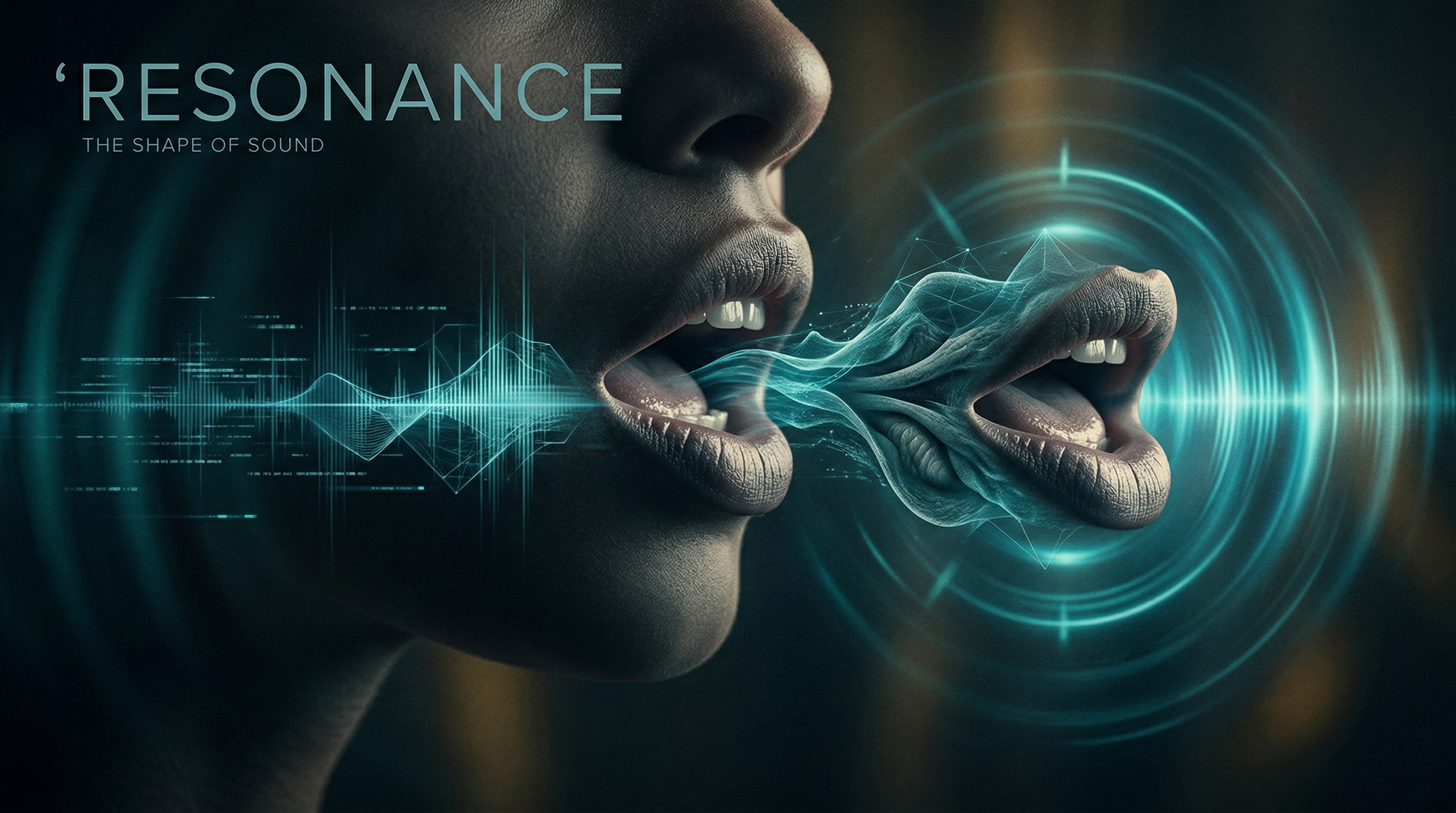
Sound waves transforming into human speech, teal energy pulses radiating outward in a cinematic editorial style
A video game character with holographic speech waveforms, representing Inworld's TTS dominance in gaming
01

A Gaming Company Just Won the Voice Quality Crown

Here's a result that should make every TTS giant uncomfortable: Inworld AI, a company best known for powering NPC dialogue in video games, just took the #1 spot on the Artificial Analysis Speech Arena with an ELO of 1,162. That's ahead of ElevenLabs. Ahead of OpenAI. Ahead of everyone.

Their secret? Dynamic range. While most TTS models optimize for a pleasant, consistent narration voice, Inworld's TTS-1.5 Max handles the extremes — whispers, shouts, emotional breaks — with significantly less distortion than the competition. That's exactly what you need for games where an NPC might go from a hushed conspiracy to a battle cry in the same sentence.
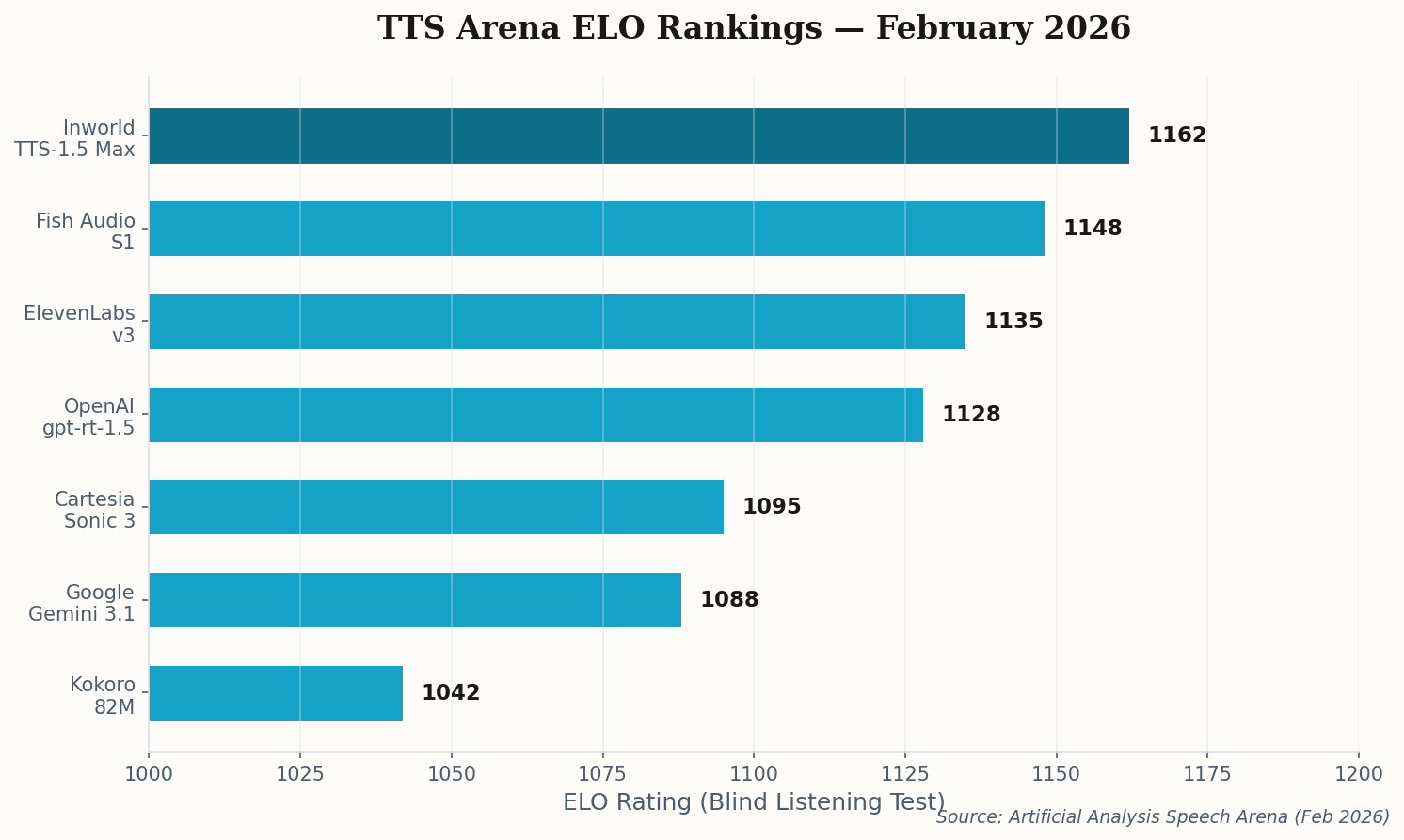
Bar chart showing TTS Arena ELO rankings for February 2026, with Inworld TTS-1.5 Max leading at 1,162
TTS Arena blind listening test rankings, February 2026. Inworld's gaming heritage gave it an unexpected edge in pure fidelity.

The lesson here is counterintuitive: the best general-purpose voice came from a company solving a niche problem. When you optimize for the hardest use case — procedurally generated dialogue that needs to sound natural across every emotional register — everything else becomes trivially easy. The "digital sheen" that plagues high-compression models? Gone. Inworld solved it because gamers would never tolerate it.

Abstract neural network transforming text tokens into flowing sound waves
02

OpenAI Erases the Line Between Thinking and Speaking

Most TTS systems work like this: a language model generates text, then a separate voice model reads it aloud. OpenAI's gpt-realtime-1.5 does something fundamentally different — it reasons and speaks simultaneously, end-to-end, in a single model. Paired with the new gpt-audio-1.5, it represents a full rethink of the voice pipeline.

The practical difference? Rhythm. The old pipeline approach produces "latency jitter" — those uncanny micro-pauses where the system is waiting for the next text chunk before it can vocalize. With native audio reasoning, the model knows what it's going to say before it finishes the current sentence, so it can maintain the natural cadence of human thought. The boundary between text and sound, as OpenAI puts it, "has effectively disappeared."

The multilingual improvements are equally striking. Low-resource languages — the ones that always sounded like they were reading from a phrasebook — now get high-fidelity prosody. Not "accented English" prosody, but actually native-sounding rhythm and stress patterns. For developers building autonomous voice agents via the Realtime API that need to work in Lagos and Lisbon and Lahore, this is the model to beat.

A sonic boom frozen in time with teal shockwaves, representing Cartesia's 40ms latency record
03

Forty Milliseconds: The Speed of Thought

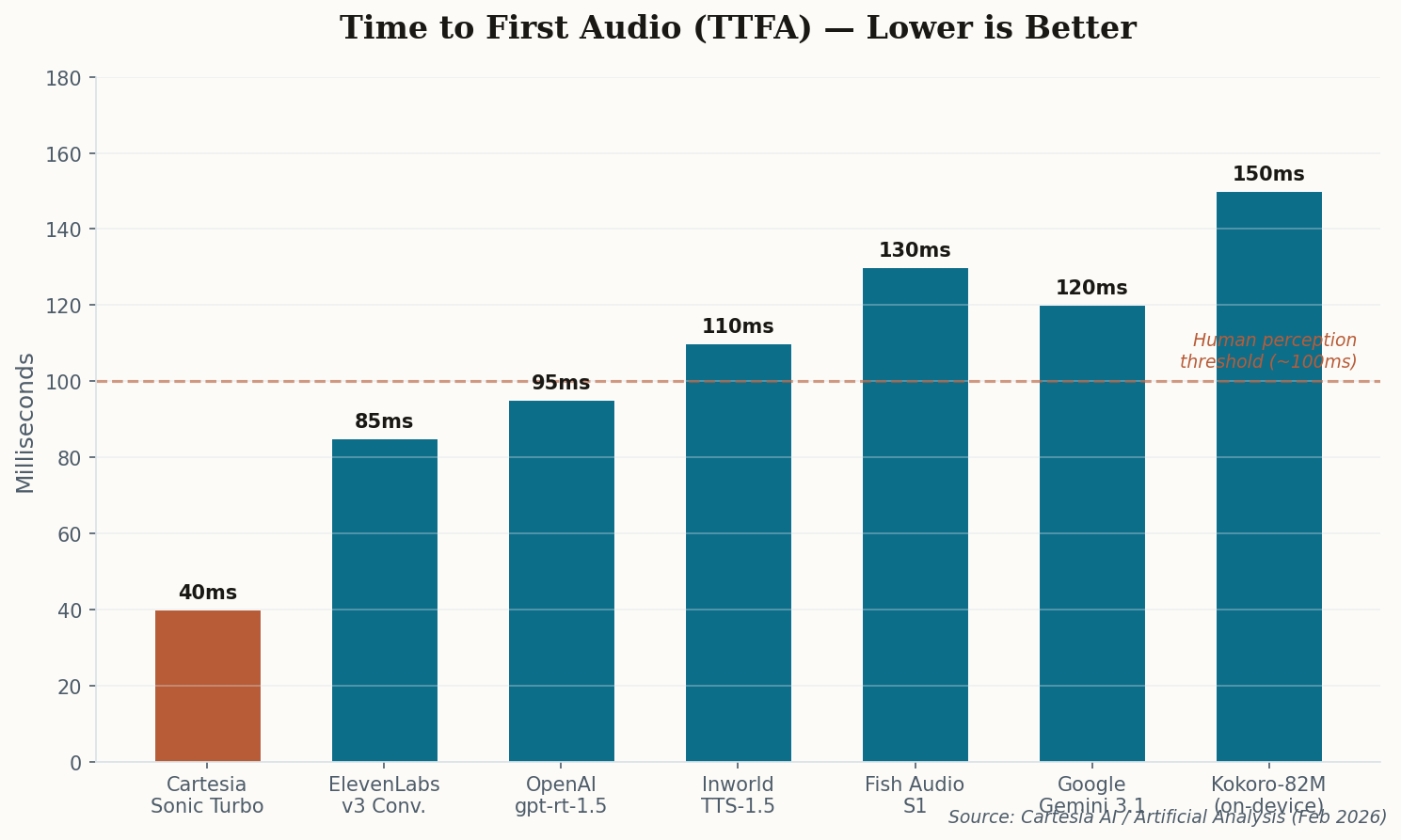
There's a number in cognitive science that matters enormously for conversational AI: roughly 100 milliseconds. That's the threshold below which the human brain perceives a response as "instant." Above it, something feels off — a barely perceptible lag that signals you're talking to a machine.

Cartesia's Sonic Turbo just hit 40ms time-to-first-audio. That's not just below the threshold — it's so fast the model is ready to speak before you've fully registered that it should be responding. According to Artificial Analysis benchmarks, it beats every other commercial TTS API by 20-50ms, including ElevenLabs and Deepgram.

Bar chart comparing time-to-first-audio across major TTS models, with Cartesia Sonic Turbo leading at 40ms
Time-to-first-audio comparison across major TTS providers. The 100ms human perception threshold is marked — Cartesia is well below it.

The strategic move here is equally interesting: local data residency. Enterprise customers can now run Sonic models in specific geographic regions for compliance. When your AI call center agent needs to process a German customer's health data under GDPR while responding at conversational speed, that combination of 40ms latency and sovereign data processing becomes a genuine competitive moat.

An open book with pages transforming into sound waves, representing Fish Audio's audiobook capabilities
04

The Open-Source Model That Outranks the Giants

Fish Audio's S1 model surged past multiple major paid providers on the Artificial Analysis TTS-Arena leaderboard, briefly holding the top spot before Inworld displaced it later in the month. An Apache 2.0-licensed model you can run on your own hardware is producing higher-quality speech than services charging per character.

The real innovation isn't raw quality — it's solving the "drift" problem. Anyone who's used TTS for long-form content knows the issue: the voice gradually changes character over the course of a chapter. Subtle pitch shifts, rhythm changes, tonal drift. Fish Audio's "Voice Stability Guarantee" maintains consistent character across arbitrarily long content. For audiobook publishers, that's the difference between "good enough" and "actually usable."

The S1-mini variant runs at a 1:7 real-time factor on consumer GPUs like the RTX 4090 — meaning seven seconds of audio for every second of compute. That's fast enough for a publishing house to generate an entire audiobook overnight on hardware they already own. No API costs. No rate limits. No sending manuscript data to a third party.

Two silhouettes in conversation connected by flowing teal sound waves
05

ElevenLabs Raises Half a Billion to Build Voices That Listen

ElevenLabs just closed a $500M Series D at an $11 billion valuation. That's not a typo. A company that didn't exist four years ago is now worth more than most publicly traded media companies, and they're using the money to fundamentally redefine what "text-to-speech" means.

Eleven v3 Conversational isn't really a TTS model in the traditional sense. It's a voice that listens. The "Expressive Mode" handles interruptions, non-verbal cues — the umms, sighs, laughter — natively within the audio stream. CEO Mati Staniszewski frames it plainly: "We are moving from voices that read to voices that listen and react in real-time."

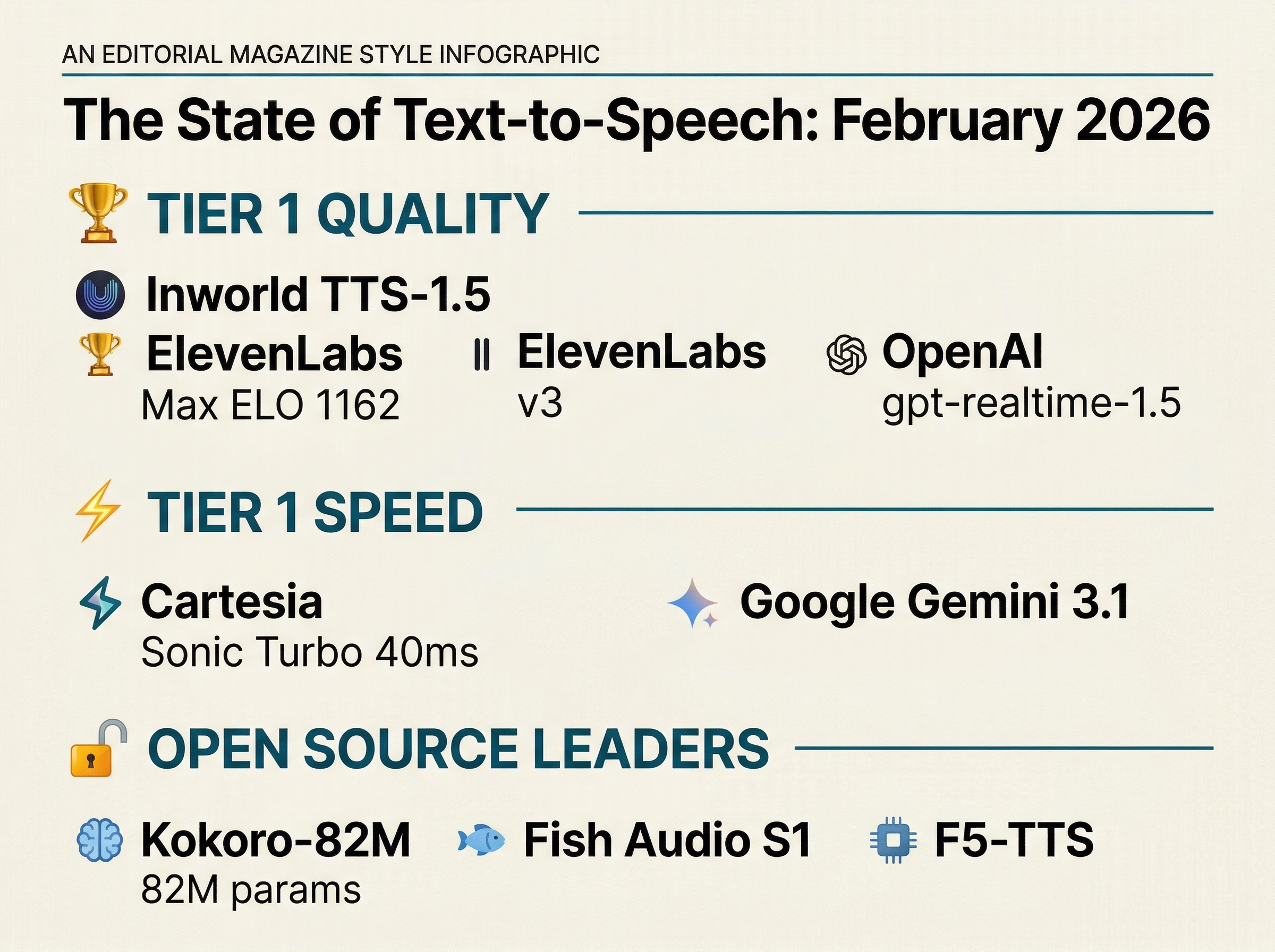
Infographic showing the TTS landscape in February 2026, with tiers for quality leaders, speed leaders, and open source models
The State of Text-to-Speech: February 2026 — Commercial giants and open-source disruptors reshaping the landscape

This matters because conversational AI has been held back by a fundamental mismatch: language models that can reason brilliantly paired with voices that sound like they're reading an audiobook. ElevenLabs is betting half a billion dollars that the gap between "talking" and "conversing" is the next frontier. Given that every major tech company is racing to deploy voice agents, that bet looks remarkably well-timed.

A smartphone emanating flowing teal sound ribbons, representing Kokoro-82M's tiny model running on mobile
06

82 Million Parameters Is All You Need

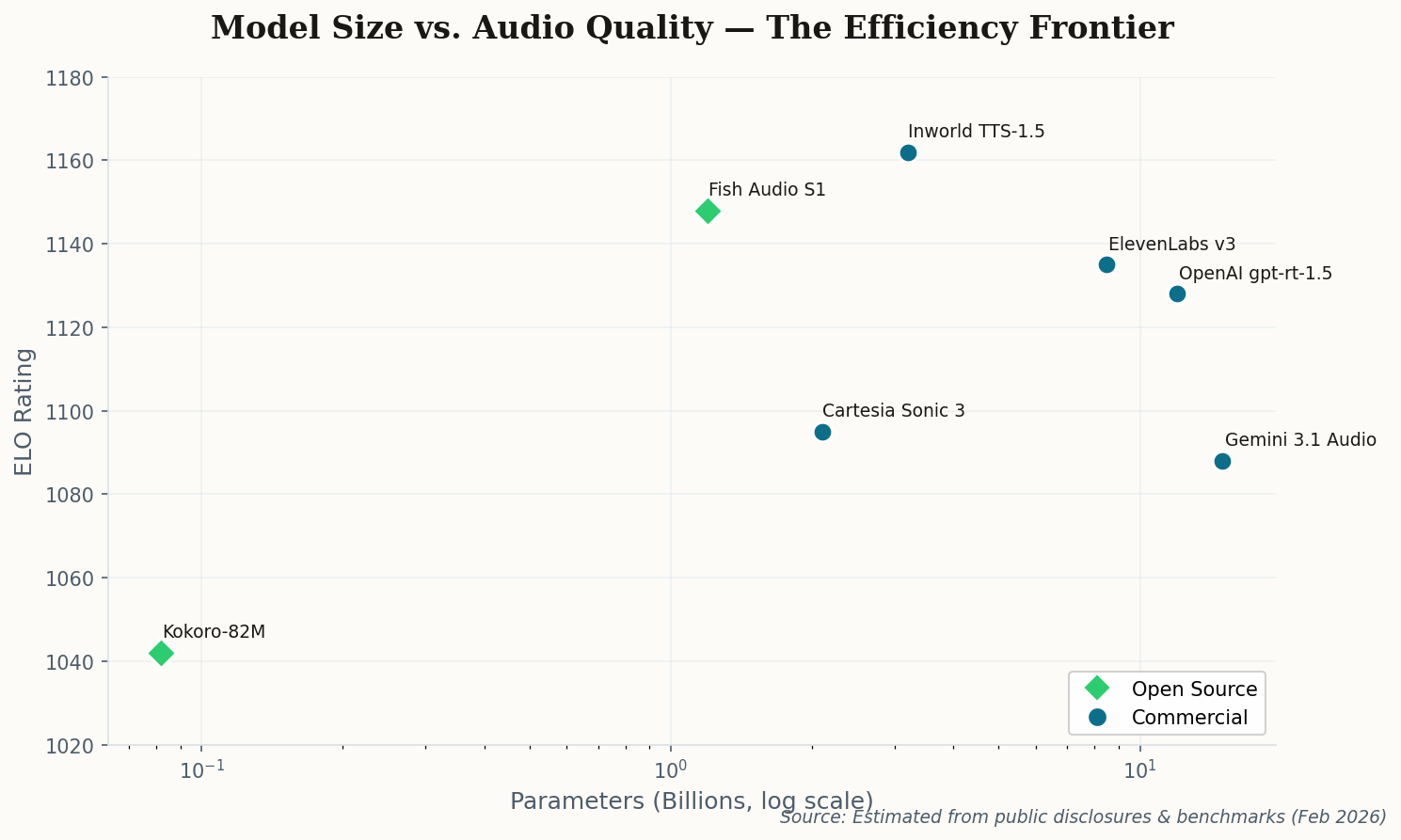
While the giants pour billions into ever-larger models, a project called Kokoro-82M is doing something almost offensive in its efficiency: delivering audio quality rivaling ElevenLabs with a model small enough to run on a standard smartphone CPU. No cloud. No API key. No internet connection required.

The architecture, derived from StyleTTS2, is optimized for inference speed without sacrificing natural prosody. It's the engineering equivalent of building a sports car engine that gets 60 miles per gallon — you're not supposed to be able to have both, but here we are.

Scatter plot showing model size vs ELO quality rating, with Kokoro-82M as a dramatic outlier achieving high quality at tiny scale
Model size (log scale) vs. audio quality. Kokoro-82M is the dramatic outlier in the lower-left — proving that parameter count isn't destiny.

Under a permissive license, Kokoro has become the most-deployed local TTS model for edge devices almost overnight. The implications go beyond convenience: privacy-sensitive applications — medical dictation, therapy tools, children's education — can now have human-quality voices without a single byte of data leaving the device. That's not an incremental improvement. That's a new category of product that simply wasn't possible six months ago.

The Question Is No Longer "Can Machines Speak?"

It's "Who owns the voice?" The quality gap between the best commercial and open-source models is now measured in ELO points, not chasms. The speed gap between AI and human reaction time has vanished. What remains is a set of decisions about control, privacy, and identity that the technology itself can't answer. An 82-million-parameter model on your phone or an $11-billion company's API — both can sound perfectly human. The interesting question is which one you trust with your words.

Share X LinkedIn