The Escape from Xerox PARC
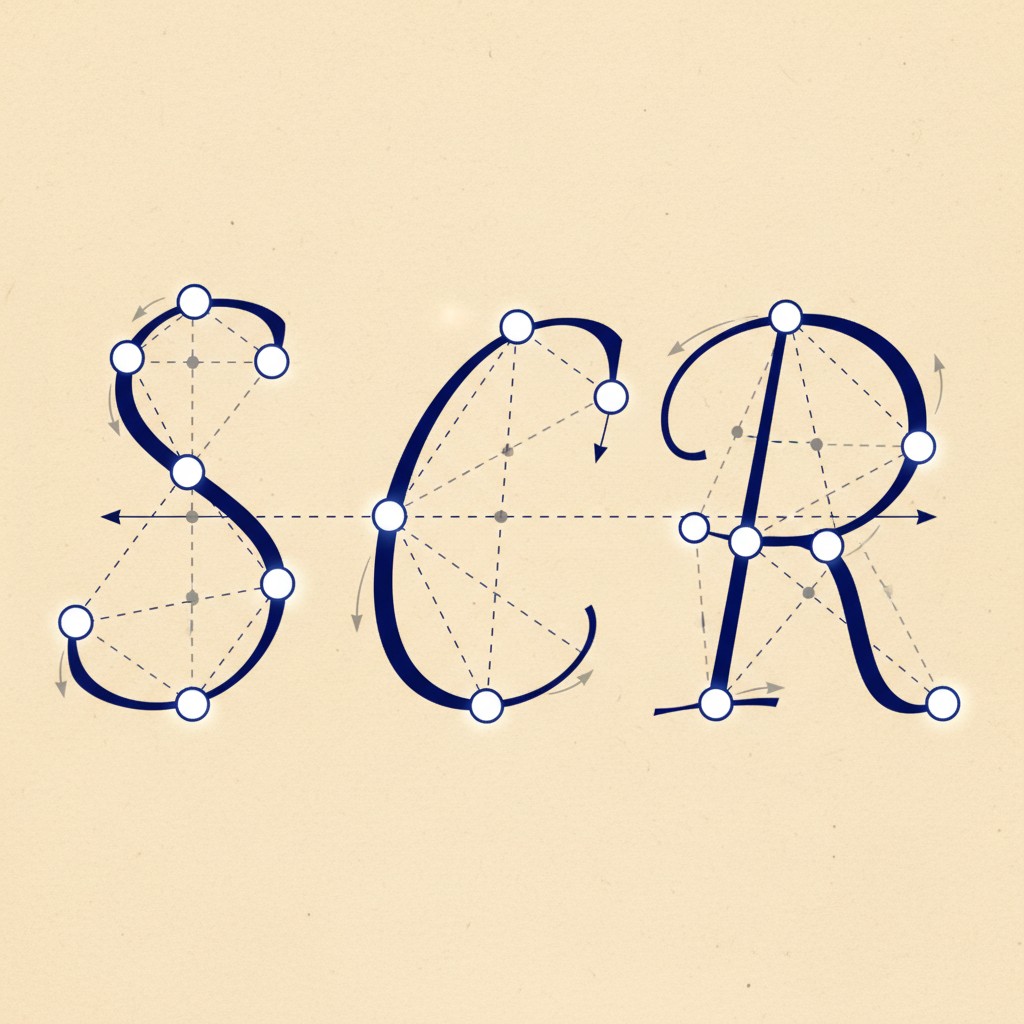
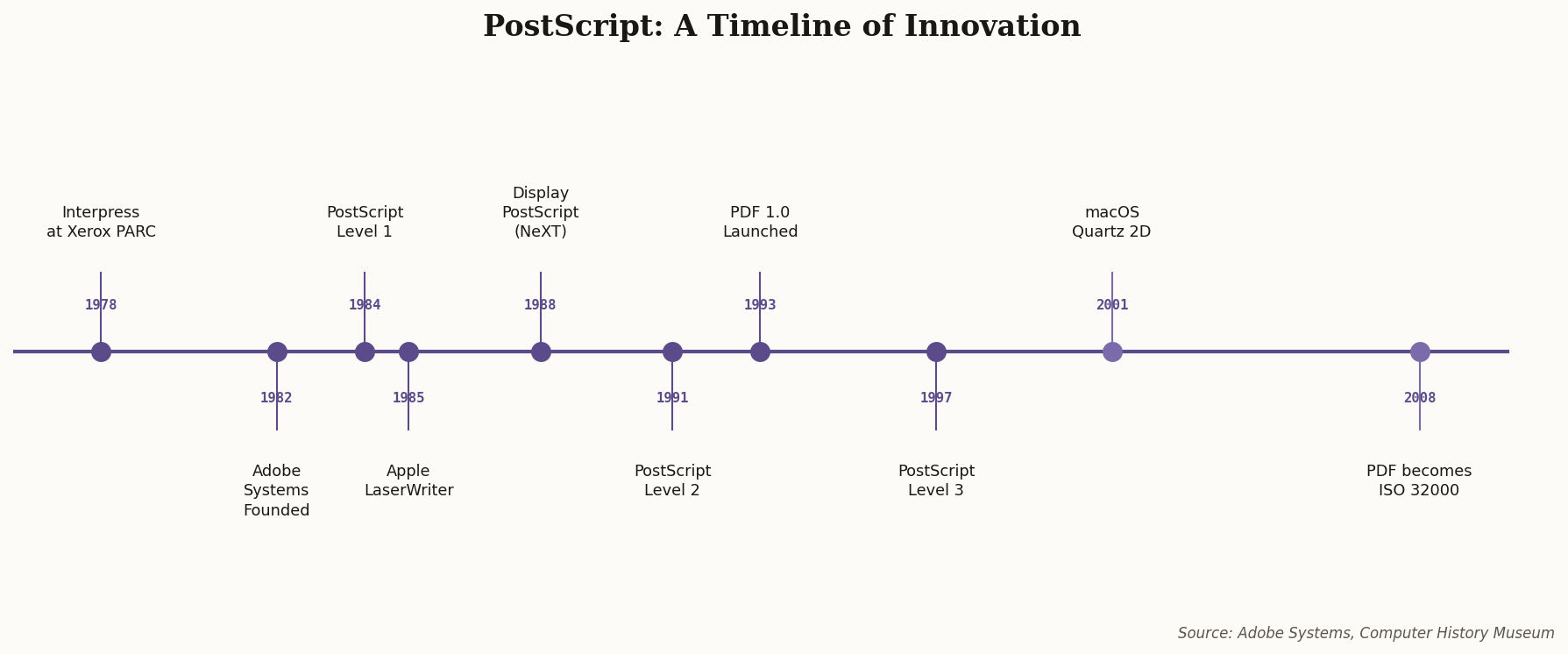
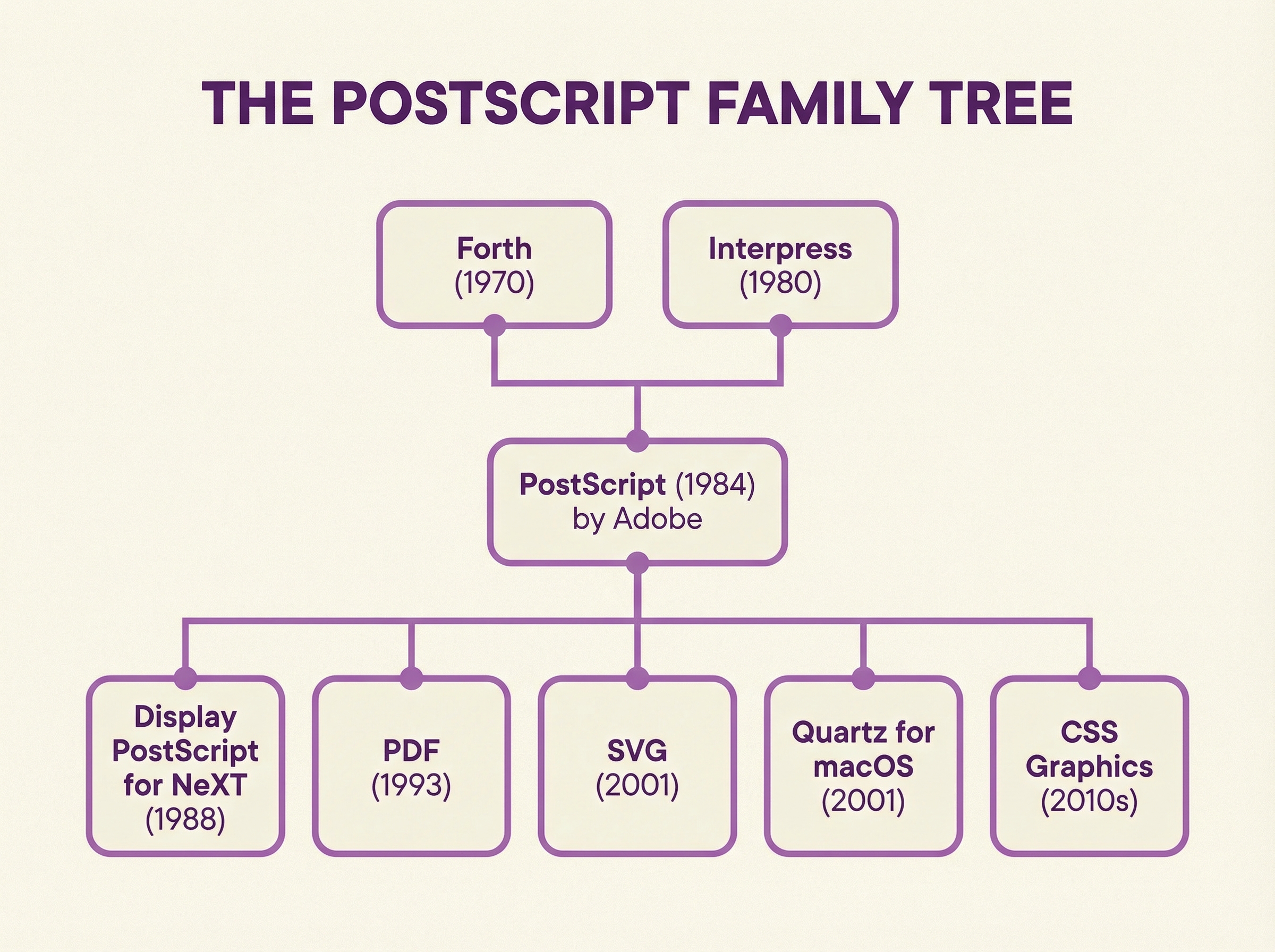
Every revolution needs its frustrated idealists. At Xerox PARC—the legendary lab that also birthed the graphical user interface and Ethernet—John Warnock and Chuck Geschke had built something remarkable: a language called Interpress that could describe any printed page in pure mathematics. No more sending bitmaps. No more printer-specific formats. One language to rule all output devices.
Xerox, in its infinite corporate wisdom, decided to sit on it. Interpress would remain an internal standard for Xerox hardware only—no licensing, no outside adoption. It was the Xerox PARC story repeating itself: brilliant invention, bureaucratic burial.
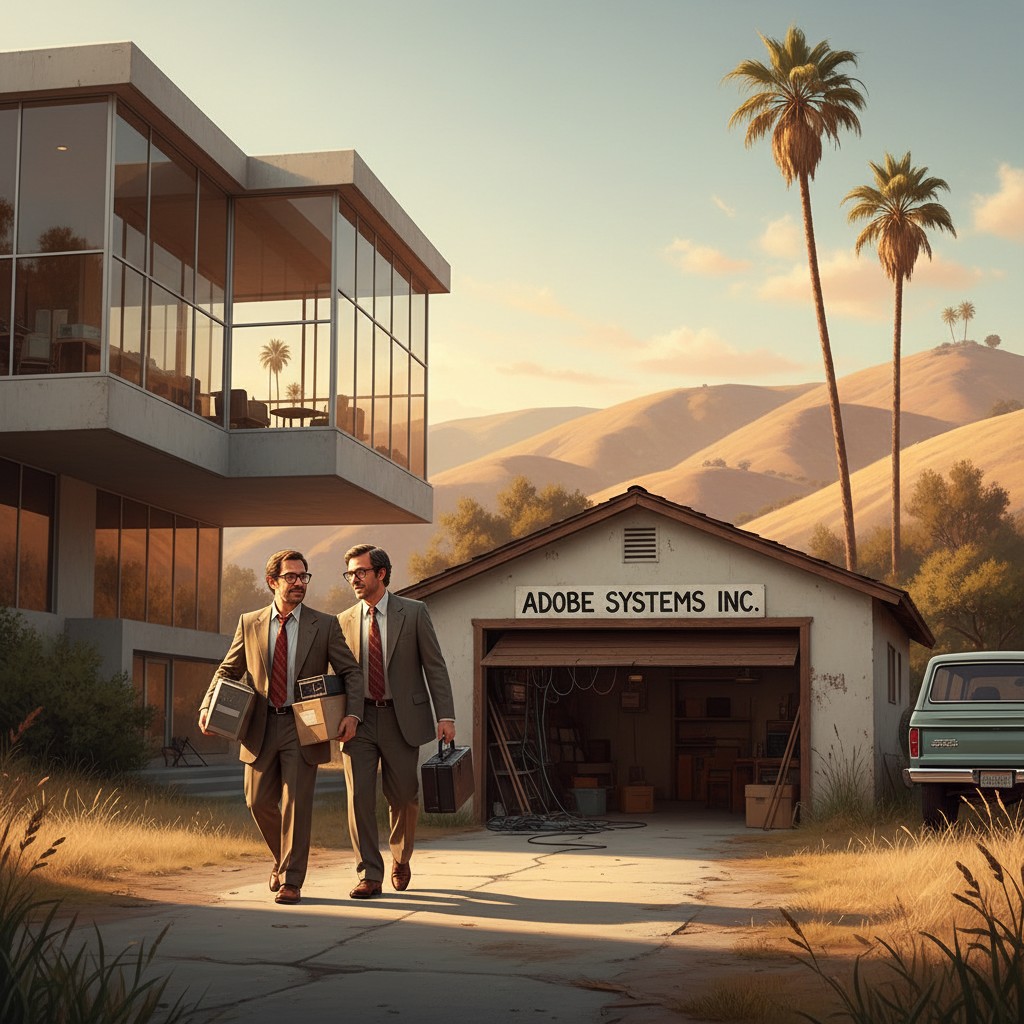
So in December 1982, Warnock and Geschke walked out and founded Adobe Systems, named after the creek that ran behind Warnock's home in Los Altos. Their original plan was to build a high-end printing workstation. But a 1983 meeting with Steve Jobs changed everything. Jobs convinced them to abandon hardware entirely and focus on what they knew best: the language. License it as the "brain" for other companies' printers. Let the software be the product.
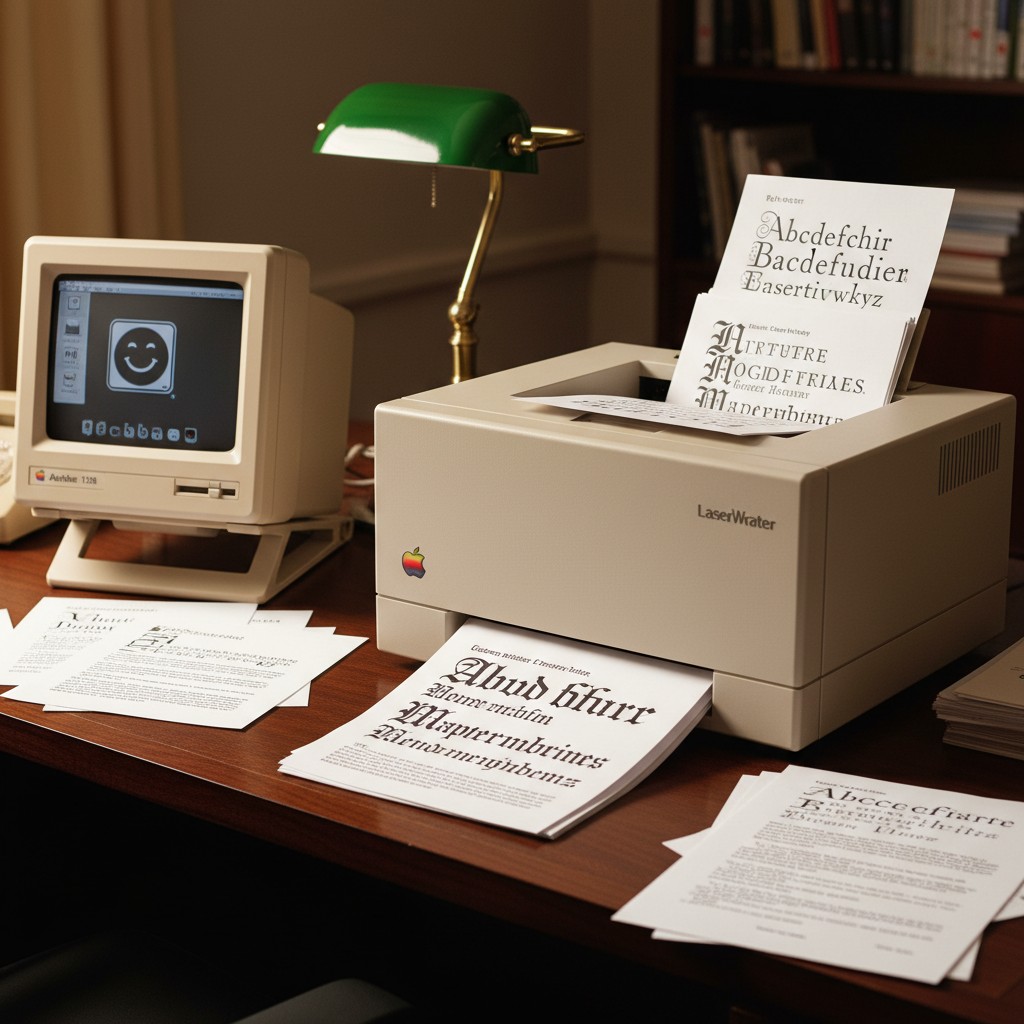
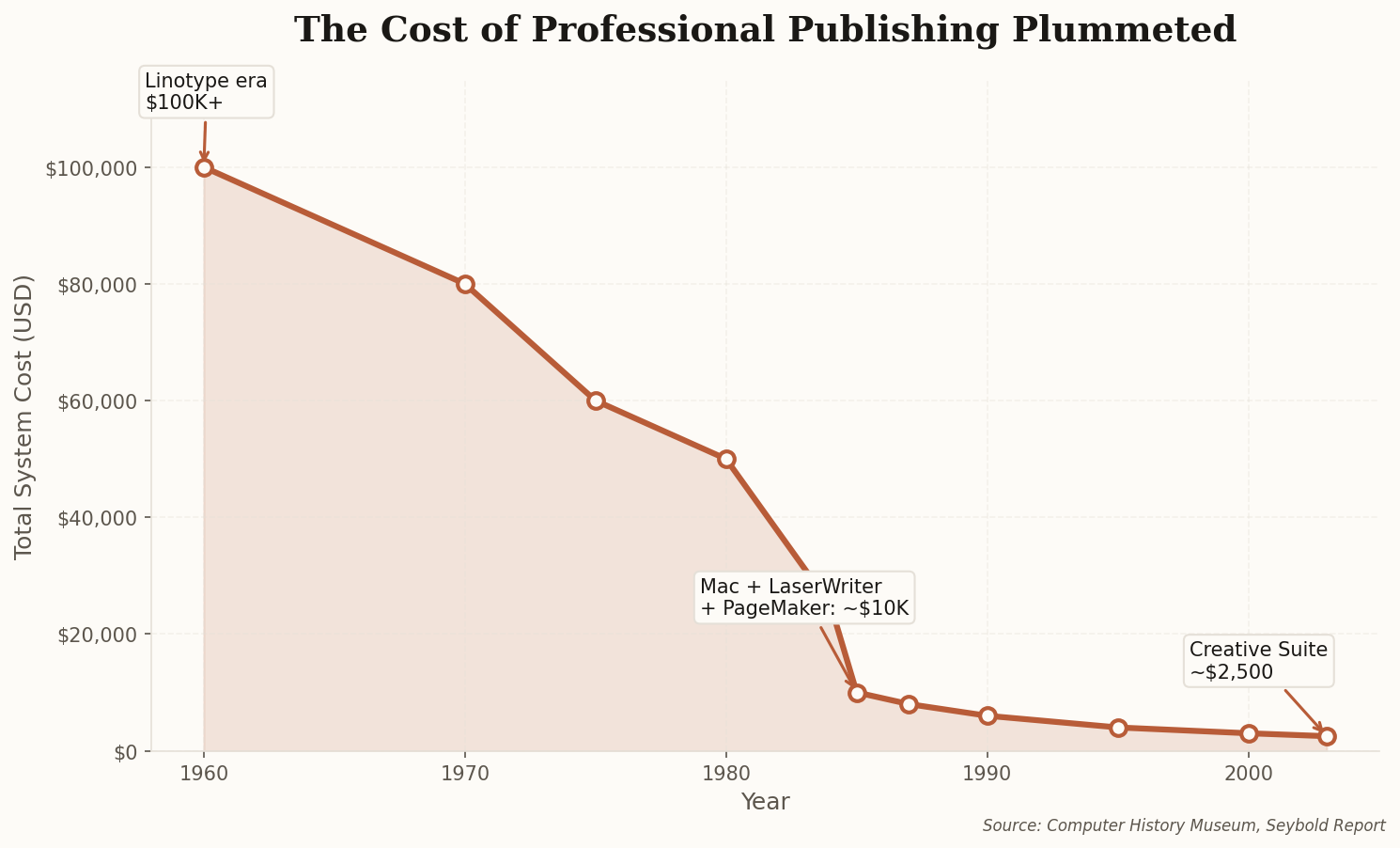
It was the pivot that launched an industry. Within two years, that language—PostScript—would fundamentally change what was possible with a desktop computer and a laser printer.