African Safari

The Wild Is Calling (And It Has Better Logistics Than Ever)

New flight routes, visa breakthroughs, luxury lodges that vanish into the landscape, and 10,000 elephants nobody knew about. Your 2026 African safari briefing.

Listen
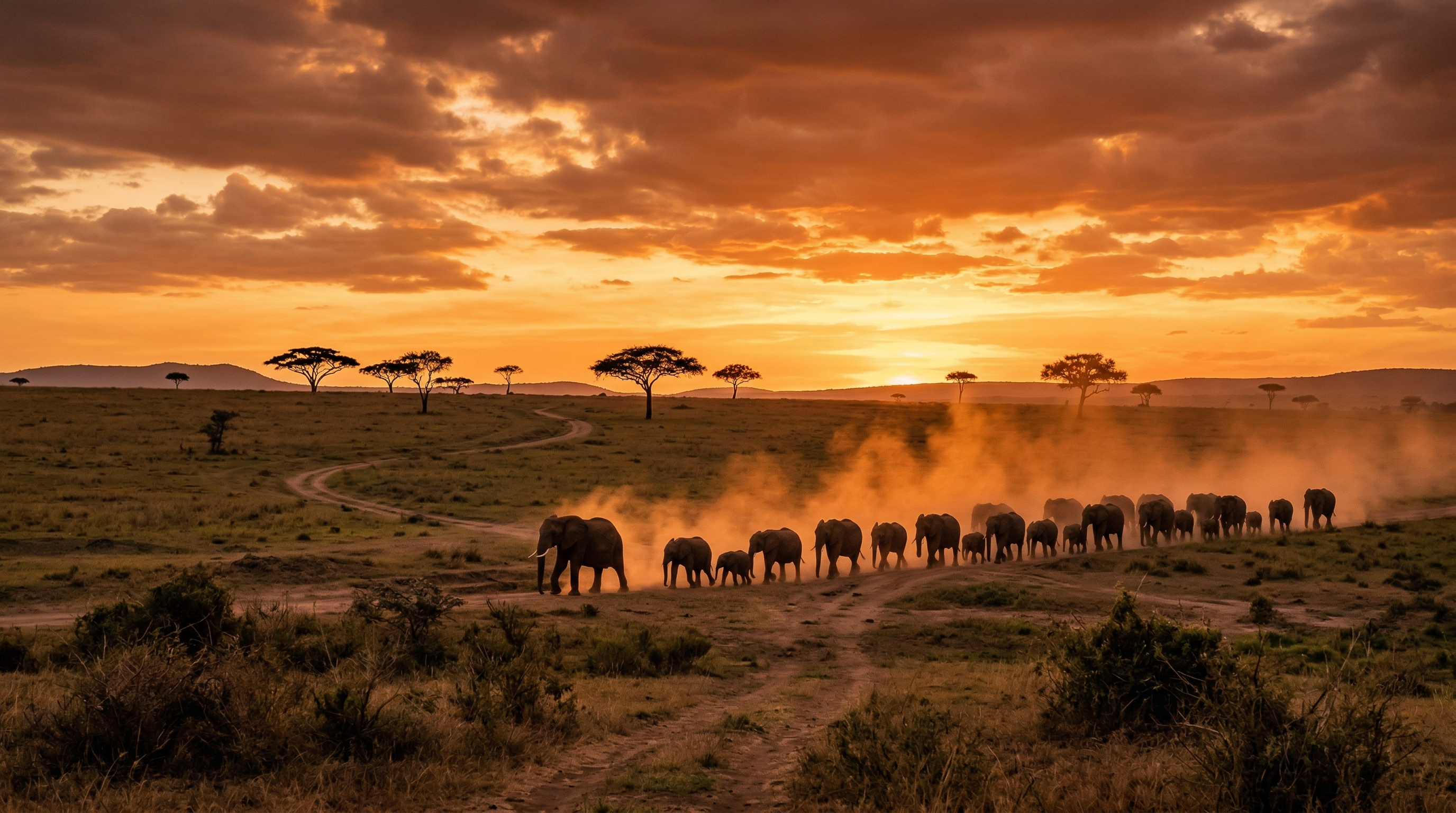
Golden hour African savanna with acacia trees and elephants silhouetted against a dramatic sunset
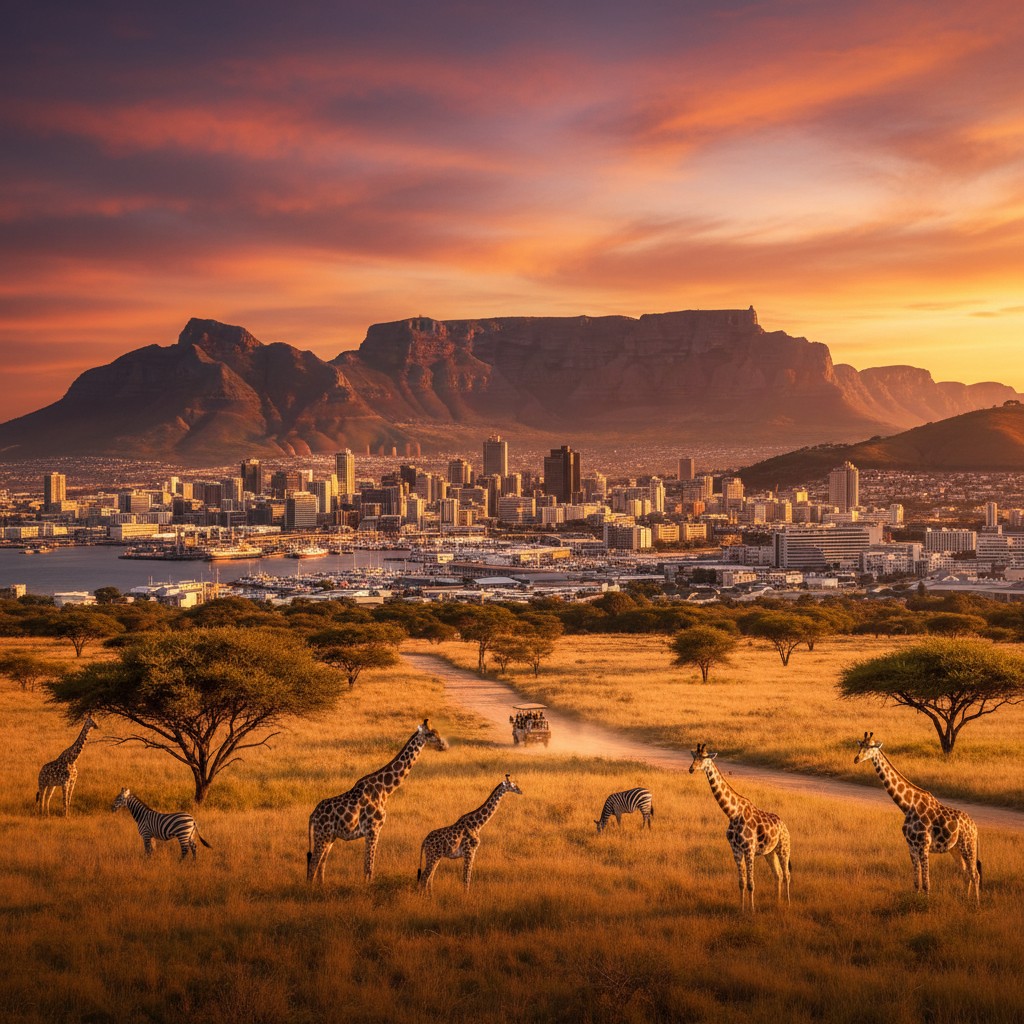
Cape Town and Table Mountain with safari landscapes, representing South Africa's open borders
01

South Africa Just Flung Its Doors Wide Open

Here's a travel truth that doesn't get enough airtime: the biggest barrier to an African safari isn't the cost of the lodge. It's the paperwork. Visa applications, consular appointments, multi-week processing times—these are the friction points that kill bookings before a single bush plane is chartered.

South Africa just eliminated that friction for 200 million people. Brazilian passport holders now get 90 days of visa-free entry—leisure and business—effective immediately. This follows the February expansion of the country's Electronic Travel Authorization system to citizens of China, India, and Mexico. That's three of the world's fastest-growing outbound travel markets, plus Brazil, all unlocked in under 60 days.

The strategy is transparent and aggressive: South Africa wants to be the default safari destination for the global middle class, not just the European and American traveler who already has the visa figured out. When you make it as easy to fly to Kruger National Park as it is to fly to Cancun, you change the competitive math entirely. Botswana, Kenya, Tanzania—take note.
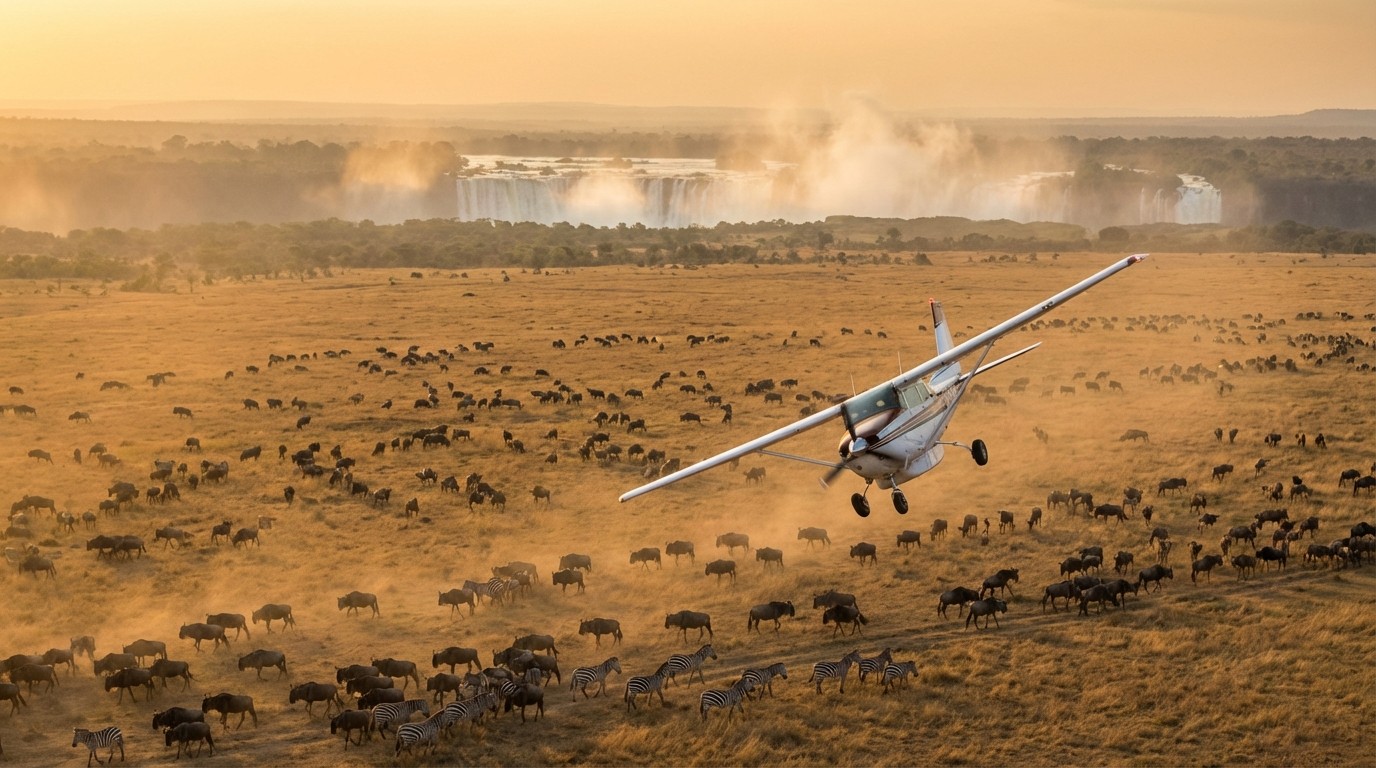
Aircraft flying over the Serengeti with Victoria Falls visible in the distance
02

The Flight That Turns Two Safaris Into One Trip

The dirty secret of the "Grand Circuit" safari—Serengeti plus Victoria Falls plus Cape Town—has always been the connectors. You'd need two layovers, a regional carrier with uncertain schedules, and the quiet prayer that your luggage made the same journey you did.

Air Tanzania just added 8 new aircraft to its fleet and launched direct routes from Dar es Salaam and Kilimanjaro to both Victoria Falls and Cape Town. The timing is deliberate: these routes are built for combination safaris, connecting East Africa's migration corridors with Southern Africa's icons in a single booking.

This matters more than a new lodge opening. Infrastructure is what separates a bucket-list fantasy from a bookable itinerary. When you can fly Serengeti-to-Vic Falls direct, the 14-day "best of Africa" trip that used to require a travel agent with deep airline contacts becomes something you can build yourself on SafariBookings. The continent just got smaller, and that's unambiguously good for travelers.

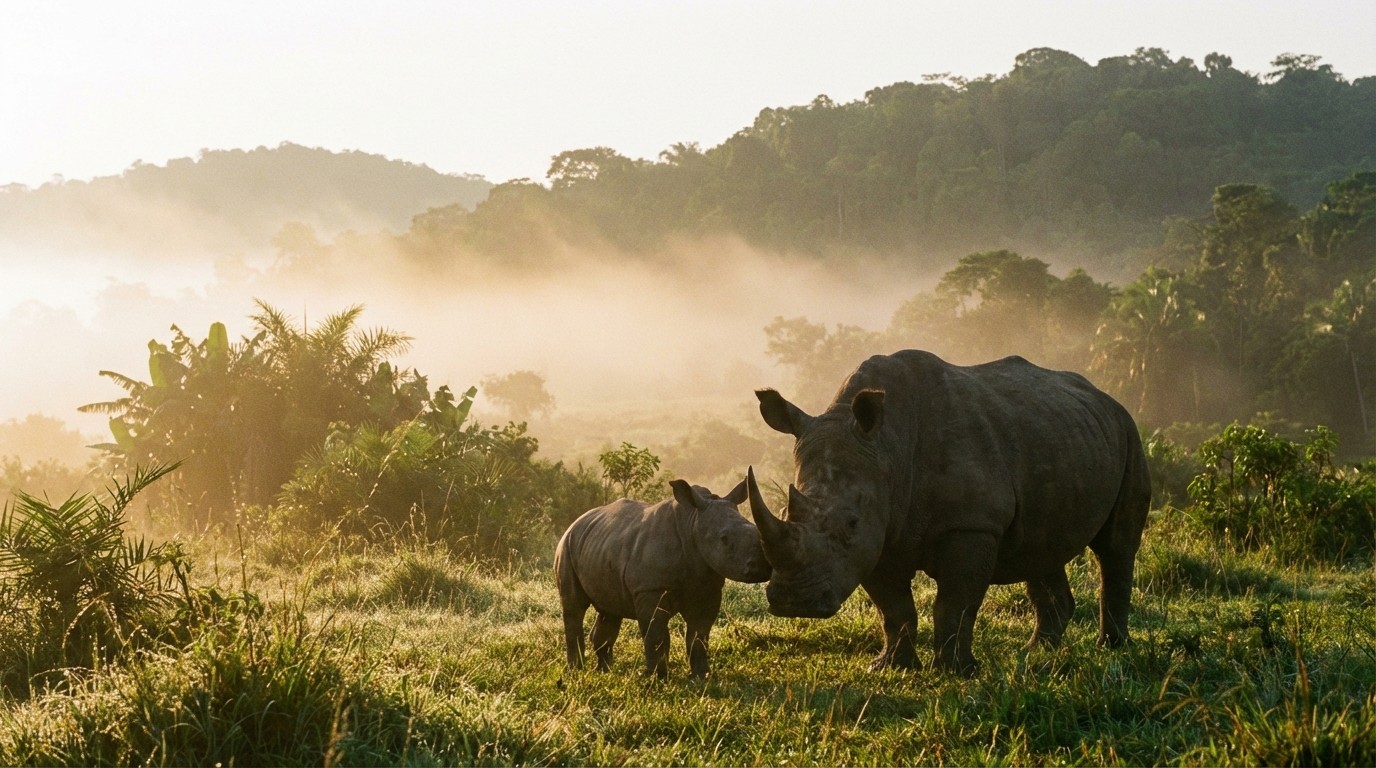
White rhinoceros family in misty morning light at a lush Uganda sanctuary
03

Uganda's Rhinos Are Back—And They Brought Friends

At ITB Berlin last week, Uganda's tourism delegation dropped a statistic that should rewrite your shortlist. White rhinos—once completely extinct in the country—are now thriving at Ziwa Rhino Sanctuary. Mountain gorilla and chimpanzee populations in Bwindi and Kibale have posted double-digit growth.

But the real story isn't the animals. It's the model. Uganda reinvests gorilla trekking permit fees (currently $800 per person) directly into the communities surrounding the parks. The result: locals become stakeholders in conservation rather than adversaries to it. The IUCN is now using Uganda's revenue-sharing framework as a global case study.

For the traveler, this means Uganda is no longer just "the gorilla trekking place." It's a legitimate Big Five destination with primates on top. A week in Uganda now rivals the wildlife density of a Tanzanian or Kenyan safari—at roughly two-thirds the price. The only thing missing is the marketing budget, and ITB Berlin was clearly the opening move to fix that.

Safari ranger and traveler tracking wildlife together at dawn in the South African bush
04

You Don't Just Watch the Rhino Anymore—You Tag It

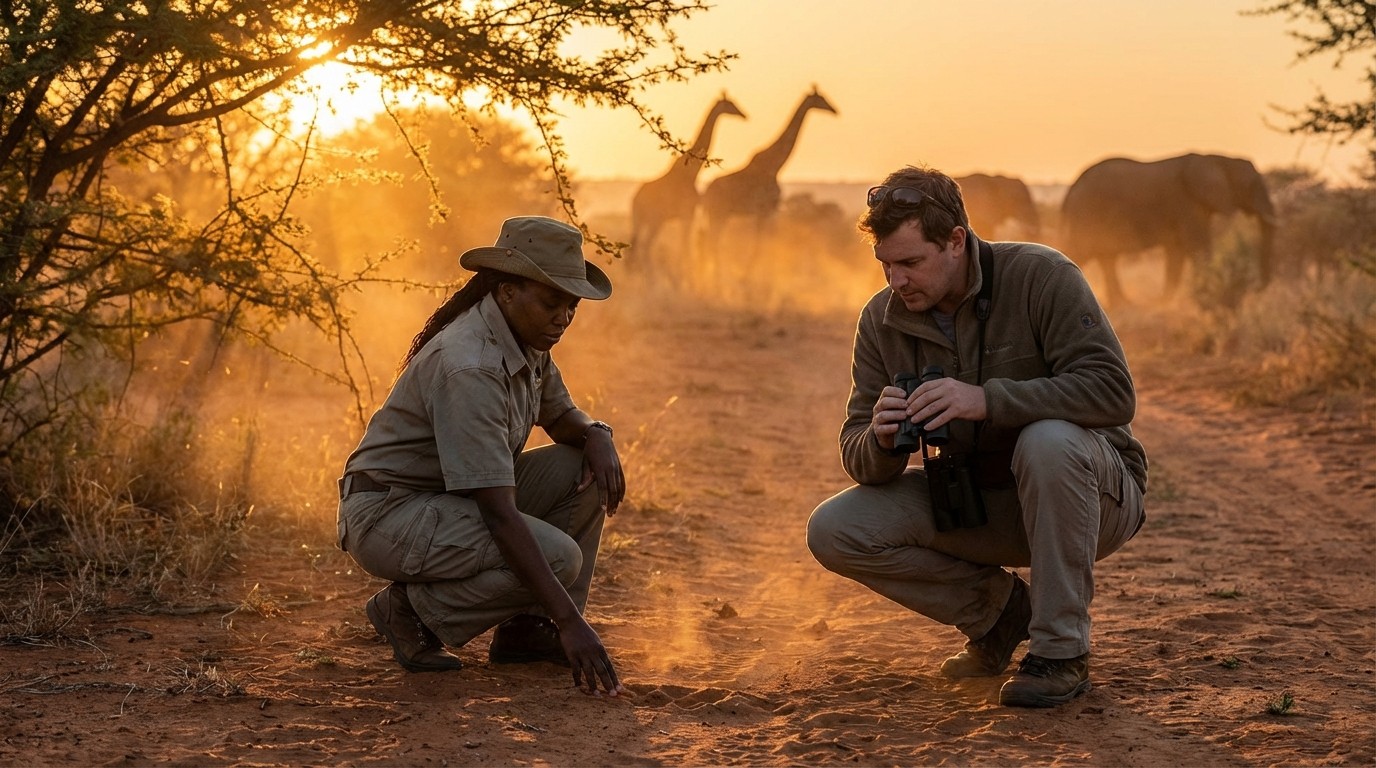
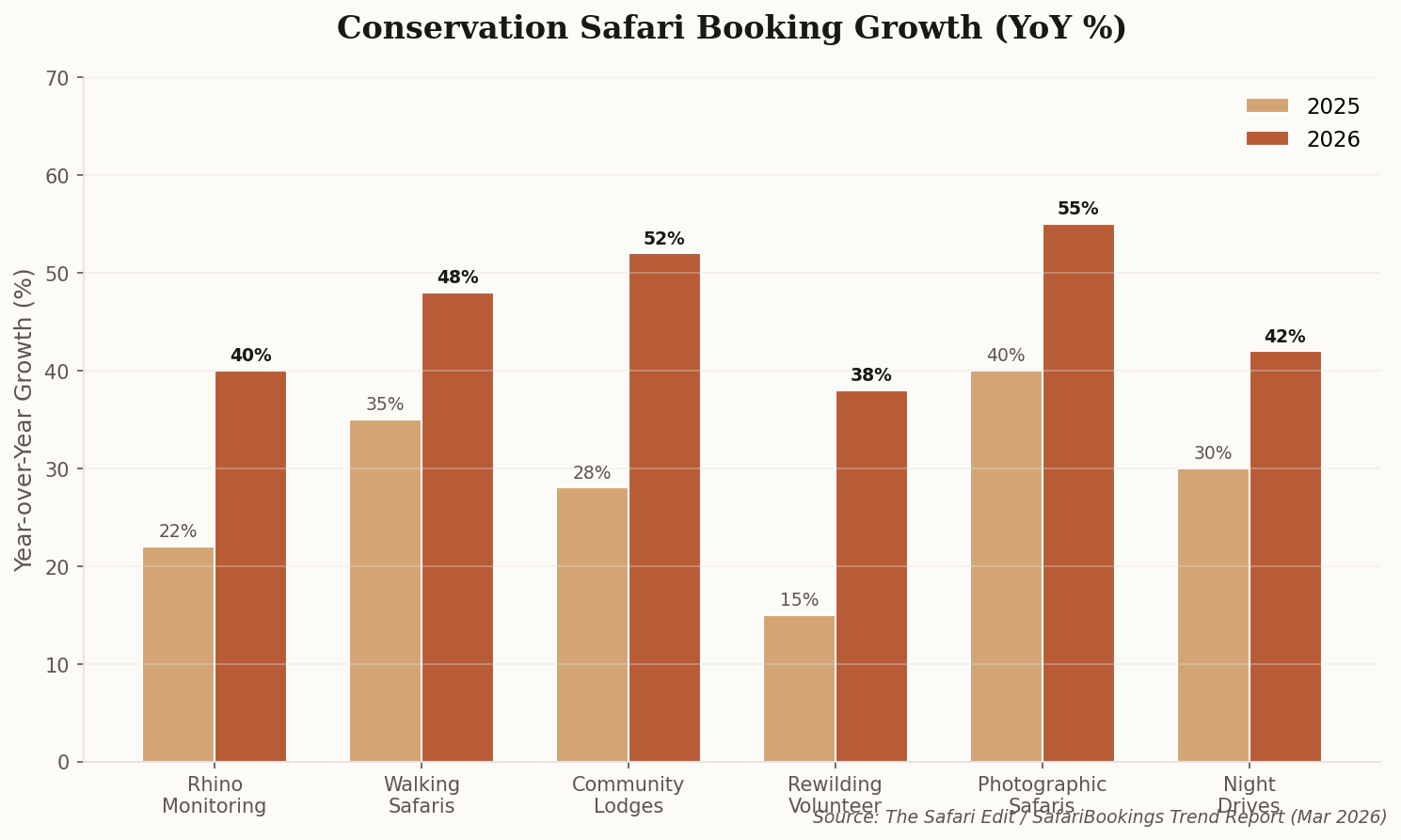
The classic safari formula—drive, spot, photograph, repeat—is being rewritten by travelers who want to do something more than accumulate Instagram content. Bookings for "Conservation Safaris" are up 40% year-over-year. Guests are joining rangers for rhino ear-notching operations, participating in wildlife tracking surveys, and spending 5-7 days embedded in rewilding projects instead of hopping between three lodges in a week.

Bar chart showing conservation safari booking growth in 2025 vs 2026 across categories like rhino monitoring, walking safaris, and community lodges
Conservation safari experiences are seeing explosive growth, with community-owned lodges and photographic safaris leading the surge.

Community-owned lodges in KwaZulu-Natal are reporting record occupancy. Organizations like Peace Parks Foundation and WildlifeDirect are partnering with operators to build credible, hands-on programs. The economics are shifting: operators who can offer meaningful participation—not performative voluntourism—are commanding premium rates and building repeat customers. SafariBookings now lets you filter specifically for conservation-focused itineraries. "Slow travel" in the safari context means choosing depth over breadth, and the market is rewarding it.

This isn't a niche trend. It's the leading edge of how safari will be sold for the next decade. The operators who figure out how to make guests feel like they've contributed something real—without compromising the actual conservation work—will own the market.

Ultra-modern stilted safari lodge with infinity pool overlooking an elephant valley
05

This Lodge Costs a Fortune and Leaves Zero Trace

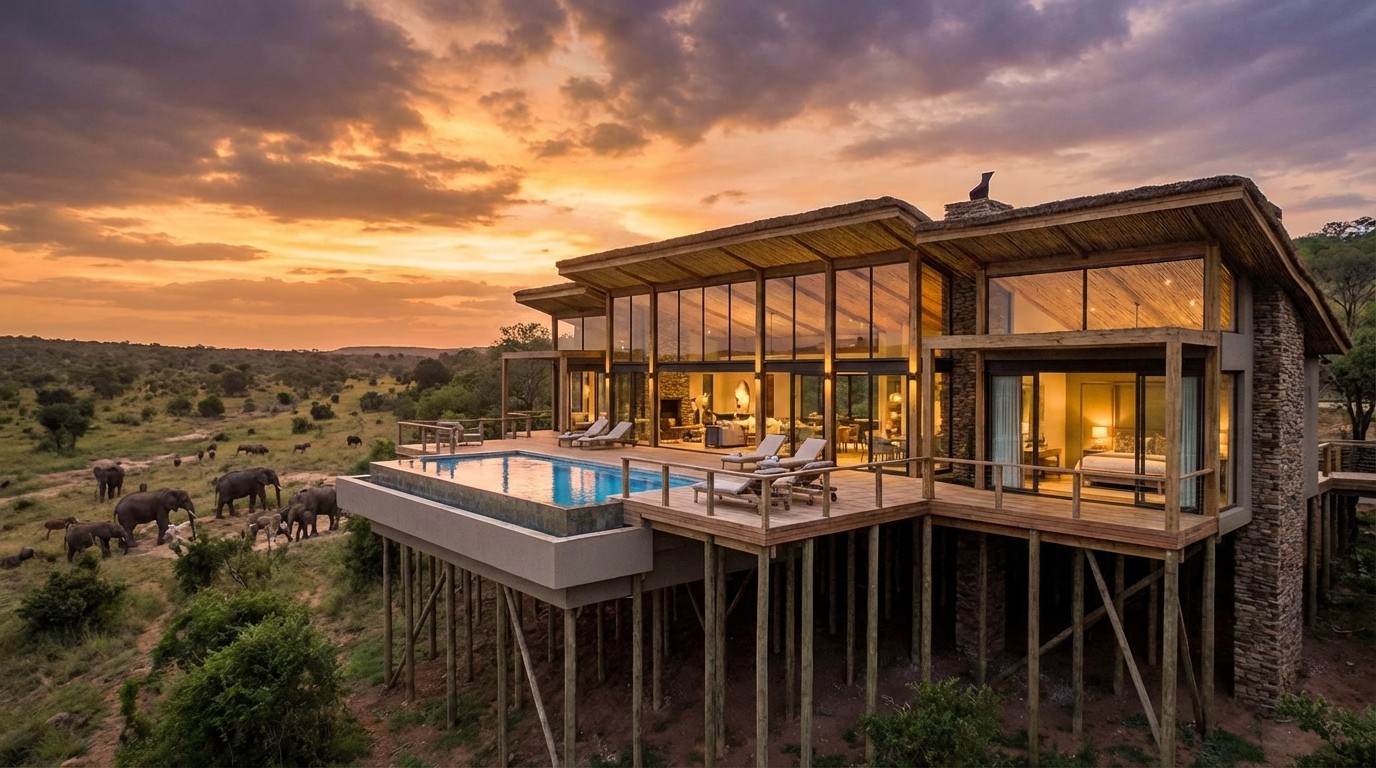
Mantis Collection's new property at Addo Elephant National Park is called Hiddn, and the name is the design brief. Stilted architecture that dissolves into the hillside. Private heated pools with 180-degree elephant valley views. Electric-only safari vehicles that make zero noise. A 100% solar-powered grid.

This is the "quiet luxury" trend translated into safari architecture, and it works because it solves a real tension: high-end travelers want indulgence without guilt. Hiddn lets you soak in an infinity pool while a herd of elephants walks 200 meters below, and the entire operation runs on sunlight. No diesel generators humming through the night, no visible infrastructure breaking the sightline.

The business bet is that the top 5% of safari travelers will pay a significant premium for properties where the luxury doesn't come at the landscape's expense. Early booking data suggests Mantis is right. If you're planning a South African trip in late 2026, Hiddn is the lodge to watch—and probably the hardest reservation to get.

African forest elephant emerging from dense tropical jungle in Gabon
06

10,000 Elephants We Didn't Know We Had

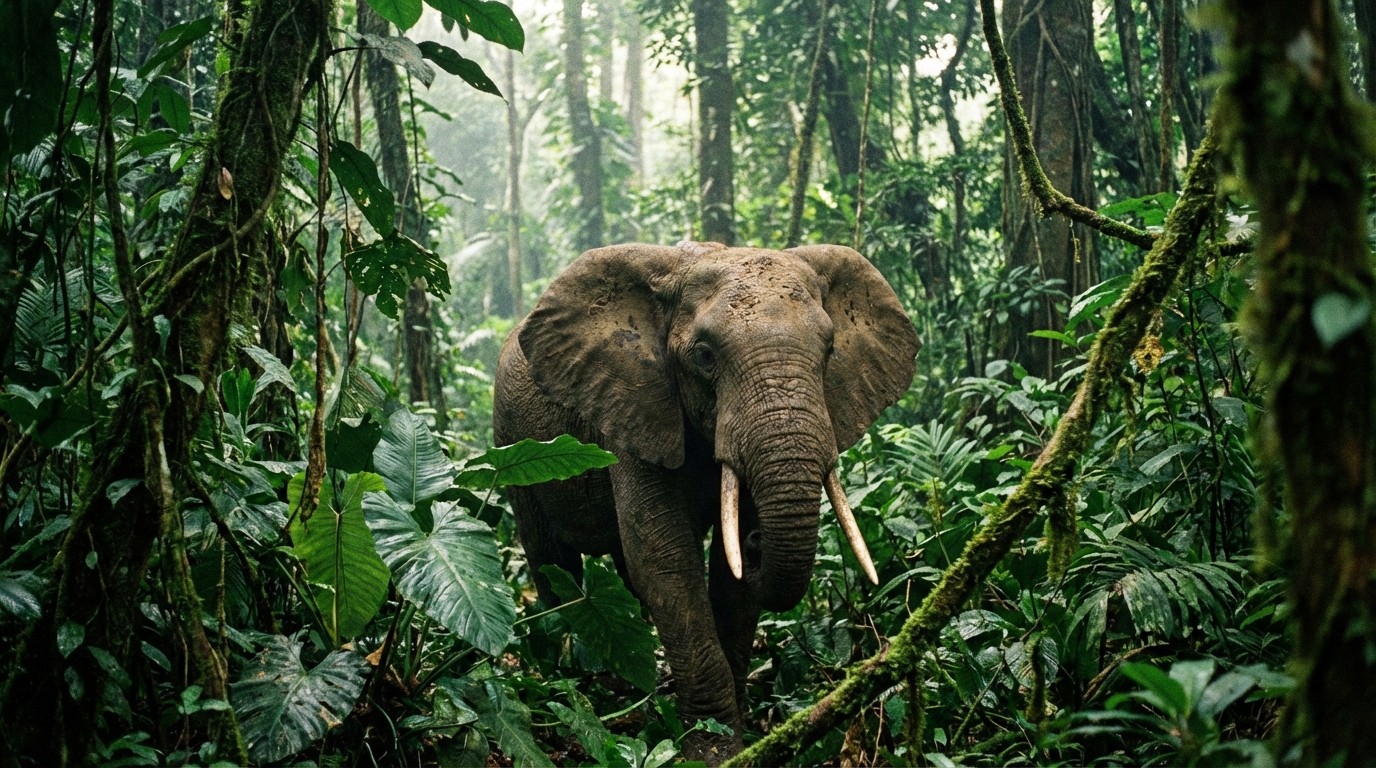
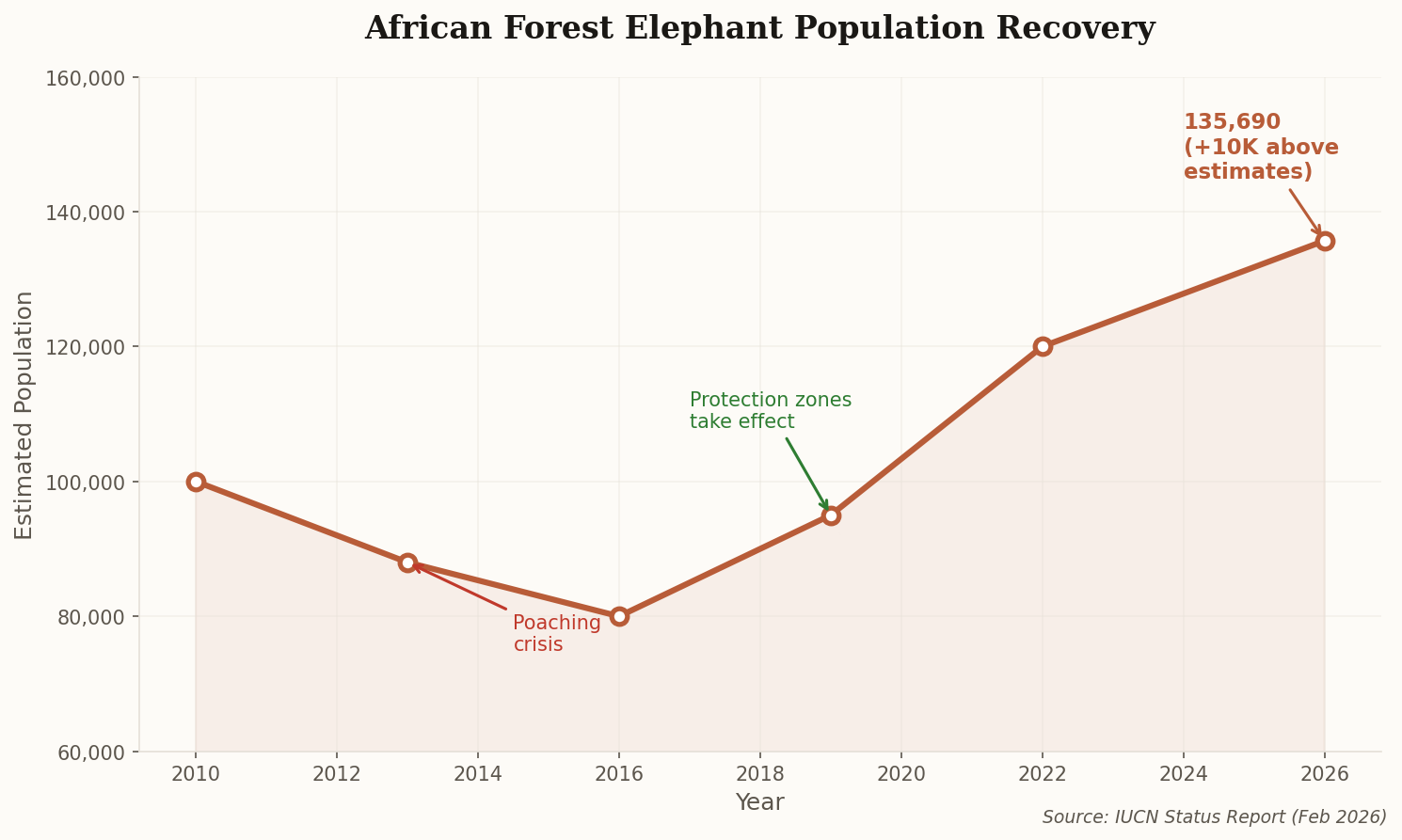
A new IUCN status report just revised the African forest elephant population upward by 10,000 animals. The current count: 135,690. That's not a recovery miracle—it's a counting methodology revolution. Advanced eDNA sampling and dung analysis in Central Africa's dense jungles allowed researchers to reach populations that were previously invisible to aerial surveys.

Line chart showing African forest elephant population recovery from 2010 to 2026, with annotations for poaching crisis and protection zone effects
After a devastating poaching crisis in the early 2010s, targeted protection zones in Central Africa have driven a remarkable population recovery.

Gabon emerges as the primary stronghold, where aggressive anti-poaching enforcement has effectively halted declines. For the safari industry, this is a signal: Central Africa—Gabon, Republic of the Congo, Cameroon—is the next frontier for wildlife tourism. These aren't the wide-open savannas of the Serengeti. Forest safaris are intimate, challenging, and utterly different. Operators like Odzala Discovery Camps are already building the infrastructure. If you've done East and Southern Africa and want something genuinely new, start paying attention to Gabon.

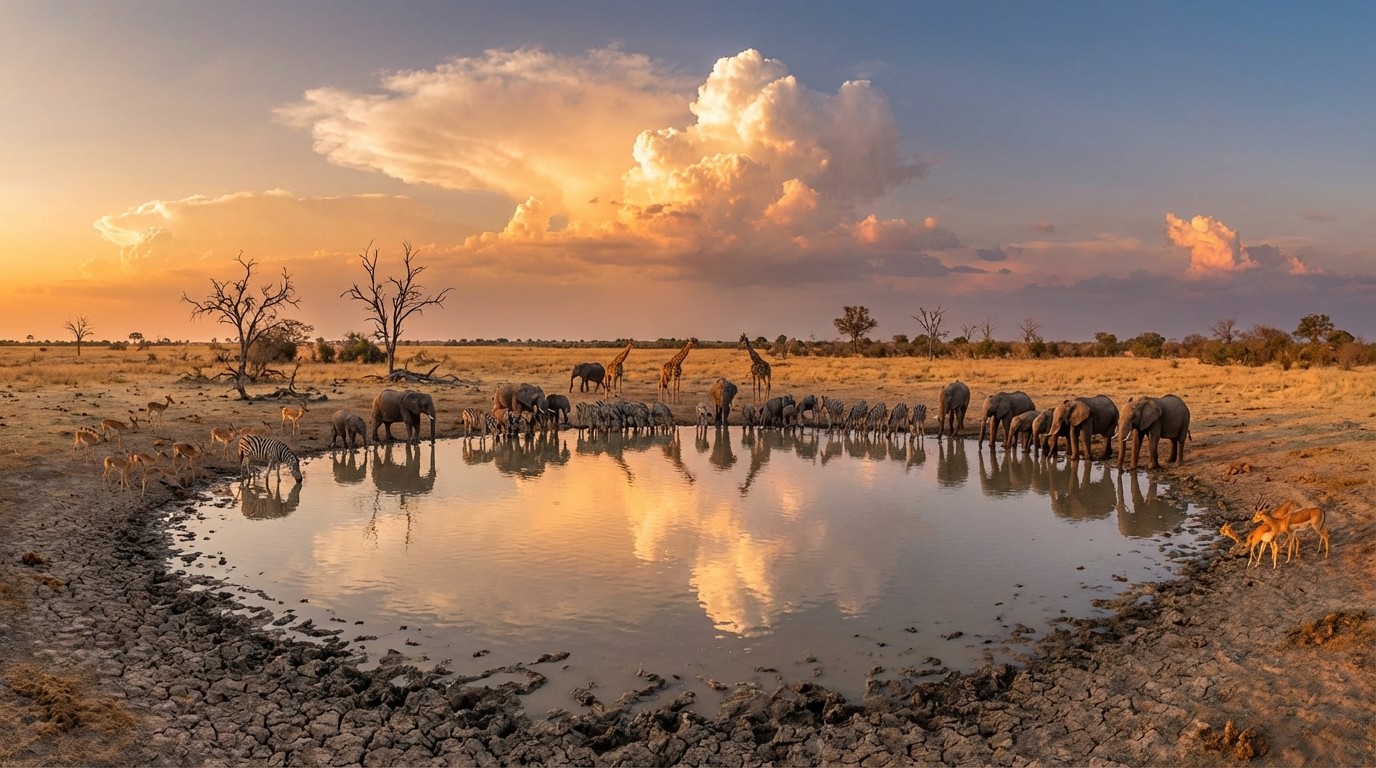
Wildlife gathering at a watering hole under dramatic clouds in Botswana at end of dry season
07

September: The Month That Gives You Everything

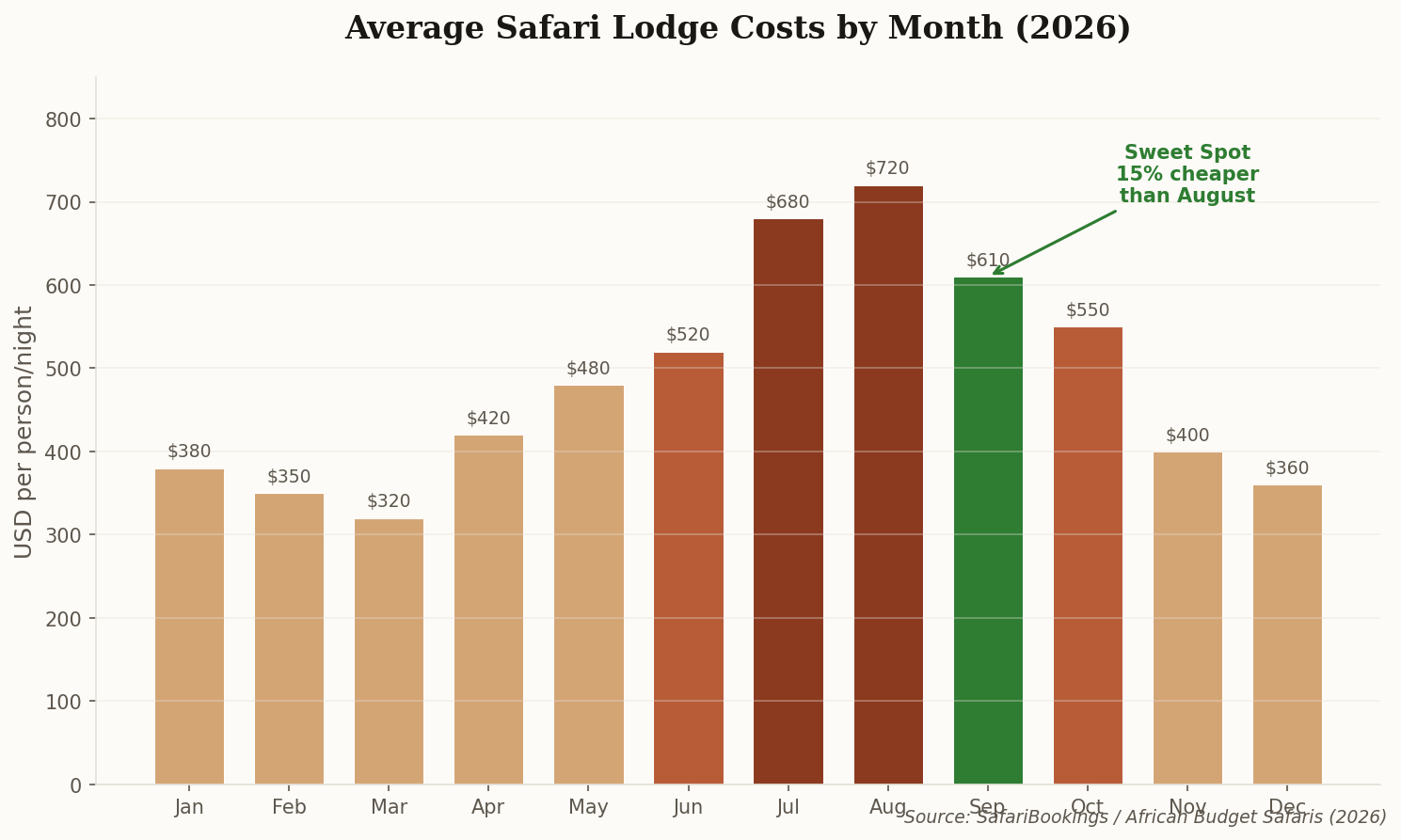
Every safari traveler asks the same question: when should I go? The expert consensus for 2026 is landing on September with unusual conviction. Here's why: it's the end of the dry season across Tanzania, Botswana, and Zambia. Wildlife is concentrated around the remaining water sources, which means sighting density is at its peak. But unlike July and August—when every Land Cruiser in East Africa is jockeying for position at the Mara River crossings—September offers the same spectacle with meaningfully fewer vehicles.

Bar chart showing average safari lodge costs by month for 2026, highlighting September as 15% cheaper than August peak
September offers peak wildlife viewing at shoulder-season prices — the rare month where quality and value align.

The pricing math seals it. Mid-range lodges in September are showing a 15% shoulder-season discount compared to August. Over a 7-night safari, that savings adds up fast—enough to fund a day of gorilla trekking in Uganda or a scenic flight over the Okavango Delta.

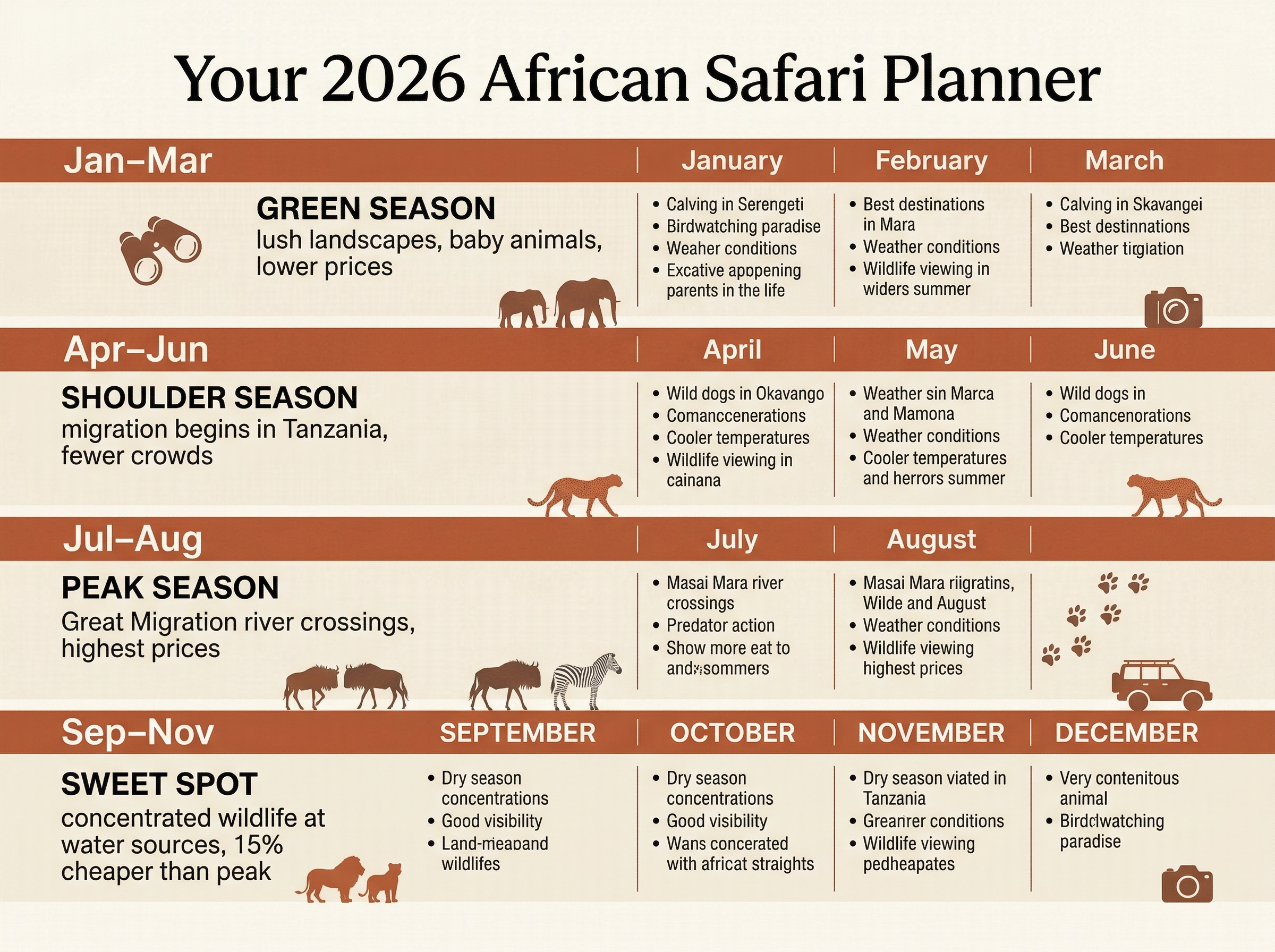
Infographic showing month-by-month guide to African safari seasons, from Green Season through Peak and Sweet Spot periods
Your 2026 African Safari Planner: a month-by-month guide to seasons, wildlife, and value.

If you haven't booked yet, September is your window. But don't wait until June to decide—the "sweet spot" narrative is circulating widely among travel advisors, and the best camps in Botswana's Okavango and Tanzania's Serengeti will fill up as the word spreads.

The Savanna Doesn't Wait

Africa's safari industry is evolving faster than at any point in its history—new routes, new lodges, new species discoveries, and a fundamental shift in what travelers expect from the experience. The common thread across every story this week is access: more people can get there, more animals are waiting, and the operators who are winning are the ones making the wild feel both extraordinary and responsible. Whether you're booking September or just starting to dream, the window is open. Step through it.

Share X LinkedIn