The Living Room of a City That Refuses to Rush
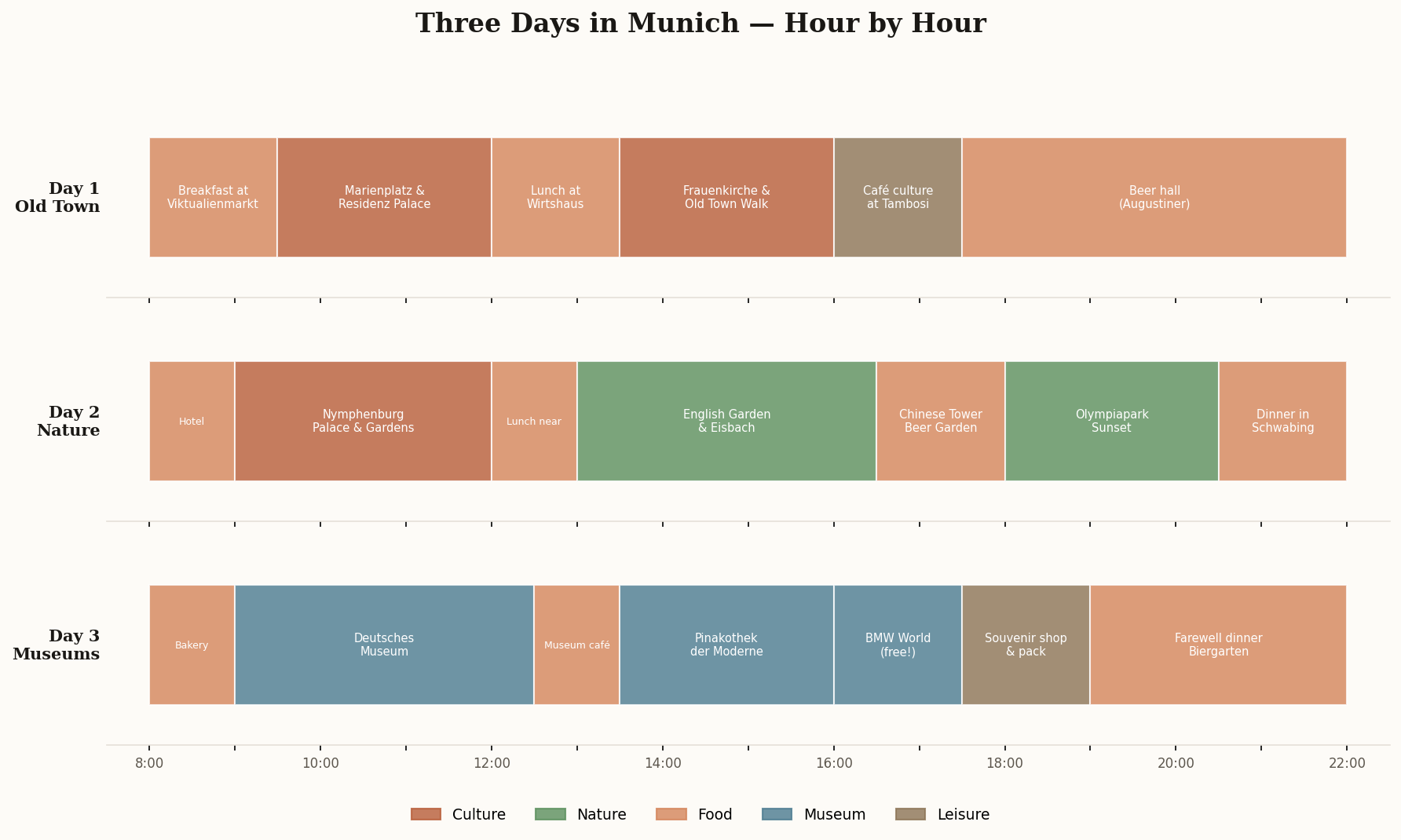
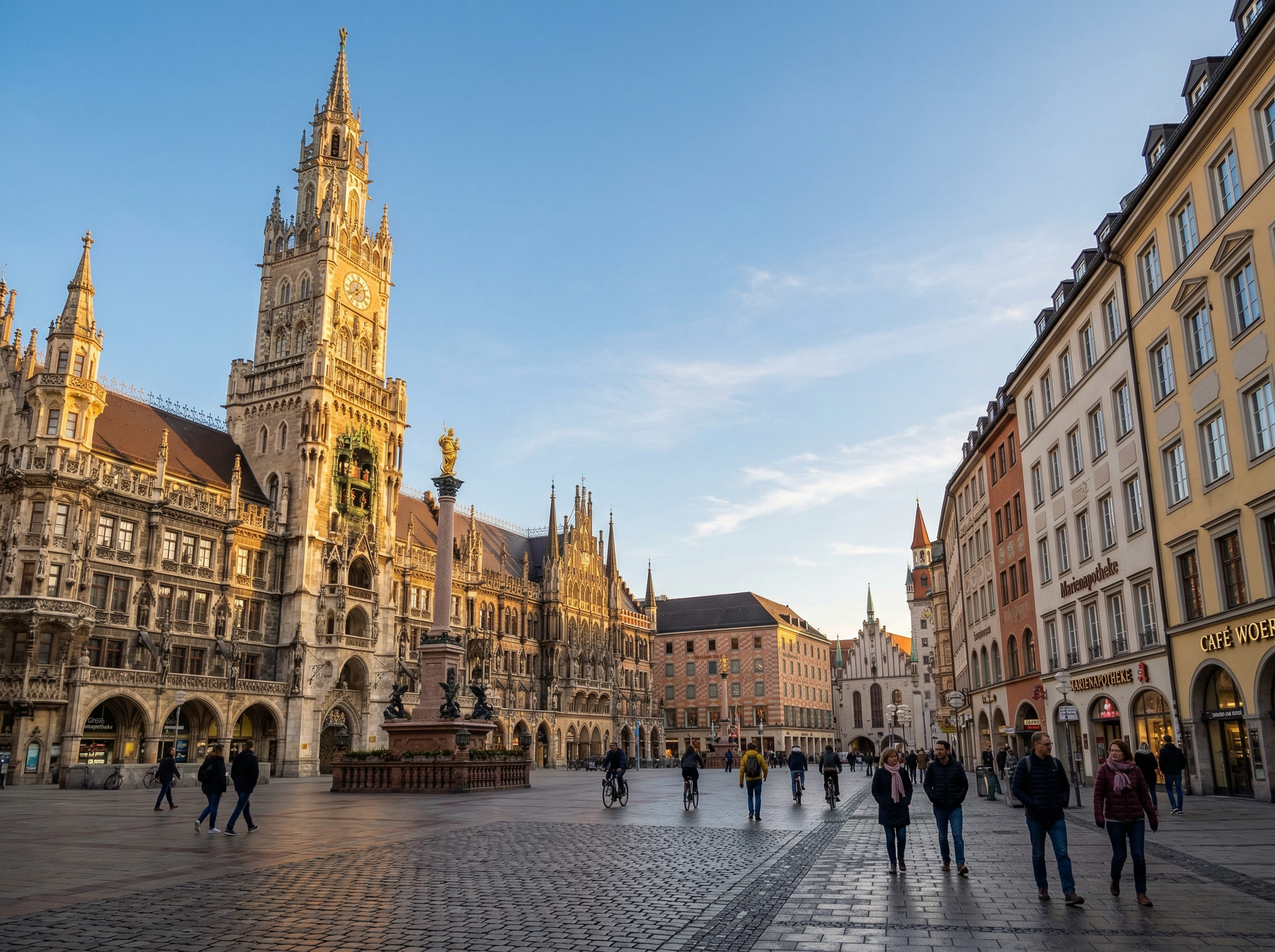
Every great city has a center of gravity — a place where the whole population's story compresses into a few square blocks. For Munich, that's Marienplatz. The Gothic New Town Hall's Glockenspiel goes through its mechanical ballet at 11:00, noon, and 5:00 PM, and half the square tilts their heads upward like synchronized meerkats. It's touristy. It's also genuinely spectacular.
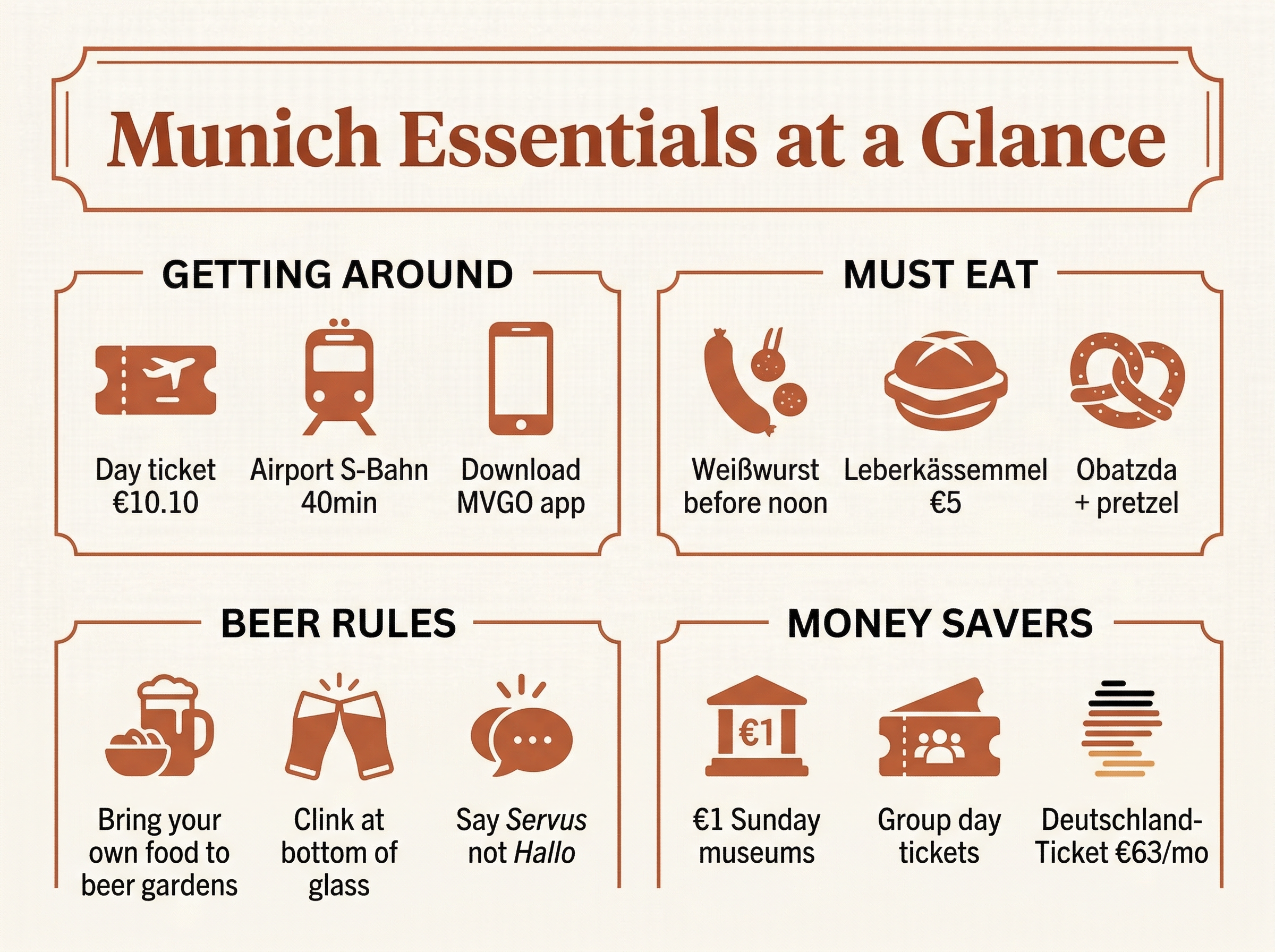
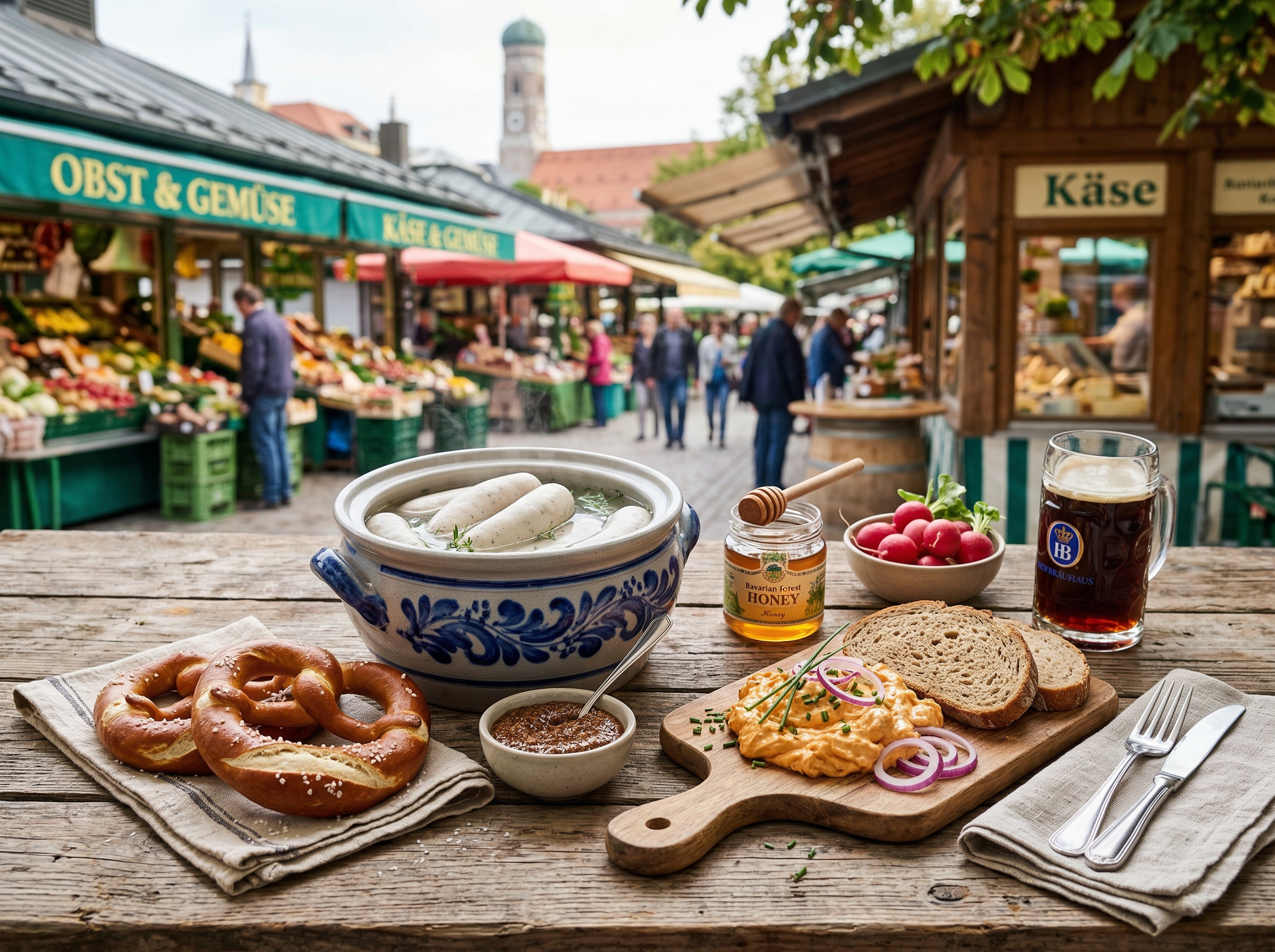
But the real Day 1 move is starting at the Viktualienmarkt before 9 AM, where 140 stalls spread across an open-air maze of cheese wheels, sausage links, and flowers that have been traded here since 1807. Skip your hotel breakfast. Walk to butcher stall Schmid or Zimmermann and order a Leberkässemmel — a warm, thick slice of Bavarian meatloaf tucked into a crusty roll — for under five euros. That's your power breakfast, and it's what Munich actually tastes like before the tour buses arrive.
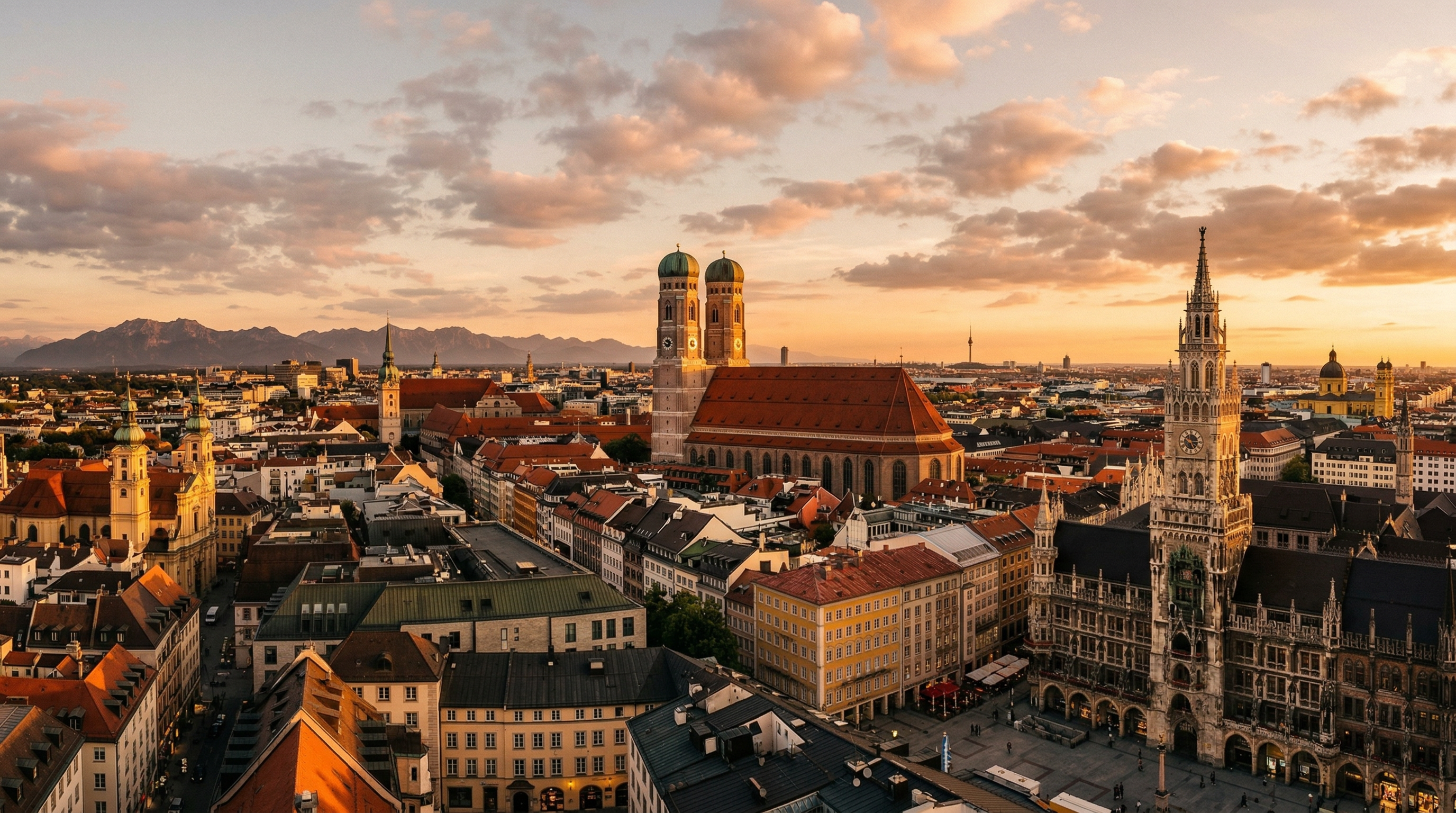
After the market, walk to the Munich Residenz (museum: €10, combined with Treasury: €15). This palace complex was the seat of Bavarian rulers for five centuries, and its Antiquarium — a 250-foot barrel-vaulted hall covered in Renaissance frescoes — might be the most beautiful room in Germany that most Americans have never seen. On your way back, climb St. Peter's Church tower (€5, 306 steps, no elevator) for the rooftop panorama that puts every drone shot to shame.
Insider move: The €1 Sunday trick. If your Day 3 falls on a Sunday, all major state museums — the Pinakotheken, Glyptothek, Bavarian National Museum — drop to just one euro admission. Plan accordingly.