Travel

Three Days in Madrid

The essential 72-hour blueprint for Spain's capital — from Goya's darkest visions to midnight tapas on Cava Baja.

Listen
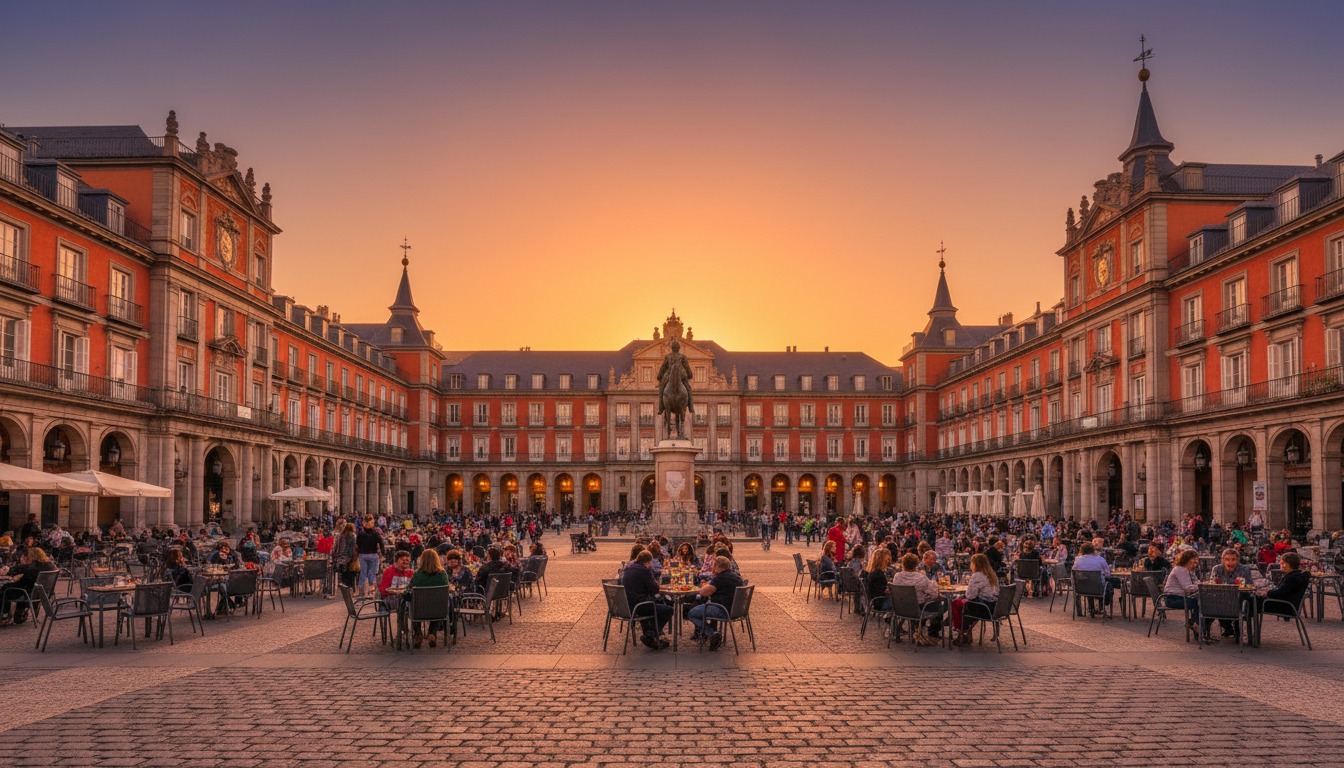
Madrid skyline at golden hour, terracotta rooftops stretching to the horizon with the Royal Palace silhouetted against warm amber sky
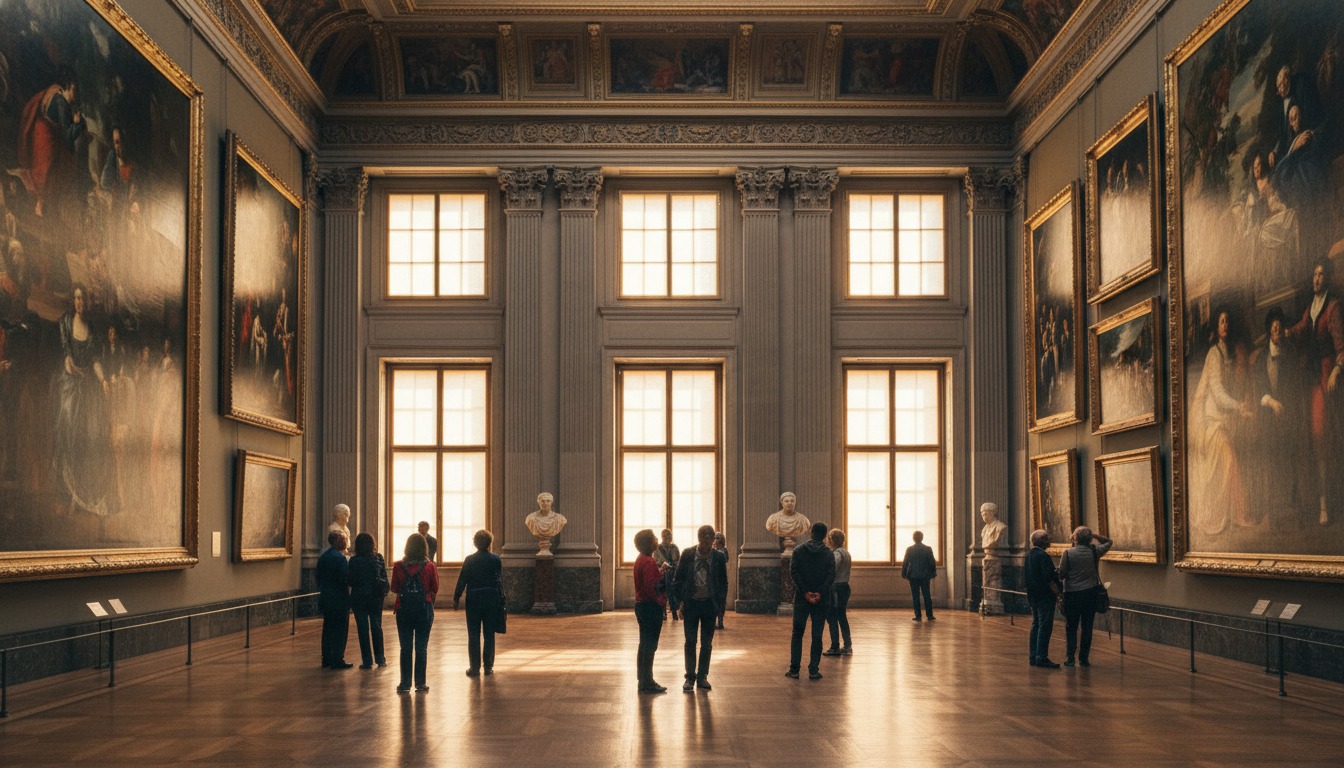
Interior of a grand museum gallery with golden light streaming through tall windows onto ornate frames and old master paintings
01

The Art Triangle Will Ruin Every Other Museum For You

Here's what nobody tells you about the Prado: you don't go there to see famous paintings. You go to understand why those paintings became famous. Standing in front of Velazquez's Las Meninas at 10 AM on a Tuesday, before the tour groups arrive, you'll notice something textbooks can't convey — the painter staring directly at you, breaking the fourth wall 350 years before cinema invented the concept.

Then there are Goya's Black Paintings. A set of 14 works he painted directly onto the walls of his own house while going deaf and losing his mind. They weren't meant for public viewing. They're harrowing, dark, and absolutely essential. The 2026 exhibition calendar includes "Painting of Hunger" (April through September) — a companion piece that recontextualizes Goya's later works through the lens of famine and social collapse.

Cross the street to the Reina Sofia in the afternoon for Picasso's Guernica. It's larger and more harrowing in person than any reproduction can prepare you for. But what most visitors miss entirely: the top-floor terraces with rooftop views of the city, and a world-class Salvador Dali collection on the second floor that somehow gets ignored because Guernica sucks all the oxygen out of the room.
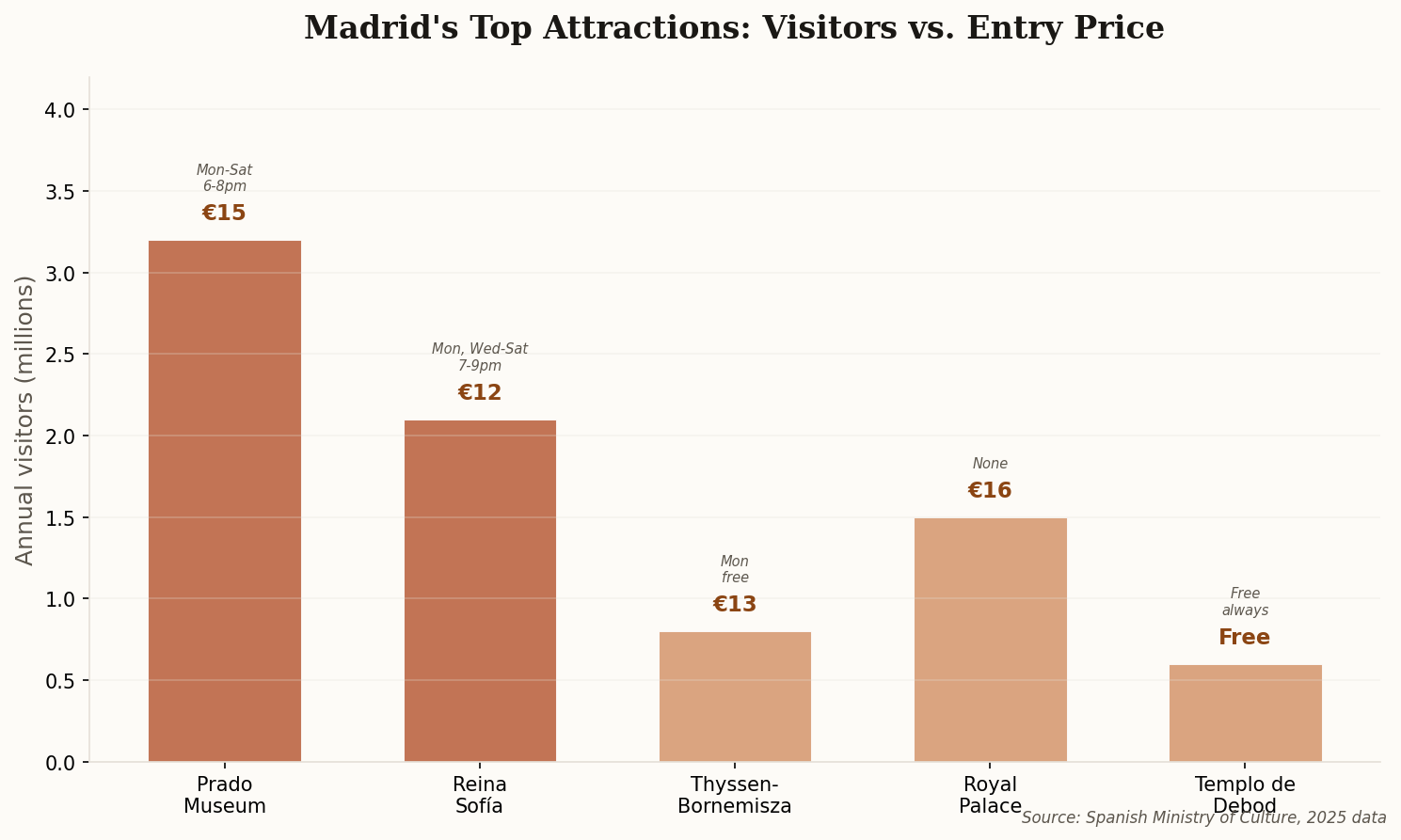
Bar chart comparing Madrid's top museums by annual visitors and entry price, showing the Prado leading with 3.2 million visitors at 15 euros
Madrid's top attractions by annual visitors and ticket price. Pro tip: the Prado is free Mon-Sat 6-8pm, but the queues are brutal.

Budget hack: Entry to the Prado is free Monday through Saturday, 6:00–8:00 PM. The Reina Sofia is free Monday, Wednesday through Saturday, 7:00–9:00 PM. The lines are soul-crushing, but your wallet will thank you. General admission: Prado €15, Reina Sofia €12.
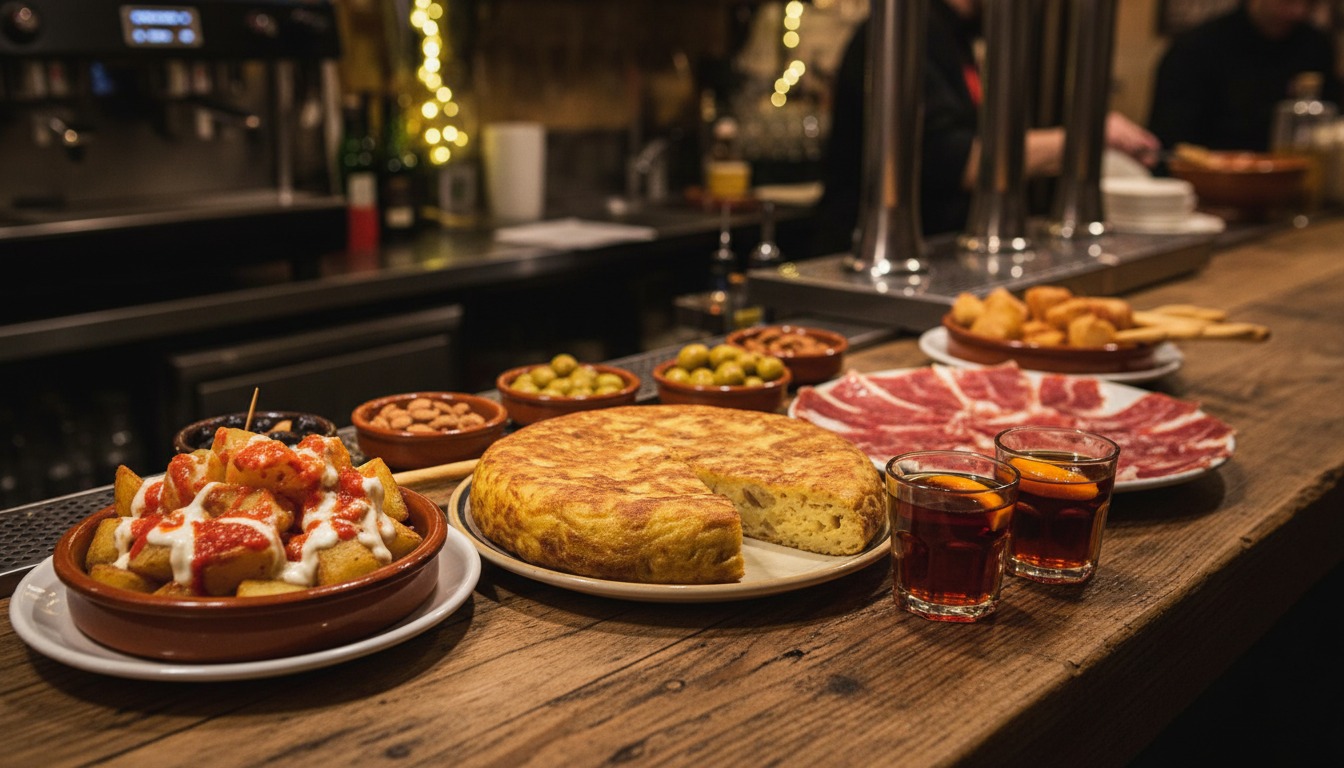
Spanish tapas spread on a rustic bar counter with tortilla, patatas bravas, and glasses of vermouth
02

Cava Baja at Midnight Is Where Madrid Stops Pretending

The single most important thing to understand about eating in Madrid: the city doesn't start dinner until 10 PM. Show up at a restaurant at 7 PM and you'll be eating alone with the cleaning staff, wondering if you've made a terrible mistake. You haven't. You're just early by three hours.

Head to Calle Cava Baja in the La Latina neighborhood. This single street is the spiritual epicenter of the Madrid tapas crawl, and you're going to eat your way through three stops like a local.

Stop 1: Pez Tortilla — The best gooey tortilla espanola in the city. Not the dry, sad frisbee you've been served at tourist restaurants. This one oozes. Try the brie and truffle version (€4 a slice). Stop 2: La Perejila — A glass of vermouth and their legendary meatballs (€3.50). The vermouth culture here predates the cocktail renaissance by about a century. Stop 3: Los Huevos de LucioHuevos rotos (broken eggs over crispy fries, ~€12). It's a Madrid rite of passage. The egg yolk running into the potatoes is one of those simple pleasures that makes you question every brunch you've ever had back home.

The real rule: In Spain, the waiter will never bring the bill until you ask. It's considered rude to rush diners. The magic phrase: "Nos cobras, por favor?" (Can we have the bill, please?)

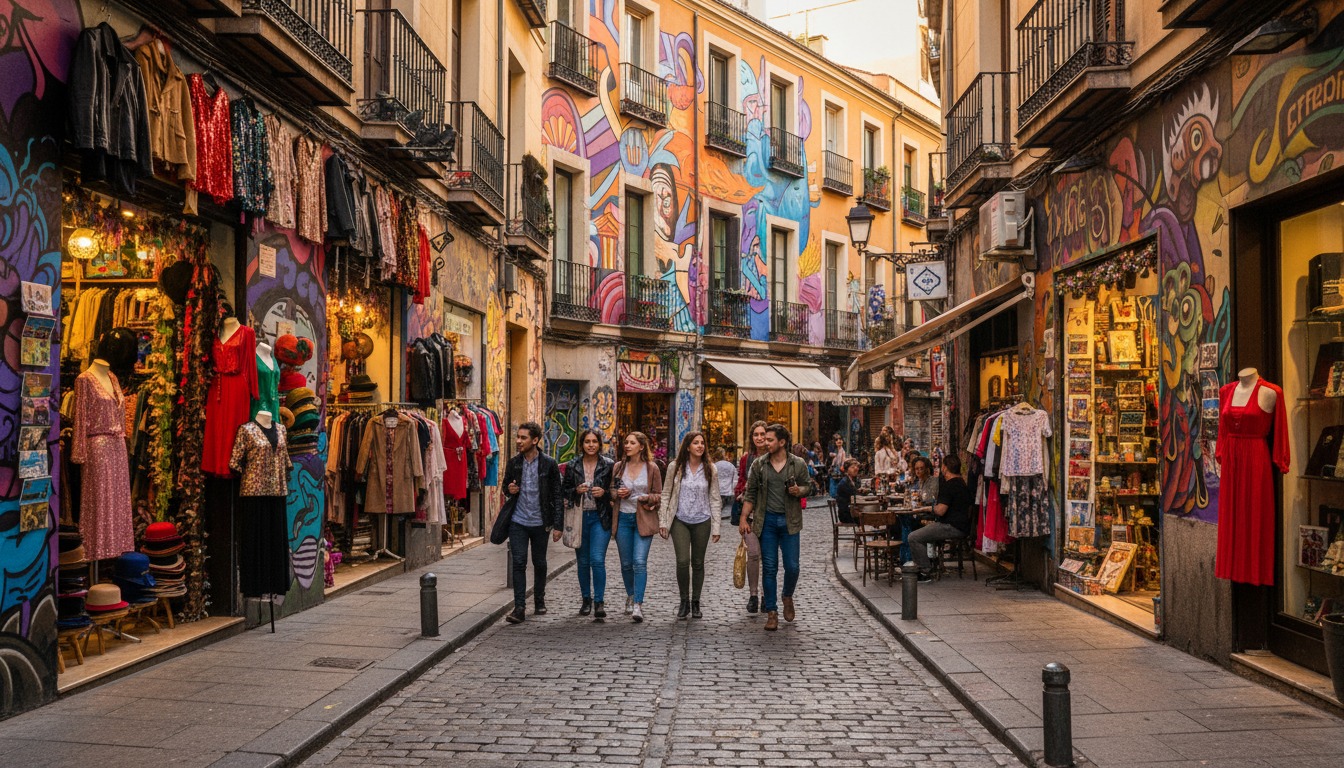
Colorful narrow street in Malasana Madrid with vintage shops, street art, and sidewalk cafes
03

Malasana Invented Cool Before Brooklyn Was Born

Malasana is the birthplace of La Movida Madrilena — the explosive counter-culture movement that erupted in the 1980s after Franco's death, when Madrid went from fascist austerity to punk rock and experimental film in a few breathless years. The neighborhood still carries that DNA. Flamingos Vintage Kilo sells retro clothes by weight. Calle del Espiritu Santo is an open-air street art gallery that changes monthly.

Walk ten minutes east to Chueca, the LGBTQ+ heart of Madrid. It's vibrant, safe, and has some of the best shoe shopping in the city — which, in Spain, is saying something. The neighborhood's transformation from a rough district in the 1990s to one of Europe's most celebrated queer spaces is one of the great urban reinvention stories.

For lunch, skip Mercado de San Miguel. Yes, it's beautiful. Yes, Instagram loves it. But it's a tourist trap with €5 cones of jamon that you can get for half the price elsewhere. Instead, head to Mercado de San Fernando in Lavapies. Try the natural wines at Bendito and the artisanal cheeses. This is where locals actually eat.

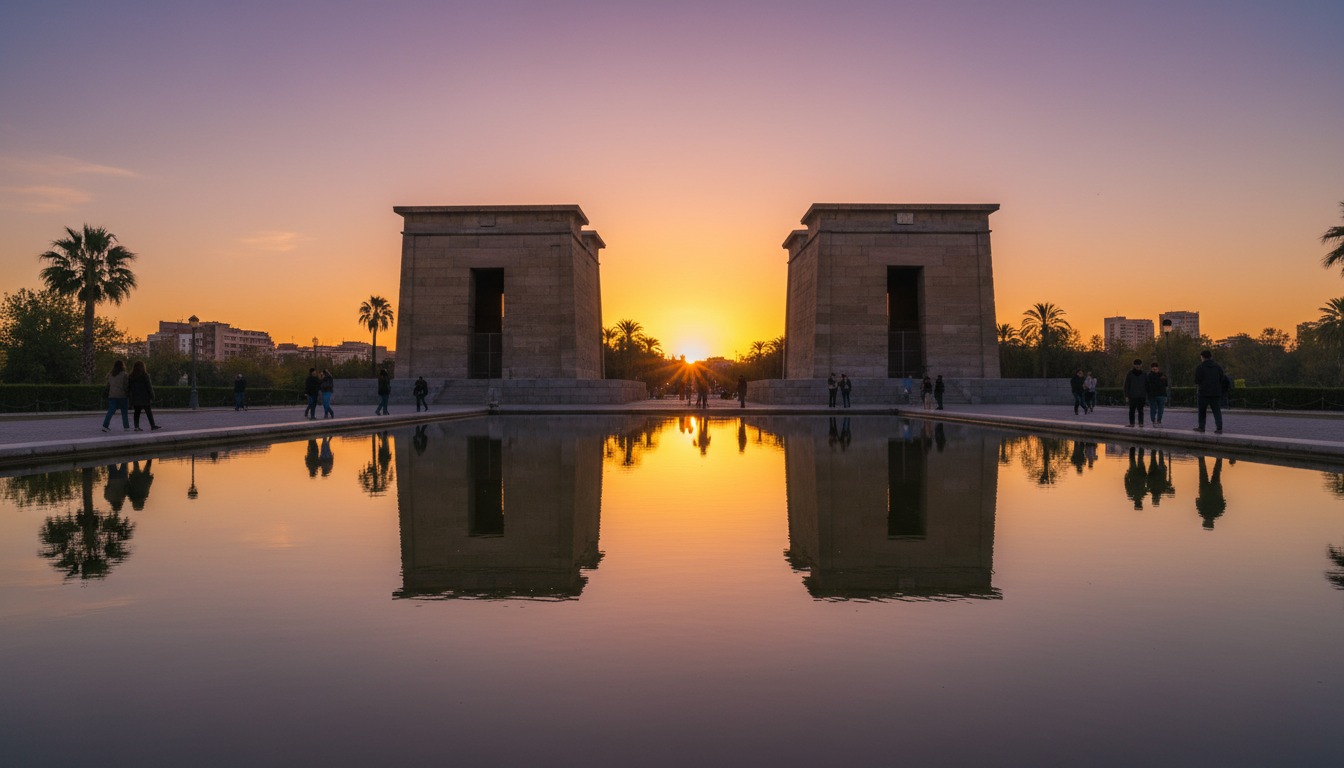
Templo de Debod Egyptian temple at sunset in Madrid, golden and purple sky reflected in still water
04

An Egyptian Temple, Peacock Gardens, and the Sunday Market That Eats Whole Mornings

The Templo de Debod is an authentic 2,200-year-old Egyptian temple sitting in a Madrid park, gifted to Spain in 1968 for helping save the Abu Simbel temples from flooding. It's the best sunset spot in the city, and it's free. Arrive 45 minutes before golden hour, find a spot on the grass facing west, and watch the temple silhouette against a sky that goes from amber to violet.

If your trip includes a Sunday, start your morning at El Rastro — Europe's largest open-air flea market. The strategy: start at Plaza de Cascorro and work downhill. The genuine antiques section is on Calle de la Rodrigo de Guevara. Haggling is expected but keep it respectful. And watch your pockets — this is prime territory for pickpockets who know exactly where the tourists congregate.

For a hidden gem inside Retiro Park, skip the overcrowded Monument to Alfonso XII and walk to the Jardines de Cecilio Rodriguez. It's a gated garden with manicured hedges and free-roaming peacocks. The Palacio de Cristal is undergoing exterior restoration through 2026, but it's hosting a site-specific installation by Andrea Canepa that turns the scaffolding into part of the art.

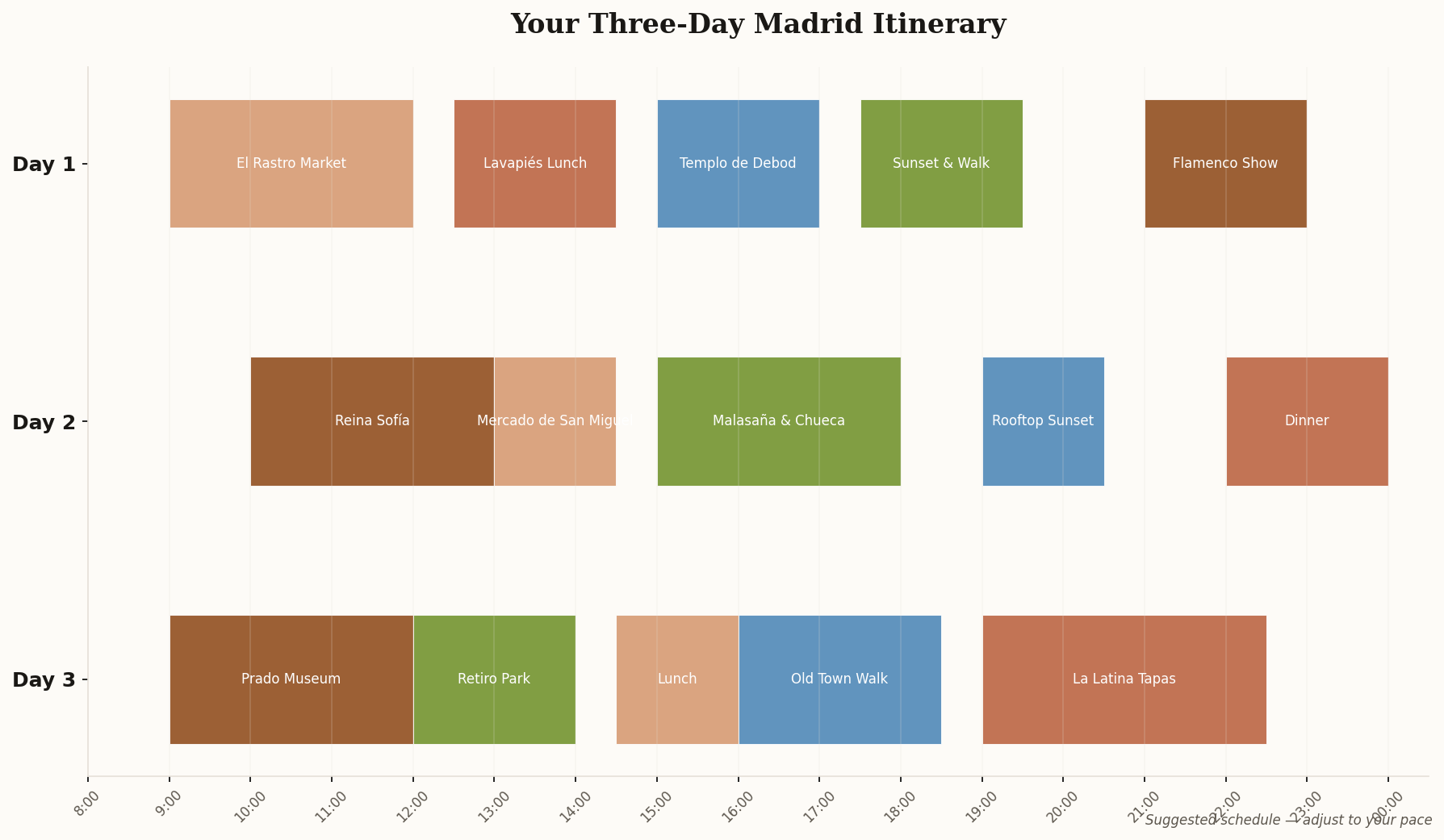
Gantt-style timeline showing suggested activities across three days in Madrid, from 8am to midnight
Your three-day Madrid itinerary at a glance. Note the late dining schedule — this is non-negotiable in Spain.
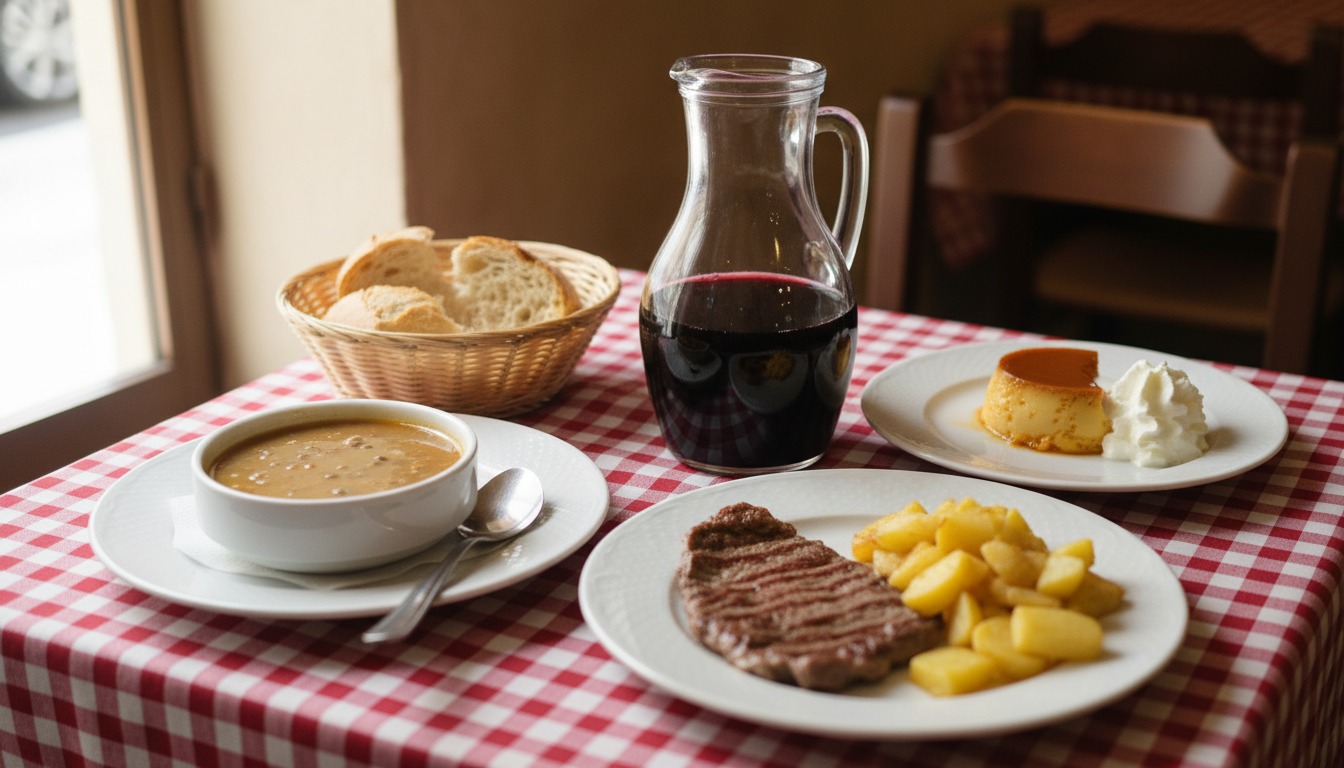
Spanish menu del dia lunch spread with three courses, wine carafe, and crusty bread at a traditional Madrid restaurant
05

The Menu del Dia Is Europe's Best-Kept Secret (And It's Twelve Euros)

Every weekday between roughly 1:30 PM and 4:00 PM, restaurants across Madrid offer the menu del dia: three courses, bread, and a drink (usually wine or beer) for €12–€18. This isn't tourist food. This is what office workers, taxi drivers, and construction crews eat. The same restaurants that charge €25 for a main course at dinner will feed you a three-course lunch for the price of a sandwich in London.

The system works like this: you get a starter (usually soup, salad, or a small pasta), a main (meat or fish with sides), dessert (flan, fruit, or ice cream), and a drink. The quality ranges from "perfectly adequate" to "genuinely excellent," and the key indicator is how many locals are eating there versus tourists. If the menu is only in English, leave.

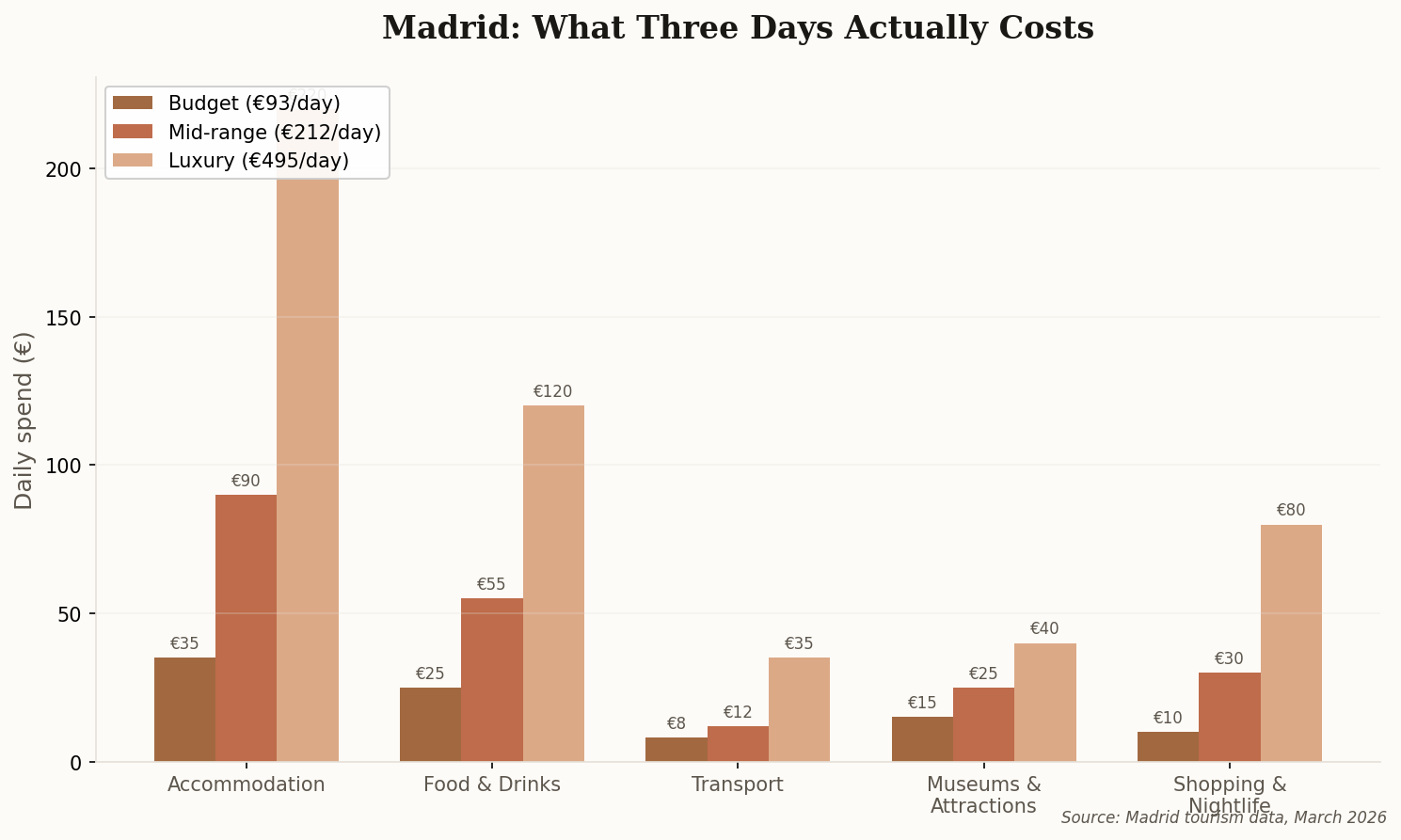
Bar chart comparing daily costs in Madrid across budget, mid-range, and luxury tiers for accommodation, food, transport, museums, and shopping
What three days in Madrid actually costs. The mid-range sweet spot (~€212/day) gives you great food, good accommodation, and full museum access without restraint.
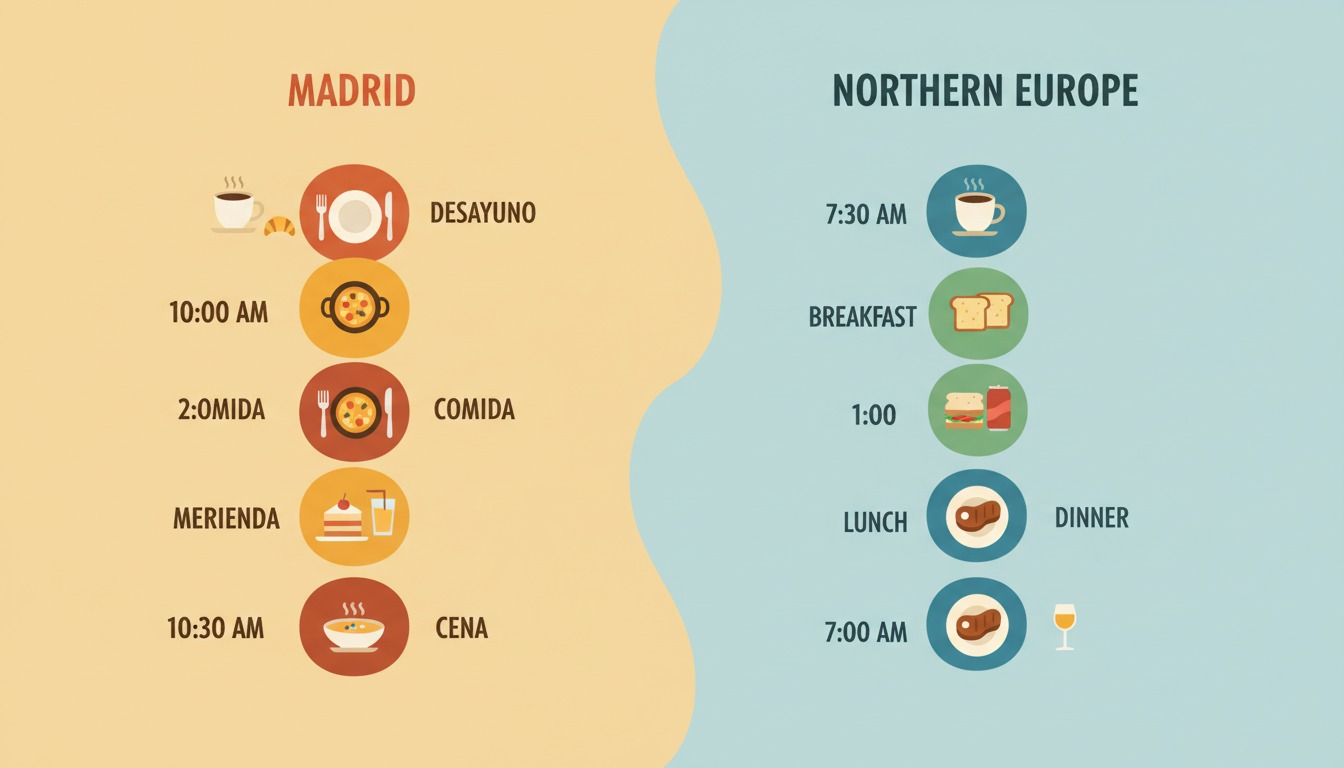
Infographic comparing Madrid's dining schedule to the rest of Europe, showing breakfast at 10am, lunch at 2:30pm, and dinner at 10:30pm versus typical European times
Infographic: Madrid Dining Schedule vs. The Rest of the World — Generated with Nano Banana 2.0

A few more rules for eating well in Madrid: breakfast is an afterthought — a cafe con leche and a tostada (toast with tomato and olive oil) at the bar for €3. Lunch is the main event. Dinner is late and lighter — tapas or a single course. If you try to impose a Northern European eating schedule on Madrid, you'll spend three days confused and hungry at all the wrong times.

Transport tip: Buy a Multi Card (€2.50 deposit) and load a 10-trip pass (€7.30). It's cheaper than the Tourist Pass and can be shared between two people. The metro covers everything you need.

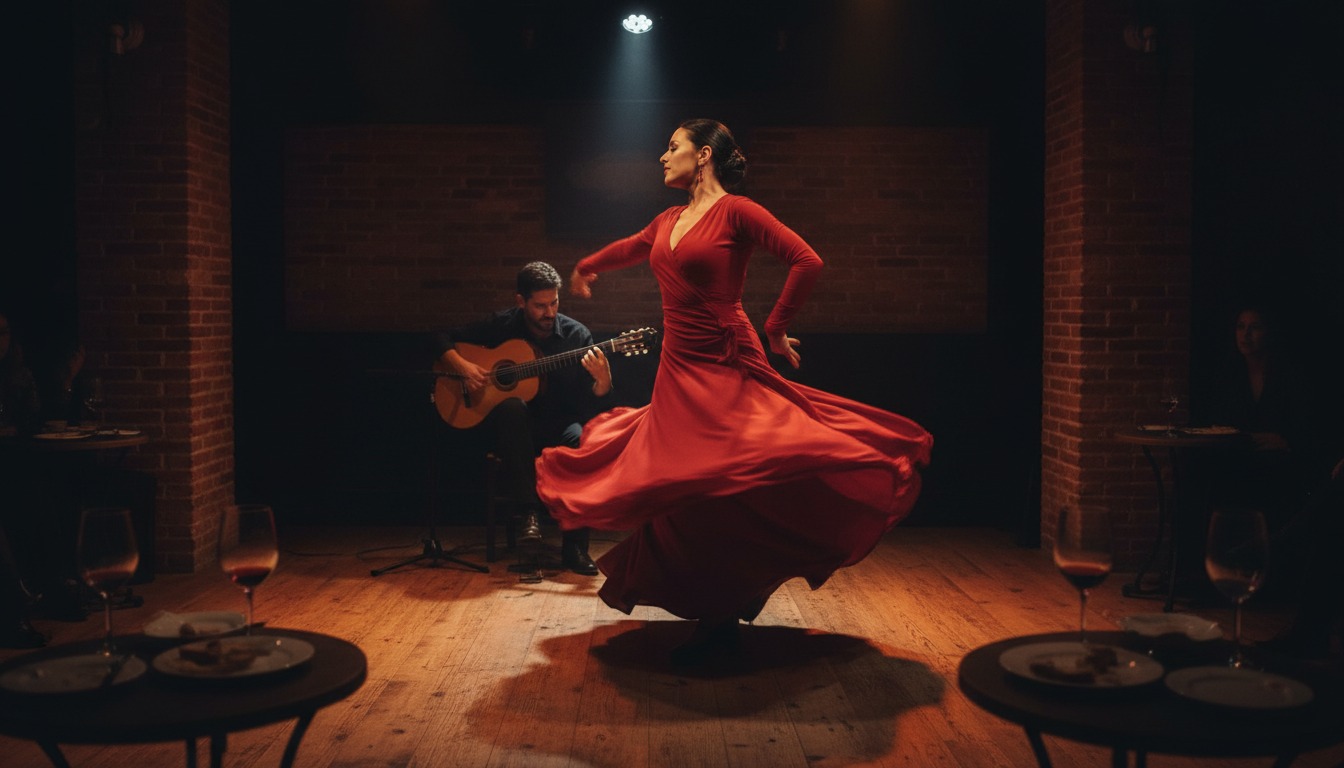
Dramatic flamenco dancer in a red dress mid-twirl in an intimate tablao venue with guitarist in shadows
06

Real Flamenco Has No Microphones (And Madrid Has a New Grand Prix Problem)

The "dinner and flamenco show" packages near Plaza Mayor are to flamenco what a Hard Rock Cafe is to rock music: technically related, spiritually bankrupt. Real flamenco happens in intimate tablaos where the performers are close enough that you can hear the guitarist's breathing and feel the dancer's footwork vibrate through the wooden floor.

Tablao de la Villa and Essential Flamenco are the current standard-bearers. They focus on pure acoustic performance — no microphones, no amplification, just the raw power of cante (singing), toque (guitar), and baile (dance). Book in advance; 2026 demand is high. Expect €30–€40 including a drink.

Speaking of demand: the Madrid Formula 1 Grand Prix launches its new street circuit in 2026, and it's already reshaping the city's tourism calendar. If you're visiting during race week, expect hotel prices to triple and rooftop bars to be booked months out. The upside: it confirms Madrid's ascent from "Spain's second city for tourists" to a genuine year-round destination that rivals Barcelona, without the overcrowding crisis.

Safety note: Madrid is one of Europe's safest capitals. The only real concern is pickpockets in three spots: Puerta del Sol, El Rastro market, and Metro Line 8 (airport line). Keep your bag on your front in crowds, and you'll be fine.

Buen Viaje

Madrid doesn't try to impress you. It doesn't need to. The city operates on its own clock — literally, with those 10 PM dinners — and the best thing you can do is surrender to its rhythm. Eat late, walk everywhere, stand in front of a Goya and feel something uncomfortable. That's not a vacation itinerary. That's duende.

Share X LinkedIn