The Legacy of Apple's HyperCard

The Software Erector Set

How a free app bundled with every Mac in 1987 accidentally invented the web, launched the no-code movement, and haunts every drag-and-drop builder you've ever used.

Listen
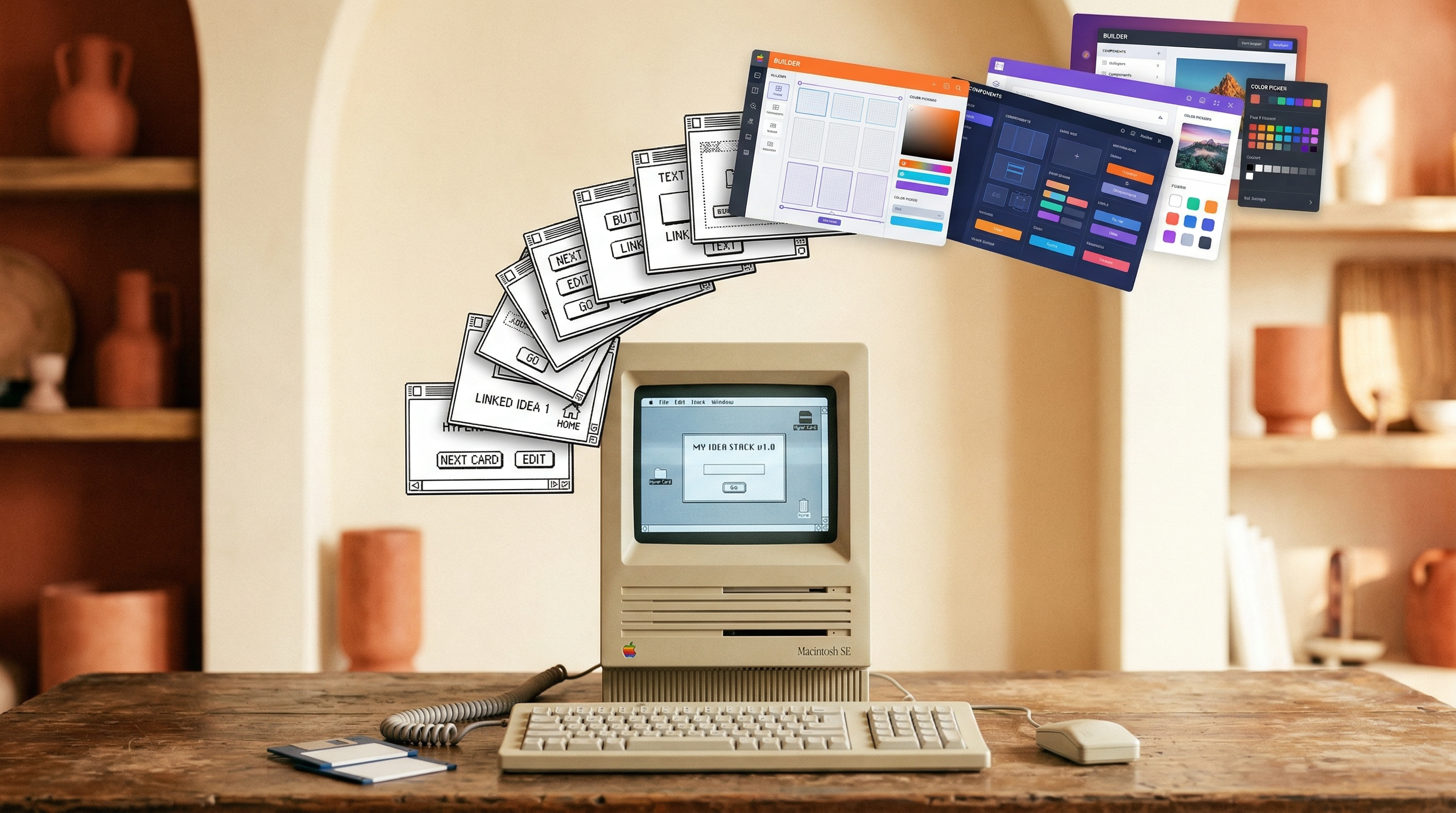
A vintage Macintosh with HyperCard stacks cascading from its screen, transforming from 1-bit pixel art into modern colorful interfaces
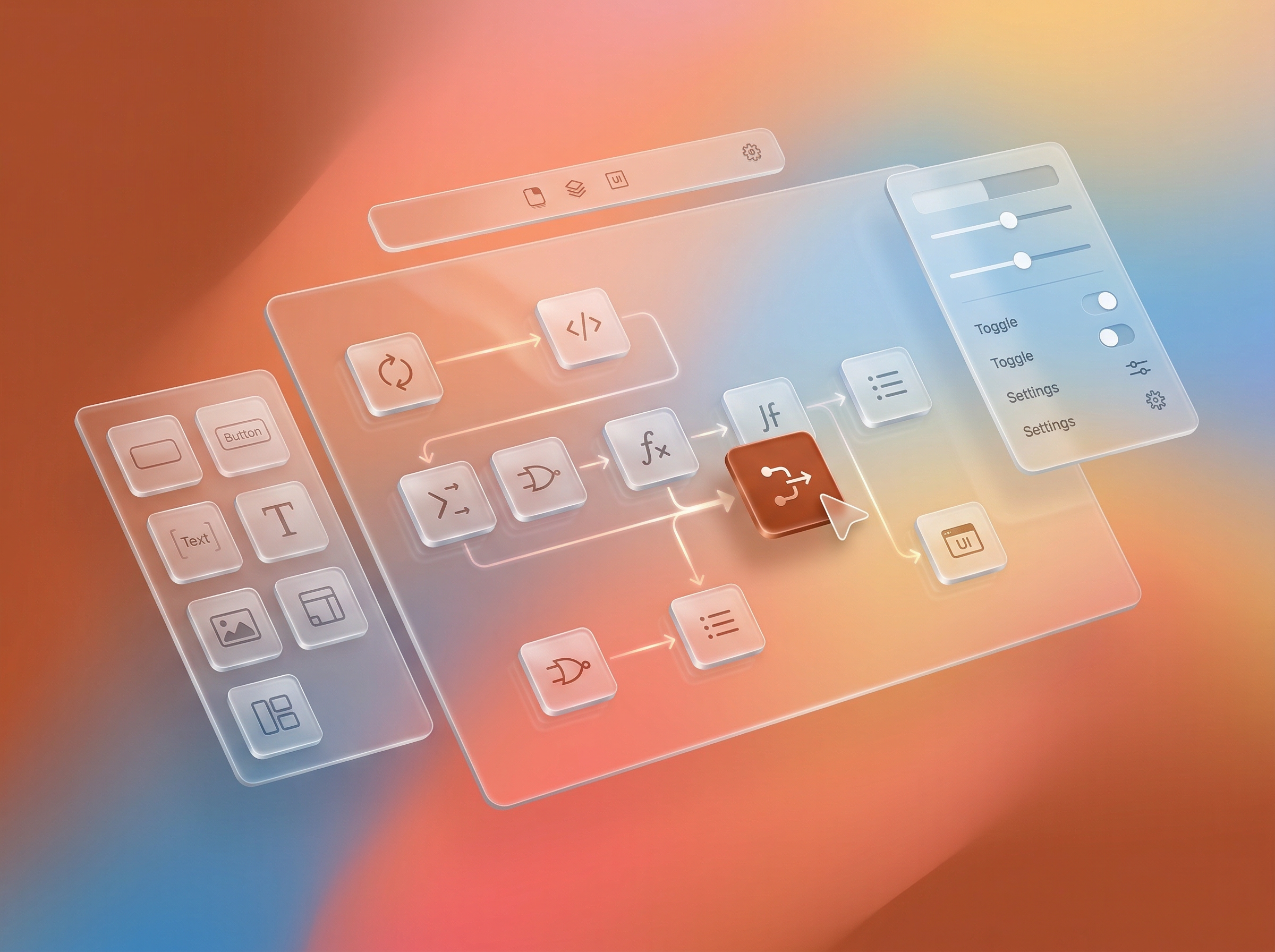
Modern Apple interface with translucent Liquid Glass panels showing visual programming blocks
01

Apple Finally Remembered What It Had

It took Apple thirty-nine years to come full circle. Apple Creator Studio, launched in January 2026, bundles Shortcuts, Swift Playgrounds, and Pixelmator tools into a single "Liquid Glass" interface where users can describe an app to Apple Intelligence and watch it materialize as a SwiftUI view. Sound familiar?

In 1987, Bill Atkinson built exactly this vision: a tool where regular people could make computers do what they wanted without writing a single line of traditional code. The difference is that Atkinson's tool was free with every Mac. Creator Studio is a subscription bundle. The philosophy survived; the generosity didn't.

What makes this more than just corporate irony is Swift Playgrounds 5, which shipped in 2025 with a killer feature: the ability to "eject" visual automations into full Swift code. That's the bridge Atkinson always wanted but never built—the ramp from casual tinkering to real programming. HyperCard's HyperTalk scripting language was approachable, but it was a dead end. You couldn't take your skills elsewhere. Apple seems to have learned from that mistake, even if it took four decades.

A polished mineral stone revealing swirling patterns, memorial tribute to Bill Atkinson's nature photography
02

Farewell to the Man Who Gave Everyone a Programming Language

Bill Atkinson died on June 5, 2025, at 74. The timing was almost poetic: his passing coincided with the opening day of WWDC 25, the annual gathering of the developer community he helped create. Tim Cook opened the keynote with a tribute to the man who built QuickDraw, MacPaint, and the tool that arguably did more to shape personal computing than any application that came after it.

In his final years, Atkinson had become a world-renowned nature photographer. His book Within the Stone features extreme macro photography of polished minerals—images he described as "nature's own UI." There's something fitting about a man who spent his career making technology feel natural spending his retirement finding technology in nature.

"I am grateful that I could make positive contributions to the lives of many millions of people... and even affect the course of human evolution." — Bill Atkinson, final message, 2025

In a 2024 interview, Atkinson described HyperCard as "GitHub before GitHub"—its open-scripting nature allowed for a transparency and sharing culture that modern walled-garden apps actively prevent. He saw the irony clearly: the spiritual descendants of his creation are all proprietary platforms with subscription fees.

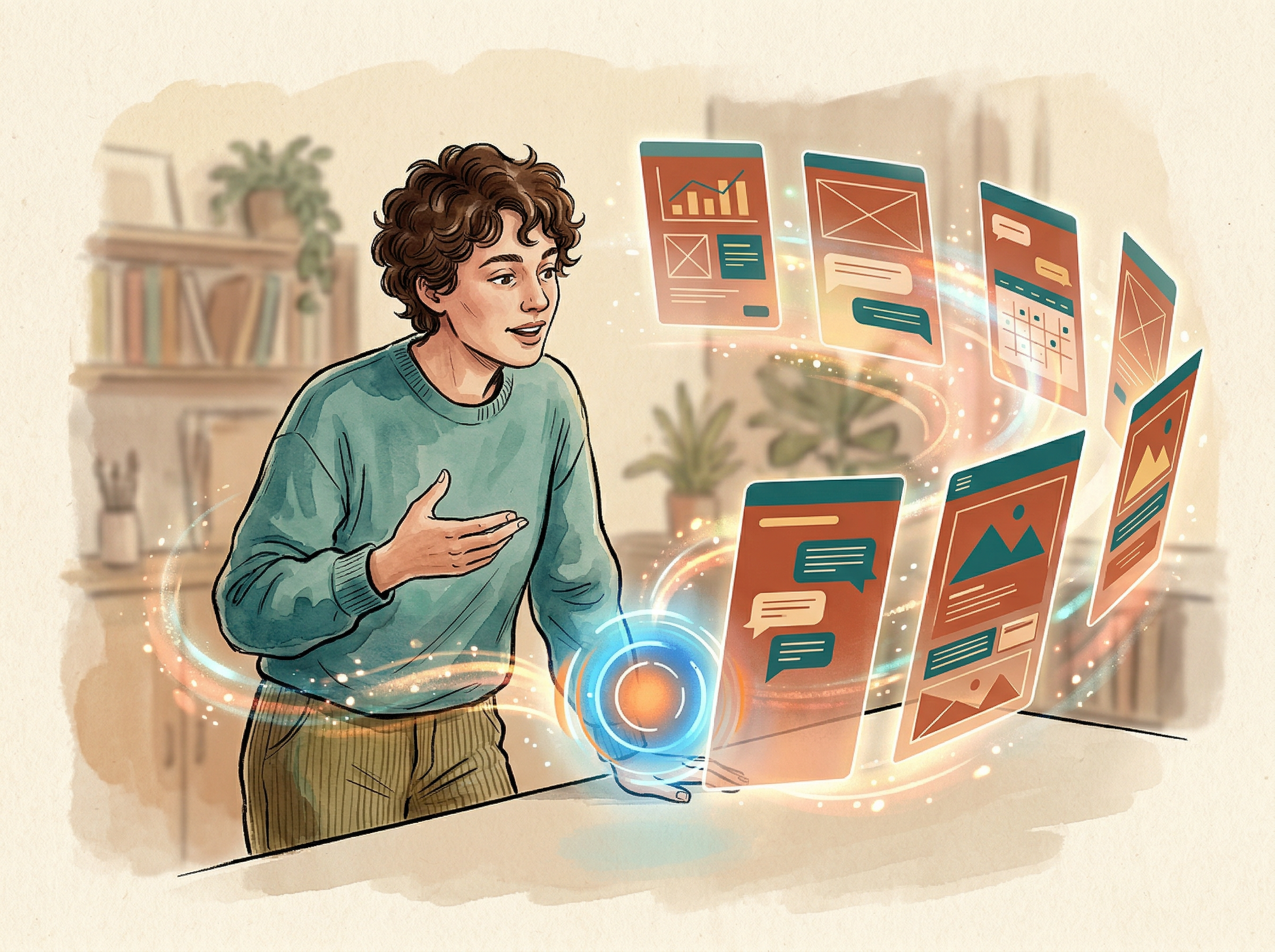
A person speaking to an AI interface while colorful app screens materialize around them like cards being dealt
03

Vibe Coding Is Just HyperCard With Better Marketing

The 2025 trend of "vibe coding"—using large language models to build software by describing what you want in plain English—has been frequently and correctly labeled "HyperCard 2.0" in developer circles. The comparison isn't superficial. Both share the same radical premise: you shouldn't need a CS degree to make a computer do useful things.

HyperTalk let you write on mouseUp, go to next card, end mouseUp and something actually happened. Today, you tell Claude or ChatGPT "build me a recipe tracker with search" and something actually happens. The abstraction layer changed from a near-English scripting language to literal English, but the democratizing impulse is identical.

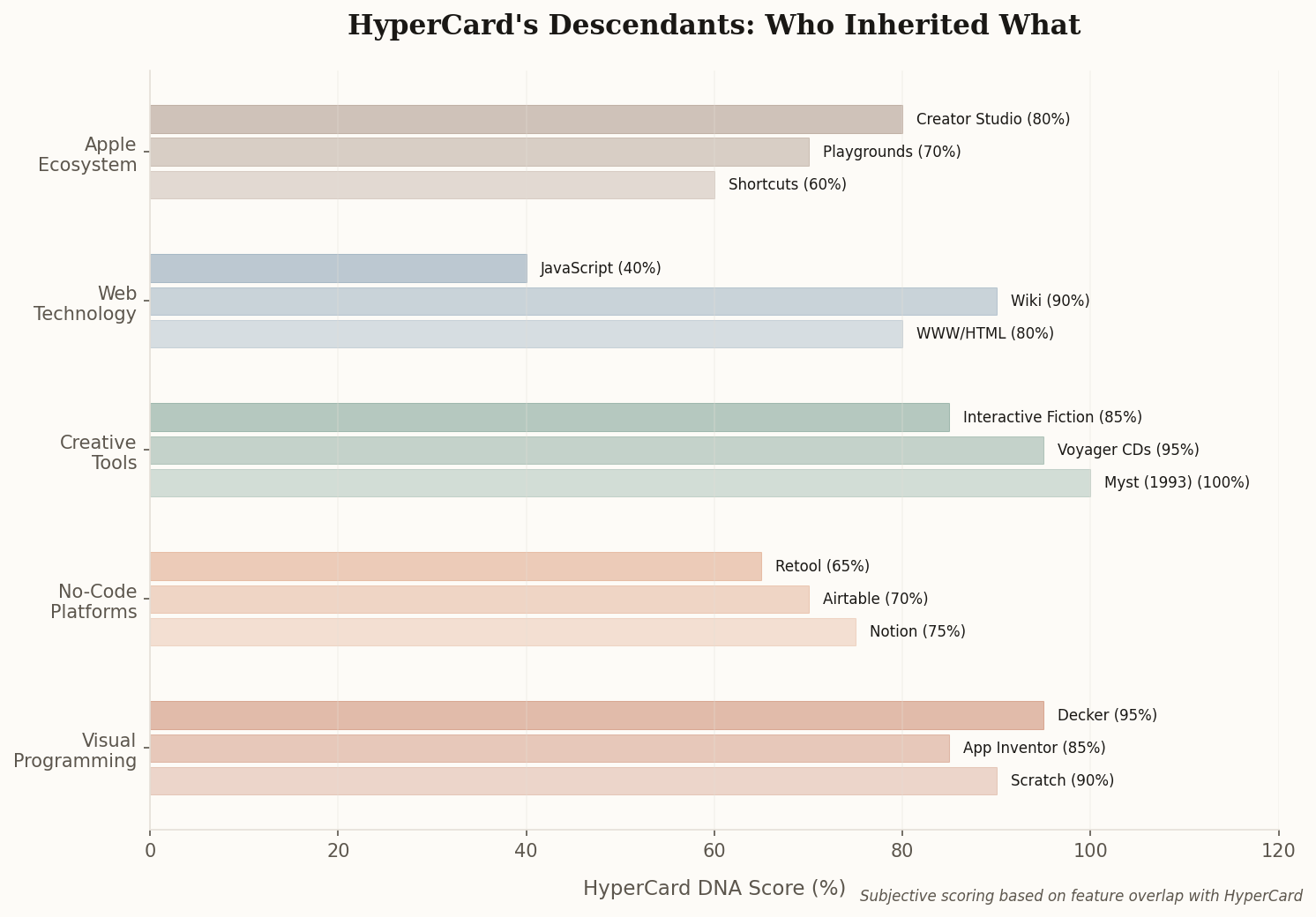
Bar chart showing HyperCard DNA Score across descendants: Visual Programming, No-Code Platforms, Creative Tools, Web Technology, and Apple Ecosystem
HyperCard's genetic fingerprint is strongest in creative tools and visual programming environments, but its influence on web technology and no-code platforms is unmistakable.

The critical difference: HyperCard stacks were portable, shareable, and inspectable. You could open anyone's stack, peek at the scripts, and learn how it worked. The current AI-generated code era produces working software but often at the cost of understanding. Atkinson's "GitHub before GitHub" observation cuts deep here—we've gained the power of creation but lost the culture of transparency that made HyperCard's community so vibrant.

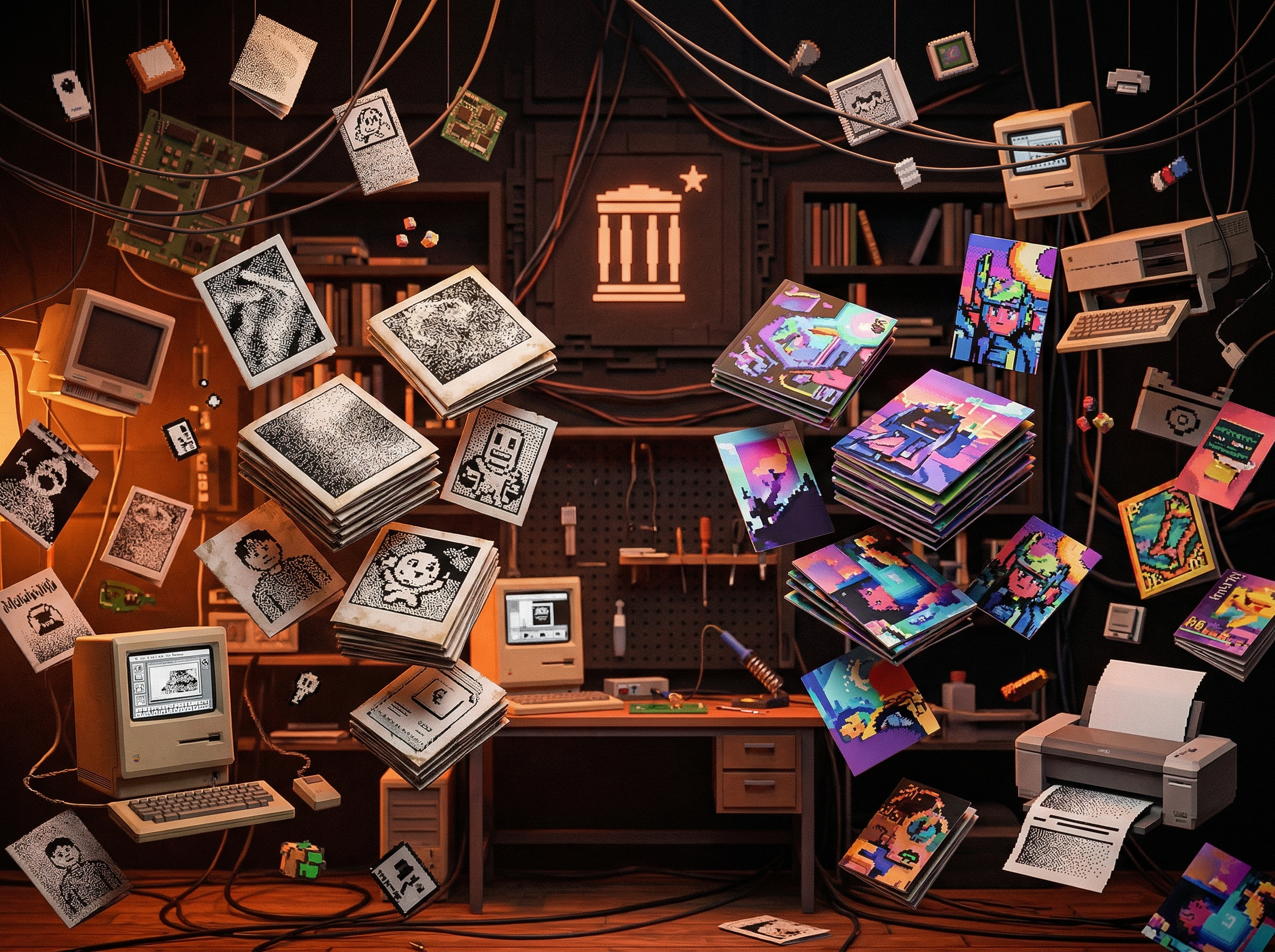
A retro ditherpunk pixel art workshop mixing classic Macintosh black-and-white resolution with modern color
04

The Ditherpunk Renaissance

While Silicon Valley keeps reinventing HyperCard with venture capital and subscriptions, a quieter revolution is happening in the margins. Decker, built by John Earnest, is a free, open-source tool that deliberately embraces HyperCard's 1-bit "ditherpunk" aesthetic and ships with Lil, a scripting language that reads like HyperTalk's cool younger sibling.

The Internet Archive's browser-based Macintosh emulator now hosts over 10,000 original HyperCard stacks—rare educational software, personal databases, interactive fiction, and the kind of gloriously weird personal computing artifacts that defined the late 80s. You can run them in your browser right now, no emulation setup required.

The "Decker Fantasy Camp," planned for July 2026, is a community jam dedicated to building HyperCard-style zines and interactive stacks. It represents something the no-code industry consistently misses: the point was never just building apps. It was building personal software—weird, idiosyncratic, exactly-what-you-needed tools that didn't need to scale, didn't need to monetize, and didn't need anyone's permission to exist.

A pristine 1987 compact Macintosh displaying a HyperCard stack with floppy disks beside it in warm amber lighting
05

August 1987: The Moment Everyone Became a Programmer

When Bill Atkinson unveiled HyperCard at Macworld Expo in August 1987, he called it a "software erector set." The metaphor was precise: like the beloved construction toy, HyperCard gave you pieces (cards, buttons, fields, scripts) and trusted you to build something meaningful. No gatekeeping. No app store approval process. No terms of service.

The architecture was deceptively simple. Information lived on cards. Cards lived in stacks. Buttons on cards could trigger actions written in HyperTalk, a scripting language so close to English that it felt like talking to your computer. Atkinson had spent three years developing what was initially codenamed "WildCard," and he fought Apple's management to ensure one non-negotiable condition: it would ship free with every Macintosh.

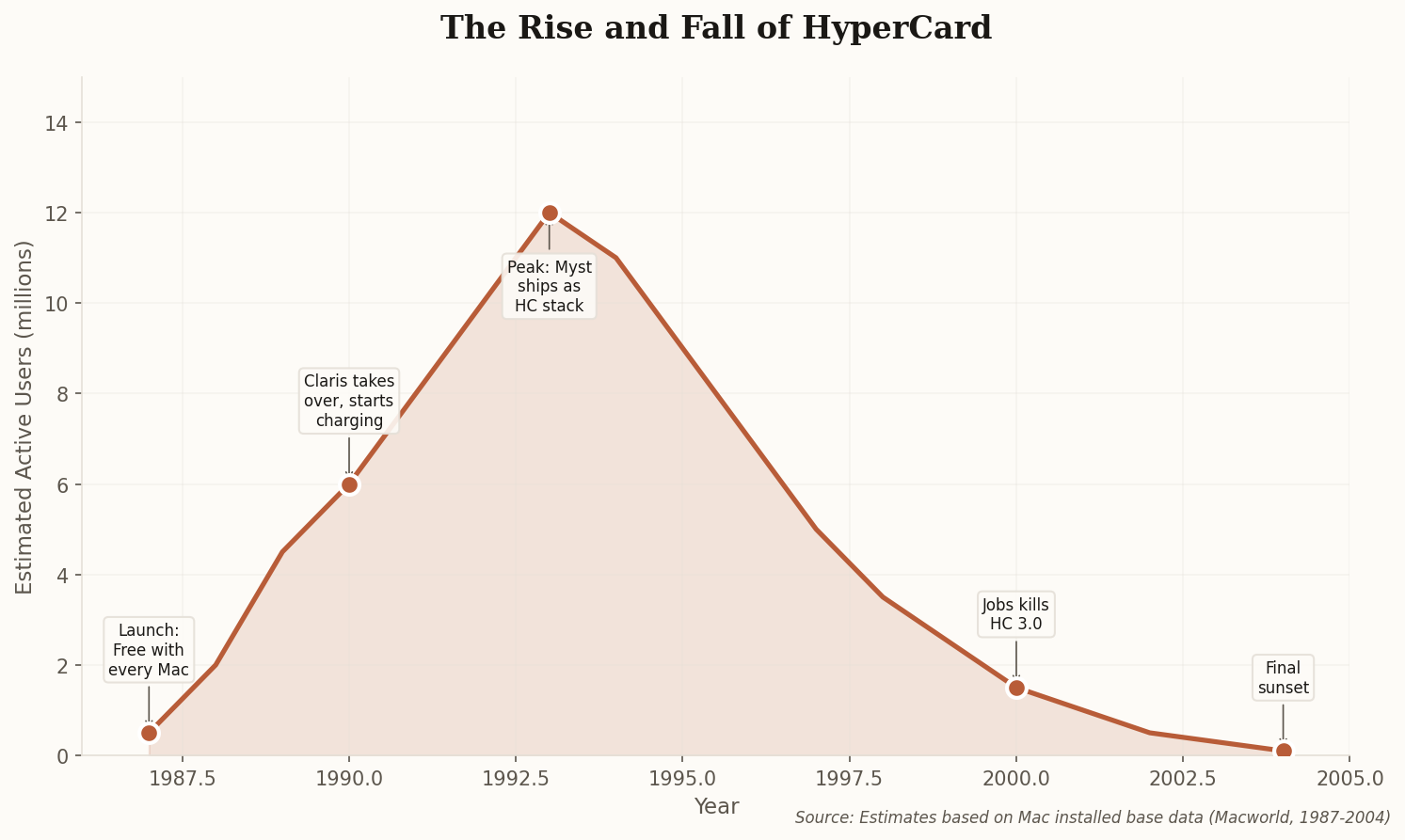
Line chart showing the rise and fall of HyperCard adoption from 1987 to 2004, peaking in the early 1990s
HyperCard's adoption peaked in the early 1990s when Myst shipped as a HyperCard stack, then steadily declined after Apple moved it to paid software and eventually killed the project.

That free bundling decision was everything. It meant that every Mac owner was also a HyperCard author, whether they knew it or not. Teachers made interactive lessons. Librarians built catalog systems. Kids built adventure games. A generation of people who would never call themselves "programmers" learned to think computationally, one on mouseUp handler at a time.

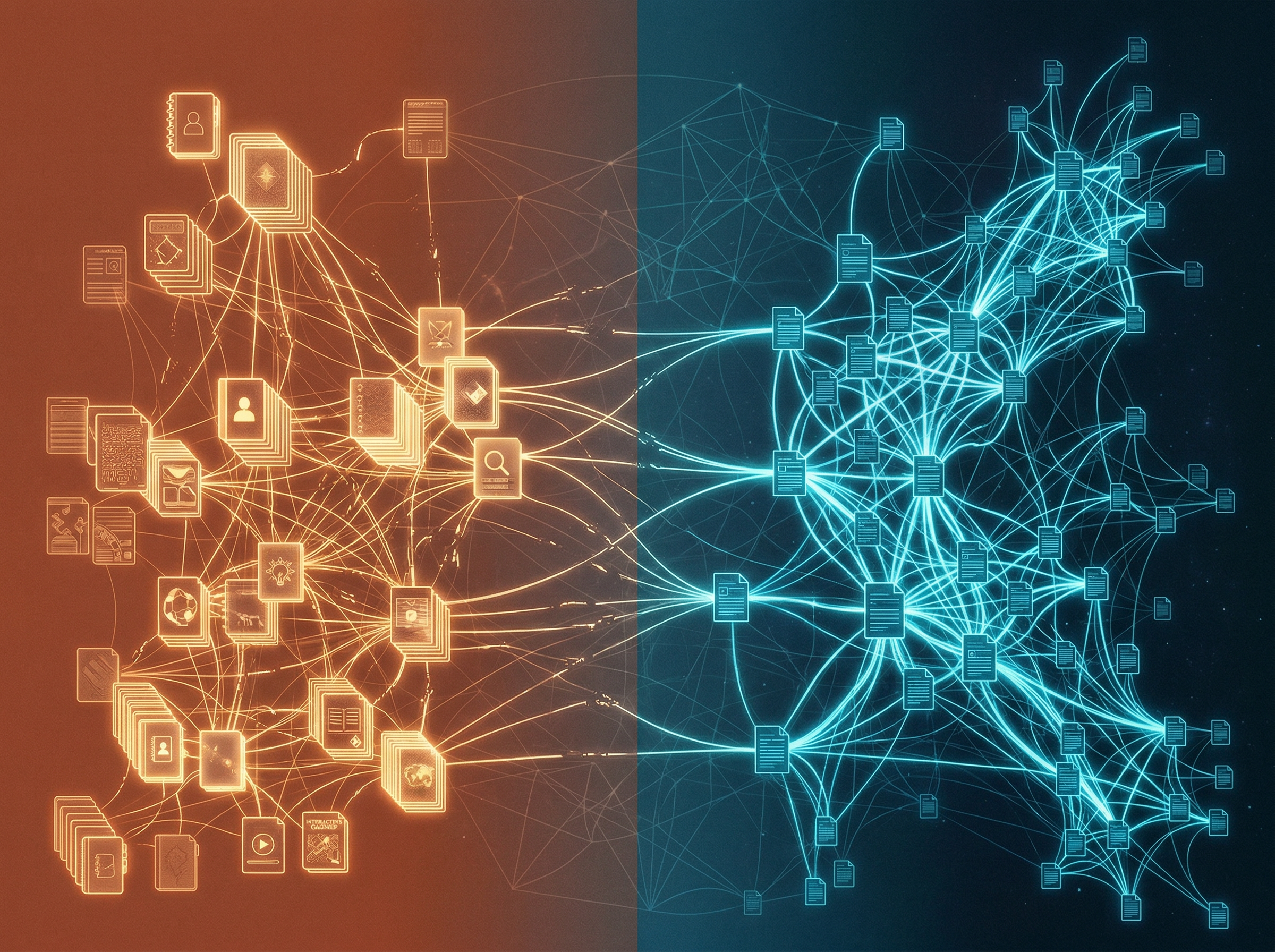
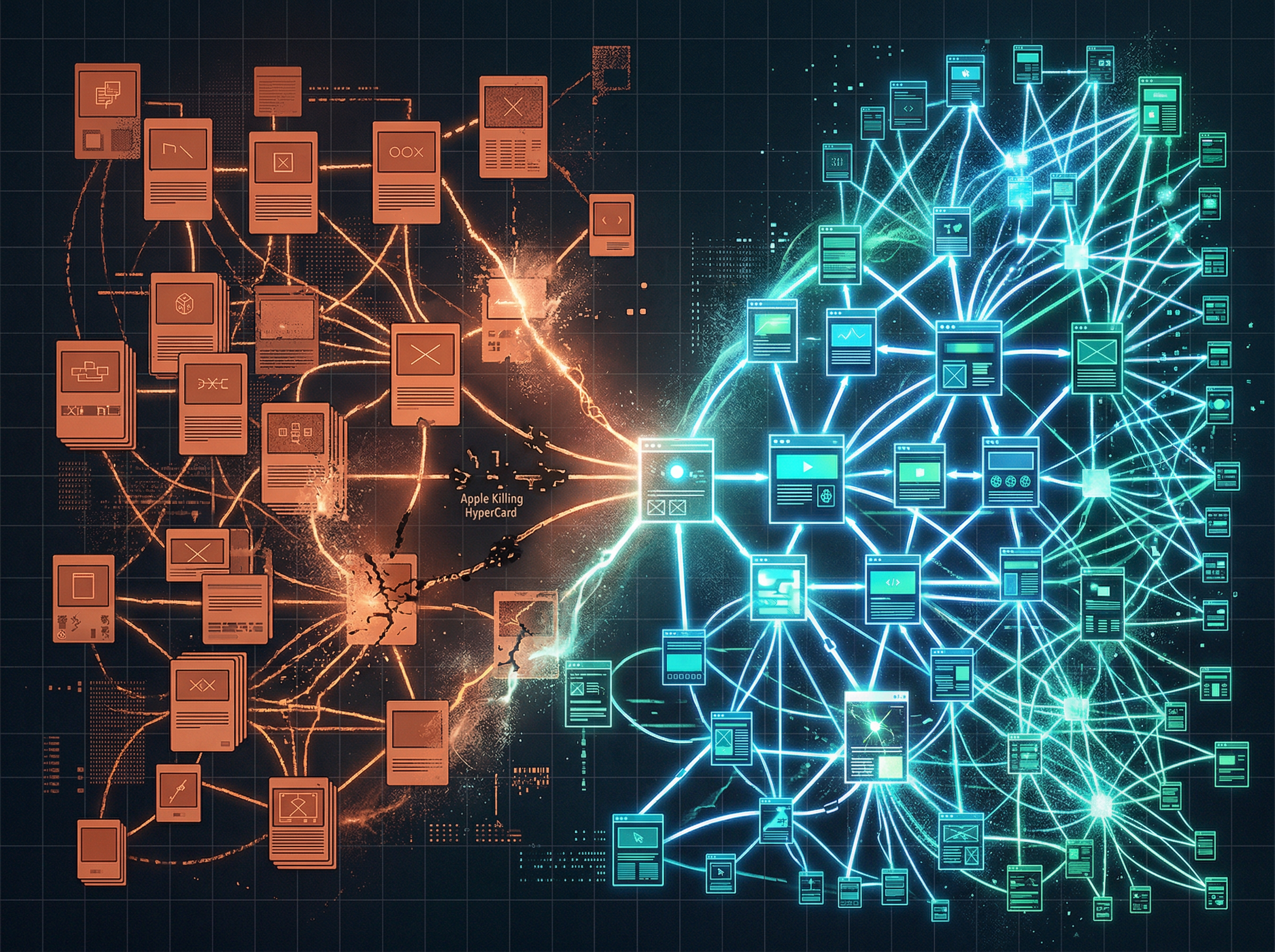
Abstract visualization of HyperCard stacks morphing into web pages connected by glowing hyperlinks, forming a network constellation
06

The Billion-Dollar Blunder: How Apple Had the Web and Threw It Away

Here's the part that should keep Apple historians up at night. Robert Cailliau, co-creator of the World Wide Web alongside Tim Berners-Lee, was a heavy HyperCard user. He explicitly described the Web as essentially a "networked HyperCard." Ward Cunningham built the first wiki as a direct networked version of a HyperCard stack he used to track software patterns. The pointing-finger cursor you see on every hyperlink today? Popularized by HyperCard.

Apple had the conceptual foundation for the internet sitting in every Mac it shipped, and then did everything possible to destroy it. In 1990, they exiled HyperCard to Claris, their software subsidiary, which promptly started charging for it—strangling the grassroots ecosystem that depended on free access. The stack was built on 68k assembly, and Apple refused to fund the total rewrite needed to port it to Mac OS X. And when Steve Jobs returned, he shuttered the unreleased HyperCard 3.0 (which had been rebuilt on QuickTime) to focus on a "leaner" Apple.

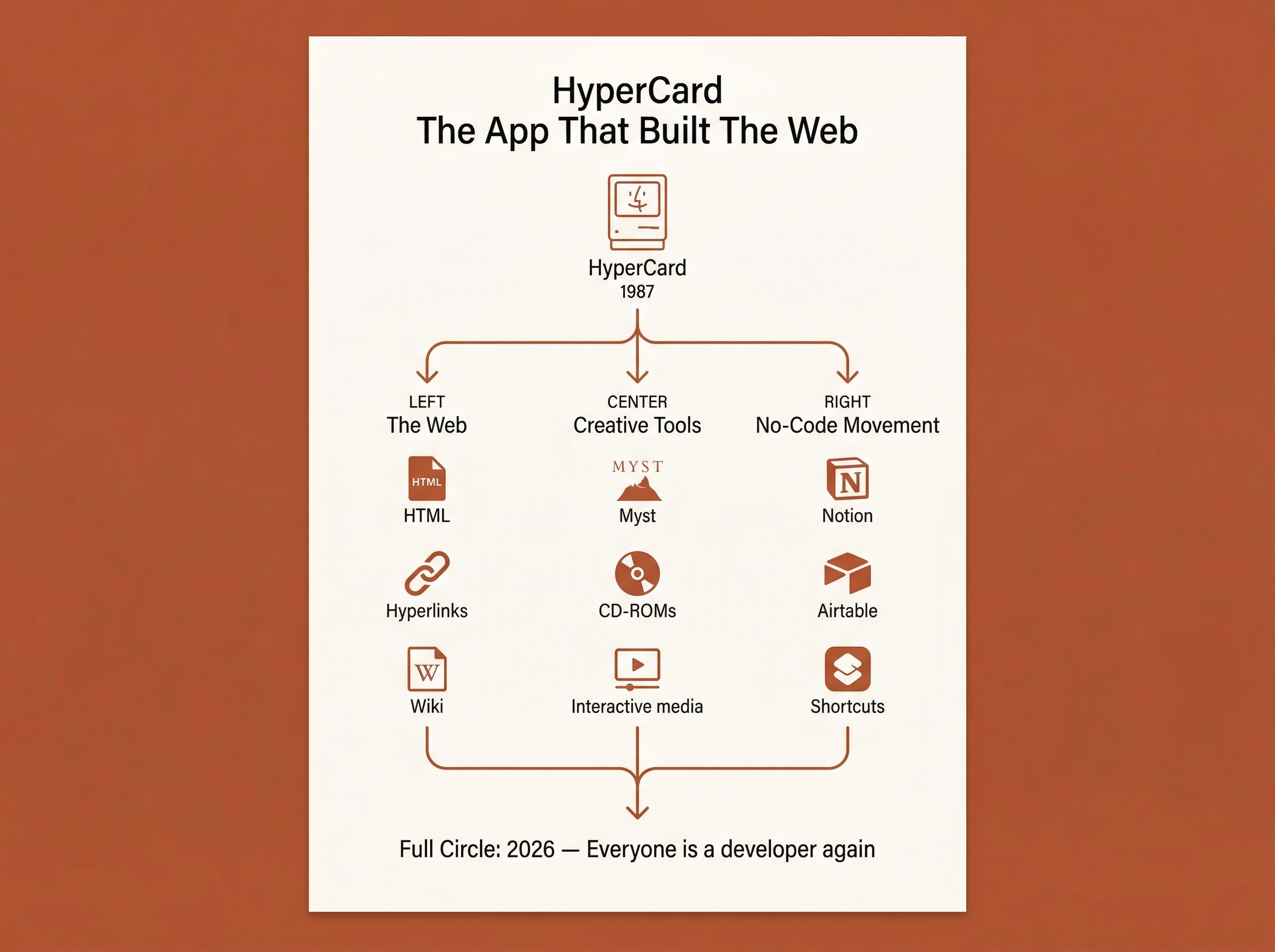
Infographic showing HyperCard's three evolutionary branches: The Web, Creative Tools, and the No-Code Movement, flowing from a 1987 Macintosh icon to 2026
HyperCard's DNA flows through three major branches of modern computing — Generated with Nano Banana 2.0
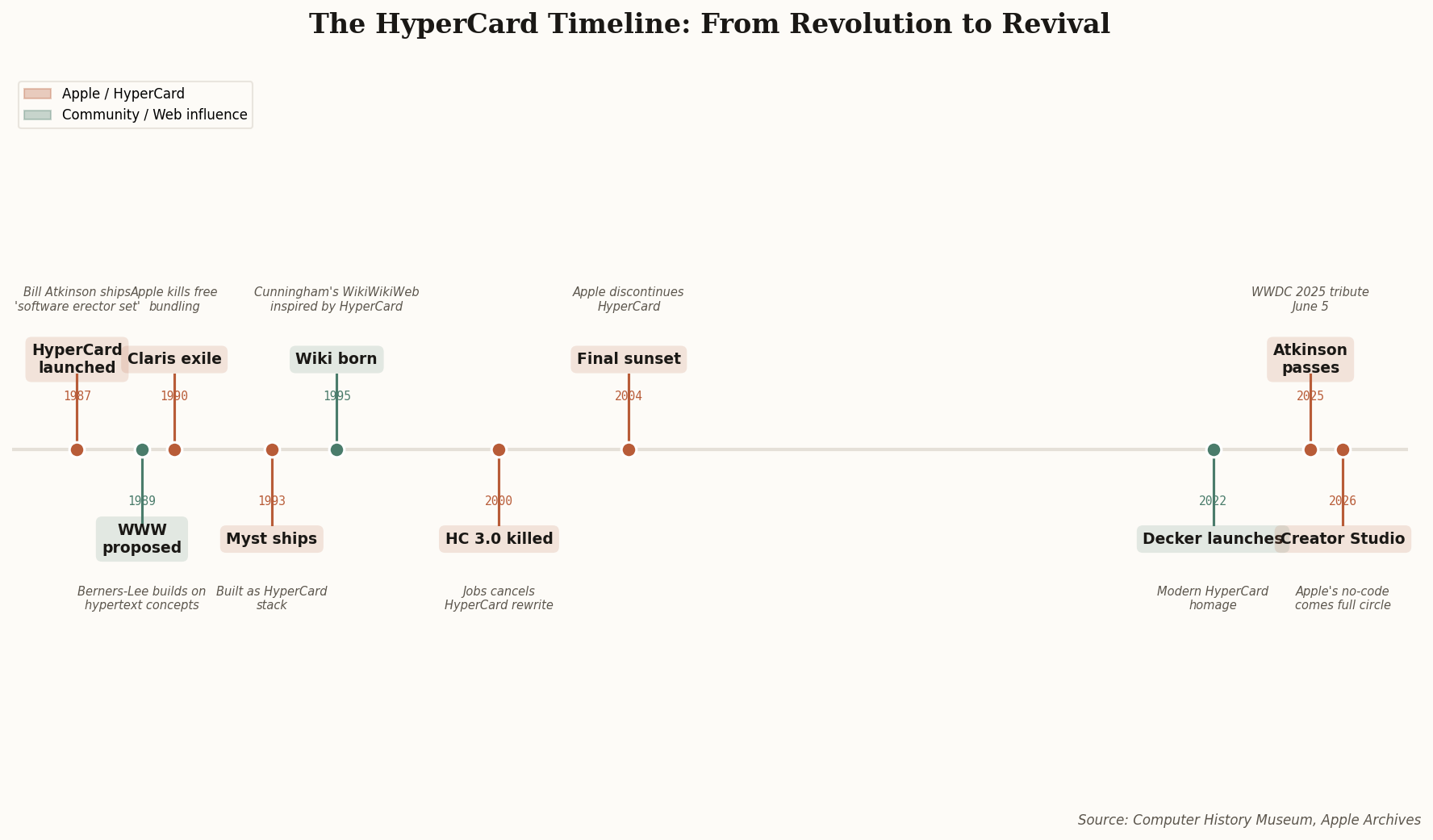
Timeline showing key events from HyperCard's 1987 launch through its 2004 discontinuation to the 2026 revival
From revolution to abandonment to renaissance: HyperCard's influence never actually disappeared—it just went underground.

Atkinson himself delivered the most devastating self-critique: "I missed the mark. I had the first glimmer of a web browser, but I had it chained to a hard drive." He was being too generous. He built something extraordinary. His employer failed to see it, and the web had to be reinvented from scratch at CERN because Apple couldn't imagine connecting cards across a network. It remains one of the great what-ifs in technology history.

The Stack That Won't Stay Dead

Nearly four decades after HyperCard shipped free with every Mac, we're still chasing the same dream it embodied: that making software should be as natural as writing a letter or drawing a picture. Every no-code tool, every AI code generator, every visual programming environment is a love letter to a beige box in Cupertino that trusted ordinary people to build extraordinary things. The tools have changed. The aspiration hasn't. And maybe that's HyperCard's real legacy—not the stacks themselves, but the stubborn, beautiful idea that computing belongs to everyone.

Share X LinkedIn