The Machine Named After a Daughter He Denied
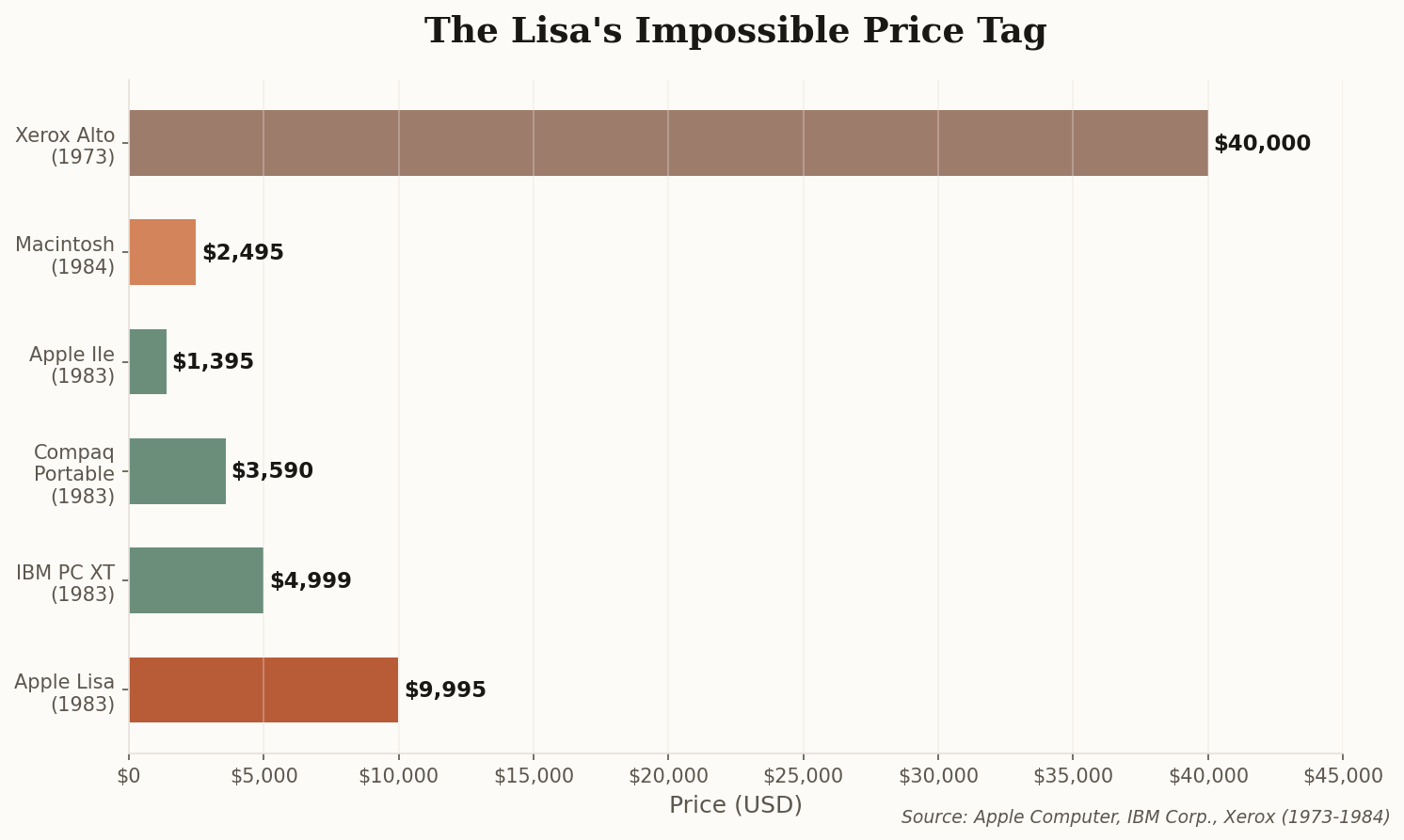
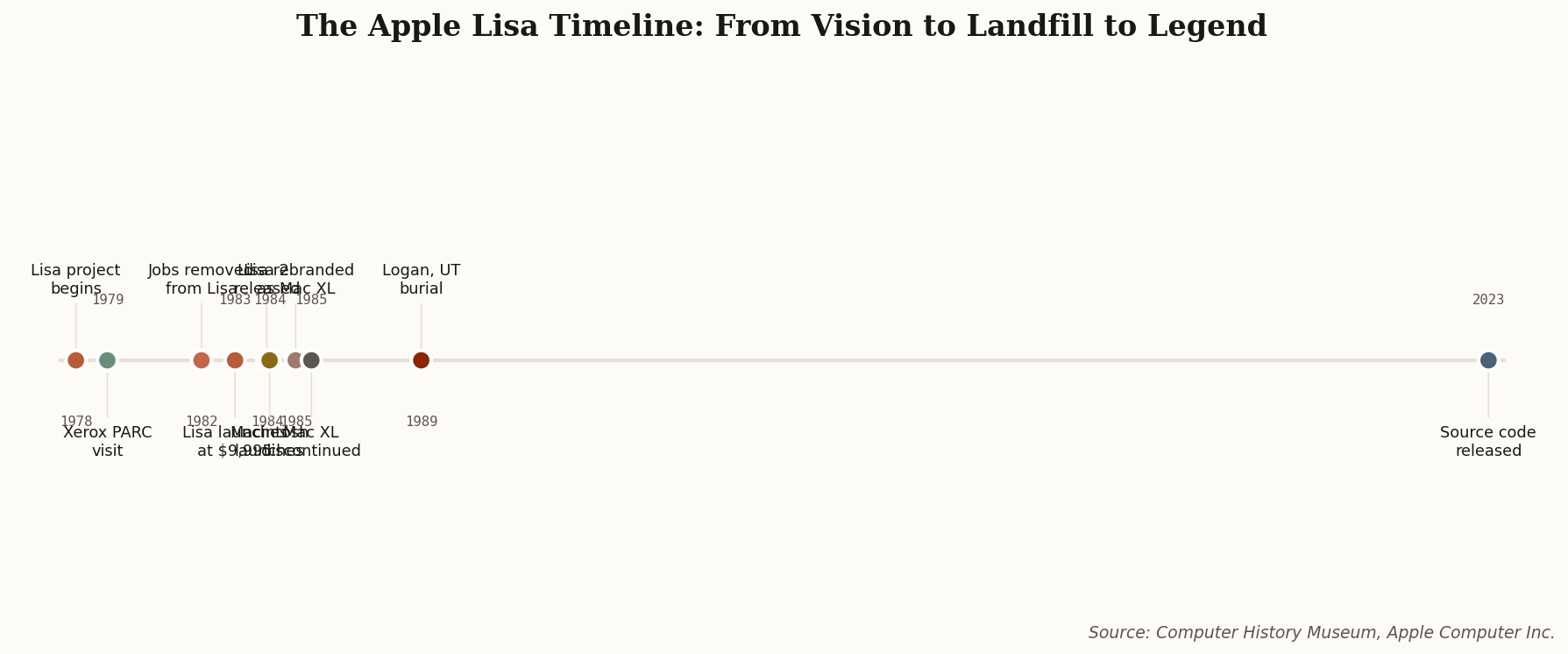
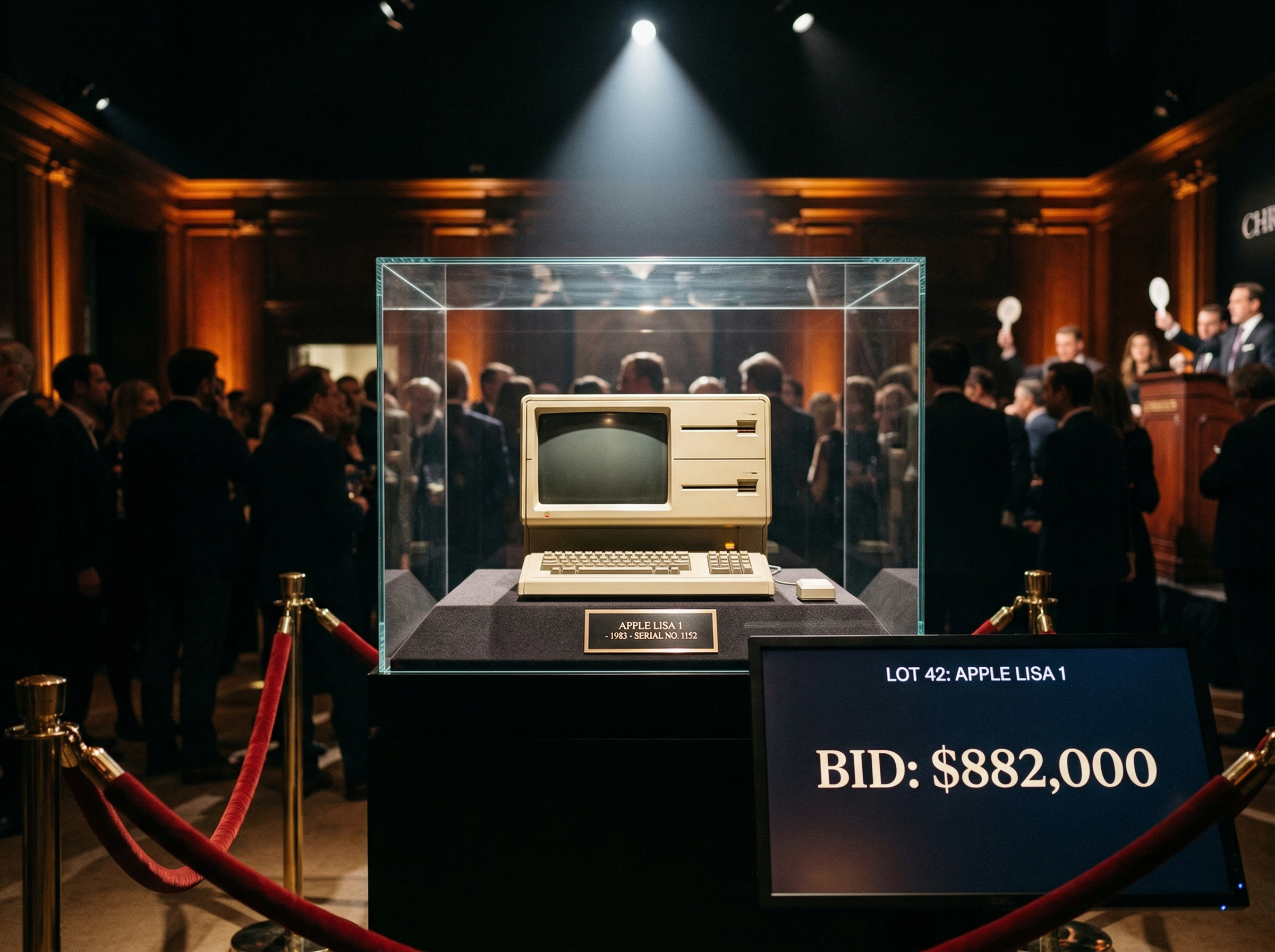
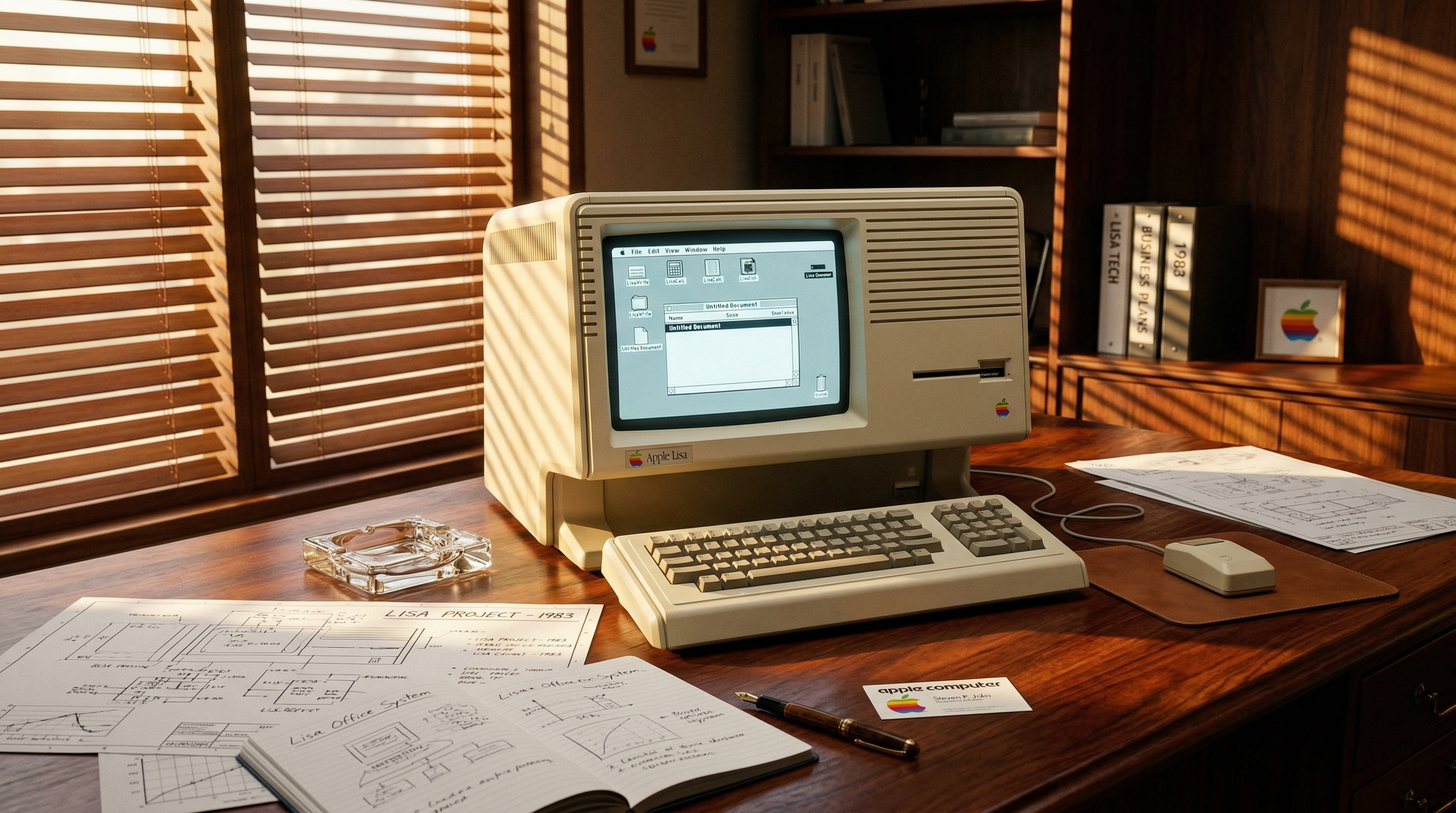
In 1978, Apple Computer kicked off a project that would consume $50 million in R&D and employ over 90 engineers at its peak. The goal was modest: build a successor to the Apple II. What emerged was something nobody expected — a computer so far ahead of its time that the market literally couldn't afford it.
The name tells you everything. Officially, "Lisa" stood for Local Integrated Software Architecture. Unofficially — as Steve Jobs later admitted to biographer Walter Isaacson — it was named after his firstborn daughter, Lisa Brennan-Jobs, whom he was actively denying paternity of at the time. The most personal computer ever made, named for the most personal reason imaginable, by a man who refused to acknowledge either.
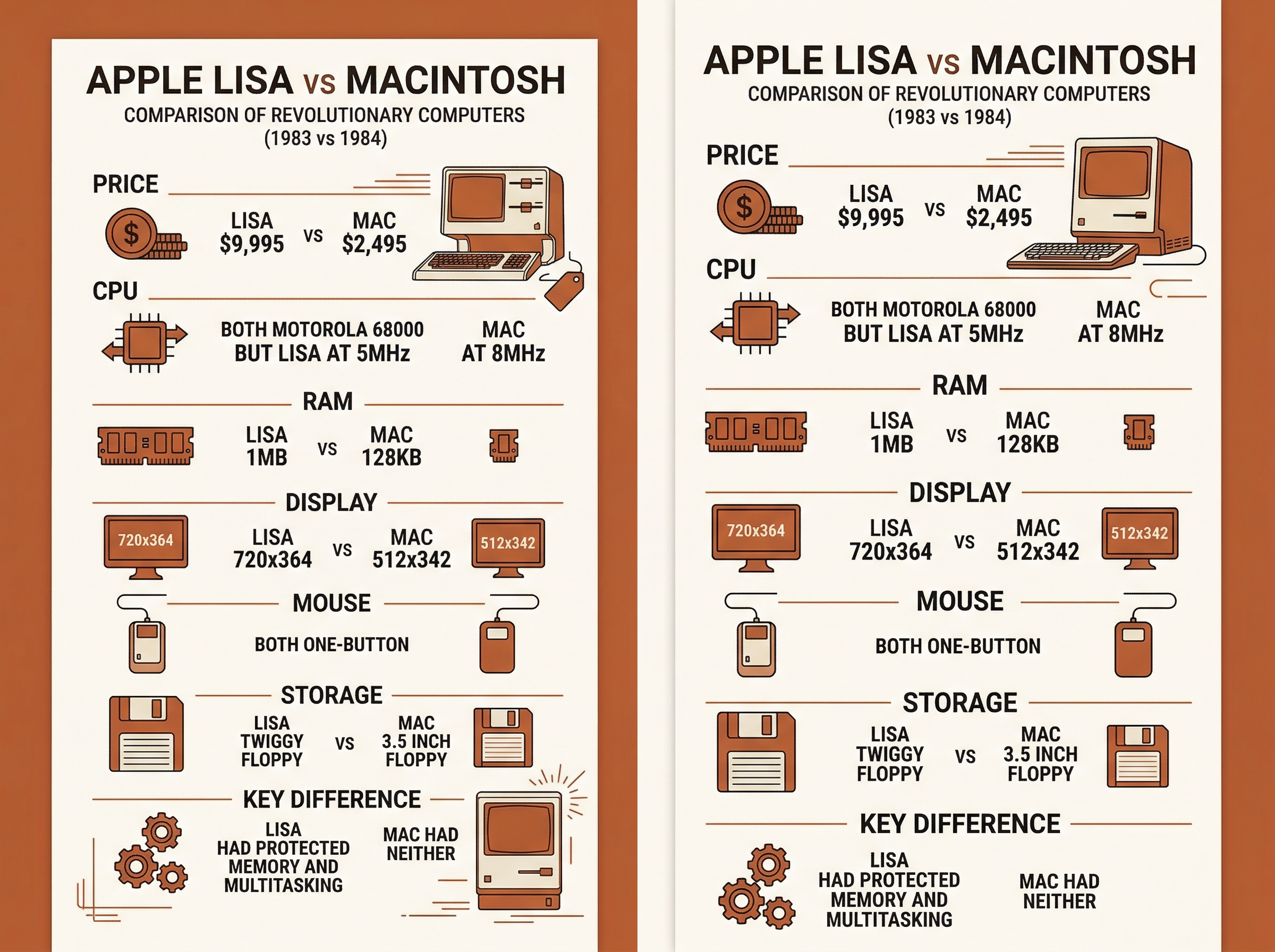
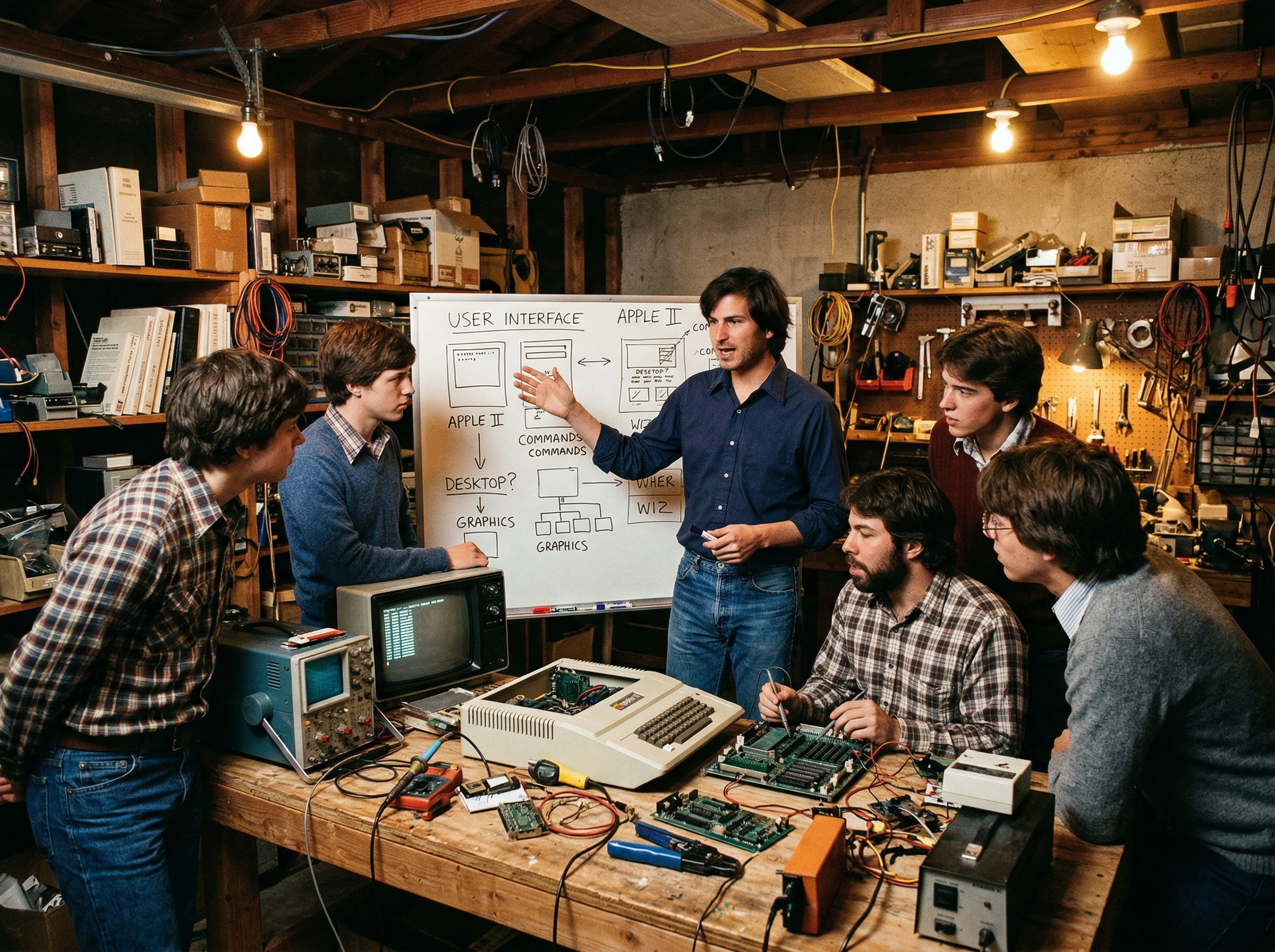
The team was extraordinary. John Couch ran the division with organizational discipline. Bill Atkinson — the wizard — wrote QuickDraw, the graphics engine that would power Apple's operating systems for decades, and pioneered the concept of rounded rectangles that still define iOS today. Larry Tesler, recruited from Xerox PARC, brought "modeless" computing and perfected cut/copy/paste. Rich Page designed the custom hardware architecture, including the critical Memory Management Unit that made protected memory possible.
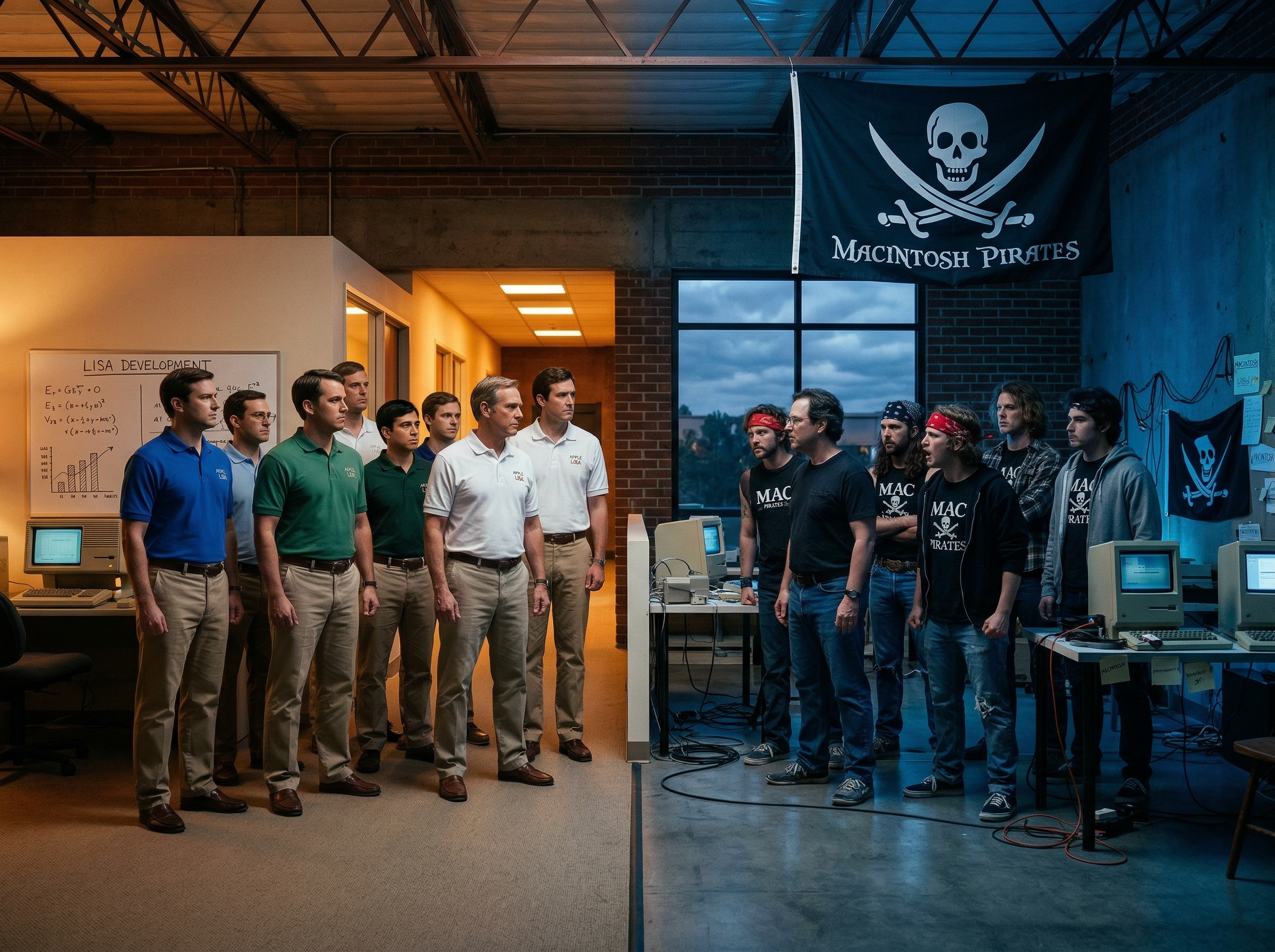
But Jobs' volatile management style and the project's ballooning costs led to his removal from the Lisa team in 1982. That exile — the most productive humiliation in tech history — pushed him to take over the fledgling Macintosh project. The rivalry it created would ultimately kill both machines and birth a legend.