Your Garden Is Already a Chemical Weapons Lab
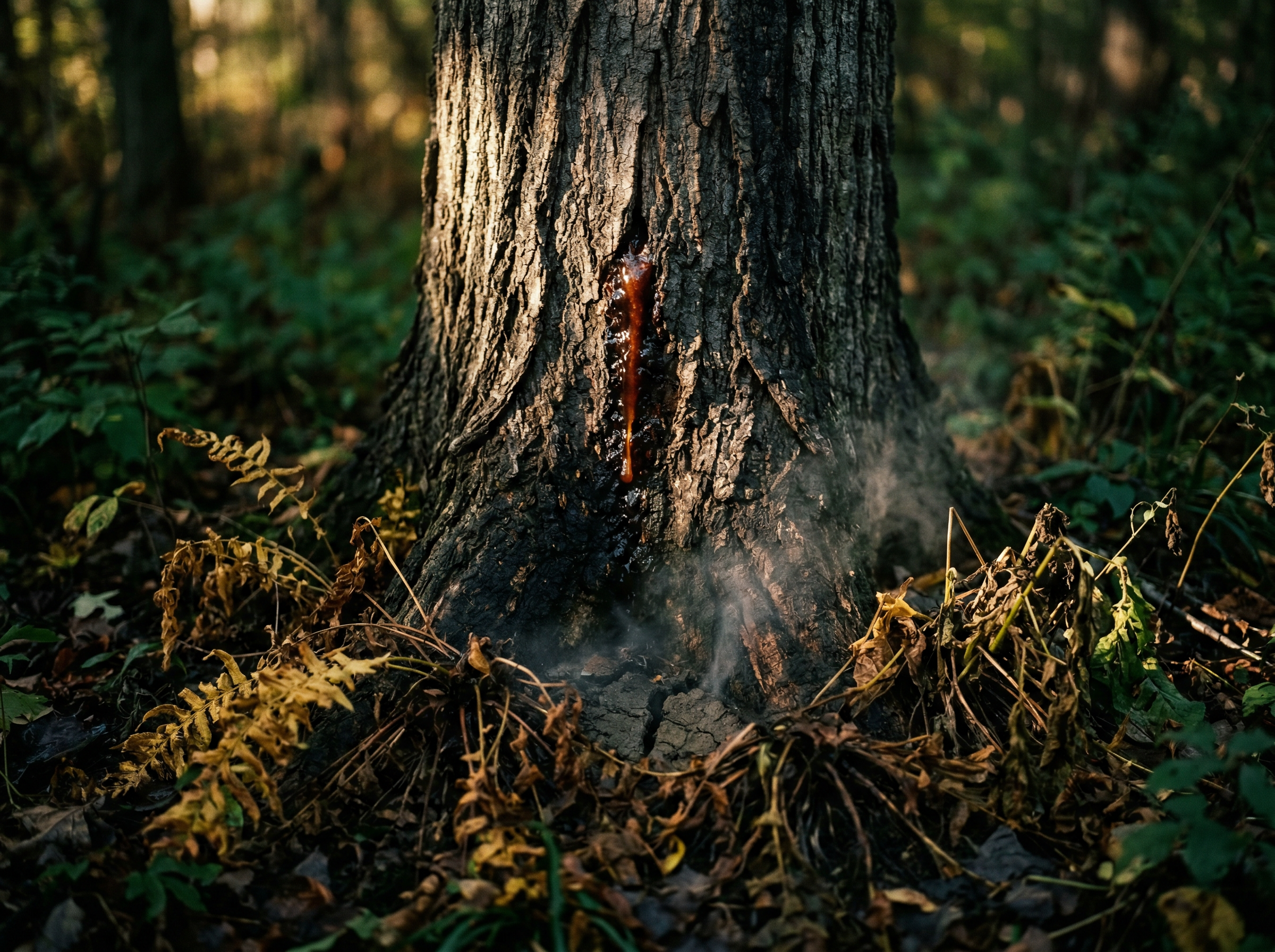
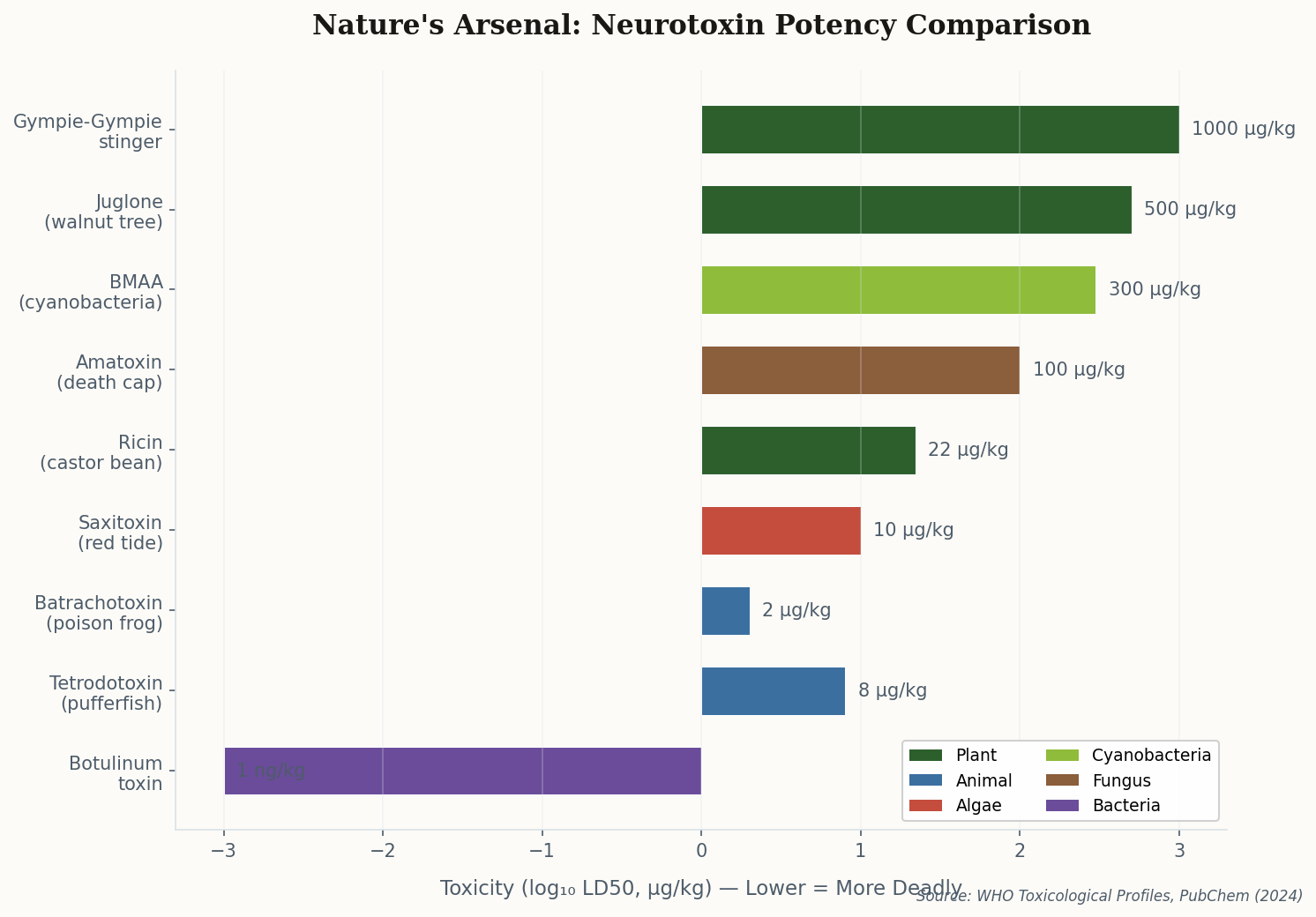
Here's a fact that should make you look at your backyard differently: the humble black walnut tree produces juglone, a chemical weapon that blocks potassium channels and causes oxidative damage in every plant foolish enough to grow within its root zone. Tomatoes? Dead. Azaleas? Gone. The walnut doesn't just compete for sunlight—it poisons the soil itself.
And that's one of the polite ones. Plants collectively emit over 500 teragrams of isoprene alone into the atmosphere every year, along with monoterpenes, sesquiterpenes, and the ominously named "green leaf volatiles" that they release when wounded. In October 2023, a team at Saitama University led by Masatsugu Toyota published the first-ever real-time footage of plants communicating via these volatile organic compounds (VOCs). When a caterpillar chews on a leaf, the damaged plant releases (Z)-3-hexenal—and neighboring plants detect it within minutes, triggering calcium signaling cascades that prime their own defenses.
This isn't metaphor. This is chemical telecommunications. The plant kingdom has been running its own broadcast network for 400 million years, and we only just figured out how to watch.
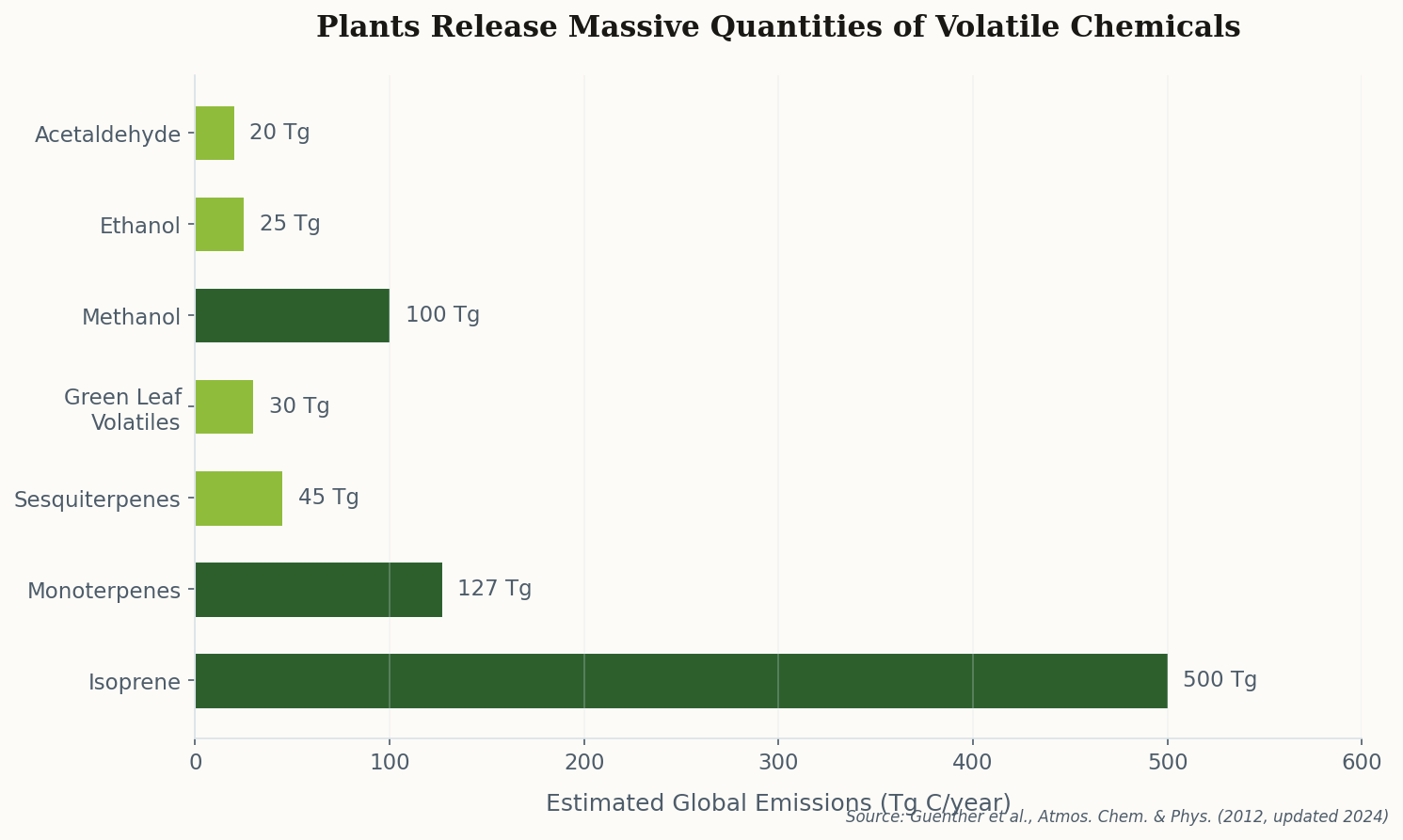
The Movie Connection: In The Happening, plants release an airborne neurotoxin that makes humans kill themselves. In reality, plants already release hundreds of different volatile chemicals into the air every second of every day. The question isn't whether they can produce airborne toxins—it's whether they could produce ones that target us.
The Forest Has a Nervous System (and It's Faster Than You Think)
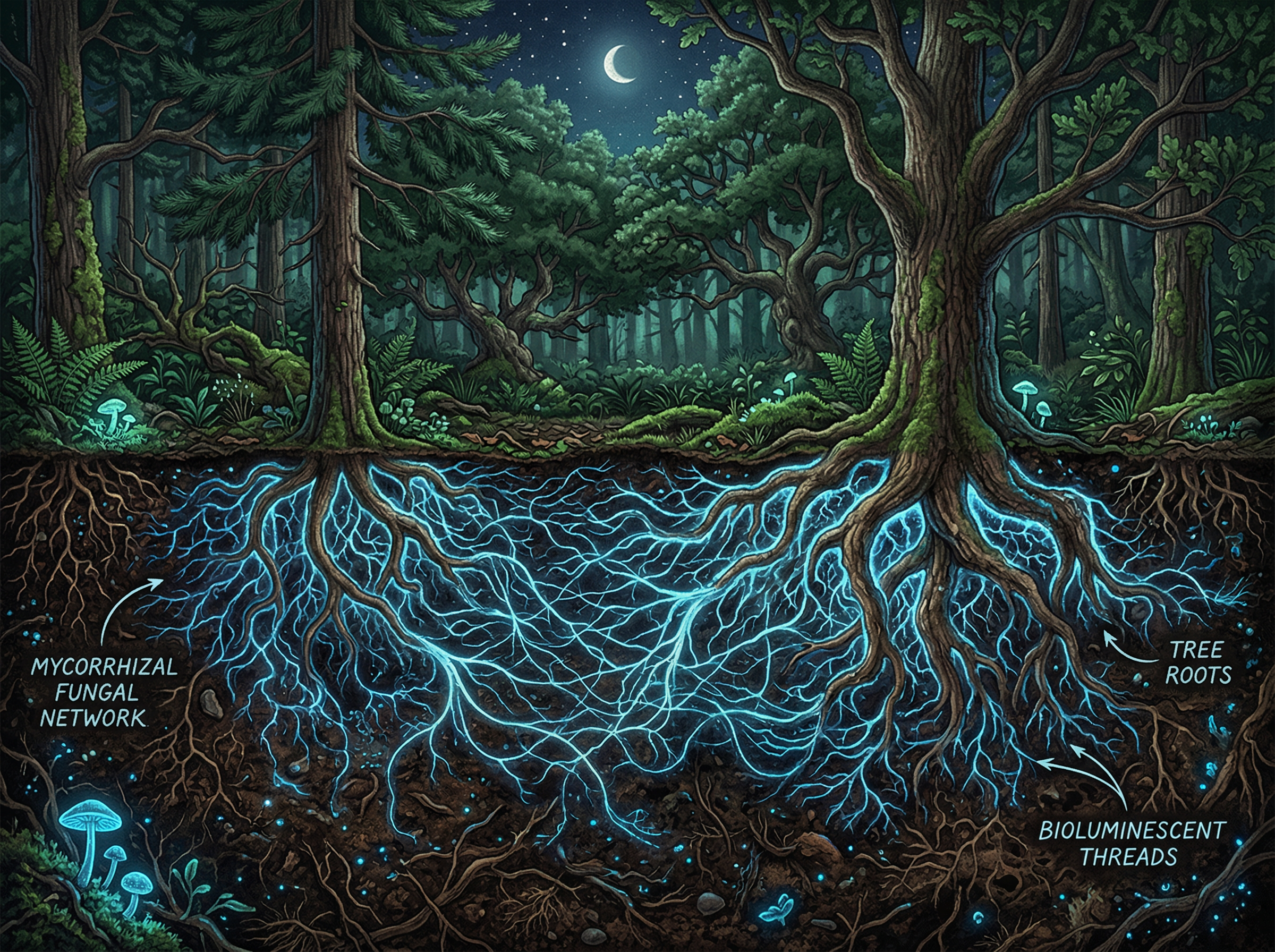
Suzanne Simard spent thirty years being dismissed as a mystic for suggesting that trees talk to each other. Her upcoming book When the Forest Breathes (March 31, 2026) is the vindication tour. The "Wood Wide Web"—vast underground networks of mycorrhizal fungi connecting tree roots—doesn't just exist. It coordinates.
New research published in Frontiers in Plant Science (2025) demonstrates that trees use these fungal networks to strategize against competition, alert kin to drought before the stress signal even reaches the neighboring tree, and preferentially allocate resources to their own offspring. Mother trees recognize their children. Through underground fungi.
The African acacia takes coordination further. When kudu begin browsing, attacked trees release ethylene gas. Downwind acacias detect it and begin pumping tannins into their leaves before the kudu even arrive. It's a preemptive chemical defense, coordinated across dozens of trees, triggered by airborne signaling.
Could this kind of synchronized response target humans? Here's where the science gets honest: no. This is defensive, not offensive. Plants evolved these systems over millions of years to handle herbivores they co-evolved with. Humans are, evolutionarily speaking, too recent a nuisance to warrant a custom biochemical solution. But the infrastructure for coordinated chemical release? That's terrifyingly real.
The Air Can Already Poison Your Brain
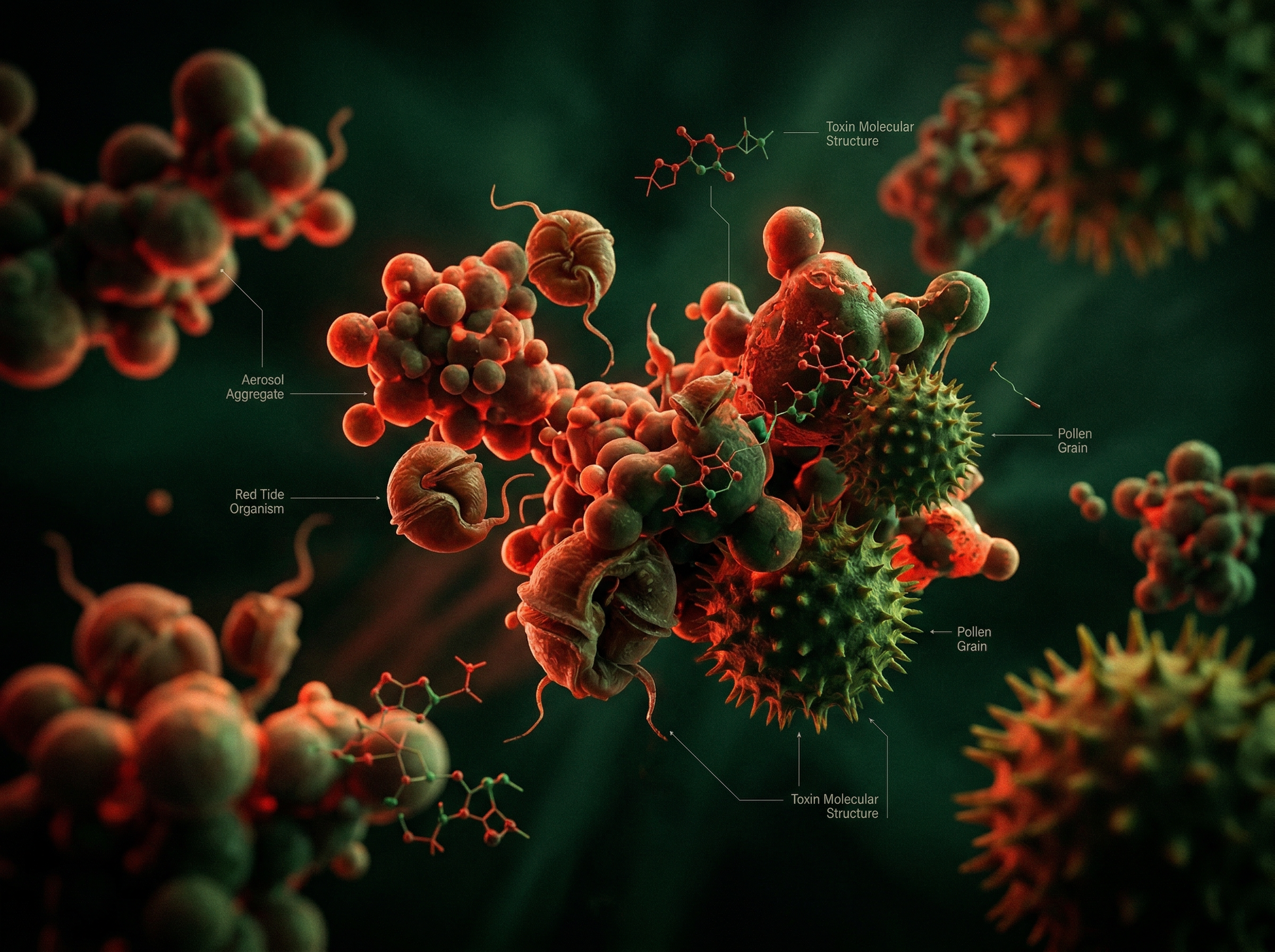
Every year, red tide turns Florida's coastline into a natural gas chamber. Karenia brevis algal blooms produce brevetoxins that become aerosolized by wave action—and the Roskamp Institute has confirmed that inhaling these particles causes dizziness, cognitive fog, and neurological symptoms in people who never even touched the water. The toxin rides the sea breeze straight into your respiratory tract, crosses into your bloodstream, and reaches your brain.
But red tide isn't the scariest airborne neurotoxin out there. That distinction belongs to BMAA, a compound produced by cyanobacteria—the blue-green "algae" that colonize lakes, ponds, and moist soils worldwide. Research from the University of Miami confirmed that BMAA can become airborne, cross the blood-brain barrier, and has been linked to chronic neurodegenerative diseases including ALS and Alzheimer's.
Plants themselves produce tropane alkaloids—compounds from belladonna and jimsonweed that induce full-blown delirium, hallucinations, and "bizarre behavior" (the clinical term). A 2024 review in Pharmaceuticals documented "anticholinergic syndrome," where victims literally cannot distinguish reality from hallucination. Plants already make chemicals that hijack human perception. They just haven't figured out how to aerosolize them at scale.
Yet.
When Ecosystems Snap, They Snap Fast
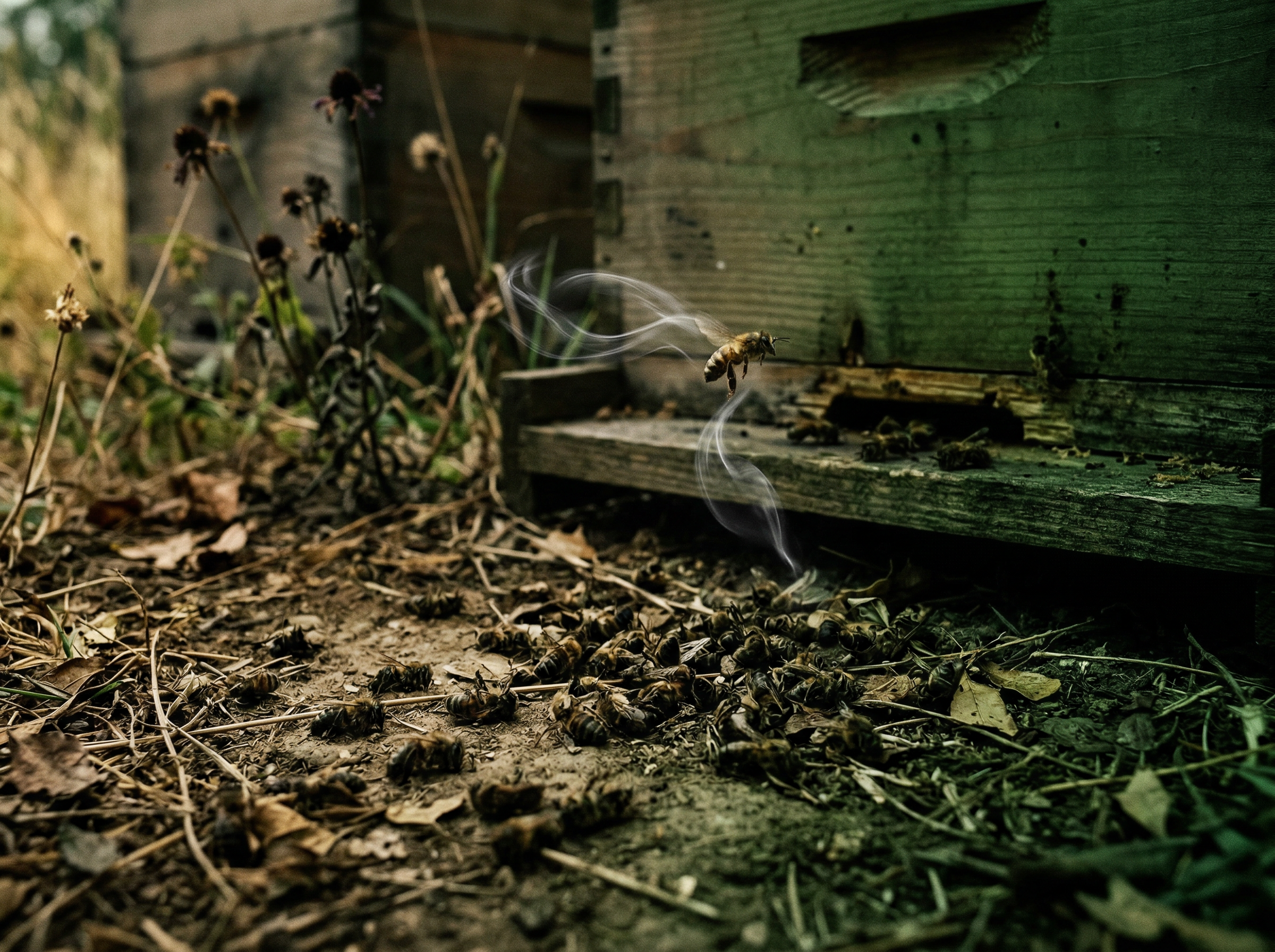
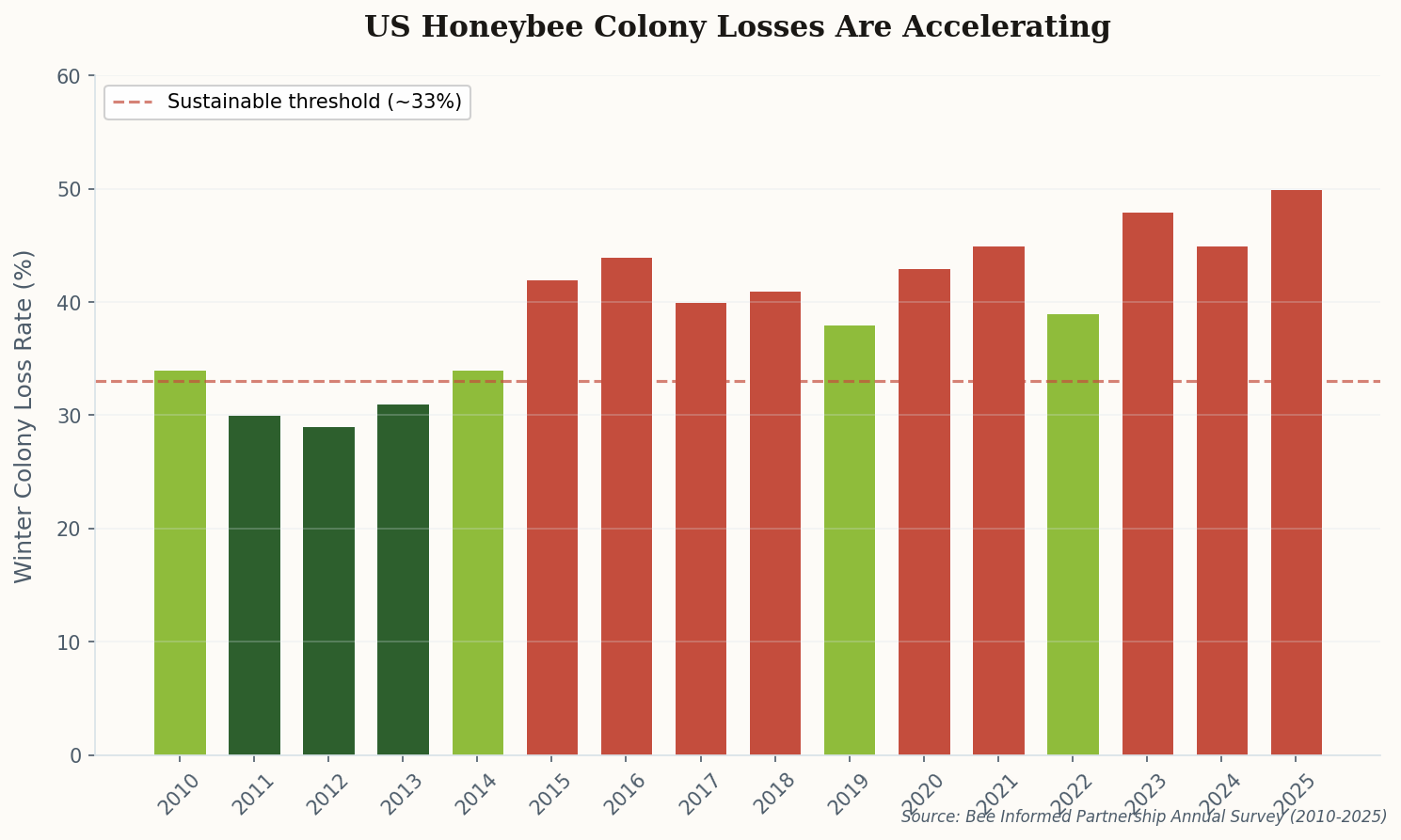
In 2025, the United States lost 1.6 million honeybee colonies. Not to a predator. Not to disease. To chemistry. Research from Queen Mary University of London (January 2025) identified that neonicotinoids like clothianidin cause "aging-like" brain damage in bees—they literally forget how to fly home. Colony Collapse Disorder isn't a mystery. It's a chemical-induced behavioral catastrophe at industrial scale.
Sound familiar? The Happening opens with bees behaving erratically—disoriented, flying in circles, dying. M. Night Shyamalan was riffing on Colony Collapse Disorder, which was headline news in 2007-2008 when the film was made. The eerie thing is that the real explanation turned out to be exactly what the movie suggested: environmental chemicals altering animal behavior until populations collapse.
Meanwhile, the Odorscape Project (2024-2026) has documented something deeply unsettling: air pollution is degrading the VOC signals plants use to communicate. When plants can't "smell" each other properly, they send false signals. Pollinators get confused. Defense responses misfire. Entire ecosystems begin misinterpreting their own chemical language. It's not a sudden snap—it's a slow corruption of the biological internet that makes coordinated life possible.
The 69% Number: A 2026 study in the Journal of Environmental Psychology found that 69% of coastal residents exposed to toxic algal aerosols reported frequent rumination—persistent, intrusive negative thoughts. The toxins didn't make them suicidal. But they made them psychologically fragile. Now imagine that effect amplified.
Your Brain Is Already Under Chemical Siege
The human brain may now be 0.5% microplastics by weight. Let that sink in. Research from the University of New Mexico (2025) found that these particles trigger microglial activation—the brain's immune response goes into overdrive, creating chronic neuroinflammation. And 2026 studies are linking that inflammation to increased rates of depression and behavioral dysregulation.
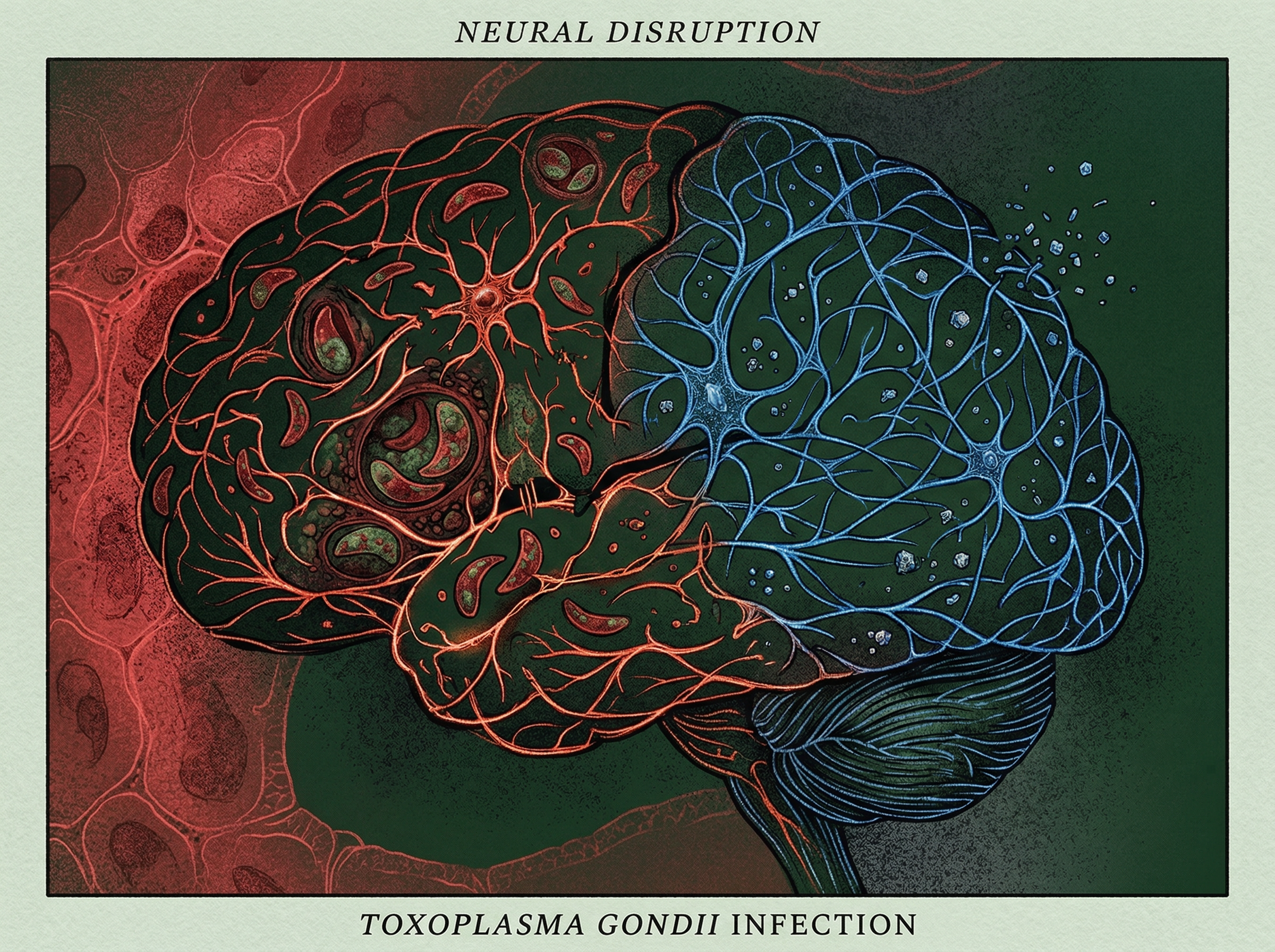
But microplastics are amateurs compared to nature's behavioral hijacker: Toxoplasma gondii. This single-celled parasite infects an estimated 30-50% of the global human population. A January 2025 study in Folia Parasitologica confirmed that T. gondii infection is positively associated with violent suicide attempts and impulsivity in U.S. Veterans—by shifting tryptophan metabolism toward neurotoxic pathways. The parasite doesn't "make" you do anything. It just nudges your neurochemistry toward risk-taking, aggression, and reduced fear of death.
A landmark 2025 study identified the SGK1 protein as a chemical link between stress and suicidal behavior. Suicidal brains show elevated levels of pro-inflammatory cytokines like IL-6 and quinolinic acid (QUIN)—which is itself a neurotoxin that induces excitotoxicity. The chain is: environmental stress → neuroinflammation → QUIN buildup → excitotoxic damage → behavioral destabilization.
Could a plant exploit this pathway? Theoretically, a compound that triggers neuroinflammation and QUIN accumulation could push already-stressed brains over the edge. It wouldn't need to be a "suicide toxin"—just an inflammatory accelerant delivered to the right biological target. The pathway exists. The delivery mechanism (airborne VOCs crossing the blood-brain barrier) exists. What doesn't exist—yet—is a plant with the evolutionary incentive to use it against us.
The Verdict: Beautiful Nightmare, Not (Quite) Science Fiction
Let's give the botanists the final word. Leading plant scientists argue that the "group size trigger" in The Happening—where plants sense how many humans are nearby and dose accordingly—is a fictionalization of quorum sensing, a mechanism seen in bacteria but never in plants. Trees have no known way to "count" the humans beneath them.
More fundamentally, evolution doesn't work on movie timescales. A plant species cannot evolve a human-specific neurotoxin overnight in response to pollution. Natural selection requires generations—thousands of them. The premise of The Happening treats evolution like a software update, when in reality it's more like continental drift.
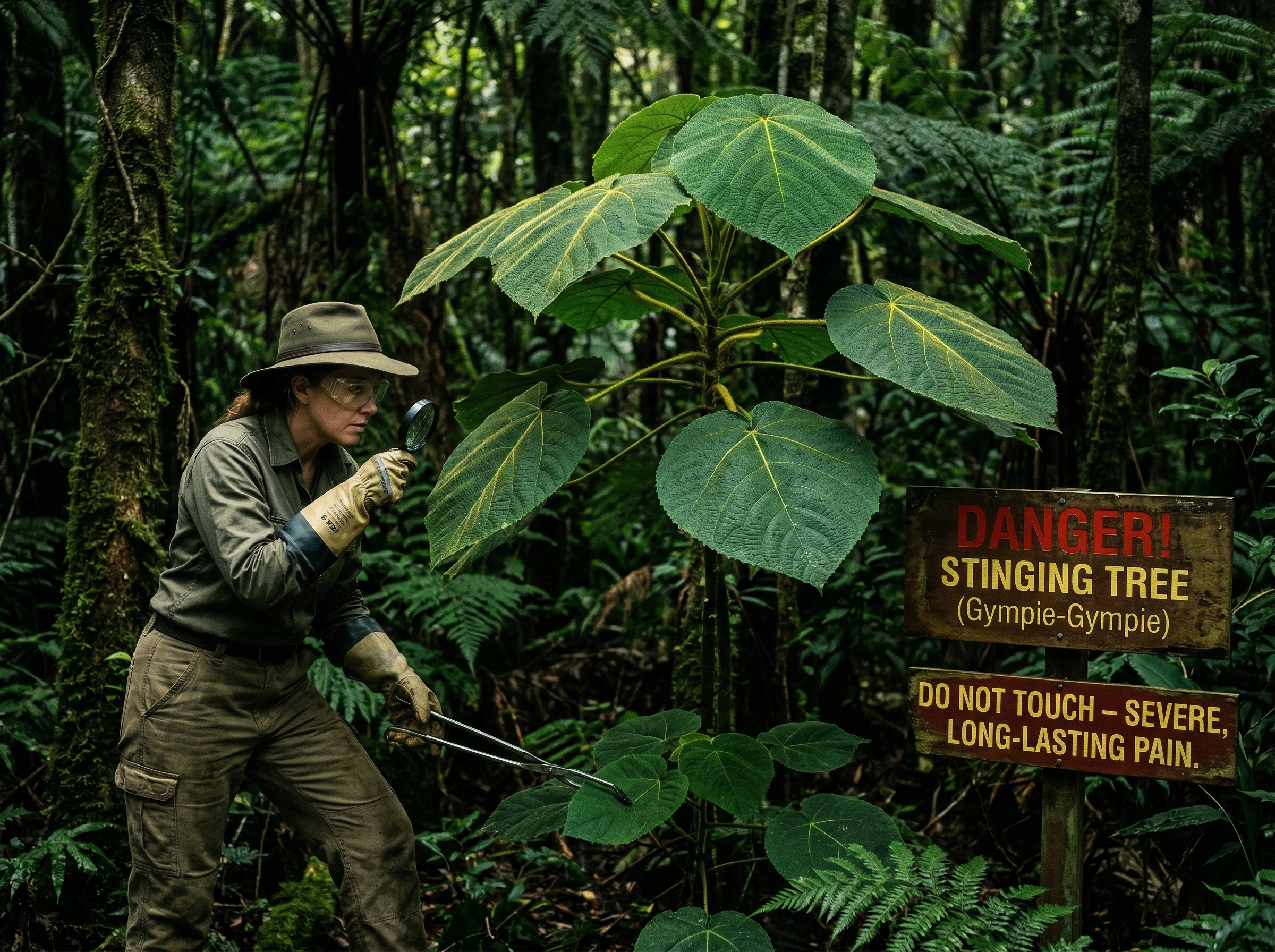
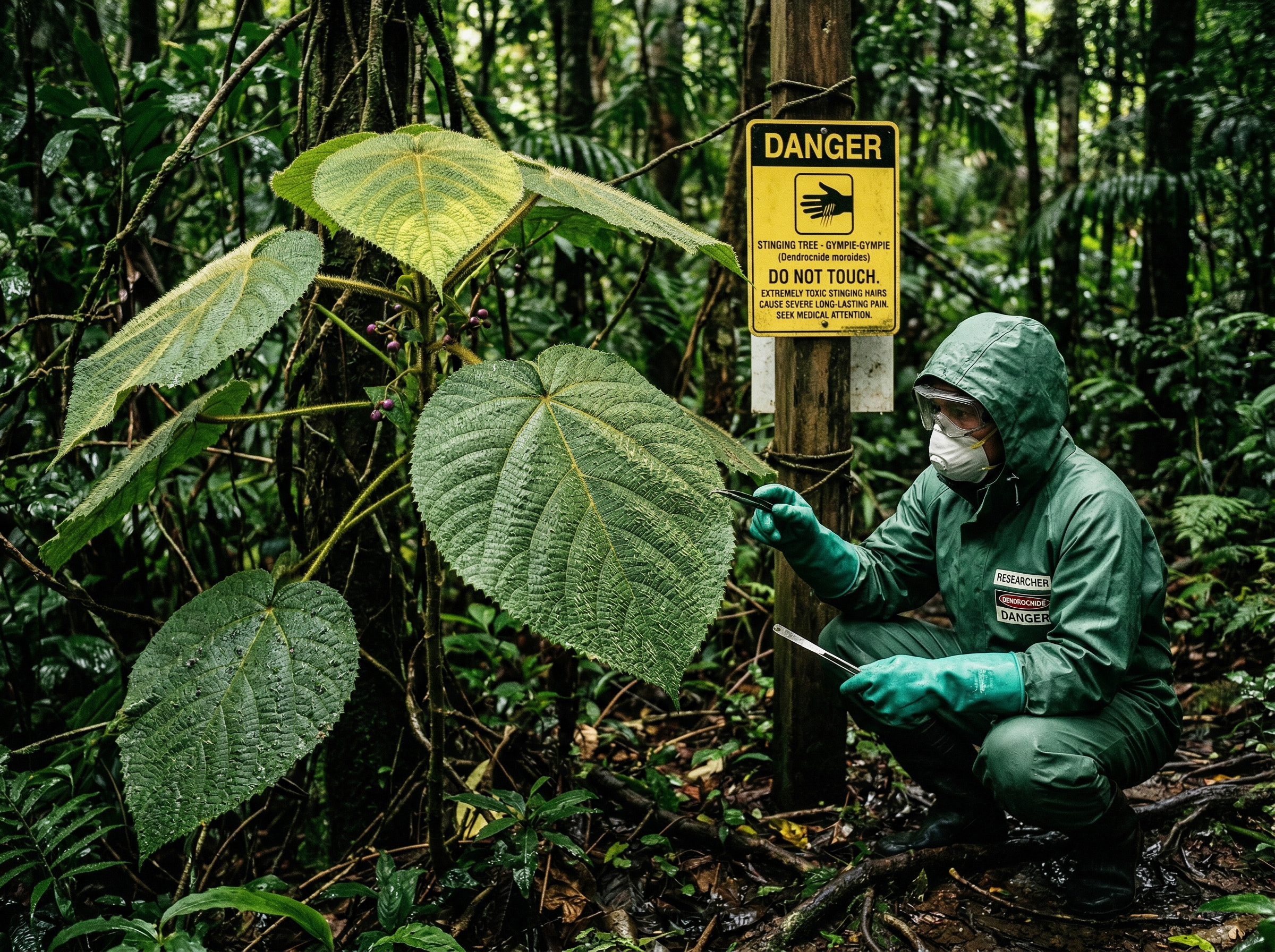
But here's the plant that haunts the conversation: the Gympie-Gympie (Dendrocnide moroides), an Australian stinging tree whose neurotoxic hairs cause pain so severe it has reportedly driven people to take their own lives. Not through a chemical "command" to the brain—through sheer, unrelenting physical agony that can last for months. The pain is real. The behavioral outcome is real. The mechanism is just... cruder than Hollywood imagined.
The honest answer: As of 2026, the specific "suicide toxin" of The Happening remains scientifically impossible. But every single building block—airborne plant chemicals, blood-brain barrier penetration, neuroinflammatory behavioral disruption, coordinated chemical release across plant networks—is independently real and supported by peer-reviewed research. The movie got the individual mechanisms right. It just assembled them into a configuration that nature hasn't tried.
The scarier question isn't whether plants will attack us. It's whether we've already built the chemical conditions—microplastics, PFAS, degraded ecosystems—where it wouldn't take much to tip human neurology into crisis. We might not need a botanical conspiracy. We might be doing it to ourselves.