
Culture & Cities

The Gravity of Paris

Fifty million visitors a year. A city redesigning itself from the pavement up. And a mythology so powerful it can literally make people sick. Why the world can't stop falling for Paris.

Listen
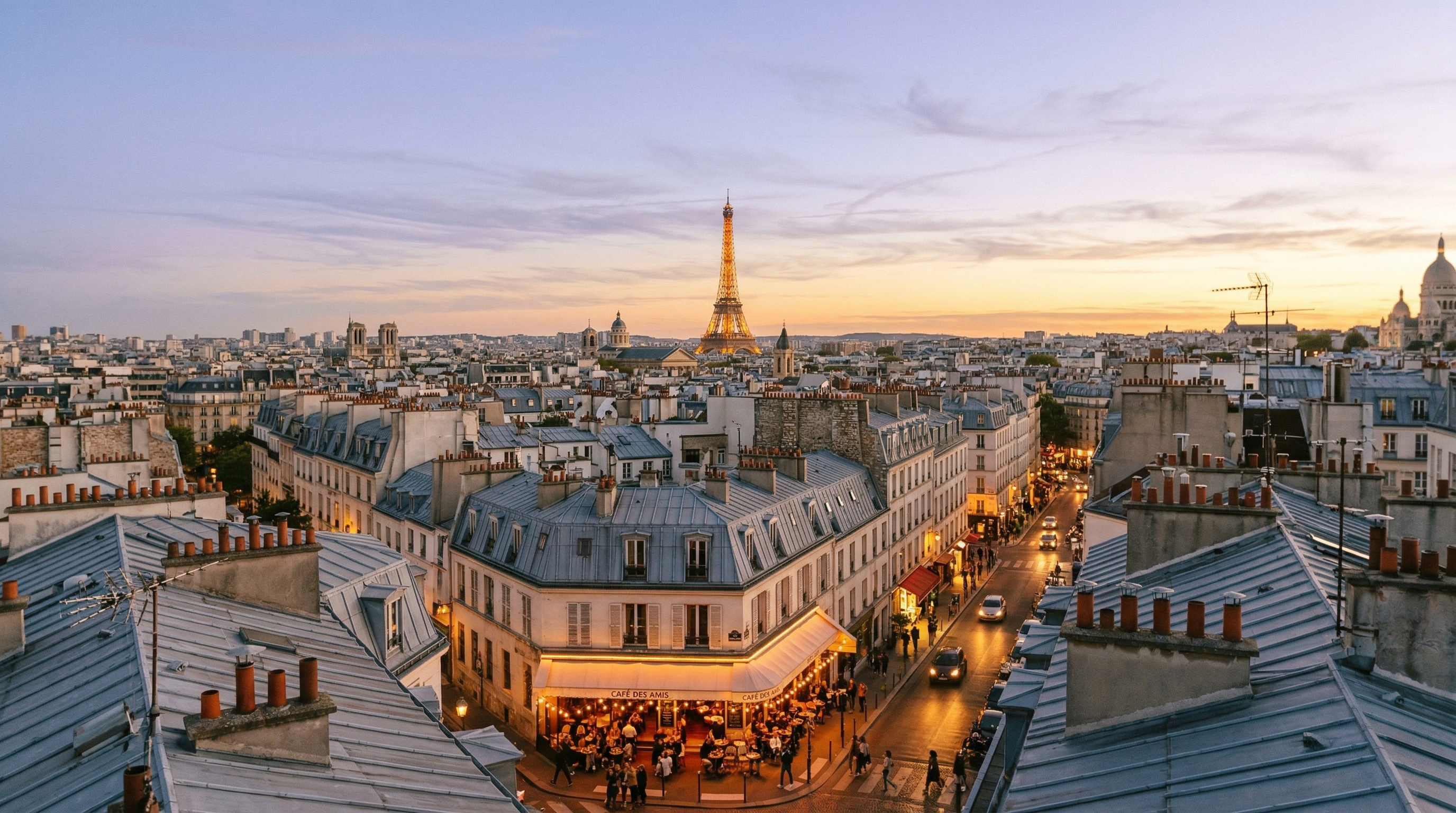
Golden-hour panorama of Paris rooftops from Montmartre, with the Eiffel Tower glowing amber in the distance and zinc mansard roofs stretching to the horizon
Aerial view of a Parisian boulevard being transformed with bike lanes and pedestrian spaces replacing car traffic
01

The City That Decided Cars Were the Problem

Here's the thing about Paris that most cities get wrong when they try to copy its magic: the beauty isn't just aesthetic inheritance. It's increasingly engineered. Under Mayor Anne Hidalgo's administration, Paris has been quietly executing the most ambitious urban redesign in Europe—and the results are now impossible to ignore.

More Parisians now commute by bicycle than by car. Read that again. In a city built for horse-drawn carriages and Haussmann's grand boulevards, the 15-minute city concept has moved from academic theory to lived reality. Place de la Concorde is becoming a garden square. The Périphérique ring road is sprouting 20,000 trees. Every resident is being mapped to have essentials—groceries, schools, healthcare—within a 15-minute walk or bike ride.
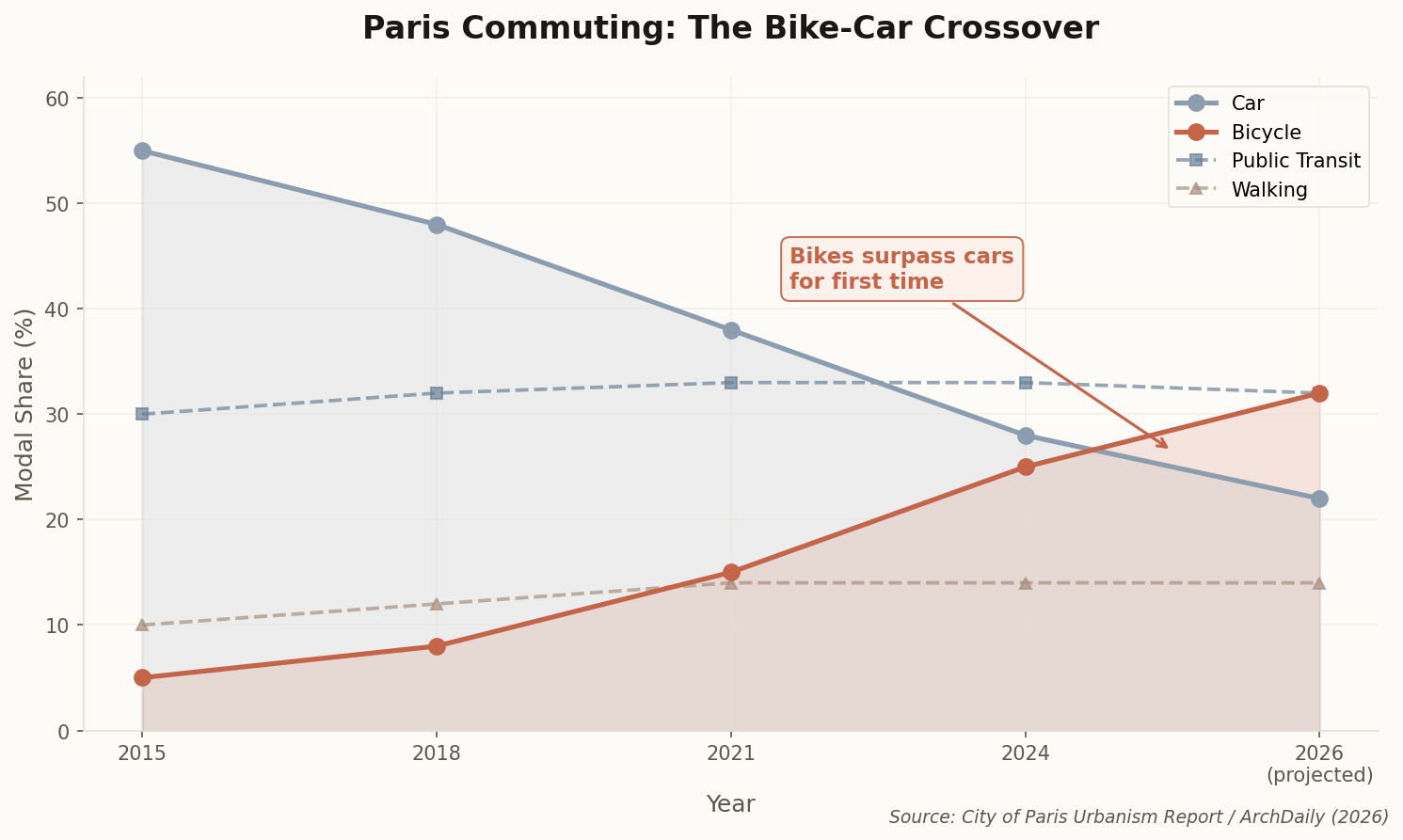
Line chart showing Paris commuting modal share from 2015-2026, with bicycle usage surpassing car usage around 2025
The crossover moment: bicycle commuting in Paris overtook car commuting for the first time in 2025, driven by €300M+ in cycling infrastructure investment.

This is what makes Paris magnetic in 2026: the Haussmannian aesthetic provides the beauty, but Carlos Moreno's philosophy provides the livability. You stroll because the city wants you to stroll. The flânerie that writers romanticized for centuries is now urban policy. And it's working—not just for tourists, but for the 2.1 million people who actually live there.
A smartphone showing a filtered Paris scene contrasted against the gritty reality behind it
02

TikTok Replaced Your Travel Agent (and Paris Is the Proof)

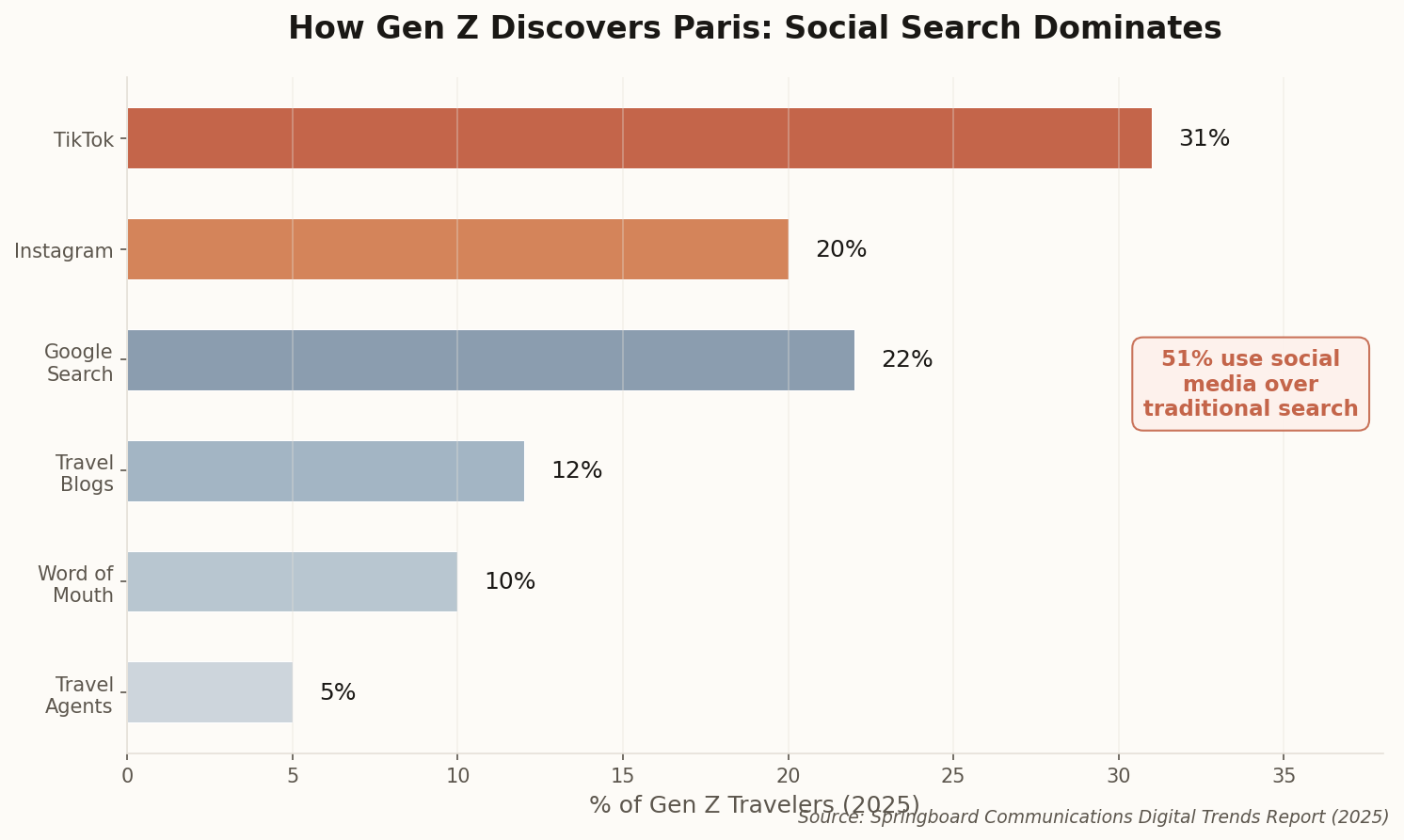
Fifty-one percent. That's the share of Gen Z travelers who now use TikTok and Instagram as their primary search engines for Paris, bypassing Google entirely. They're not searching for "best cafes in Le Marais." They're looking for a vibe, verifying it via 30-second video, and booking a flight before the algorithm serves them a competitor destination.

Horizontal bar chart showing how Gen Z discovers Paris: TikTok leads at 31%, followed by Google Search at 22% and Instagram at 20%
Social media now dominates travel discovery for younger demographics, fundamentally changing how Paris markets itself to the world.

The consequences are predictable and fascinating. Montmartre's "hidden gems" become instantly overcrowded the moment a creator with 500K followers shoots a reel there. A café that was charmingly quiet on Tuesday is a 90-minute queue by Thursday. Tourism agencies are scrambling to push visitors toward the 10th, 11th, and 20th arrondissements—the neighborhoods that haven't been "Disney-fied" yet.

But here's the deeper question: does the algorithm create Paris's allure, or merely amplify something that was already irresistible? The data suggests the latter. Paris was the most-visited city on earth long before TikTok existed. Social media didn't invent the desire—it just made it frictionless to act on. The real danger isn't that too many people want Paris. It's that they want a version of Paris that never existed outside a Valencia filter.

Surrealist split portrait showing dreamy Paris fantasy on one side and stressed urban reality on the other
03

When the Fantasy Breaks: Paris Syndrome in the Age of Main Character Energy

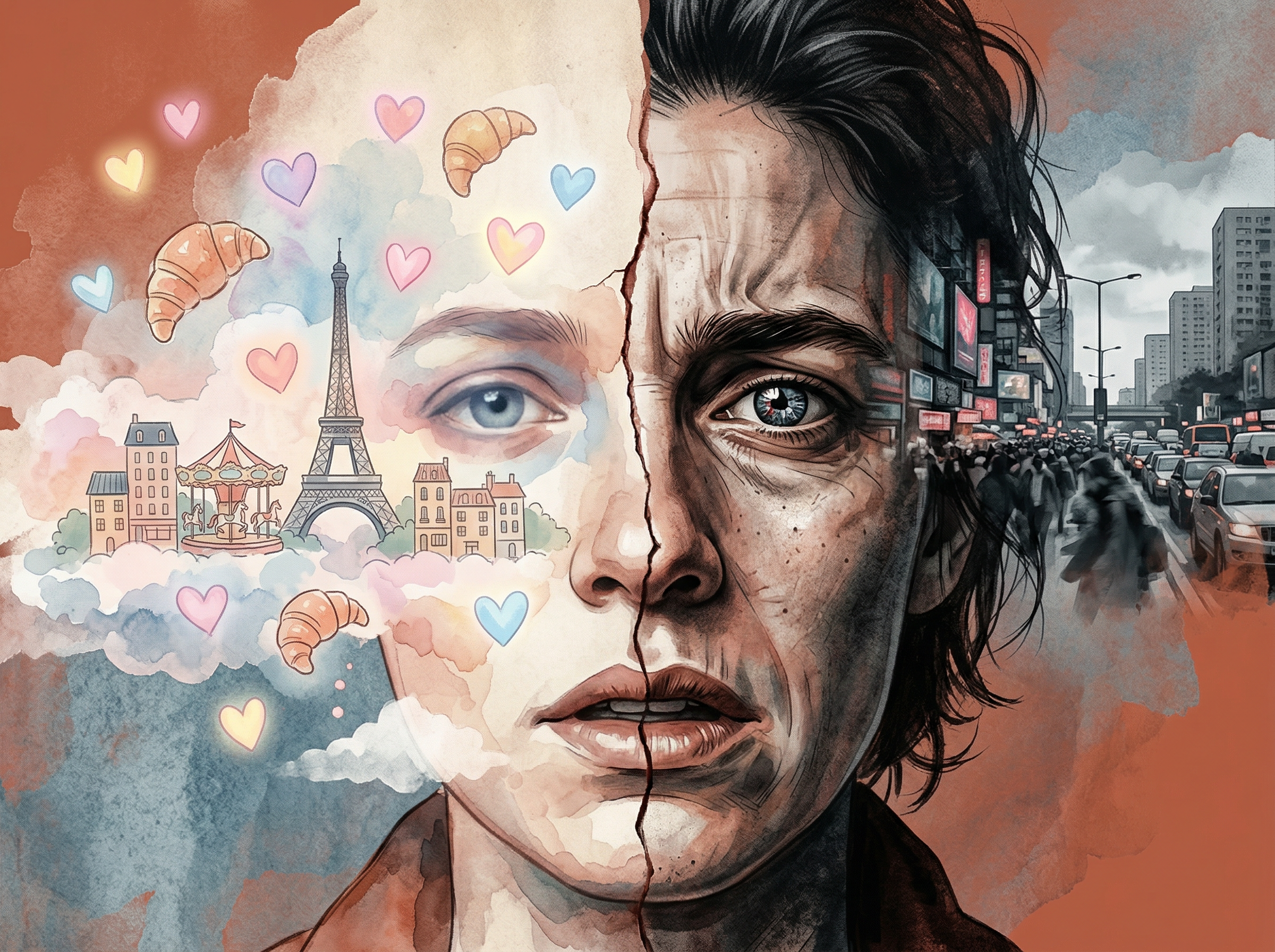
There is no other city on earth with its own clinical diagnosis. Paris Syndrome—first identified by Japanese psychiatrist Hiroaki Ota in 1986—describes the acute psychological distress experienced by visitors when Paris fails to match their expectations. In 2026, thanks to what researchers are calling "digital brainwashing," the condition is evolving.

The mechanism is simple and brutal: you spend months consuming hyper-curated content—golden-hour reels, Emily in Paris establishing shots, ASMR bakery videos—and build a "fixed version" of the city in your head. Then you land at Gare du Nord, encounter a metro station that smells like a metro station, and your nervous system short-circuits. Symptoms include acute anxiety, derealization, and in rare cases, full dissociative episodes.

"Travelers in 2026 often arrive with a 'fixed version' of Paris in their heads. When they encounter the gritty reality—the noise, the crowds, the indifferent waiters—the dissonance triggers acute stress." — MaxMag psychological analysis

Travel therapists now recommend "pre-trip de-romanticization"—watching unfiltered vlogs and reading negative reviews to calibrate expectations. But the very need for this intervention reveals something profound about Paris's gravitational pull: no other city generates enough emotional investment to cause clinical disappointment. Paris Syndrome isn't a failure of Paris. It's proof that Paris has colonized our collective imagination more completely than any other place on earth.

Elegant Parisian fashion atelier scene with flowing cream silk and archival sketches
04

Quiet Luxury Won. Paris Always Knew It Would.

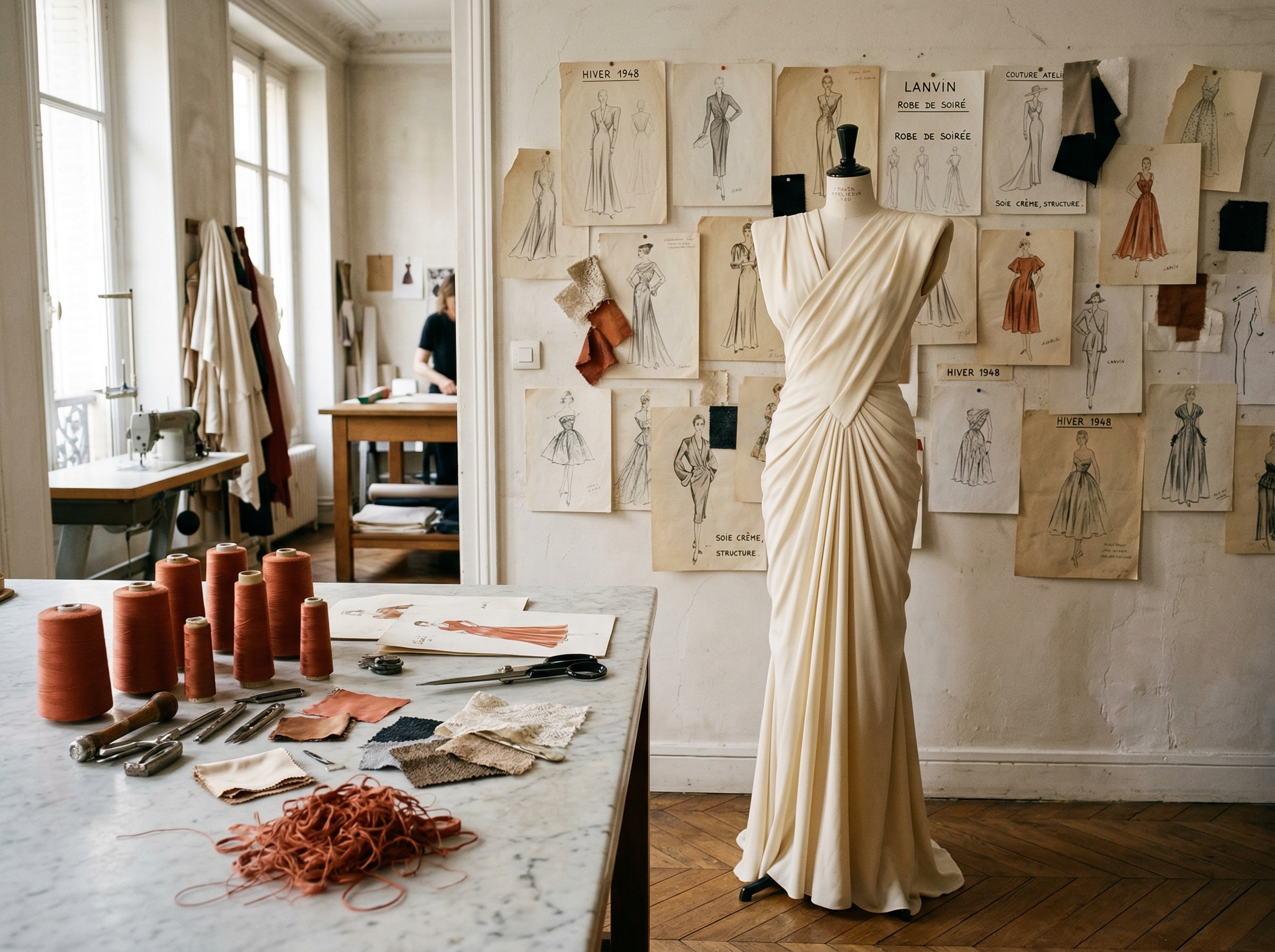
For roughly a decade, fashion's center of gravity wobbled. Streetwear blurred the lines between runway and sidewalk. Logos got louder. Collaborations between luxury houses and sneaker brands generated hype cycles measured in minutes. Paris played along—it had to—but never fully committed. And now, with the 2025-2026 collections, the city has delivered its verdict: elegance endures.

The shift is dramatic. Chanel and Dior have pivoted hard toward house codes—archival silhouettes, 1950s-inspired structure, fabrics that require a second mortgage. The industry calls it "quiet luxury" or "hyper-romantic deconstructed glamour," but the Parisian version has a specific edge: it's not minimalism for minimalism's sake. It's confidence without volume. A cashmere coat that whispers when everything else is screaming.

This matters beyond fashion because it's Paris doing what Paris has always done—setting the aesthetic temperature for the rest of the world, then moving on before anyone catches up. The city's fashion authority isn't built on trend-chasing. It's built on the quiet certainty that some things are simply correct, and that correctness will outlast whatever TikTok is excited about this week.

People swimming in the Seine river in central Paris with historic bridges and Haussmann buildings in the background
05

One Point Four Billion Euros to Swim in a River

When Paris promised a swimmable Seine for the 2024 Olympics, the world raised a collective eyebrow. Rivers through major cities aren't known for their clarity—and the Seine had been off-limits to swimmers since 1923. A century of pollution doesn't wash away with a press conference. But Paris spent €1.4 billion, and in July 2025, three permanent swimming areas opened to the public.

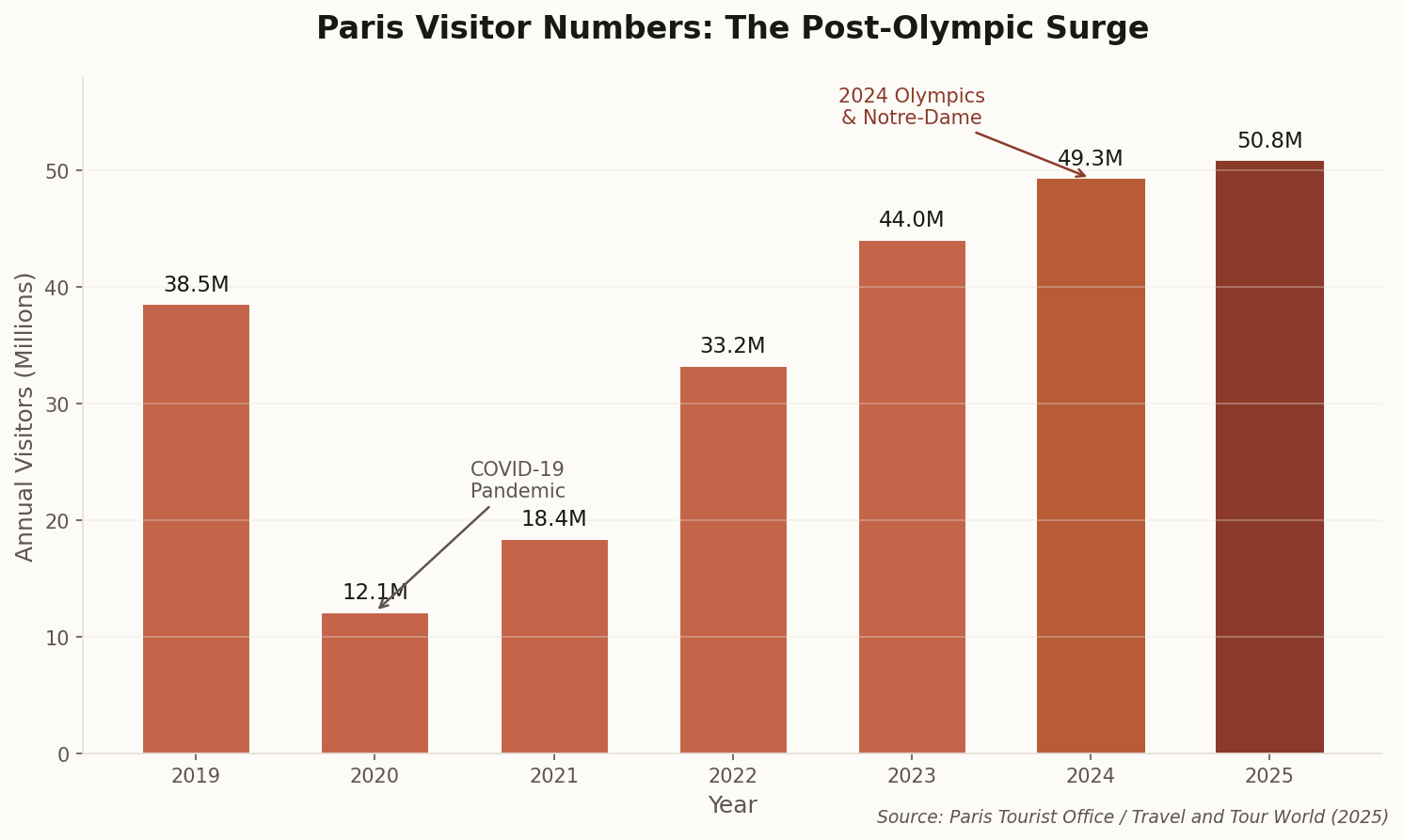
Bar chart showing Paris visitor numbers from 2019-2025, with a dramatic dip during COVID and recovery surging past 50 million in 2025
Paris is projected to exceed 50 million annual visitors in 2025—the first time since the pandemic—driven by the Olympics legacy and Notre-Dame's reopening.

Bras Marie, Bercy, and Grenelle are now functional, recreational spaces. The riverbanks have been converted into continuous linear parks. And the symbolism is potent: the Seine is no longer just a backdrop for selfies and bateaux mouches. It's a living, usable part of the city's infrastructure.

This is the kind of investment that separates Paris from its imitators. Other cities build waterfront promenades and call it a day. Paris spent the equivalent of a small country's GDP to fundamentally change its relationship with its most iconic natural feature—and then opened it to everyone, not just ticket-holders. That combination of ambition, execution, and democratic access is precisely why 50 million people keep showing up.

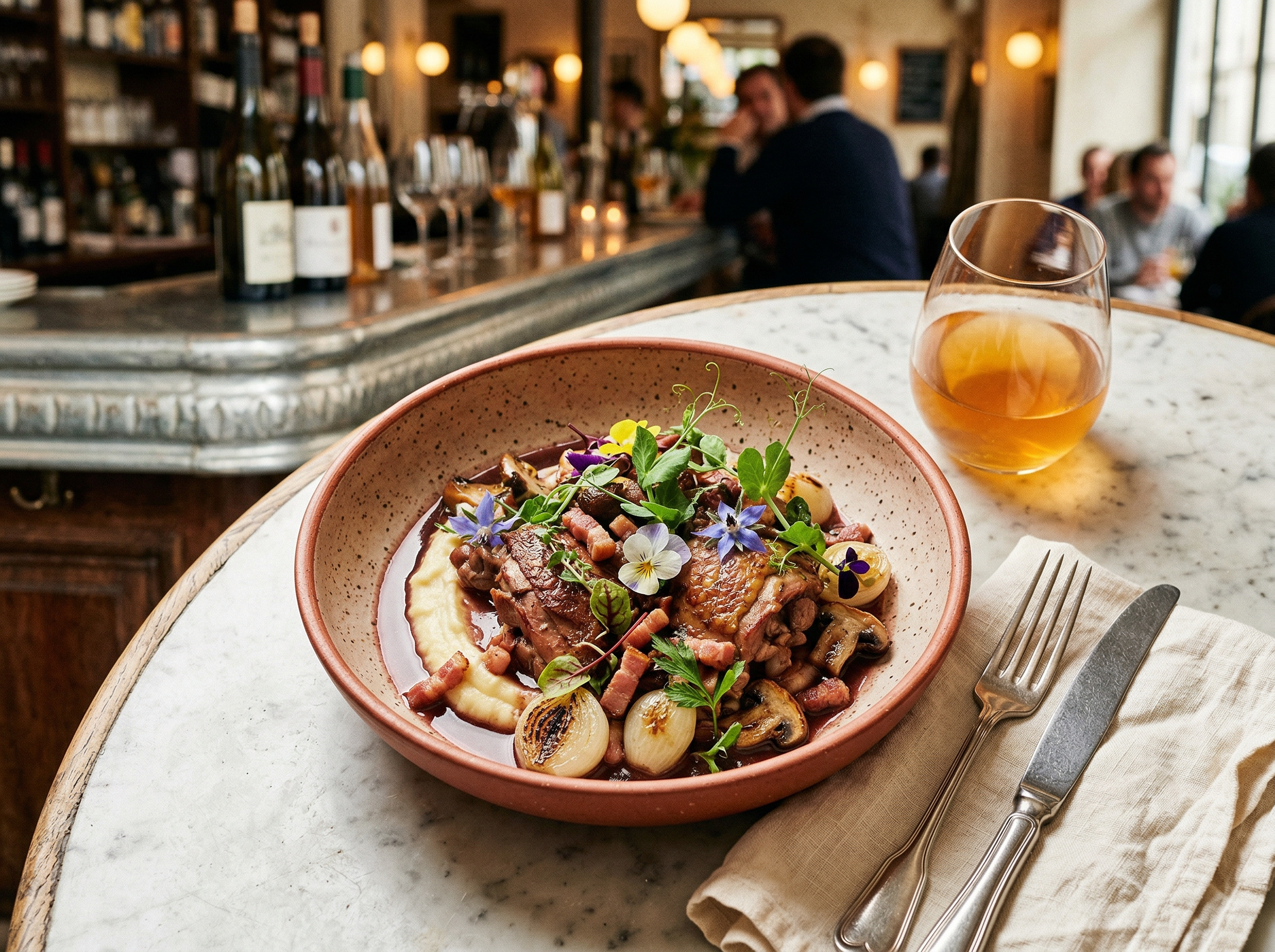
Beautifully plated neo-bistrot dish on a rustic marble table with natural wine in a stemless glass
06

The Michelin Star Wants to Be Your Neighborhood Joint

The most important shift in Parisian gastronomy isn't about what's on the plate. It's about who's allowed in the room. The "neo-bistrot" movement—which has been simmering for a decade—has finally boiled over into the mainstream. The result: world-class cooking that doesn't require a jacket, a reservation three months in advance, or a second mortgage.

Michelin's 2025-2026 Paris guide tells the story in stars. New honorees like Sushi Yoshinaga represent a blend of Japanese precision with French technique—a combination that feels distinctly Parisian in its cosmopolitan confidence. Meanwhile, the Green Star for sustainability has become the status symbol young chefs actually covet. Turns out the next generation cares more about soil health than silver service.

Infographic showing the six key factors of Paris's allure: Architecture, Gastronomy, Walkability, Fashion, Art and Culture, Romance and Myth
Infographic: The Anatomy of Paris's Allure — six forces that create the city's singular gravitational pull.

The phrase the industry keeps using is "affordable luxury" and "radical seasonality." It means a €45 tasting menu where every ingredient came from within 100 kilometers, served on mismatched ceramics by a chef who's 28 and just got back from staging in Tokyo. It's Paris's food scene doing exactly what the city itself does best: taking something elite, stripping away the pretension, and making it feel like it was always meant to be this way.

The City That Earns Its Mythology

Paris's gravitational pull isn't an accident of history or a trick of filtered light. It's the product of a city that continuously reinvents itself while honoring what made it extraordinary in the first place. The 15-minute city planning makes the streets more walkable. The swimmable Seine makes the river more alive. The neo-bistrots make the food more accessible. Even the mythology—powerful enough to cause a clinical syndrome—is being recalibrated for a generation that discovers the world through a phone screen. Other cities have beauty. Other cities have culture. But only Paris has decided, at the policy level, that being magnetic is a form of infrastructure. And that's why 50 million people keep booking the flight.