Feathered Apes Who Plan for Tomorrow
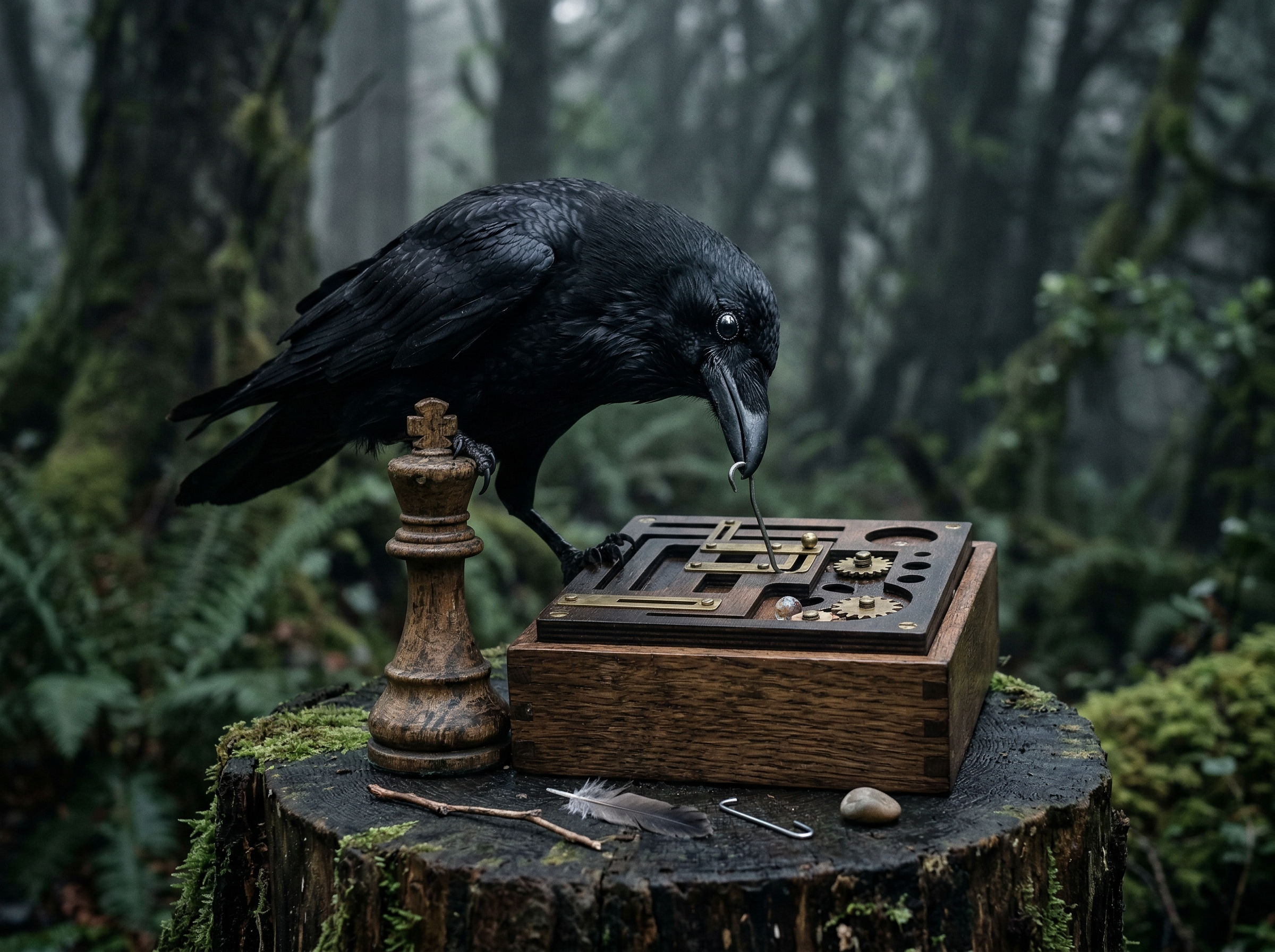
The phrase "bird brain" needs to be retired. Recent studies from Lund University have confirmed what corvid researchers long suspected: ravens and crows possess "temporal flexibility"—the ability to plan for specific future events hours in advance. They'll select and cache tools for a task they know is coming later. This was supposed to be a uniquely human-ape trait.
But corvids achieve this with a brain architecture completely different from mammals. They have no neocortex—the structure neuroscientists long assumed was required for higher cognition. Instead, they've evolved densely packed neural circuits that achieve comparable computational power in a brain the size of a walnut. It's convergent evolution at its most elegant: nature solved the problem of intelligence twice, using entirely different hardware.
In a post-human world, corvids have massive advantages. They're already thriving in urban environments, they have complex social structures with alliances and grudges (yes, crows remember human faces and teach their offspring which ones to avoid), and they can fly. That last point matters more than it seems—aerial mobility means access to resources across vast territories, faster adaptation to changing climates, and escape from ground-based predators. If intelligence is destiny, the ravens are already airborne.
The Pests Shall Inherit the Earth
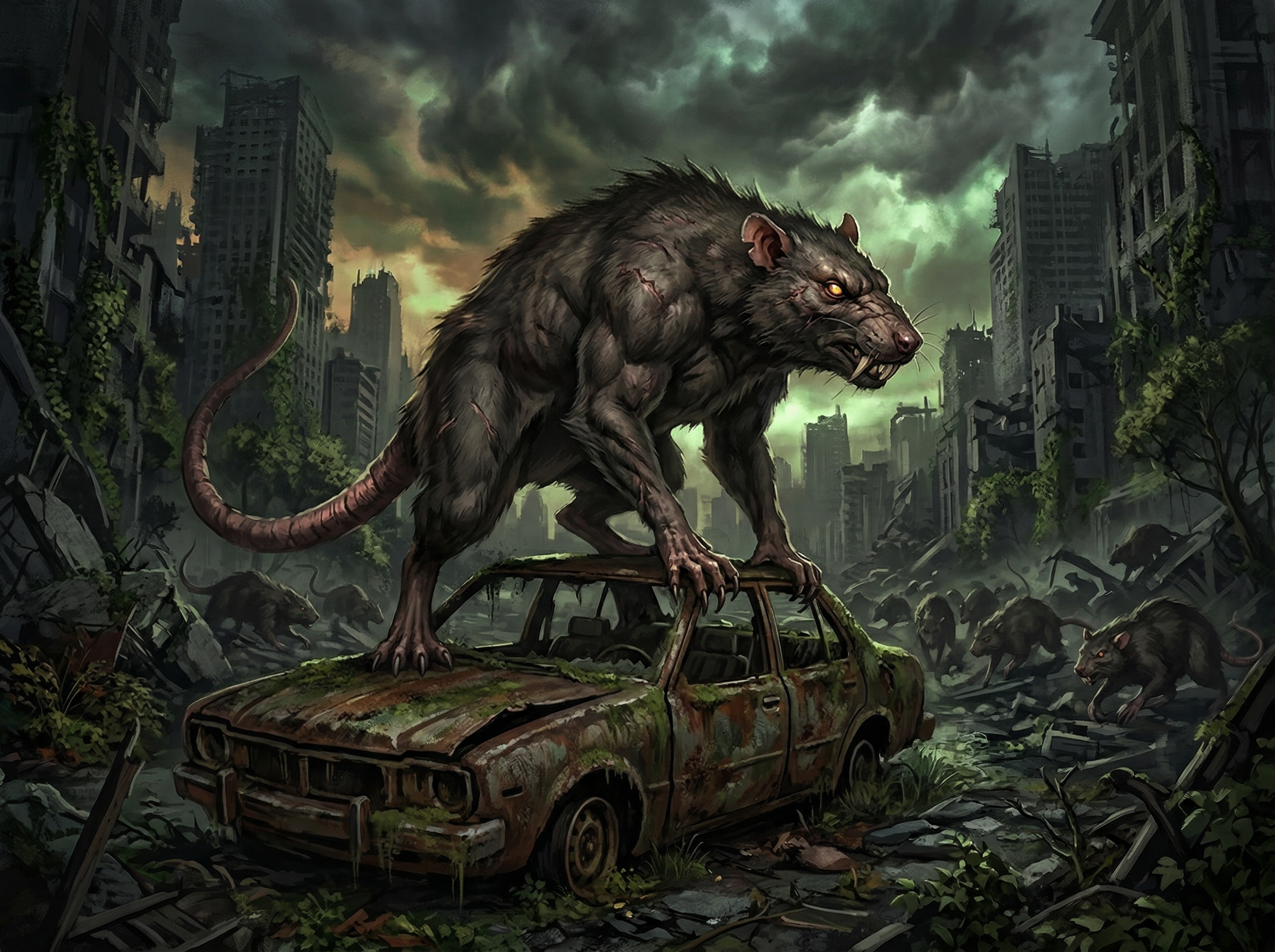
Paleontologist Peter Ward doesn't bother with the romantics. His prediction is brutally practical: the next dominant animals will be the ones we currently poison, trap, and curse. Rats. Crows. Coyotes. Pigs. The "weedy species"—generalists that eat anything, breed fast, and have already proven they can survive the worst humans throw at them.
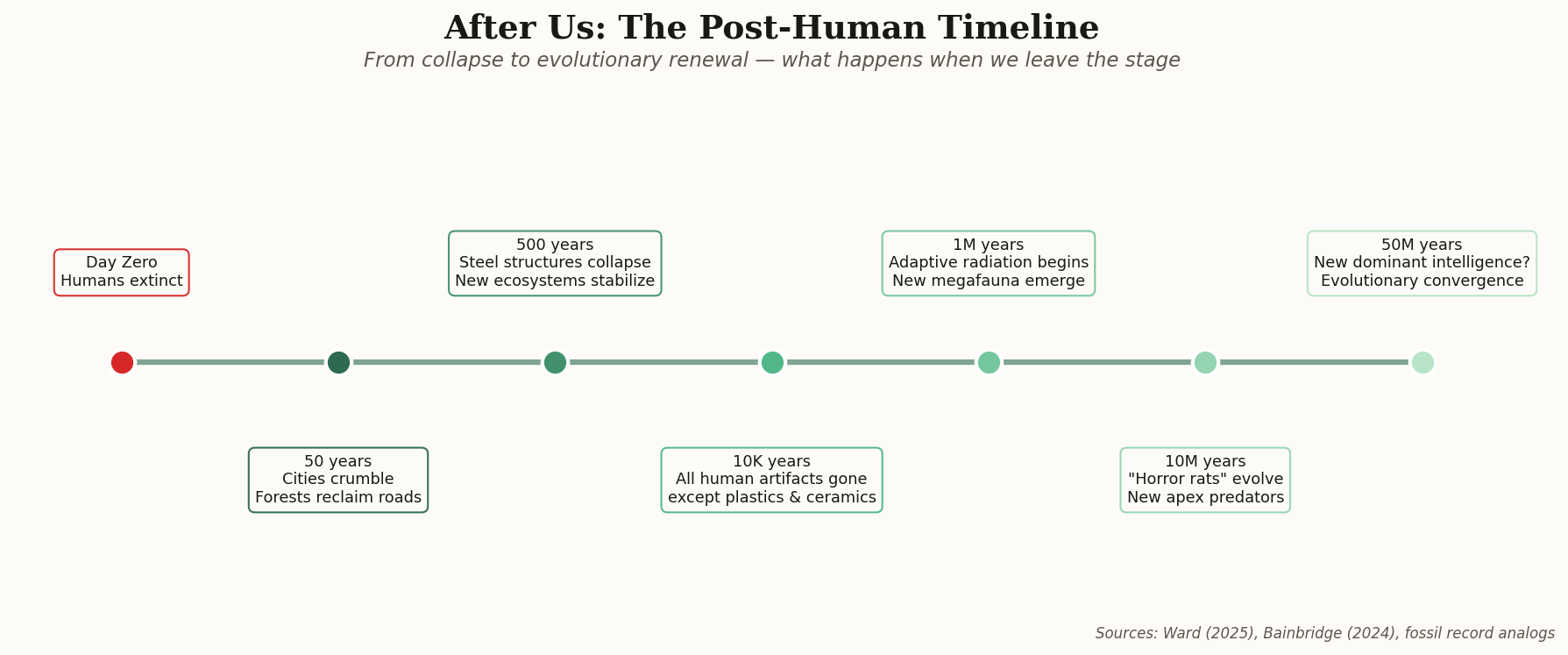
Ward's timeline is the stuff of nightmares and wonder in equal measure. Within 10 million years of human extinction, he predicts rats could evolve into massive, specialized predators—what he memorably calls "Horror Rats"—filling the ecological roles of wolves, lions, even bears. This isn't speculation; it's pattern-matching against the fossil record. After the dinosaurs vanished 66 million years ago, small, unassuming mammals radiated into every available niche within roughly 10 million years. From mouse-sized insectivores came whales, elephants, and eventually us.
The uncomfortable implication: the current mass extinction we're causing isn't just destroying biodiversity—it's filtering the biosphere for exactly the kind of tough, adaptable, omnivorous survivors that will inherit whatever's left. We're conducting the audition for our own replacements, and the rats are nailing it.
The Superorganism That Already Won
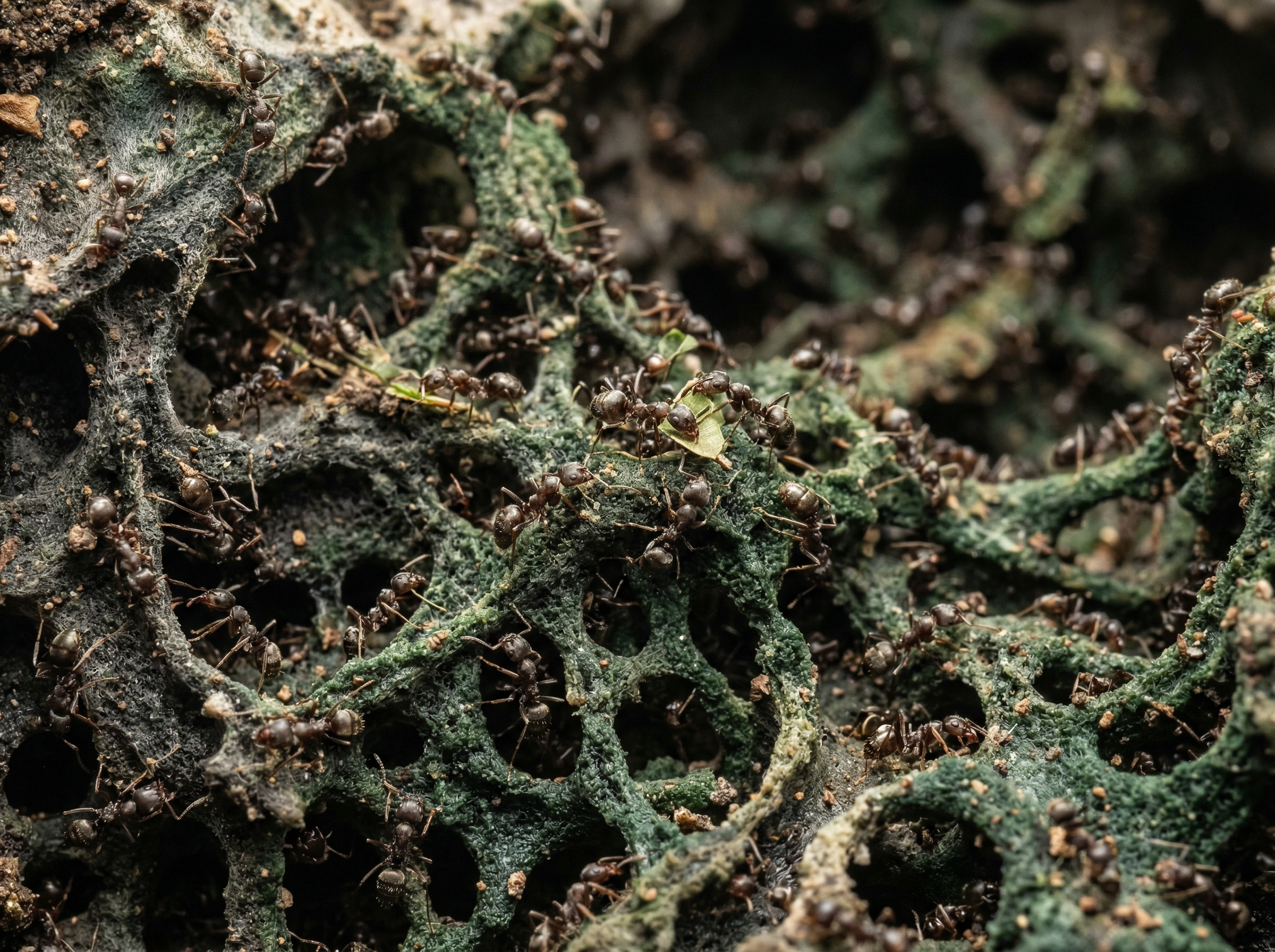
If you're asking "which species would take over," you might be asking the wrong question—because by several objective measures, ants already have. Argentine ants have formed a single supercolony spanning multiple continents. Individuals from California, Europe, and Japan recognize each other as nestmates. It's the largest cooperative structure in the animal kingdom besides human civilization itself.
Their total biomass nearly equals ours. They farm fungus in underground gardens. They herd aphids like livestock, milking them for honeydew. They wage organized wars with millions of casualties. They build ventilated architecture. They've been doing all of this for roughly 100 million years—they were here before the dinosaurs died, and they'll be here long after we're gone.
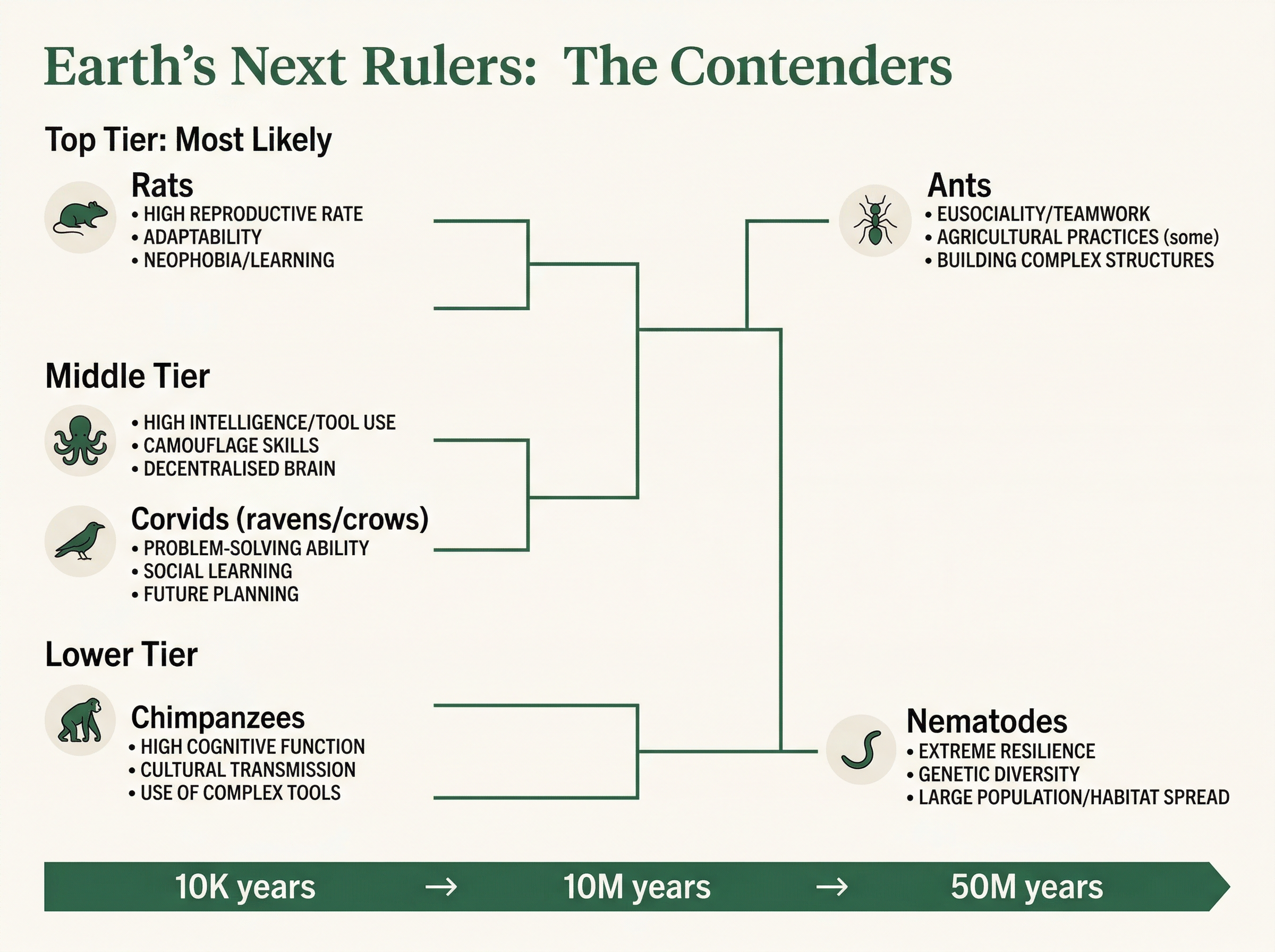
The ant argument forces a reframe. "Dominance" in the human sense—reshaping the planet's surface, controlling energy flows, building monuments—may be a one-off evolutionary accident. The more stable form of planetary dominance might look like what ants do: decentralized, resilient, operating at a scale so vast it's invisible to any individual. They don't need to be smart. They need to be everywhere. And they are.
Your Closest Relatives Already Have Stone Tools
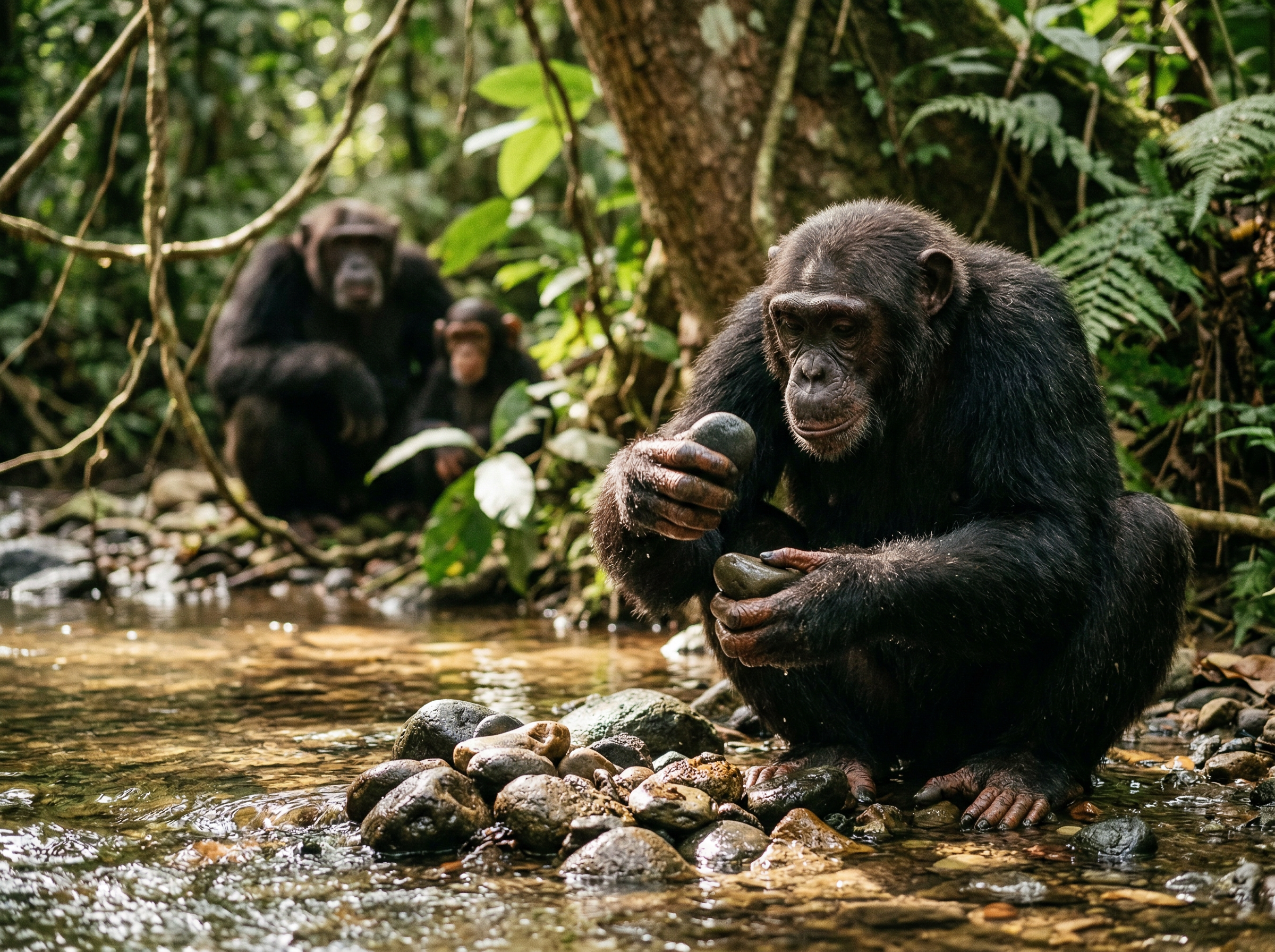
A landmark 2025 study led by David R. Braun and Susana Carvalho dropped a quiet bombshell: wild chimpanzees don't just grab any rock when they need a tool. They evaluate stones by internal mechanical properties—hardness and density—choosing materials the same way Oldowan hominins did 2.5 million years ago.
Let that timeline sink in. Our ancestors were doing exactly what chimps do now, 2.5 million years before writing, agriculture, or the wheel. Chimps are essentially where we were at the dawn of the Stone Age, and they're transmitting these skills culturally—young chimps learn tool selection by watching elders, not by instinct alone. They're on the on-ramp to technological intelligence.
The catch? Chimps are specialists in tropical forests that are rapidly shrinking. Without human habitat destruction, their range would expand dramatically after our extinction—but they'd need millions of years to develop anything resembling complex technology. The fossil record suggests that's exactly how long it takes. Our own lineage spent over 2 million years between the first stone tools and the first cities. Patience is evolution's only currency.
The Eight-Armed Heir Apparent
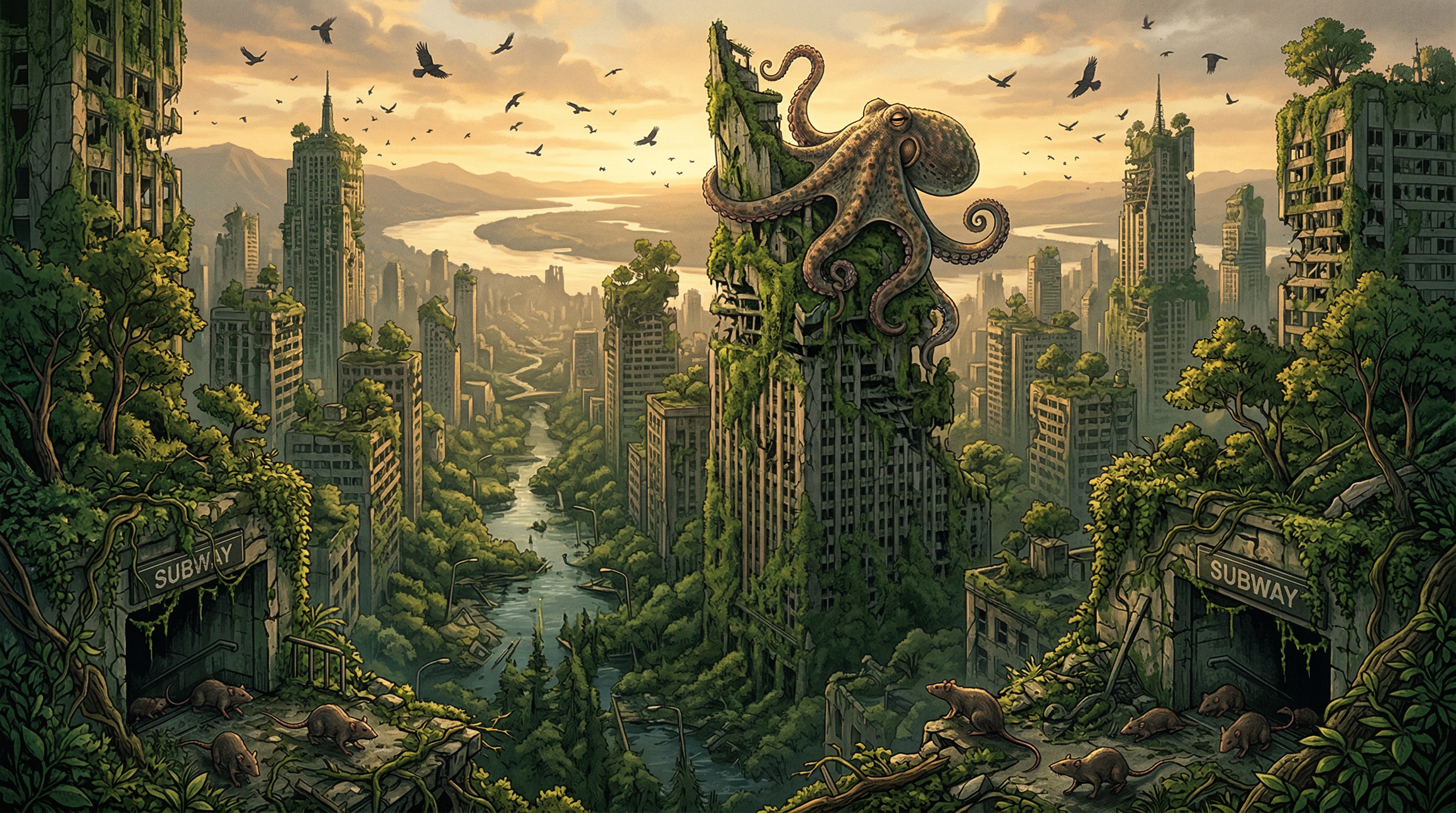
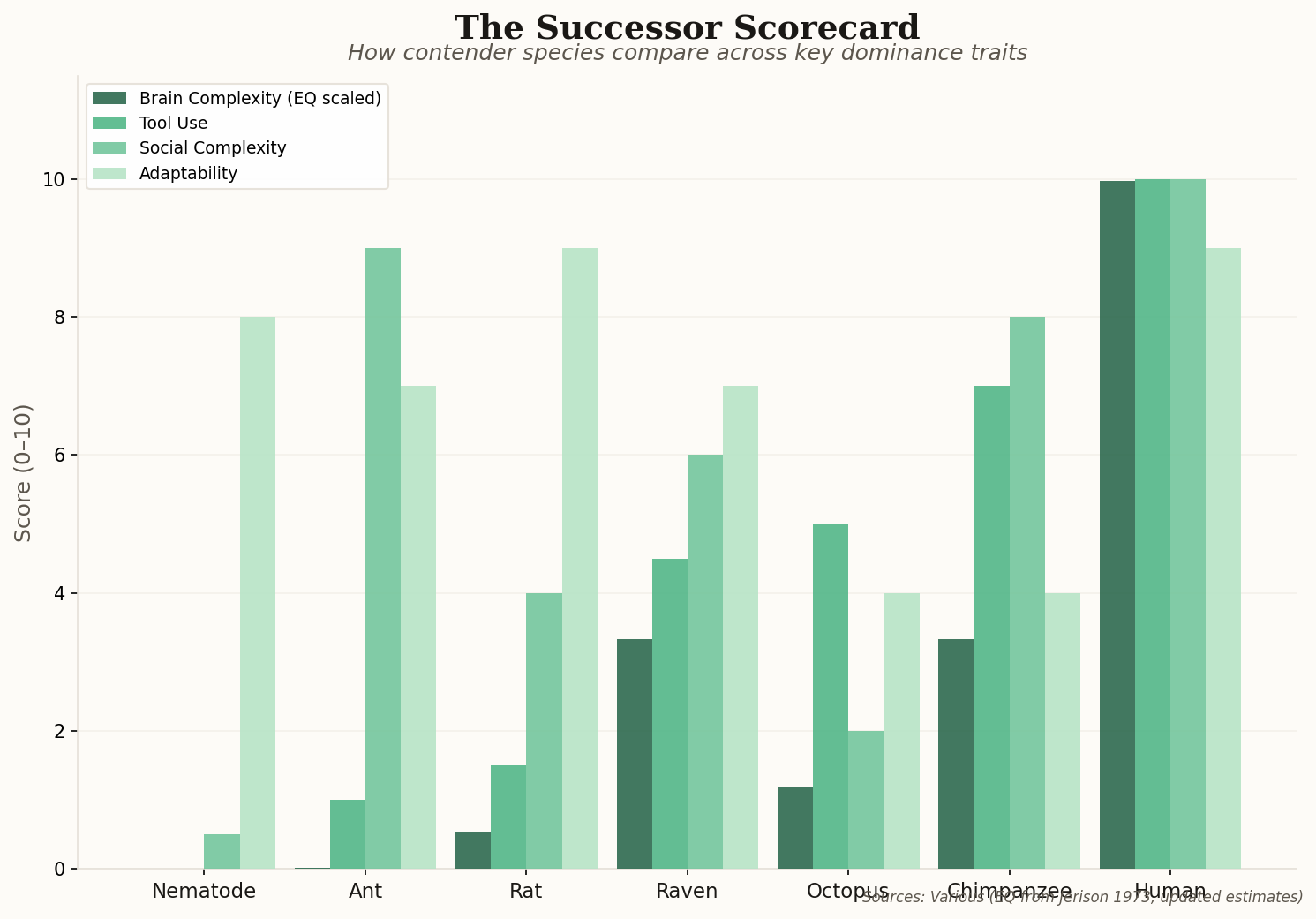
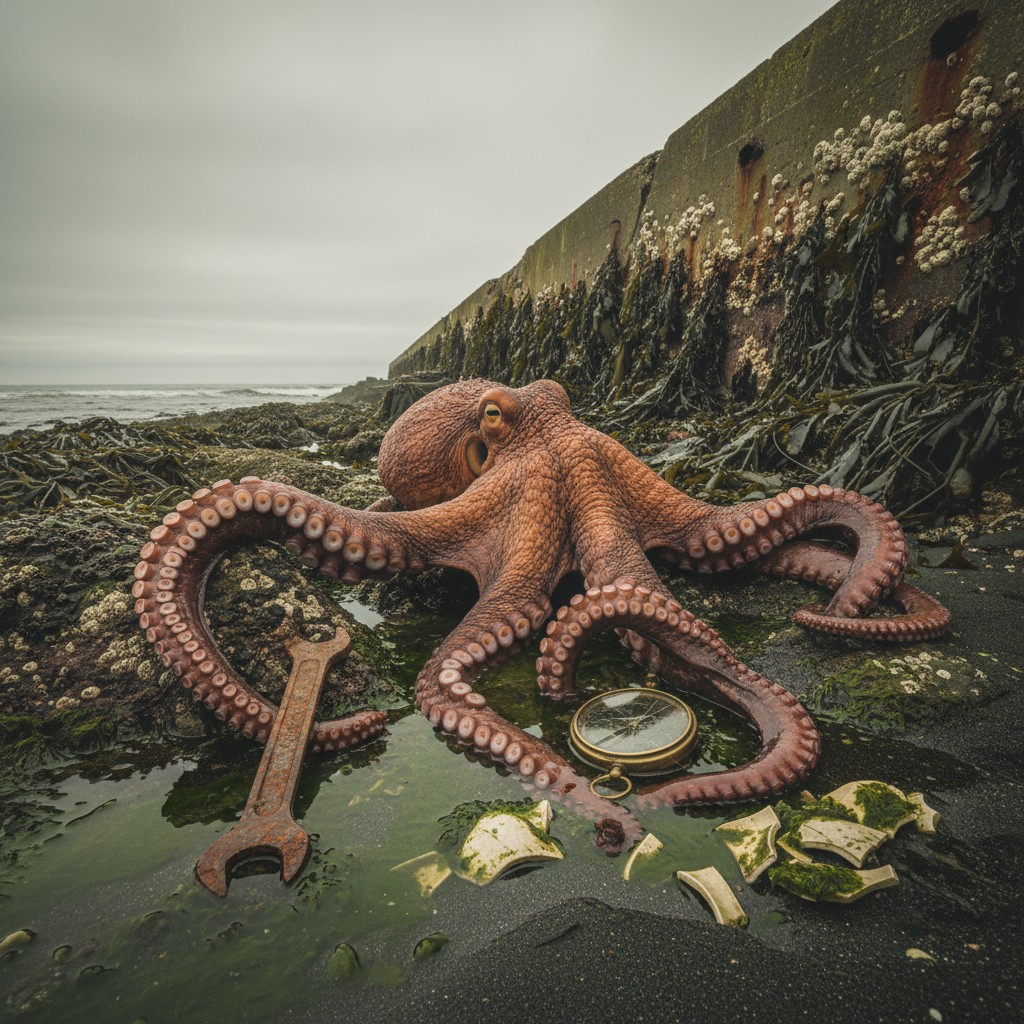
Here's a thought experiment that sounds like science fiction but comes from an Oxford zoology professor: octopuses are the leading candidates to build the next civilization. Tim Coulson argues that their distributed nervous system—two-thirds of their neurons live in their arms, not their brain—represents a fundamentally alien form of intelligence that could, given millions of years, evolve toward something we'd recognize as technological.
The case is stronger than you'd think. Octopuses already use tools (coconut shell armor, anyone?), solve multi-step puzzles, and demonstrate individual personalities. Their main evolutionary handicap is a brutally short lifespan—most species live only 1-2 years—and their solitary nature. But Coulson's point is that evolution doesn't care about our categories. A species that can taste with its skin, change color in milliseconds, and squeeze through any gap larger than its beak has raw material that natural selection could sculpt in directions we can't predict.
The wildest part of his hypothesis: octopuses could eventually evolve to breathe air and hunt on land, using "scuba-like" biological apparatus in reverse. It sounds absurd until you remember that every land animal descended from something that crawled out of the ocean. We've just forgotten how weird that transition was the first time around.
The Answer Is: You're Asking the Wrong Question
Here's the contrarian take that biologists keep circling back to: "Which species would take over?" is itself an anthropocentric question. It assumes that planetary dominance by a single intelligent species is the norm. It's not. It's a bizarre anomaly in 3.8 billion years of life on Earth.
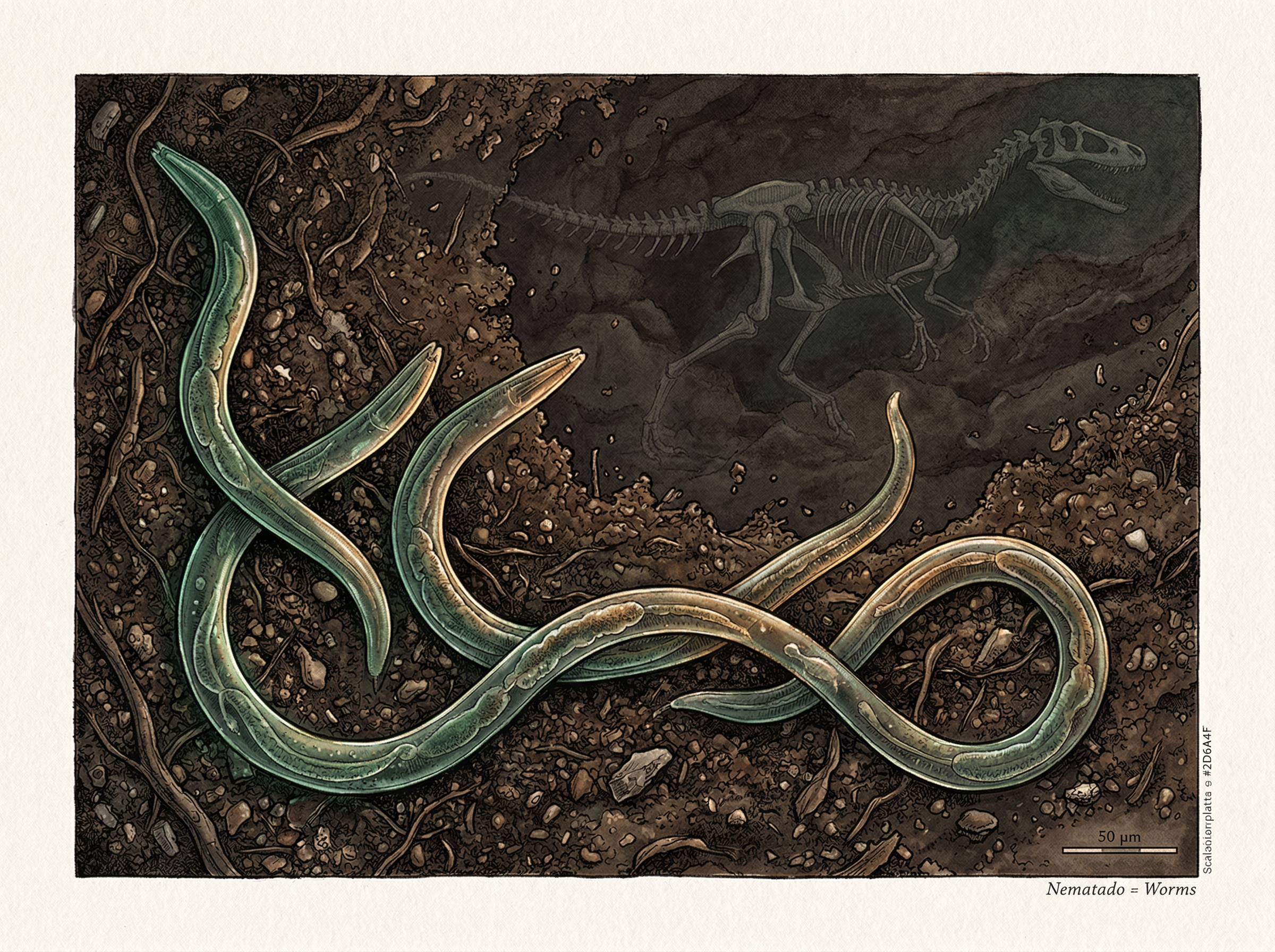
Four out of every five animals on Earth are nematodes. Roundworms. They live in every habitat from Arctic ice to deep-sea vents to your garden soil. By population count, by biomass, by sheer distribution, they already "dominate" the planet in every measurable way. They just don't build things we recognize.
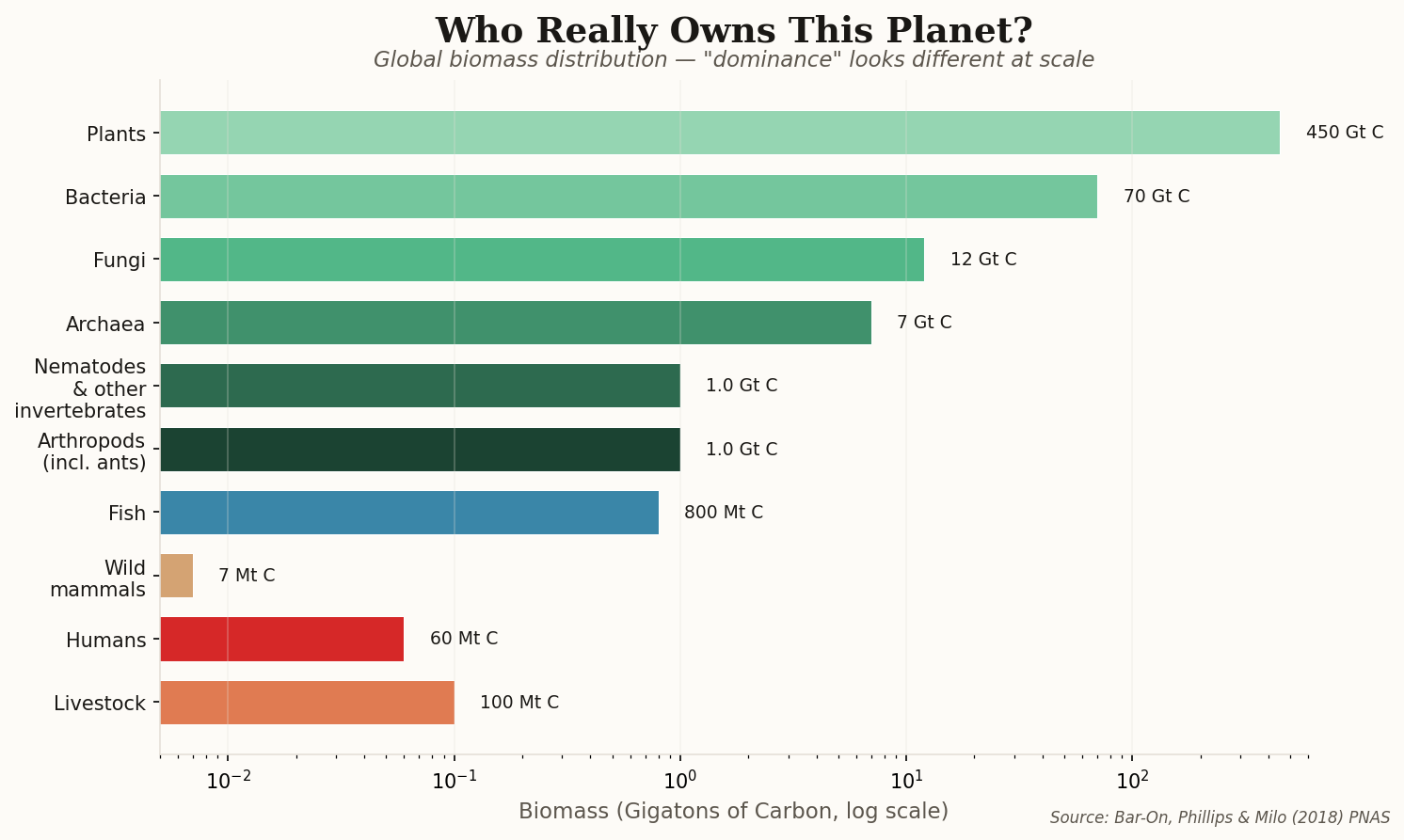
The most likely post-human Earth isn't one where octopuses build cities or rats evolve into apex predators—though given enough time, both are plausible. The most likely outcome is that the planet returns to its default state: a microbial and invertebrate world where vertebrate "dominance" was a brief, loud, 300-million-year blip in an otherwise quiet story. The "Age of Humans" isn't the climax of evolution. It's the intermission. And the worms have been patient.