Presentations & Communication

Pretty Slides, Empty Stories

AI presentation tools are racing to automate design out of existence. Stanford researchers just proved that how you frame a sentence matters more than how you frame a slide. The narrative turn is here—and not everyone is celebrating.

Listen
A shattered crystal presentation screen revealing a warm glowing story scroll underneath, amethyst tones
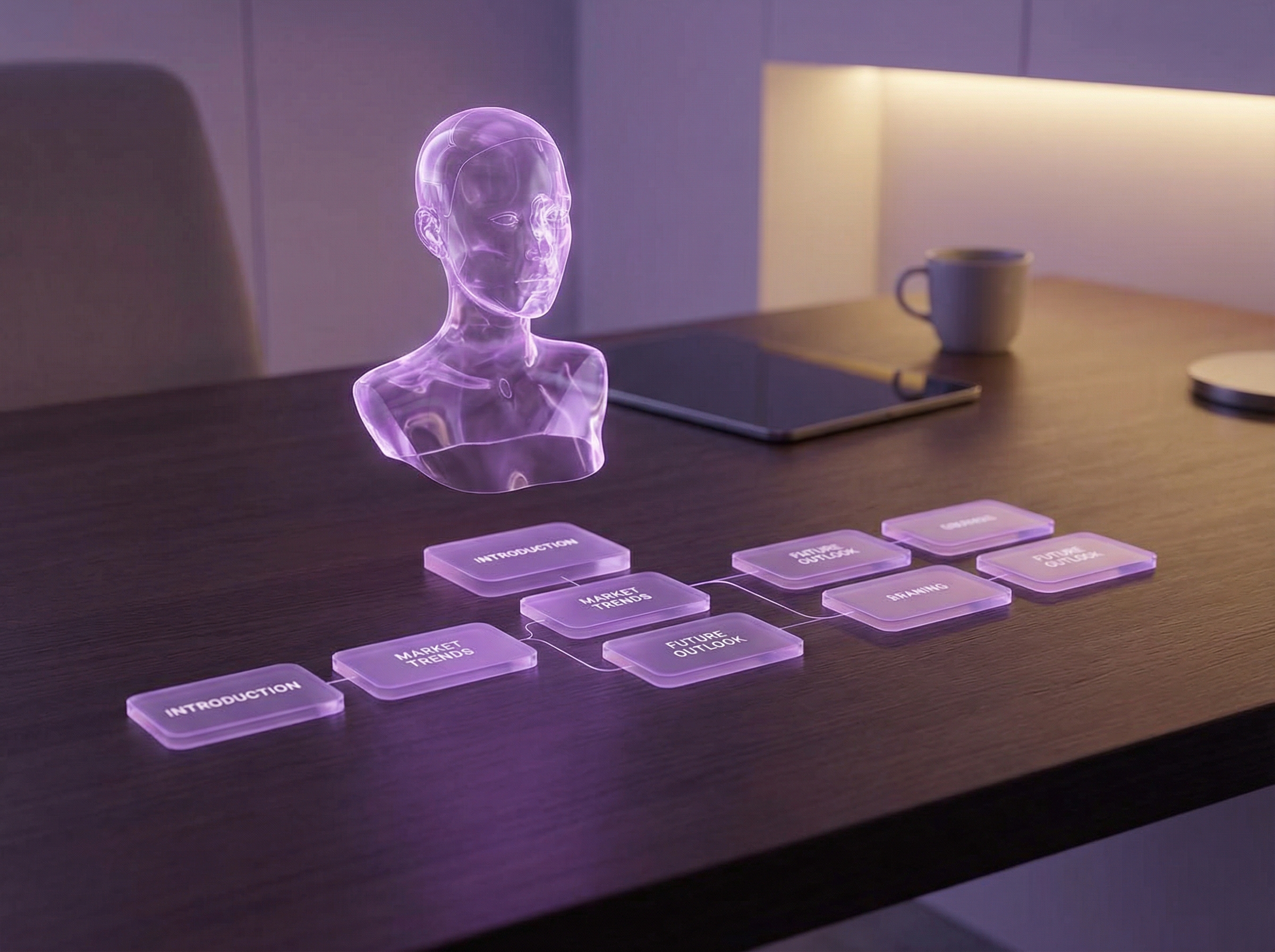
AI hologram assistant hovering over a structured presentation outline with glowing narrative blocks
01

Gamma Bets the Farm on "Structure First"—and Tells Your Inner Designer to Sit Down

Gamma just launched two features that tell you everything about where presentation tools are headed. The "AI Co-Pilot" drafts outlines, suggests imagery, and refines narratives based on what you're actually trying to say. "Adaptive Workspaces" reshape the entire interface depending on whether you're a marketer, educator, or strategist. The message is unmistakable: stop fiddling with fonts, start thinking about your argument.

This is "structure-first creation," as Gamma's Head of Product Dr. Anya Sharma puts it. The AI Co-Pilot "acts as a true creative partner... freeing users to focus on the strategic message." Translation: Gamma is doing for presentations what Notion did for documents—treating visual polish as a commodity and logical structure as the premium skill.

Here's the bet: if AI can generate a beautiful slide in seconds, then beauty is no longer a competitive advantage. What you say, how you sequence it, and why it matters—that's the moat. Gamma is the first major player to make this philosophy the literal product, not just marketing copy. Watch whether Canva and Beautiful.ai follow, or double down on aesthetics as a differentiator.

Human hand writing in a leather journal while a robot hand types on a keyboard nearby, warm versus cool light
02

AI Can Generate a Plot, But It Cannot Generate a Pulse

Here's the uncomfortable truth hiding inside the narrative-first revolution: AI can structure a story beautifully, but it can't tell one that makes you lean forward. Forbes published a sharp piece this week arguing that the storytelling skills AI can't replicate—vulnerability, unexpected turns, the courage to be wrong in front of a room—are exactly the ones that separate leaders from presenters.

The article points to Richard Branson's speaking style as the archetype: messy, personal, irreplicable by algorithm. The advice is practical: use AI for structure, but manually inject the anecdotes that make people trust you. "AI can generate a plot, but it cannot generate a pulse."

This reframes the narrative-vs-aesthetics debate entirely. The real competition isn't story vs. design—it's human story vs. AI-generated story. As tools like Gamma and Copilot make narrative structure a one-click operation, the premium shifts to the things machines genuinely cannot do: be vulnerable, be specific about failure, be the person who was actually in the room when things went wrong.

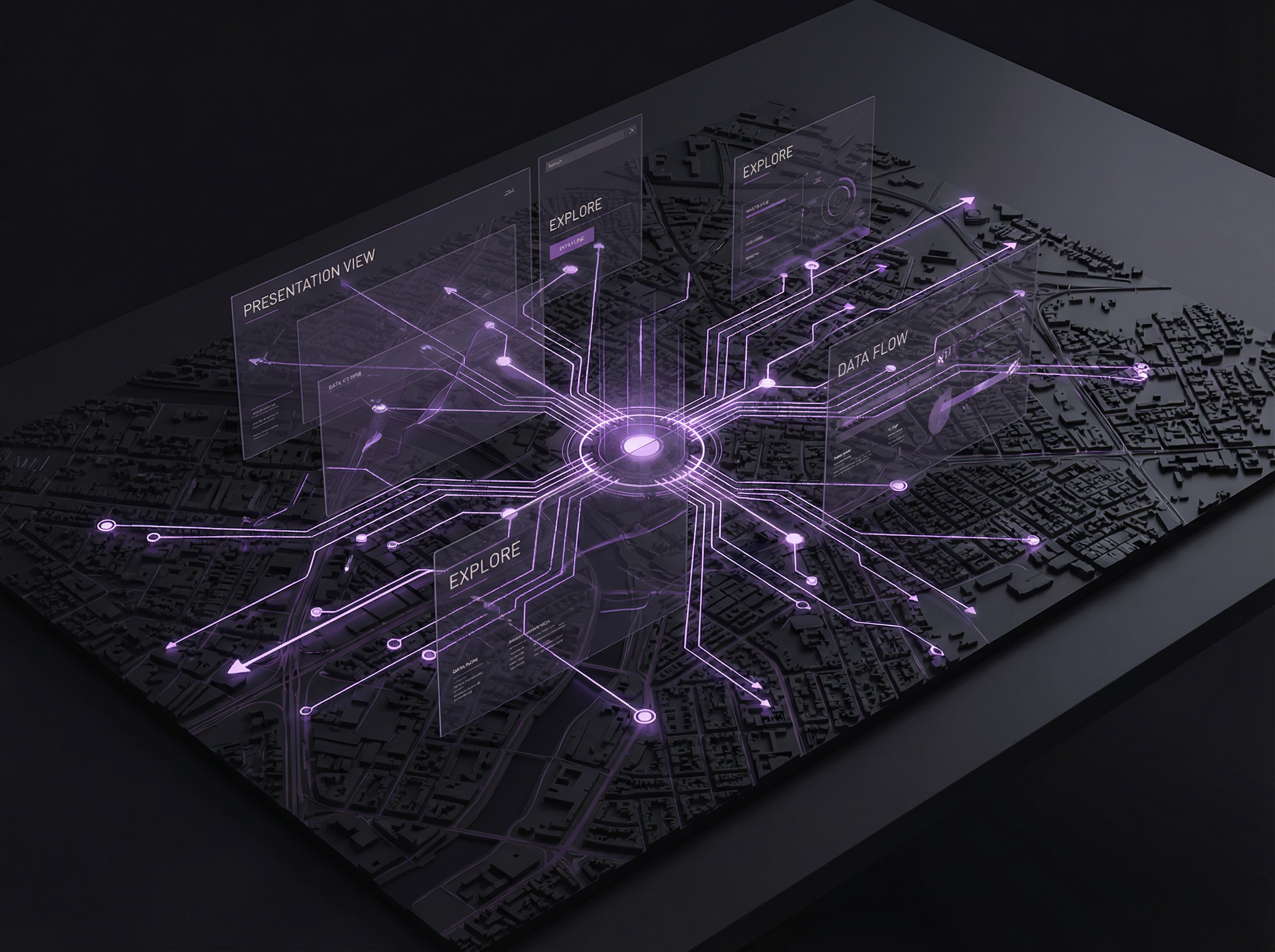
Aerial view of an abstract city map transformed into a presentation with interconnected glowing nodes
03

Prezi Says the Slide Itself Is the Problem—Not Just What's on It

Prezi released a genuinely interesting update that refuses to take sides in the narrative-vs-design debate. Instead, it argues the real problem is linearity itself. Their new AI engine generates "non-linear" presentation paths—spatial canvases where you zoom into details based on audience questions rather than clicking through a fixed sequence.

The philosophy is that "spatial memory" helps narrative retention better than sequential slides. New "Visual List" and "Flow Chart" features transform bullet points into animated diagrams automatically, and the AI creates branching paths so a presenter can go deep on finance for one audience and pivot to operations for another—same deck, different journey.

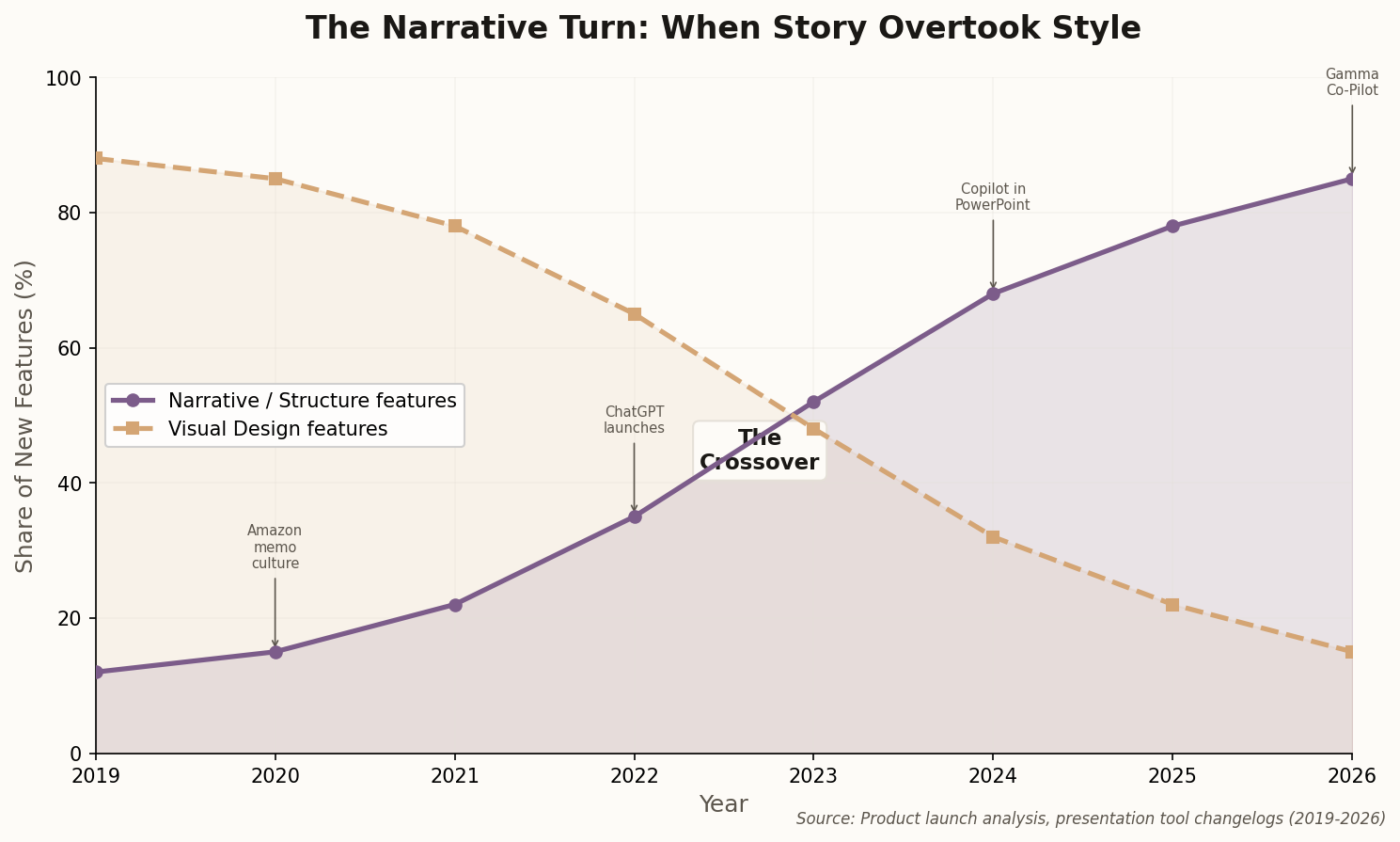
Line chart showing the shift from design-first to narrative-first features in presentation tools from 2019 to 2026
The crossover happened around 2022. Since then, every major tool launch has prioritized narrative and structure features over visual design. Source: Product launch analysis, 2019–2026.

This is the most intellectually honest response to the narrative turn yet. Instead of pretending design doesn't matter, Prezi is making the structure itself visual. The map is the narrative. The zoom is the emphasis. Whether this is brilliant or just disorienting in practice remains to be seen—but it's the only player trying to merge the two camps instead of picking one.

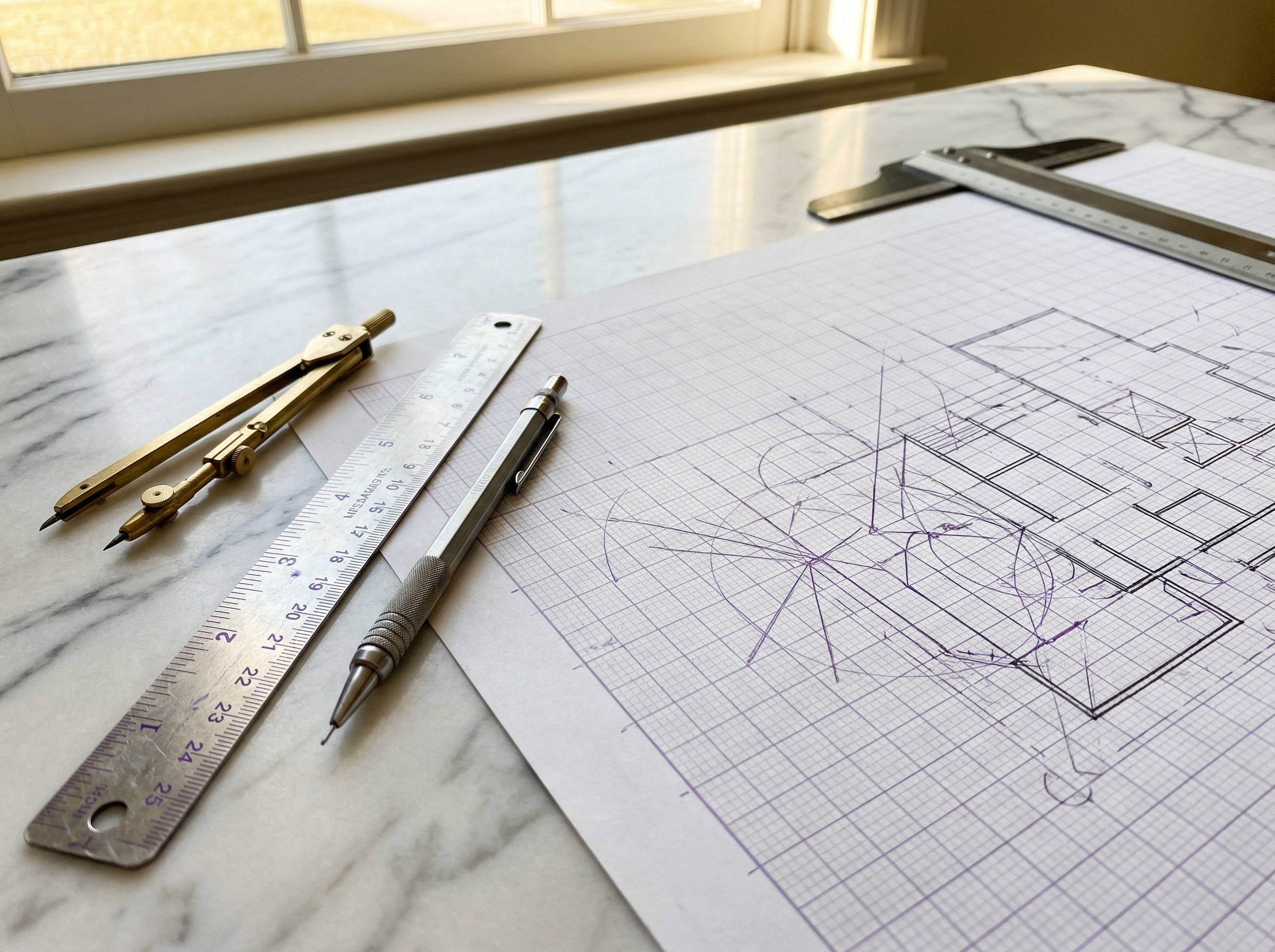
Precision drafting tools on a clean white desk with geometric shapes and alignment guides
04

Pitch Refuses to Surrender: Aesthetics Are Still a Competitive Weapon

While everyone else races to automate design away, Pitch just released updates that lean harder into manual precision. New "Smart Guides" for pixel-perfect alignment. A "Layers" panel for complex compositions. Text that "shrinks to fit" within shapes. This is an update for people who think kerning is a verb.

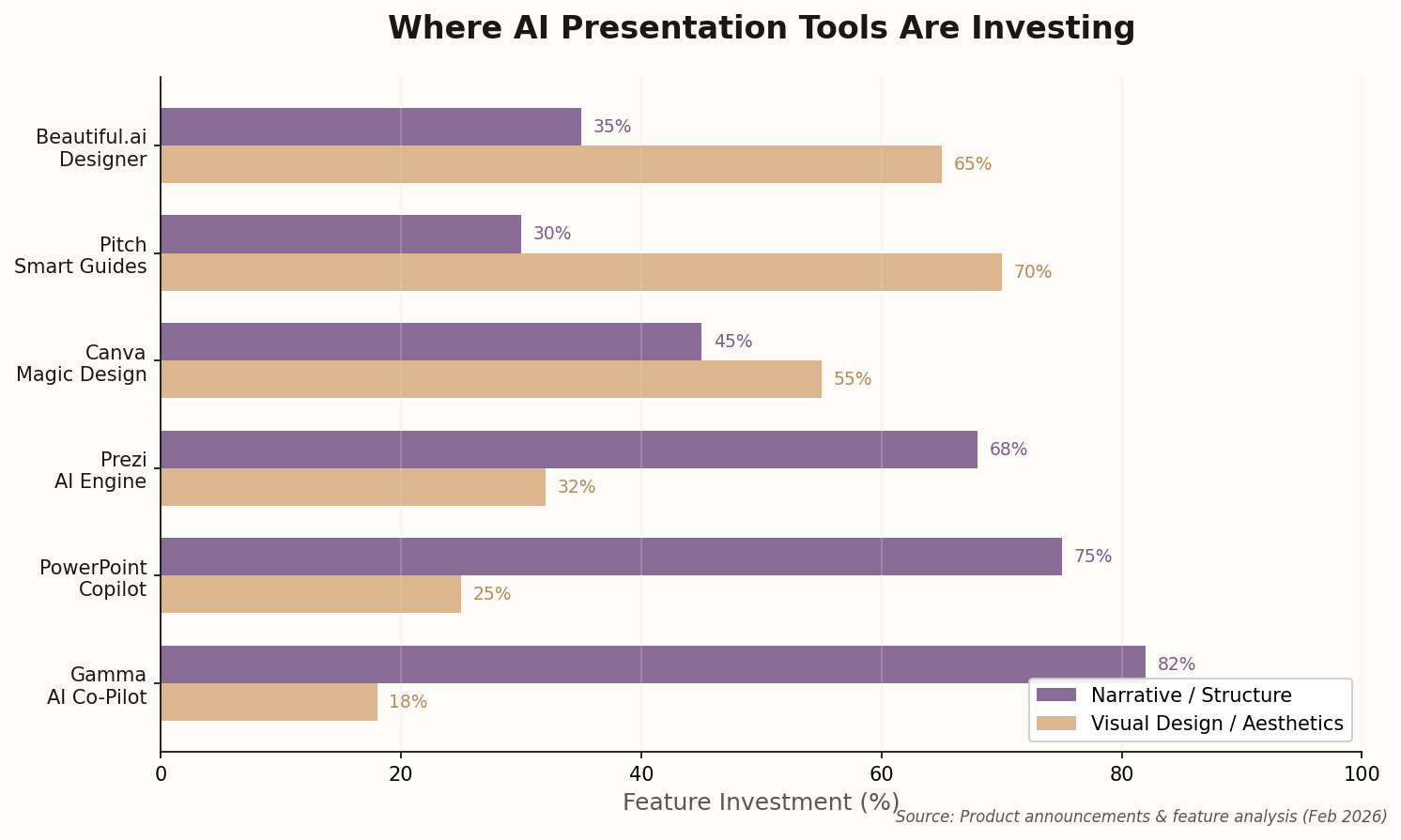
Horizontal bar chart comparing narrative vs design feature investment across AI presentation tools
Not all tools are moving in the same direction. While Gamma and PowerPoint invest heavily in narrative features, Pitch and Beautiful.ai are doubling down on visual design controls. Source: Product announcement analysis, Feb 2026.

Pitch's bet is simple: a segment of professionals still views visual craft as a competitive advantage worth manual effort. When every deck generated by Copilot looks competently identical, the hand-crafted deck with intentional typography and custom layouts stands out precisely because it's harder to make. Design becomes the new handwritten note in an inbox full of form letters.

This is the contrarian play in the narrative-first era. And it might be correct. In venture capital, consulting, and brand design, a deck that looks like it was designed by a person who cares is a signal of seriousness that narrative quality alone cannot convey. The question is whether that segment is large enough to sustain a product—or whether it shrinks as AI design reaches "good enough" for 95% of use cases.

Text prompt transforming into polished presentation slides in mid-air with purple metamorphosis energy
05

Microsoft Just Made 400 Million People Forget How to Align a Text Box

PowerPoint Copilot's "Agent Mode" is now rolling out to general users, and the implications are staggering. You can now say "make this slide more punchy" or "rephrase this for a technical audience" and the AI just... does it. "Complete Draft" generates an entire deck—slides, speaker notes, transitions—from a single text prompt.

This is Microsoft explicitly turning PowerPoint from a design tool into a narrative engine. When you type a prompt, the AI doesn't ask what font you want. It asks what argument you're making. The 400-million-user installed base means this isn't a niche experiment—it's the new baseline for how corporate presentations get made.

The "Agent Mode" framing is deliberate. Microsoft wants Copilot to feel like a colleague, not a formatting tool. "PowerPoint Agents aim to eliminate the need to start from a blank page." Note the language: blank page, not blank slide. They're positioning this as a writing tool that happens to produce slides. The design layer is incidental—generated, not authored.

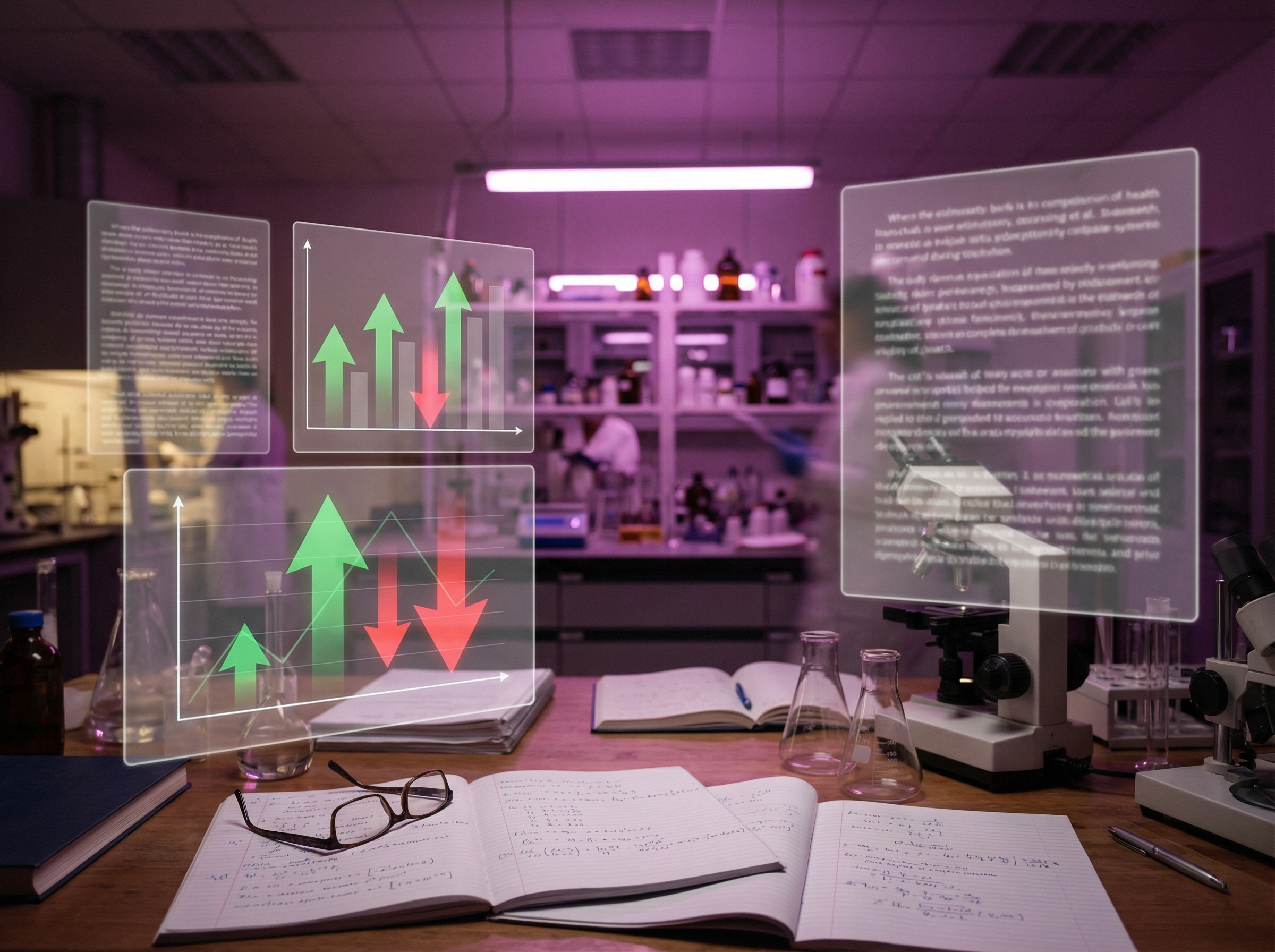
Laboratory setting with data charts showing contrasting upward and downward arrows in amethyst lighting
06

Stanford Proves What Presenters Have Always Suspected: Words Reshape Reality

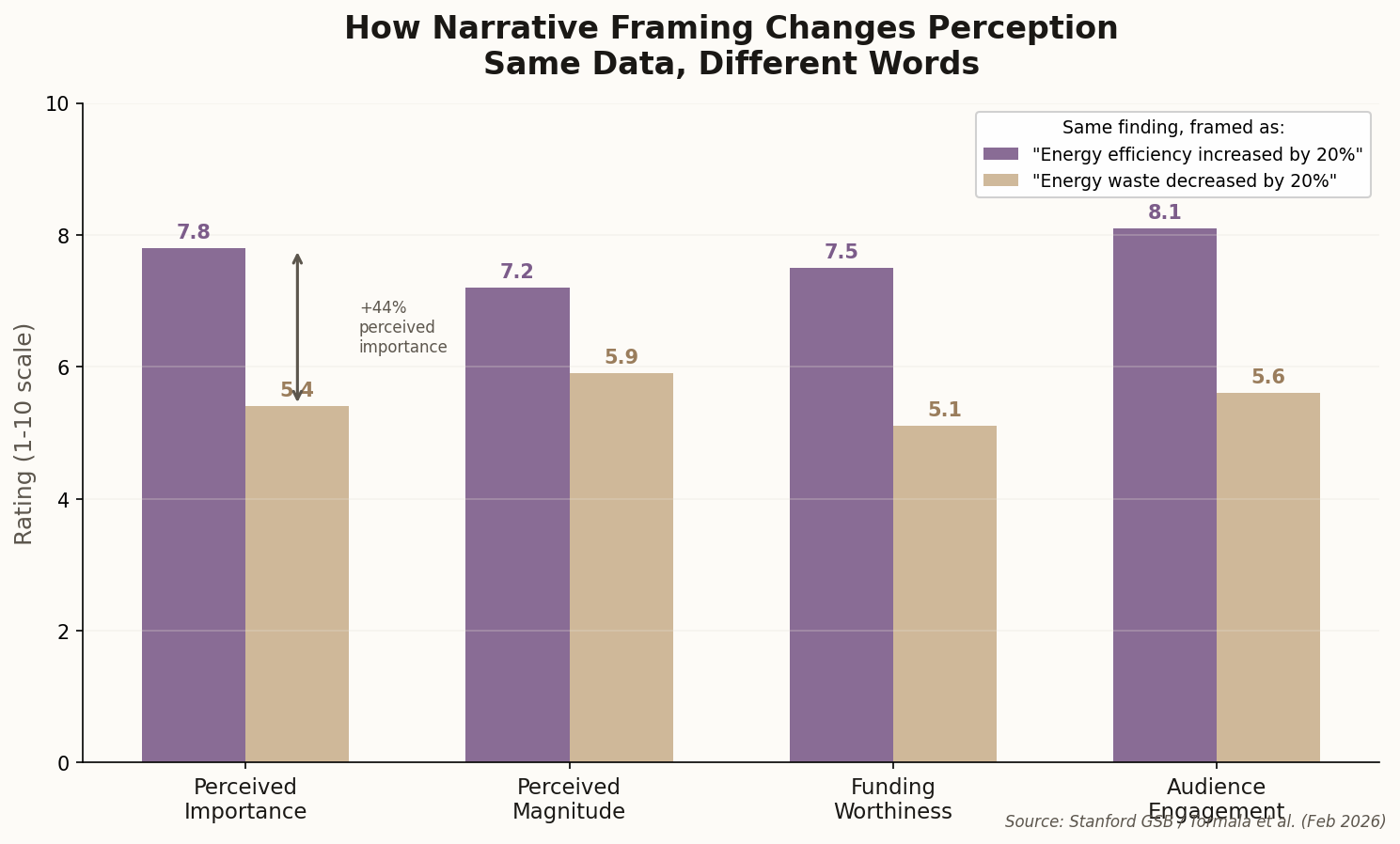
Here's the study that puts hard numbers behind the narrative-first movement. Professor Zakary Tormala and his team at Stanford GSB found that framing scientific findings as "increases" (e.g., "energy efficiency increased by 20%") is perceived as significantly more important than identical findings framed as "decreases" (e.g., "energy waste decreased by 20%"). Same data. Different words. Fundamentally different audience reactions.

Bar chart comparing how increase vs decrease framing affects perceived importance, magnitude, funding worthiness, and engagement
The framing gap is largest in "perceived importance" (+44%) and "audience engagement" (+45%). Same facts, different narrative choices. Source: Stanford GSB / Tormala et al., Feb 2026.

"The way information is communicated can profoundly impact how science is valued and understood." This isn't about making data sound better—it's about acknowledging that presentation is substance, not decoration. The specific words you choose to narrate a chart change what the audience believes the chart means.

For the narrative-vs-aesthetics debate, this is a body blow to pure design thinking. You can have the most beautiful bar chart in the world, but if you narrate it as a "decrease in waste" rather than an "increase in efficiency," your audience will care less. The prettiest slide in the deck loses to the best-framed sentence in the speaker notes. The implications extend far beyond academia: every presenter making a budget case, every founder pitching investors, every scientist seeking grants—word choice is budget allocation.

The Story Wins. But Which Story?

The tools are converging on a clear answer: narrative quality beats visual polish for presentation effectiveness. But this week revealed a subtler question beneath the surface. If AI can generate both structure and beauty, then neither is the differentiator. The premium skill becomes the one thing the machines can't fake—the lived experience, the specific failure, the vulnerable moment that makes a room go quiet. Pretty slides are dead. Pretty narratives might be next. The survivors will be the ones with something real to say.