
A Boy, a Rolleiflex, and a City of Shadows
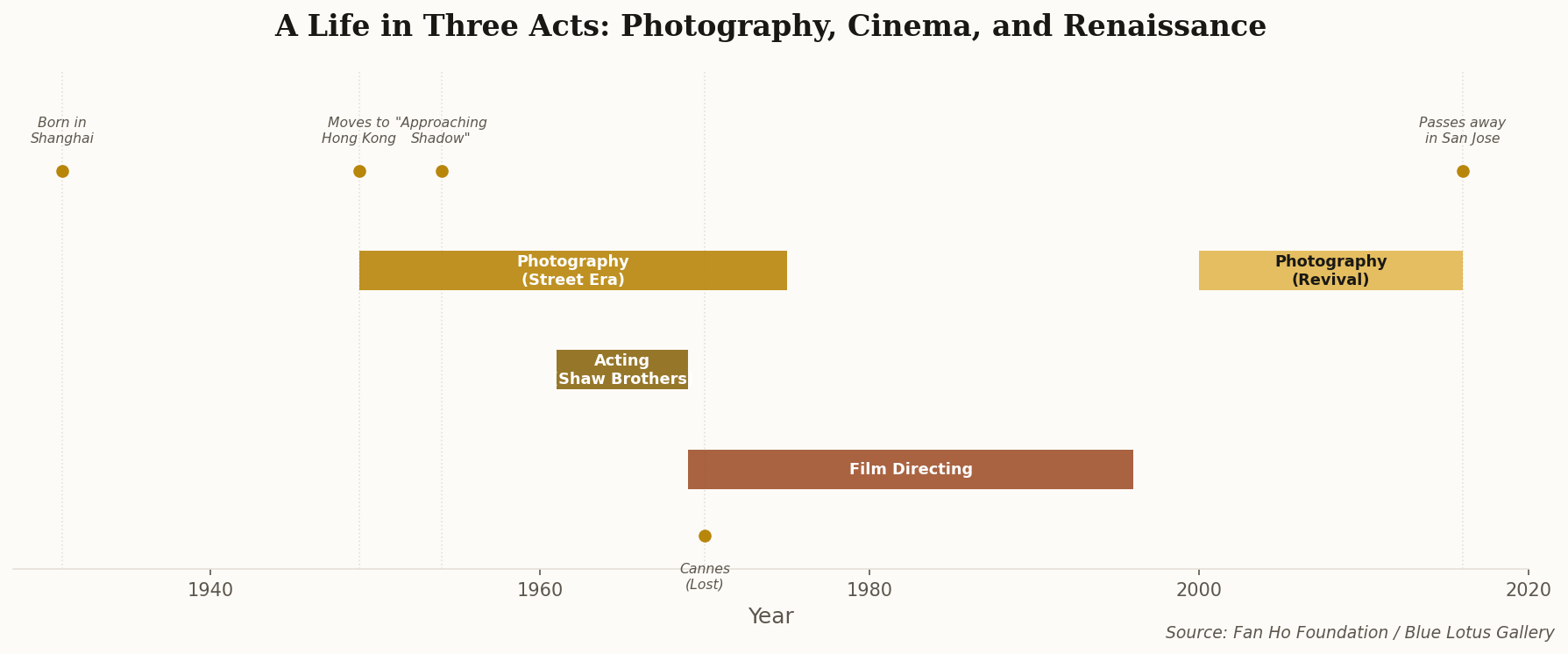
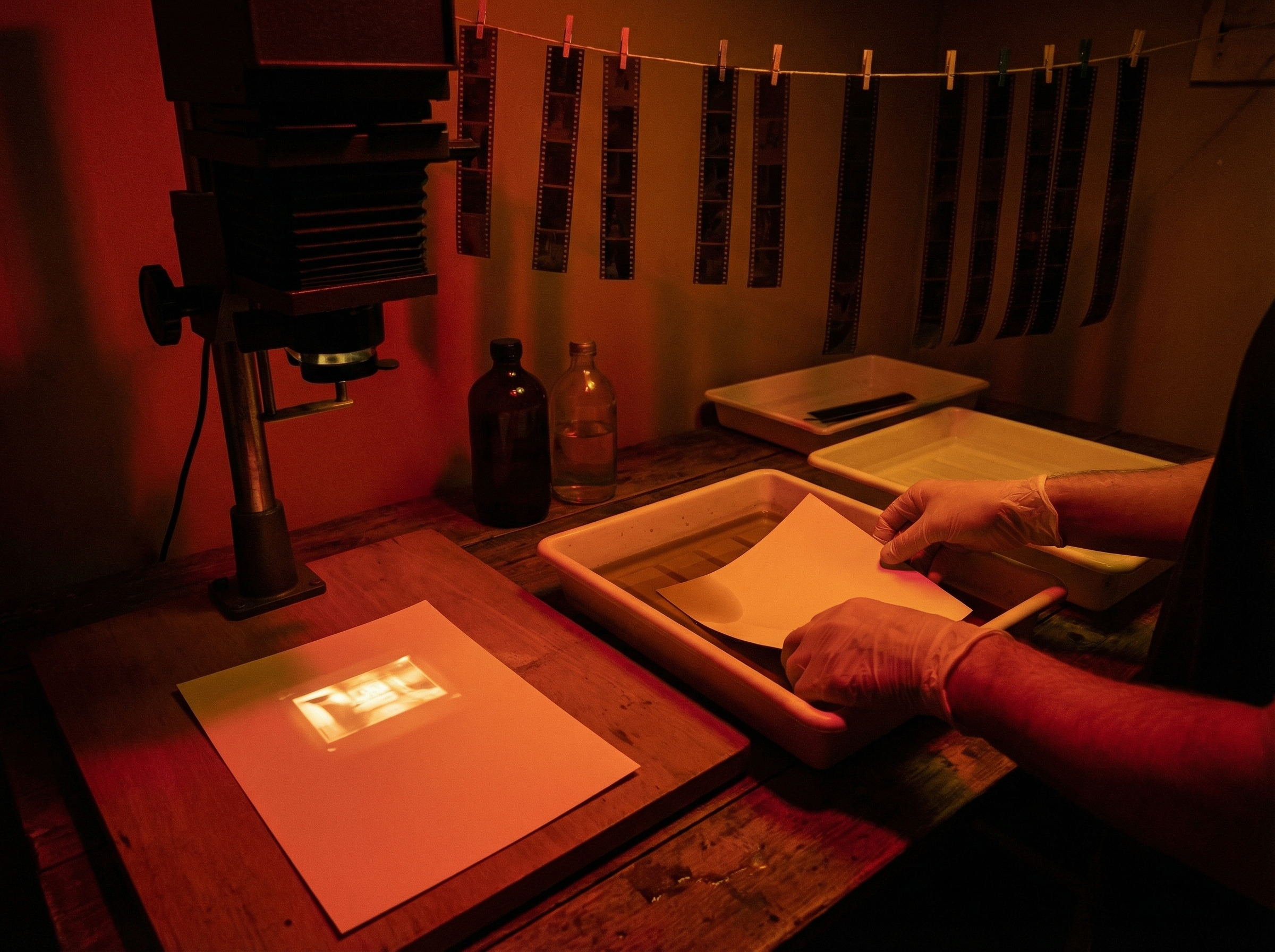
Every great photographer has an origin story. Fan Ho's begins with a gift that would change everything: a Kodak Brownie box camera, placed in the hands of a 14-year-old boy in Shanghai. His father — a merchant who also painted — saw something in the boy's eye for composition. When that obsession proved insatiable, the Brownie was upgraded to a twin-lens Rolleiflex, the instrument that would become as inseparable from Fan Ho as a brush from a calligrapher.
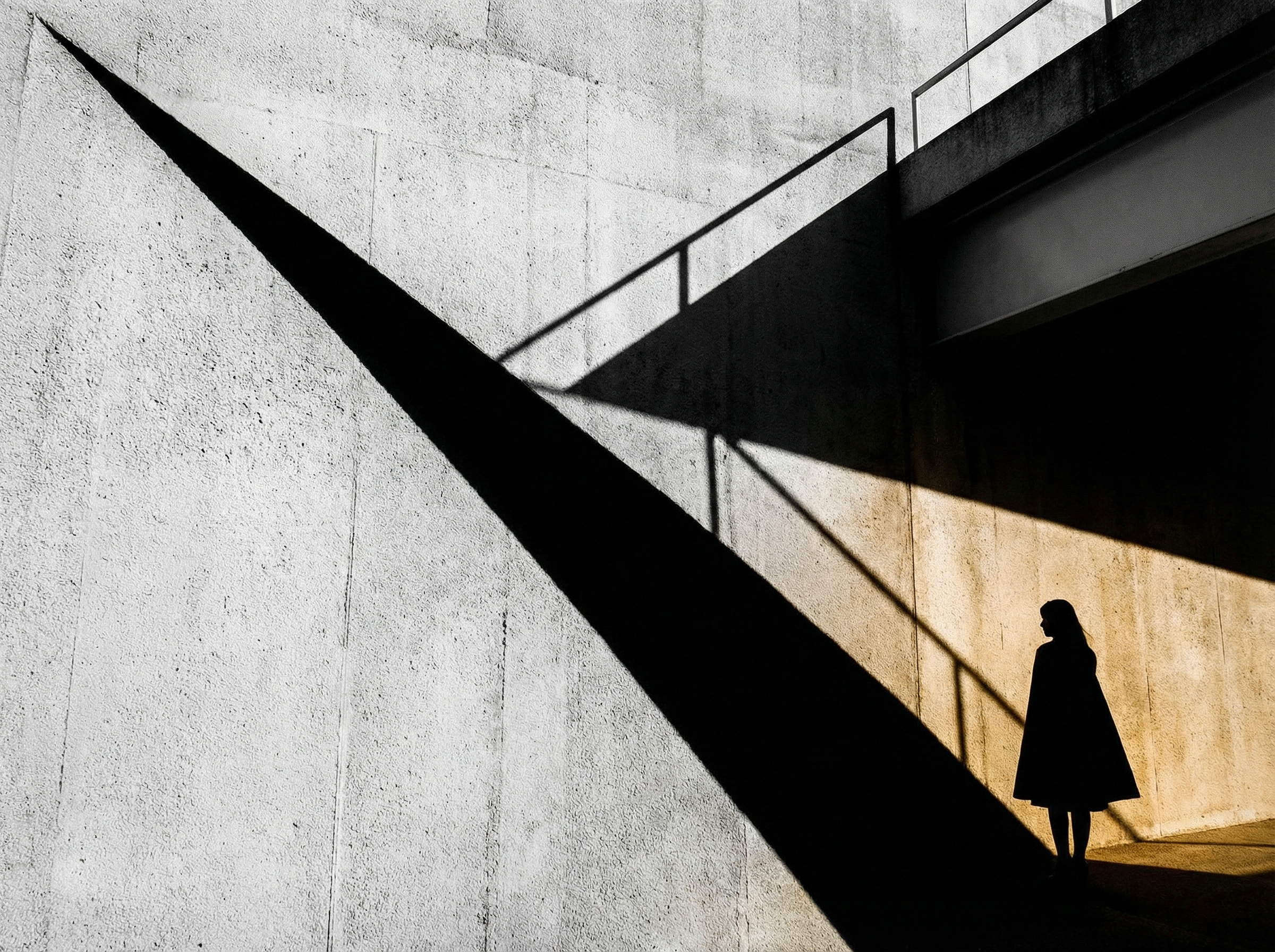
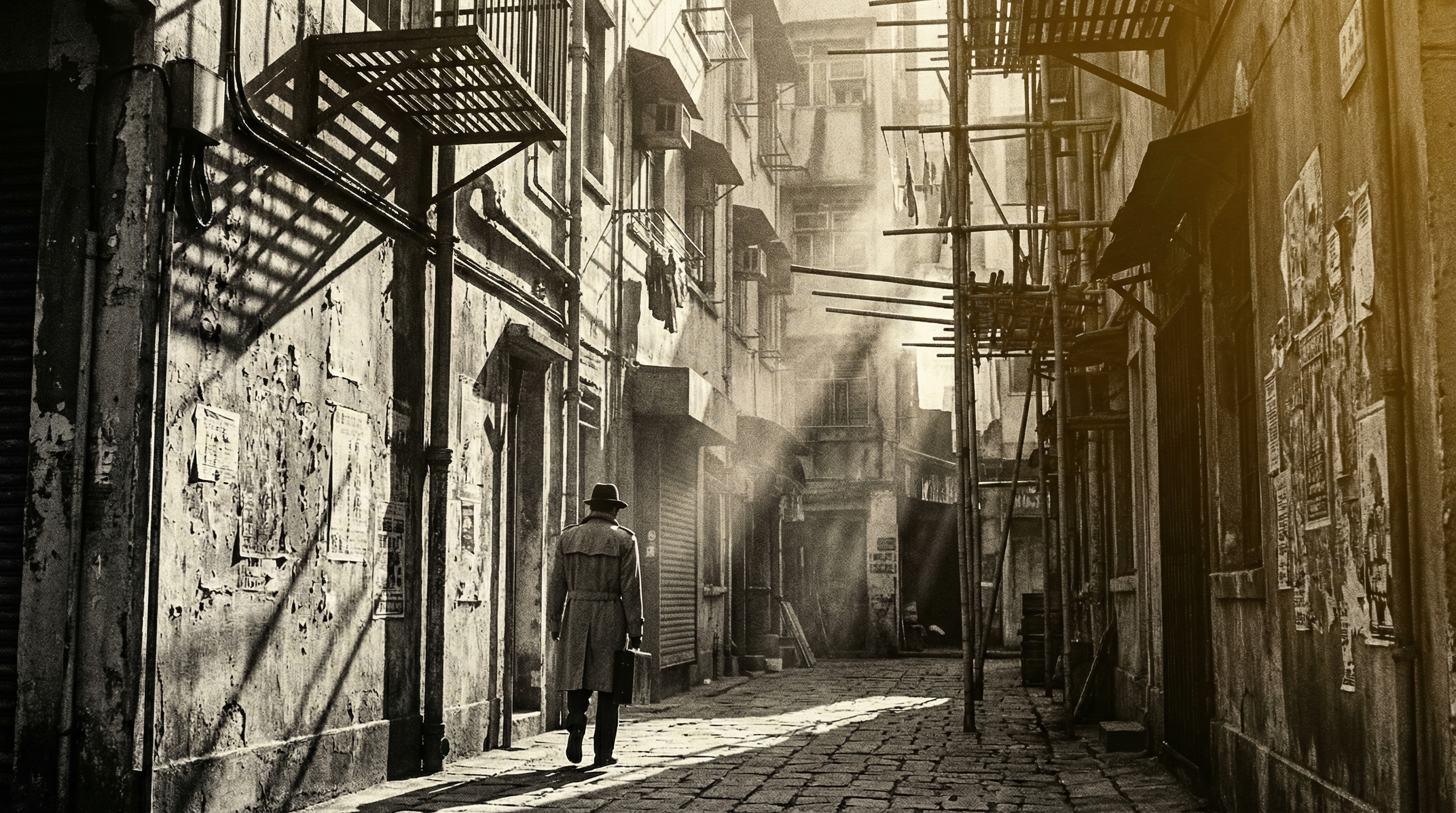
But it was history, not art school, that gave him his canvas. In 1949, the Chinese Civil War drove the Ho family from Shanghai to Hong Kong. The teenager arrived in a city teeming with refugees, laborers, and raw human drama — all of it compressed into narrow alleys and vertical tenements where light behaved like a living thing, slicing through gaps between buildings at impossible angles.
He enrolled at New Asia College to study Chinese literature, but his real education happened on the streets. No formal mentor. No photography program. Just a boy with a Rolleiflex, walking the same neighborhoods day after day, learning how shadow moves across a wall at 4 p.m. in November. The literature degree mattered more than it seemed — it gave him the poet's instinct to see metaphor in the mundane, to understand that a coolie carrying a load at dusk wasn't just a man going home. It was a story about endurance.