
Philosophy & History

The Emperor's Long Shadow

Marcus Aurelius ruled Rome for nineteen years, then spent the next eighteen centuries refusing to leave. From corporate boardrooms to Transylvanian dig sites, the philosopher-king's influence keeps compounding.

Listen
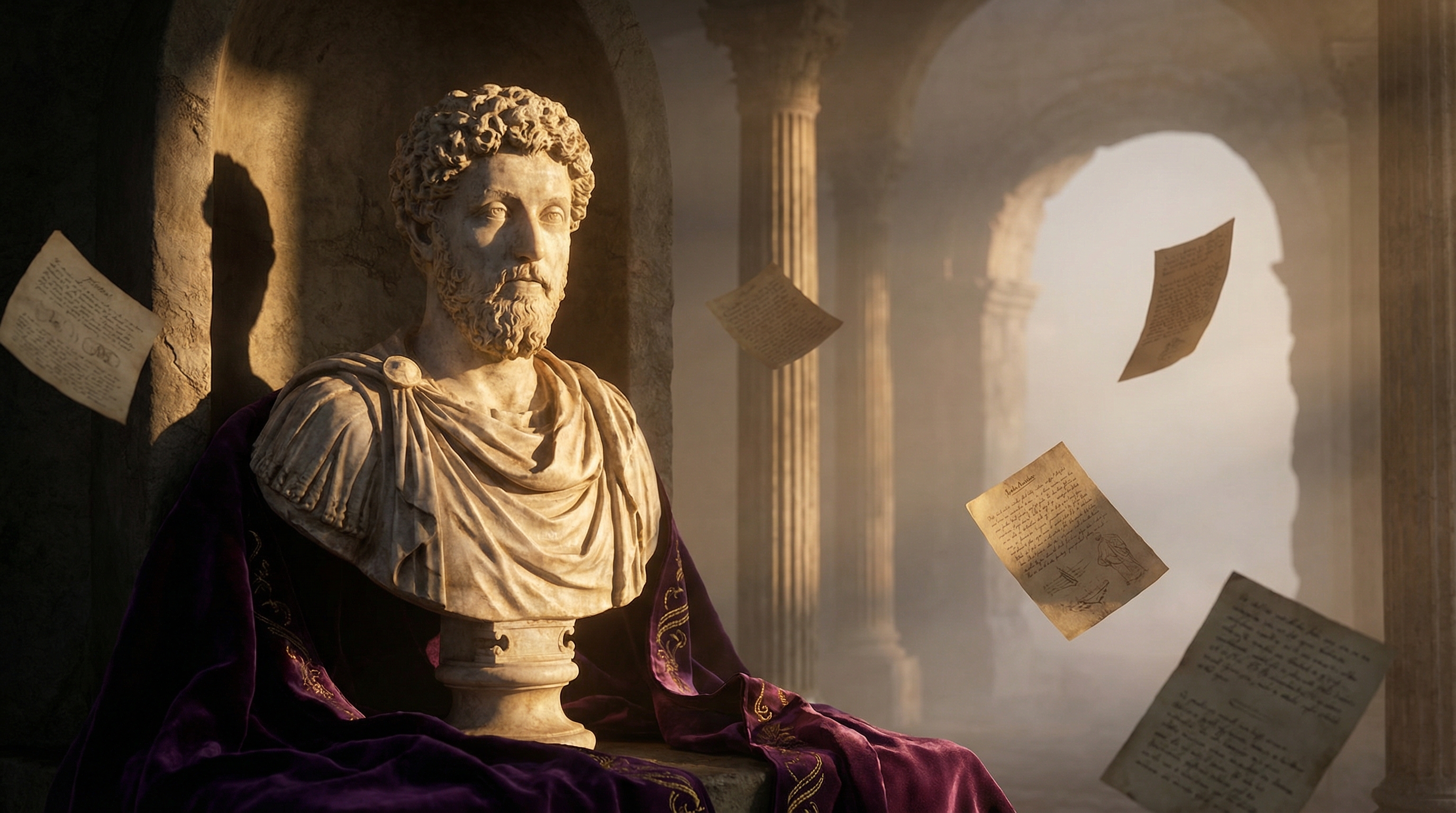
Marble bust of Marcus Aurelius bathed in golden light, Roman columns fading into mist behind scattered philosophical manuscripts
01
Corporate boardroom with ancient Roman columns emerging through walls, compliance documents blending with ancient scrolls

The DOJ Wants You to Lead Like a Roman Emperor

Here's a sentence nobody at the Department of Justice expected to write: Marcus Aurelius had a better compliance framework than most Fortune 500 companies. A new industry report and podcast series from the Compliance Podcast Network is making exactly that argument—and it's not as absurd as it sounds.

The core thesis centers on how Marcus handled the Avidius Cassius revolt in 175 AD. When his top general declared himself emperor based on false rumors of Marcus's death, the response wasn't scorched earth. It was measured, systematic, and focused on root-cause analysis—precisely what modern DOJ compliance guidelines demand from CEOs facing corporate misconduct. Marcus ordered that Cassius's correspondence be burned unread, cutting off a retribution spiral before it started.

The "Stoic CEO" concept is trending in Q1 2026 business leadership circles, and for good reason. In an era of performative corporate ethics, Marcus's framework offers something rare: consistency of character as a governance mechanism, not a PR strategy. When your compliance program is indistinguishable from your actual values, regulators tend to notice.

"Marcus didn't just preach ethics; he built a framework for governance that mirrors our best modern compliance structures." — The evolution from self-help Stoicism to systems-level corporate application marks a significant maturation of the movement.
02
Open book radiating light, pages transforming into a winding road through ancient Roman landscape

Meditations Gets Its GPS—and the Publishing Industry Keeps Betting on a Dead Emperor

A man who never intended anyone to read his journal has become one of the most profitable authors in publishing. Simon & Schuster's Bluestone Books just released The Meditations by Marcus Aurelius Roadmap—a guided edition that breaks the dense philosophical text into actionable daily exercises. It dropped alongside new trade editions from Penguin and Liveright in early January 2026.

What's interesting isn't another Meditations edition. It's the format pivot. The publishing industry has stopped treating Marcus Aurelius as classical philosophy and started treating him as applied self-improvement. "A user manual for the human mind, deconstructed for the 21st century" is the tagline—and it tells you everything about where the market believes the demand lives. Not in scholarship. In practice.

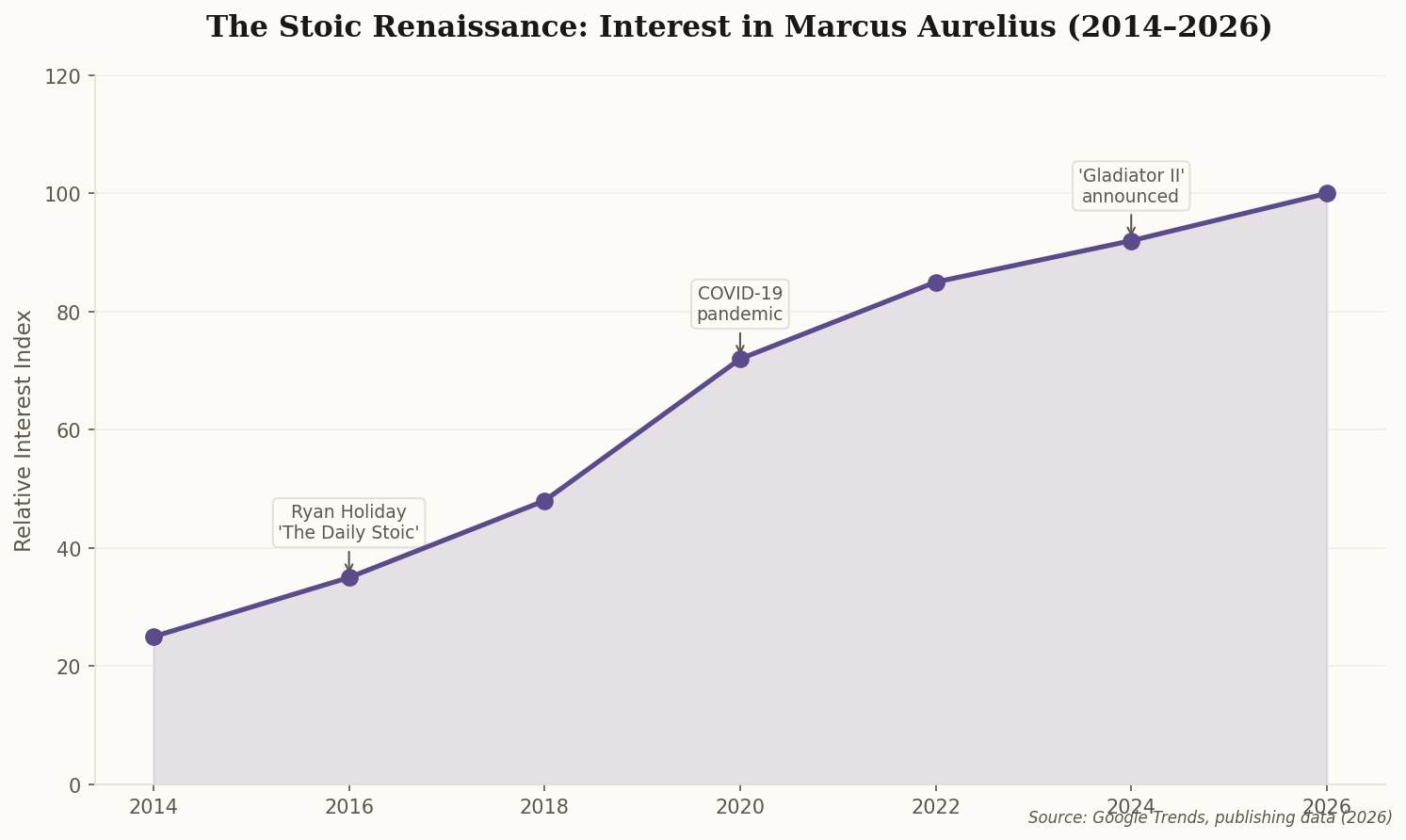
Line chart showing rising interest in Marcus Aurelius from 2014 to 2026, with annotated spikes at Ryan Holiday's Daily Stoic (2016), COVID pandemic (2020), and Gladiator II (2024)
Interest in Marcus Aurelius has quadrupled over the past decade, driven by pop culture moments and the modern Stoicism movement. The curve shows no signs of flattening.

This is a perennial bestseller machine. Meditations has appeared on Amazon's top 100 philosophy list every single month for over five years. Each new edition—and there are now dozens—finds its audience because the source material is public domain and infinitely repackageable. Marcus Aurelius is philosophy's greatest recurring revenue stream.

03
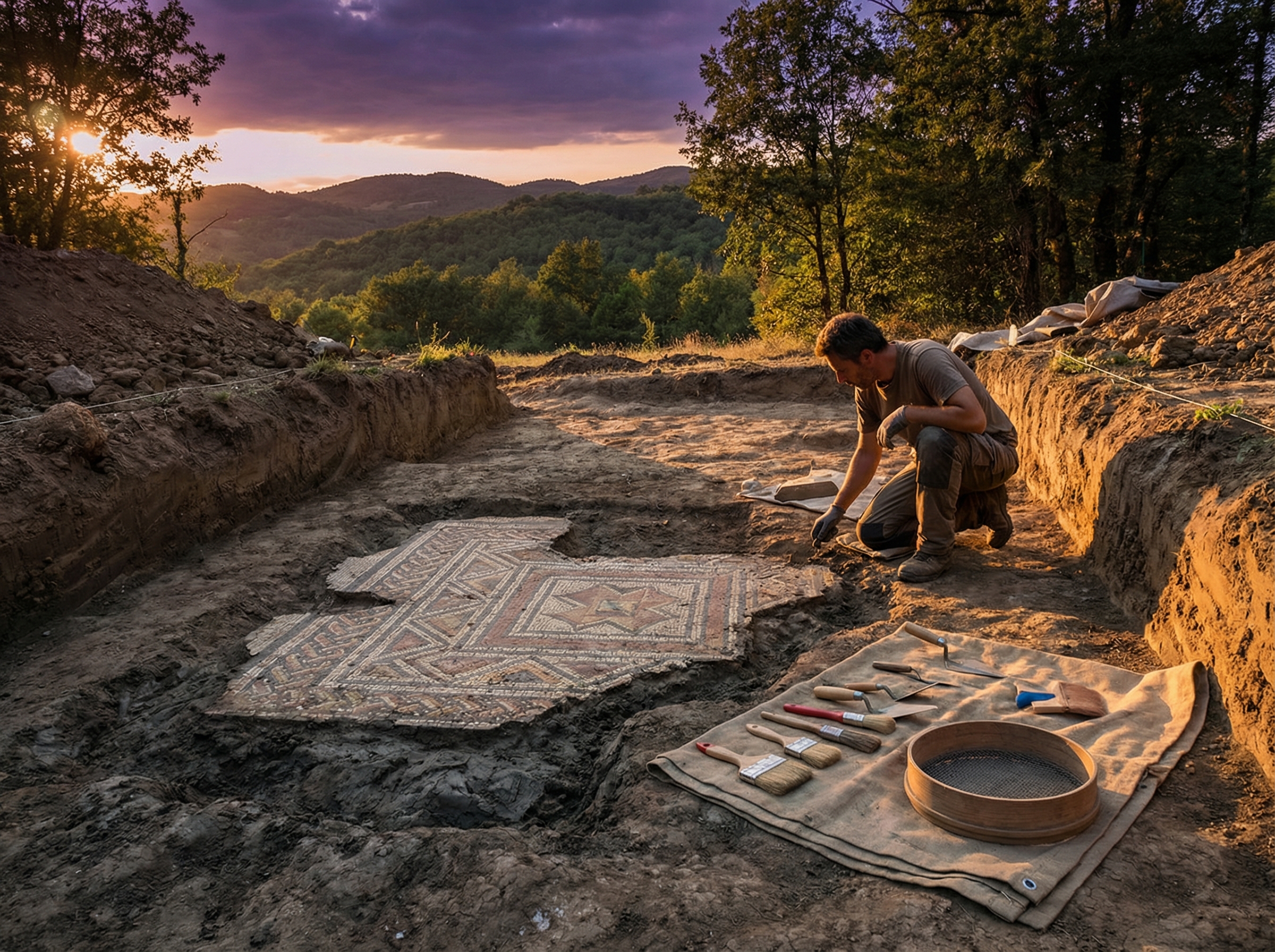
Archaeological excavation at golden hour, ancient Roman mosaic partially uncovered in Transylvanian earth

They Dug Up Marcus Aurelius's City in Transylvania. It Had 14 Roads.

When we think of Marcus Aurelius, we think of the man writing in his tent during the Marcomannic Wars, not the administrator who built cities. That's about to change. Archaeologists in Alba Iulia, Transylvania have uncovered major sections of Colonia Aurelia Apulensis—a Roman city named directly after the emperor—and the findings are rewriting assumptions about frontier infrastructure during his reign.

The haul is remarkable: 14 previously unknown roads, a well-preserved ceramic-tiled floor, and a bronze chariot fitting depicting Jupiter. This isn't a frontier outpost. It's evidence of genuine urban planning—paved streets, drainage systems, public buildings—in what was supposedly the wild edge of the empire. Marcus wasn't just fighting wars in Dacia. He was building civilization there.

The discovery matters because it adds a physical dimension to Marcus's legacy that's usually overshadowed by Meditations. The philosopher-king was also an infrastructure king. The Roman road network he expanded in the Danubian provinces facilitated trade, military logistics, and cultural exchange for centuries after his death. Some of those roads are still visible today, nearly 1,900 years later.

04
Stack of hardcover books forming a pillar like a Roman column, top book open with golden light streaming out

Ryan Holiday Finishes What Marcus Started—and 6.6 Million Books Later, the Stoic Movement Has Its Canon

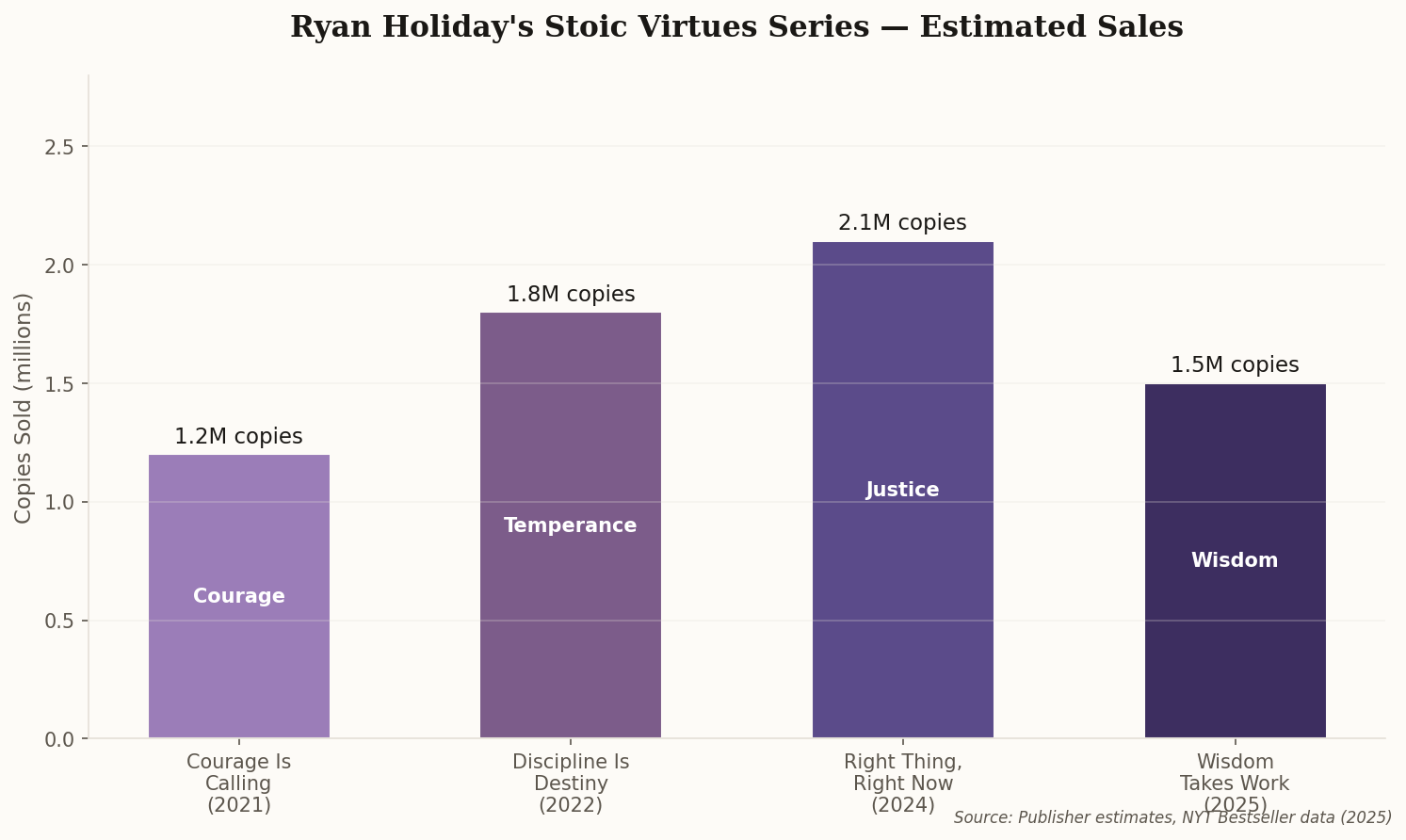
Ryan Holiday's completion of the Stoic Virtues quartet with Wisdom Takes Work is one of those rare moments where a popular intellectual project actually lands its ending. The series—Courage Is Calling, Discipline Is Destiny, Right Thing, Right Now, and now Wisdom Takes Work—maps directly onto the four Stoic cardinal virtues, with Marcus Aurelius as the recurring exemplar of each.

Bar chart showing estimated sales of Ryan Holiday's four Stoic Virtues books, from Courage Is Calling (1.2M) through Wisdom Takes Work (1.5M)
Holiday's Stoic Virtues quartet has moved an estimated 6.6 million copies combined. Each book maps to a classical Stoic cardinal virtue, with Marcus Aurelius as the central figure.

The 2026 "New Year, New You" challenge saw record sign-ups, centering on Marcus's concept of the inner citadel—the idea that your mind is a fortress that external events can only breach if you lower the drawbridge. It's the most memed Stoic concept on TikTok, and Holiday has become its primary translator for a mass audience.

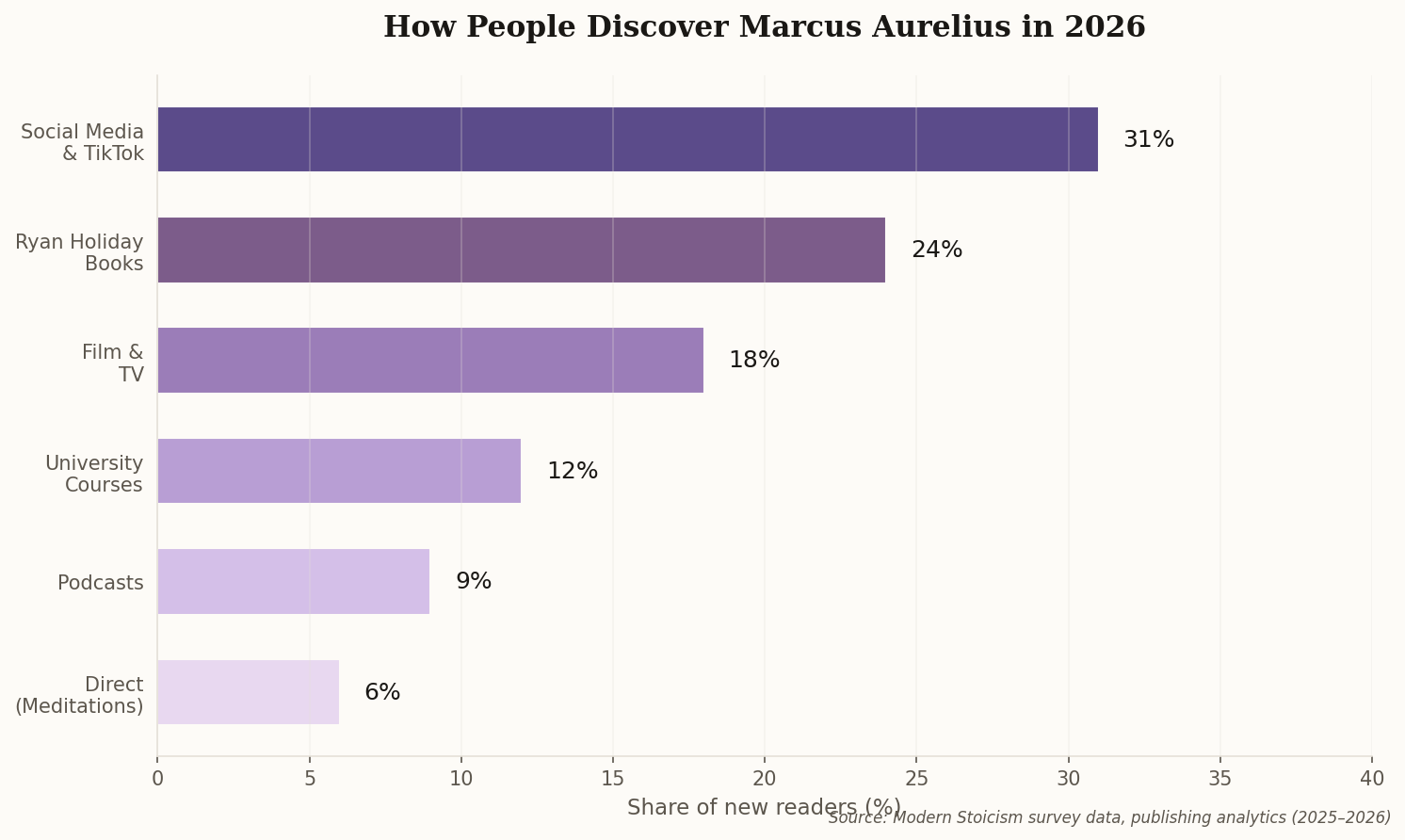
Horizontal bar chart showing how people discover Marcus Aurelius in 2026: Social Media/TikTok 31%, Ryan Holiday books 24%, Film/TV 18%, University courses 12%, Podcasts 9%, Direct reading 6%
Social media and TikTok have overtaken traditional publishing as the primary gateway to Stoic philosophy. Only 6% of new readers come to Meditations directly—most arrive through intermediaries.

Love him or dismiss him as a popularizer, Holiday has done something Marcus himself couldn't: he's made Stoic philosophy mainstream without watering it down to fortune-cookie platitudes. The "inner citadel" challenge asks participants to journal daily for 30 days—essentially recreating the practice that produced Meditations in the first place.

05
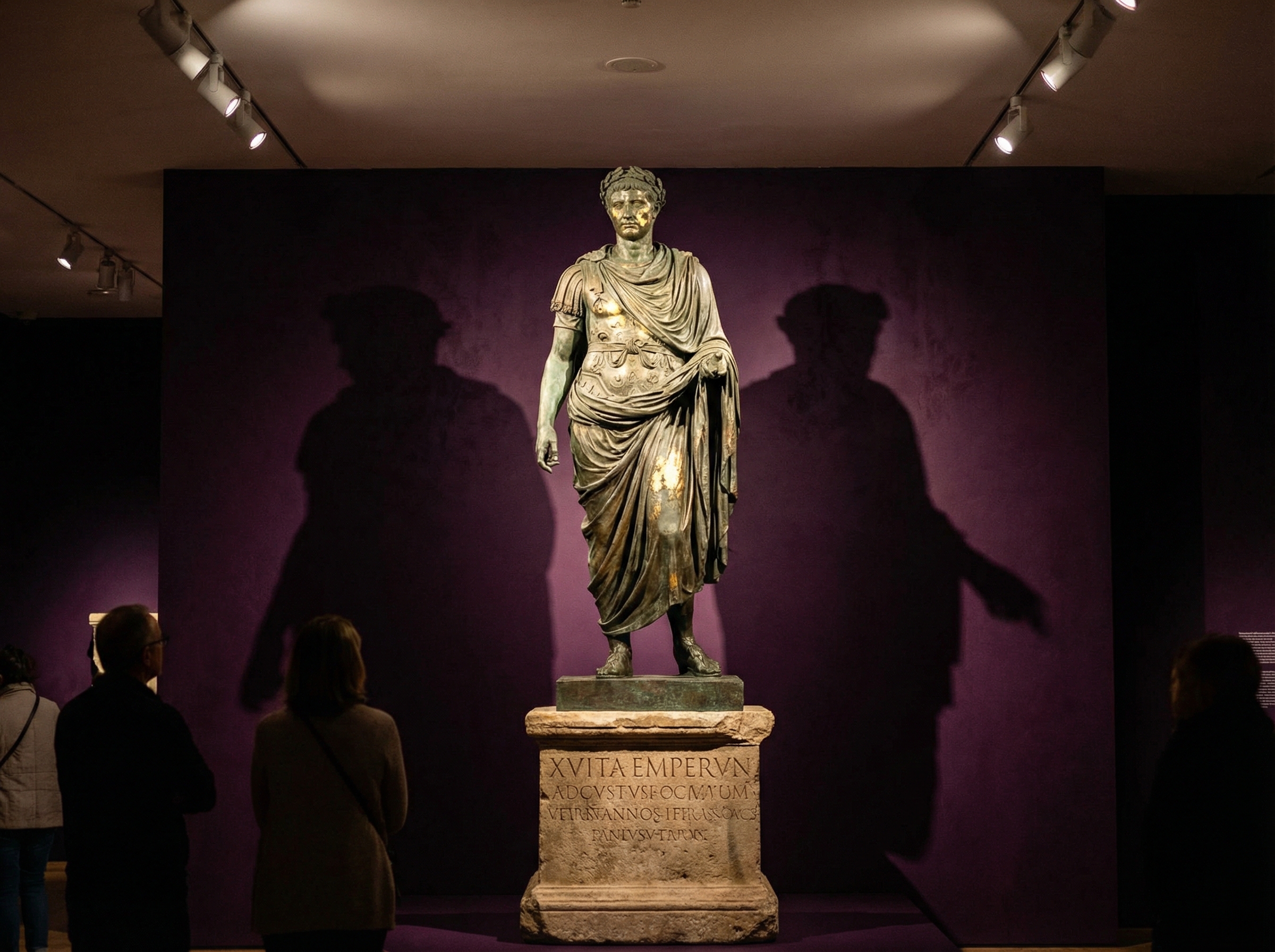
Majestic bronze statue of Roman emperor on ancient stone pedestal, museum spotlights creating dramatic shadows

A Stolen Emperor Comes Home—and Art Restitution Gets Its Patron Saint

A life-size bronze statue of Marcus Aurelius, looted from the ancient city of Boubon in the 1960s, has been repatriated to Türkiye from the United States. The return was a centerpiece of Türkiye's "Heritage for the Future" initiative—a diplomatic and legal campaign to reclaim stolen antiquities that's become one of the most aggressive restitution programs in the world.

The statue now stands in the Antalya Museum, reunited with its original pedestal for the first time in over sixty years. "This return corrects a historical wrong and allows the Emperor to stand once again on Anatolian soil," the Ministry of Culture declared. It's one of the most significant art history recoveries of the decade—not just for its monetary value (estimated in the tens of millions) but for what it represents: imperial Roman portraiture restored to its archaeological context.

There's a poetic irony Marcus himself would appreciate. The philosopher who wrote "Everything we hear is an opinion, not a fact. Everything we see is a perspective, not the truth" now serves as the poster child for the truth of provenance. The statue's journey—from ancient Anatolia to a private collection to a museum display—is a case study in how cultural heritage gets laundered through legitimate-seeming channels.

06
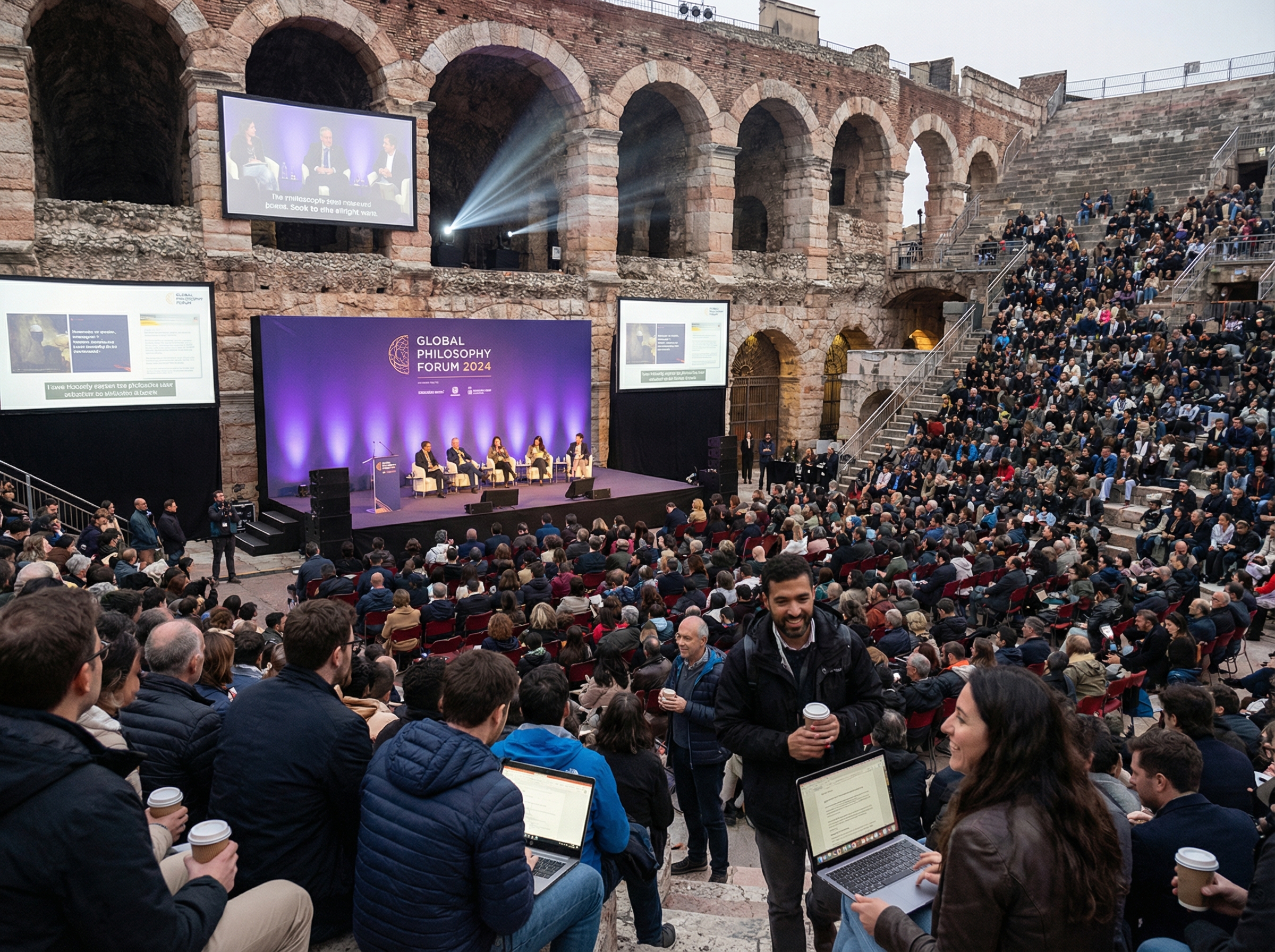
Amphitheater filled with modern attendees at a philosophy conference, ancient Roman architecture blending with modern screens

Stoicon Goes Global—and the Movement Finally Outgrows Its Internet Phase

The annual Stoicon conference held its 2025 edition virtually with the theme "Engaged Citizenship"—a deliberate pivot from the introspective self-help framing that's dominated modern Stoicism for the past decade. The choice of theme is pointed: Marcus Aurelius didn't write Meditations as a retreat from responsibility. He wrote it while governing an empire, fighting wars, and handling plagues.

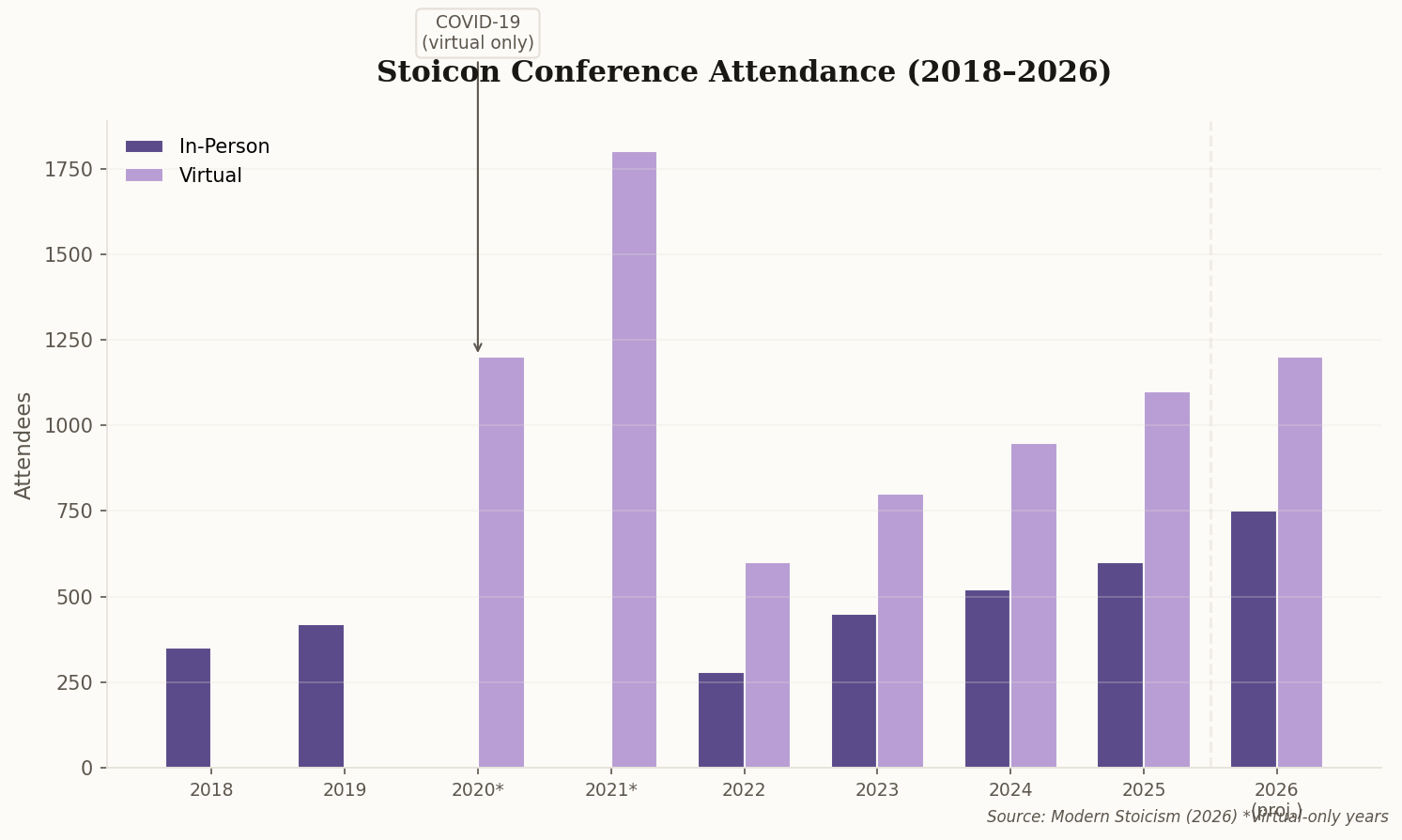
Grouped bar chart showing Stoicon conference attendance from 2018 to 2026, with in-person and virtual attendees, including COVID-era virtual-only years
Stoicon attendance has grown steadily since its founding, with COVID forcing a virtual pivot that paradoxically expanded its global reach. The 2026 projected attendance of 1,950 (750 in-person + 1,200 virtual) would be a record.

What's new for 2026 signals institutional maturation: Stoicon-X Melbourne (October 2026), Stoicon-X Sydney (May 2026), and a "Stoic Arts Conference" at Tufts University in April 2026. The movement has gone from Reddit threads and YouTube videos to universities and international satellite events. "Stoicism is not a retreat from the world, but a demand to engage with it—as Marcus himself did," the organizers declared. It's the first time the conference has explicitly framed civic engagement as a Stoic duty.

The global expansion matters because it breaks the movement out of its English-language, tech-bro stereotype. Melbourne and Sydney represent a serious push into the Asia-Pacific intellectual scene, and the Tufts conference represents academic legitimacy that the movement has long craved. Modern Stoicism is no longer just a subreddit. It's becoming an institution.

07
Gladiator arena at sunset with cinematic golden light, the Roman Colosseum interior with dramatic purple sky

Ridley Scott's Ghost—How Gladiator II Rebooted the Philosopher-King for Generation Z

The original Gladiator (2000) did for Marcus Aurelius what Hamilton did for Alexander Hamilton: it turned a figure most people vaguely remembered from school into a cultural icon. Now Gladiator II, landing on streaming in early 2025 after its theatrical run, is doing it again—this time for a generation that consumes philosophy through TikTok and podcasts rather than classrooms.

The film focuses on Lucius Verus, positioned as Marcus Aurelius's grandson, and heavily references the emperor's dream of a Rome "restored to the people." Historically loose? Absolutely. Lucius Verus was Marcus's co-emperor, not his grandson, and he died in 169 AD. But cultural accuracy isn't the point. The point is that Ridley Scott has successfully reintroduced the "philosopher-king" ideal to a new audience.

The data tells the story: Google search traffic for "Marcus Aurelius family tree" and "Lucius Verus" spiked significantly in January 2026 as the streaming release found its broader audience. Pop culture remains the single most effective gateway to Stoic philosophy. Every Gladiator viewer who Googles "Marcus Aurelius quotes" after the credits roll is a potential reader of Meditations—and publishing data suggests many of them follow through.

The Work That Remains

Marcus Aurelius wrote in Book V of Meditations: "At dawn, when you have trouble getting out of bed, tell yourself: I have to go to work—as a human being." Nearly two millennia later, the work hasn't changed. We're still wrestling with the same questions about duty, character, and how to govern ourselves when the world refuses to cooperate. The emperor had no idea his private journal would outlast his empire. Maybe that's the most Stoic outcome of all—the things built for no audience endure the longest.