E-Readers & Digital Reading

The Page Turns Itself

E-readers are splitting into three species: the pure reader, the hybrid notebook, and the Android tablet in sheep's clothing. This week's news tells you which ones are winning—and which ones are breaking.

Listen
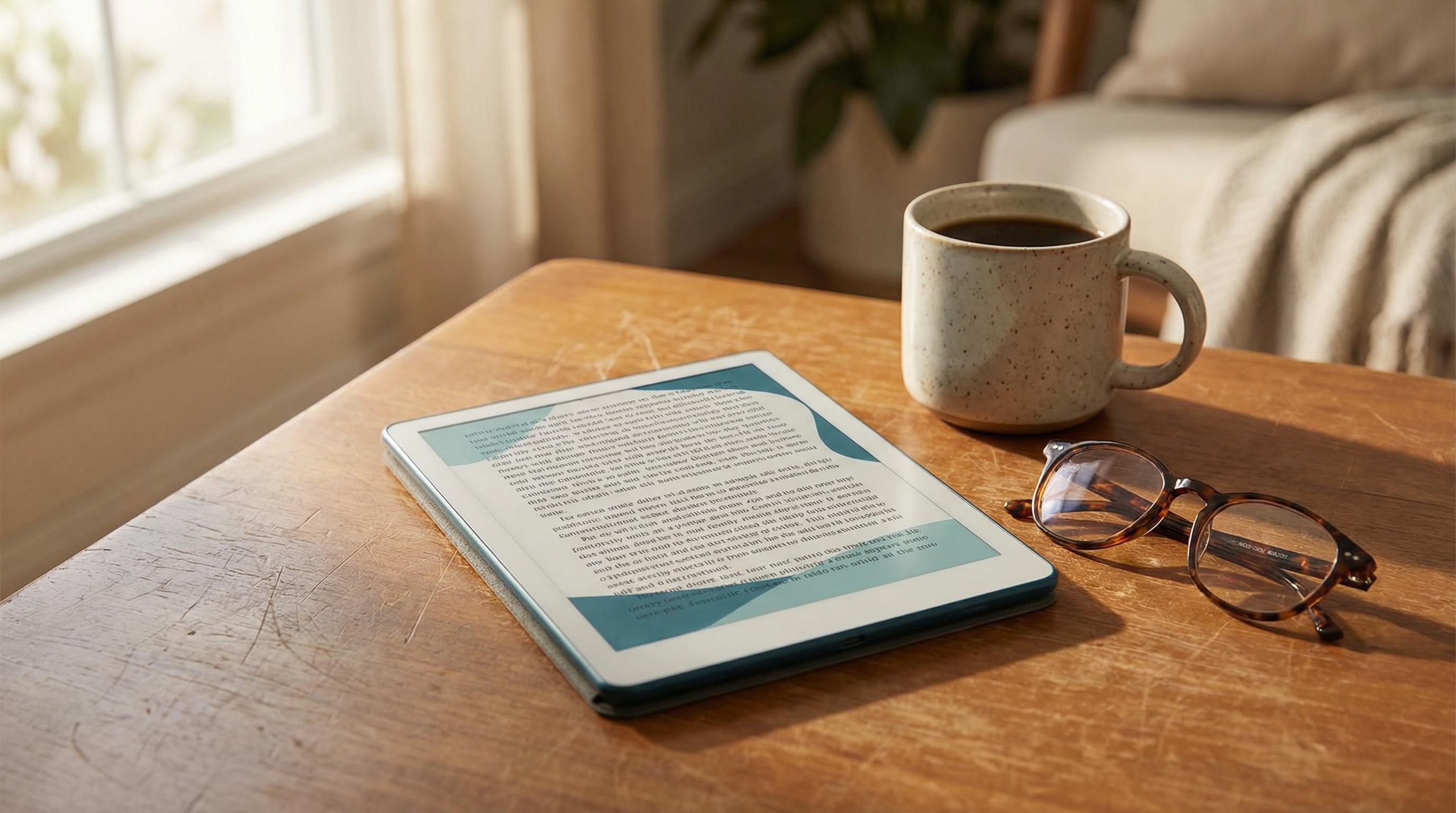
A next-generation e-ink reader on a wooden desk with warm morning light, representing the evolving future of digital reading
01

The Anti-Smartphone Has a Dial
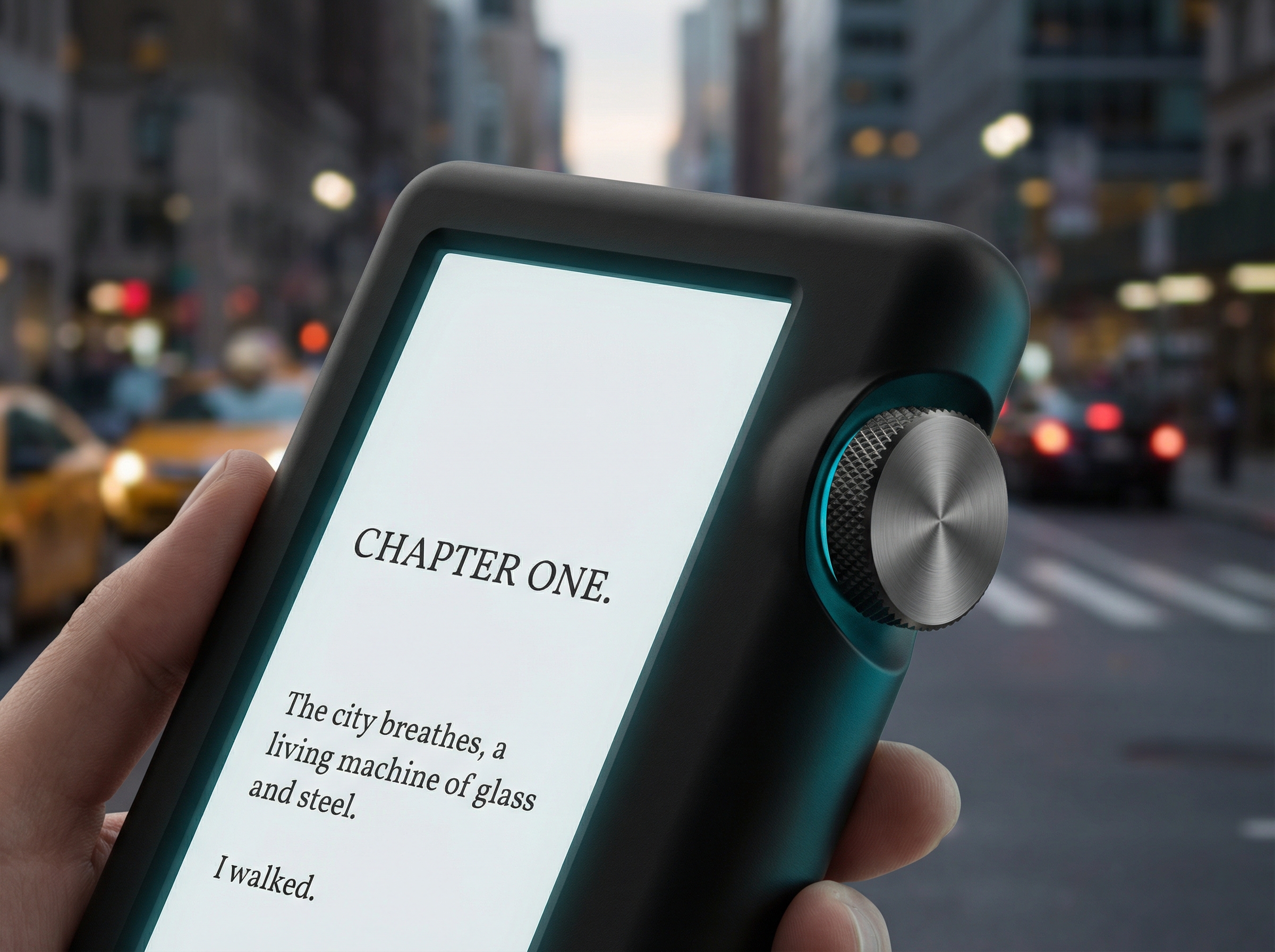
A pocket-sized e-ink device with a metallic dial for navigation, representing the DuRoBo Krono focus device

Here's a question nobody at Apple or Samsung is asking: what if the future of mobile devices is less screen, not more? DuRoBo's Krono thinks so. The 6.1-inch "ePaper Focus Hub" just hit US and European markets after turning heads at CES, and its most distinctive feature isn't the e-ink display—it's the physical smart dial bolted onto the side.

You navigate with a twist of the wrist instead of doom-scrolling with a finger. It runs open Android with 128GB of storage (four times the Kindle Paperwhite's standard), a built-in speaker, and voice notes. At roughly $200, it occupies an intentional gap between "dumbphone for digital detox" and "smartphone for everything." The Krono doesn't want to replace your iPhone. It wants to be the device you reach for when you deliberately don't want your iPhone.

The digital wellness market has been promising this for years, but the previous attempts—Light Phone, various e-ink phones—always felt like hair shirts. The Krono's bet is that a physical dial plus an open app ecosystem makes restraint feel like a luxury, not a punishment. Whether that's a $200 insight or a $200 novelty remains to be seen.
02

Boox's Flagship Goes Ghost

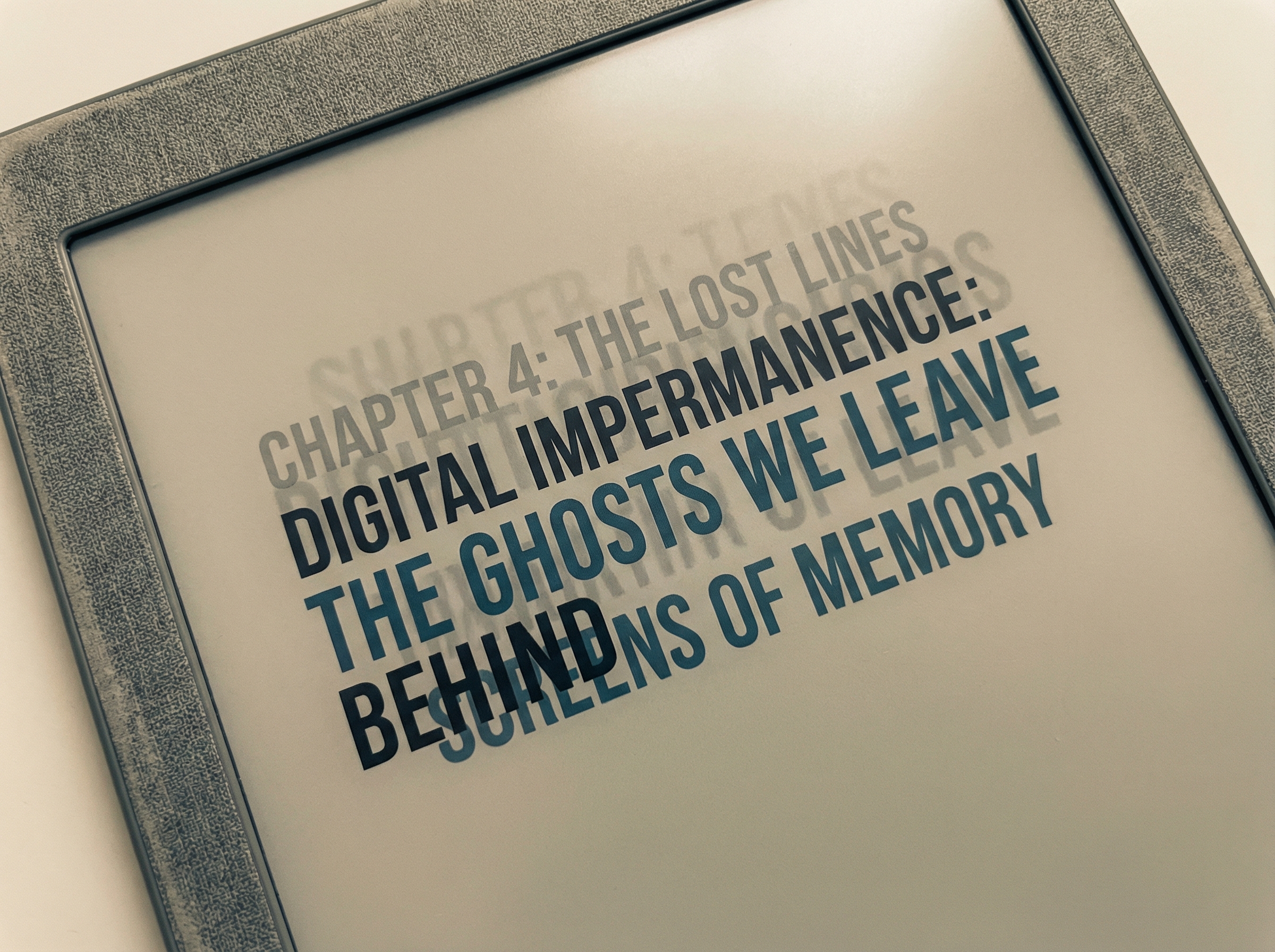
An e-ink screen displaying ghosted afterimages of previous text, illustrating the ghosting problem on the Boox Note Max

If you've been eyeing the Onyx Boox Note Max as the do-everything e-ink tablet, put the credit card away. Multiple reports this week confirm the device is quietly being pulled from shelves, and the reason is brutally simple: the screen ghosts so badly that users call it "unbearable."

The irony is rich. Boox has been the brand that power users trust to push e-ink technology the hardest—open Android, Google Play Store, aggressive refresh rates. But the Note Max's BSR (Boox Super Refresh) FPGA, the custom chip meant to deliver near-tablet responsiveness, appears to have a hardware limitation that no firmware update can fix. PDFs turn into palimpsests. Web browsing leaves spectral traces of every page you've visited. It's the kind of flaw that reminds you e-ink is still fundamentally a compromise technology, no matter how good the marketing gets.

For Boox, this is more than a product recall—it's a reputation dent at the worst possible time, right as competitors like Bigme and the revitalized reMarkable lineup are eating into the "premium Android e-ink" niche they essentially created.

Bar chart comparing e-reader market share between 2024 and 2026, showing Amazon's dominance declining while smaller brands grow
Amazon still dominates, but the "Others" category—Bigme, DuRoBo, Supernote—has grown from 7% to 10% in two years. Boox's stumble opens the door wider.
03

Bigme Wants Your Laptop's Job

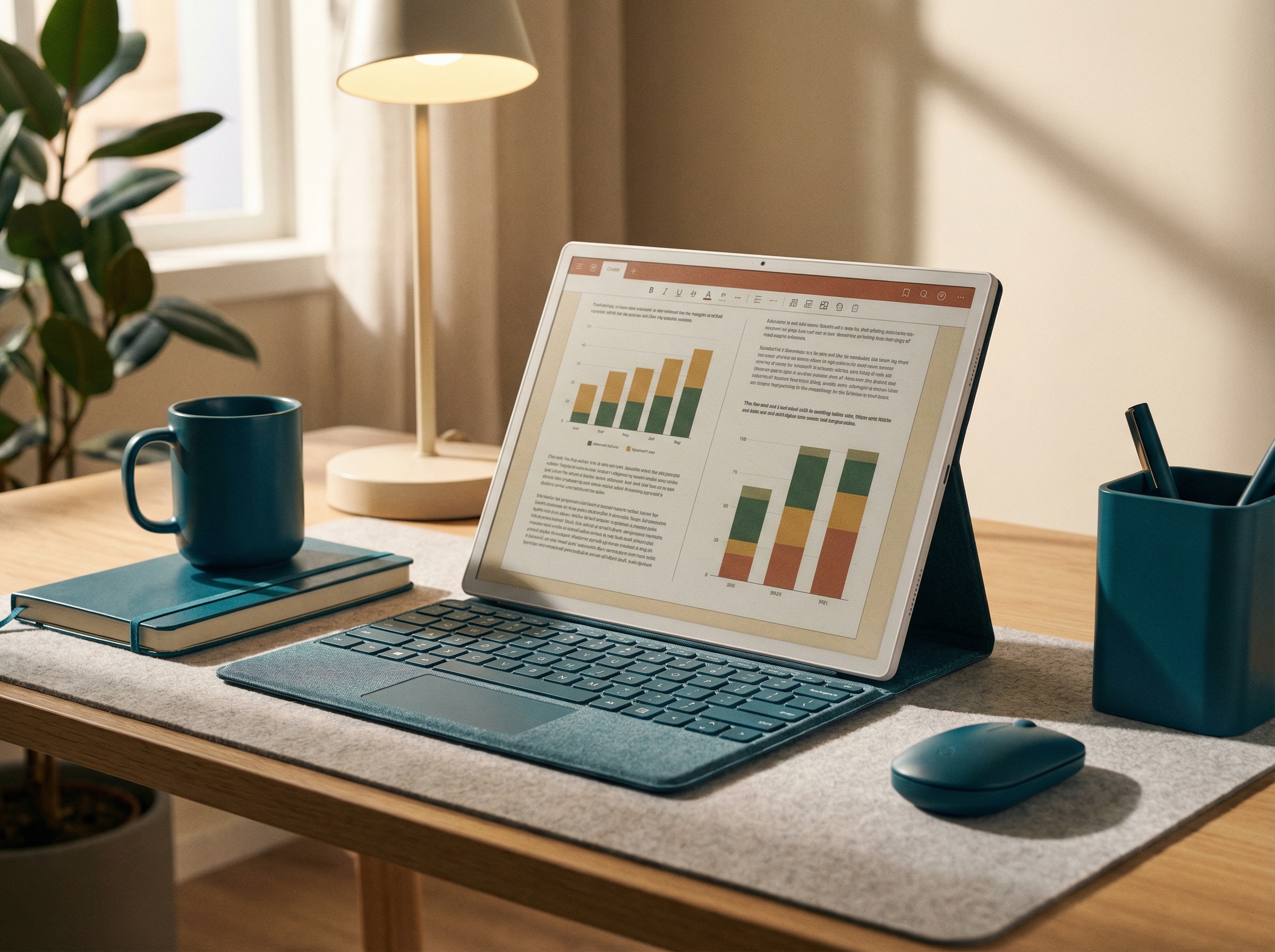
A large color e-ink tablet with a keyboard cover, positioned as a laptop replacement on a modern desk

Bigme's B10 is the most audacious e-ink device spec sheet you'll read this month: 10.3-inch color e-ink display, octa-core 2.6 GHz processor, 8GB RAM, 256GB storage, 4G connectivity, Android 14. Add the optional keyboard cover and Bigme is flatly telling you this can replace your laptop for "light tasks."

Let's be honest about what "light tasks" means when your display refreshes at maybe 15 frames per second on a good day: email, document editing, long-form reading, annotation, and note-taking. That's it. And for a very specific kind of knowledge worker—academics, editors, writers, lawyers reviewing briefs—that might genuinely be enough. The pitch isn't performance. The pitch is that after eight hours of staring at this screen, your eyes won't feel like they've been sandblasted.

At $450, the B10 sits squarely in iPad Mini territory, which makes this a direct bet that eye comfort and distraction-free computing are worth trading animation smoothness and color accuracy. Pre-orders opened this week with shipments expected mid-February. The market will answer the question Bigme is really asking: is "good enough computing on a great display" a category, or a curiosity?

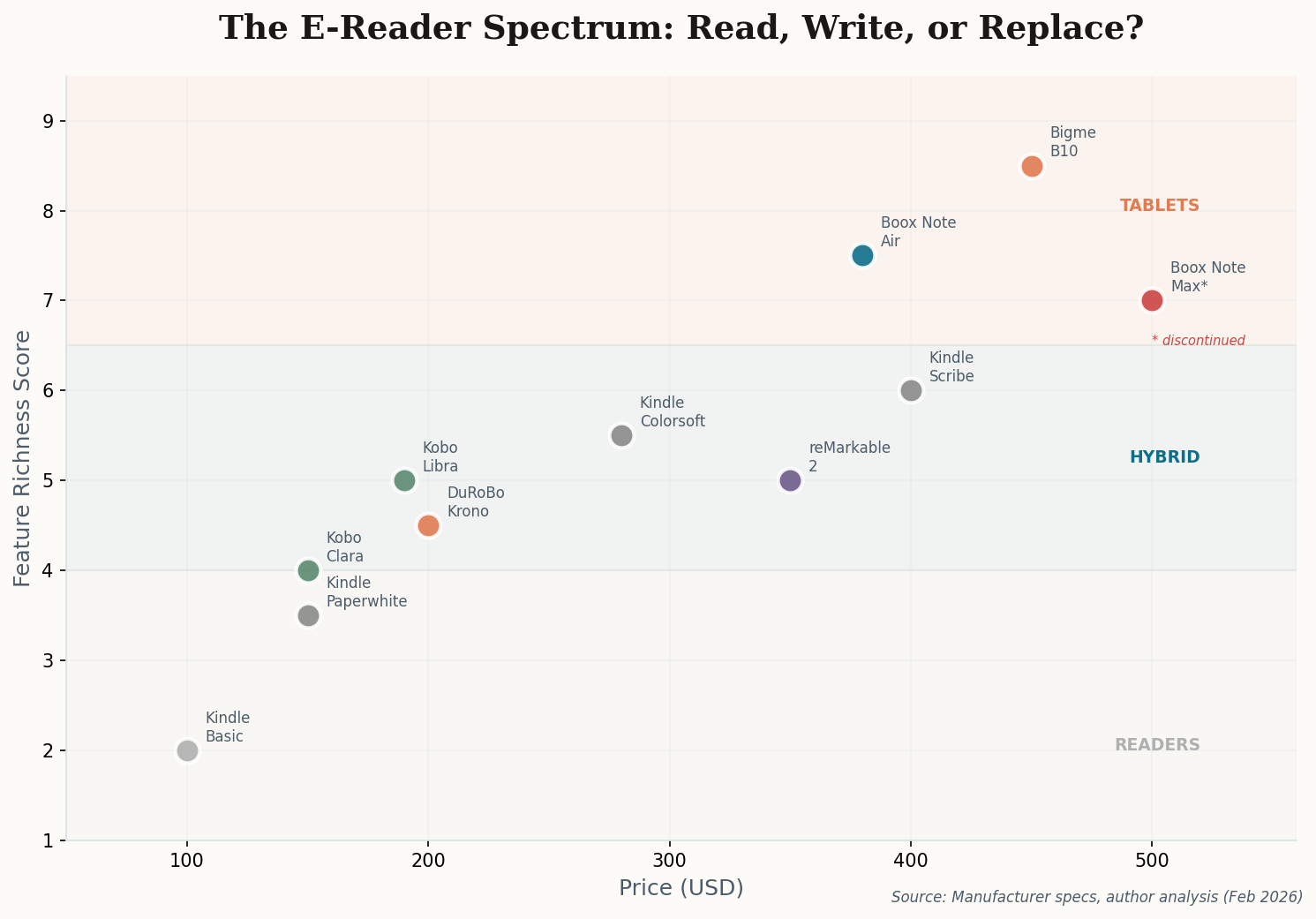
Scatter plot showing e-reader devices positioned by price vs feature richness, revealing three distinct clusters: readers, hybrids, and tablets
The e-reader market is splitting into three tiers. The Bigme B10 anchors the top-right: maximum features, maximum price. The discontinued Boox Note Max leaves a gap in the upper-middle.
04

Kindle Finally Remembers Night Exists

A Kindle e-reader glowing softly in a dark bedroom, displaying white text on a black screen

Amazon confirmed this week that the Kindle Scribe Colorsoft will receive a system-wide dark mode update in early 2026. To which the natural response is: wait, the $400 color e-reader with a stylus doesn't already have system-wide dark mode?

No. It has dark mode for reading books. But the library screen, the settings menu, the home screen—all blast you with bright white UI the moment you stop reading. If you've ever used a Colorsoft at 2 AM to find your next book and had your retinas screamed at by the home screen, you understand why this was the number-one feature request.

This matters beyond the immediate UX fix. Amazon is signaling that the Colorsoft is getting sustained software investment, not the "ship it and forget it" treatment that plagued earlier Kindle hardware like the Oasis. For a device at this price point, software polish isn't a nice-to-have—it's the difference between "premium product" and "expensive experiment." The competition from Kobo's Colour line, which launched with dark mode, makes this overdue rather than impressive.

05

Samsung Goes Big on Paper That Uses No Power

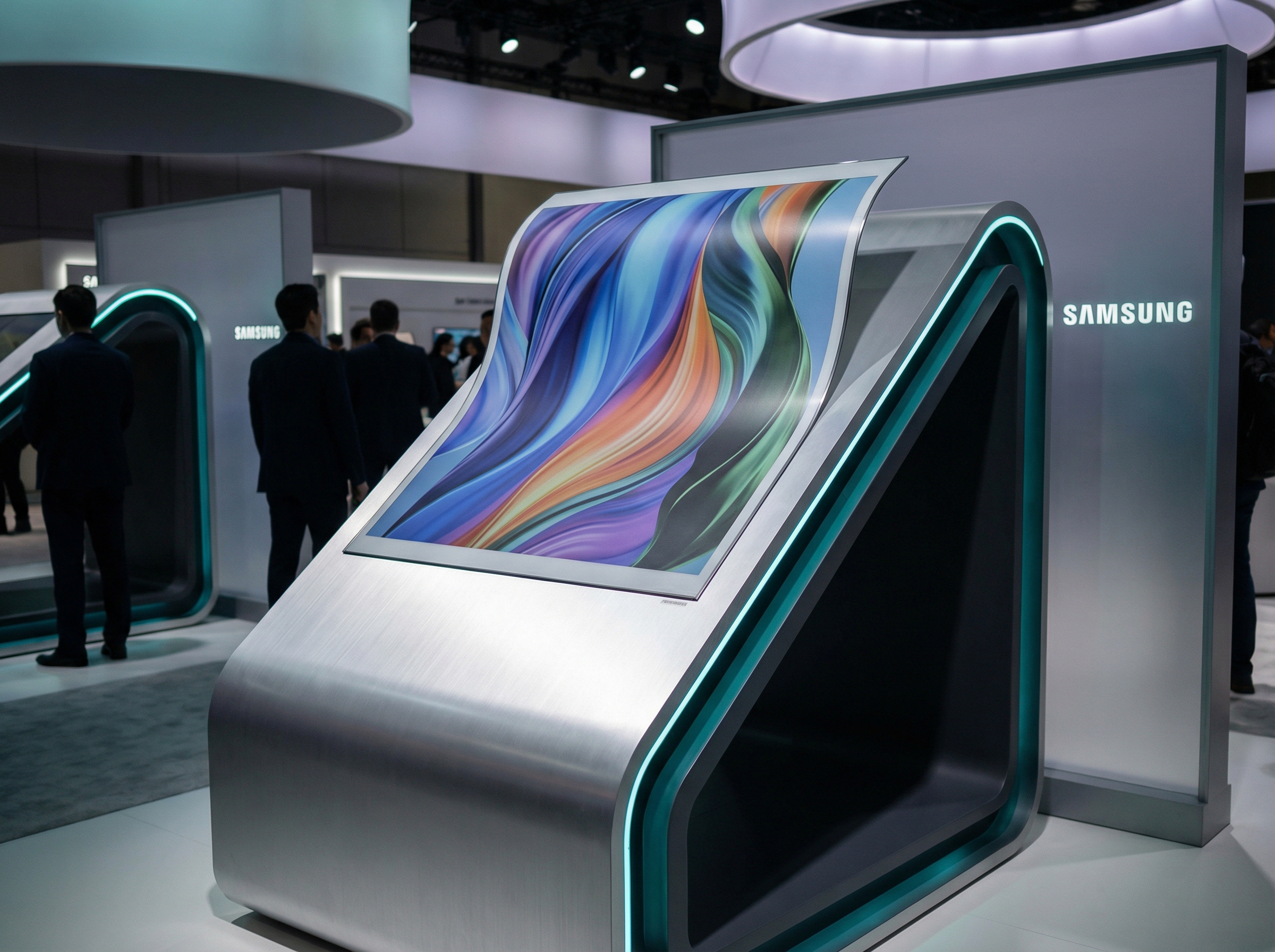
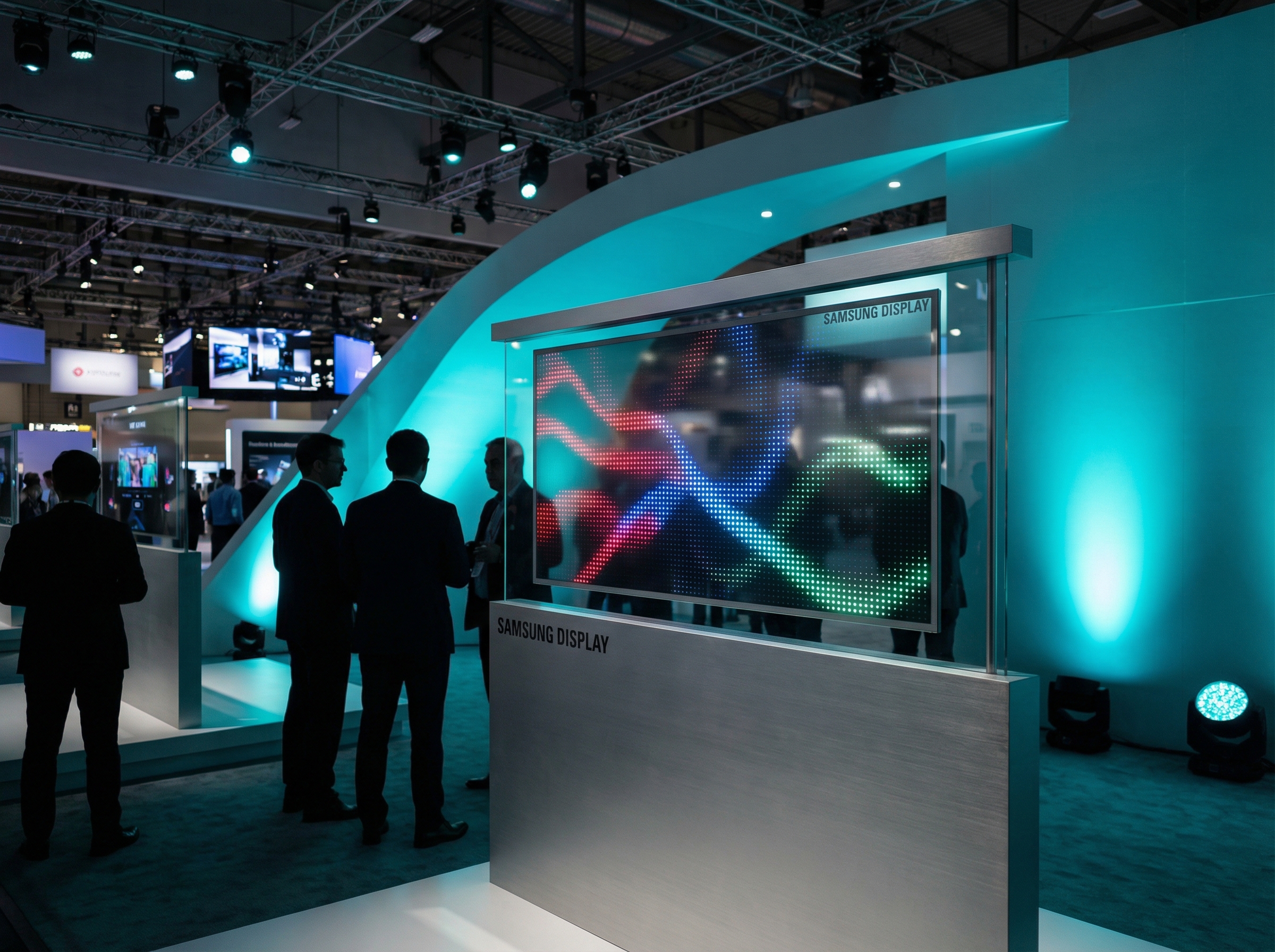
A large 20-inch e-paper display on a trade show stand, showcasing Samsung's Spectra 6 technology at ISE 2026

Samsung showed up to ISE 2026 in Barcelona with a 20-inch color e-paper display, and the spec that stopped people in their tracks wasn't the size or the color. It was the power consumption: zero watts when displaying a static image. Not low power. Zero. The screen draws electricity only when the image changes.

The display uses E Ink's Spectra 6 technology, the same platform that's trickling down into consumer e-readers, but at a scale that makes you rethink what e-paper is for. Samsung is targeting digital signage, retail displays, and indoor wayfinding first—applications where a screen needs to show information, not entertain.

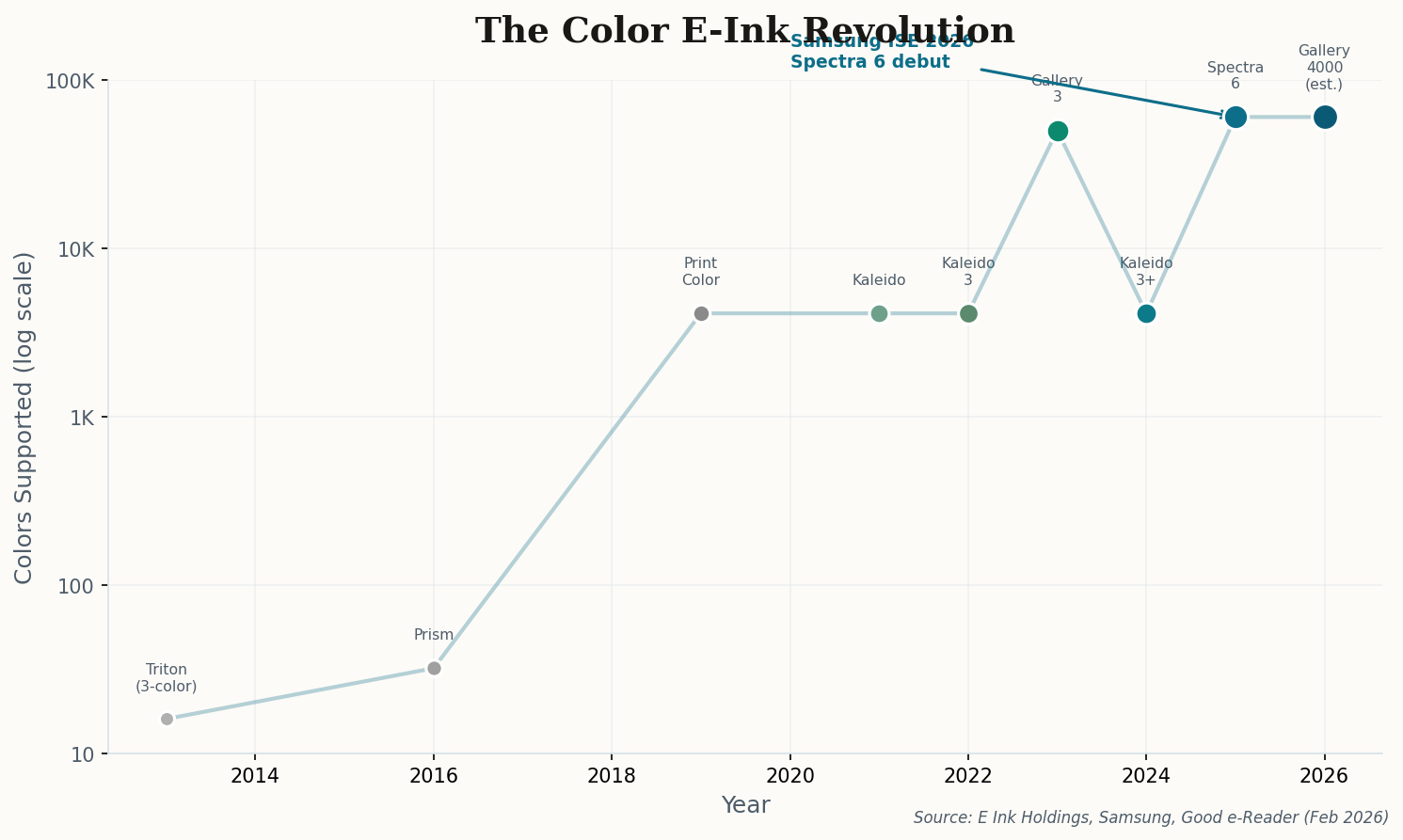
Timeline chart showing the exponential growth of color support in e-ink technology from 16 colors in 2013 to 60,000+ colors in 2025-2026
Color e-ink went from 16 colors to 60,000+ in a decade. The Samsung ISE debut confirms Spectra 6 is production-ready at scale.

But here's the consumer implication: Samsung doesn't demo technology it doesn't plan to productize. A 20-inch zero-power color display is a digital picture frame, a kitchen dashboard, a wall-mounted reading surface. The fact that Samsung—not a niche e-ink company, but Samsung—is investing at this scale tells you exactly where big tech thinks ambient displays are going. The e-reader as we know it might be the smallest version of a much bigger idea.

06

Instapaper Puts a Toll Booth on Your Reading List

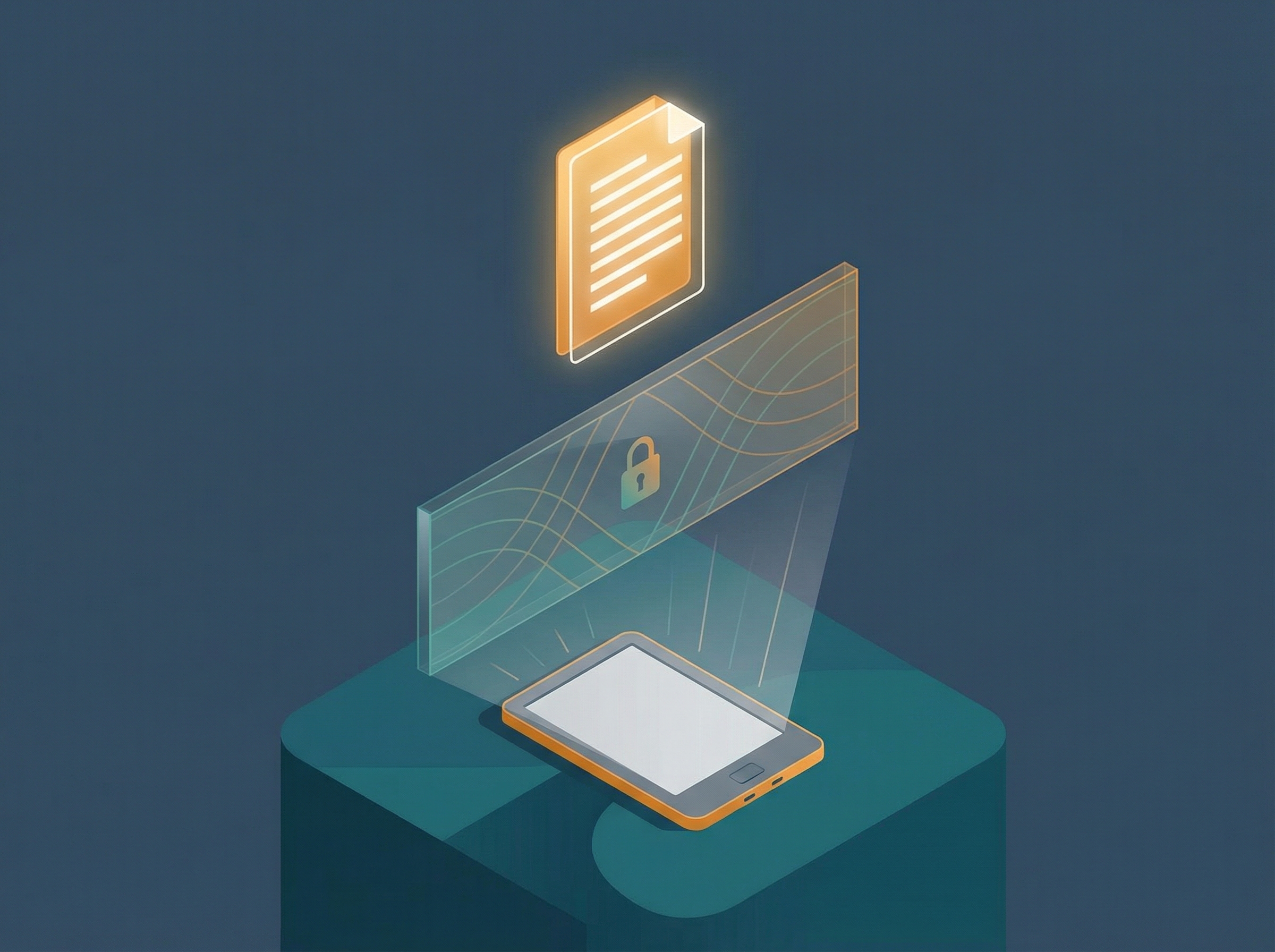
A conceptual illustration of a digital article behind a translucent paywall barrier, with a Kindle device below

Instapaper dropped news this week that every Kindle power user saw coming but nobody wanted: "Send to Kindle" goes behind a $6/month paywall on February 19. The free tier keeps Instapaper-to-Kobo integration intact (different API, lower server costs), which creates the amusing situation where the cheaper e-reader gets the better free software support.

The economics aren't hard to understand. Amazon's Send-to-Kindle infrastructure requires Instapaper to format, process, and email every article through Amazon's pipeline. That's real server cost per article, at scale, for a feature that free users consume most aggressively. Instapaper's position is defensible.

But the strategic effect is what matters. Every friction point in the Kindle ecosystem pushes power users—the exact readers who curate 20+ articles per week—toward open Android e-readers like Boox or Bigme, where you just install the Instapaper app directly. No email pipeline, no paywall, no middleman. This is the slow unbundling of Amazon's reading moat: not by a competitor beating Kindle, but by the ecosystem around Kindle charging rent for workflows Amazon should have built natively.

The takeaway: If you're a heavy "read it later" user on Kindle, the math on switching to an open Android e-reader just got $72/year more compelling. And if you're Amazon, the fact that third parties control your power users' workflow should keep you up at night.

The Quiet Fracture

This week's stories share a common thread: the e-reader is no longer a single product category. It's fracturing into dedicated reading devices, productivity tablets, focus tools, and ambient displays—each serving a different answer to the same question: what do you want a screen to do when it's not trying to steal your attention? The companies that understand this aren't building better Kindles. They're building alternatives to everything else.