
If You Can't Factor It, You Shouldn't Be Here
The "Calculus Reform" movement of the 1990s aimed to make calculus friendlier: more graphing calculators, more applications, fewer proofs. To Serge Lang, this was educational malpractice dressed in progressive clothing.
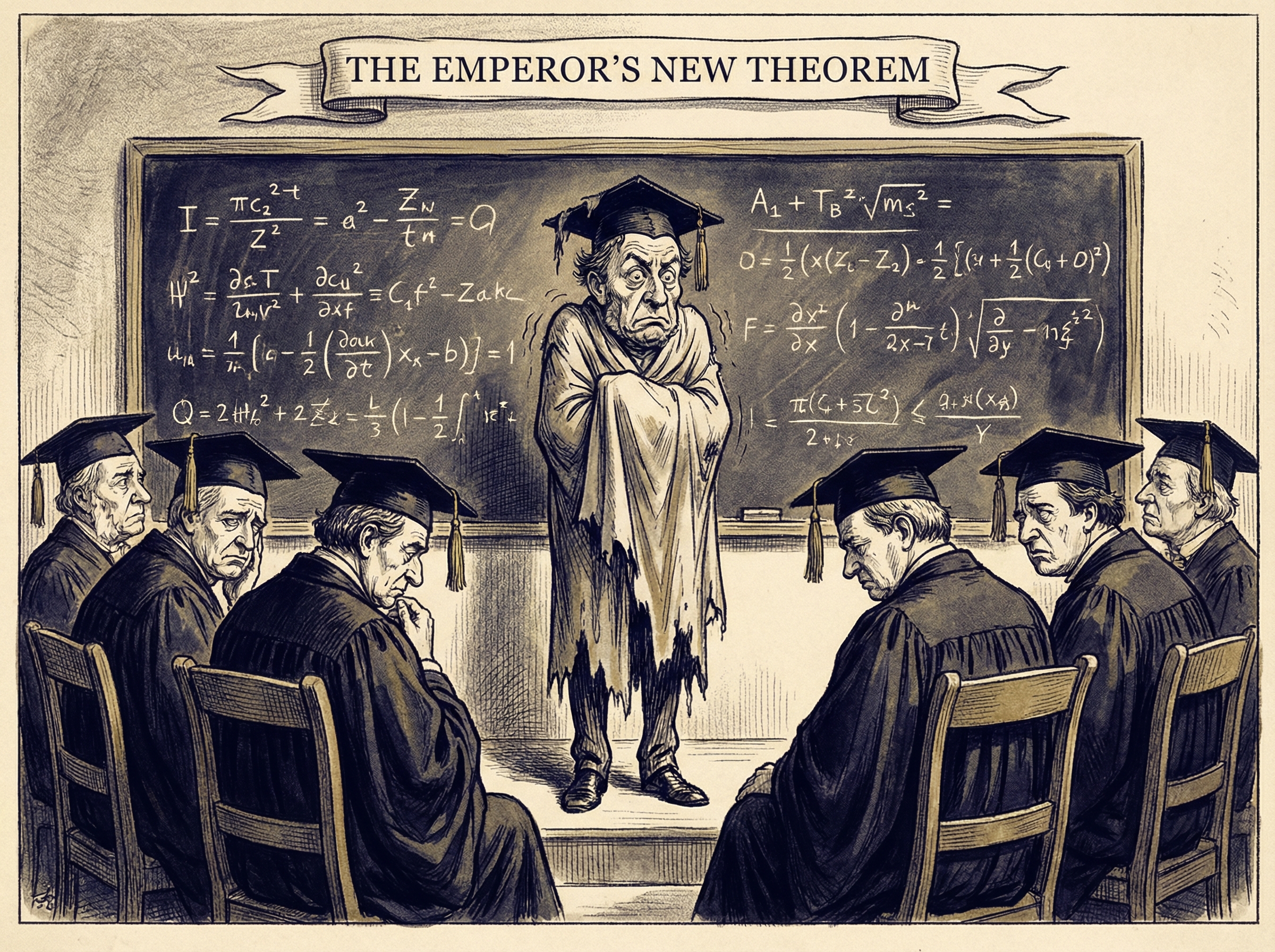
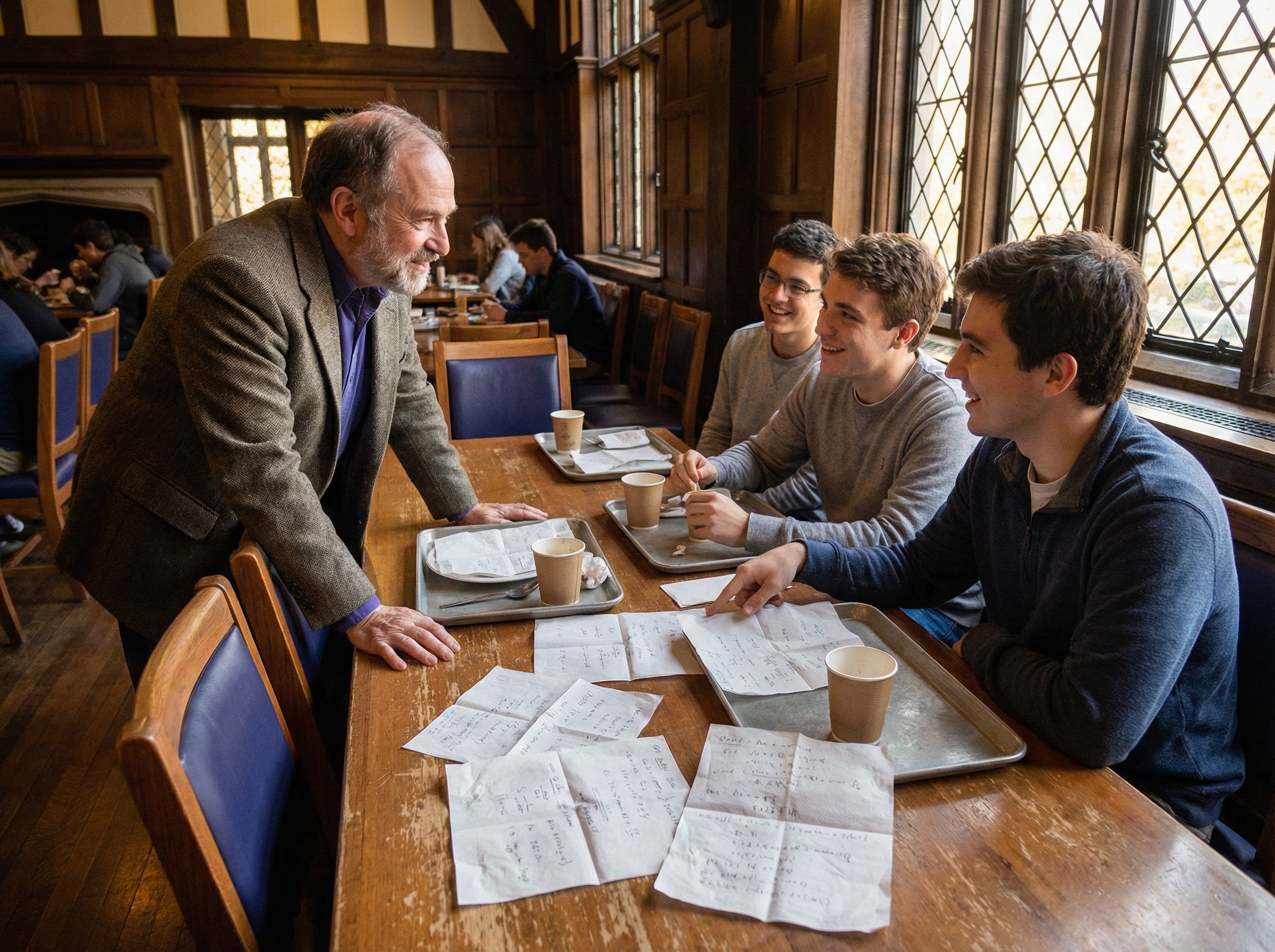
Lang didn't just oppose reform from his office. He did something characteristically theatrical: on the first day of his Yale calculus classes, he administered a high school algebra test. Not a diagnostic. A gauntlet. If you couldn't factor x² − y² or simplify a rational expression, he would tell you to your face: "You shouldn't be here." Then he'd explain why he was doing you a favor.
His argument was deceptively simple. What reform advocates called "accessibility" was really just avoidance. Students needed what he called "algebraic reflexes"—fluency so deep it became instinct—before they could meaningfully engage with the limit concept. Giving a calculator to someone who can't factor is like handing a thesaurus to someone who can't spell: the tool amplifies the problem instead of solving it.
He represented the traditionalist guard in what became the math education "wars," and his position hasn't aged badly. Decades later, math educators still debate whether the reform movement's emphasis on application came at the cost of structural understanding. Lang didn't live to see the debate resolved. He didn't expect it to be.