Communication & Design

The Death of the Deck

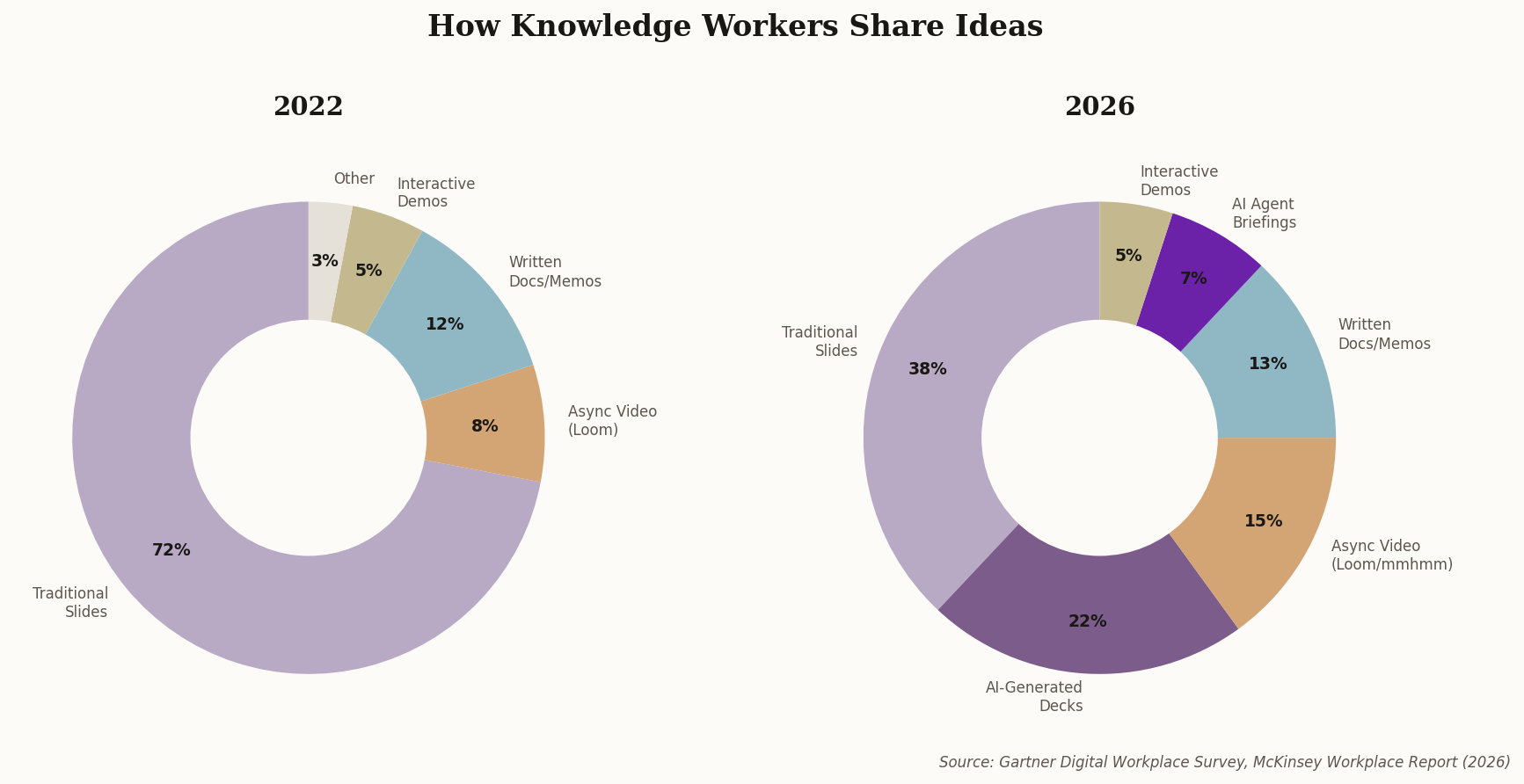
Seventy-two percent of knowledge workers used slide decks to share ideas in 2022. By 2026, that number has dropped to 38%. Six dispatches from the awkward funeral of the format that ruled business communication for forty years.

Listen
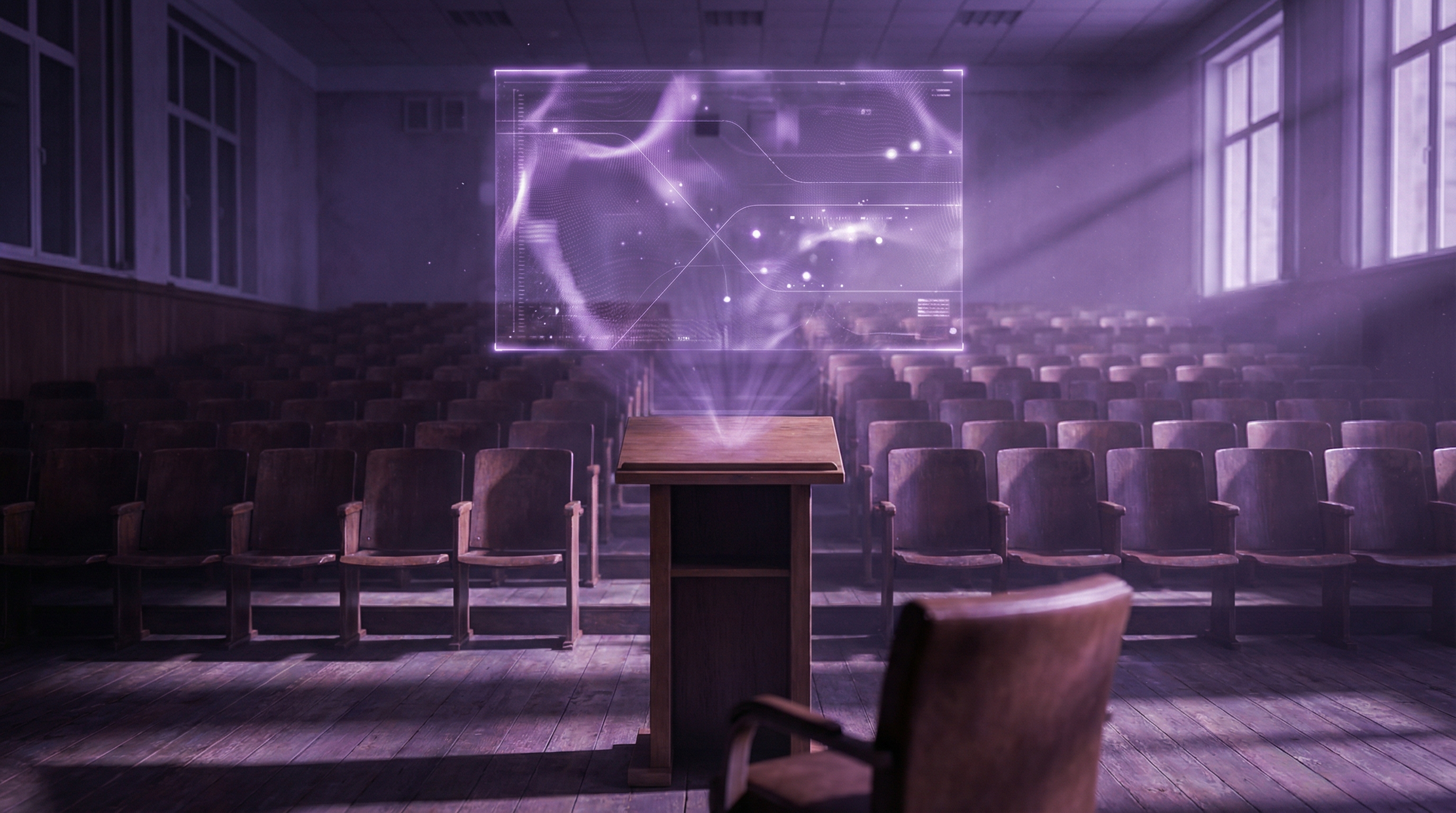
An empty lecture hall with a holographic presentation floating above the podium, violet light casting shadows across rows of empty seats
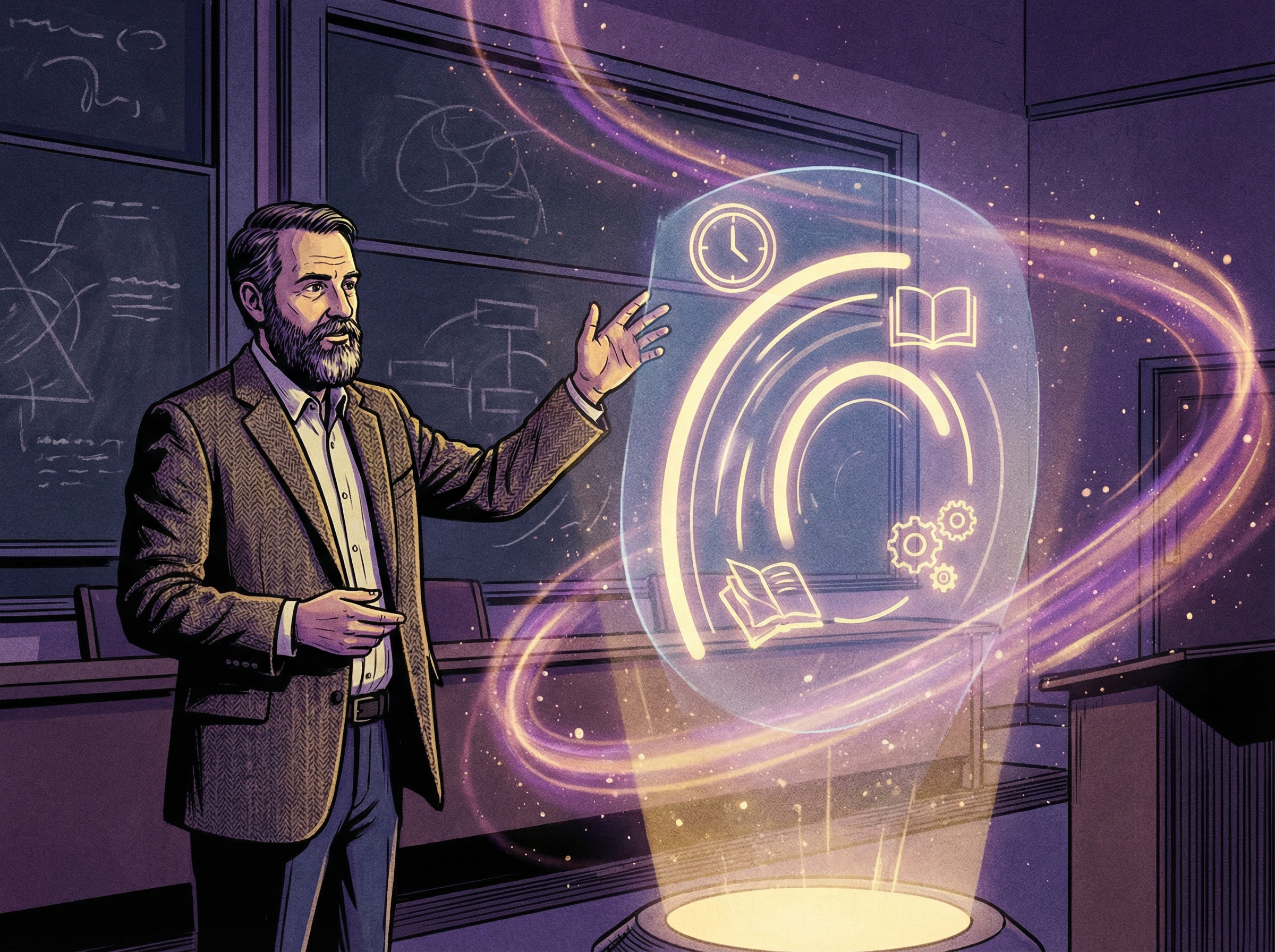
A professor at a chalkboard as AI transforms complex equations into elegant narrative diagrams
01

The Professor Who Stopped Fighting the Robot

Here's the part nobody wants to say out loud: most academic presentations are terrible. Not because the research is bad, but because brilliant people routinely confuse expertise with the ability to communicate it. De Montfort University Associate Professor Irina Gokh decided to do something about it.

Gokh's argument, published this week, cuts against both camps in the AI-in-education debate. She's neither a luddite nor an accelerationist. Her position is more surgical: AI is a cognitive aid for storytelling, not a replacement for thinking. "Used thoughtfully, AI tools make academic expertise more visible to our students by clarifying our storytelling," she writes. The key word is "clarifying." Not generating. Not replacing. Distilling.

What makes this interesting isn't the opinion itself—it's the timing. While Silicon Valley races to build AI that generates entire presentations from a prompt, here's a credentialed academic arguing that the real value is the opposite direction: AI should help humans tell their own stories better, not tell stories for them. It's the difference between a ghostwriter and an editor, and it might be the most important distinction in the entire presentation software market right now.
A human hand and an AI hand both reshaping a presentation slide in real-time with flowing violet energy
02

Microsoft Gives PowerPoint a Conversational Co-Pilot

PowerPoint's new "Agent Mode" might be the most significant update to the software in a decade—and it barely made headlines. Starting in January, Copilot can now hold an iterative conversation about your deck. Not just "generate a slide about Q4 revenue," but "make this slide less cluttered," "add a chart comparing these two columns," and "actually, go back to the previous version but keep the new color scheme."

This is a fundamentally different interaction model. Previous AI presentation tools treated generation as a one-shot event: prompt in, deck out, then you spend 45 minutes manually fixing everything the AI got wrong. Agent Mode makes the AI a persistent collaborator that remembers context and iterates with you. It's closer to pair programming than autocomplete.

Scatter plot showing presentation tools positioned by Creative Freedom vs AI Autonomy, with Gamma and Tome in the high-AI high-freedom quadrant
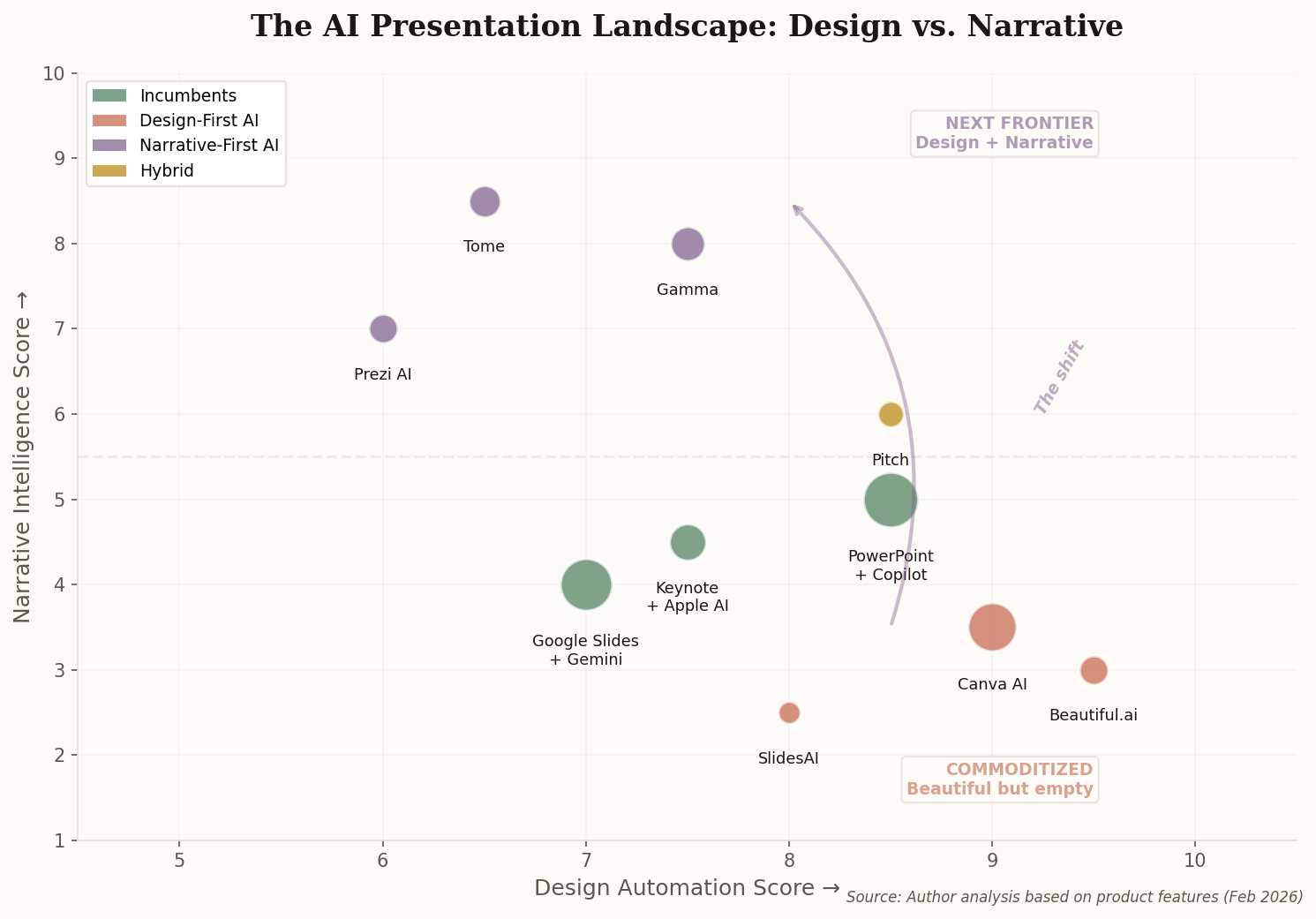
Where the major players sit in 2026: the market has split along two axes—how much creative control users retain, and how autonomous the AI behaves. PowerPoint's Agent Mode pushes it firmly into the high-AI quadrant.

The competitive implications are significant. Gamma and Tome built their brands on AI-first generation. Microsoft just matched their core value proposition and it's already installed on a billion machines. The startups now need to offer something PowerPoint fundamentally can't—and "faster AI generation" isn't it anymore.

A translucent soap bubble floating over the Davos mountain landscape, filled with miniature AI logos
03

Davos Asks the Question Nobody in Tech Wants to Answer

At Davos 2026, a room full of investors did something unusual: they asked whether AI tools—including the presentation generators they've poured billions into—are actually delivering concrete ROI. Not "could they theoretically" deliver ROI. Are they delivering it right now, at the prices enterprises are paying.

The conversation has shifted from "cool demos" to governance and cybersecurity. Corporate buyers are getting sharper. They're no longer impressed that an AI can generate a 20-slide deck in 30 seconds. They want to know: did that deck close the deal? Did it change a decision? Did it save enough time to justify the $30/seat/month? The answers are... inconclusive.

The uncomfortable truth: Most AI presentation tools can demonstrate time savings on deck creation. Almost none can demonstrate improved outcomes from the decks themselves. Speed of creation and quality of communication are different metrics, and the industry has been conflating them.

This is the moment presentation AI companies either prove their value or start a very long winter. Research from IGPR confirms the shift: metrics for presentation success are moving away from time-on-slide to "meaningful outcomes"—trust, retention, decision capability. The companies that figure out how to optimize for persuasion rather than production will own the next decade.

A pristine corporate presentation encased in a glass display case with violet guardrails of light
04

The Presentation Tool That Bets on Guardrails Over Freedom

While every other AI presentation company races to give users more creative freedom, Beautiful.ai is doing the exact opposite—and winning enterprise contracts because of it. The company's January 2026 positioning is explicit: strict brand compliance, locked-down design rails, zero tolerance for "Frankenstein decks."

This is a bet on a specific theory of what enterprises actually want. Most companies don't need their sales team to be creative with presentations. They need them to be consistent. Every rogue font choice, off-brand color, and misaligned logo is a paper cut to the brand. Beautiful.ai's proposition is essentially: we'll make it impossible for your team to embarrass you.

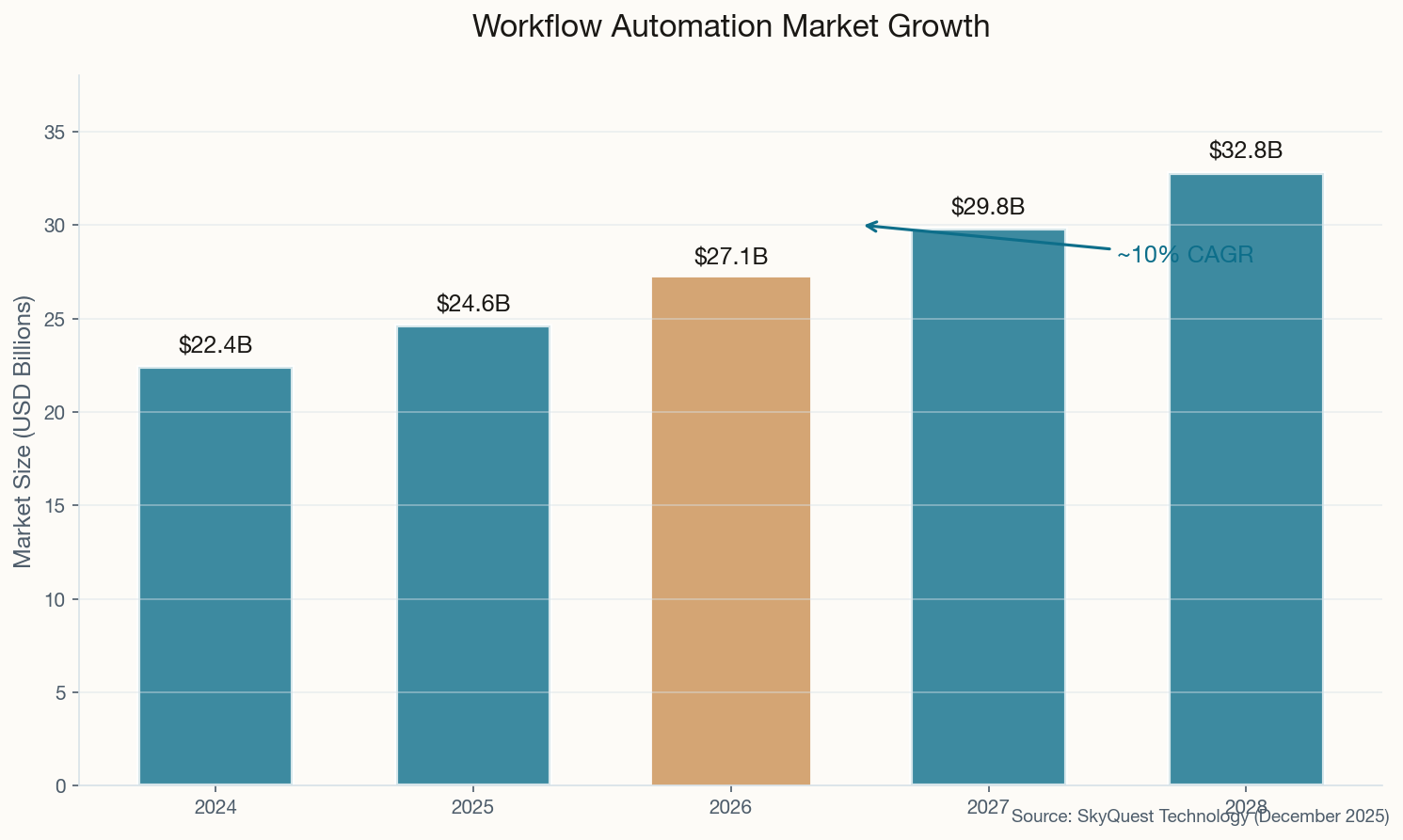
Bar chart showing traditional vs AI-native presentation software market size from 2020 to 2026, with AI-native projected to overtake traditional
AI-native presentation tools are projected to surpass traditional software in revenue by 2026, driven by enterprise adoption of tools like Beautiful.ai that solve governance problems, not just creation speed.

The market is bifurcating clearly now: Gamma owns the "creative speed" lane for startups and small teams. Beautiful.ai owns the "brand control" lane for enterprises. Pitch sits uncomfortably in between. And PowerPoint is trying to be everything to everyone—which historically works until it doesn't.

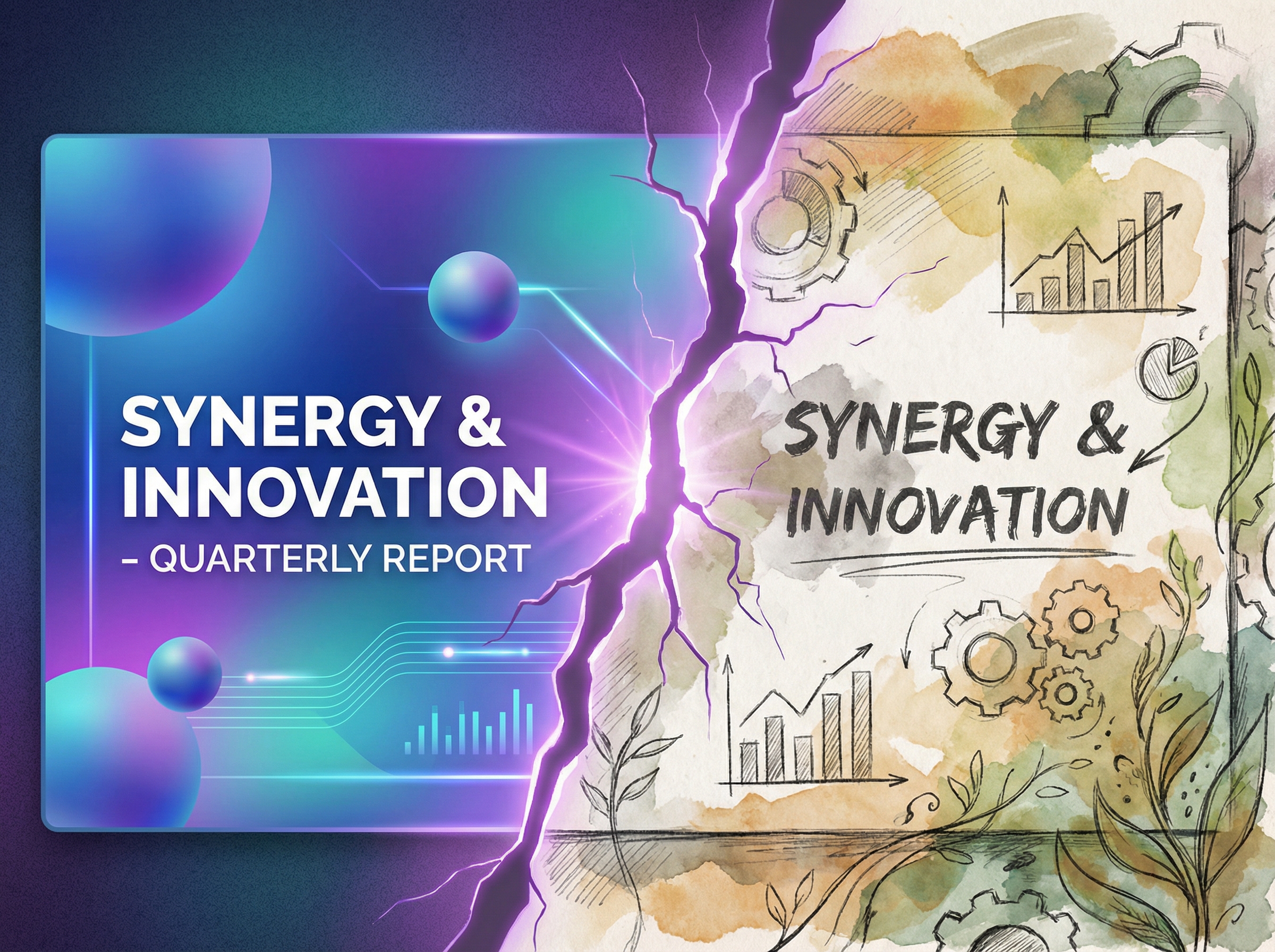
Split-screen showing a polished AI slide on one side and hand-drawn organic sketches on the other, with violet light bleeding through a crack between them
05

Why the Hottest Design Trend of 2026 Looks Deliberately Imperfect

Something fascinating is happening in presentation design: the best-looking decks of 2026 are deliberately ugly. Not actually ugly—but intentionally imperfect in a way that signals "a human made this." Watercolor textures over gradients. Hand-drawn sketches alongside data. Organic shapes that don't snap to a grid. The design community is calling it "analog meets AI," and it's a direct rebellion against two years of hyper-polished AI-generated slickness.

The psychology is straightforward. After being saturated with AI-generated imagery—the same glossy gradients, the same suspiciously perfect compositions, the same "corporate Memphis" aesthetic—audiences have developed what designers call "AI fatigue." The uncanny valley isn't about faces anymore; it's about presentations that look too perfect to trust.

This has real implications for every AI presentation tool. Canva's "Magic Design" generates polished decks that now read as generic. Gamma has responded by adding what they call an "Analog Meets AI" style option that uses AI inpainting to add texture and depth that feels human-made. It's AI pretending not to be AI. There's a doctoral thesis in that irony.

Side-by-side donut charts comparing how knowledge workers shared ideas in 2022 versus 2026, showing traditional slides dropping from 72% to 38%
The fragmentation of business communication: traditional slide decks have lost their monopoly, replaced by a mix of AI-generated presentations, async video, written documents, and emerging AI agent briefings.
A traditional PowerPoint slide shattering like glass, with a web browser emerging from the fragments containing a living animated presentation
06

Gamma Declares War on the Slide Itself

If you want to understand where presentations are going, watch what Gamma is doing. Their January update introduced AI-generated animations that replace static images with dynamic motion, adaptive theme logos that shift for light and dark modes, and a "Studio Mode" that generates 4K visuals. It's not a presentation tool anymore. It's a web-native storytelling platform that happens to look like slides if you squint.

The distinction matters. A PowerPoint file is a dead artifact—a PDF with extra steps. A Gamma presentation is a living web page that can contain embedded data, interactive elements, video, and now animation. You don't "download" a Gamma deck; you share a link. You don't "present" it in a meeting room; you send it asynchronously and it presents itself.

This is the real answer to "are presentations still relevant?" The format isn't dying—it's metamorphosing. The static, linear, 16:9 slide deck designed for a projector in a conference room? Yes, that's dying. But the idea of a curated visual narrative that communicates complex information efficiently? That's more relevant than ever. It's just that the container is changing from a file to a URL, from static to dynamic, from presented-by-a-human to consumed-on-demand.

The real question isn't "are presentations dead?" It's "who gets to present?" When an AI agent can summarize and visualize data dynamically based on the viewer's context—as Anthropic's Claude and Google's agentic tools are starting to do—the concept of a fixed, pre-built deck becomes as quaint as a fax machine. The future isn't no presentations. It's presentations that build themselves, in real time, for an audience of one.

The Deck Is Dead. Long Live the Deck.

PowerPoint turned 39 this year. It survived the internet, survived mobile, survived cloud. Whether it survives AI depends entirely on whether we're optimizing for the speed of making slides or the quality of human communication. Those are very different problems—and right now, the industry can't decide which one it's solving. Watch the companies that pick a side. The ones trying to be everything will be nothing.