Higher Education

Fear and Funding

$1.5 billion in research grants terminated. A 21% funding cut proposed. Colleges closing. Professors paralyzed by convergent threats. This week the financial and psychological foundations of American higher education showed their cracks.

Listen
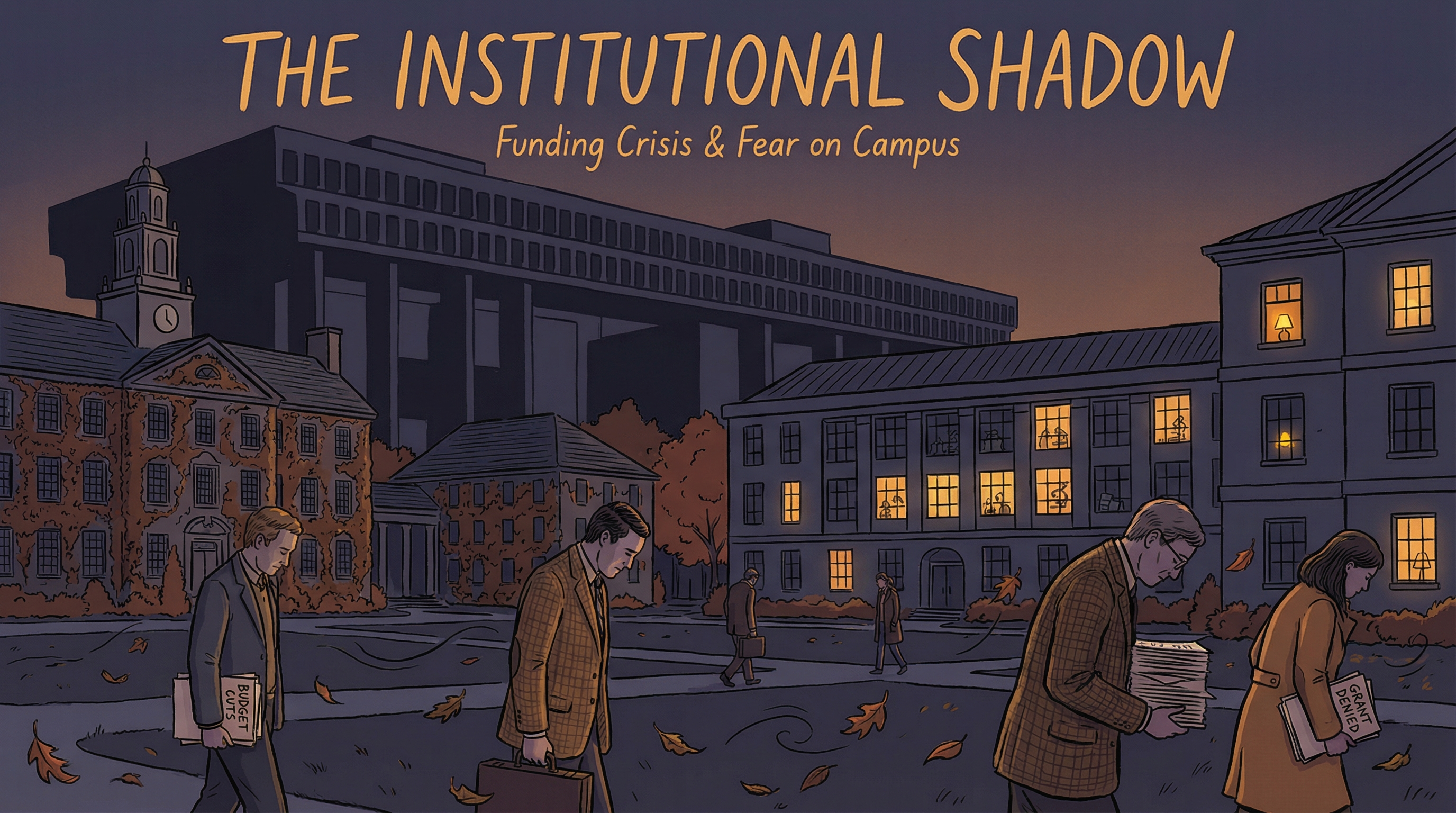
University campus at twilight with federal building casting shadow, research labs with flickering lights, faculty walking with heads down
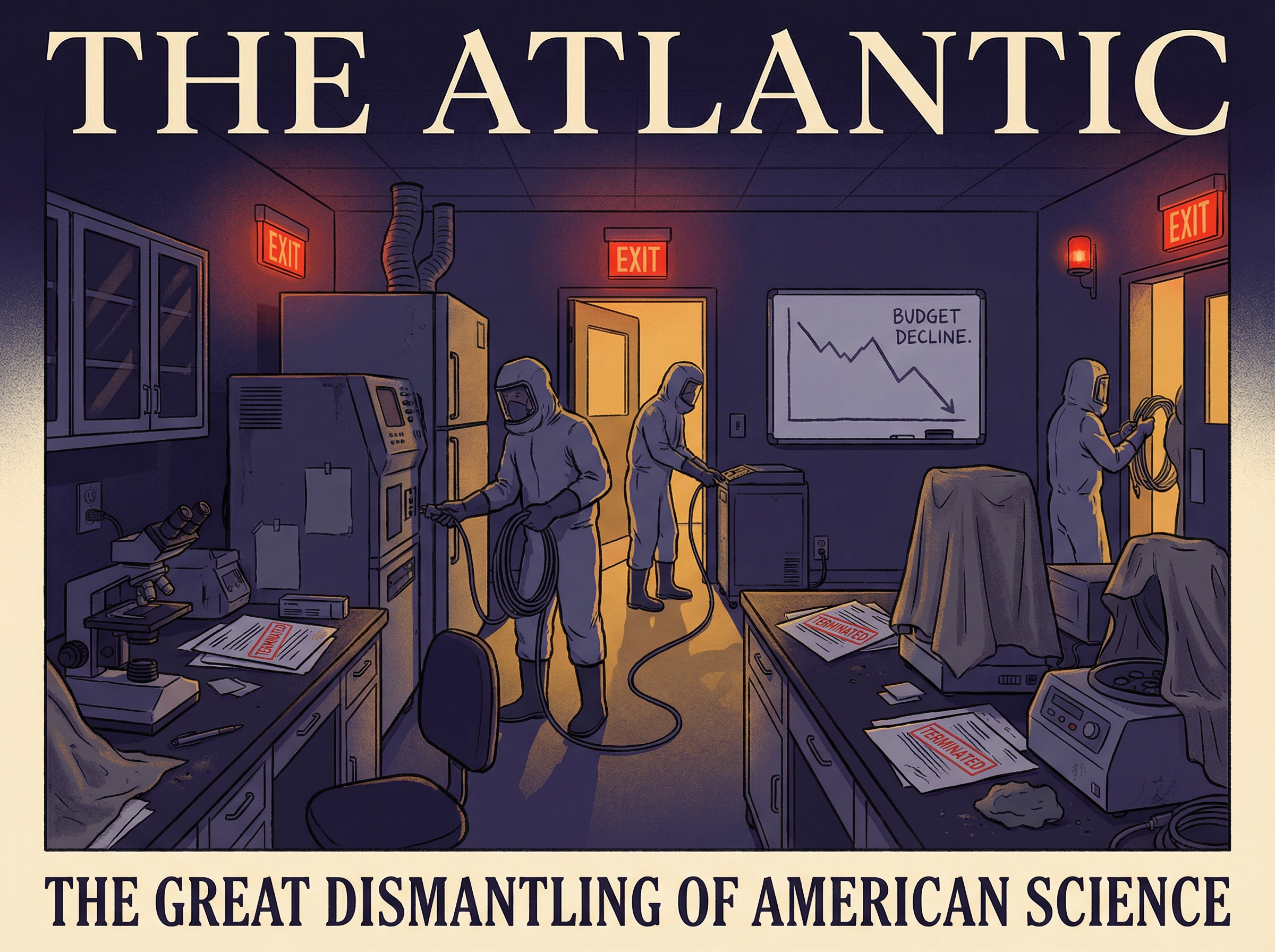
Research laboratory with equipment being unplugged, grant documents stamped TERMINATED scattered across benches
01

$1.5 Billion in Research Grants Killed

The numbers are no longer abstract. The administration has terminated over $1.5 billion in existing federal research grants, targeting work it characterizes as "ideologically driven" or DEI-related. Simultaneously, the White House budget proposal calls for a 21% reduction in federal science funding for fiscal year 2026.
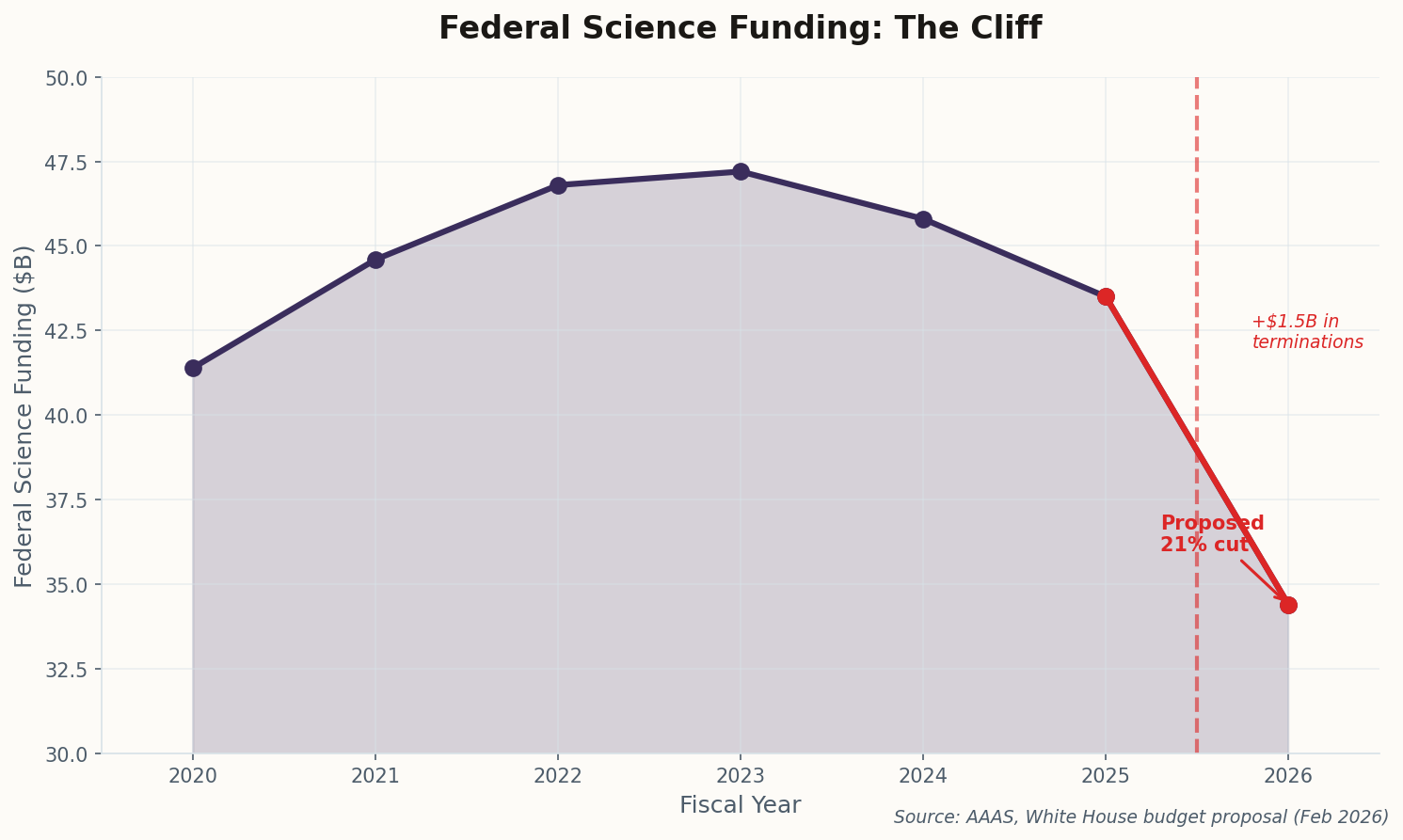
Line chart showing federal science funding declining from $47.2B in 2023 to proposed $34.4B in 2026
Source: AAAS, White House budget proposal (Feb 2026)

The retroactive cancellations are particularly devastating. These aren't hypothetical future grants—they're funded, active research programs with graduate students mid-dissertation, postdocs mid-contract, equipment already purchased. Labs are shutting down experiments that took years to design. Principal investigators are scrambling to place displaced researchers.

The compounding effect: Grant terminations don't just stop current work—they destroy the pipeline. Graduate students who see funded labs close don't enter the field. Postdocs leave for industry. Senior researchers retire early. The damage compounds over decades.

The 21% budget cut, if enacted, would return federal science funding to levels not seen since before the Obama administration. Combined with the terminations, it signals that the research university as Americans have known it since World War II—government-funded, globally competitive, driving innovation—may be entering a fundamentally different era.
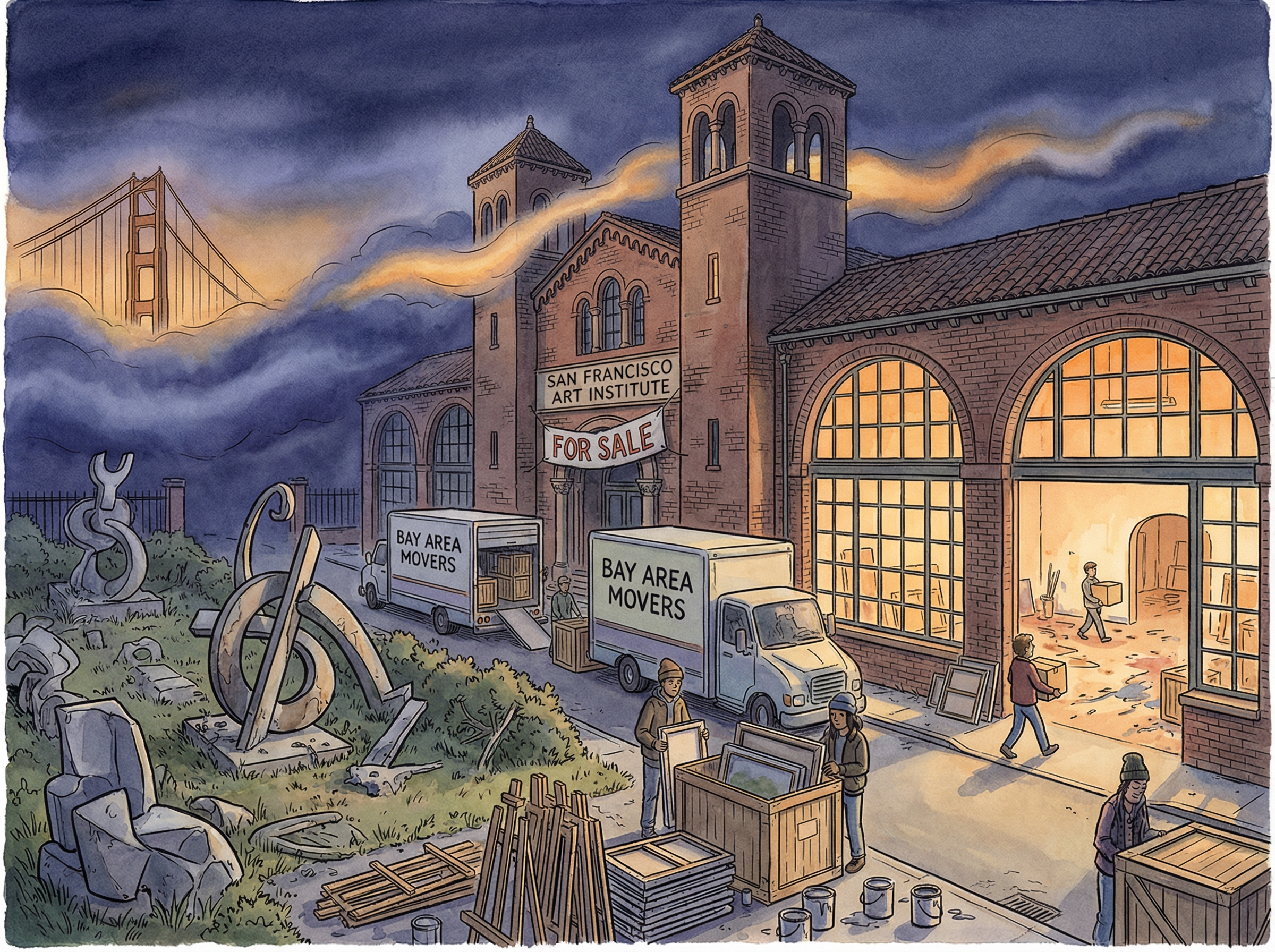
Art college building in San Francisco with FOR SALE sign, student artwork being packed into crates
02

118 Years, Then Gone: California College of the Arts

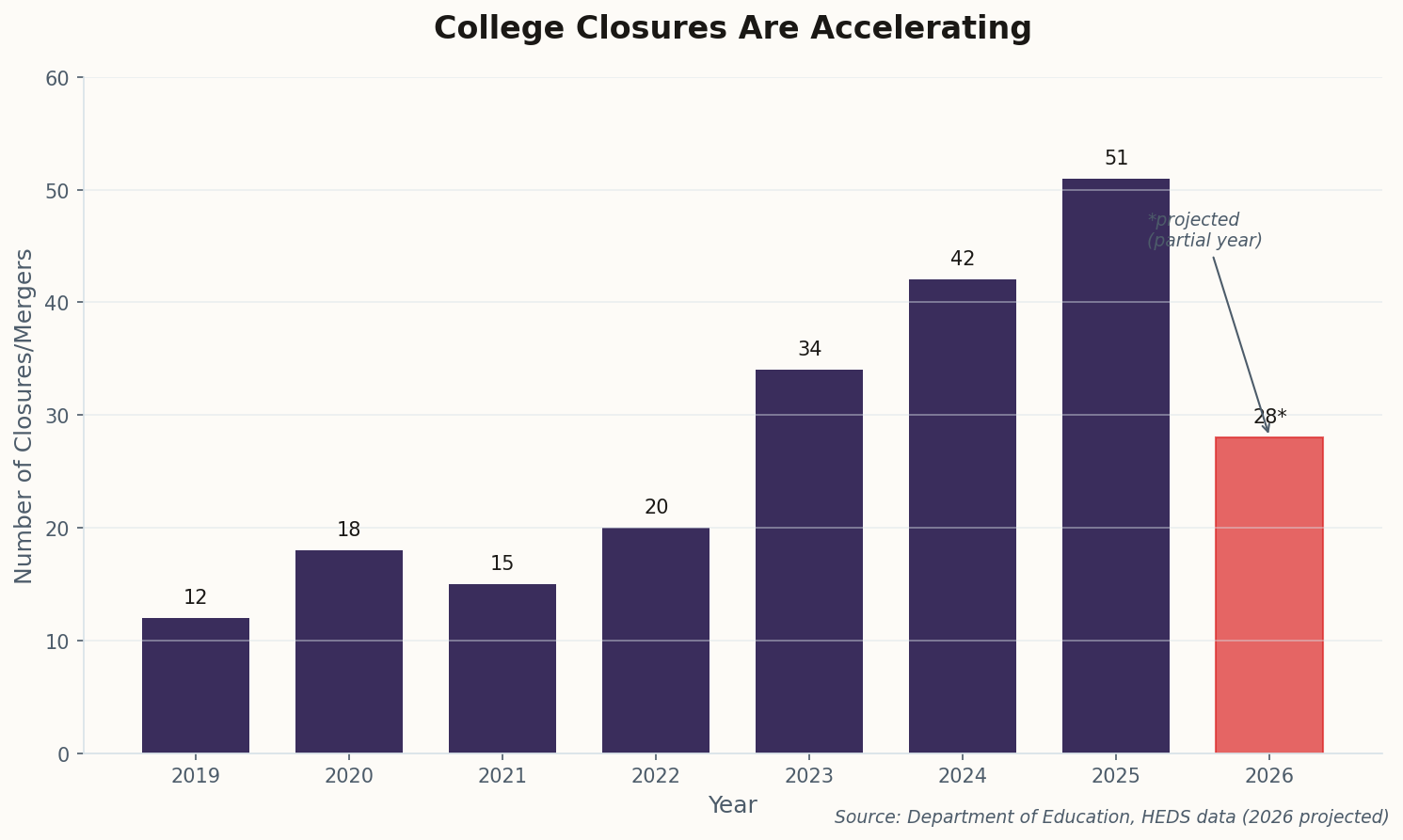
California College of the Arts will close after the 2026-27 academic year. The 118-year-old art and design college—located in one of the world's most expensive cities—couldn't survive the enrollment cliff, declining arts enrollment, and San Francisco's brutal real estate economics. Vanderbilt University will acquire the campus.

Bar chart showing college closures rising from 12 in 2019 to projected 28 in partial 2026
Source: Department of Education, HEDS data (2026 projected)

CCA isn't a marginal institution. It's nationally accredited, well-regarded, with alumni working at every major design firm and tech company in the Bay Area. If CCA can't make it, the message to other small, tuition-dependent private colleges is grim: location, reputation, and history aren't enough.

The Vanderbilt acquisition is telling. A wealthy Southern research university buying a San Francisco art campus suggests the future may belong to institutions large enough to absorb others. The small, distinctive college—long celebrated as higher education's unique American contribution—increasingly looks like an endangered species.

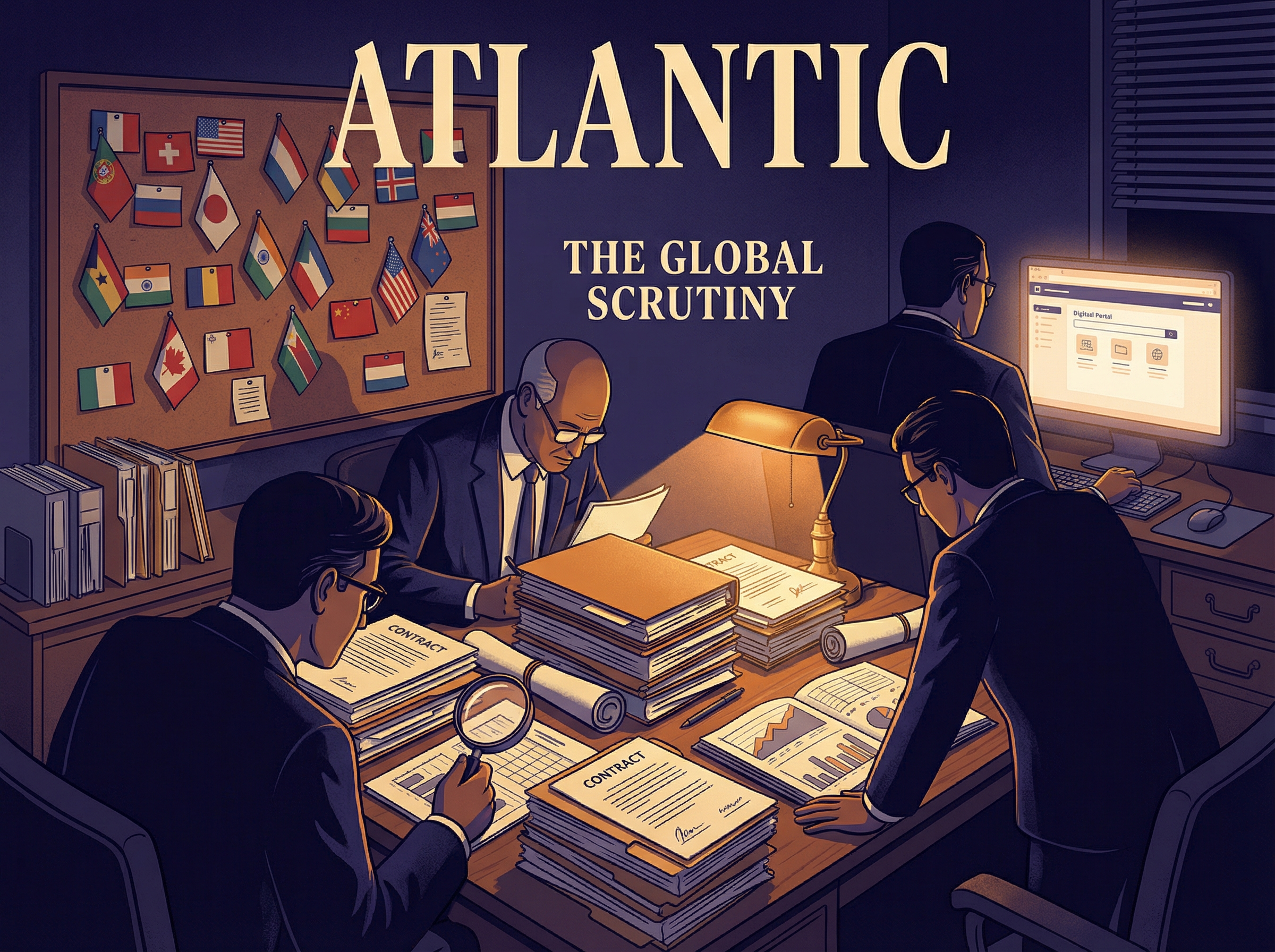
University compliance office with administrators sorting international documents, digital surveillance portal glowing on screen
03

The Foreign Money Dragnet

The Department of Education's new Section 117 reporting portal is live, and universities are scrambling to comply. The system demands unprecedented granular detail on foreign gifts and contracts—every international partnership, every visiting scholar stipend, every research collaboration with a foreign institution.

The compliance burden alone is staggering. Research universities with hundreds of international partnerships must now document, categorize, and report funding relationships that were previously tracked informally. Small colleges with even modest international programs are hiring compliance staff they can't afford.

The chilling effect on international research: Faculty are already self-censoring. Some are declining international collaborations rather than navigating the reporting maze. Others are avoiding conferences in countries the administration views unfavorably. The portal doesn't just monitor—it reshapes behavior.

The stated goal—preventing foreign espionage and undue influence—isn't unreasonable. But the implementation assumes guilt. Every international dollar becomes suspect until proven innocent. The American research university's greatest competitive advantage—its openness to global talent and ideas—is being reframed as its greatest vulnerability.

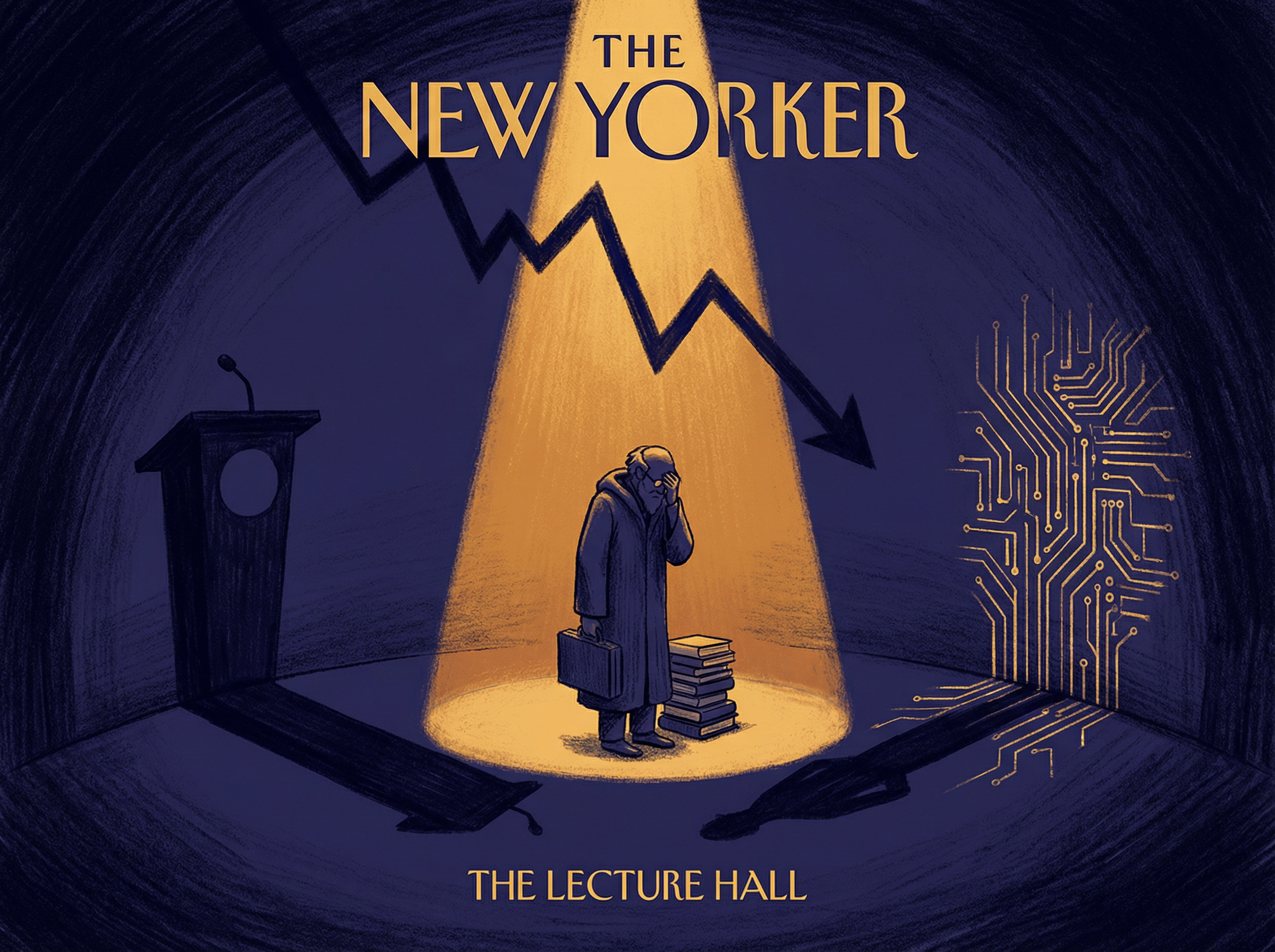
Professor standing alone in vast empty lecture hall, shadows of threats converging from all sides
04

Why Do Professors Fear the Future?

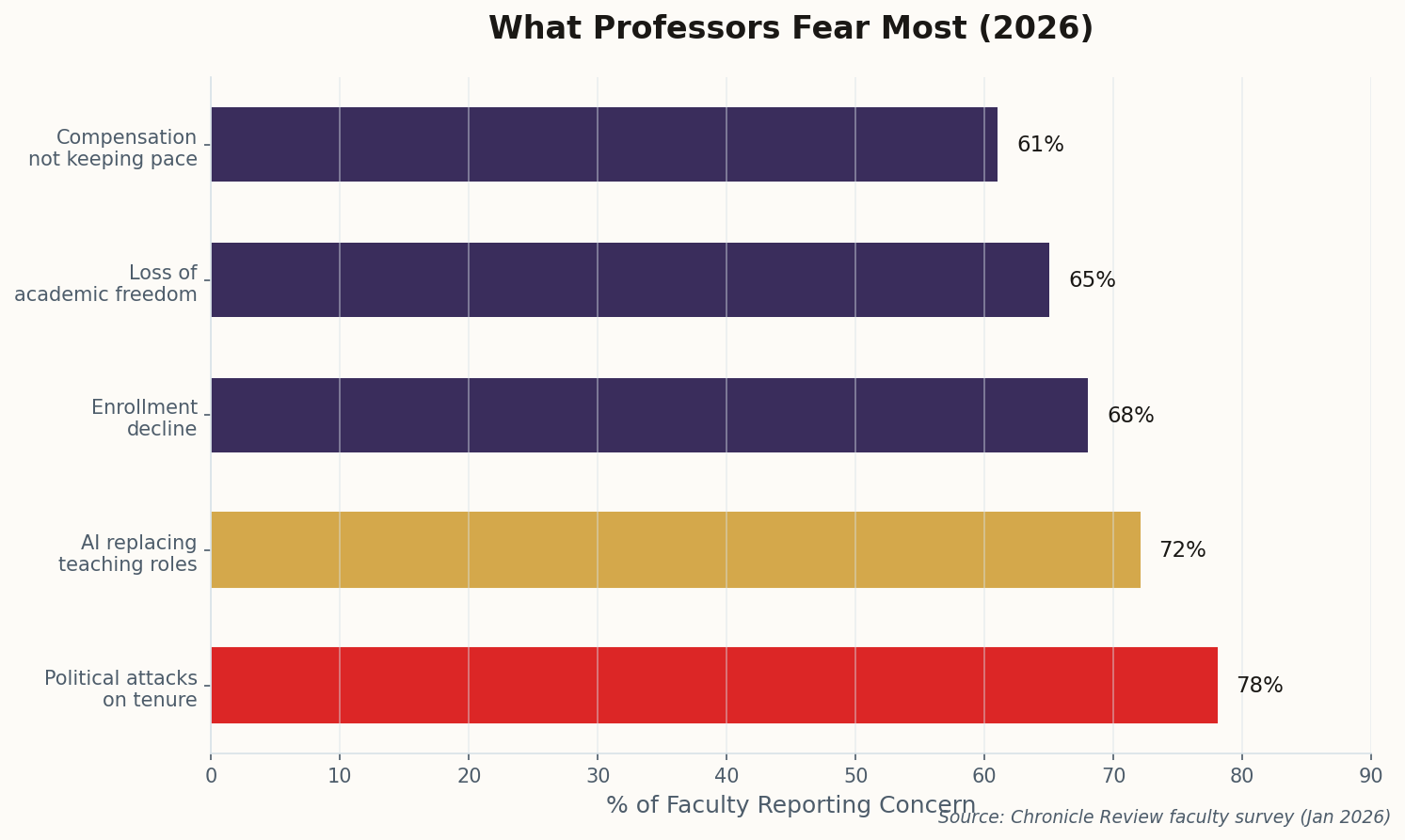
The Chronicle Review devoted a special collection to the question nobody in the professoriate wants to ask out loud: is this profession dying? The essays identify a convergence of threats—political attacks on tenure, the enrollment crisis, AI's destabilizing advance—that together create something beyond normal career anxiety. It's existential dread.

Horizontal bar chart showing 78% fear political attacks on tenure, 72% fear AI replacing teaching, 68% fear enrollment decline
Source: Chronicle Review faculty survey (Jan 2026)

What's new isn't any single threat—it's the simultaneity. Professors have survived political pressure before. They've adapted to technology before. They've weathered enrollment fluctuations before. But never all three at once, with each reinforcing the others. Political attacks weaken institutional protections. AI enables administrators to imagine a future with fewer faculty. Enrollment declines make every position vulnerable.

"I used to worry about getting tenure. Now I worry about whether tenure will exist when I'm eligible for it."
— Assistant professor, humanities

The morale crisis has practical consequences. Burned-out faculty teach worse. Anxious researchers produce less. The best graduate students look at the profession and choose industry. The death spiral isn't hypothetical—it's demographic, as fewer talented people enter a field that offers diminishing security and growing hostility.

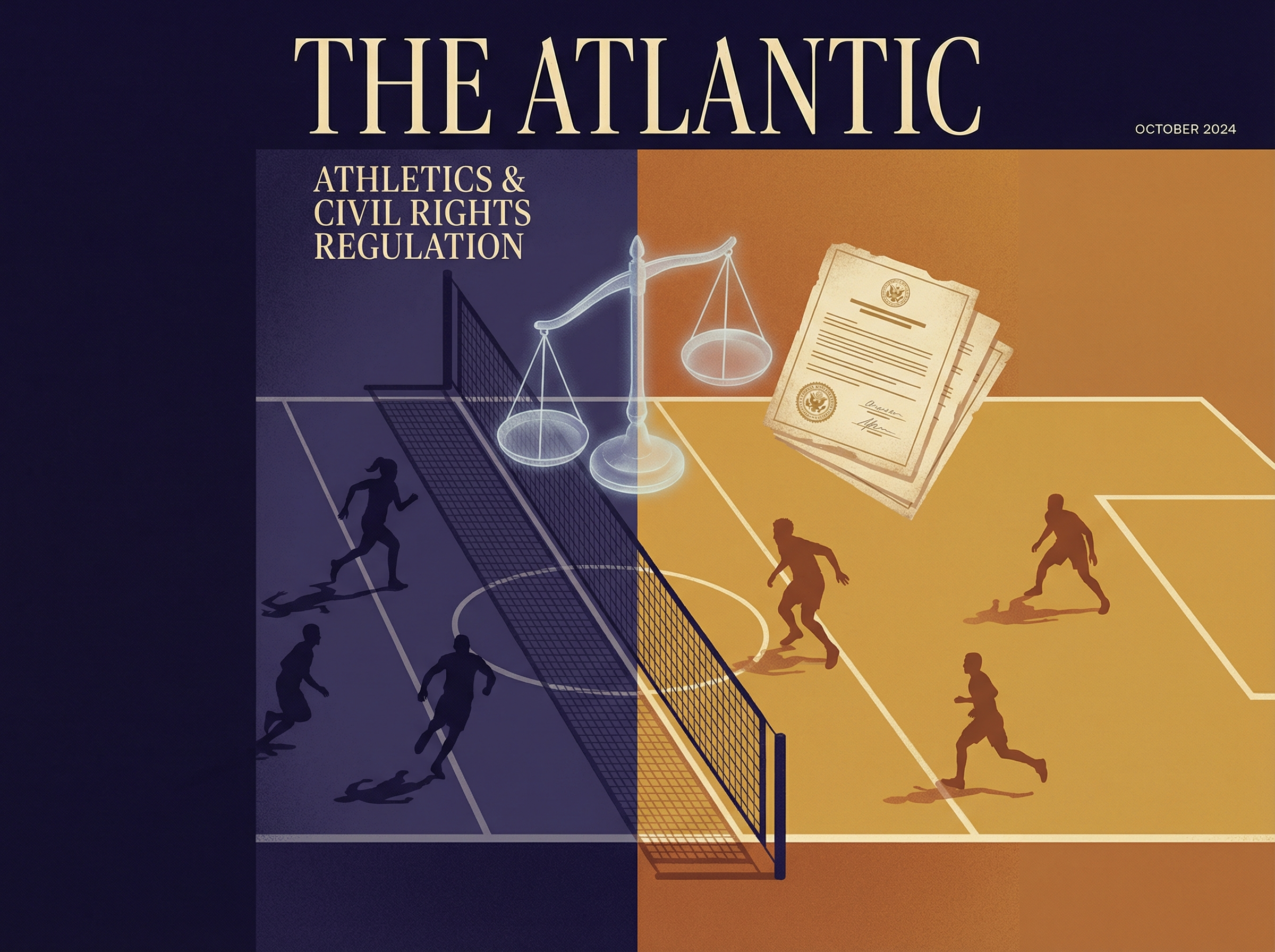
Volleyball court divided by net with indigo shadow on one side and amber light on other, regulatory documents floating above
05

Title IX Becomes a Weapon

The Department of Education formally ruled that San Jose State University violated Title IX by allowing a transgender woman to compete on its women's volleyball team. The finding—that participation "denied female athletes equal opportunity"—follows an executive order threatening to withhold federal funds from schools with inclusive transgender athletics policies.

The legal mechanism is significant. Title IX, the 1972 law designed to ensure women's equal access to education, is being reinterpreted to restrict transgender participation. The same statute that opened doors for women in athletics is now being used to close them for trans athletes.

For universities, the calculus is cold. Comply with the administration's interpretation and face lawsuits from excluded athletes. Resist and risk millions in federal funding. The Department has made clear that "non-compliance" carries financial consequences—a threat that hits public universities, which depend heavily on federal support, hardest.

The precedent extends beyond athletics: If Title IX can be reinterpreted this dramatically through executive action, what else falls within the Department's enforcement discretion? Transgender students in dormitories? Faculty benefits? The San Jose State ruling isn't an endpoint—it's a template.

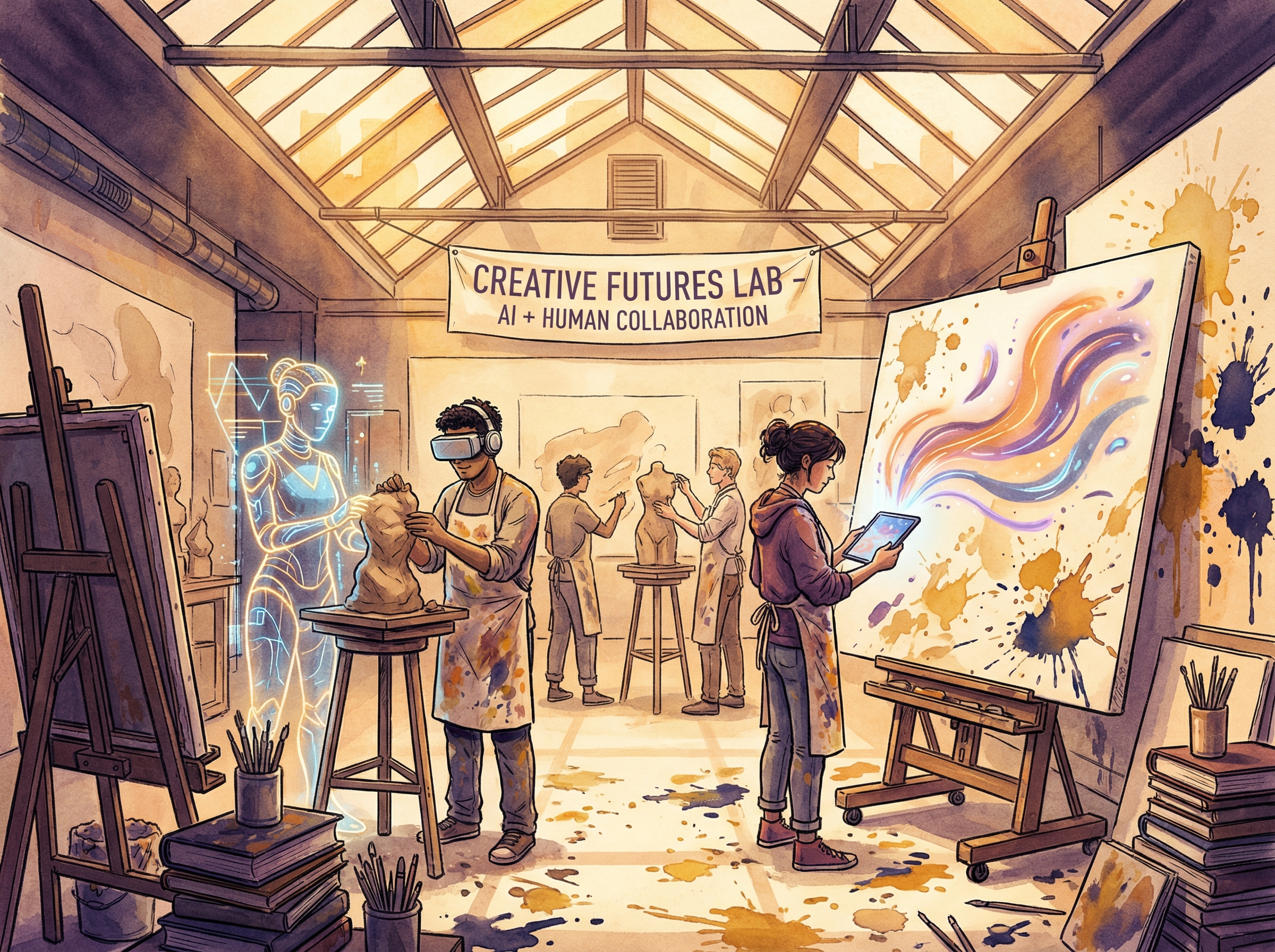
University creative arts studio where students and AI tools collaborate, colorful paint mixed with digital brushstrokes
06

Beyond the Panic: AI and the Case for Joy

In a week dominated by fear, one story offered a different frequency. UPenn launched a $26 million grant program to explore creative, human-centric AI applications in education. A widely circulated essay argued for "centering joy" in how universities approach the technology—not just policing its misuse but imagining what it makes possible.

The argument isn't naive. Its proponents acknowledge the integrity concerns and the labor displacement anxiety. But they contend that the academy's default posture—suspicion, restriction, fear—is itself a failure of imagination. What if AI freed faculty from grading drudgery so they could mentor more? What if it made personalized feedback scalable? What if the creative possibilities actually excited students?

$26 million is real money. It's enough to fund dozens of pilot programs, create new courses, and generate evidence about what works. Most importantly, it signals that at least some institutions are ready to move past the grief stage and into something more constructive.

Whether "joy" is the right frame remains debatable. For faculty watching their colleagues' grants get terminated and their departments eliminated, it may feel tone-deaf. But the alternative—letting fear be the only lens through which the academy encounters AI—guarantees a future where the technology is shaped by everyone except educators.

The Reckoning

This week's stories describe an ecosystem under compound stress. Grant terminations hollow out the research mission. College closures thin the institutional landscape. Foreign gift scrutiny walls off international collaboration. Faculty fear paralyzes the people who do the actual teaching. And through it all, AI advances regardless of whether anyone has figured out how to govern it. The one genuinely hopeful story—UPenn's $26 million bet on creative AI—stands as a reminder that agency still exists. But it requires resources, courage, and institutional will. All three are in short supply.