Photography

The Portrait Focal Length Debate, Settled

The science is clear: it's not about the lens. It's about where you stand. Here's what every portrait photographer needs to know about the 50mm-85mm-135mm question.

Listen
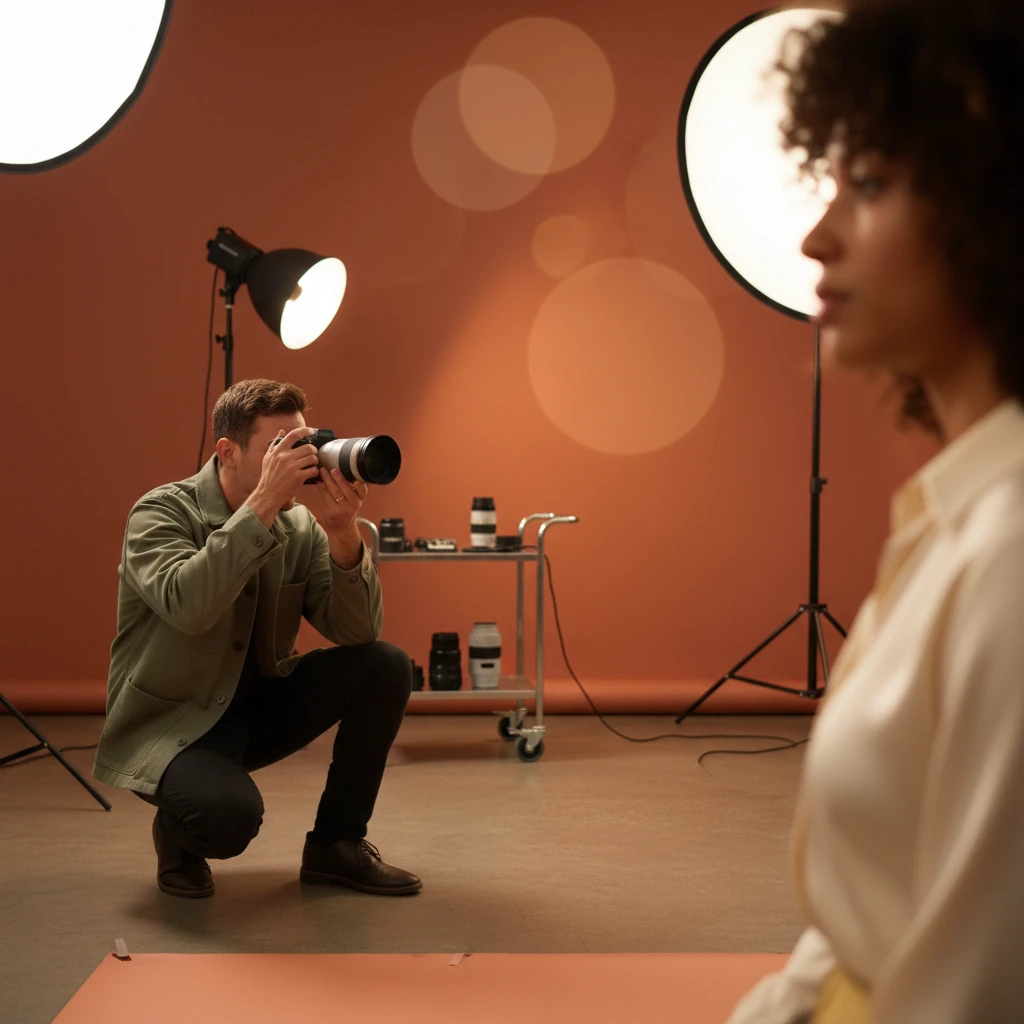
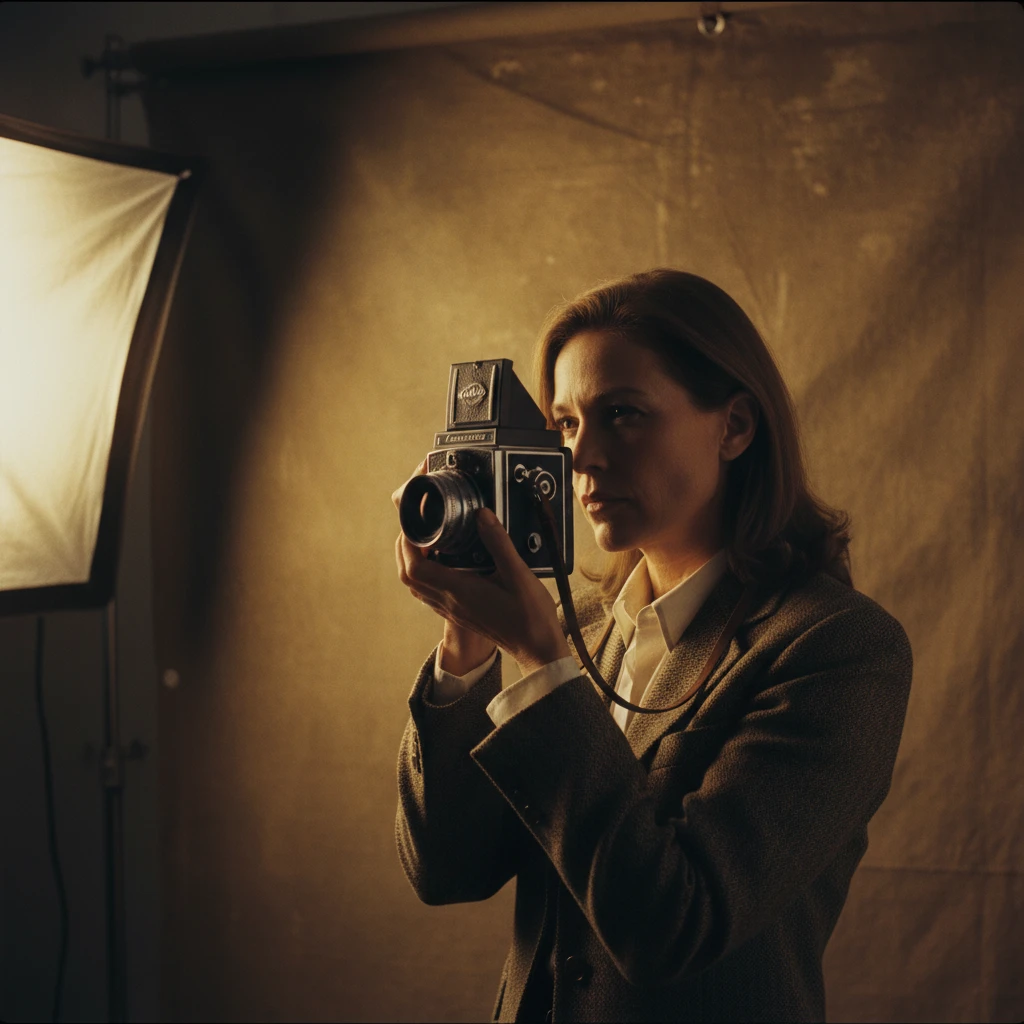
Portrait photographer with medium format camera in studio
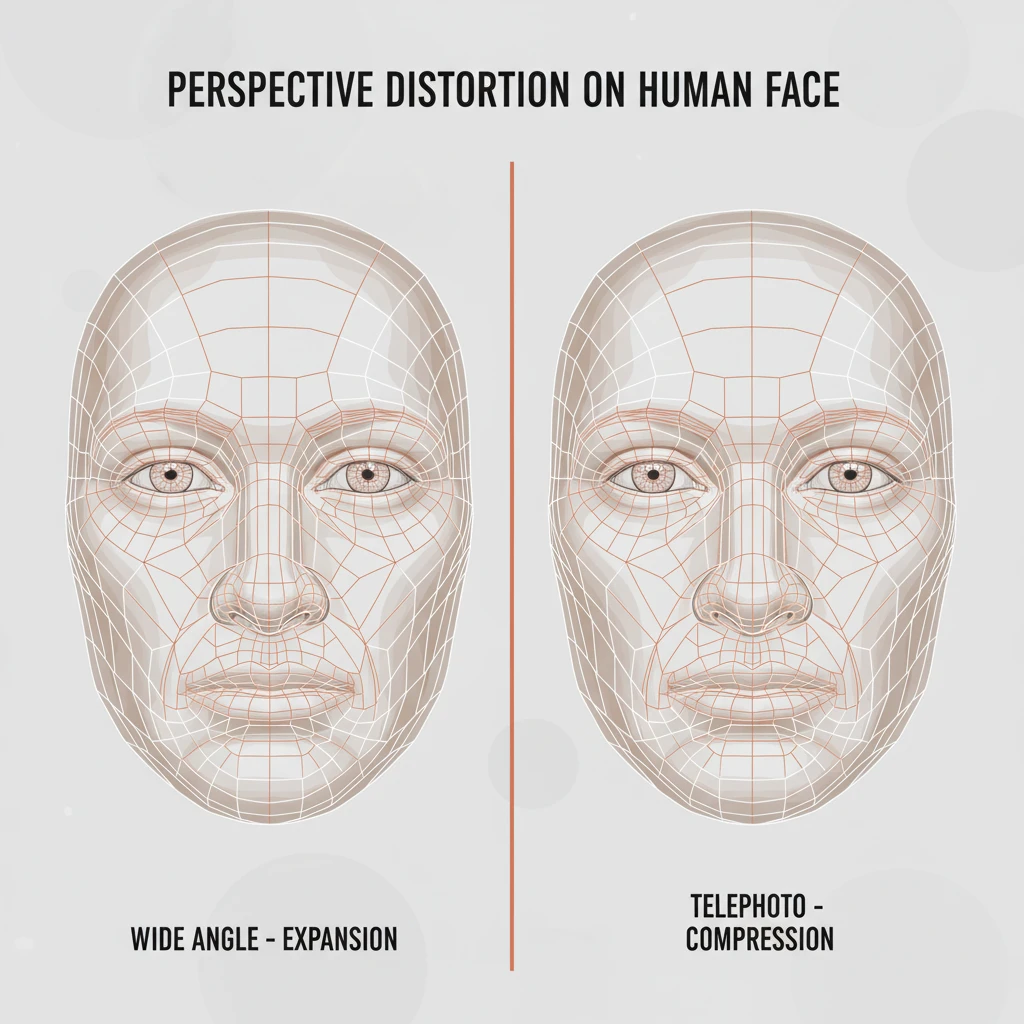
Scientific visualization of facial distortion at different focal lengths
01

The Science Settles It: Perspective, Not Glass

For decades, photographers have debated which lens produces the most flattering portraits. The answer, it turns out, has been staring us in the face—literally. A landmark 2016 study published in PLOS One tested whether different focal lengths (50mm, 85mm, and 105mm) affect how we perceive faces. The results were definitive.

Photographs taken at 50mm were rated as significantly less attractive, less feminine/masculine, and less dominant compared to longer focal lengths. But here's the critical insight: the lens itself isn't distorting anything. What's happening is perspective distortion—a consequence of how close you must stand to fill the frame at different focal lengths.
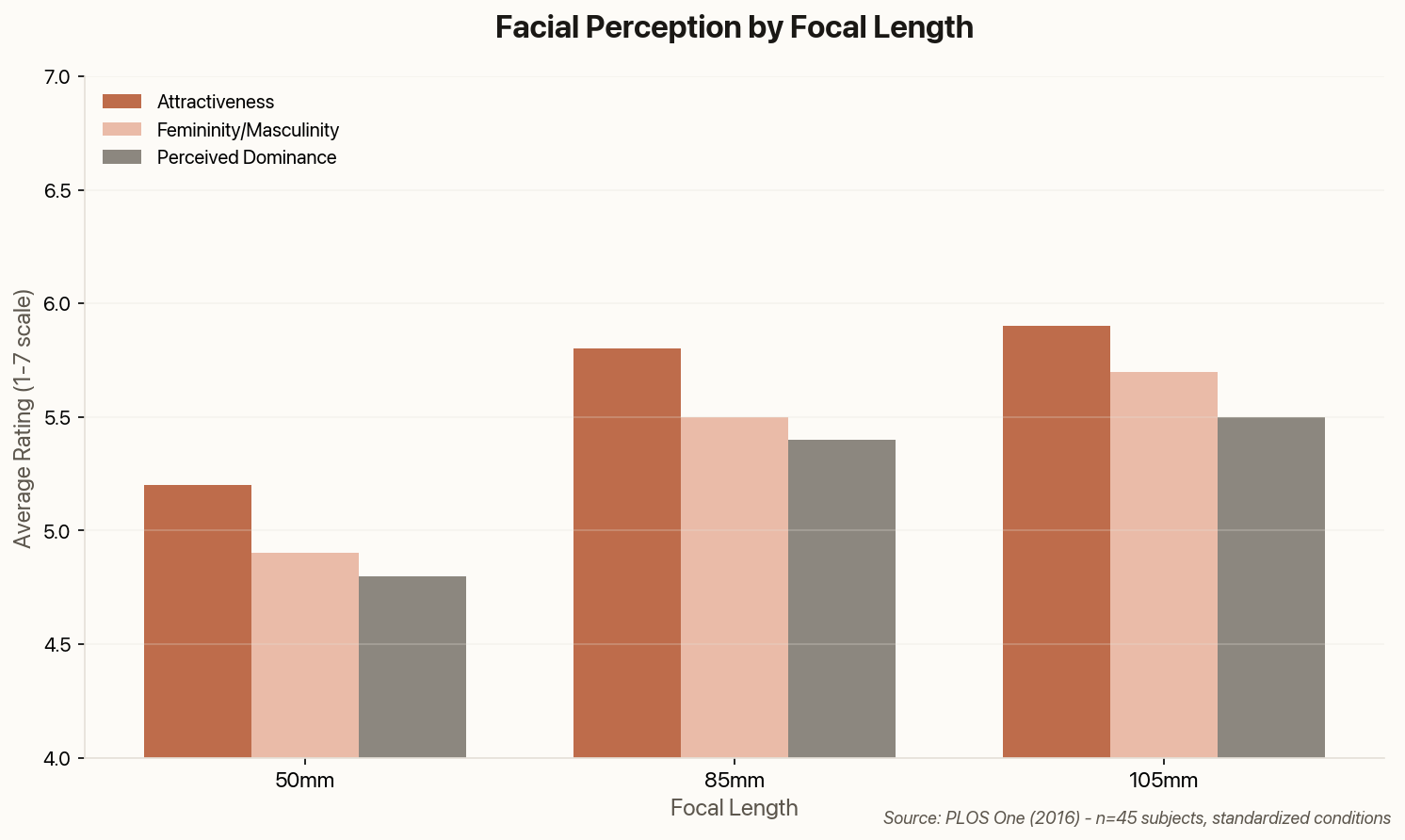
Chart showing facial perception ratings by focal length
Subjects rated faces photographed at 50mm significantly lower on attractiveness, femininity/masculinity, and dominance—a direct result of perspective distortion from closer shooting distance.

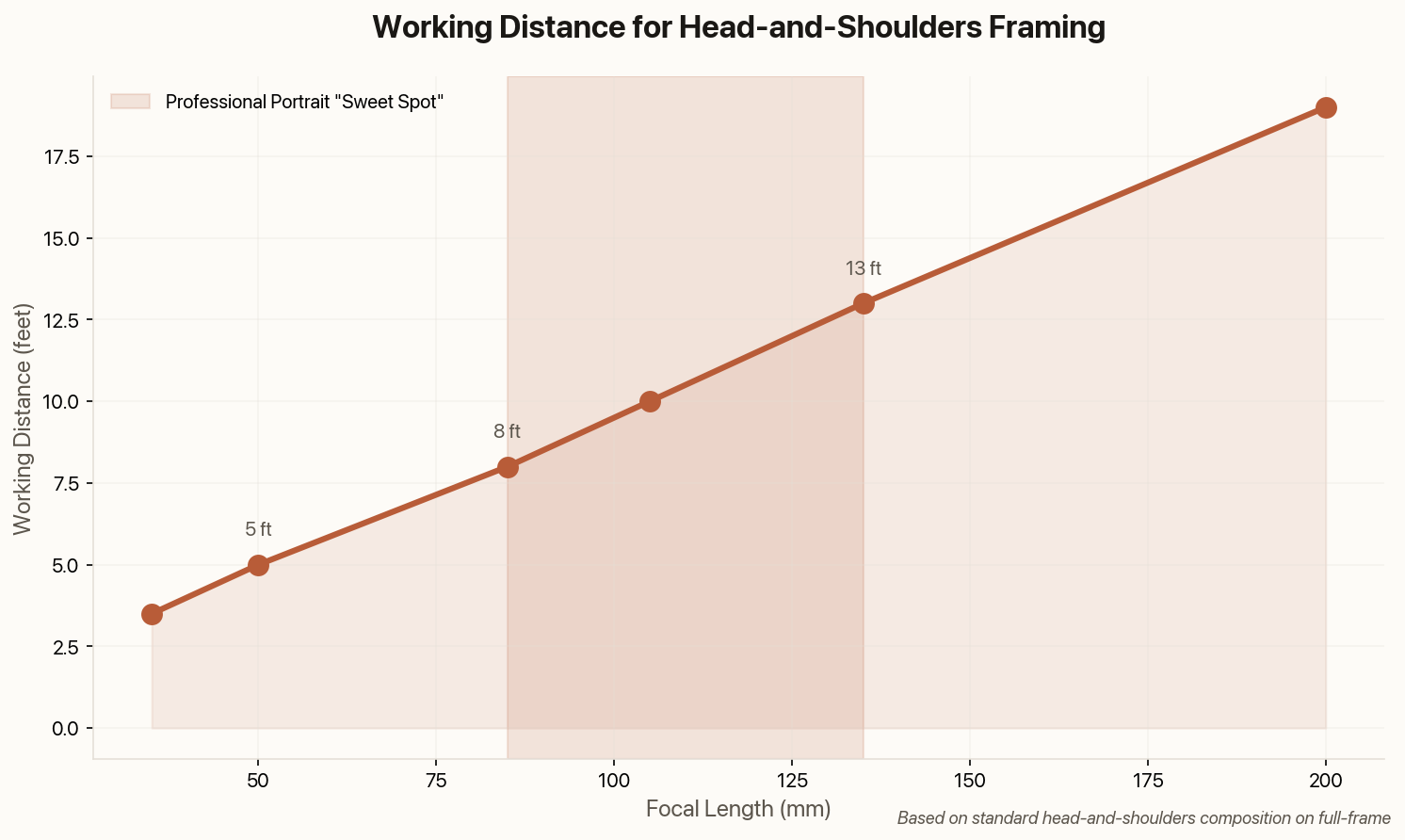
At 50mm, you're standing roughly 5 feet away for a head-and-shoulders shot. At that distance, the subject's nose is proportionally closer to the camera than their ears, creating the characteristic "big nose, small ears" distortion. Step back to 8-10 feet with an 85mm lens, and those proportions flatten into what we perceive as more natural—because that's closer to how we see faces in normal conversation.

The takeaway: "Lens distortion" is a misnomer. It's camera-to-subject distance that matters. Use the same distance with any focal length, and faces look identical. The lens merely determines your field of view.
Professional 85mm portrait lens with bokeh background
02

Why 85mm Became the Portrait Standard

The 85mm lens didn't become the "portrait standard" by accident. It hits a sweet spot that balances four competing demands: flattering perspective, practical working distance, background separation, and studio manageability.

At 85mm on a full-frame camera, you're shooting a head-and-shoulders portrait from about 8 feet away. That's close enough to communicate with your subject naturally—crucial for capturing genuine expressions—but far enough to avoid perspective distortion. The classic portrait range of 85-135mm has been the standard since the medium format film era precisely because these focal lengths work within the typical 6-12 foot distances of portrait studios.

Chart showing working distance by focal length
Working distance increases dramatically with focal length. The 85-135mm range (highlighted) offers the best balance of flattering perspective and practical communication with subjects.

But the 85mm's dominance goes beyond geometry. Fast 85mm lenses (f/1.4 or f/1.8) offer gorgeous background separation at a reasonable price point. Canon's RF 85mm f/1.2, Sony's FE 85mm f/1.4 GM, and Nikon's Z 85mm f/1.2 S are all flagship offerings from each manufacturer—testament to how seriously the industry takes this focal length.

For photographers who can only afford one portrait lens, 85mm remains the default recommendation. It's versatile enough for environmental portraits when you step back, and flattering enough for tight headshots when you fill the frame.

Portrait session showing working distance and background separation
03

The 105mm Challenger: The "Bokeh Master" Era

Something shifted around 2016 when Sigma released its 105mm f/1.4 Art lens—quickly dubbed the "Bokeh Master." Weighing in at nearly 4 pounds and sporting a 105mm filter thread, it was absurd by any practical measure. And yet, it changed how serious portrait photographers thought about their primary lens.

The 105mm focal length gives you the best of both worlds—more compression and background separation than 85mm, but without the extreme working distances of 135mm. One professional photographer described it as giving them "the best of both worlds when it comes to 85mm and 135mm in terms of working distance, perspective, and background blur."

For headshot specialists especially, 105mm has become the preferred focal length. The Shutterbug analysis notes that lenses between 100-135mm are "superior for head and shoulder shots" and recommends 105mm as the "broad range one-lens choice" for those setting up a headshot business.

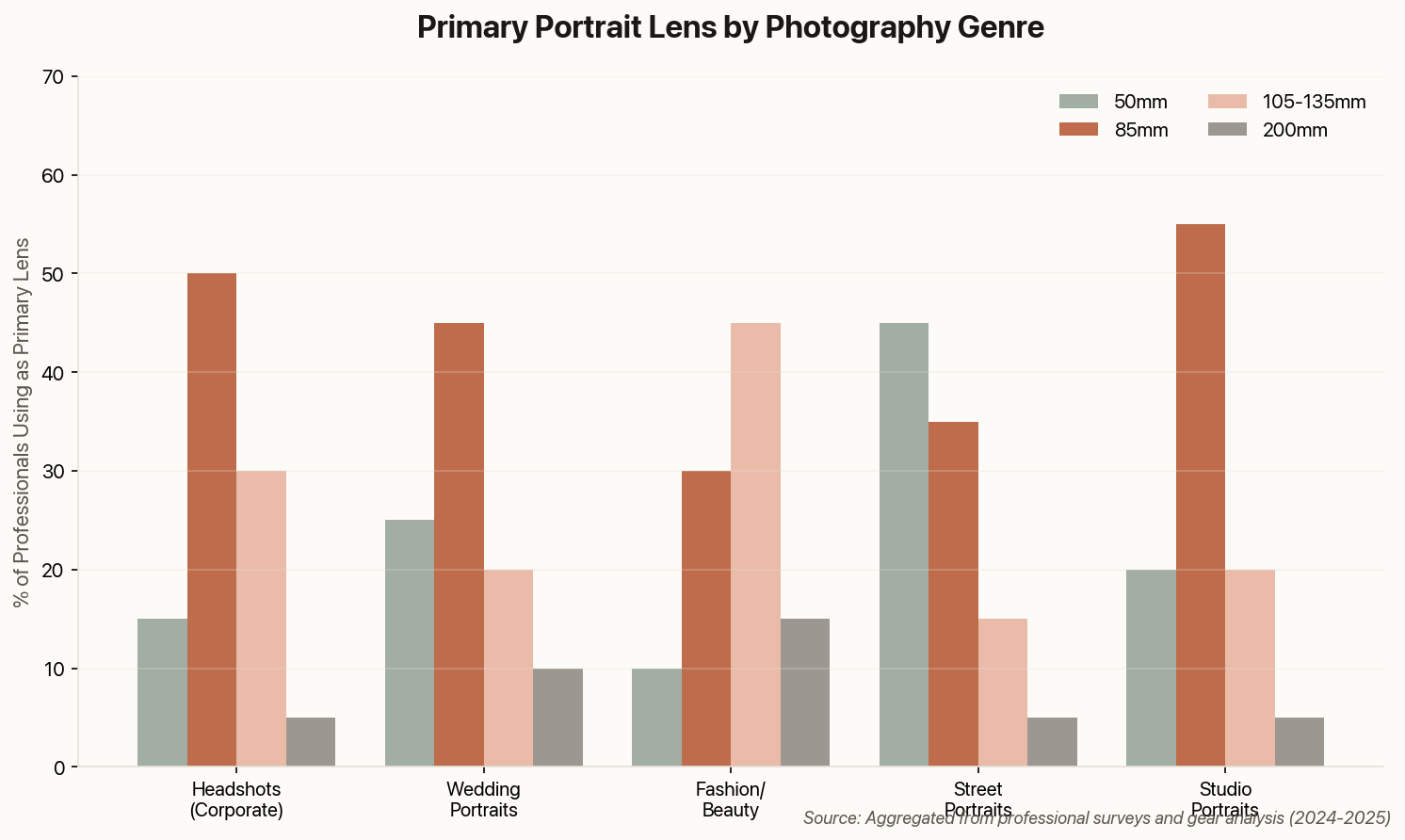
Chart showing professional photographer lens preferences by genre
Professional lens choices vary dramatically by genre. Corporate headshot photographers increasingly favor 105-135mm, while wedding and street photographers still rely on the versatile 85mm and 50mm.

The practical trade-off? Weight and size. As one photographer noted, the extra 1.5kg is manageable for portrait sessions that "rarely last more than one or two hours," but for wedding photographers shooting all day, "the extra weight is more noticeable."

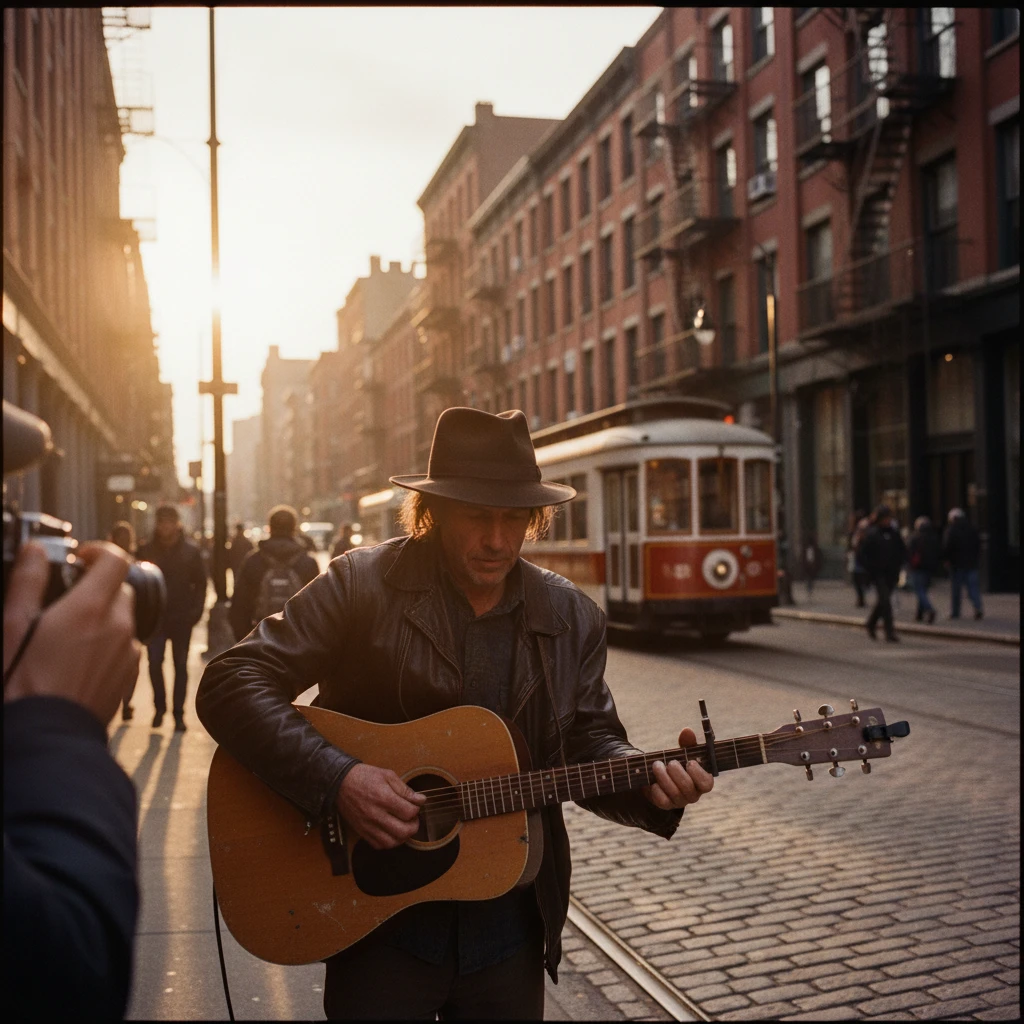
Environmental portrait with wide-angle perspective
04

The 50mm Trap: When the "Nifty Fifty" Fails

The 50mm lens is often called a "portrait lens" because it's cheap, sharp, and approximates human vision. This is a trap. For tight portraits, 50mm is actively unflattering—and the science proves it.

At 50mm, you're forced to stand about 5 feet away for a head-and-shoulders shot. At that distance, noses appear larger, ears seem to disappear behind widened cheeks, foreheads look taller, and chins appear more rounded. The PLOS One study found these changes weren't subtle—subjects rated 50mm portraits significantly lower on attractiveness, perceived competence, and even trustworthiness.

This doesn't mean 50mm is useless for portraits. It excels at environmental portraits where you want context—showing the subject in their workspace, against an architectural backdrop, or interacting with their environment. Street portrait photographers often prefer 35mm-50mm precisely because they want that environmental inclusion.

The "camera adds 10 pounds" myth stems largely from this effect. Smartphones, typically shooting at 24-28mm equivalent, force close-up selfies that exaggerate facial features. AI researchers have even developed tools specifically to correct this "selfie distortion"—proof of how pervasive and impactful the problem is.

The rule: Use 50mm for full-body or environmental portraits where context matters. For headshots and close portraits, step up to 85mm or longer.

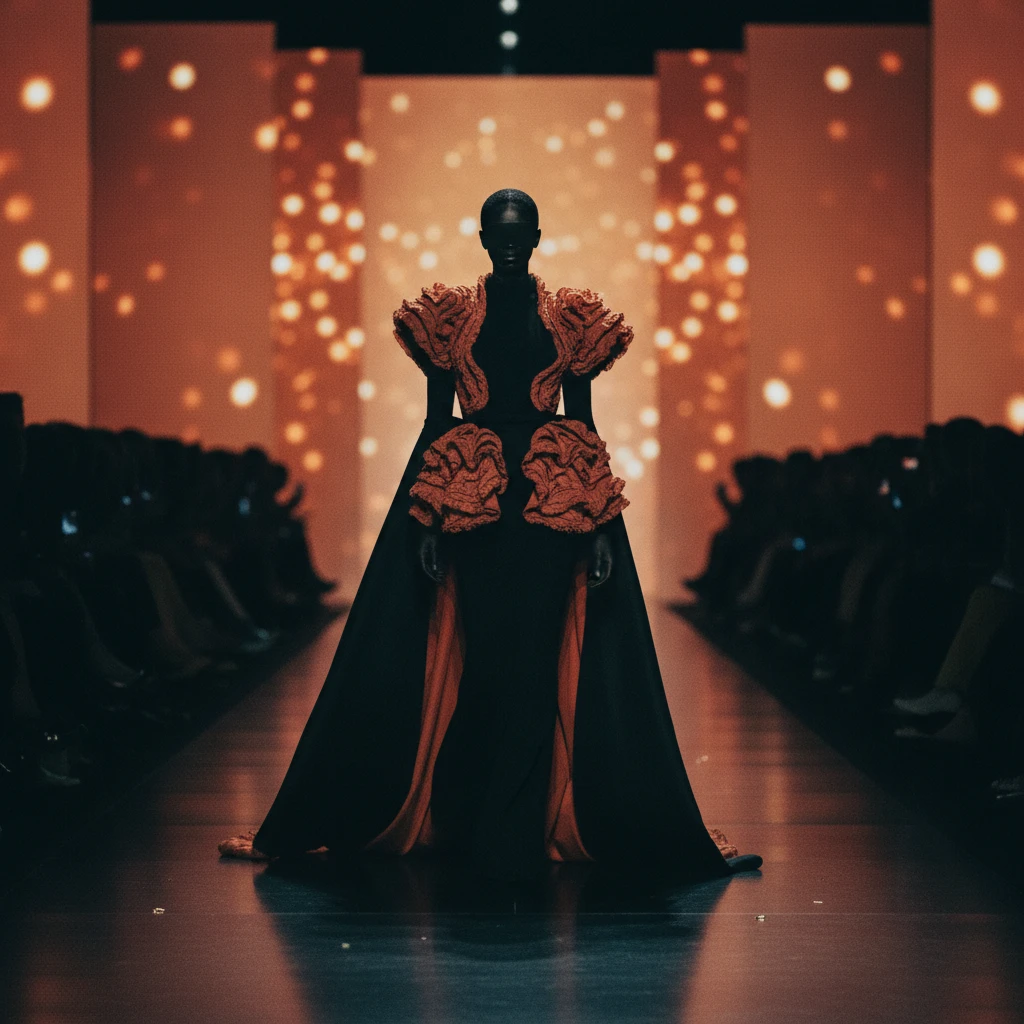
Fashion photography with compressed telephoto background
05

The Long Game: 135mm and Beyond for Fashion & Beauty

Fashion and beauty photographers have always pushed longer than the 85mm standard. The 135mm f/2 has a cult following, and increasingly, the 200mm f/2.8 (or even faster telephoto primes) are appearing in high-end editorial work.

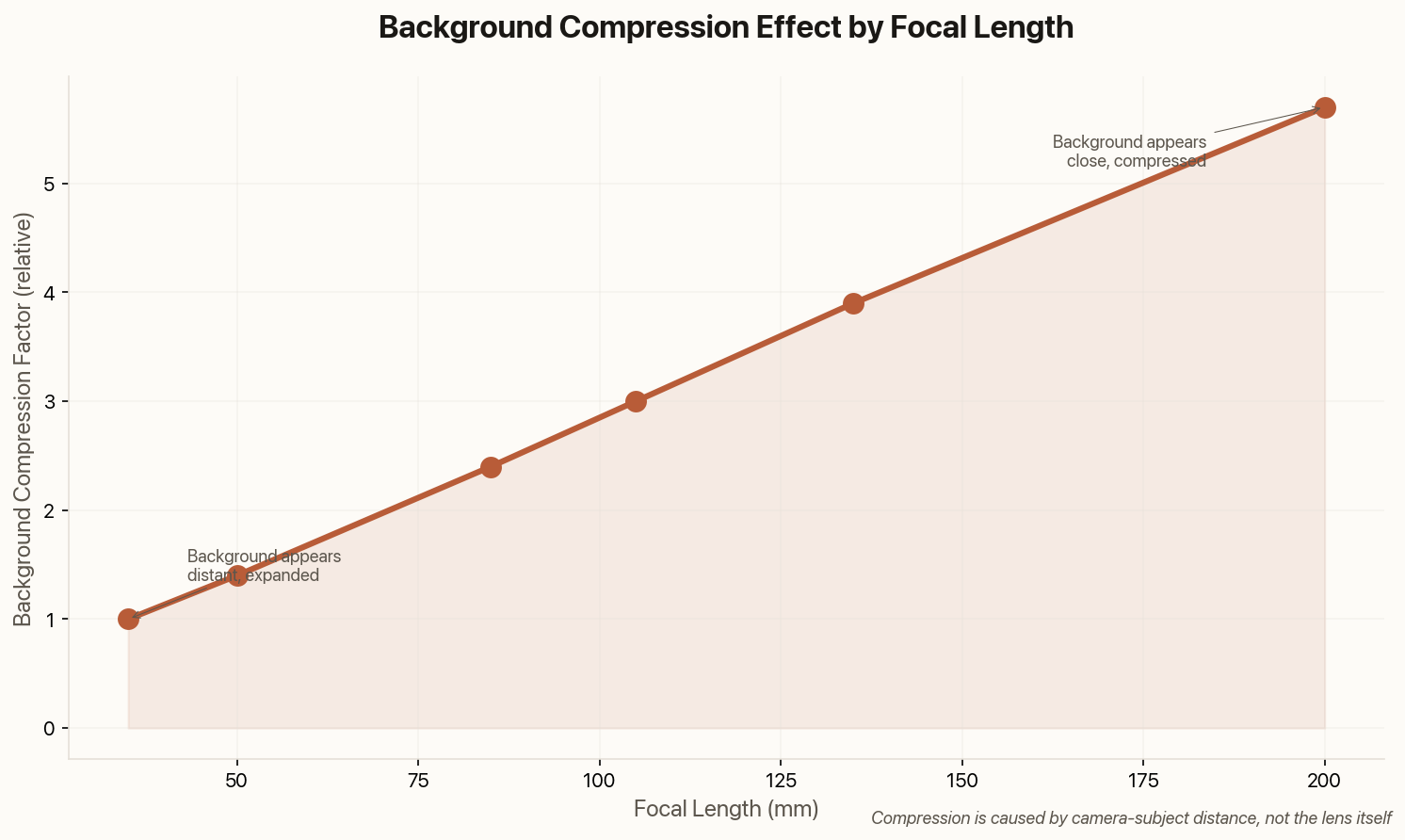
The appeal is compression. At 135mm+, backgrounds don't just blur—they flatten. Busy urban backdrops become abstract color washes. Subject separation becomes absolute. For runway work or outdoor fashion shoots where backgrounds are uncontrollable, this compression is essential.

Chart showing background compression effect by focal length
Background compression increases dramatically with focal length. At 200mm, backgrounds appear nearly 6x "closer" than at 35mm—turning distant distractions into smooth abstract blur.

The working distance at these focal lengths becomes impractical for most portrait work—13+ feet at 135mm, 19+ feet at 200mm. Communication with subjects requires hand signals or a wireless system. But for the photographers who master it, the results are distinctive. The late Peter Lindbergh famously used medium telephoto lenses to create his signature stark, graphic style.

Modern telephoto zooms like the 70-200mm f/2.8 have become workhorses for event and wedding photographers precisely because they offer this compression flexibility. You can shoot at 85mm for forgiving group shots, then zoom to 200mm to isolate a single expression from across the venue.

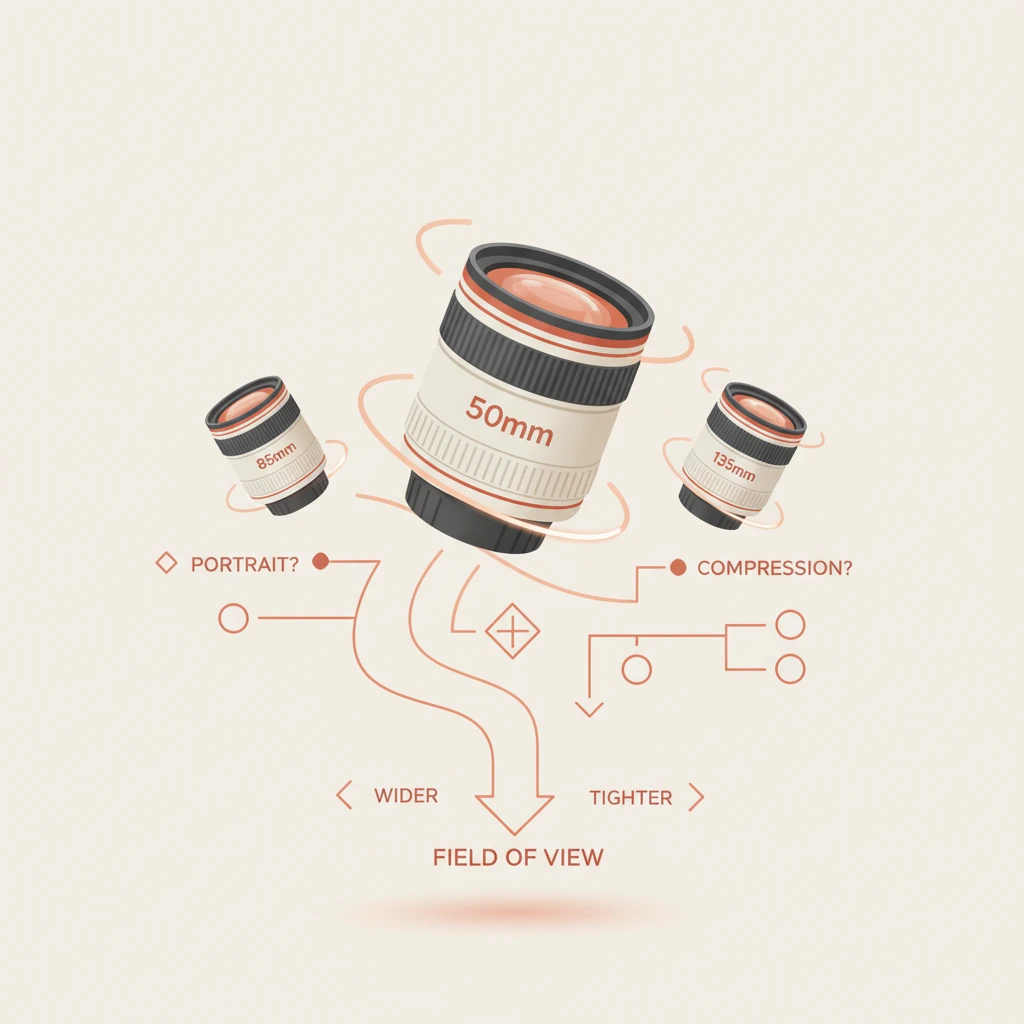
Abstract visualization of focal length decision
06

The Real Answer: Context Is Everything

After all the science and professional analysis, here's the uncomfortable truth: there is no single "best" focal length for portraits. The right answer depends entirely on what you're shooting, where you're shooting it, and what you're trying to communicate.

For corporate headshots: 85-105mm. Flattering perspective, professional working distance, easy to achieve consistency across multiple subjects. The Nikon 105mm f/1.4 and Sigma 105mm f/1.4 Art are industry standards.

For weddings and events: 85mm as primary, 50mm for groups, 135mm or 70-200mm for candids. Versatility matters more than absolute optimization.

For fashion and beauty: 105-135mm for studio beauty, 135-200mm for runway and outdoor editorial where compression is essential.

For environmental and documentary portraits: 35-50mm. Include context. Tell a story. Accept that facial perspective will be slightly exaggerated.

For full-frame vs. APS-C: Multiply by your crop factor (1.5x for most APS-C). A 56mm on APS-C gives similar framing to 85mm on full-frame, but not the same perspective or depth of field characteristics. If you're serious about portraiture on crop sensors, look at the Fujifilm 56mm f/1.2 or Sigma 56mm f/1.4.

The one rule that always applies: For tight portraits of faces, stay at 85mm or longer. Everything else is negotiable.

The "best" portrait lens is the one that gets you the working distance and background treatment your shot requires. Master the relationship between focal length and camera-to-subject distance, and you'll never need to ask the question again.

Until Next Frame

The best lens is the one you understand. Now go make portraits that matter.