Robotics

The Machines That Walk Among Us

Seven companies are racing to put humanoid robots on factory floors, in warehouses, and — for the first time — in your living room. Here's who's actually shipping, who's still demoing, and what it all costs.

Listen
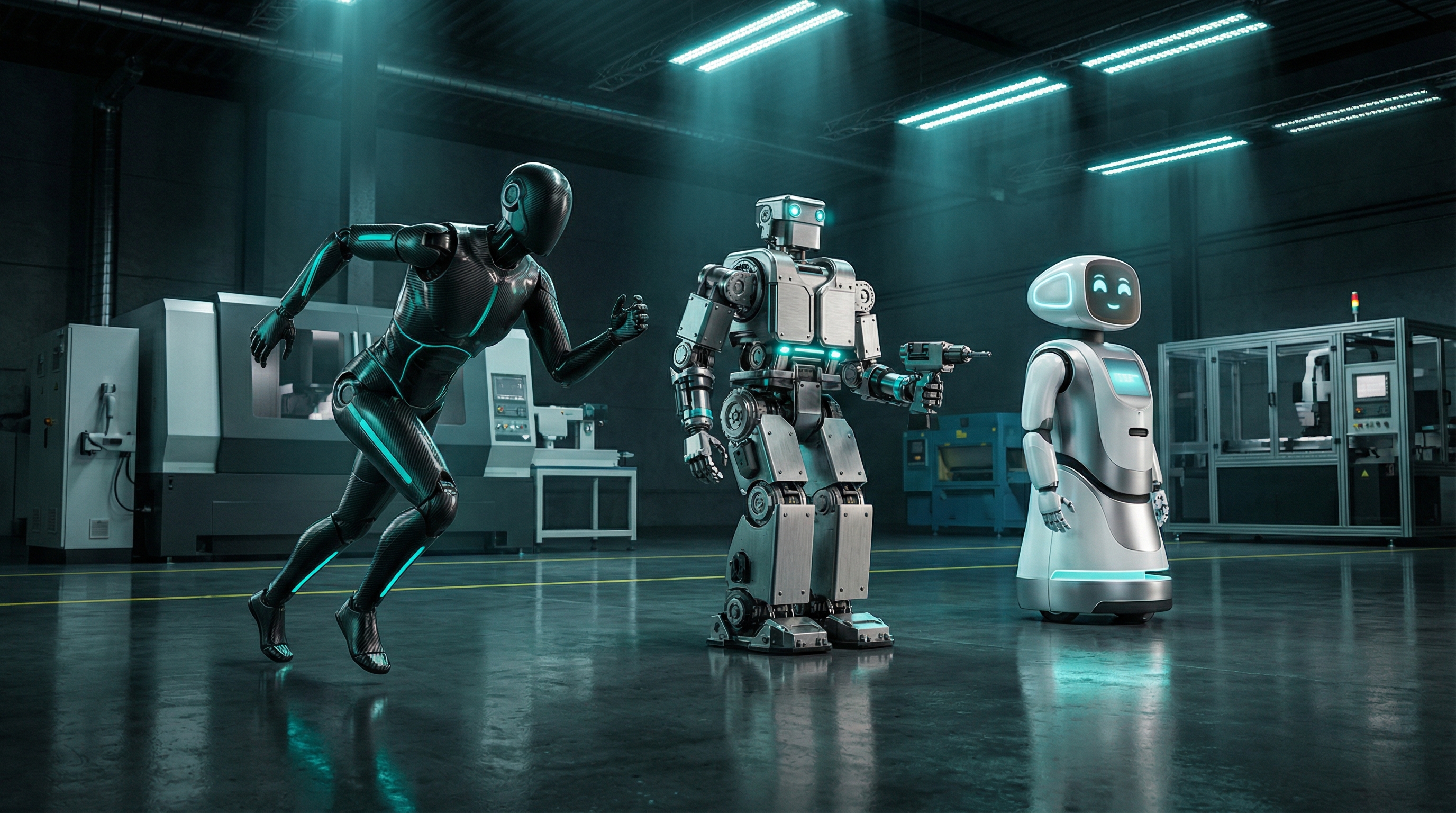
A lineup of sleek humanoid robots standing on a polished factory floor under teal accent lighting
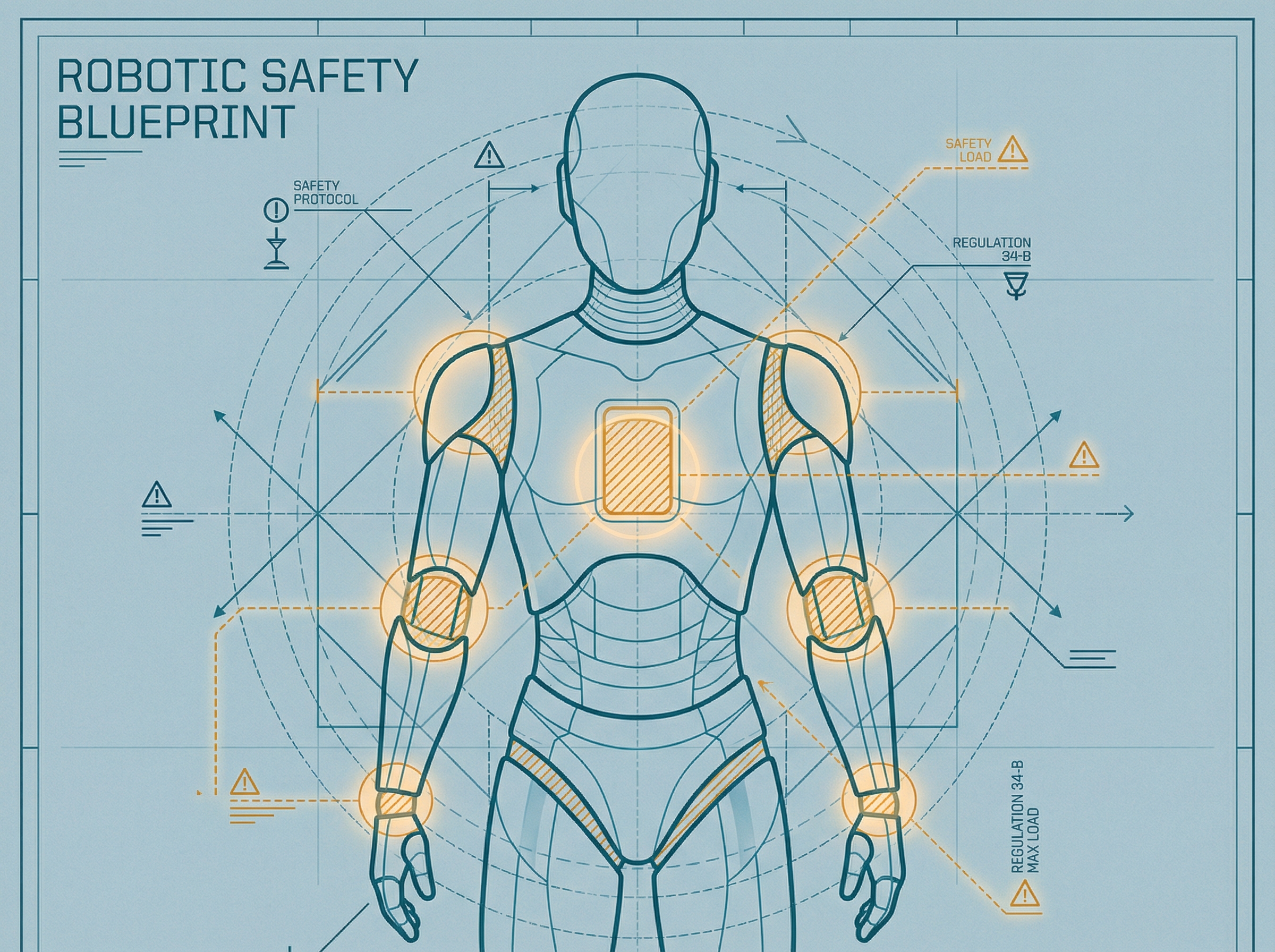
Abstract safety blueprint overlaid on a humanoid robot silhouette
01

The Rulebook Finally Catches Up to the Robots

You can build the most sophisticated humanoid robot on the planet, but if there's no safety standard that accounts for a two-legged machine walking around a factory floor, you're not deploying it anywhere that matters. The Association for Advancing Automation (A3) just released Part 3 of the updated ANSI/A3 R15.06 national safety standard, and it's the first time a major regulatory body has explicitly addressed what happens when robots stop being bolted to the floor.

The update shifts focus from how robots are designed to how they're actually used — day-to-day integration of robot cells, not just theoretical compliance. But here's the tension: existing ISO standards were written for stationary industrial arms. Humanoids that walk, balance, and make real-time decisions in shared human spaces require entirely new "dynamic safety models" that nobody has fully defined yet. The standard acknowledges this gap without completely filling it.

Why this matters more than it sounds: every company in this newsletter — Tesla, Figure, Boston Dynamics, all of them — needs regulatory clarity before they can scale beyond pilot programs. This standard doesn't solve everything, but it gives insurers, factory operators, and procurement teams a framework to say "yes" instead of "let's wait." Expect the EU's machinery regulation update to follow within months.
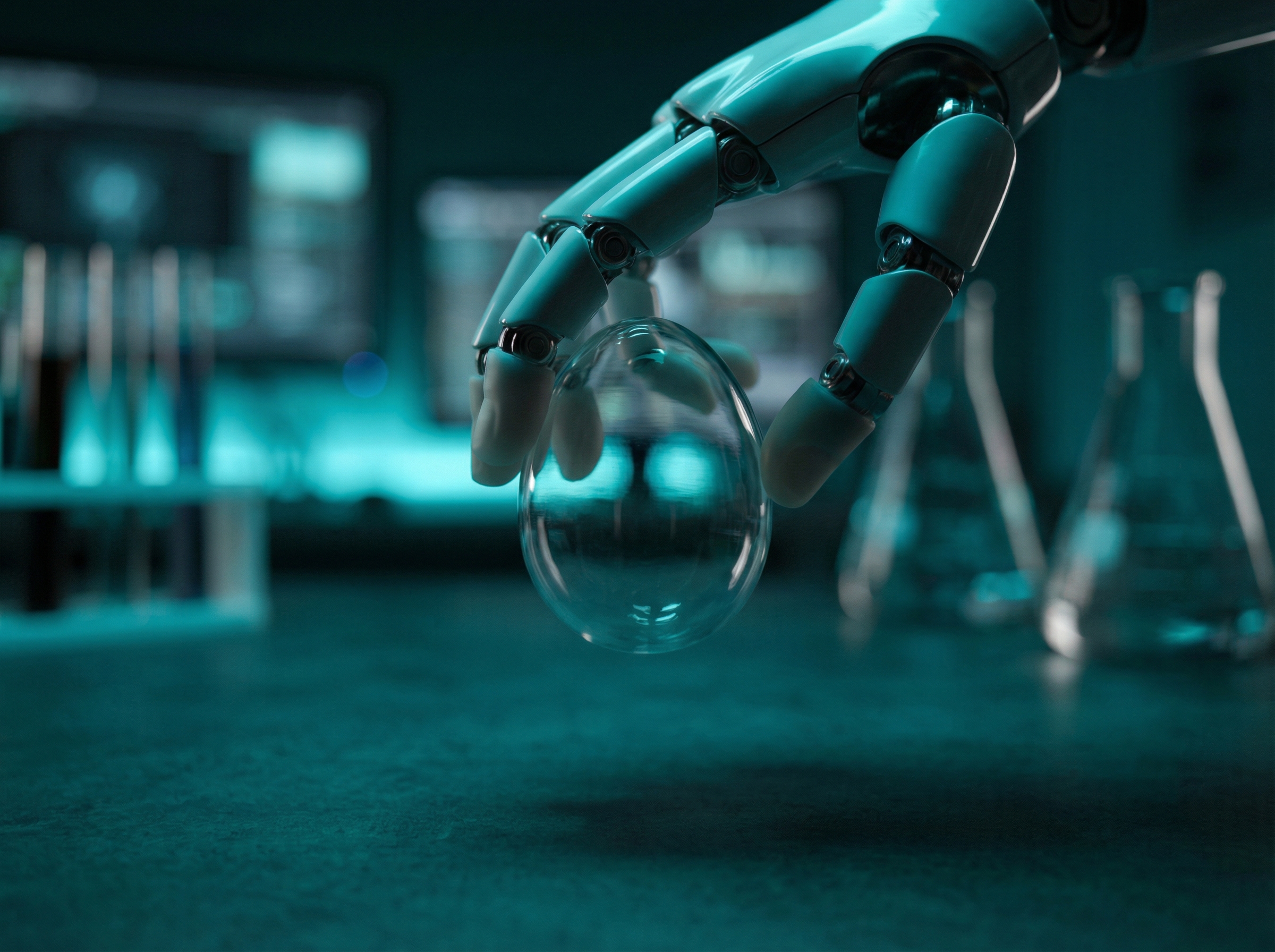
A humanoid robot hand delicately picking up a glass egg with precision fingertips
02

Figure's Hands Just Got Terrifyingly Good

Figure AI dropped a new demo video last week, and if you've been tracking progress in humanoid manipulation, this one landed differently. The robot performed complex, multi-step tasks — picking, placing, reorienting — with a fluidity that looked less like a robot executing a sequence and more like a person who'd done the task a thousand times. The latency between seeing an object and deciding how to grasp it has shrunk to something that experts are calling "near-reflexive."

The technical leap here is in end-to-end AI integration. Rather than pre-programming manipulation routines, Figure's system perceives, plans, and acts through a single neural pipeline. It's the difference between a robot that follows instructions and one that understands what it's doing — or at least convincingly simulates understanding. The demo sparked a predictable debate: is "general-purpose" humanoid dexterity actually useful, or is it an impressive solution looking for a problem that specialized automation already solves cheaper?

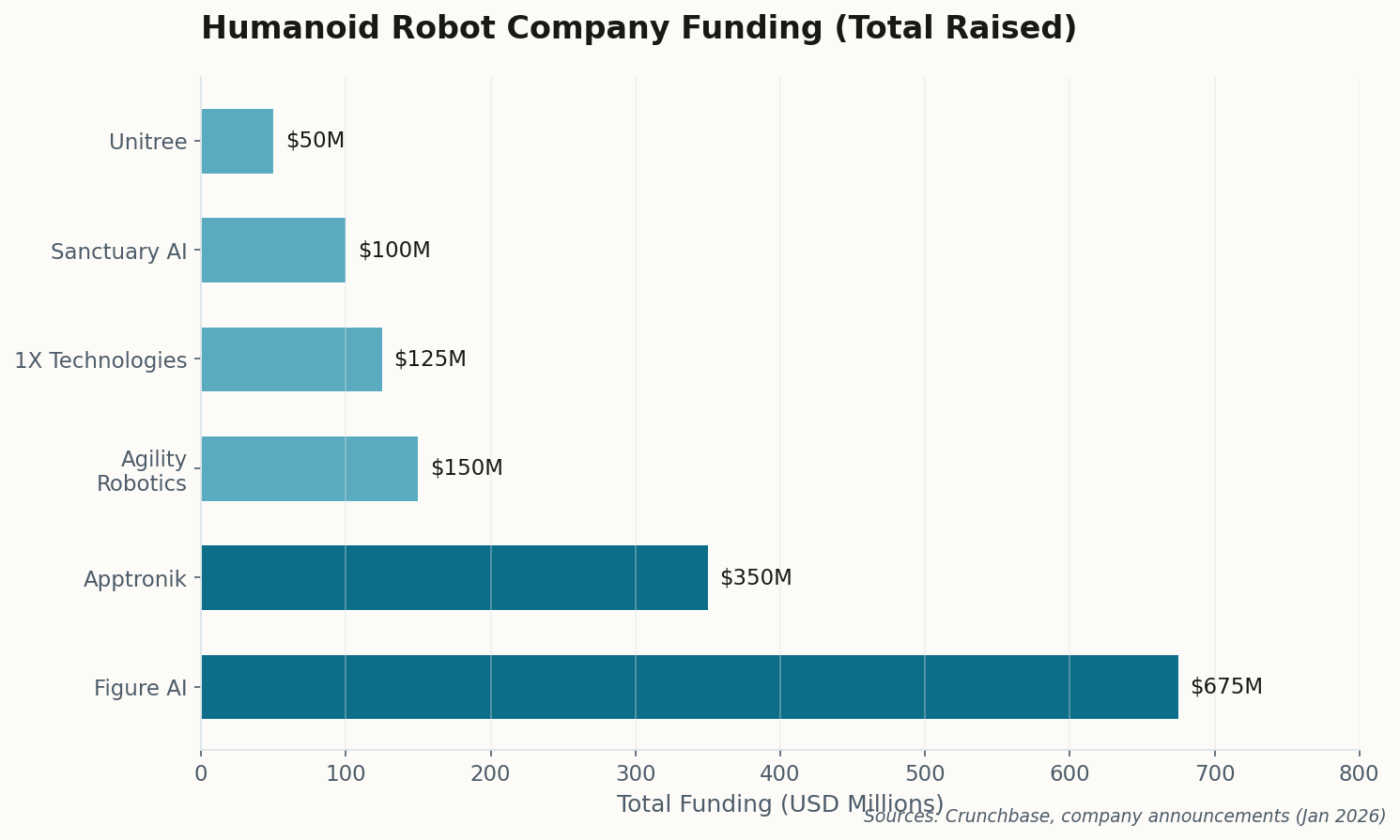
The answer, for now, is both. Specialized robots will always win on speed and cost for single tasks. But factories don't run single tasks — they run hundreds. A humanoid that can move between workstations and adapt to new jobs without retooling is a fundamentally different value proposition. Figure is betting that the economics flip once you factor in reconfiguration costs and downtime. With over $675 million in funding, they have runway to prove it.

Bar chart showing humanoid robot company funding totals, with Figure AI leading at $675M
Total funding raised by major humanoid robot companies. Figure AI leads with $675M, followed by Apptronik's fresh $350M raise. Sources: Crunchbase, company announcements.
Rows of identical humanoid robots on a factory assembly line stretching into the distance
03

Tesla's Million-Robot Math

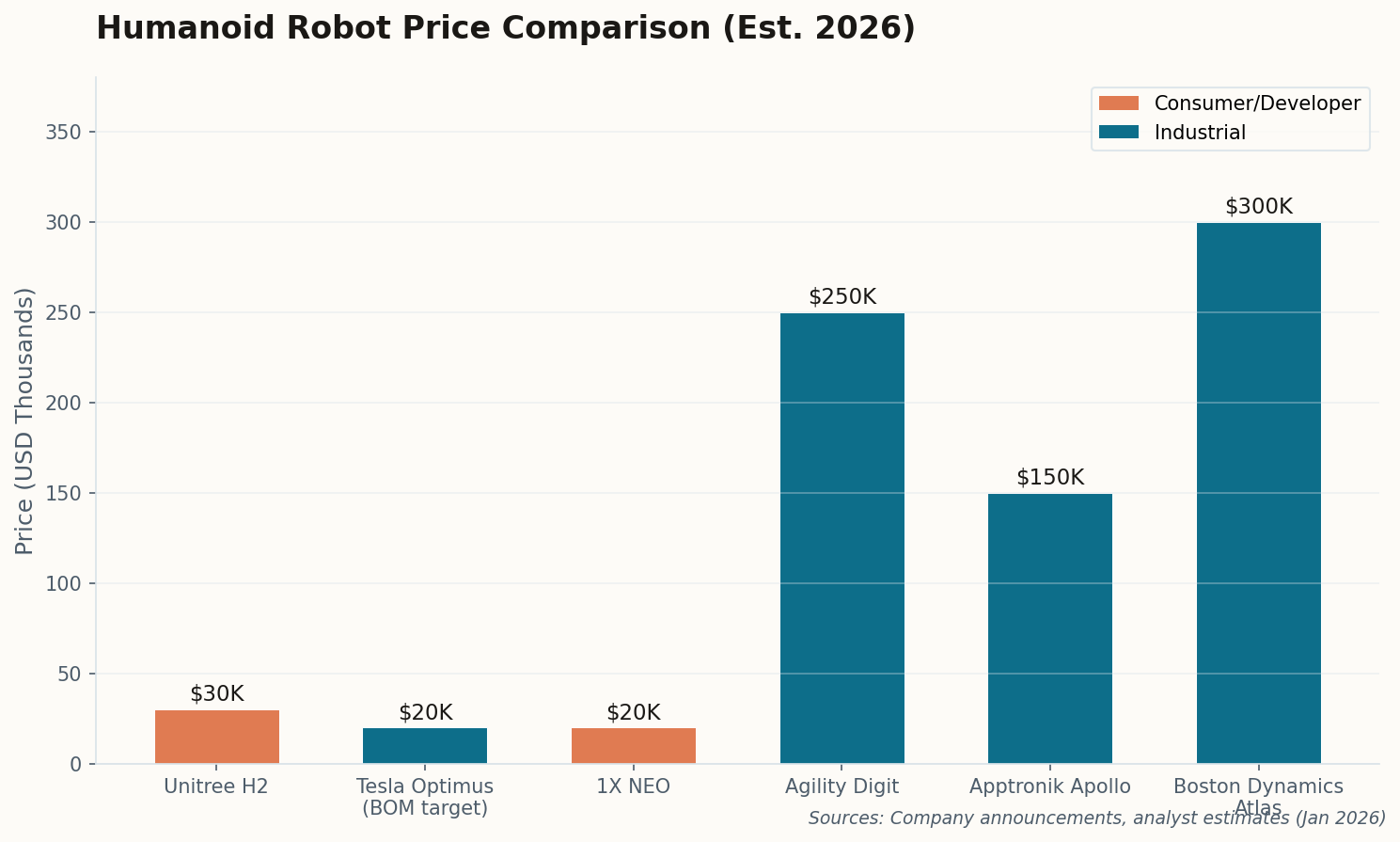
Tesla has confirmed what Elon Musk has been hinting at for months: Optimus Gen 3 will be unveiled in late Q1 2026, featuring dramatically upgraded hands with individually articulated fingers. More significant than the hardware reveal is the production commitment — Tesla is converting a portion of its Fremont facility into a dedicated Optimus manufacturing line with an annual target of one million units. The target bill-of-materials cost: $20,000 per unit.

Let those numbers sink in. At $20K BOM, Tesla isn't competing with Boston Dynamics or Figure — it's competing with the cost of a mid-range car. The play is pure Tesla: commoditize the hardware, make it up on volume and software margins. Public availability is officially slated for late 2027, which means the first external customers are roughly 20 months away. Tesla's corporate mission statement now explicitly prioritizes "AI and robotics" alongside sustainable energy — this isn't a side project anymore.

The skeptic's question is legitimate: can Tesla actually manufacture humanoid robots at automotive scale? Building cars on a line is hard. Building bipedal machines with 40+ degrees of freedom, real-time AI inference, and human-safe force limits is an entirely different engineering challenge. But if any company has the manufacturing muscle and appetite for vertical integration to attempt it, it's the one that already builds 2 million EVs a year.

A humanoid robot gently holding a fragile porcelain teacup with glowing tactile sensor fingertips
04

Sanctuary Stops Talking, Starts Hiring Deployers

When a robotics company hires 19 people and all the job titles include the word "deployment," that tells you more than any press release could. Sanctuary AI, the Canadian company behind the Phoenix humanoid, has opened nearly two dozen strategic positions focused specifically on pilot programs and commercial deployment. The shift is unmistakable: from lab-based teleoperation training to autonomous field operations.

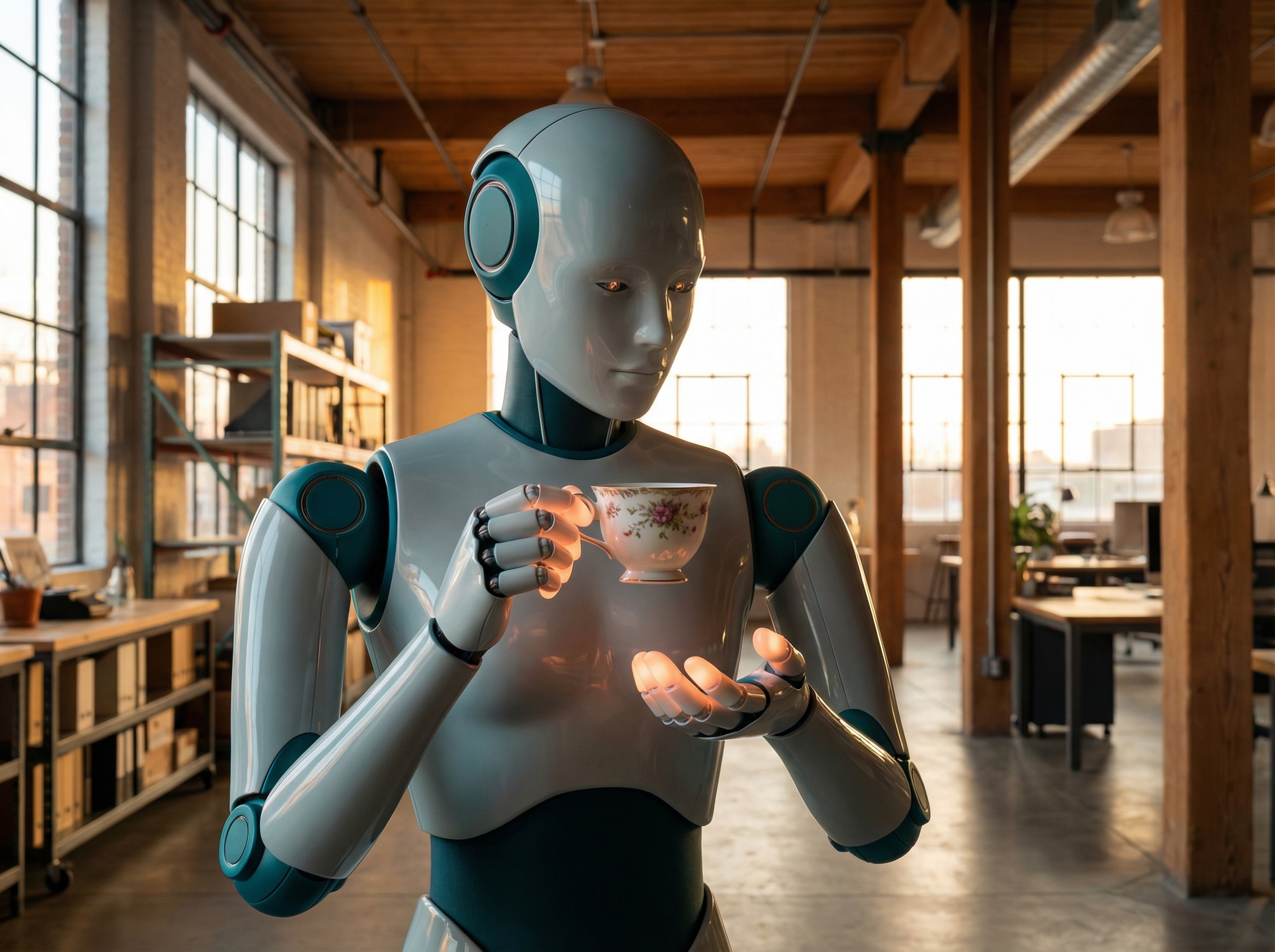
What makes Phoenix interesting isn't raw speed or acrobatics — it's the hands. Sanctuary has developed proprietary tactile sensors that give Phoenix the ability to handle fragile objects with something approaching human-like sensitivity. Think eggs, glass, electronics components. This is the unsexy capability that matters enormously in real logistics and manufacturing: most items in a warehouse aren't uniform boxes. They're irregular, delicate, and varied.

Sanctuary's CEO has said Phoenix is "physically capable of doing most of the world's work." That's a bold claim for any robot, but the hiring pattern suggests they're ready to let real-world pilots prove or disprove it. The company's approach — training through teleoperation first, then gradually increasing autonomy — is arguably the most methodical path to reliable deployment. Slower than Figure's end-to-end AI, but potentially more predictable in production environments where surprises cost money.

Abstract visualization of venture capital flowing into robotics with golden circuit traces
05

Google Writes the Biggest Check in Humanoid History

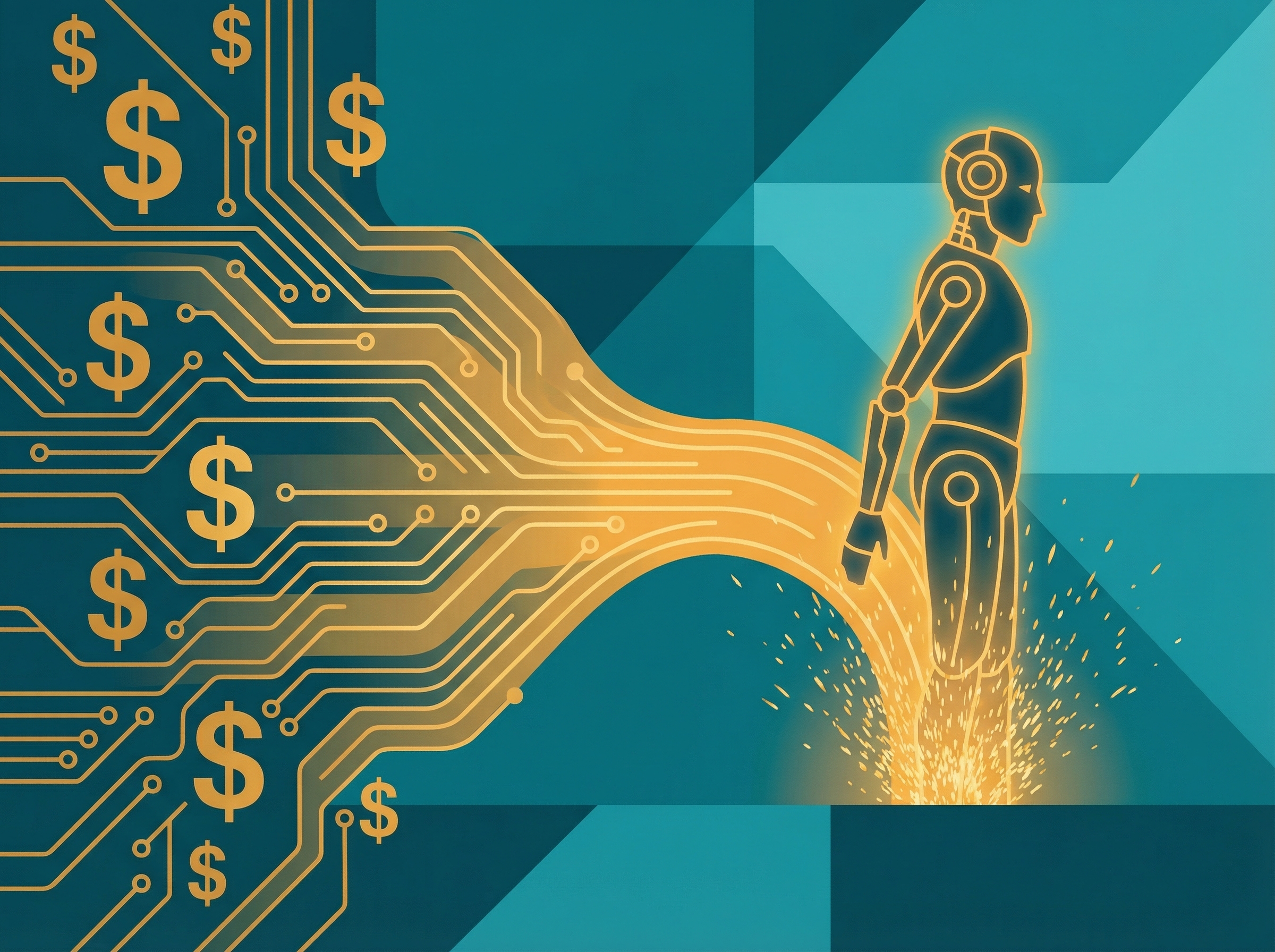
Apptronik just closed a $350 million Series B led by Google, with Mercedes-Benz and NASA also writing checks. That investor lineup isn't random — it's a thesis statement. Google brings AI and cloud infrastructure. Mercedes brings automotive manufacturing expertise and an immediate customer pipeline. NASA brings credibility in extreme-environment robotics. Together, they're betting that Apptronik's Apollo humanoid can bridge the gap between research prototype and factory workhorse.

Apollo's standout feature is its hot-swappable battery system, which allows continuous 24/7 operation. While competitors need to park their robots for charging (or, in Boston Dynamics' case, swap entire robots), Apollo can have its battery cartridge swapped in under two minutes by another Apollo. The force-control systems have also been validated for safe human-robot collaboration — meaning Apollo can work alongside humans without safety cages, a prerequisite for most real factory deployments.

Bar chart comparing humanoid robot prices, from Unitree H2 at $30K to Boston Dynamics Atlas at $300K
Estimated pricing across available and announced humanoid robots. Consumer-oriented models (orange) cluster under $30K; industrial platforms (teal) range from $150K to $300K+. Sources: Company announcements, analyst estimates.

At $350M, this is the largest single funding round in the humanoid robotics space. It signals that the "will humanoids work?" question has been replaced by "who will scale first?" Google clearly doesn't want to be a spectator — between this investment and the DeepMind AI powering Boston Dynamics' Atlas, they're hedging across multiple horses in the humanoid race.

A compact humanoid robot performing an athletic side-kick in mid-air
06

The $30K Robot That Changes the Math

Unitree has a habit of making Western robotics companies uncomfortable. The Chinese firm — already dominant in quadruped robots (their Go2 dog-bot is basically the affordable Boston Dynamics Spot alternative) — just unveiled the H2, a full humanoid robot priced under $30,000. To put that in perspective, Boston Dynamics' Atlas costs an estimated $300K+. Figure and Apptronik are in the $150K–250K range. Unitree just made a humanoid cheaper than a Toyota Camry.

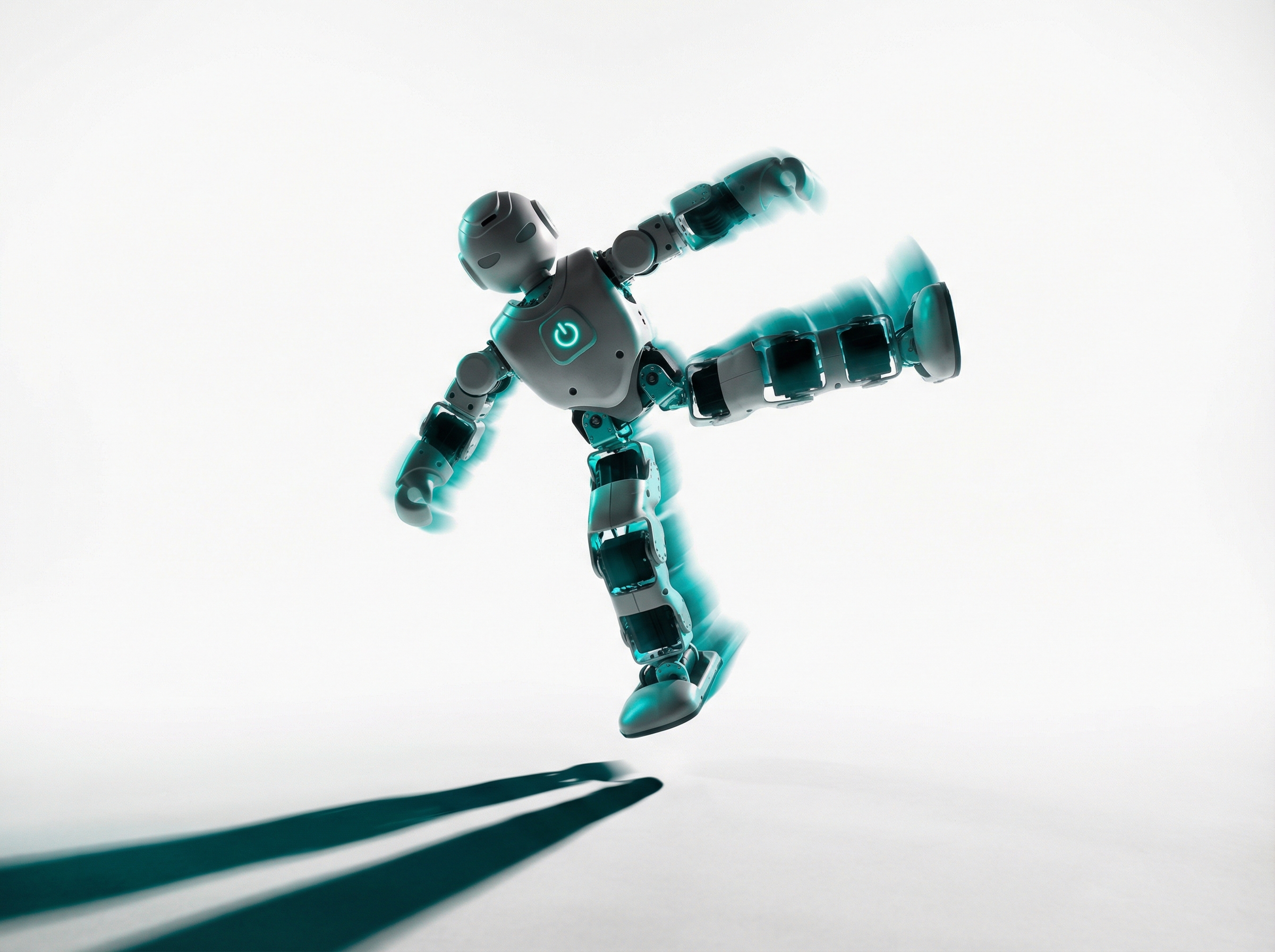
The H2 features high-torque joint motors that enable dynamic movements you wouldn't expect at this price point — jumping, side-kicks, rapid pivots. It's positioned as an open platform for researchers and developers, which is strategically brilliant: get the hardware into every university lab and startup in the world, build an ecosystem, then capture the application layer. It's the same playbook that made DJI synonymous with drones.

The quality question is real. At this price, something has to give — and it's likely precision, reliability, and long-term durability under industrial loads. But for research, education, and early-stage development, the H2 demolishes the barrier to entry. Five years ago, humanoid robotics was a billionaire's hobby. Now it's a grad student's thesis project. That democratization might matter more for the field's long-term trajectory than any single flagship robot.

Two humanoid robots displayed on illuminated pedestals at a futuristic trade show
07

CES 2026: The Year Humanoids Took the Floor

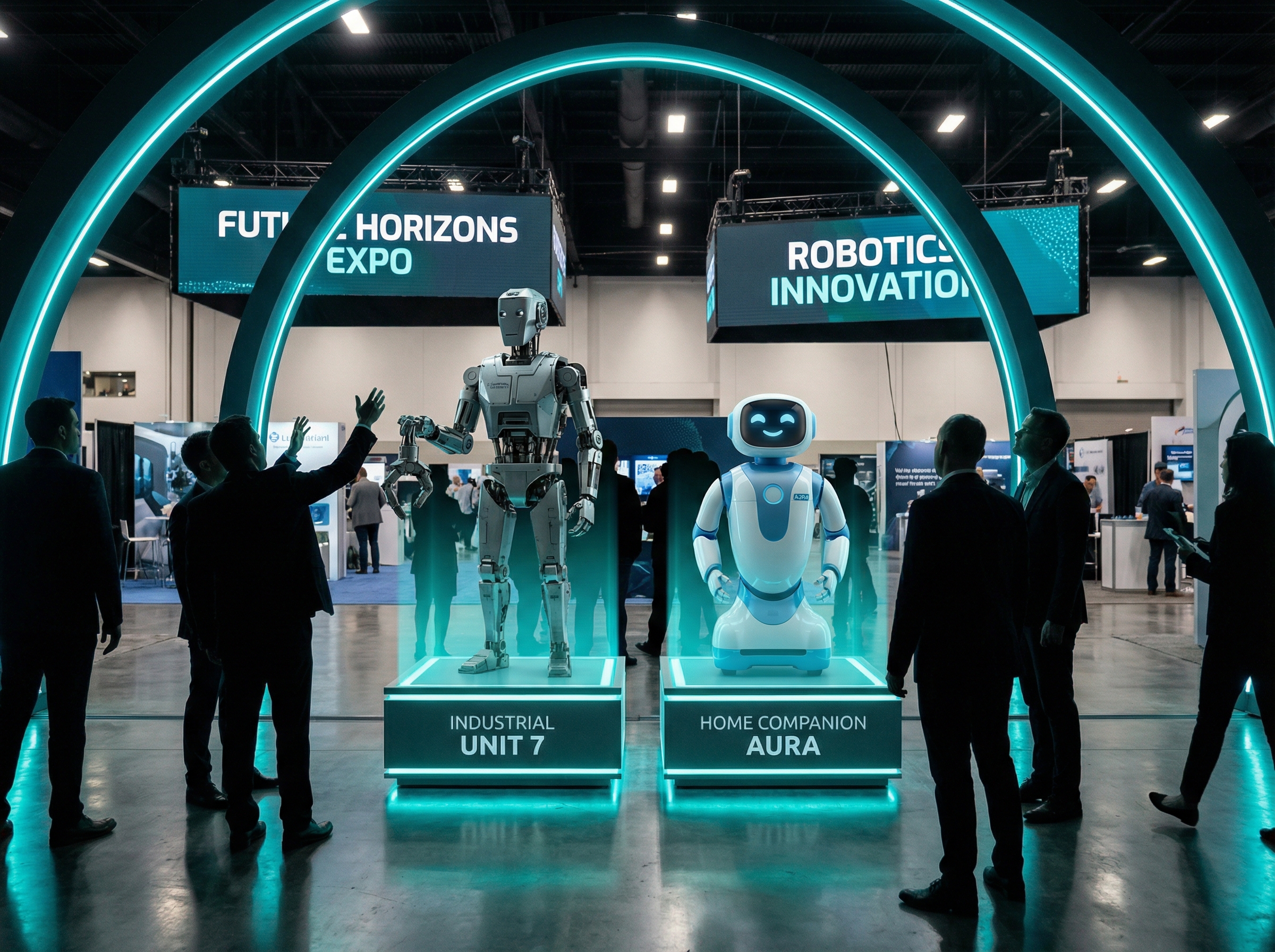
CES has always been where the future gets oversold, but this January two humanoid announcements felt genuinely different. Boston Dynamics showcased the production-ready version of the all-electric Atlas — not a prototype, not a "concept platform," but the actual robot they're shipping to customers. It features integrated DeepMind AI models for perception and decision-making, 360-degree torso rotation, and fine motor skills demonstrated in live palletizing and machine-tending demos. Production has started. Deployments are imminent.

Meanwhile, Norwegian-American startup 1X Technologies went in a completely different direction by officially launching NEO — a lightweight bipedal robot designed not for factories, but for your home. Priced at $20,000 upfront (or $499/month on subscription), NEO is powered by OpenAI models for natural language interaction and can handle household tasks like tidying, organizing, and fetching. US deliveries are expected later this year. It's the first serious consumer humanoid with a real price tag and a real ship date.

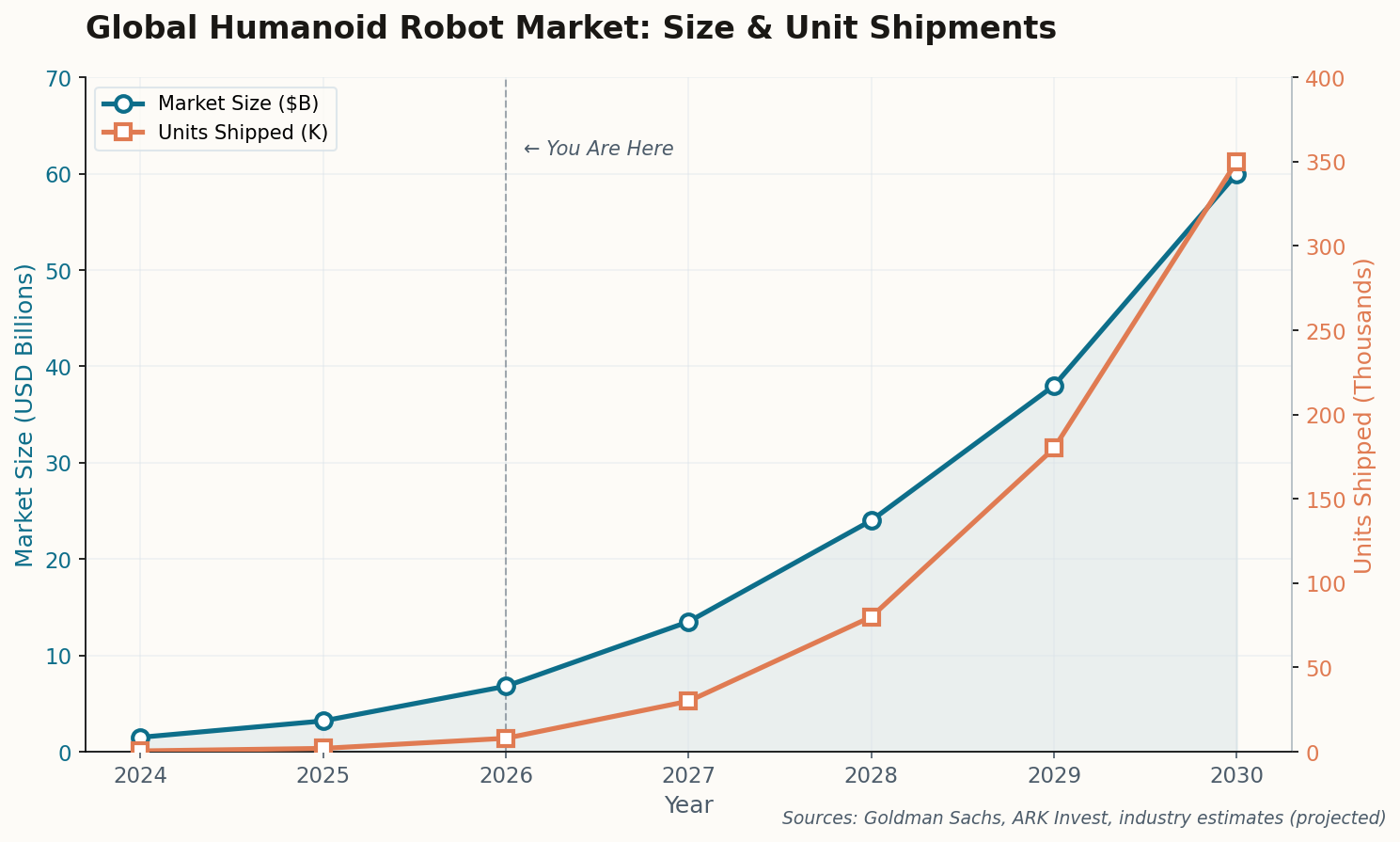
Dual-axis line chart showing humanoid robot market size growing from $1.5B in 2024 to projected $60B by 2030
The humanoid robot market is projected to grow from $6.8B in 2026 to $60B by 2030, with unit shipments scaling from 8,000 to 350,000. Sources: Goldman Sachs, ARK Invest, industry estimates.

These two CES reveals perfectly capture the industry's fork in the road. Boston Dynamics and its peers are building for industrial customers who need reliability, safety certification, and ROI calculations. 1X is betting on a consumer market that doesn't exist yet — one where people will pay car money for a robot butler. Both strategies could work. Both could fail. But the fact that we're even debating the consumer case means the technology has crossed a threshold that felt years away just twelve months ago.

The Hiring Has Started

A year ago, humanoid robots were demo reels and funding announcements. Today, at least four companies have production timelines, two have announced pricing, and one is hiring deployment engineers by the dozen. The question has shifted from "will this work?" to "who gets there first?" — and the answer will reshape manufacturing, logistics, and eventually the home in ways we're only beginning to price in. Watch the hiring pages. That's where the real signal lives.