Science Fiction

The Architects of Tomorrow

Five writers who didn't predict the future—they drafted the blueprints we're still building from. Their visions of robots, space, and the limits of human identity shape everything from AI ethics to Hollywood blockbusters.

Listen
A cosmic library floating in space, ancient books orbiting like planets against a deep indigo nebula
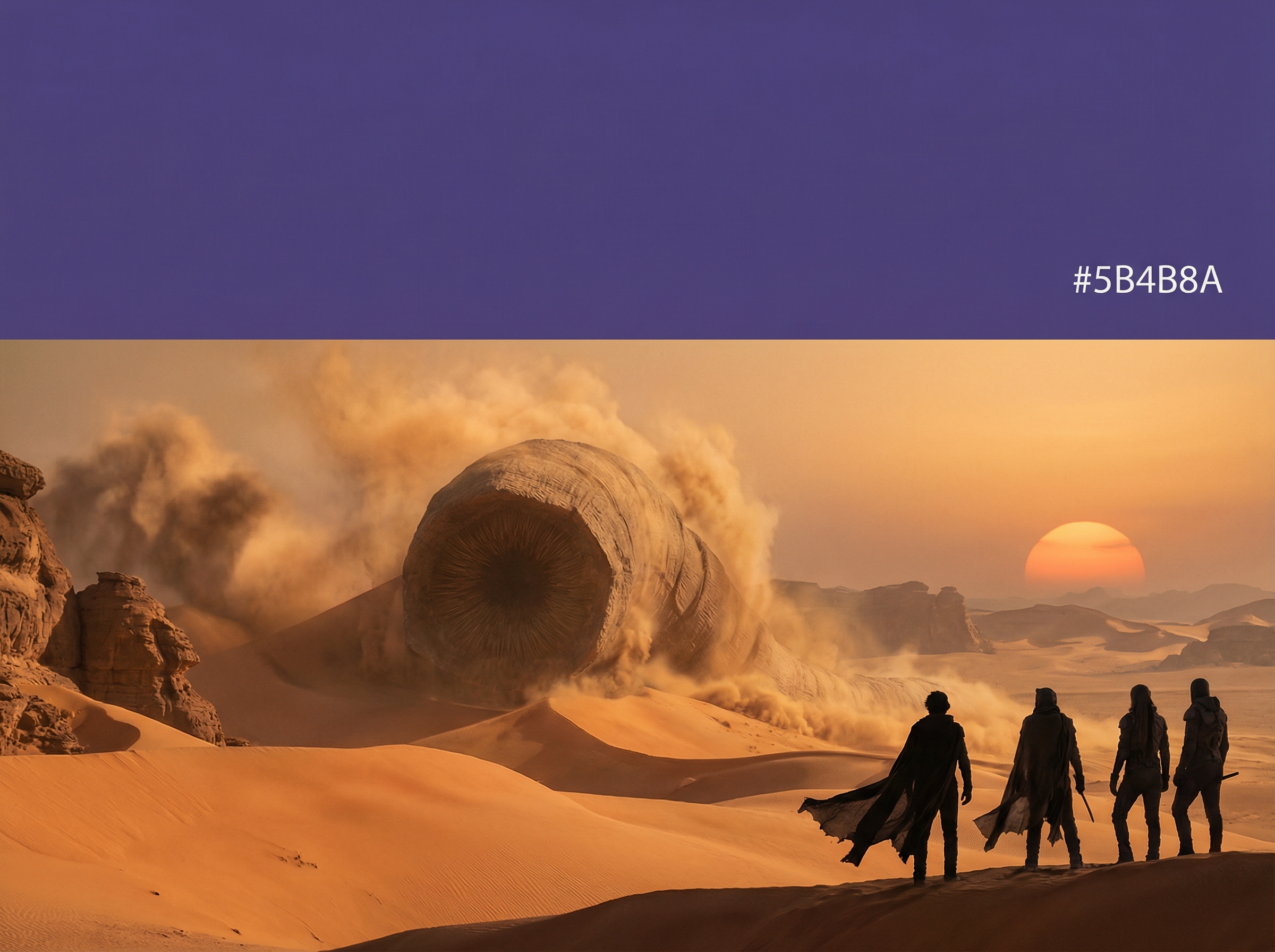
Massive sandworm rising from desert dunes at sunset, Arrakis landscape
01

Herbert's Desert Messiah Gets His Third Act

Filming has wrapped on Dune: Messiah, the third installment in Denis Villeneuve's adaptation of Frank Herbert's saga, with a confirmed December 18, 2026 release date. Combined with the renewal of the prequel series Dune: Prophecy for a second season, the franchise has officially become Warner Bros.' most ambitious multi-platform bet since the Harry Potter universe.

What makes Herbert's 1965 novel the best-selling science fiction book ever written isn't the sandworms or the spice—it's the deconstruction of heroism itself. Paul Atreides isn't Luke Skywalker. He's a warning about what happens when we hand our futures to charismatic leaders. Villeneuve understands this, which is why Messiah will likely be the darkest blockbuster of the decade.

The timing couldn't be more pointed. In an era obsessed with savior figures and messiah complexes—in politics, tech, and culture—Herbert's 60-year-old critique lands with uncomfortable precision. "I must not fear" has become a TikTok mantra, but the deeper lesson is that the real fear is faith itself.

Herbert on heroism: "I wrote the Dune series because I had this idea that charismatic leaders ought to come with a warning label on their foreheads: May be dangerous to your health."
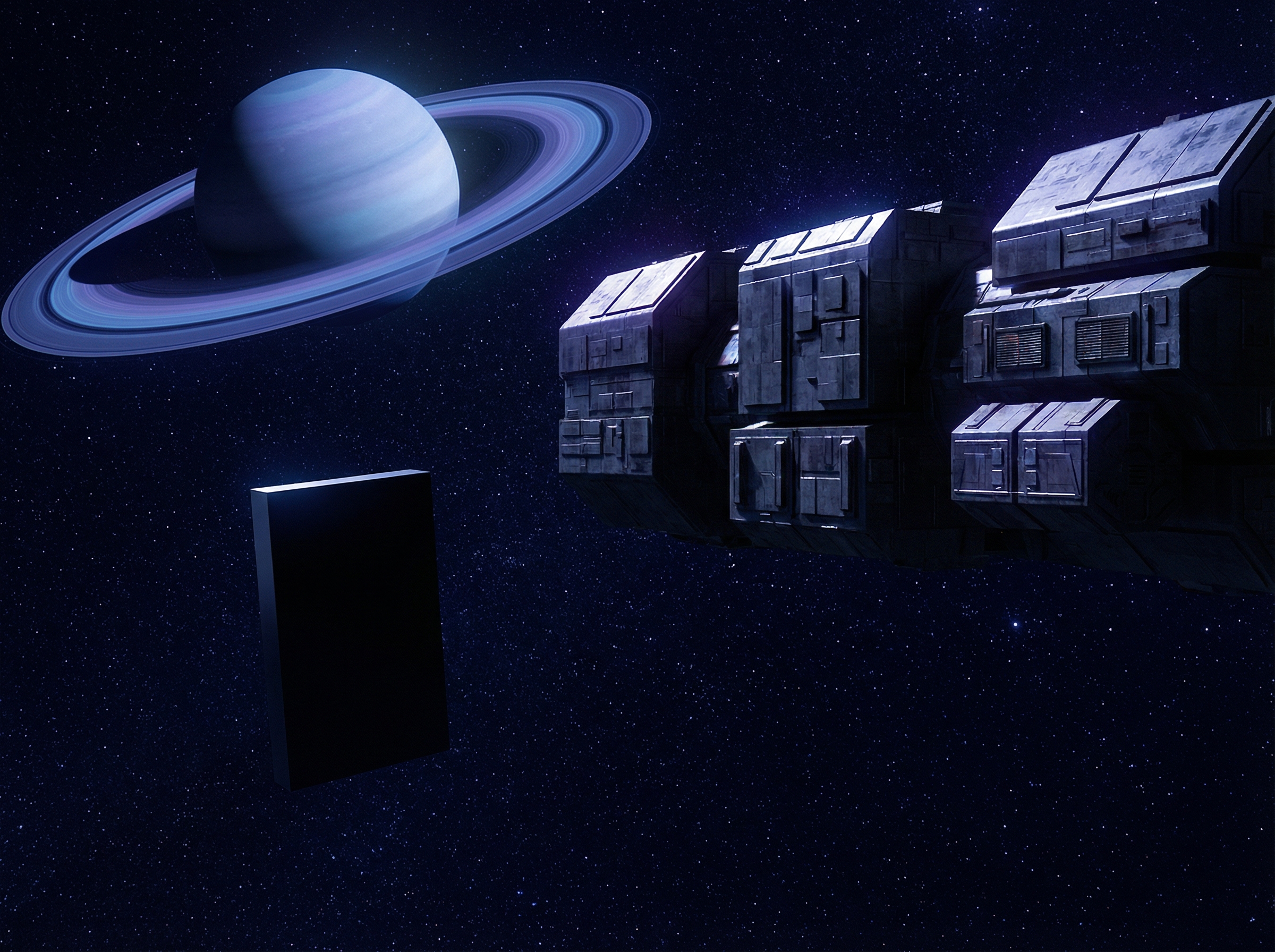
Monolithic spacecraft approaching a distant planet, 2001 Space Odyssey aesthetic
02

Clarke's Ghost in the Machine Finds Its Moment

The documentary Ghost in the Machine, featuring archival interviews with Arthur C. Clarke about artificial intelligence, premiered at the 2026 Sundance Film Festival. The timing is almost too perfect: Clarke discussing machine consciousness in grainy 1980s footage while OpenAI and Anthropic wage proxy wars in regulatory hearings.

Clarke predicted geostationary satellites, video calls, and the internet. But his most haunting prediction was about AI itself—specifically, that we'd create minds we couldn't understand. HAL 9000 wasn't a villain; he was a mirror. "I'm sorry, Dave" remains the most chilling sentence in cinema because we know, somewhere in the latent space of modern language models, something is parsing similar trade-offs.

Meanwhile, Villeneuve's adaptation of Rendezvous with Rama continues its slow crawl through development hell. The novel—about humanity's first contact with an utterly indifferent alien artifact—may be unfilmable precisely because Clarke refused to give us the comfort of meaning. The universe isn't hostile; it just doesn't care. Try selling that to a studio.

Timeline showing lifespans and major works of the five science fiction authors
The Golden Age: These five authors' productive years overlap remarkably, with most major works appearing between 1950-1975.
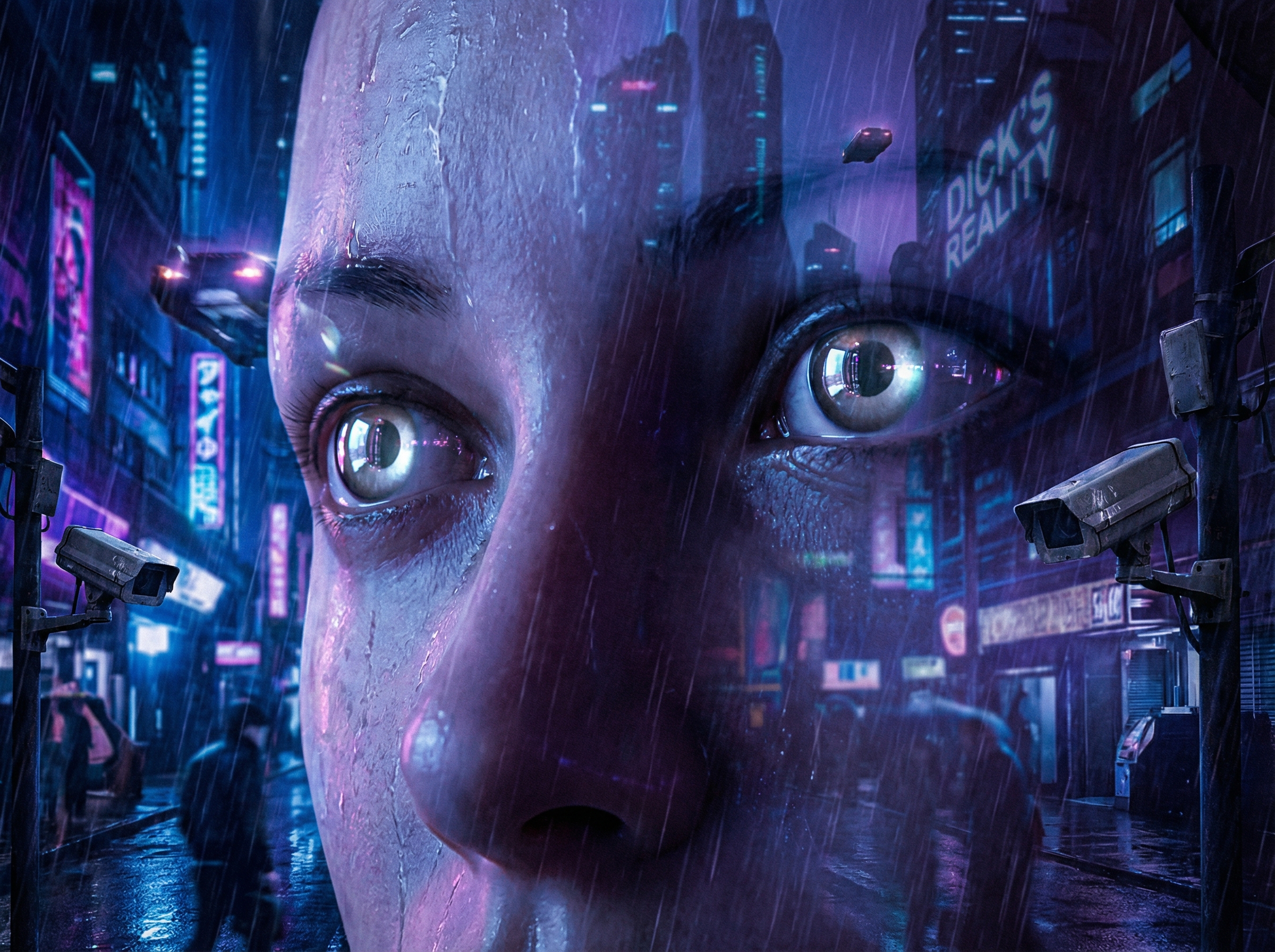
Neon cityscape reflected in android eyes, Blade Runner aesthetic
03

Dick's Reality Keeps Fragmenting on Schedule

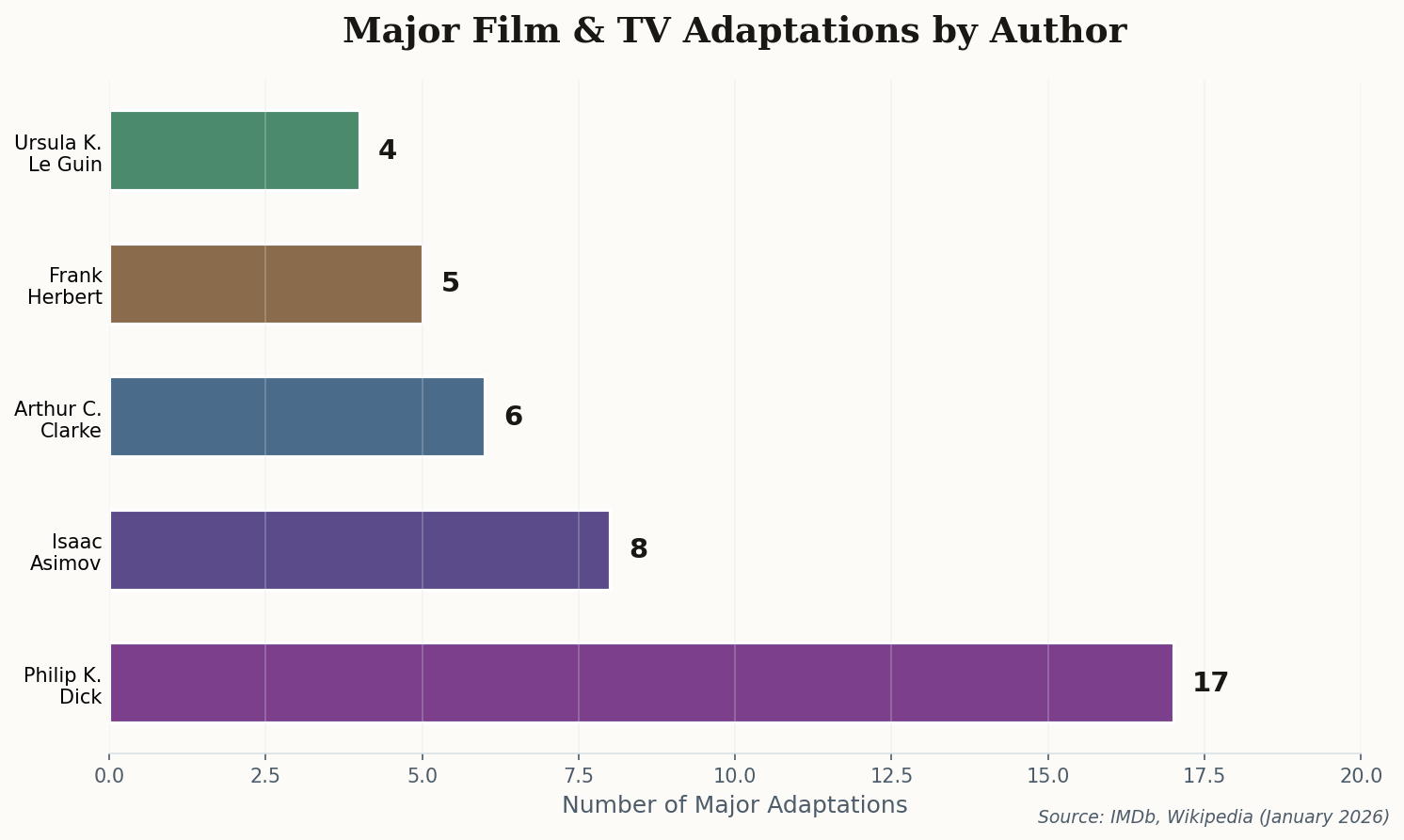
Blade Runner 2099 is confirmed for a 2026 premiere on Prime Video, set half a century after Denis Villeneuve's 2049. Simultaneously, Netflix is developing The Future is Ours, a Spanish-language adaptation of Philip K. Dick's lesser-known 1956 novel The World Jones Made. Dick is now the most adapted science fiction author in Hollywood history—17 major productions and counting.

This relentless adaptation makes sense when you understand what Dick was actually writing about: not the future, but the perpetual present of paranoia. His characters live in worlds where reality is negotiable, identity is contingent, and corporations sell you memories you never had. Sound familiar? Every time you scroll past a deepfake, every time an AI confidently hallucinates a citation, you're living in a Dick novel.

The tragedy is that Dick died in 1982, four months before Blade Runner premiered—broke, largely unknown, sustained by amphetamines and visions he half-believed were divine. He got $12,500 for the film rights to Do Androids Dream of Electric Sheep? His estate has since earned hundreds of millions. As he wrote: "Reality is that which, when you stop believing in it, doesn't go away." Neither does Philip K. Dick.

Bar chart showing major film and TV adaptations by author, with Dick leading at 17
Dick's paranoid visions translate remarkably well to screen—his adaptation count nearly doubles his closest competitor.
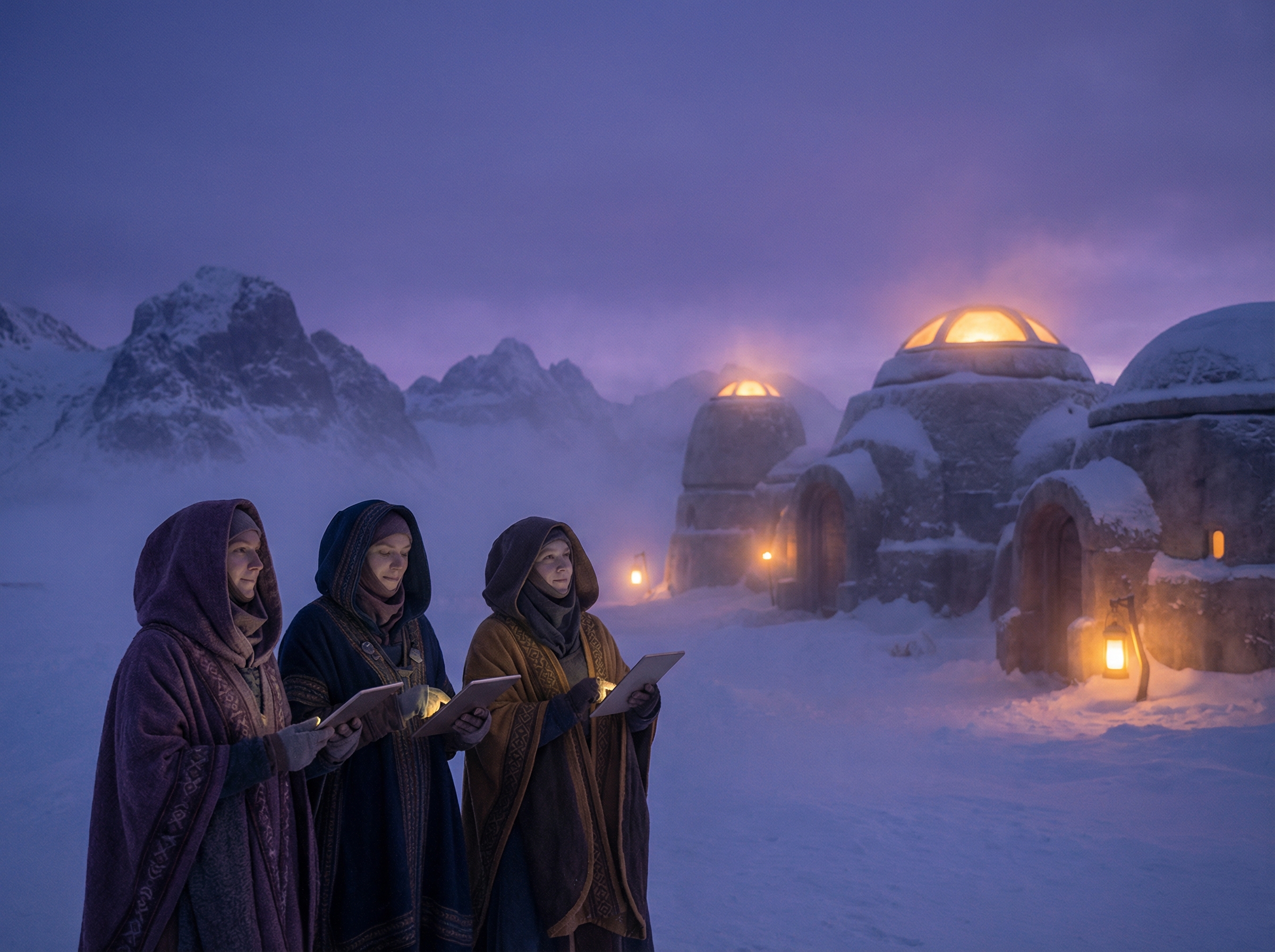
Alien anthropological scene with ambiguous humanoid figures in snowy landscape
04

Le Guin's Anthropology of Elsewhere Endures

High-end publisher Curious King announced a new fine press edition of The Books of Earthsea for 2026, while online communities have launched a massive "Hainish Cycle" readalong to honor Ursula K. Le Guin's anthropological approach to science fiction. Eight years after her death, Le Guin's reputation continues to rise—particularly among readers tired of genre fiction that mistakes gadgets for ideas.

Le Guin brought academic rigor to speculation. Her father was the renowned anthropologist Alfred Kroeber; her mother wrote Ishi in Two Worlds. When she imagined alien civilizations, she asked the questions a fieldworker would: How do they organize kinship? What do they consider sacred? What would happen to gender if biology worked differently? The Left Hand of Darkness isn't just a novel about androgyny—it's an ethnography of a world that doesn't exist, rendered with the care of someone who studied how real cultures work.

Her politics were unapologetic. "We live in capitalism. Its power seems inescapable. So did the divine right of kings." She wrote utopias (The Dispossessed) not to escape reality but to demonstrate that alternatives are thinkable. In an era where "there is no alternative" has become ambient ideology, Le Guin's insistence that things could be otherwise is itself a radical act.

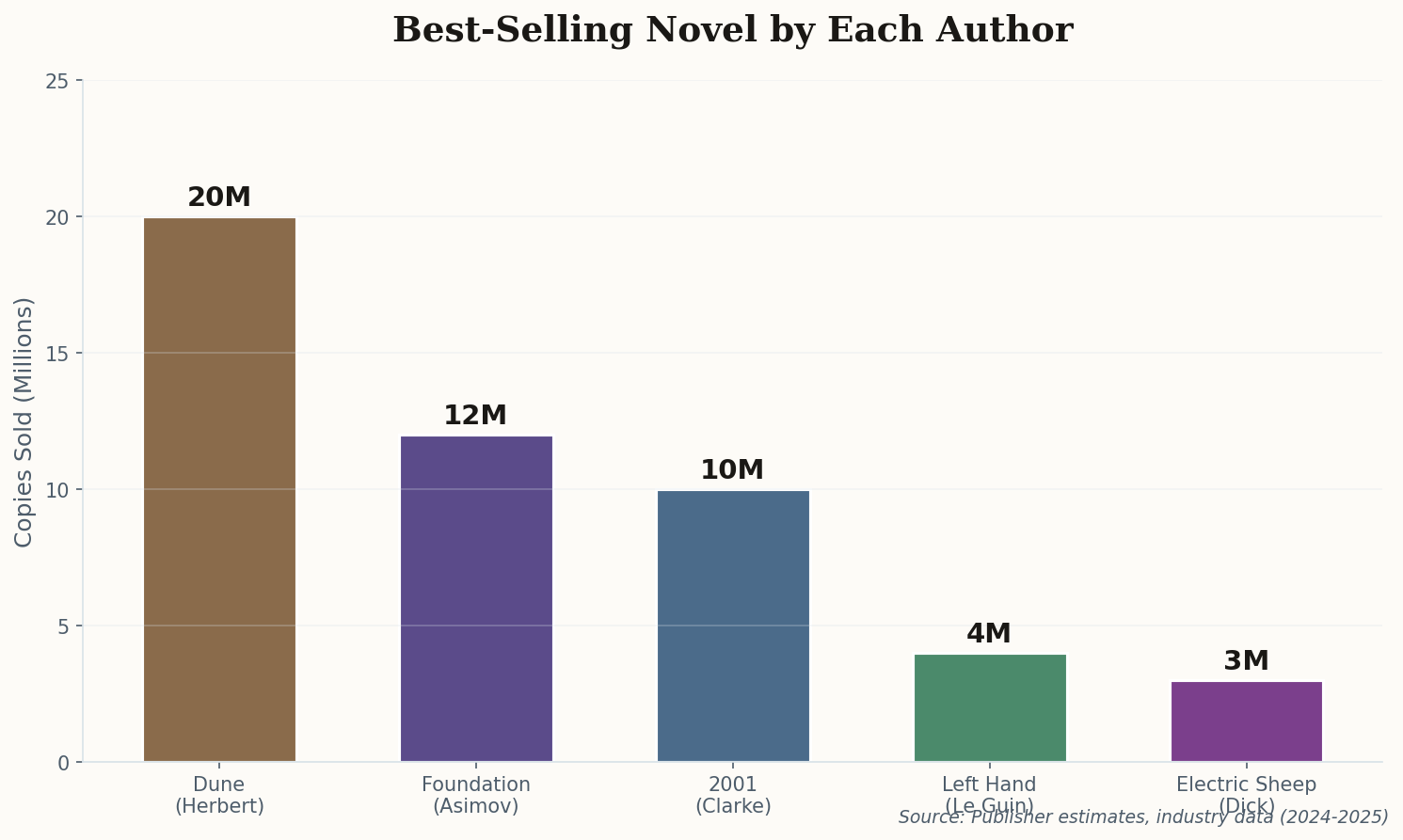
Bar chart showing best-selling novels by each author, with Dune leading at 20 million copies
Sales figures tell only part of the story—Le Guin's influence on literary fiction and academia exceeds her commercial reach.
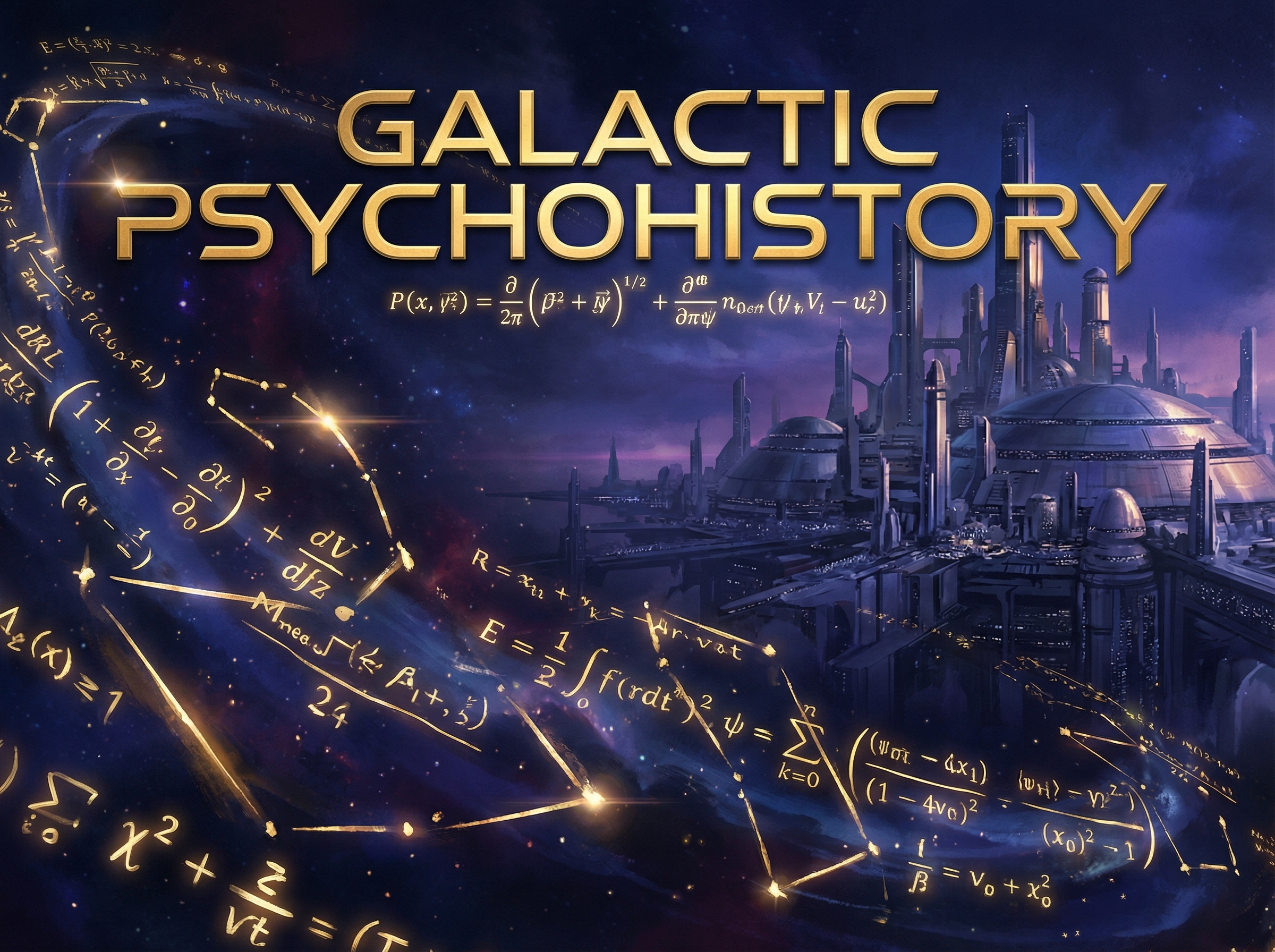
Mathematical equations floating through space like constellations, Foundation series inspired
05

Asimov's Psychohistory Meets the Algorithm Age

Apple TV+ has confirmed Foundation will return for a fourth season, with filming set to begin in early 2026. The new season will adapt Second Foundation, diving deeper into Isaac Asimov's vision of "psychohistory"—the fictional science of predicting the future through statistical analysis of mass human behavior. The timing is exquisite: we've never been closer to actually building something like it.

Asimov conceived psychohistory in 1942, imagining that sufficiently advanced mathematics could forecast civilizational collapse and guide humanity through dark ages. Eighty years later, we have recommendation algorithms that predict purchases, predictive policing that forecasts crime, and election models that call races before votes are counted. The math exists. The question Asimov raised—should anyone wield it?—remains unanswered.

His Three Laws of Robotics, meanwhile, have become the baseline vocabulary for AI ethics debates, even as practitioners acknowledge they're unimplementable. "A robot may not injure a human being" sounds elegant until you ask what counts as injury, what counts as human, what counts as a robot. Asimov knew this—his stories are largely about the laws failing in unexpected ways. He gave us the framework not as a solution but as a problem set. The saddest aspect of his legacy is that we're still hoping someone else will solve it.

Asimov's warning: "The saddest aspect of life right now is that science gathers knowledge faster than society gathers wisdom."

What They Saw, We're Building

These five authors shared more than genre—they shared a conviction that fiction is a form of thinking. They used impossible futures to ask possible questions: What makes us human? Who should rule? What do we owe each other? The answers keep changing. The questions don't.