Cross-Platform Goes AI-First, and Nobody's Looking Back
Here's the question that's kept CTOs awake this month: if AI can write code for any platform, does your platform choice even matter? Flutter just answered with a resounding "yes, but not how you think."
Google's deep integration of Gemini into Flutter isn't just about generating widgets faster. It's about "text-to-widget" accuracy that makes the framework feel less like a tool and more like a collaborator. You describe what you want; Flutter builds it. The implication? Cross-platform development is no longer "write once, run anywhere"—it's "generate once, deploy everywhere."
React Native isn't sitting still either. The integration of on-device AI via TensorFlow.js and streamlined bridges to CoreML means JavaScript developers can now ship intelligent apps without learning Swift or Kotlin. For teams with web DNA, that's a massive unlock.
The shift: Framework choice is now about which AI ecosystem you want to bet on—Google's Gemini-native Flutter or the React/TensorFlow.js pipeline.
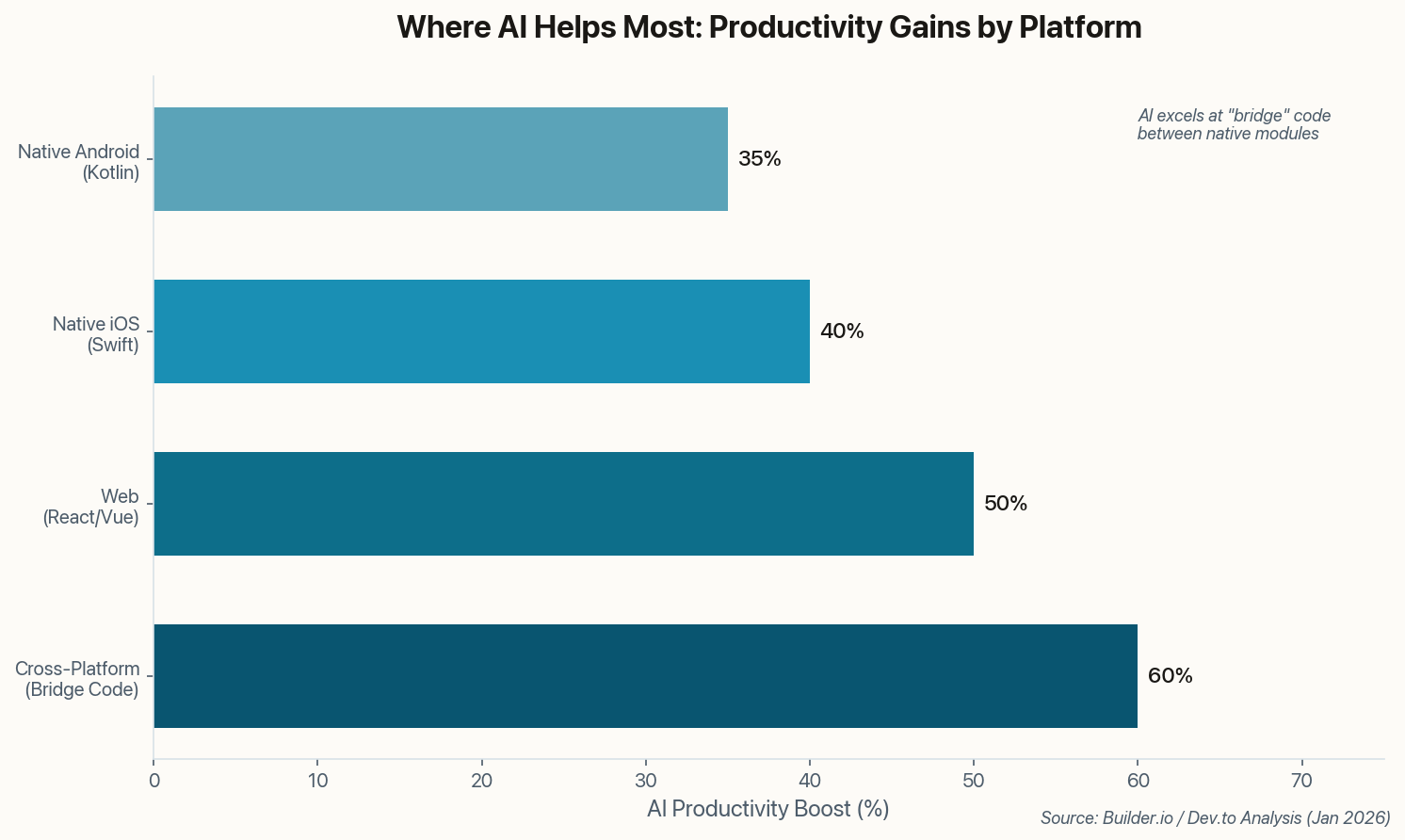
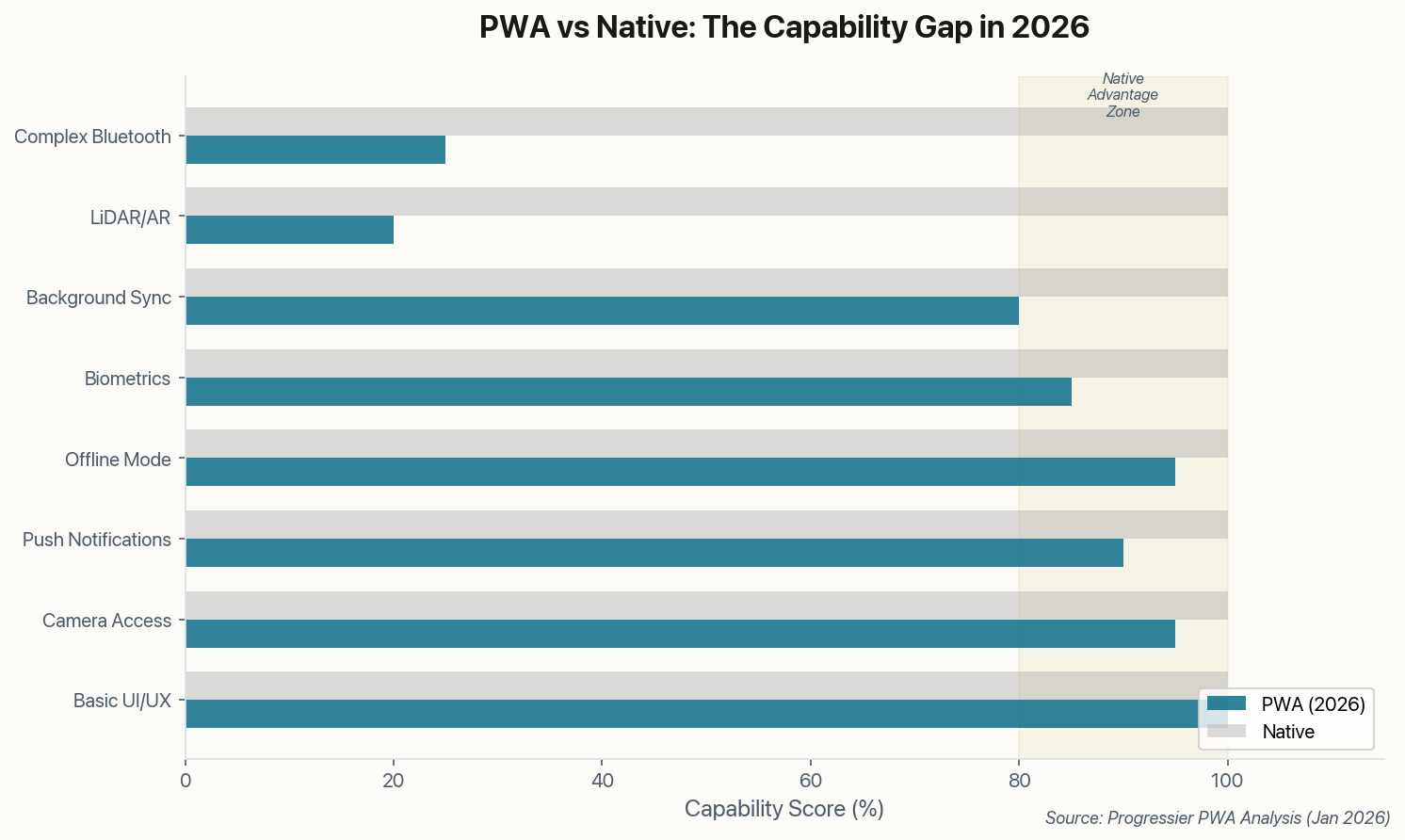
What this means for your next project: the technical prestige of "going native" has faded. Your choice now hinges on where AI can multiply your team's output most effectively.