Your Brain Has a "Story Mode"—And Scientists Just Found Where It Lives
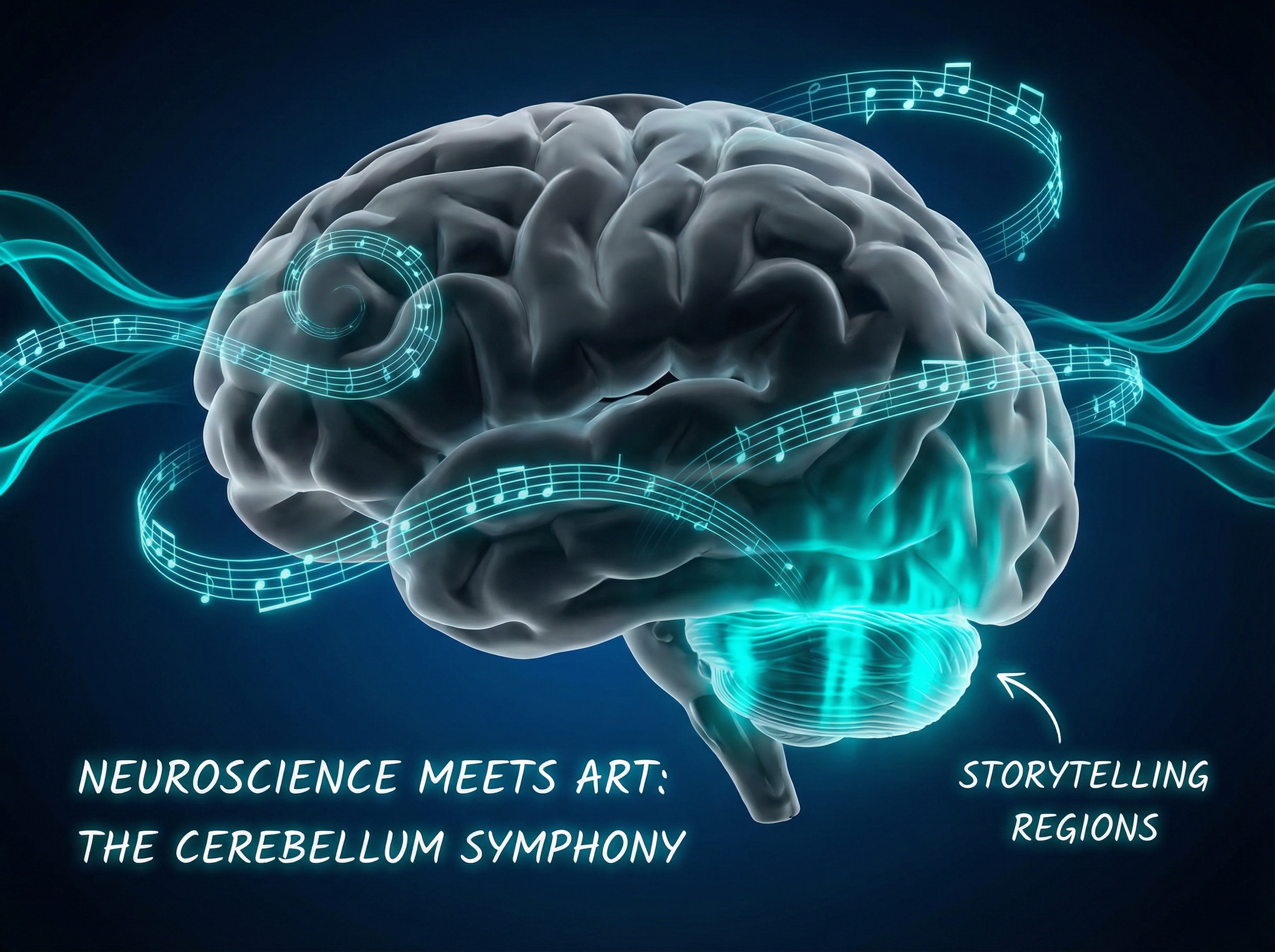
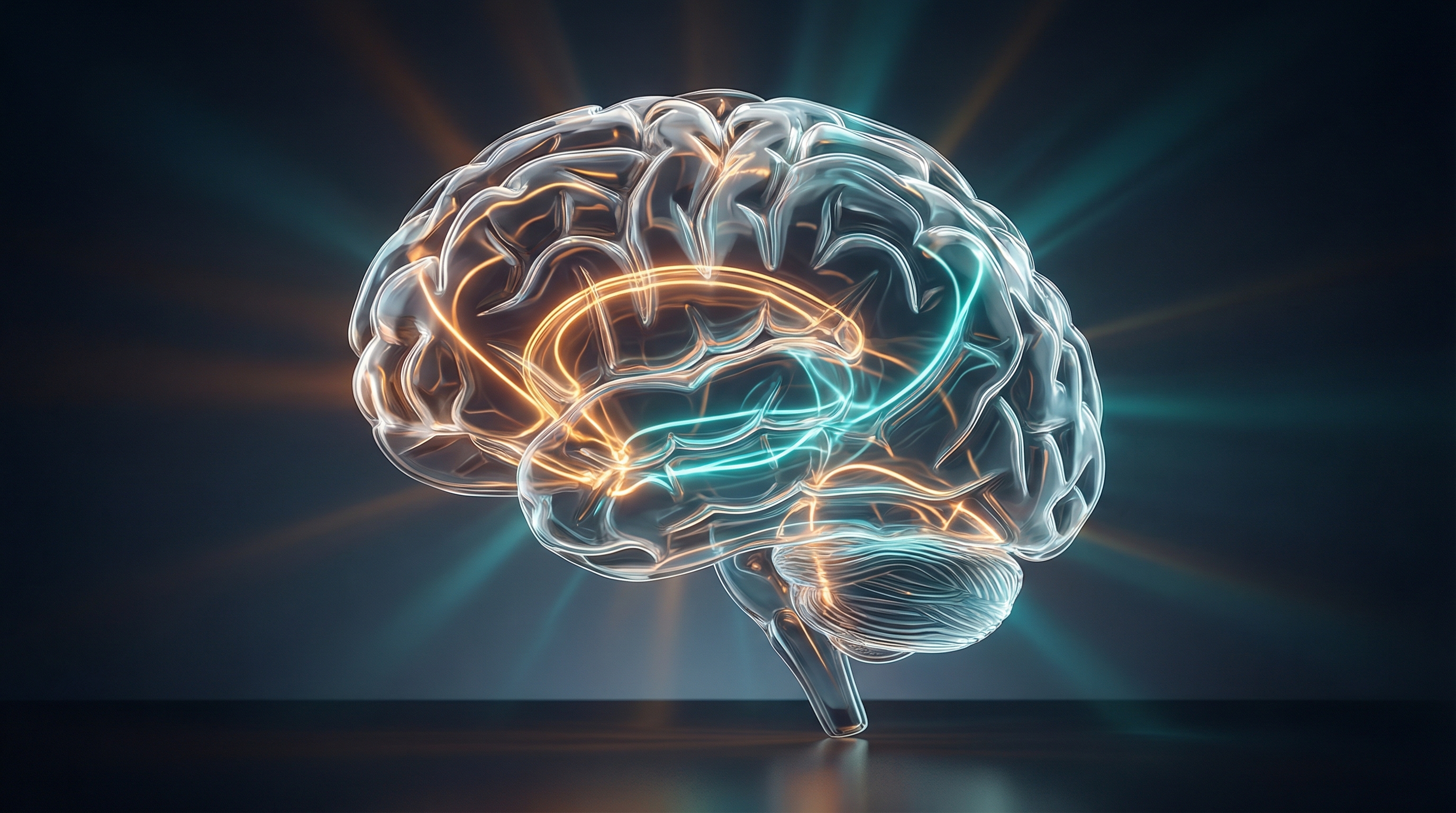
Here's a finding that should change how every presenter thinks about their craft: researchers have identified a specific region in the cerebellum that activates selectively during high-engagement storytelling. When presenters shift from factual recitation to narrative delivery—introducing conflict, stakes, resolution—this region lights up like a switchboard. During dry data dumps? Dormant.
The researchers describe it as the brain's "rhythm of narrative thought." The cerebellum, long understood as the motor coordination center, turns out to orchestrate our engagement with stories much like it coordinates physical movement. There's a tempo to effective narrative, and the brain literally dances to it.
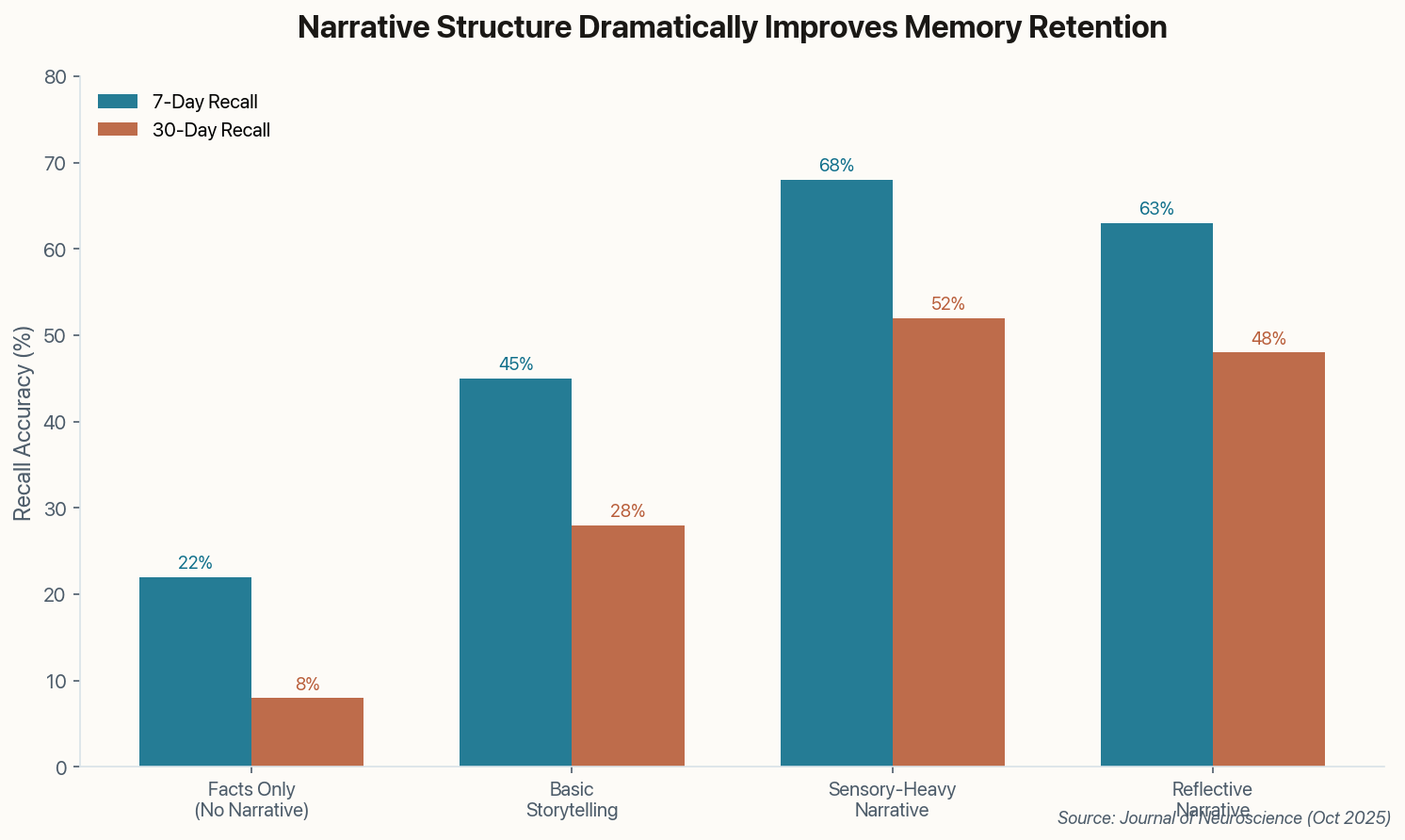
What this means for practitioners: "storytelling" isn't a soft skill you can dismiss as touchy-feely executive coaching nonsense. It's a distinct cognitive activator with measurable neural signatures. When your CFO questions why the sales team needs narrative training, you now have a biological answer.