Aerospace Engineering

The Seven Schools That Launch Careers Into the Stratosphere

Where wind tunnels meet Mars rovers, and the students who graduate go on to design humanity's next leap. A guide to the programs that actually produce aerospace pioneers.

Listen
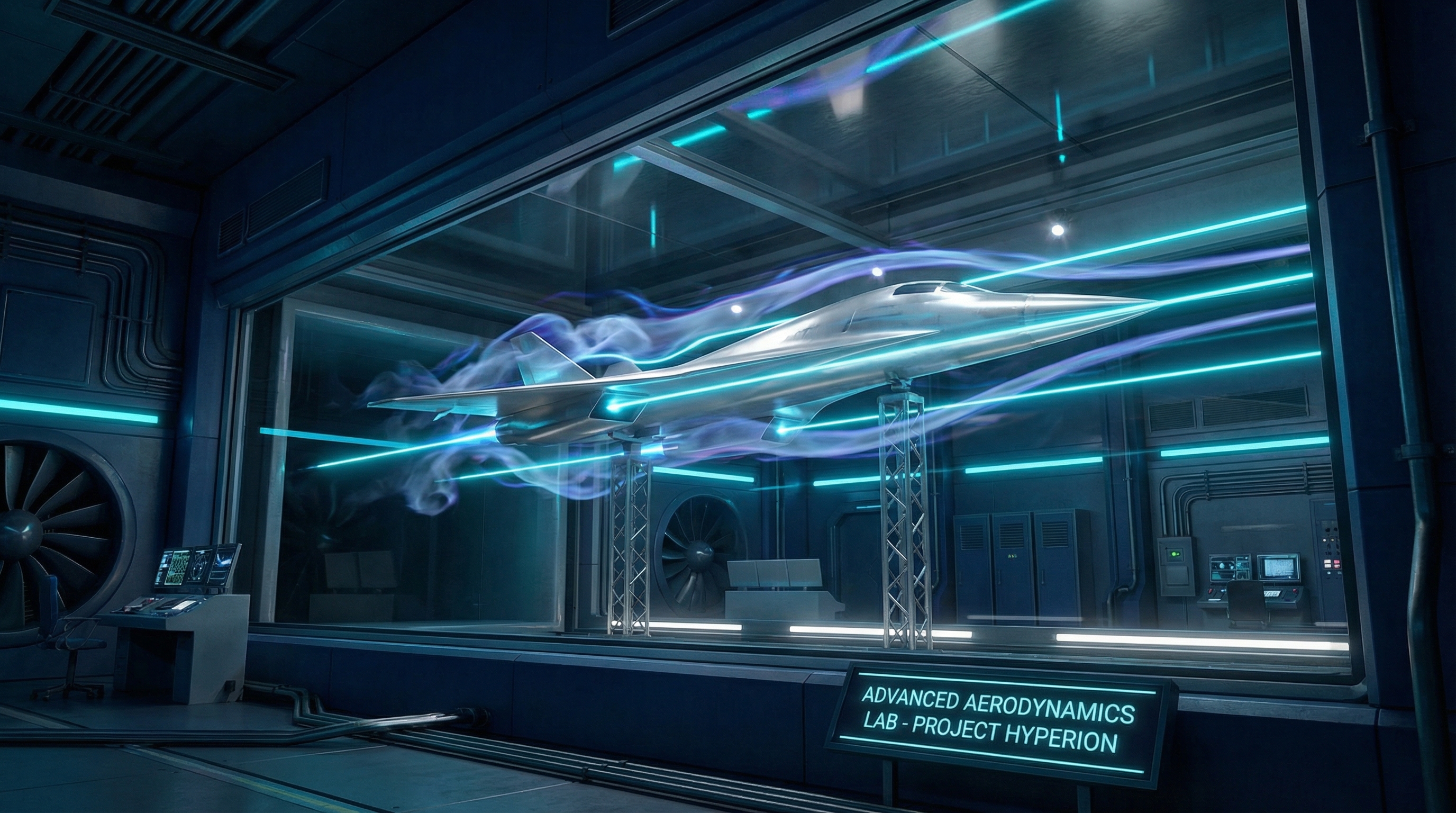
Aircraft model in wind tunnel with laser-illuminated airflow patterns
01

MIT: Where Aerospace Has Been a Religion Since 1914
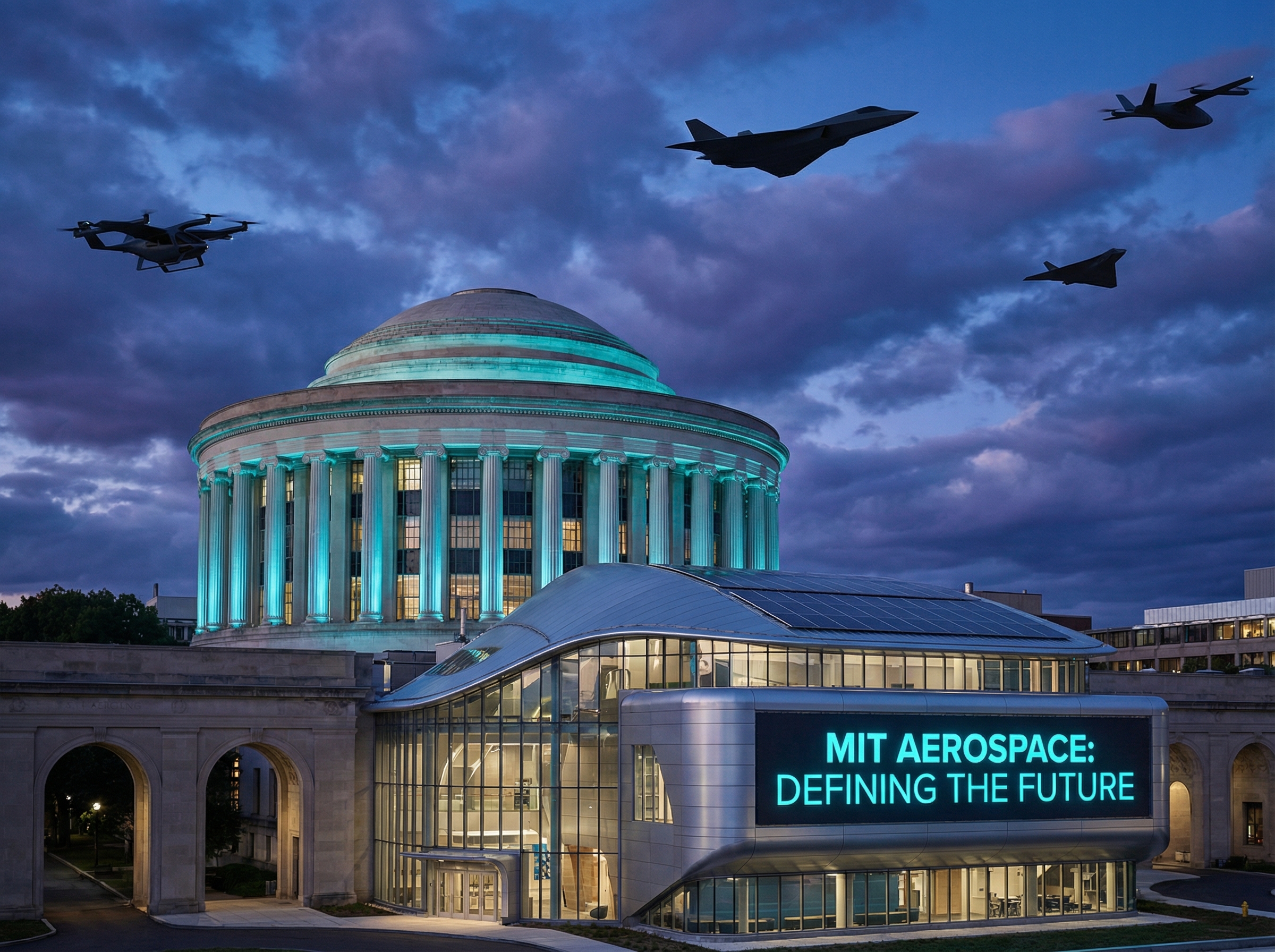
MIT campus dome with futuristic aircraft silhouettes

The Department of Aeronautics and Astronautics at MIT is not just ranked #1—it invented the field. Founded in 1914, it is the oldest aerospace program in the country, and the current iteration reads like a wish list for anyone obsessed with the future of flight.

The headline facility is the newly rebuilt Wright Brothers Wind Tunnel, capable of testing at 200 mph. But what sets MIT apart is the breadth: autonomous systems, electric propulsion, space habitats, and the kind of interdisciplinary chaos that produces breakthroughs. Faculty here worked on the Perseverance rover's MOXIE experiment—the one that is making oxygen on Mars.

~5%
Acceptance Rate
$64K
Annual Tuition
100%
Need Met

The cost looks brutal at $64K/year, but here is the trick: families earning under $200K pay no tuition. MIT runs need-blind admissions for everyone, including international students. The industrial connections—Boeing, NASA, Draper Laboratory—are less about networking and more about the fact that these companies fund research directly on campus.
02

Caltech: If You Want to Land Robots on Mars, Start Here

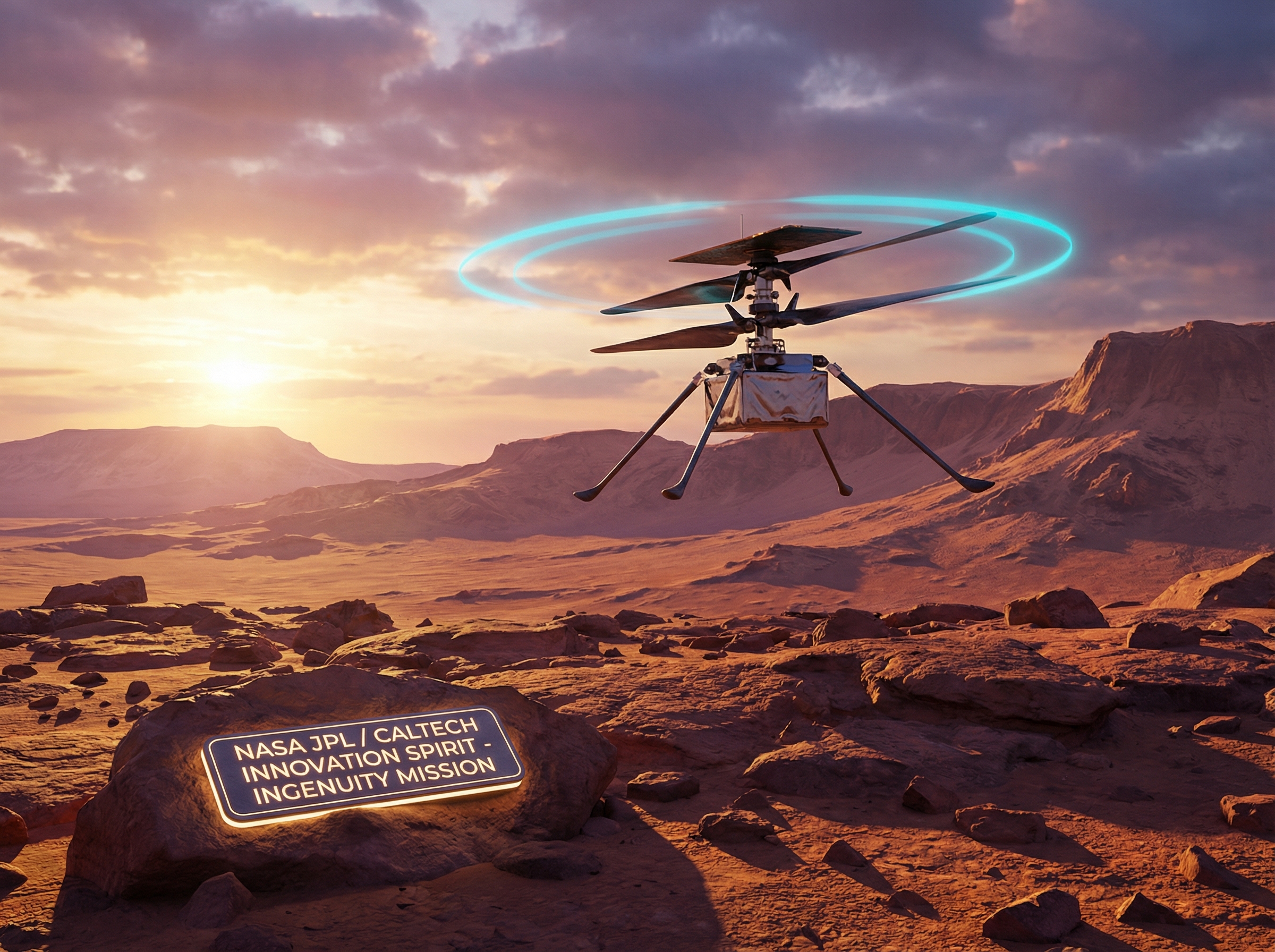
Mars helicopter Ingenuity hovering over Martian landscape

Caltech's secret weapon is not just its graduate aerospace laboratories (GALCIT), which are arguably the most famous in the world. It is JPL—the Jet Propulsion Laboratory—which Caltech manages for NASA. This is not a partnership; it is basically an extension of campus.

When the Ingenuity helicopter flew on Mars—the first powered flight on another planet—Caltech fingerprints were all over it. The CAST facility (Center for Autonomous Systems and Technologies) offers a 10,000 square foot testing arena for drones and robots. The hypersonic wind tunnels handle Mach 5+ research that most universities can only read about.

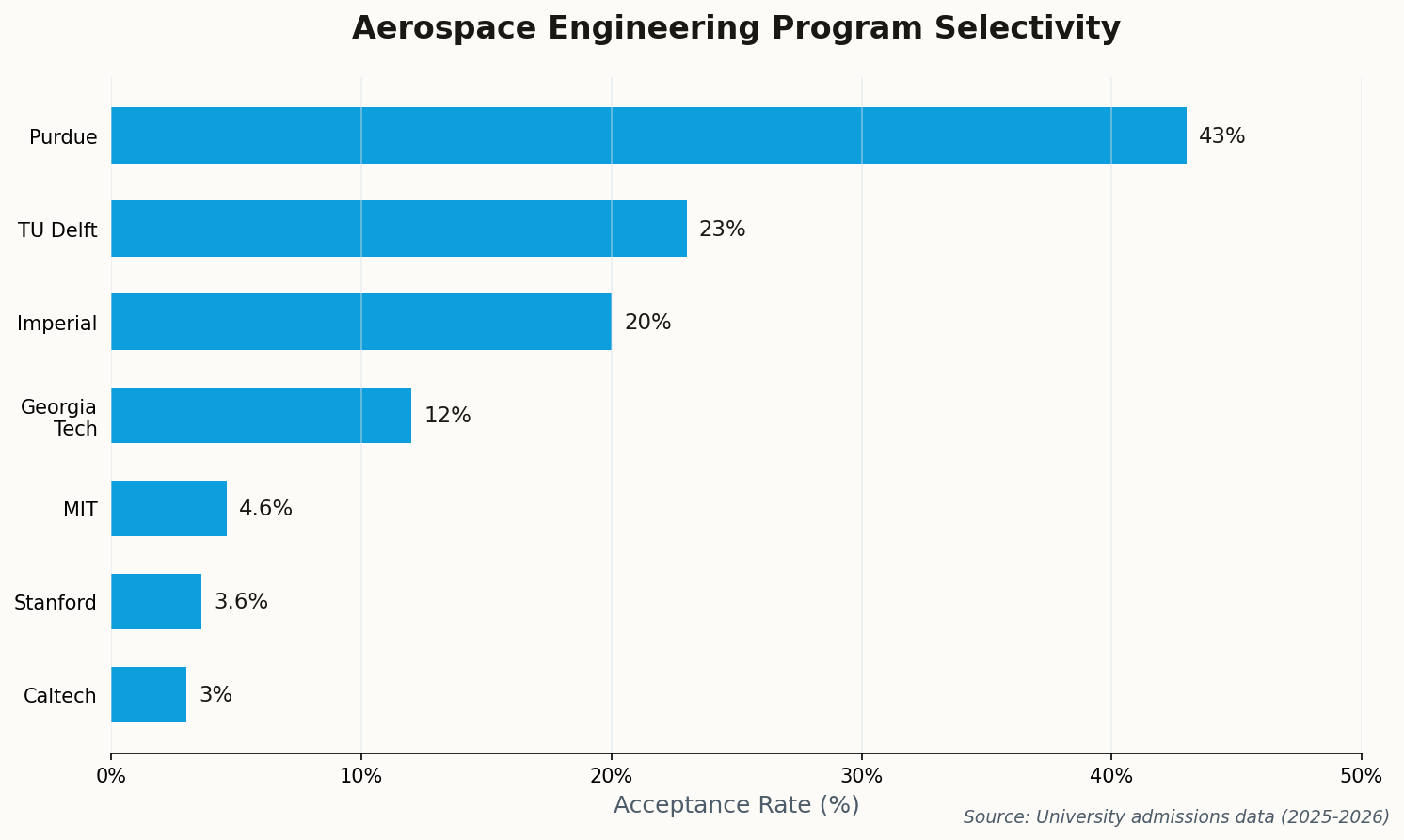
But here is the filter: a ~3% acceptance rate, the most selective on this list. Median SAT Math is 800—not competitive, just expected. If you get in, Caltech meets 100% of demonstrated need, and the research opportunities as an undergrad are unparalleled. Students do not just assist on Mars missions; they design components that actually go.

The JPL factor: Unlike other universities where "industry connections" means career fairs, Caltech students can walk into the lab that is currently building the next Mars mission and ask to help. Many do.

03

Stanford: Where Aerospace Meets Silicon Valley Money

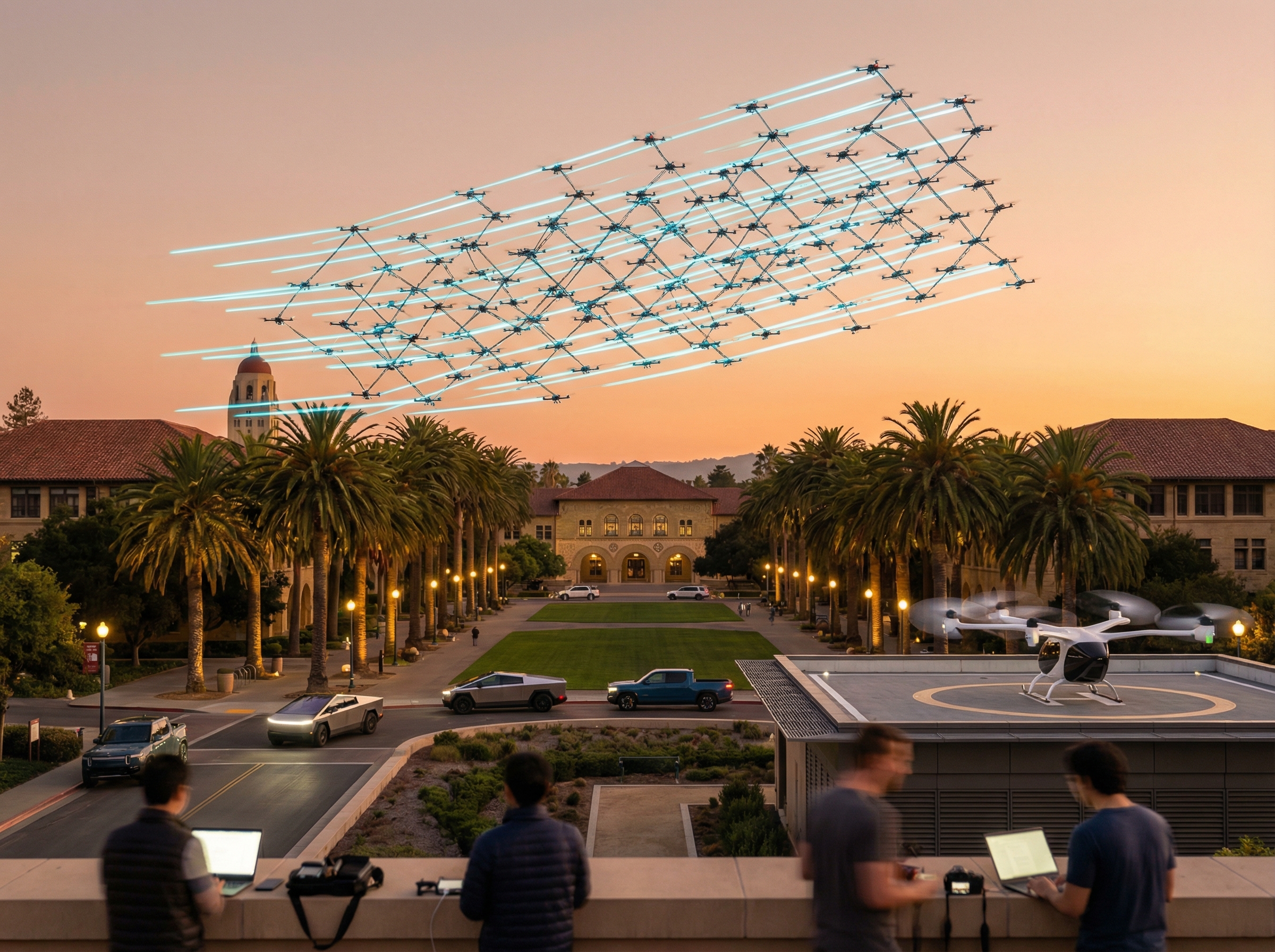
Drone swarm in formation above Stanford campus at golden hour

Stanford's aerospace program has a fundamentally different vibe than the East Coast schools. The proximity to Sand Hill Road means students here do not just study aerospace engineering—they build companies around it. Alumni have founded Planet Labs, Astranis, and a constellation of drone startups.

The technical focus is "cyber-physical systems"—essentially, what happens when you take traditional aerospace and add modern AI and autonomy. The Stanford Intelligent Systems Laboratory does collision avoidance research that is quietly shaping how the FAA thinks about autonomous flight. The Autonomous Systems Lab pushes the boundary of multi-robot coordination.

At 3.6% acceptance and near-perfect test scores expected, getting in is a long shot. But the entrepreneurial infrastructure is unmatched: venture capital offices are walking distance from campus, and the "Industrial Affiliates Program" includes SpaceX, Wing (Google's delivery drone arm), and Lockheed Martin. If you want to start the next aerospace company rather than work for one, this is where to be.

04

Georgia Tech: The Volume Play That Actually Works

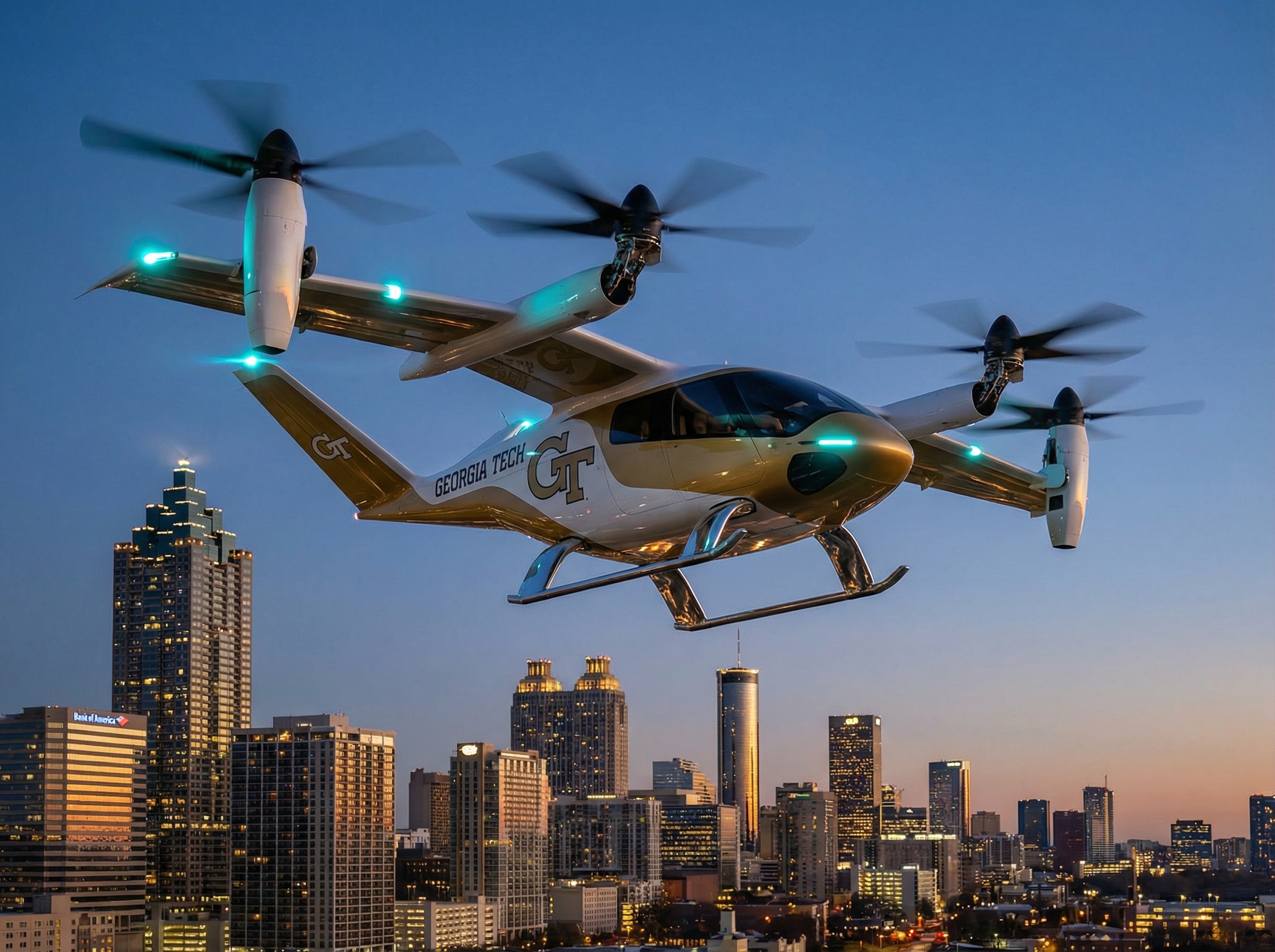
eVTOL aircraft hovering over Atlanta skyline at dusk

Georgia Tech's aerospace program is the largest in the country by enrollment, and consistently trades the #1 or #2 undergraduate ranking with MIT. Size matters here: the research output is staggering, the facilities are comprehensive, and the hiring pipeline to industry is essentially a conveyor belt.

The Vertical Lift Research Center of Excellence is one of only three Army-designated centers in the U.S.—meaning significant rotorcraft and eVTOL work happens here. The High-Power Electric Propulsion Lab handles space thruster research. And the location in Atlanta provides direct access to Delta Air Lines (headquarters), Lockheed Martin (major plant in Marietta), and a surprisingly deep aerospace talent network.

Bar chart showing aerospace program acceptance rates
Georgia Tech's ~12% out-of-state engineering acceptance is far more achievable than the single-digit elite schools.

The value proposition is hard to beat: $33K/year out-of-state tuition delivers roughly the same career outcomes as schools charging twice that. The competitive entry happens after freshman year (3.2 GPA required to guarantee a spot in the aero major), which adds pressure but also means you are learning alongside people who proved they want to be there.

05

TU Delft: Europe's Answer to the American Giants

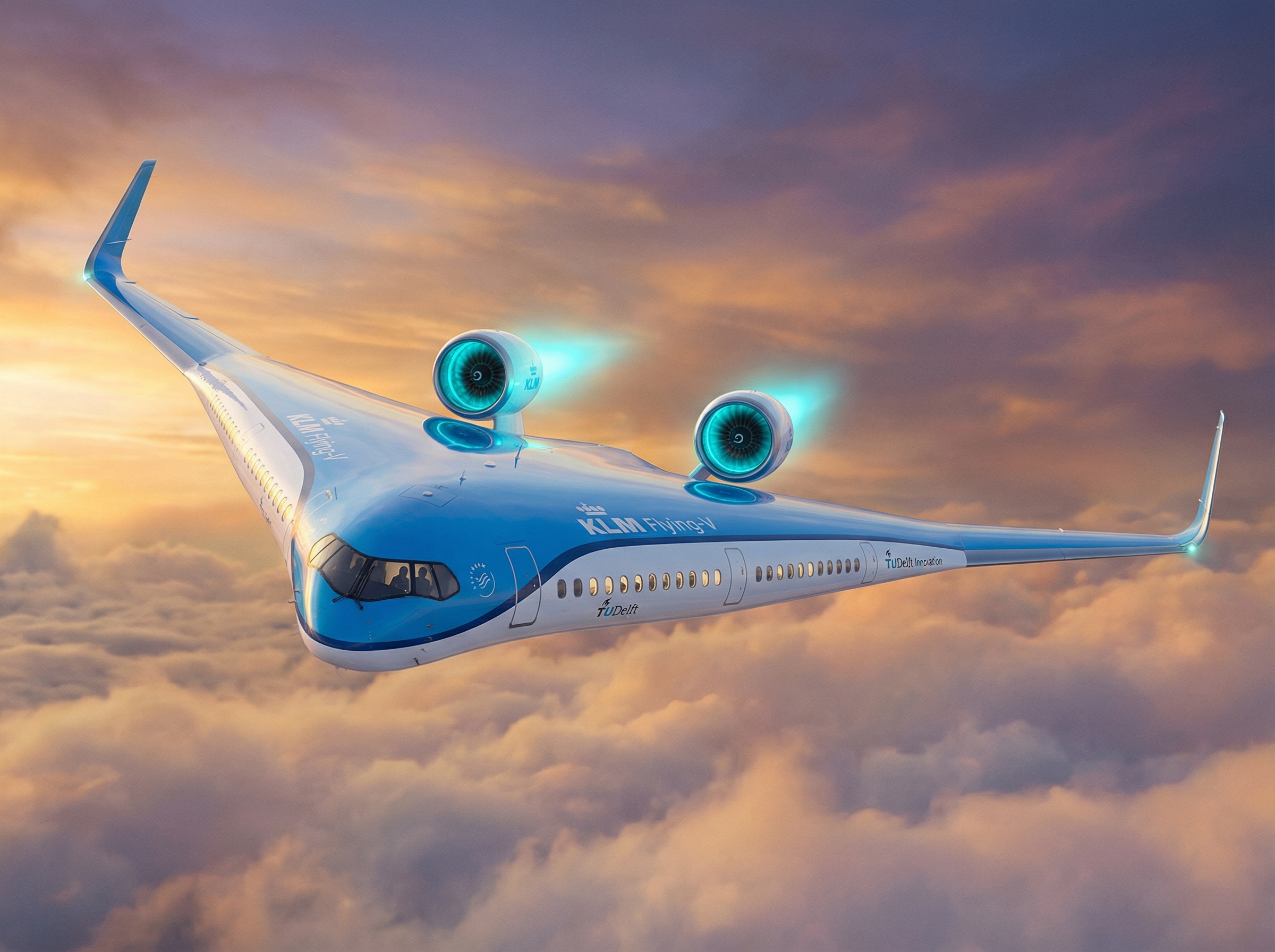
Flying-V concept aircraft in flight through clouds

The Faculty of Aerospace Engineering at TU Delft is arguably the best in continental Europe, and it is massive—one of the largest dedicated aerospace faculties in the Western world. But the real draw is what they are building.

The Flying-V project, developed with KLM, reimagines commercial aircraft as a V-shaped flying wing with passengers sitting in the wings themselves. It is not theoretical—they have flown scale models. The SIMONA research flight simulator offers 6-degree-of-freedom motion. The "Cyber Zoo" tests bio-inspired flying robots. This is engineering that makes headlines.

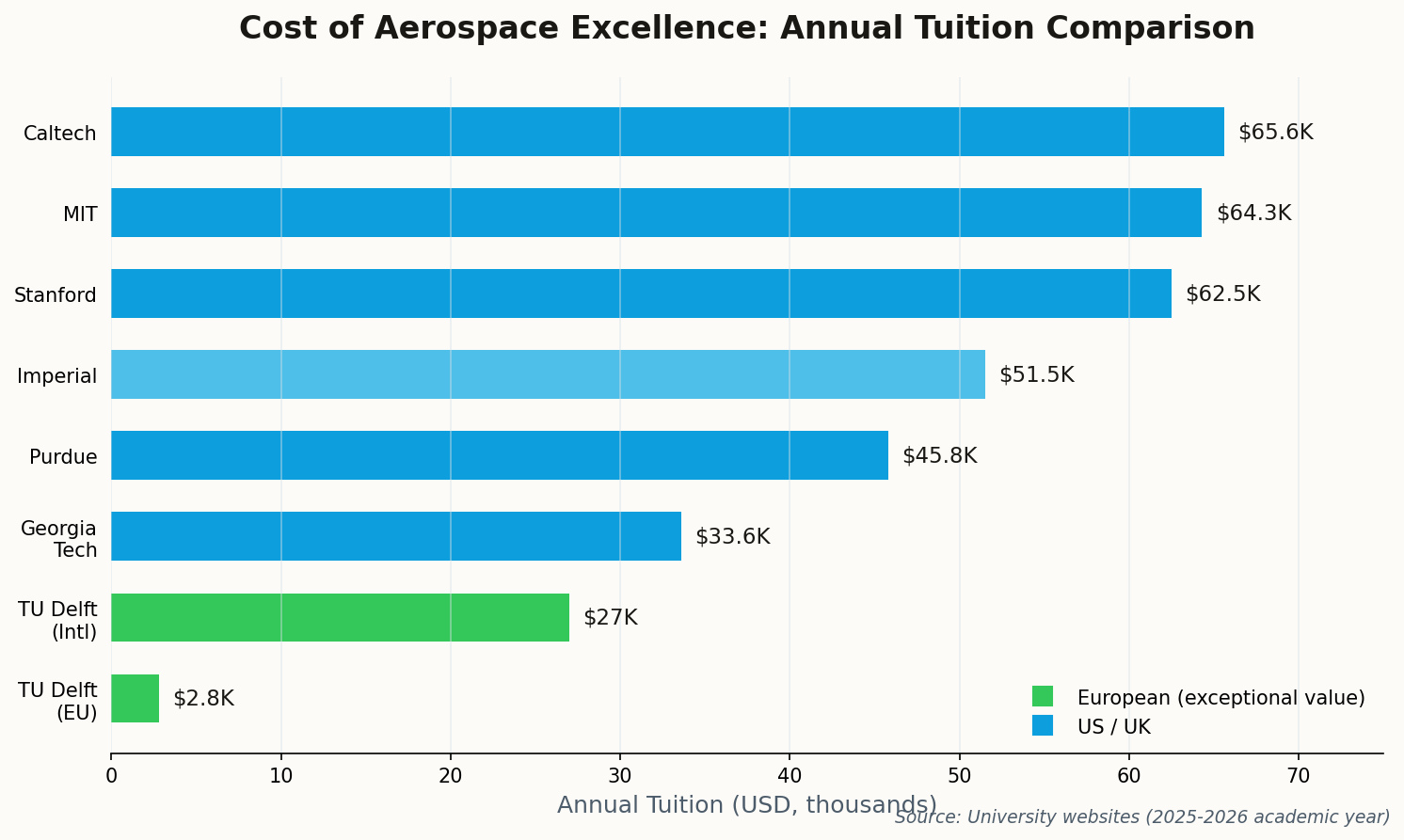
Bar chart comparing tuition costs across aerospace programs
TU Delft offers elite aerospace education at a fraction of U.S. costs, especially for EU citizens.

For EU citizens, tuition is about 2,600 euros per year—essentially free by American standards. International students pay around 25,600 euros, still cheaper than most U.S. options. The industry connections run through Airbus, ESA, and the entire European aerospace establishment. If you are not locked into an American career path, Delft is the contrarian play that might be smarter than it looks.

06

Imperial College London: Where Aerospace Meets Formula One

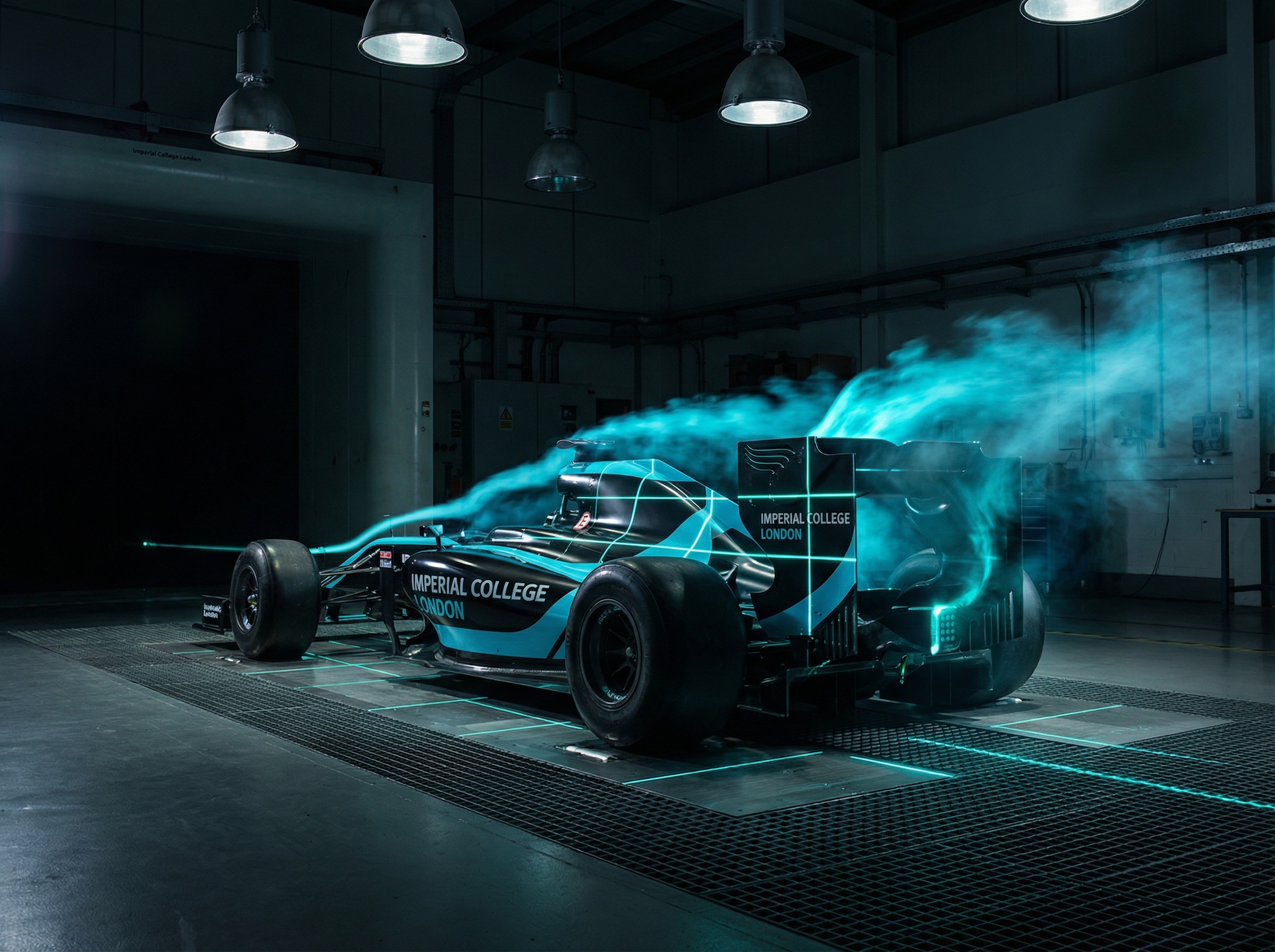
F1 car in wind tunnel with aerodynamic smoke trails

Imperial's Department of Aeronautics has a strange and wonderful specialty: it is deeply connected to Formula One. The 10x5 wind tunnel and Honda Wind Tunnel do not just test aircraft—they refine the aerodynamics that win races. Alumni end up at Mercedes AMG Petronas, Red Bull Racing, and the entire F1 paddock.

The academic focus is computational fluid dynamics and turbulence simulation at a level few universities can match. The morphing wing research—wings that change shape in flight like a bird's—represents the kind of blue-sky thinking that could reshape commercial aviation in 20 years. The Aerial Robotics Lab pushes drone swarm coordination.

Acceptance sits around 20% for aeronautics specifically, with A*A*A in A-levels (or equivalent) expected. International tuition runs around 41,000 pounds (about $51K), steep but in line with U.S. private universities. The Rolls-Royce and BAE Systems connections are obvious, but the real value is the F1 pipeline for anyone who sees racing as aerospace's proving ground.

07

Purdue: The Cradle of Astronauts Is Still Rocking

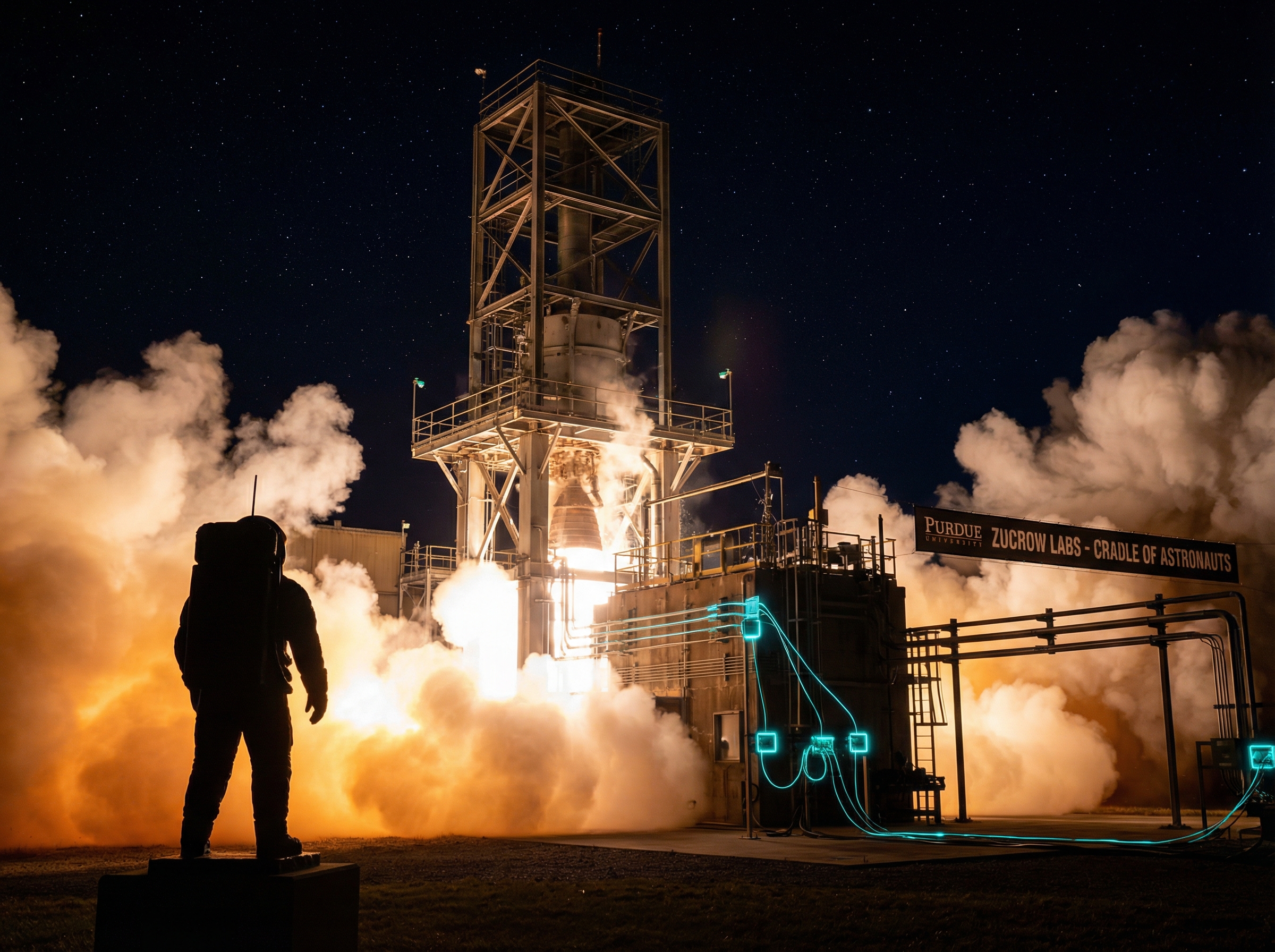
Rocket engine test fire at Purdue Zucrow Labs at night

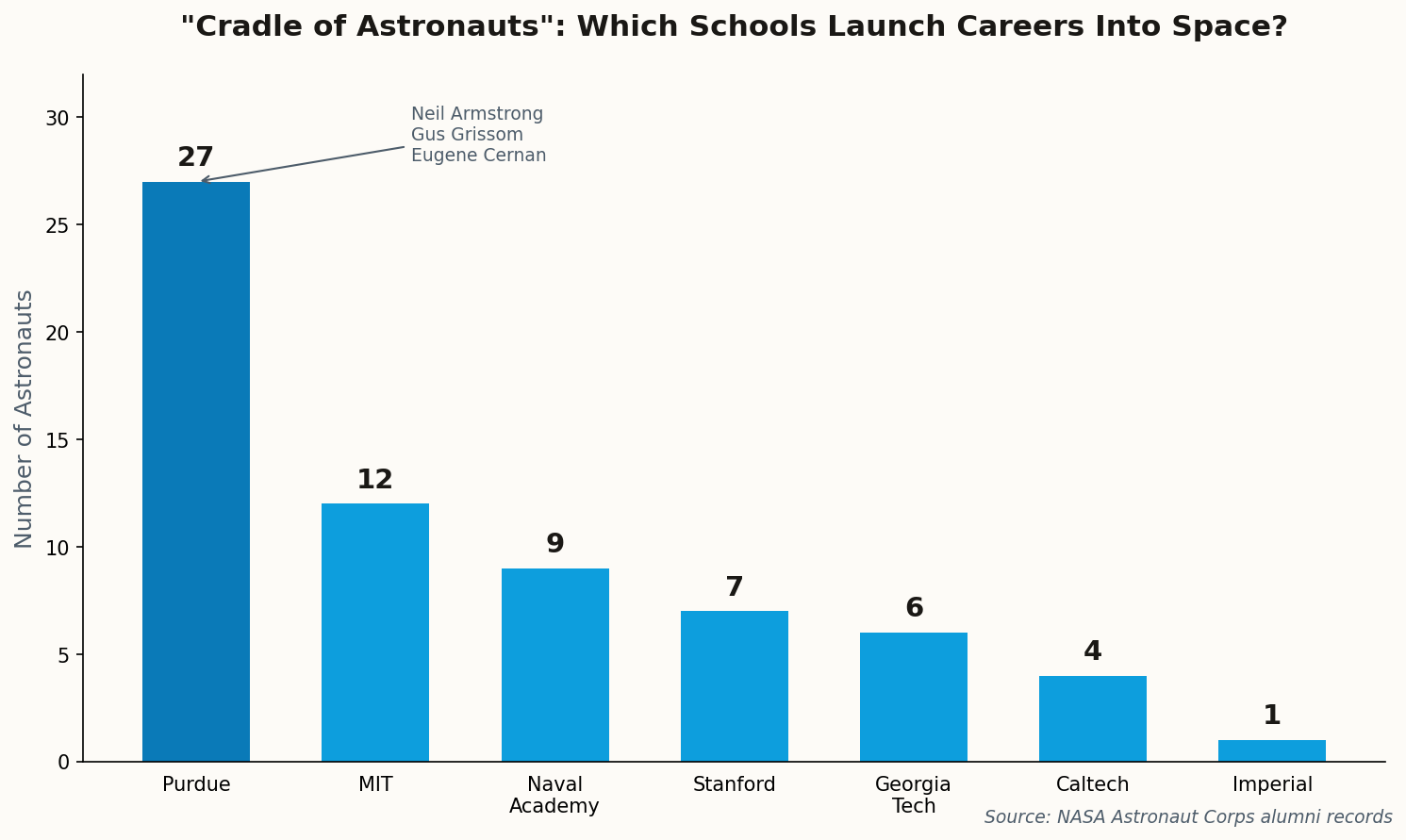
Purdue has sent 27 alumni to space—more than any other public university and most private ones. Neil Armstrong. Gus Grissom. Eugene Cernan. The "Cradle of Astronauts" nickname is not marketing; it is a factual description of a program that has been producing space pioneers for 70 years.

Bar chart showing astronaut alumni by university
Purdue's astronaut alumni count more than doubles most Ivy League competitors.

The Zucrow Laboratories constitute the world's largest academic propulsion laboratory—not a classroom, an actual rocket engine test facility. The hypersonics research facility (HARF), opened in 2023, tests vehicles at Mach 5+. And uniquely, Purdue owns the second-busiest airport in Indiana, meaning flight testing does not require booking time at a distant facility.

The acceptance rate (~43% overall) is misleading; engineering admission is significantly tighter, and then you compete again for the aerospace major after freshman year. But tuition has been frozen for over a decade for in-state students, making it possibly the best value in elite aerospace education. For out-of-state and international students at ~$46K/year, you are paying for access to facilities that most universities simply do not have.

The propulsion edge: If your interest is rocket engines and hypersonics rather than drones and AI, Purdue's focus on the hot, loud, explosive side of aerospace is unmatched in academia.

What Actually Matters

Rankings are proxies. What matters is whether you will have access to the facilities, research, and industry connections that match your specific aerospace obsession. MIT for breadth. Caltech for Mars. Stanford for startups. Georgia Tech for volume and value. TU Delft for European aviation's future. Imperial for Formula One aerodynamics. Purdue for rockets and the astronaut legacy. Pick the one that builds the career you actually want.