Developer Guide

Print Your Dreams: POD APIs for Comic Book Apps

Building a vanity comic book creator? Here are the print-on-demand services that actually let you call their APIs—and the gotchas that come with each.

Listen
Stack of custom comic books emerging from an API terminal interface
01

Lulu Direct: The Developer's First Choice
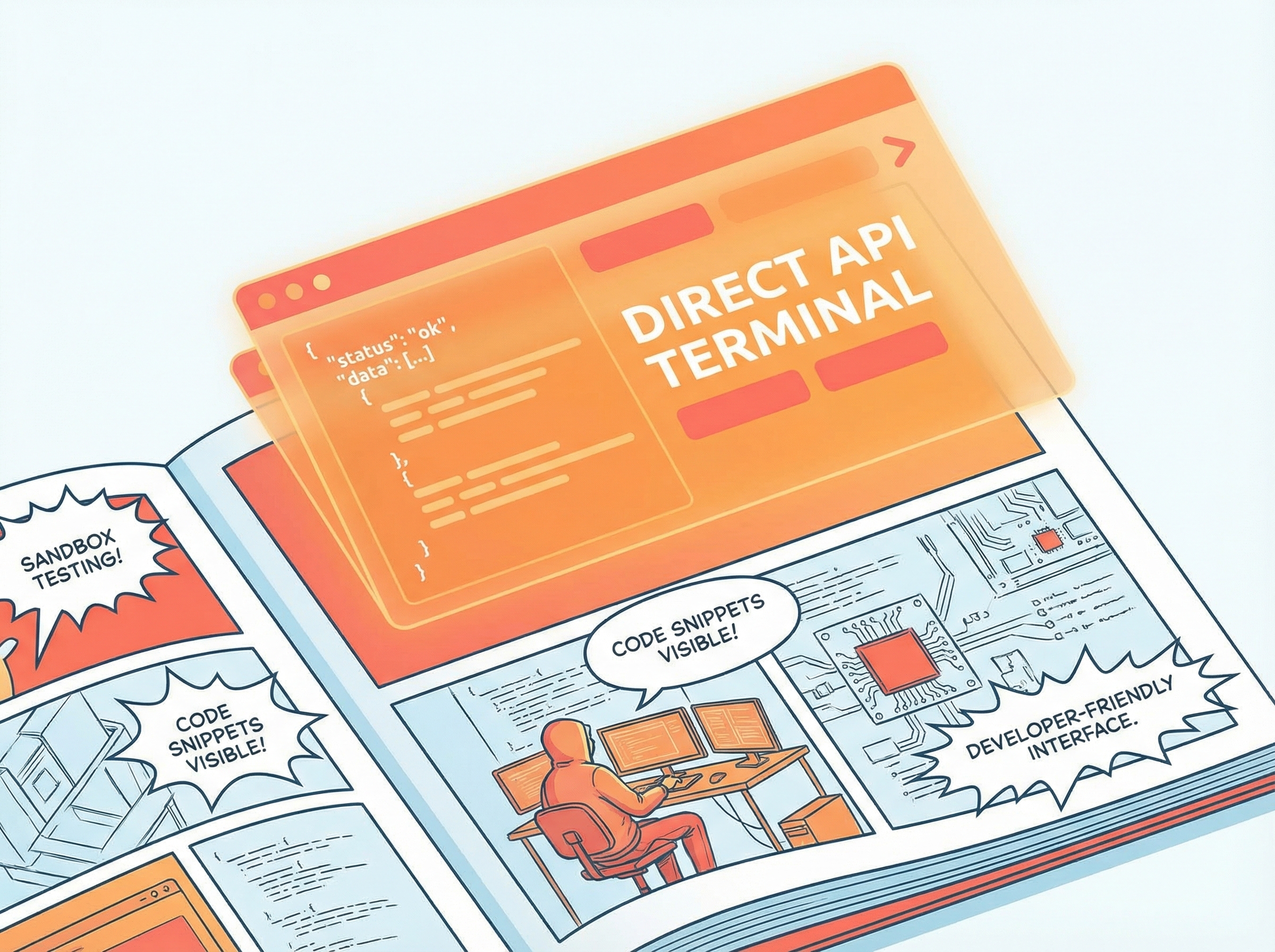
Lulu Direct API interface with comic book printing

If you're building a comic book creation app and need a single recommendation, start here. Lulu is one of the few major POD players with a dedicated "Comic Book" product line exposed through their API—not a hacked-together "saddle-stitch brochure" rebrand, but an actual comic-spec product.

The magic is in the details: 6.625" x 10.25" trim size (the industry standard), inside cover printing (surprisingly rare in POD), and a sandbox environment where you can test your integration without burning real money. Their webhook support means your app can track orders from submission to doorstep.

The real differentiator: Lulu's documentation is genuinely developer-friendly. You won't spend three days deciphering cryptic error codes or hunting for undocumented endpoints.

Pricing sits around $10.57 for a 24-page color comic (saddle-stitch). Not cheap by retail standards—your users will pay $15-20 including shipping for a single custom copy—but that's the reality of true print-on-demand. No minimums means your app can let users order exactly one copy of their vanity masterpiece.
02

Mixam: The Indie Scene's Secret Weapon

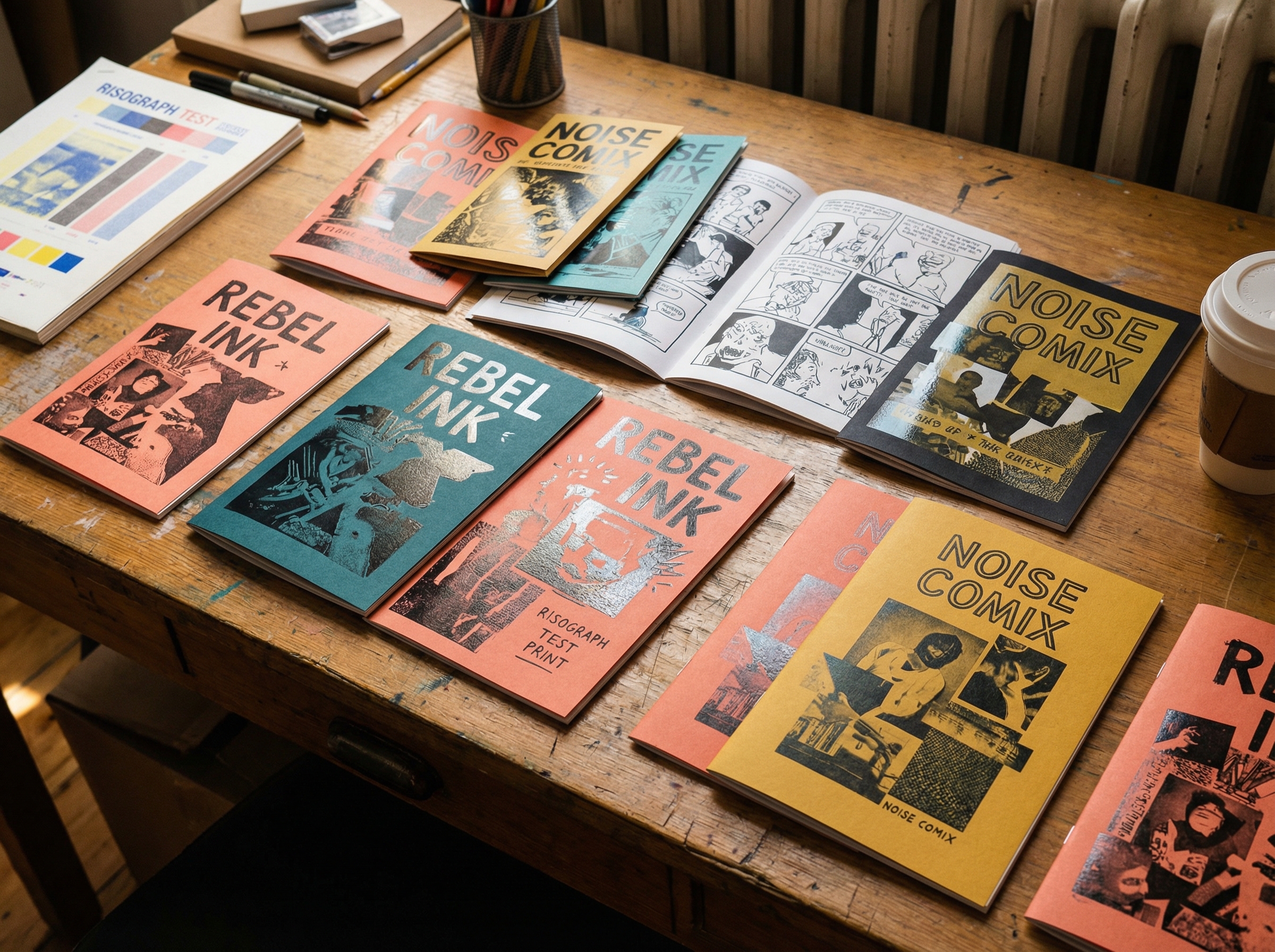
Indie zine aesthetic with colorful comic printing

Mixam has earned a cult following in the indie comic and zine community, and for good reason. Their API offers real-time dynamic pricing—submit your specs and get an instant quote, which is gold for building a smooth checkout experience in your app.

The pricing is aggressive: $5-9 for a 24-page color comic depending on paper stock. That's nearly half of Lulu's price. But here's the trade: the API is more complex, and you'll need an account to access full documentation. It's not a "npm install and go" situation.

Where Mixam shines is premium finishes. Spot UV, soft-touch lamination, custom sizes—the kind of options that turn a fan comic into a collectible. If your app targets creators who care about craft, this is the integration worth building.

Bar chart comparing single-copy printing costs across POD services
Single-copy printing costs vary significantly. Note that all POD prices exceed typical retail comic prices ($5-6).
03

BookVault: Global Fulfillment, Low Costs

Global printing network connecting US and UK facilities

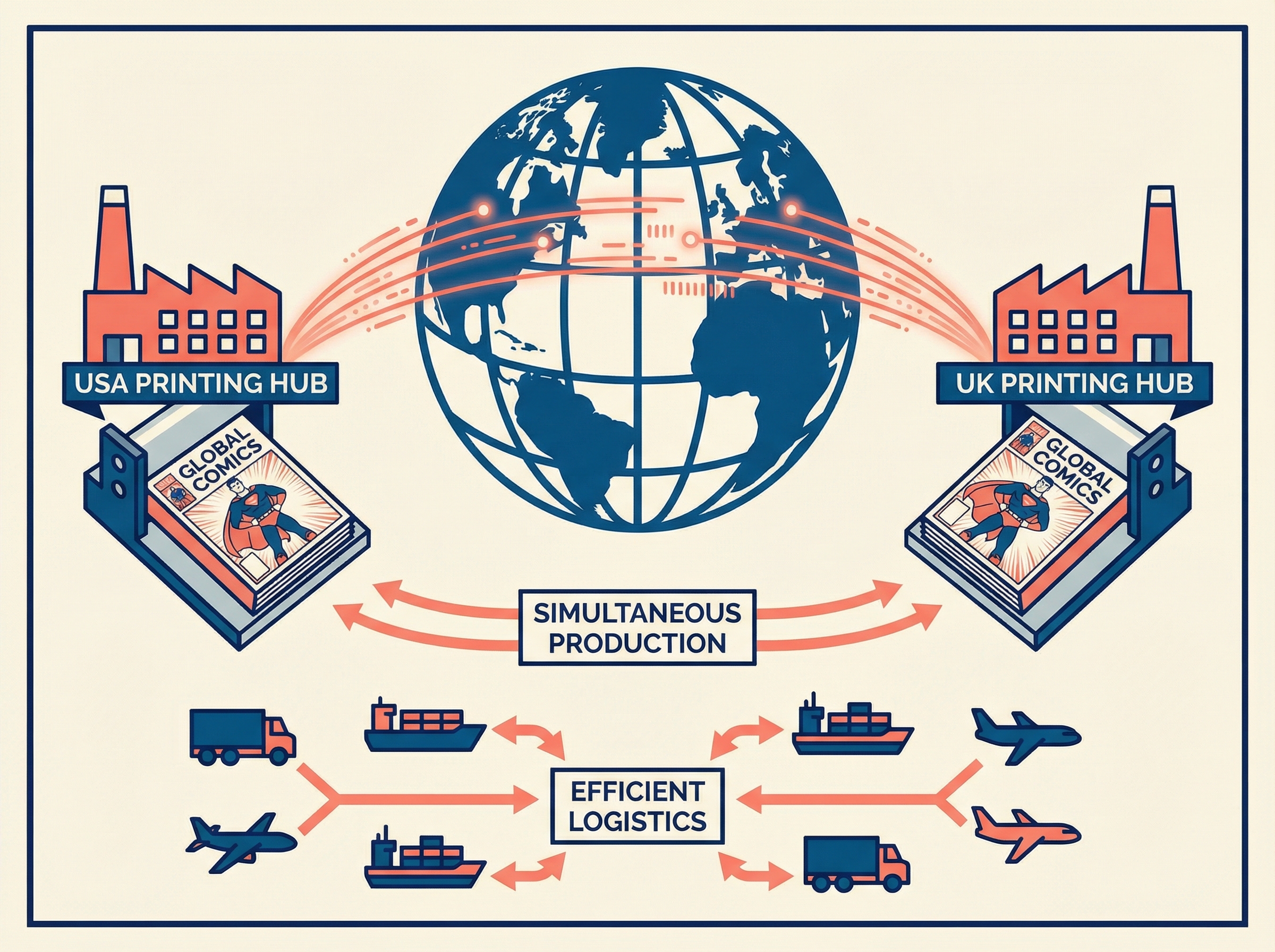
If your comic app has international ambitions, BookVault deserves attention. They print in both the US and UK, which slashes shipping times and costs for a global user base. Their base unit costs are among the lowest in the industry.

The catch: BookVault's API documentation lives behind their portal. You'll need to create an account before you can even browse the specs. This isn't necessarily a red flag—many B2B services gate their docs—but it does add friction to your evaluation process.

They support saddle-stitch, perfect binding, and even case-bound hardcovers. For a graphic novel app (as opposed to floppy comics), this flexibility matters. Custom branding options mean you can ship without any BookVault fingerprints on the package.

04

Cutting Through the Marketing: What Actually Works

Global POD network visualization

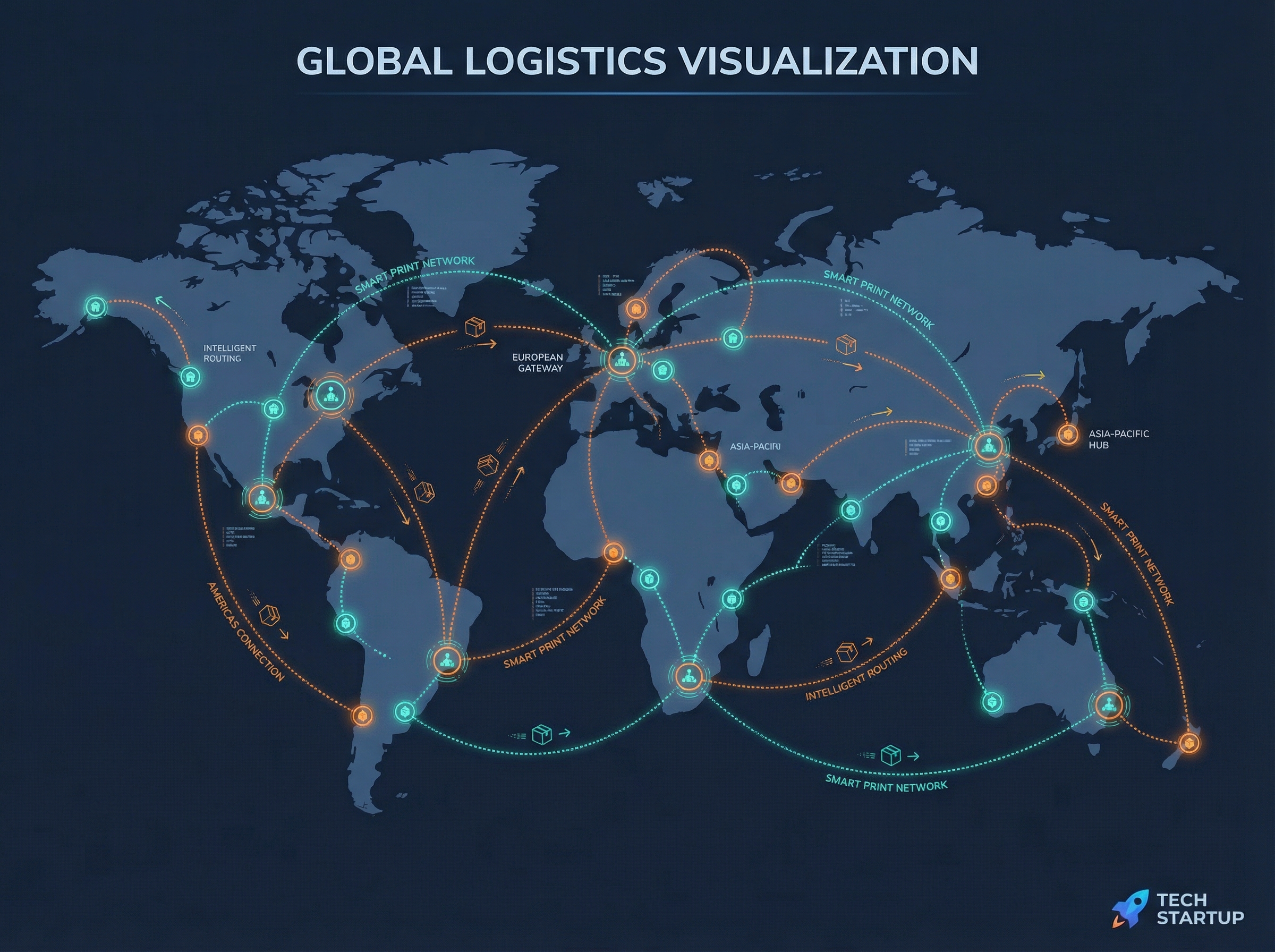
Here's the uncomfortable truth: many POD services claim API access but deliver glorified file upload portals. Gelato has excellent global routing (30+ countries!) but lacks true comic trim sizes. Prodigi produces museum-quality prints but at premium pricing. Peecho offers a simple "cloud print button" but limited paper control.

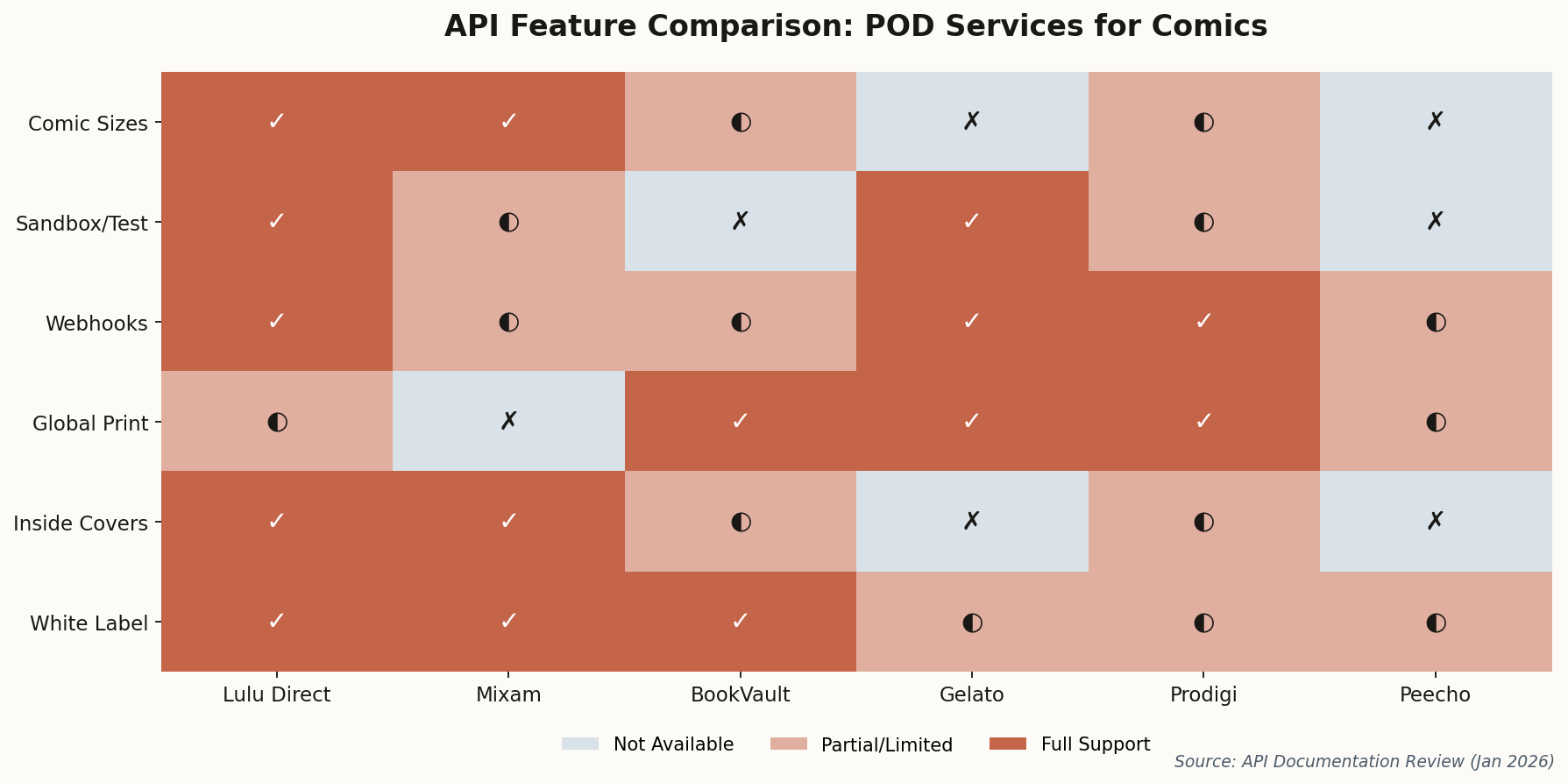
Feature comparison matrix showing API capabilities across 6 POD services
Feature availability varies significantly. Lulu and Mixam lead for comic-specific needs.

The services you should actively avoid for a comic app: IngramSpark (no public API), Comix Well Spring (excellent printing, zero API), Ka-Blam (same story), and Printful (great API, but they don't do multi-page bound books).

The litmus test: Can you submit a job, get a tracking number, and receive status webhooks—all without touching a web dashboard? If not, it's not really an API.

05

The Hard Math: Why POD Comics Cost What They Cost

Premium graphic novel with archival quality printing

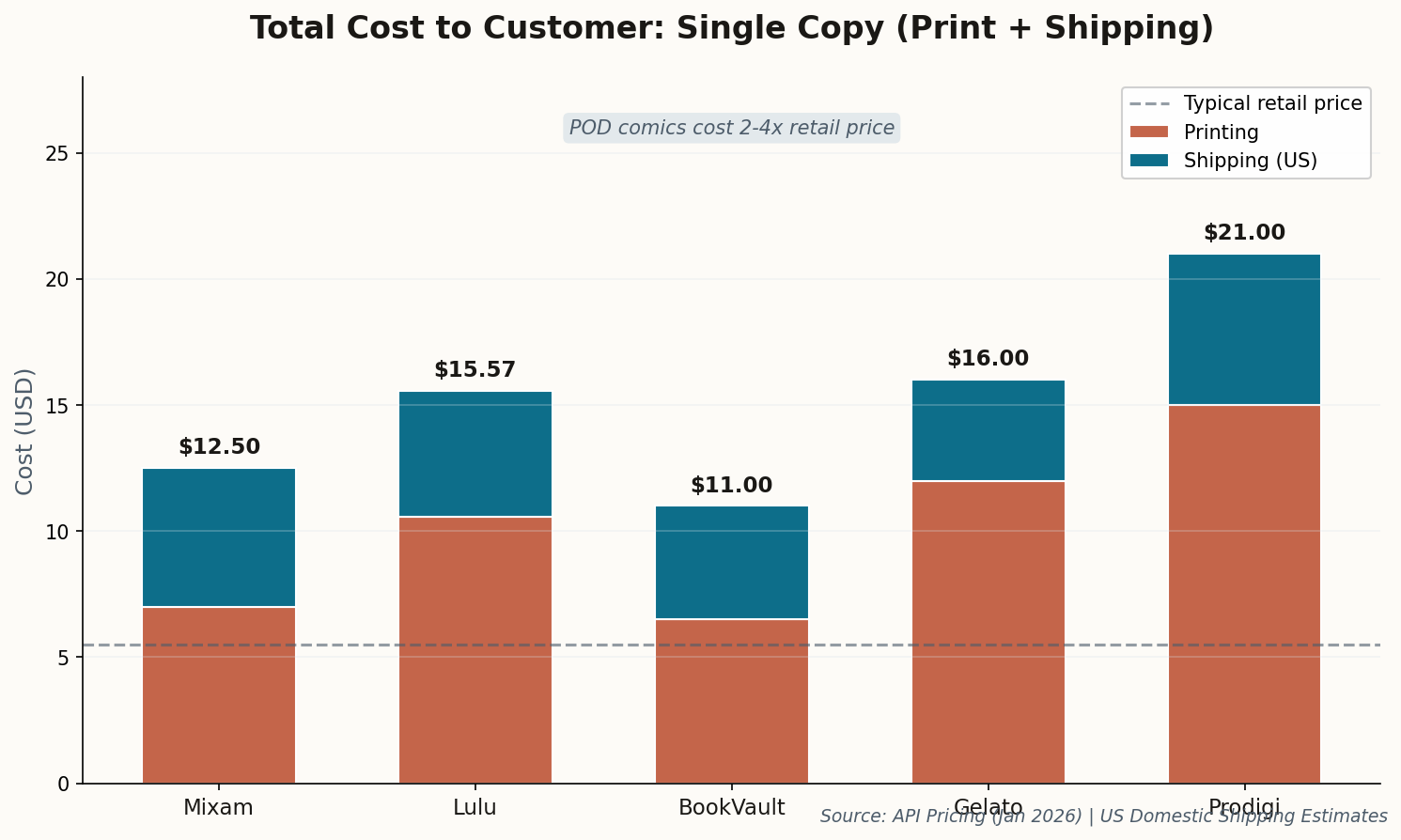
Let's address the elephant: your users will pay $15-20 total for a single custom comic. A retail indie comic costs $4-6. That's a 3-4x markup, and there's no way around it.

Stacked bar chart showing print plus shipping costs
Total customer cost = printing + shipping. Single-copy POD is inherently premium-priced.

This isn't a failure of POD economics—it's the nature of single-copy production. Traditional comics are cheap because they're printed in runs of 10,000+. Your app is selling customization and immediacy, not scale.

Frame it correctly in your UX: this is a keepsake, not a commodity. The user who wants to hold their AI-generated superhero saga in their hands will happily pay the premium. The user expecting Amazon pricing needs expectation management upfront.

06

Your MVP Playbook: Start Here

Cloud print button integration concept

For a developer building their first comic POD integration, here's the path of least resistance:

Phase 1: Launch with Lulu Direct. Clear documentation, sandbox testing, true comic formats. You'll pay slightly more per unit, but you'll ship faster and debug easier.

Phase 2: Add Mixam for margins and features. Once you have real users and volume, Mixam's lower pricing and premium finishes justify the integration complexity. Offer it as a "pro" tier or for specific product types.

Phase 3: Consider BookVault for international. If your analytics show significant non-US traffic, their UK printing reduces shipping costs and times enough to matter.

Service Best For 24-Page Color
Lulu Direct MVP / Clear docs ~$10.57
Mixam Margins / Premium ~$5-9
BookVault Global / Cost ~$6.50
Gelato 30+ countries ~$12+

The good news: this space is underserved. Most "comic creation" apps stop at PDF export. The ones that complete the loop to physical printing will own a differentiated position. The APIs exist. The economics work for vanity/keepsake positioning. Now go build.

Ship Physical, Not Just Pixels

The gap between digital creation and physical artifact is where magic lives. POD APIs are the bridge—imperfect, expensive, but increasingly accessible. Build the thing.