The Six-Year-Old Sent to Tokyo
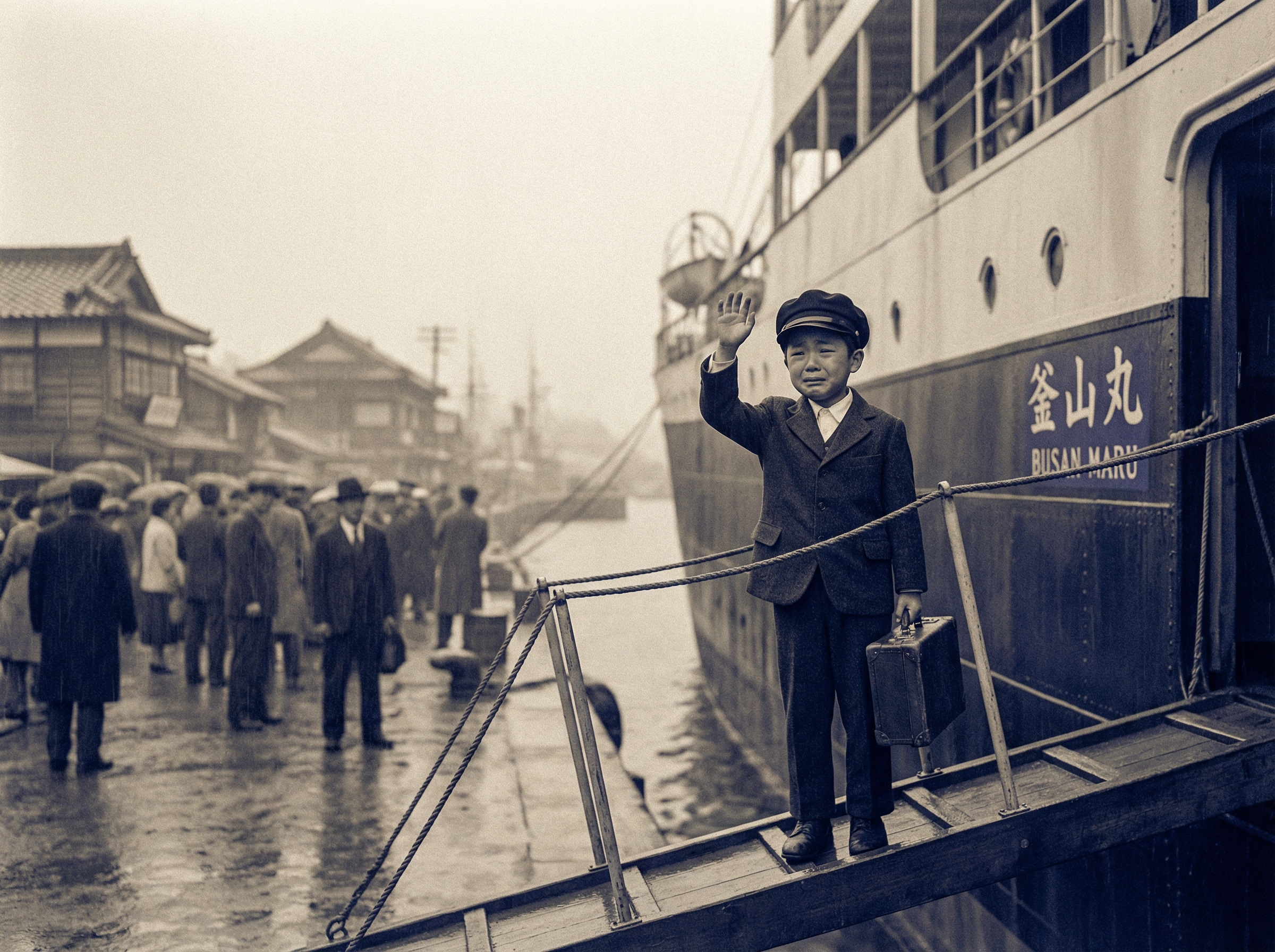
In August 1962, a six-year-old Korean boy named Cho Chikun boarded a ship in Busan bound for Japan. His parents stayed behind. His destination: the Kitani Minoru Dojo in Tokyo, the most prestigious Go academy in the world.
This wasn't unusual cruelty. It was the only path to greatness. Japan was the undisputed center of the Go universe, and Cho's family had deep connections to the game. His uncle, Cho Namchul, had founded the Korean Baduk Association. Cho's grandfather, who first taught him the game, recognized something unnatural in the boy's pattern recognition.
At the Kitani Dojo, Cho was the "baby" among future legends like Ishida Yoshio, Kato Masao, and Takemiya Masaki. He was often teased, but universally recognized as a prodigy. In May 1968, at 11 years and 9 months, he passed the professional examination—the youngest in Japanese history at the time.
That separation from his parents at six would shape everything that followed: a solitary intensity, a man who belonged fully to neither Korea nor Japan, and a relationship with Go that would become something closer to compulsion than joy.