
Neuroscience × Tech Culture

Your Brain's Backup Battery Is Dead

The stress hormone cortisol isn't just making tech workers miserable—it's actively sabotaging their ability to do their jobs. New research reveals the biological cost of modern knowledge work.

Listen
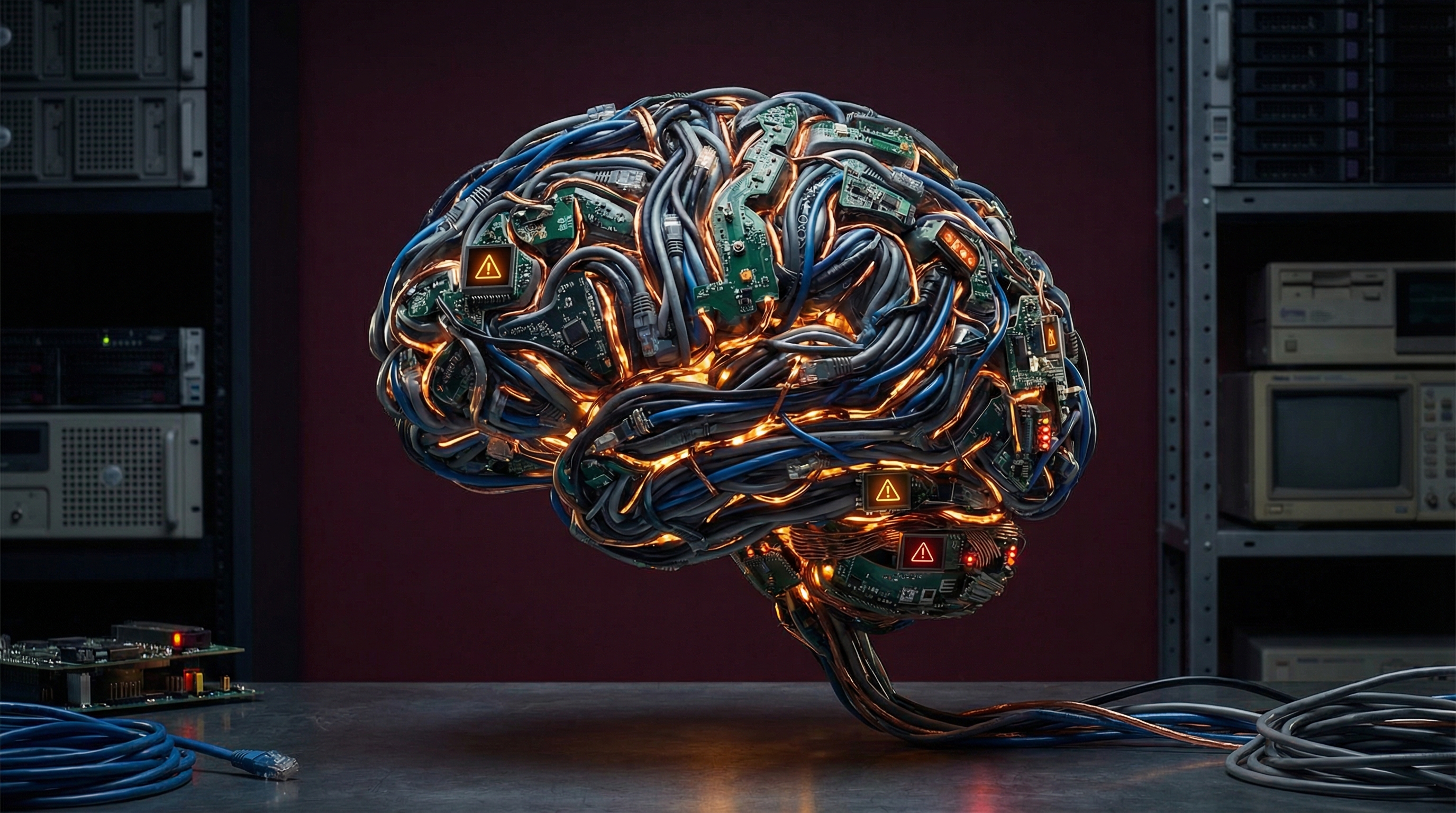
A human brain made of tangled ethernet cables and circuit boards, with stress signals pulsing through neural pathways like warning lights
A laptop screen showing rejection emails, reflecting on a tired face in split lighting
01

The Job Search Has Become a Mental Health Crisis

Here's a number that should terrify every HR executive: 72% of job seekers report the search process has negatively impacted their mental health. That's not a complaint about competitive markets or high standards—it's a measurement of biological damage.

The 2026 Hiring Stress Report identifies something particularly insidious: the "black box" nature of AI-driven resume filtering systems is now a primary cortisol trigger. When humans can't understand why they're being rejected—when the feedback loop is severed—the brain interprets this as existential threat. The result? Two-thirds of job seekers now experience "search burnout" characterized by emotional exhaustion and cynicism before they've even secured an interview.
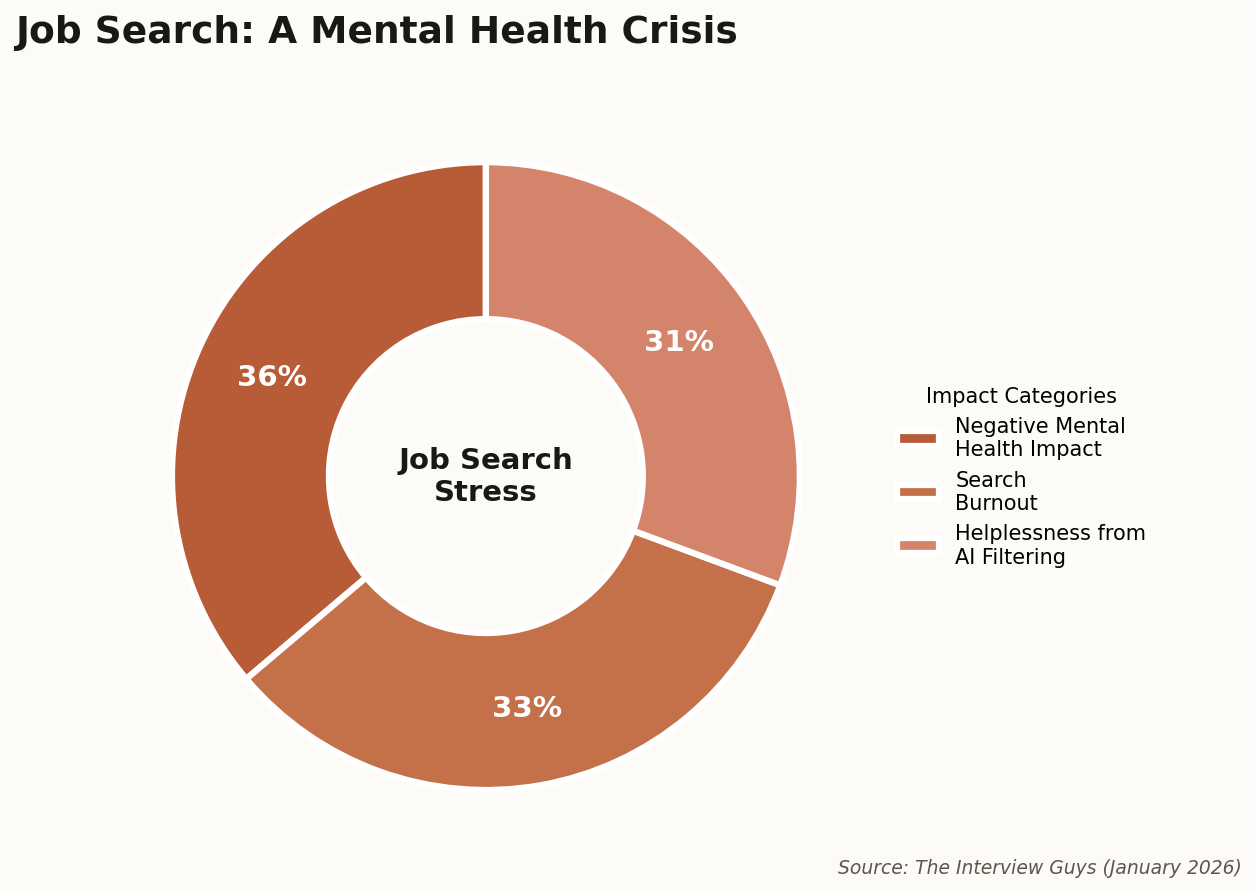
Donut chart showing job search mental health impact statistics
The job search process has evolved from professional task to primary mental health hazard

With tech layoffs still cycling through the industry, this reframes unemployment not as a career setback but as a health crisis. The between-jobs period may now be as biologically stressful as a toxic workplace—and unlike the workplace, there's no HR department to complain to.
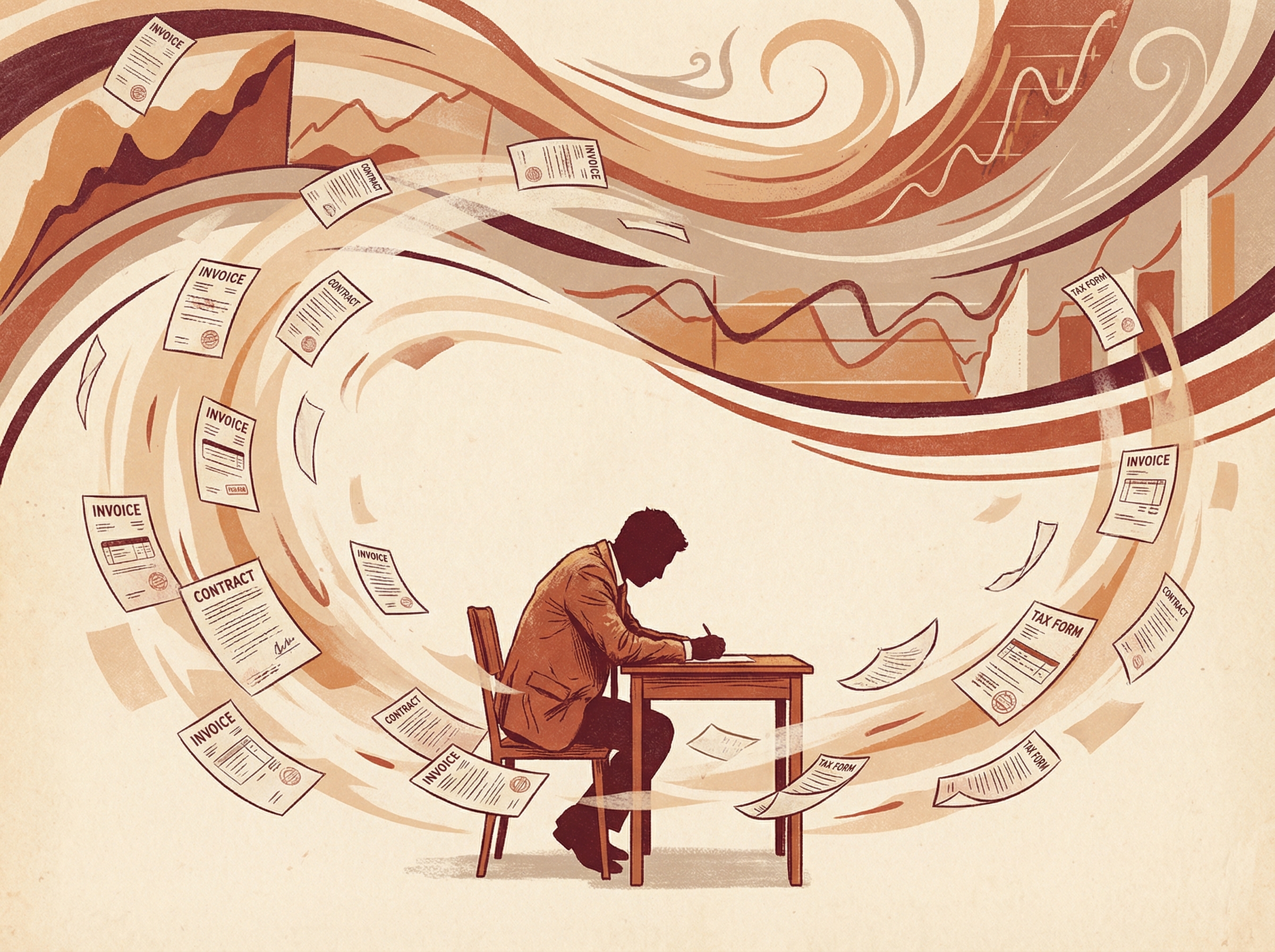
A lone figure at a desk surrounded by floating invoices and contracts, exposed to swirling market forces
02

The Autonomy Paradox: Freedom Comes With a 24% Cortisol Tax

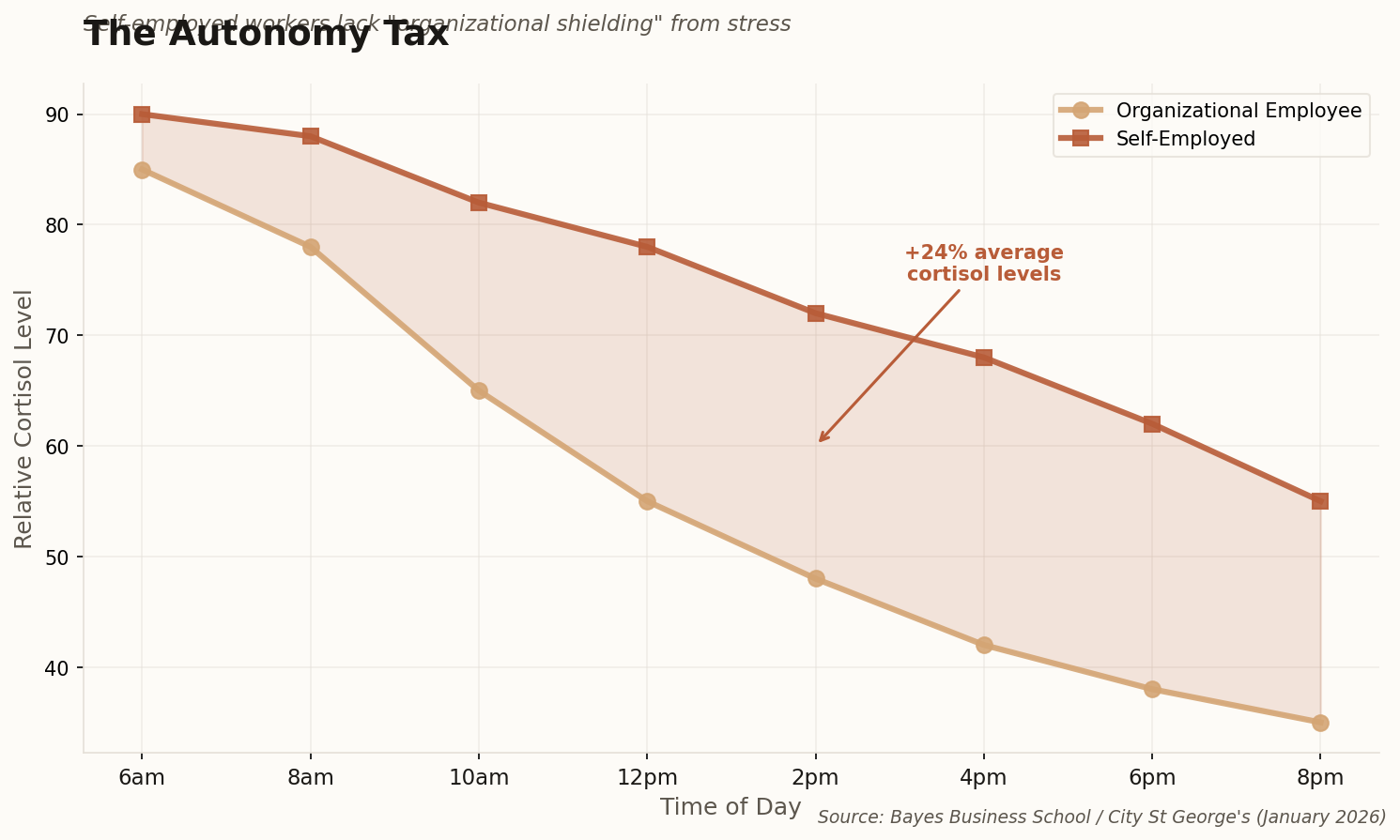
The gig economy pitch is seductive: escape corporate bureaucracy, be your own boss, set your own hours. What City St George's, University of London discovered over a six-year study tells a different story. Self-employed individuals experience 24% higher stress levels than those working for organizations.

The mechanism is particularly cruel. Unlike organizational employees whose cortisol levels naturally drop throughout the workday, self-employed workers maintain elevated cortisol from morning to evening. The researchers call this missing protection "organizational shielding"—the invisible buffer that corporations provide against market volatility, administrative burden, and the constant pressure of being your own everything.

Line chart comparing cortisol levels throughout the day between employees and self-employed workers
Self-employed workers never get the cortisol drop that organizational employees experience

For the tech worker who left their FAANG job for the freedom of consulting? The data suggests their body is running hot all day, every day. That Instagram-ready lifestyle of coffee shops and flexible schedules comes with a biological price tag their followers can't see.

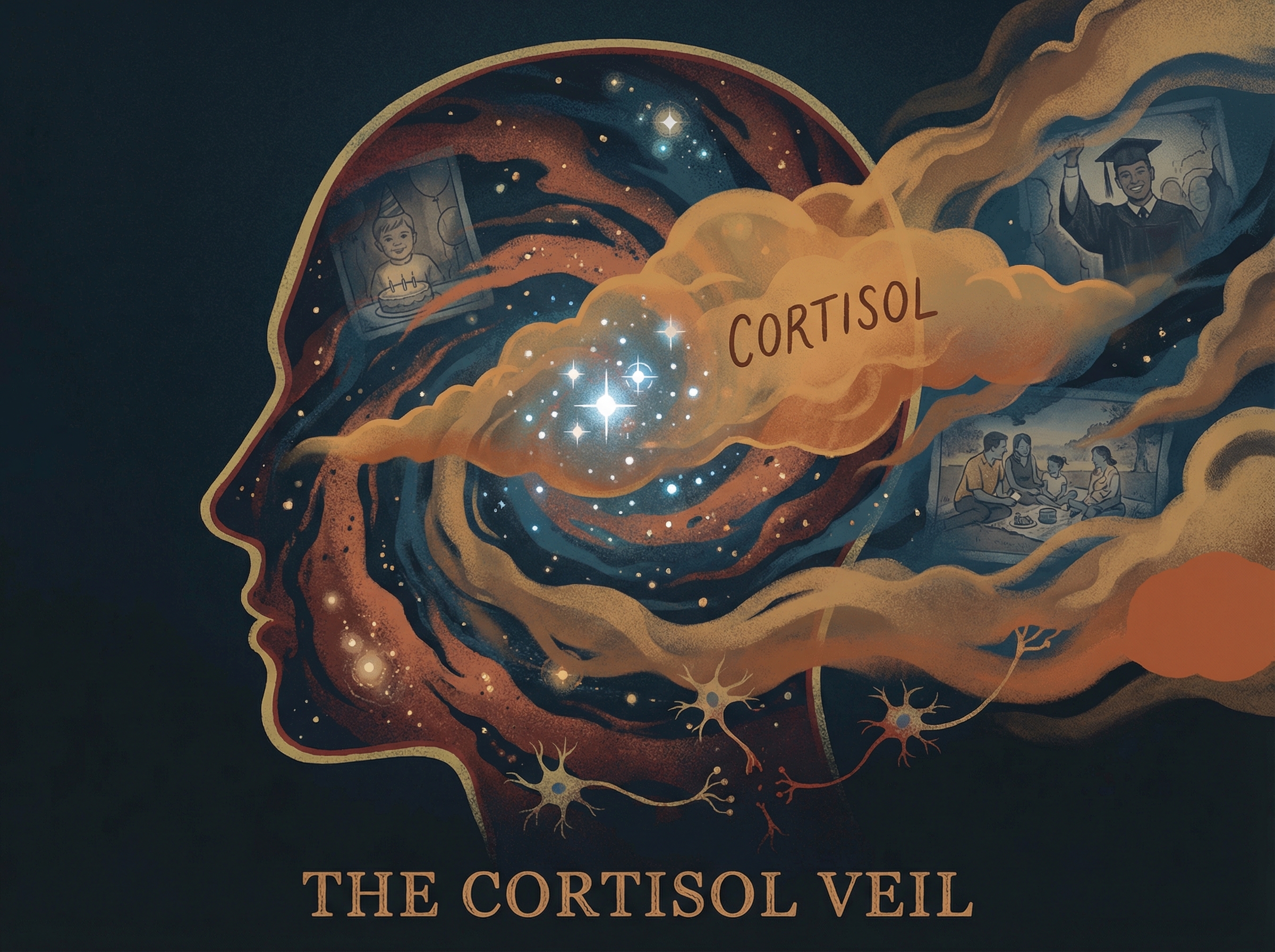
A human head in profile with a galaxy of memories inside, blocked by amber fog representing cortisol
03

Why You Blank in Technical Interviews (It's Chemistry, Not Competence)

Every developer has a horror story: you know this algorithm cold, you've implemented it a dozen times, but suddenly you're staring at a whiteboard while your interviewer checks their watch. New research from the MDPI Journal of Clinical Medicine explains exactly why this happens—and it's not about preparation.

"Anticipatory cortisol"—the stress you feel before a high-stakes task—directly impairs your brain's ability to retrieve stored information. The study found a strong negative correlation between pre-task cortisol levels and "delayed free recall" performance. In practical terms: the more you stress about an interview, the less access you have to the knowledge that got you the interview in the first place.

The cruel irony: The biological anticipation of evaluation actively blocks access to the very knowledge being evaluated. Your brain is chemically locking you out of your own files.

This mechanism explains why high performers often stumble in high-pressure interviews while coasting through their actual jobs. It's not impostor syndrome—it's cortisol creating a literal chemical barrier between you and your expertise. The solution isn't more leetcode practice; it's stress regulation.

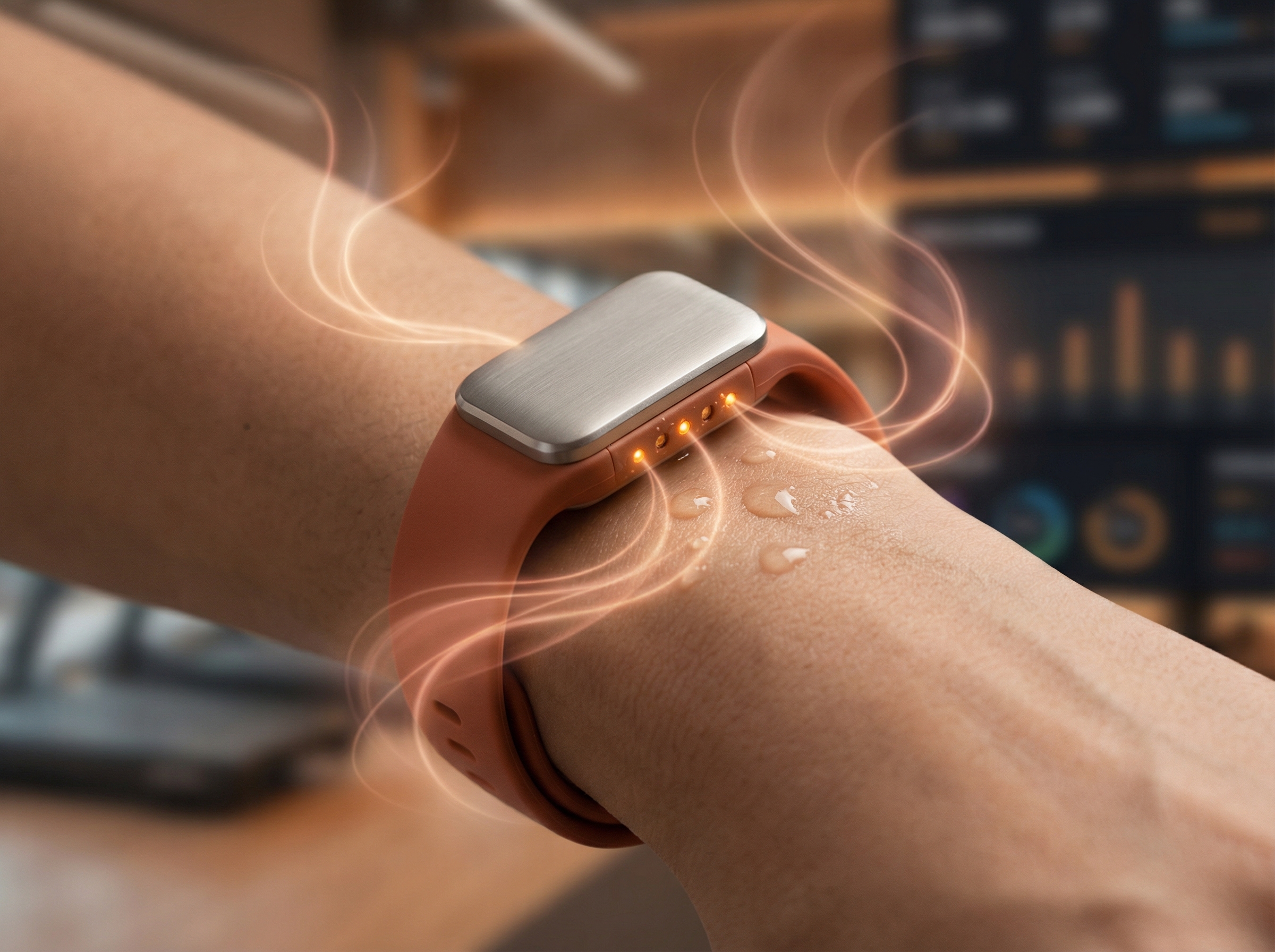
A sleek wearable device on a wrist with sweat droplets being analyzed by glowing sensors
04

Your Sweat Can Now Report Your Stress to Your Employer

For decades, measuring cortisol meant blood draws or saliva samples—inconvenient, intermittent snapshots of a continuously fluctuating system. The EnLiSense "CORTI" platform changes that calculus entirely. This wearable sweat sensor now approaching commercial release offers non-invasive, continuous, real-time monitoring of both cortisol and melatonin.

The January updates highlight the platform's ability to track your "cortisol awakening response" (CAR) and circadian alignment without any user intervention. Your body's stress patterns, logged and timestamped, 24/7. The wellness applications are obvious: identify when you're running hot, intervene before burnout, optimize recovery.

But the implications get complicated fast. What happens when employers can see objective biometric proof that a project is stressing their team? When insurance companies can price coverage based on your real-time cortisol data? When your wearable knows you're anxious before you consciously feel it?

The technology promises to move stress management from subjective self-reporting to hard data. Whether that's liberation or surveillance depends entirely on who's reading the dashboard.

A young developer at their desk, their shadow morphing into an AI neural network that looms larger
05

AI Anxiety Is Now a Clinical Category

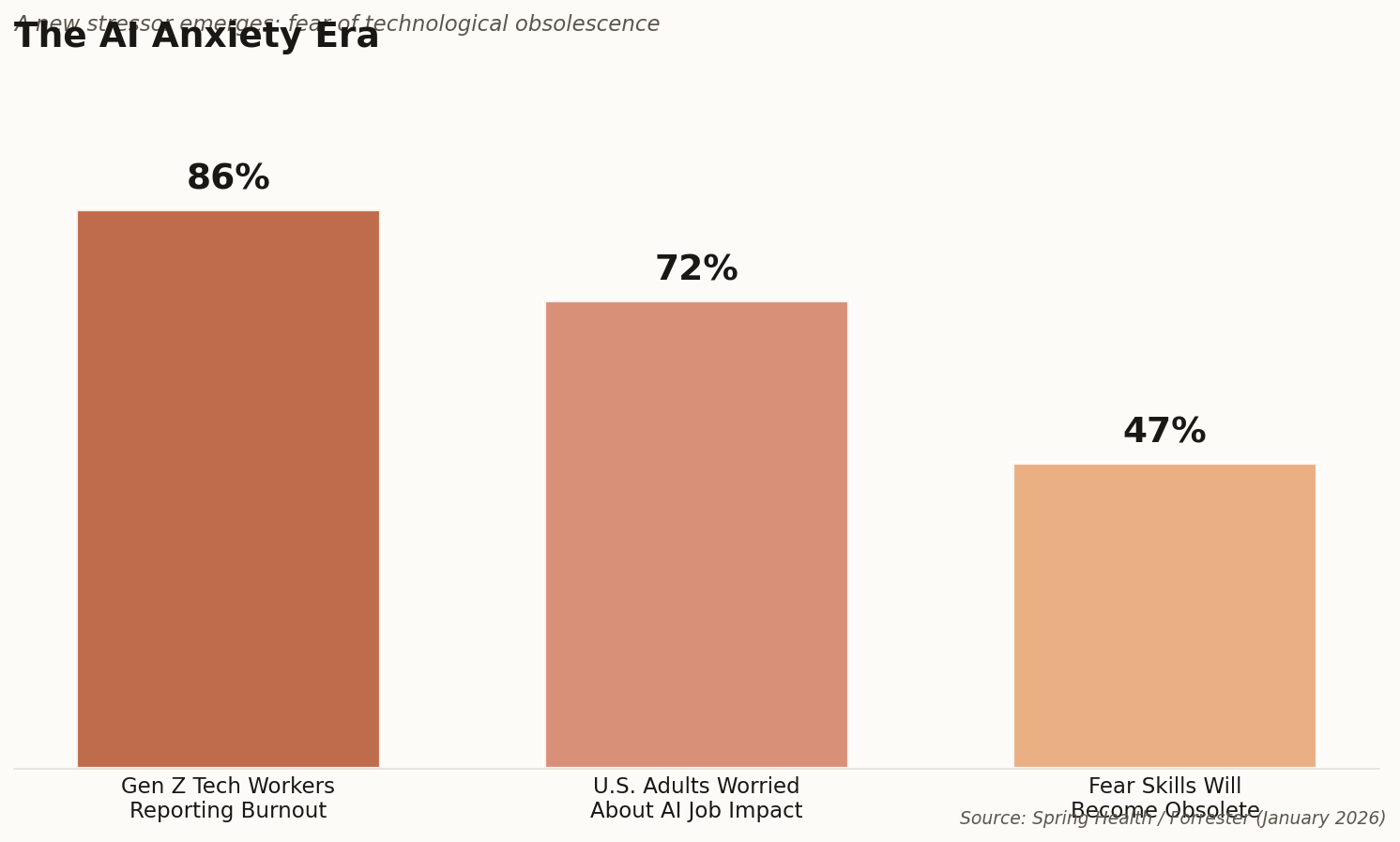
Spring Health and Forrester have identified 2026's distinctive mental health trend: 72% of U.S. adults now worry about AI's impact on their economic security and job prospects. Nearly half—47%—specifically fear their current skills will become obsolete.

Bar chart showing AI anxiety statistics across different populations
AI anxiety has emerged as a distinct category of psychological stressor, particularly acute in tech

Among Gen Z workers in tech, the numbers are catastrophic: 86% report feeling burned out, with AI-related pressure cited as a significant compounding factor. The researchers frame this as "obsolescence anxiety"—a new category of psychological stressor distinct from traditional workload burnout. It's not that the work is too hard; it's that the work might not exist.

Traditional stress comes from too much to do. Obsolescence anxiety comes from uncertainty about whether what you do will matter. The first depletes you; the second destabilizes your entire professional identity. No amount of productivity hacks can solve an existential question about your value in the economy.

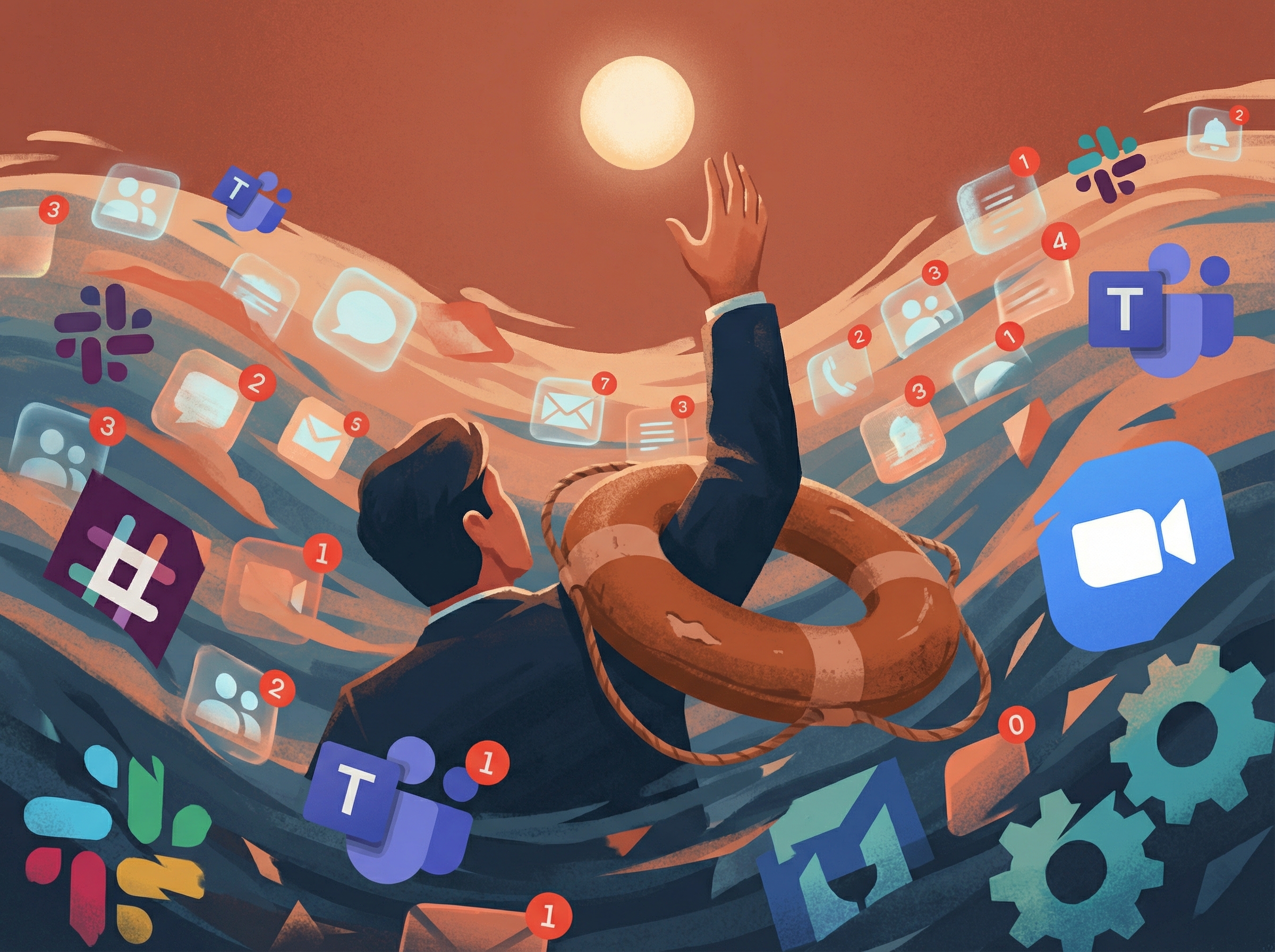
A person drowning in a sea of app icons and notification badges, reaching toward a point of calm light
06

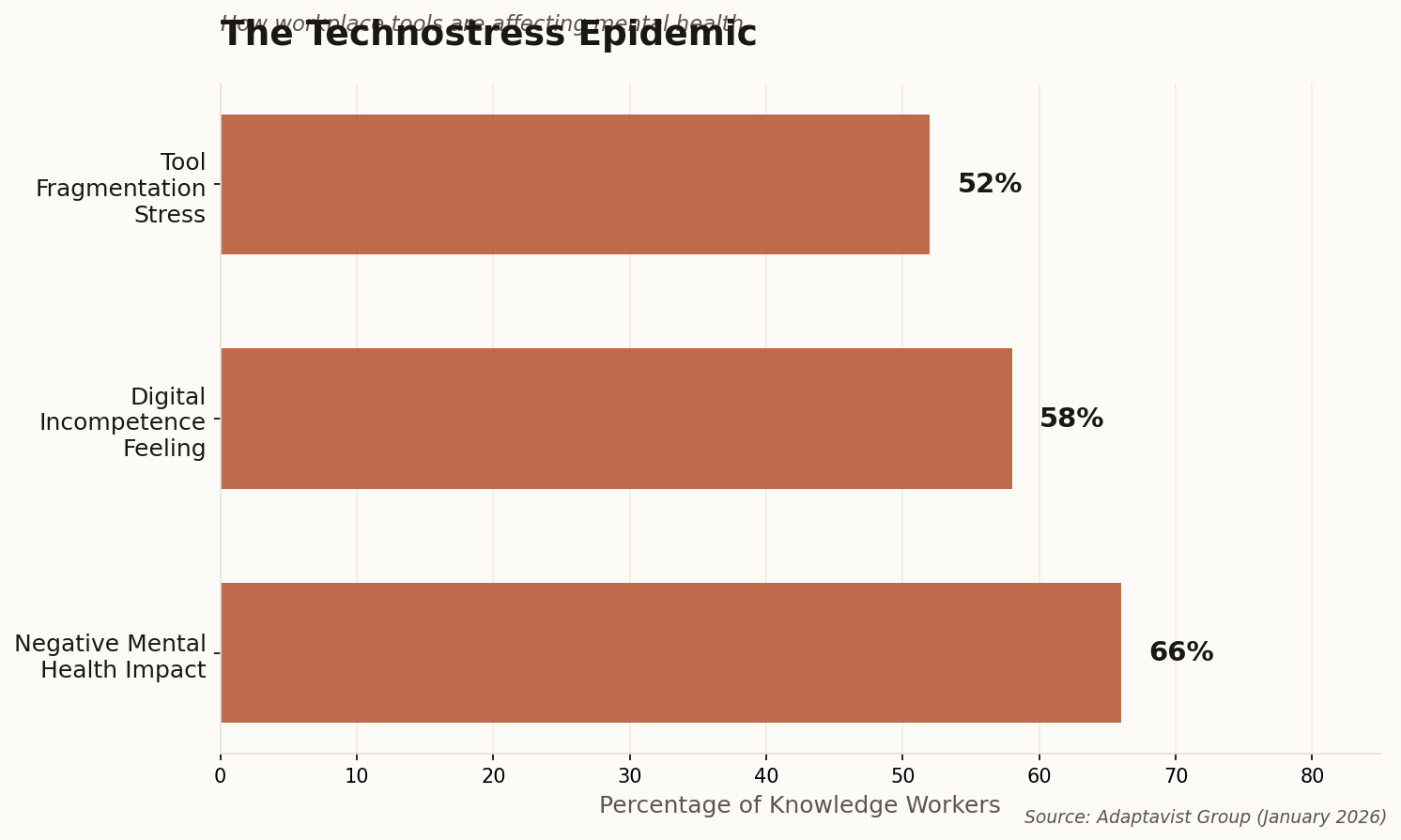
Two-Thirds of Knowledge Workers Are Being Harmed by Their Tools

The tools designed to make us productive are making us sick. Adaptavist Group's latest research quantifies what many suspected: 66% of knowledge workers report negative mental health impacts directly caused by their workplace software. Not caused by overwork. Not caused by bad management. Caused by the tools themselves.

Horizontal bar chart showing technostress epidemic statistics
Technostress: when the solution becomes the problem

The primary culprits: constant connectivity expectations, tool fragmentation across too many platforms, and the pressure to demonstrate productivity through digital metrics. The report also identifies a growing sense of "digital incompetence" as workers struggle to keep pace with rapidly changing software ecosystems. Every new tool promises efficiency; each one adds another context switch, another notification channel, another dashboard to check.

This reframes "developer experience" (DX) as a health metric, not just a productivity one. The friction between you and your tools isn't just slowing you down—it's keeping your cortisol elevated through every Slack notification, every Jira transition, every video call that could have been an email.

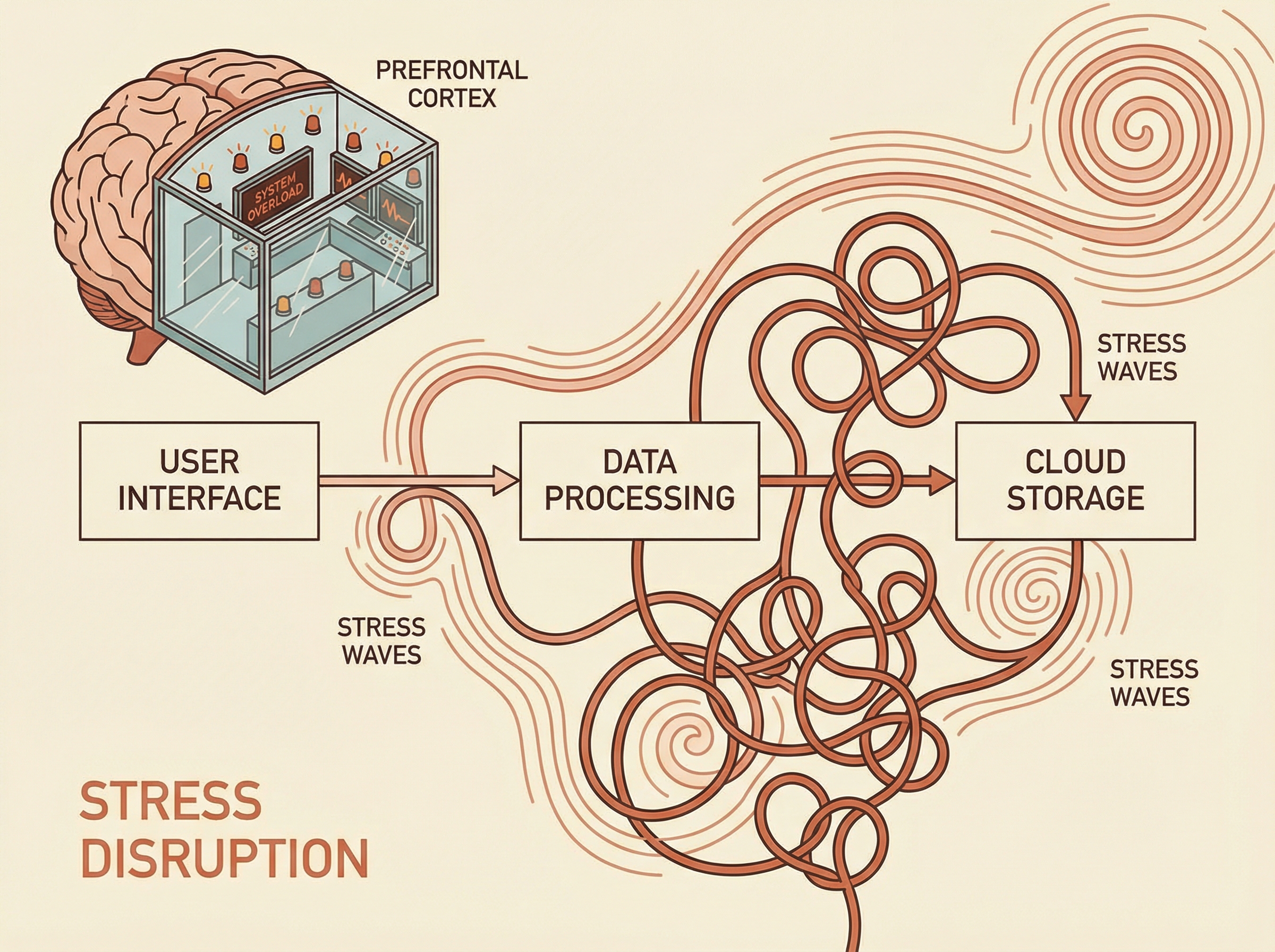
A software architecture diagram being scrambled by stress waves, with warning lights flickering
07

Crunch Mode Is Silently Creating Technical Debt

New research from Serpell, Crewther, and Fourie establishes what experienced engineering managers have long suspected: acute stress doesn't just make people miserable—it actively degrades the quality of their decisions. Elevated cortisol specifically impairs "risk assessment" and "strategic planning" functions in the prefrontal cortex.

The finding has immediate implications for software architecture. During high-pressure crunch periods, the brain shifts from proactive to reactive processing. Complex trade-offs get flattened into binary choices. Long-term consequences get discounted against immediate deliverables. That "temporary" hack that becomes permanent? It wasn't a character flaw—it was a cortisol-driven cognitive shortcut.

The technical debt cycle: Crunch produces stress → stress impairs strategic thinking → impaired thinking produces shortcuts → shortcuts create technical debt → debt creates more crunch.

This reframes the conversation about sustainable pace from "nice to have" to "architecturally necessary." Teams operating under chronic stress aren't just burning out—they're systematically making worse decisions, creating problems that will require future crunch to fix. The cycle is biological, not motivational.

The Compound Interest of Calm

Cortisol isn't the enemy—it's a messenger. What this week's research reveals isn't that modern tech work is uniquely stressful (though it is), but that the stress response has become chronic where it should be acute. The fix isn't meditation apps or resilience training. It's structural: hiring processes that don't traumatize candidates, organizational design that shields workers from market chaos, tools that reduce cognitive load instead of adding to it. The brain you bring to work tomorrow is shaped by how you treat it today. That's not wellness woo—it's neuroscience.