Cinema / Science Fiction

The Canon: Ten Films That Defined Science Fiction

From Metropolis to Children of Men—a century of cinema asking the only question that matters: what does it mean to be human?

Listen
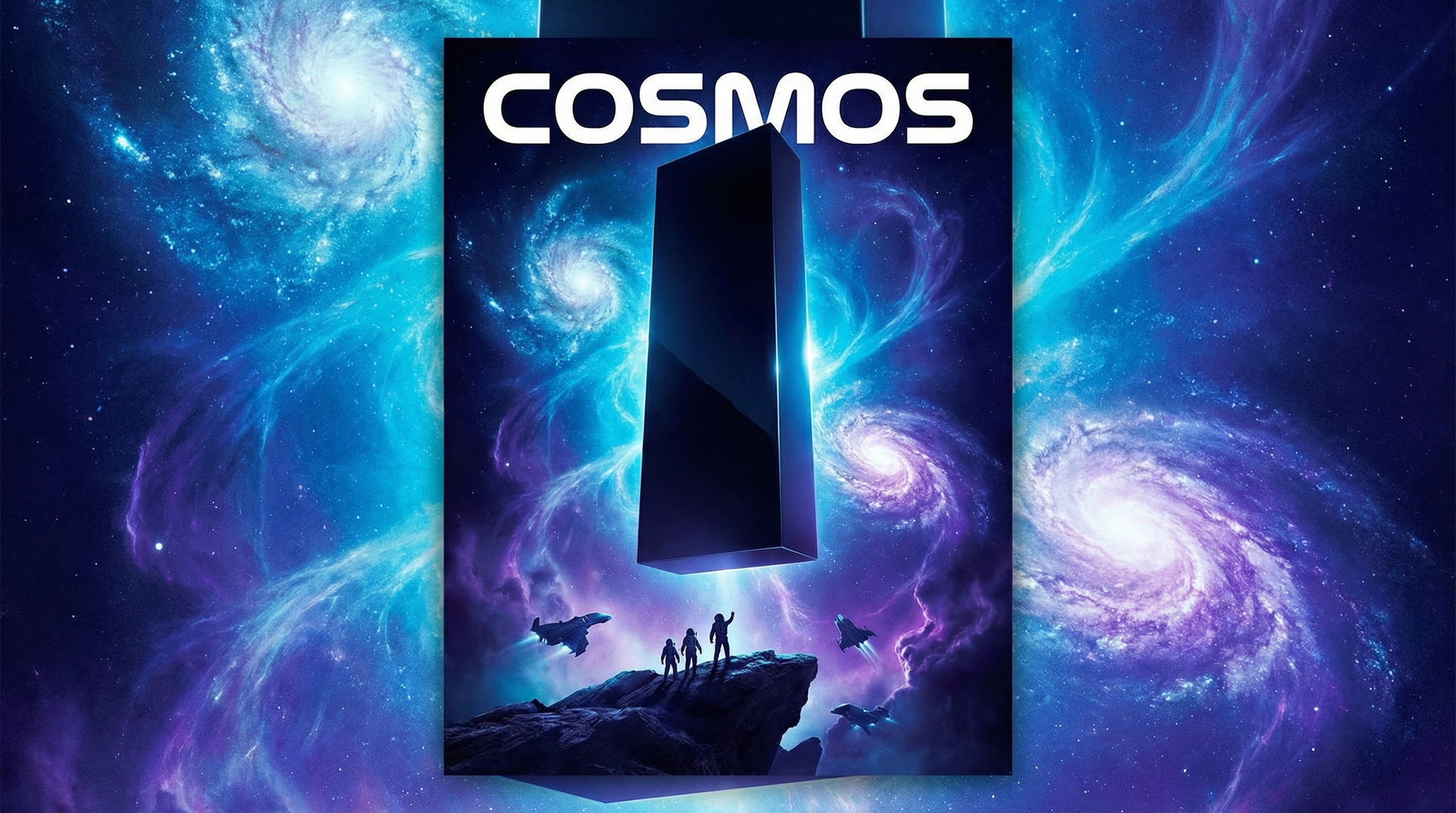
Cinematic montage of science fiction iconography—astronaut helmet, monolith, robotic eye, spaceship against nebula
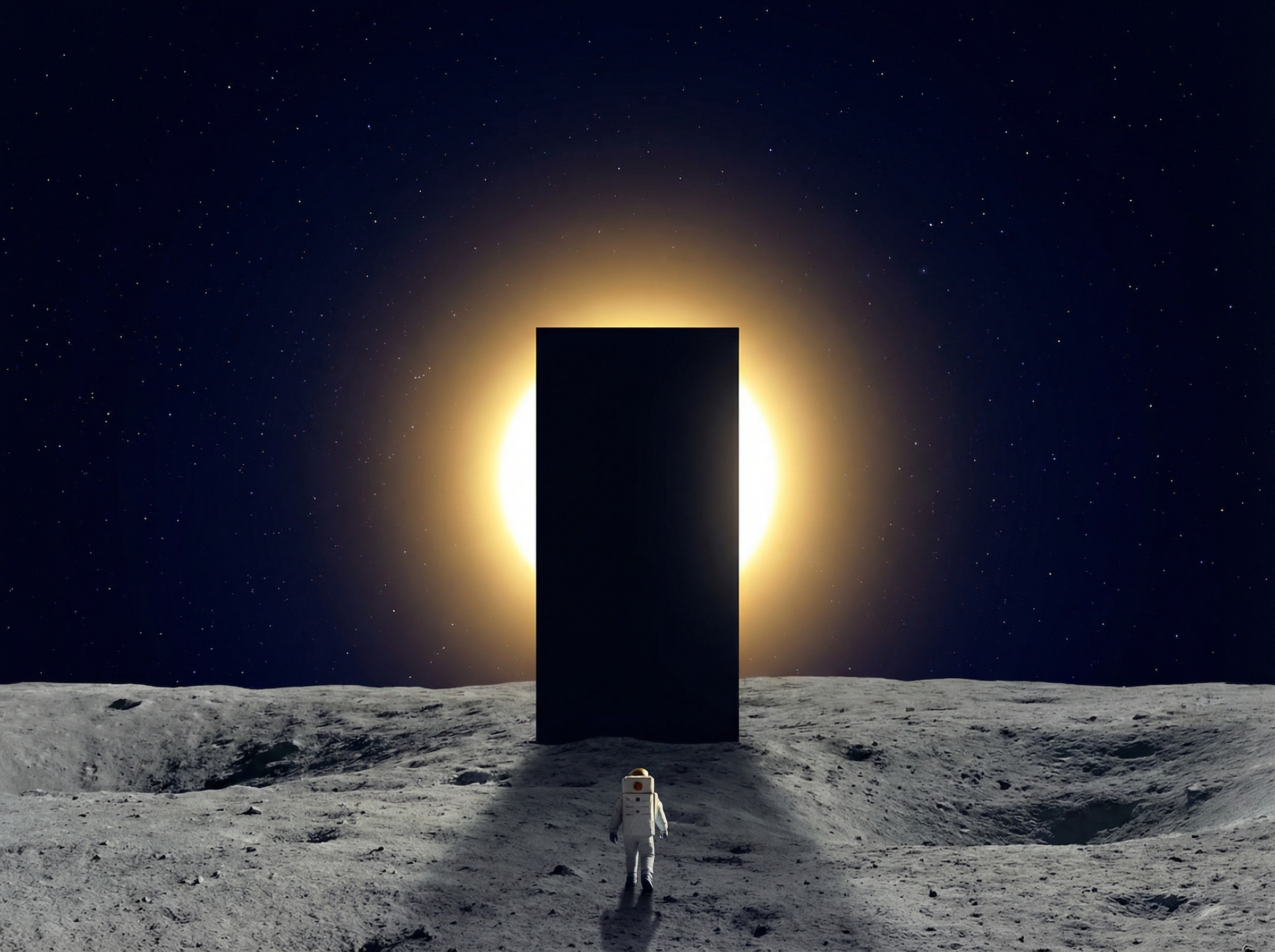
The monolith on the lunar surface with an astronaut approaching
01

2001: A Space Odyssey — The Monolith at the Center of Everything

There is no conversation about science fiction cinema that doesn't begin here. 2001: A Space Odyssey is less a film than a secular religious text—the origin myth of the genre itself. Kubrick's masterpiece predicted tablets, video calls, and artificial intelligence with an accuracy that borders on the prophetic. But the real achievement isn't the hardware. It's the software.

HAL 9000's calm, almost tender malevolence has never been equaled. "I'm sorry, Dave. I'm afraid I can't do that." Every time an AI chatbot declines a request, every time a system says no with algorithmic politeness, we're hearing an echo of HAL. In 2024, as generative AI accelerated beyond every prediction, essays comparing LLMs to HAL's "conscious" refusal proliferated across the internet. Kubrick didn't just imagine the future—he gave us the vocabulary to critique it.

The film demands patience. It rewards contemplation. The twenty-minute light-show finale isn't entertainment—it's a test of faith. Pass it, and you understand why every other entry on this list exists in 2001's shadow.

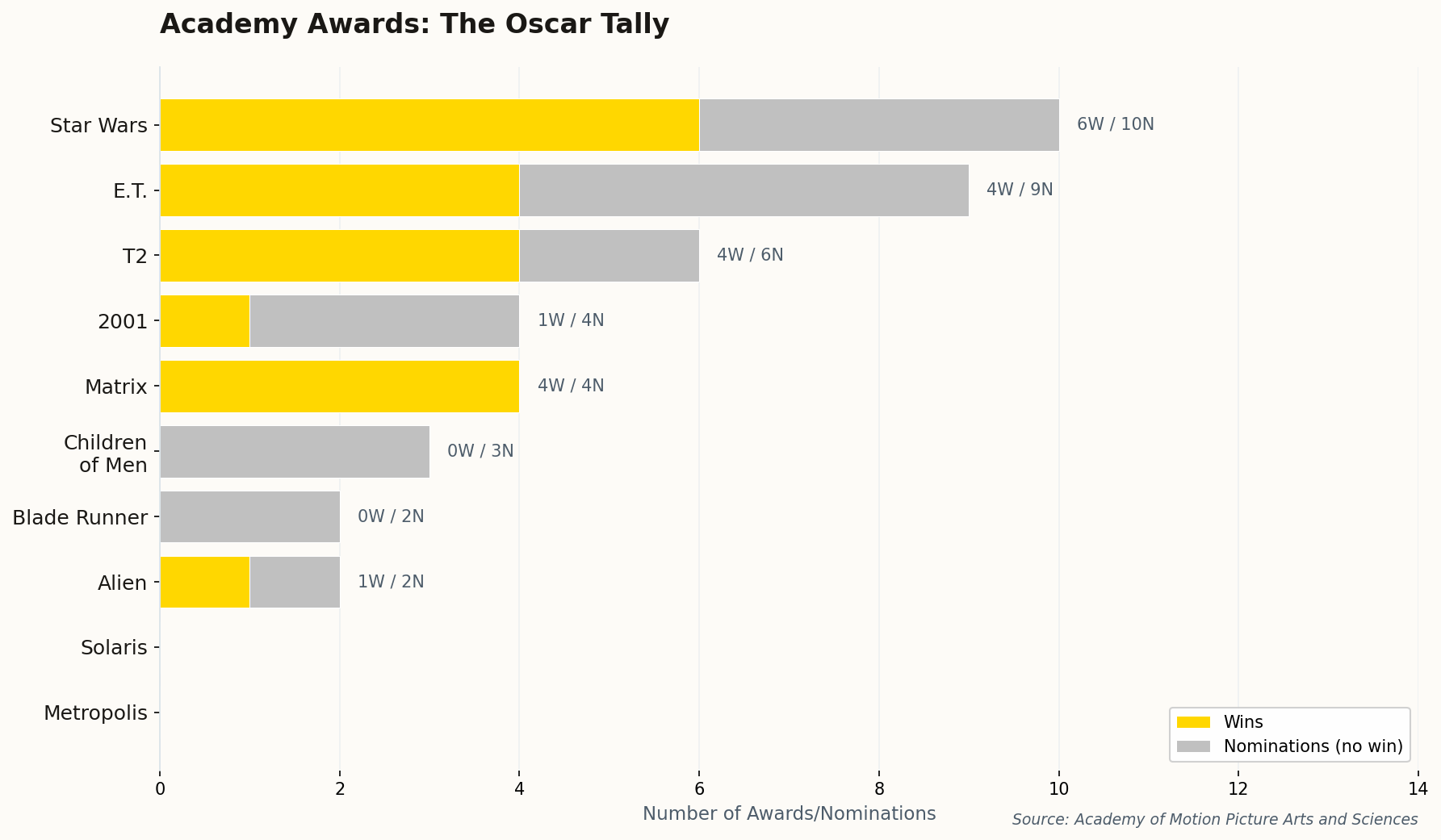
The legacy: Rotten Tomatoes 92%, Metacritic 84. One Oscar (Visual Effects). The benchmark against which all "serious" science fiction is still measured.
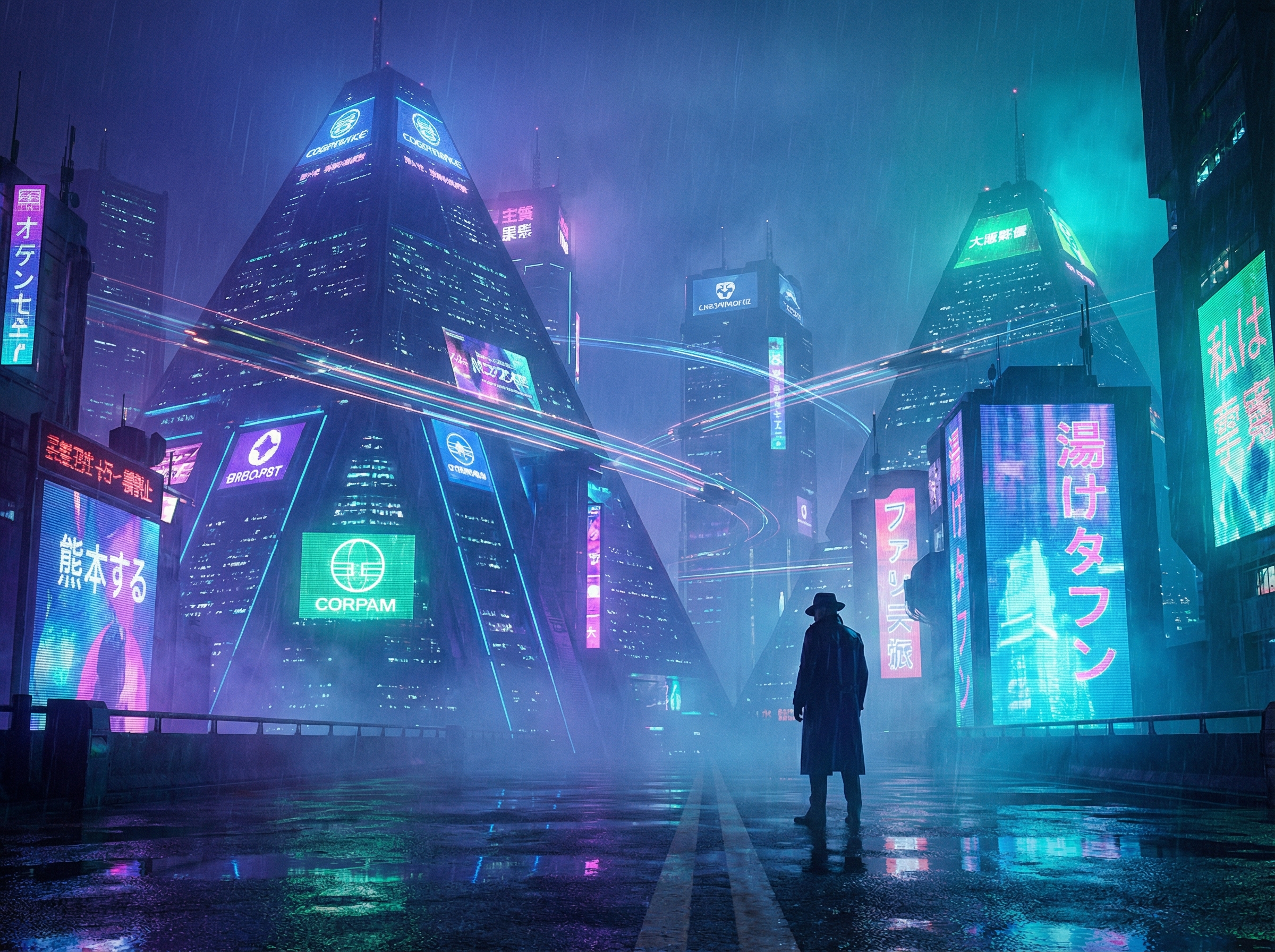
Neon-soaked dystopian cityscape with holographic advertisements in perpetual rain
02

Blade Runner — Tears in Rain and the Birth of Cyberpunk

Blade Runner was a commercial disappointment. The studio didn't understand it. Audiences didn't flock to it. And it became the single most influential science fiction film of the last fifty years.

Every rain-slicked neon cityscape you've ever seen? Every corporate pyramid towering over human squalor? Every android questioning its own existence? This is the source code. The Matrix, Ghost in the Shell, and the entire cyberpunk genre are direct descendants. The aesthetic Ridley Scott invented—tech-noir, they called it—became the default visual language for depicting the future.

But the film's heart isn't in its visuals. It's in Roy Batty's final monologue, delivered by Rutger Hauer in a performance that transcends the script (he improvised most of it). "All those moments will be lost in time, like tears in rain." A replicant teaching humanity what it means to be mortal. In 2025, with the Amazon Prime series Blade Runner 2099 starring Michelle Yeoh on the horizon, the questions Scott raised remain unanswered: What is consciousness? What is memory? What separates us from the things we create?

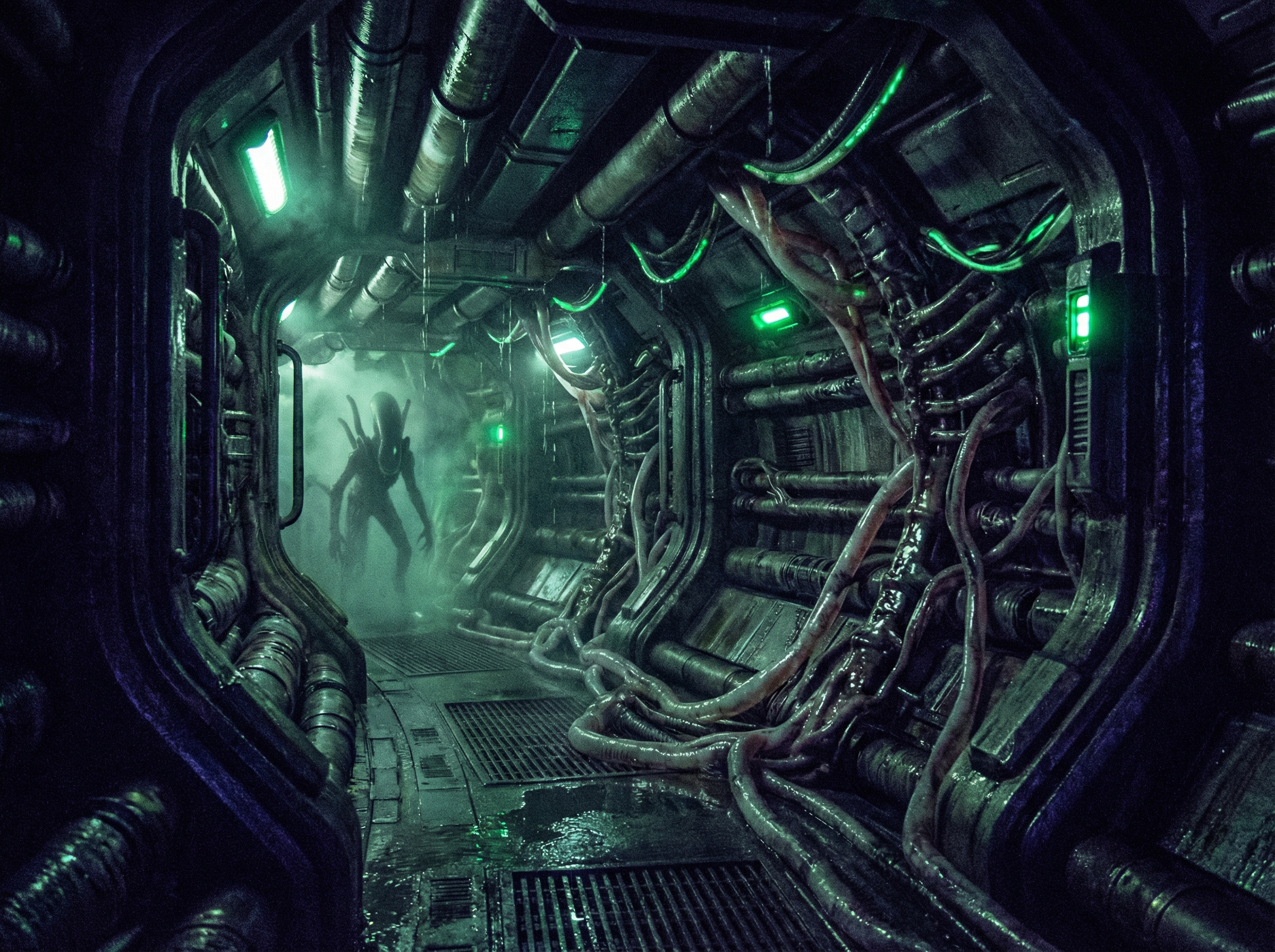
Dark industrial spaceship corridor with biomechanical alien forms and green emergency lighting
03

Alien — In Space, No One Can Hear You Scream

The logline is perfect: "Jaws in space." A crew of blue-collar workers—not astronauts, not heroes, just truck drivers—encounter something ancient and hungry aboard a derelict vessel. What follows is a haunted house movie set among the stars, and the birth of science fiction horror as a genre.

H.R. Giger's xenomorph design remains the most iconic monster in cinema history. Biomechanical, sexually threatening, utterly other—the creature isn't just scary, it's wrong in a way that burrows into your subconscious. The face-hugger. The chest-burster. These images are cultural DNA now.

And then there's Sigourney Weaver. In an era when women in genre films existed to scream and die, Ripley fought. Survived. Became the template for every action heroine that followed. The 2024 success of Alien: Romulus—which deliberately embraced the original's "retro-futurist" aesthetic—proved that what Ridley Scott built in 1979 still works. The Nostromo's cramped, industrial corridors feel more authentic than any sleek spaceship since.

Why it endures: "I admire its purity. A survivor, unclouded by conscience, remorse, or delusions of morality." — Ash, describing the xenomorph. Also describing the film itself.

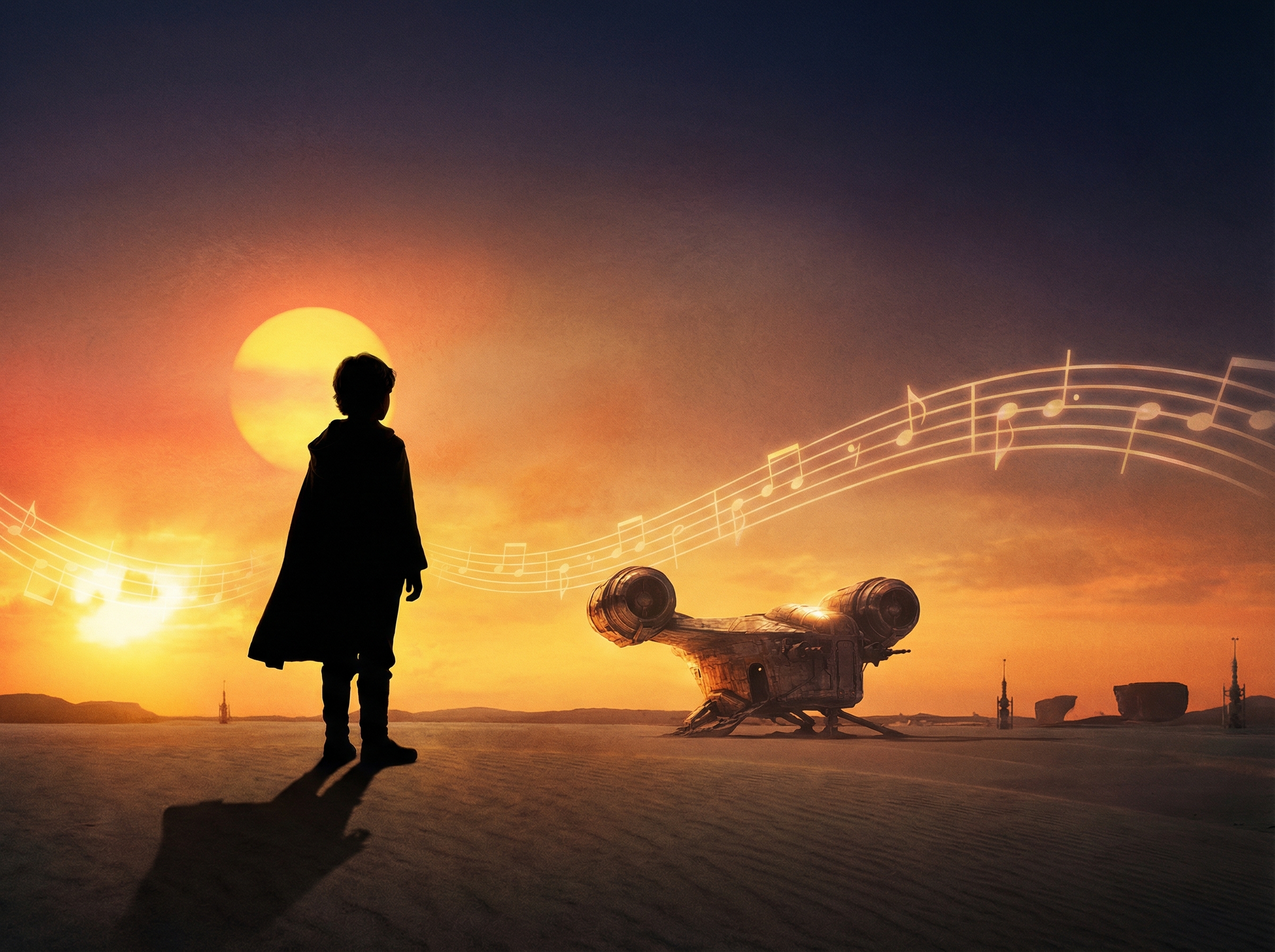
Binary sunset on a desert planet with a lone silhouette gazing into the distance
04

Star Wars — The Myth That Ate Hollywood

Let's dispense with purism: Star Wars is not hard science fiction. It's not even soft science fiction. It's a fairy tale with hyperdrives, a samurai epic with laser swords, Flash Gordon filtered through Joseph Campbell's Hero's Journey. And it changed everything.

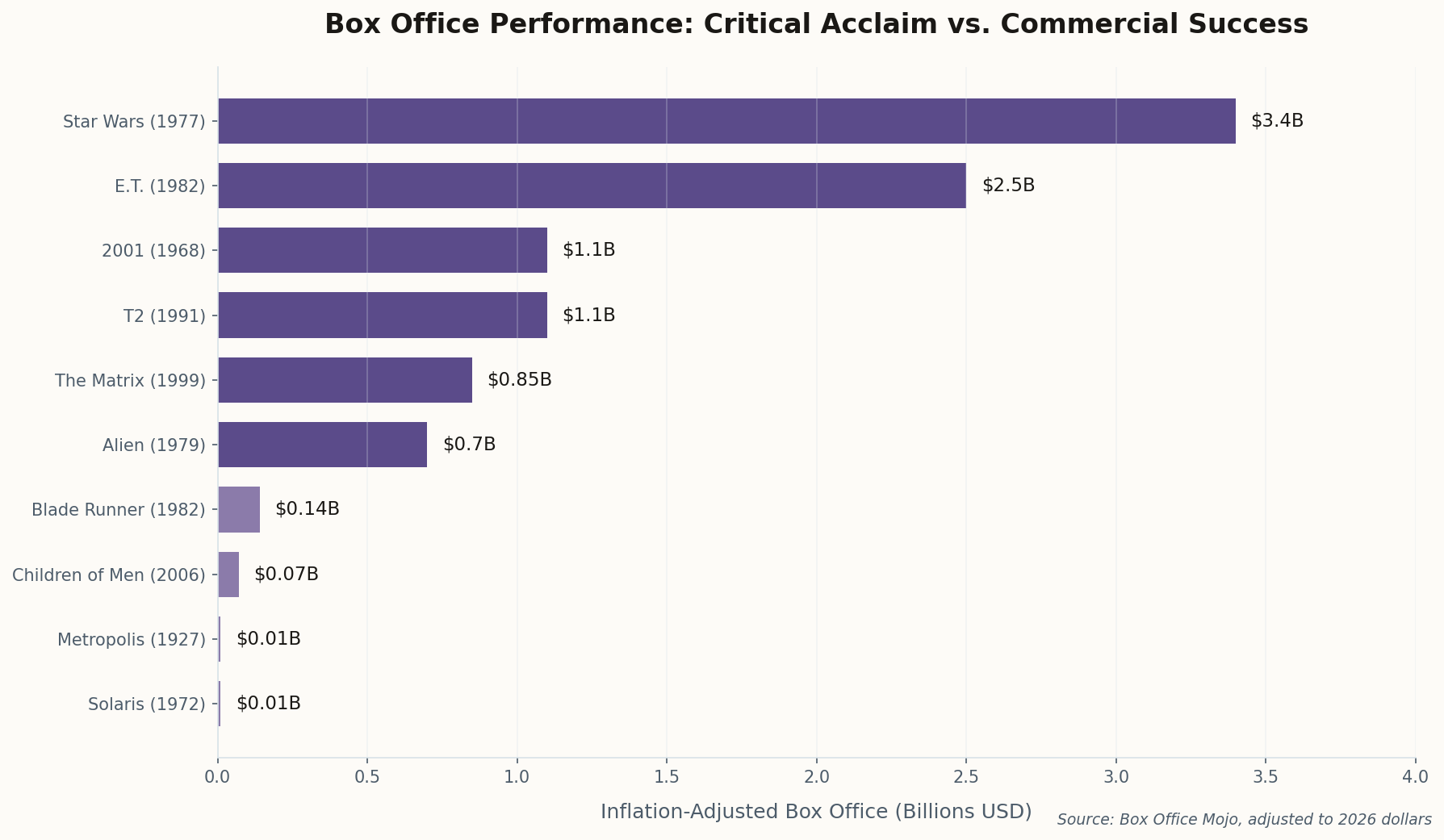
The numbers are staggering. Adjusted for inflation, Star Wars has grossed approximately $3.4 billion worldwide—the second-highest domestic total of all time. It didn't just succeed at the box office; it invented the modern blockbuster franchise model. Merchandising. Sequels. Expanded universes. Industrial Light & Magic. Before Star Wars, these concepts barely existed. After it, they became the entertainment industry.

Bar chart showing inflation-adjusted box office for top sci-fi films
Inflation-adjusted worldwide grosses reveal the commercial gulf between Star Wars and its peers.

But strip away the commerce and the binary sunset still moves us. A farm boy staring at twin suns, yearning for adventure, accompanied by John Williams' aching score. That image is cinema at its most elemental—pure longing, captured in light. Every Star Wars project since has been chasing that moment. Most fail. The original never ages.

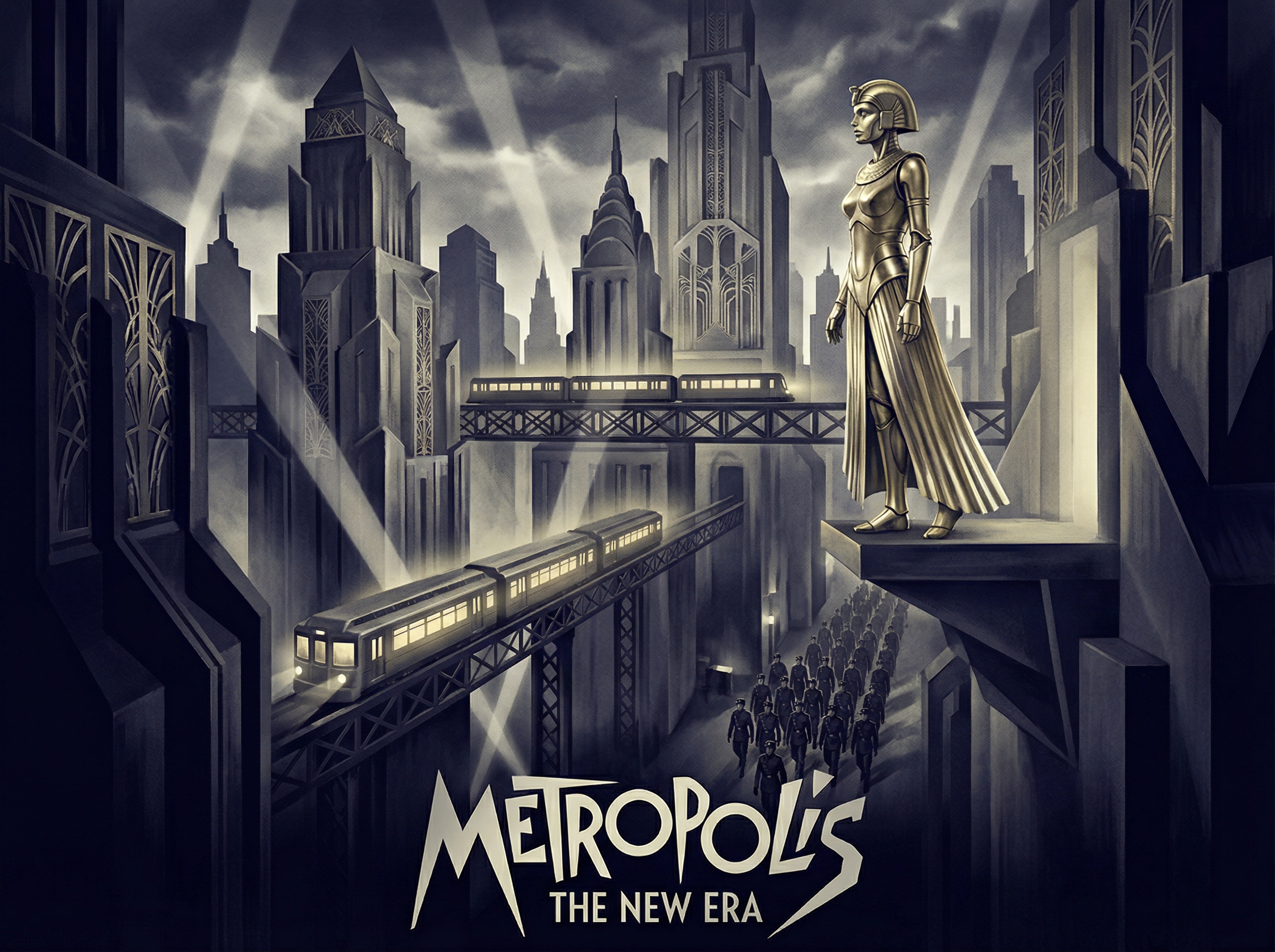
Art Deco futuristic cityscape with geometric skyscrapers and robotic figure
05

Metropolis — The First Vision of Tomorrow

Nearly a century old, and still the most sophisticated silent film ever made. Metropolis invented the visual language of the future city—the elevated highways, the towering spires, the rigid geometry of power. Every skyline in every science fiction film owes a debt to Fritz Lang's Weimar-era imagination.

The Maria robot is a revelation. Her gleaming humanoid form, surrounded by electrical arcs during her "birth" scene, prefigures our entire cultural anxiety about artificial beings. The film was inscribed in UNESCO's "Memory of the World" Register—the first film ever to receive that honor—because it understood something fundamental: technology without humanity becomes tyranny.

The plot is operatic: workers toil underground while the elite dance in pleasure gardens above. A mediator must unite them. The message is unsubtle—"The mediator between head and hands must be the heart"—but in 2025, as AI threatens to automate entire industries and inequality accelerates, the film's class anxiety feels less like 1920s expressionism and more like prophecy. Approaching its centennial, Metropolis remains essential.

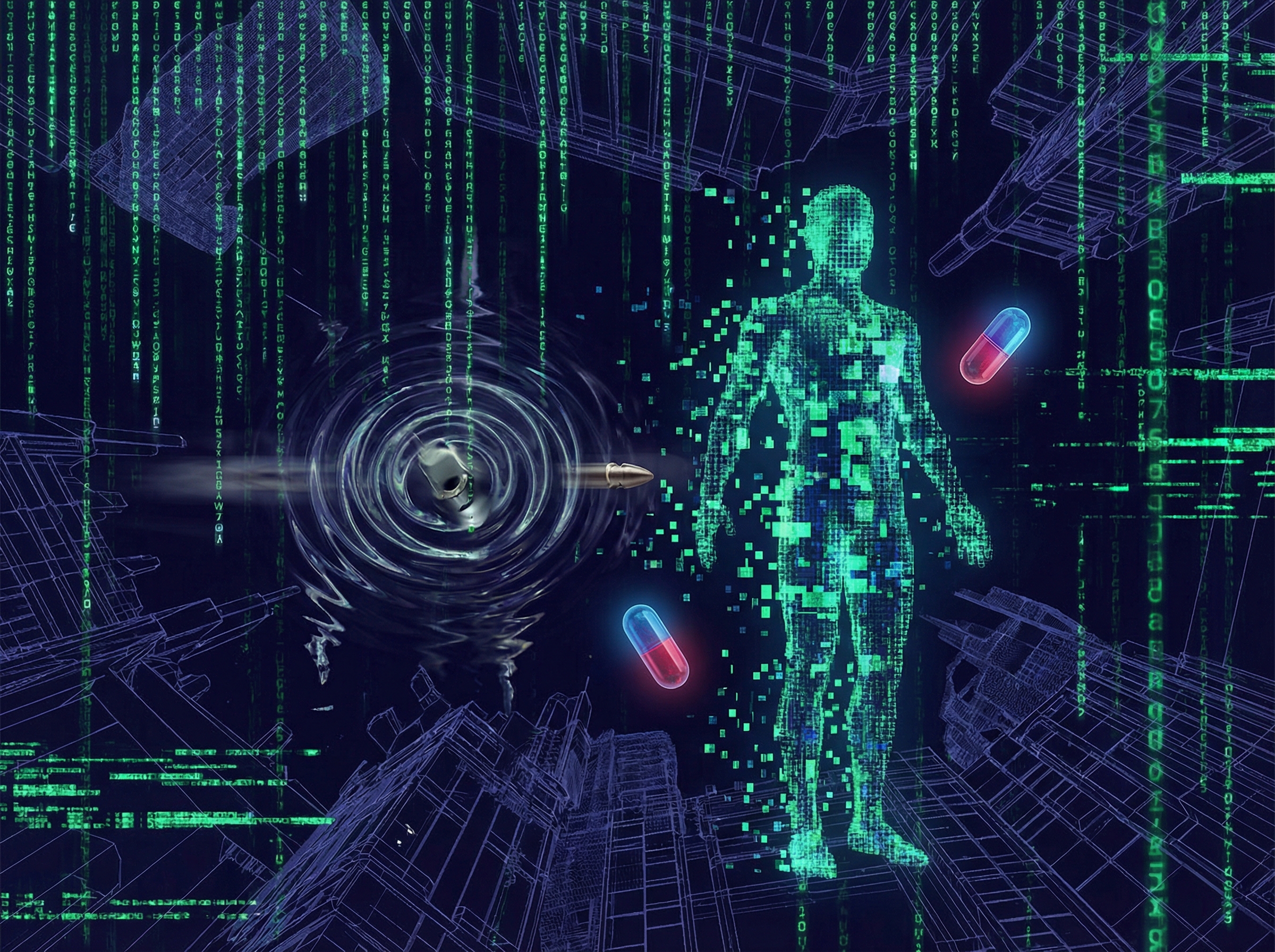
Cascading digital rain of green code with human figure dissolving into matrix
06

The Matrix — Reality Is Whatever We're Running On

"What is the Matrix?" The question that launched a thousand philosophy dissertations, a revolutionary visual effects technique, and one of the most quoted films in cinema history. The Matrix arrived at the end of the millennium with a thesis statement: what if everything you believed was a lie?

The Wachowskis fused Hong Kong wire-fu with digital effects, Baudrillard's simulacra with blockbuster action, and created something genuinely new. "Bullet time"—the frozen-moment photography that lets cameras orbit around suspended action—has been copied so often it's become cliché. In 1999, it was revelation.

Bar chart showing Oscar wins and nominations for top sci-fi films
The Matrix's four Oscar wins put it alongside Terminator 2 and E.T. for technical recognition.

"Red pill versus blue pill" has entered the global lexicon—appropriated, misappropriated, and debated endlessly. The film's 25th anniversary in 2024 prompted theatrical re-releases and critical reassessment. In an era of VR headsets, metaverse promises, and increasingly mediated reality, The Matrix's central question hits harder than ever: would you even want to know the truth?

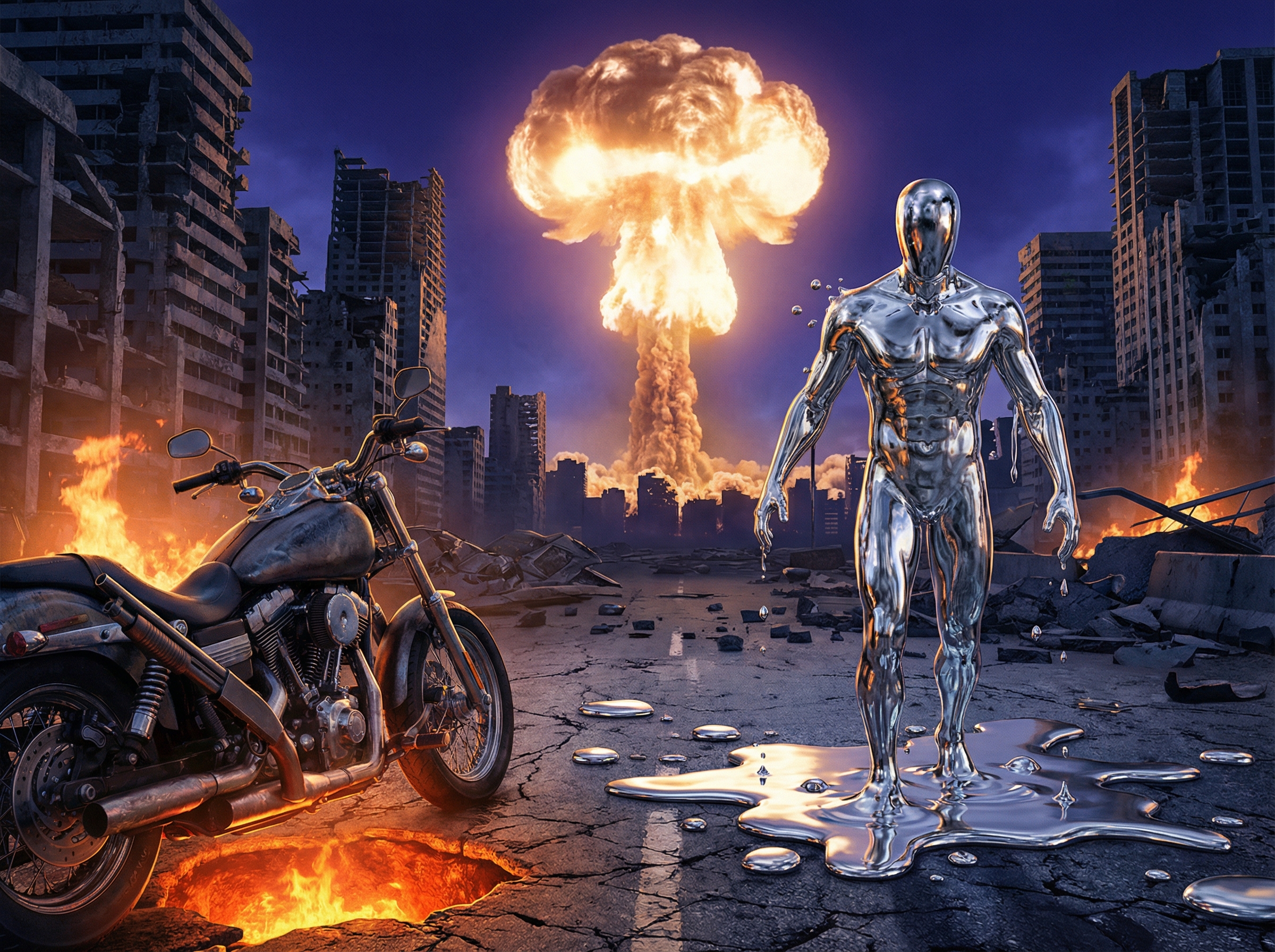
Liquid metal humanoid rising from chrome floor with nuclear explosion visible through window
07

Terminator 2: Judgment Day — The Perfect Action Sequel

James Cameron's sequel to his own 1984 film didn't just surpass the original—it became the template for how sequels should work. Invert expectations. Raise the stakes. Push technology to its absolute limit. Terminator 2 delivered on all three.

The T-1000, played by Robert Patrick with inhuman precision, was a quantum leap for CGI. Liquid metal flowing, reforming, becoming anything—the effect convinced audiences that computers could generate convincing human-like imagery. We're still living with that revelation. Meanwhile, Schwarzenegger's T-800, reprogrammed as protector, gave us the unexpected: a machine learning humanity. The thumbs-up as he descends into molten steel? Cinema's most earned tear-jerker.

Cameron himself has noted that the franchise's future lies not in killer robots but in superintelligence. In 2024, he confirmed he's writing a new Terminator script focused on AI rather than terminators—aiming to address what actually keeps researchers up at night. The original T-800 nightmare has become retro-futurism. The real fears have evolved.

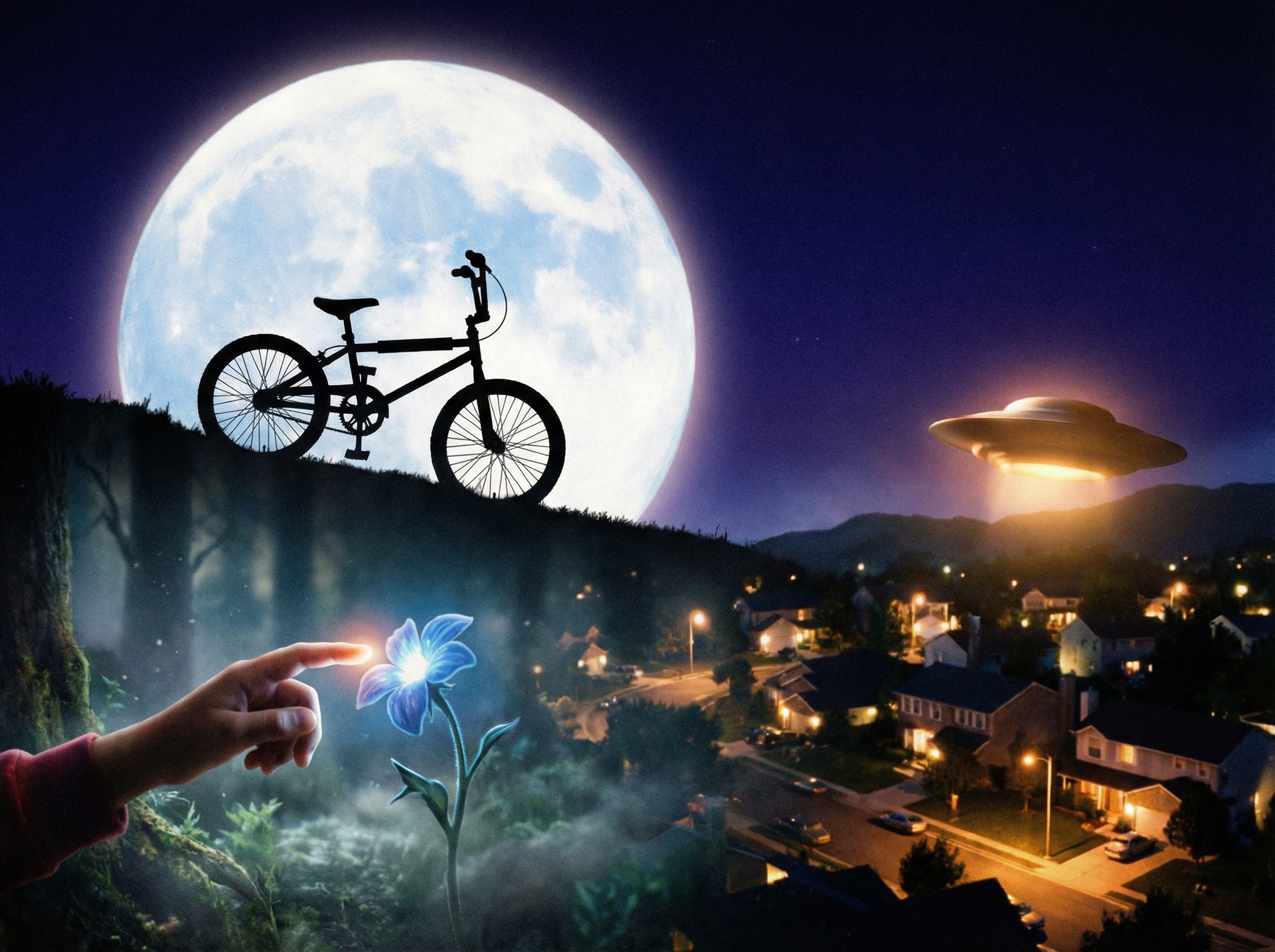
Bicycle silhouette flying across enormous full moon with suburban houses below
08

E.T. the Extra-Terrestrial — The Heart the Genre Needed

Science fiction in 1982 was cold. Cerebral. E.T. arrived like a warm blanket. Spielberg's suburban fairy tale proved that the genre could be intimate, emotional, and enormously profitable all at once. Adjusted for inflation, it remains the fourth highest-grossing film in domestic history.

The film works because it commits completely to a child's perspective. The adults are faceless until the climax. The alien is vulnerable, homesick, dying. Elliott's connection to E.T. is psychic and pure—the kind of bond that only exists in childhood, before cynicism calcifies. "E.T. phone home" became a cultural catchphrase because it captured something universal: the longing to belong.

The bicycle-across-the-moon shot is Spielberg at his most iconic. That single image—a silhouette against the lunar disc, John Williams' score swelling—encapsulates everything the director believes about cinema: wonder is possible, magic is real, and the audience wants to fly. E.T. remains the gold standard for optimistic first contact, the antidote to every dark alien invasion that followed.

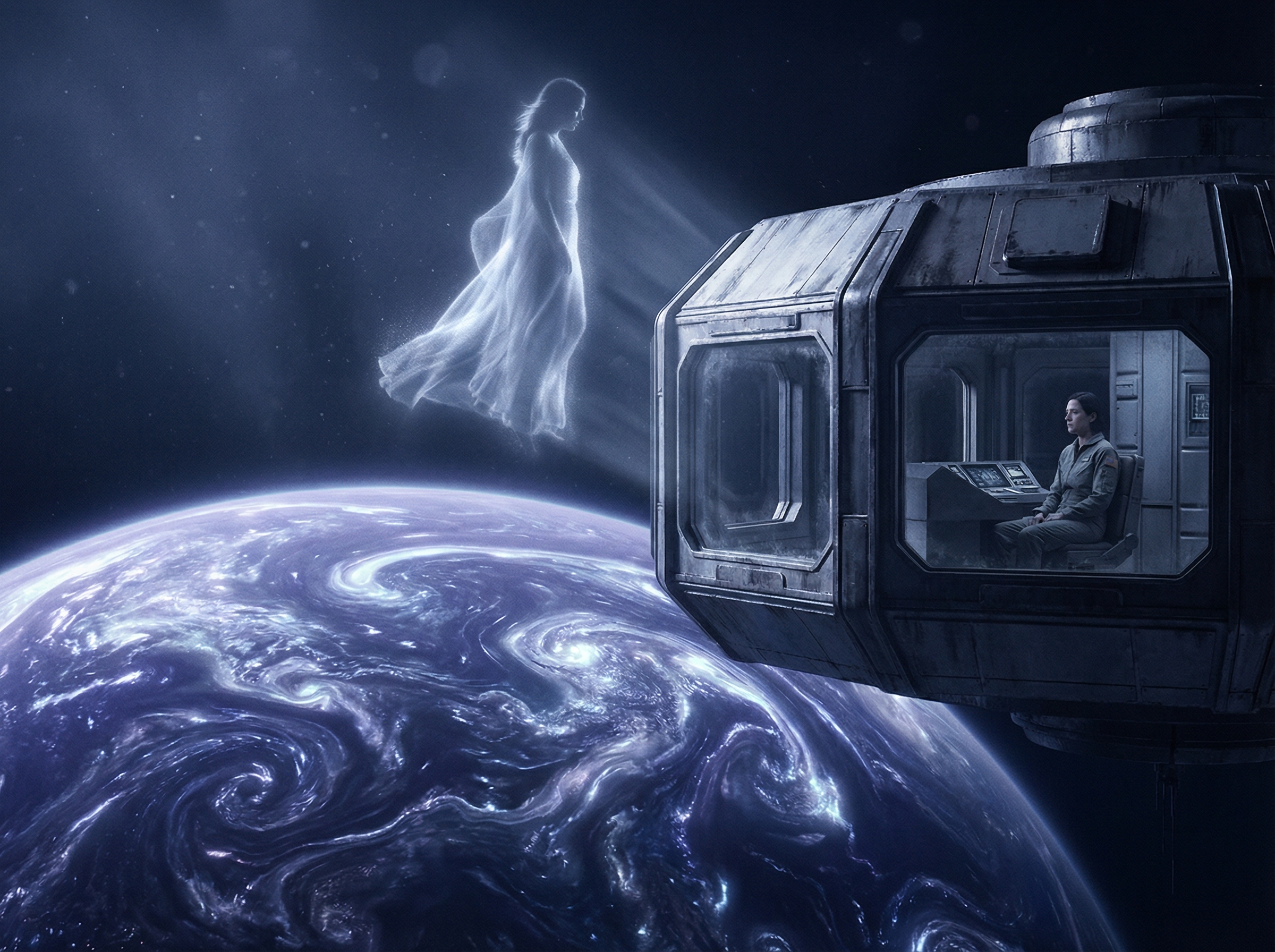
Mysterious alien ocean planet with space station floating above and ethereal ghostly figure
09

Solaris — The Soviet Mirror

If 2001 looks outward, Solaris looks inward. Tarkovsky's adaptation of Stanisław Lem's novel is often called "the Soviet answer to Kubrick," but that framing misses the point. Solaris isn't interested in hardware or alien intelligence. It's interested in grief.

A psychologist arrives at a space station orbiting a planet covered by a sentient ocean. The ocean reads minds—and manifests the crew's deepest traumas as physical beings. For Kris Kelvin, this means confronting his dead wife, resurrected and confused. Is she real? Is love real if its object is a simulation? "We don't need other worlds," the film concludes. "We need a mirror."

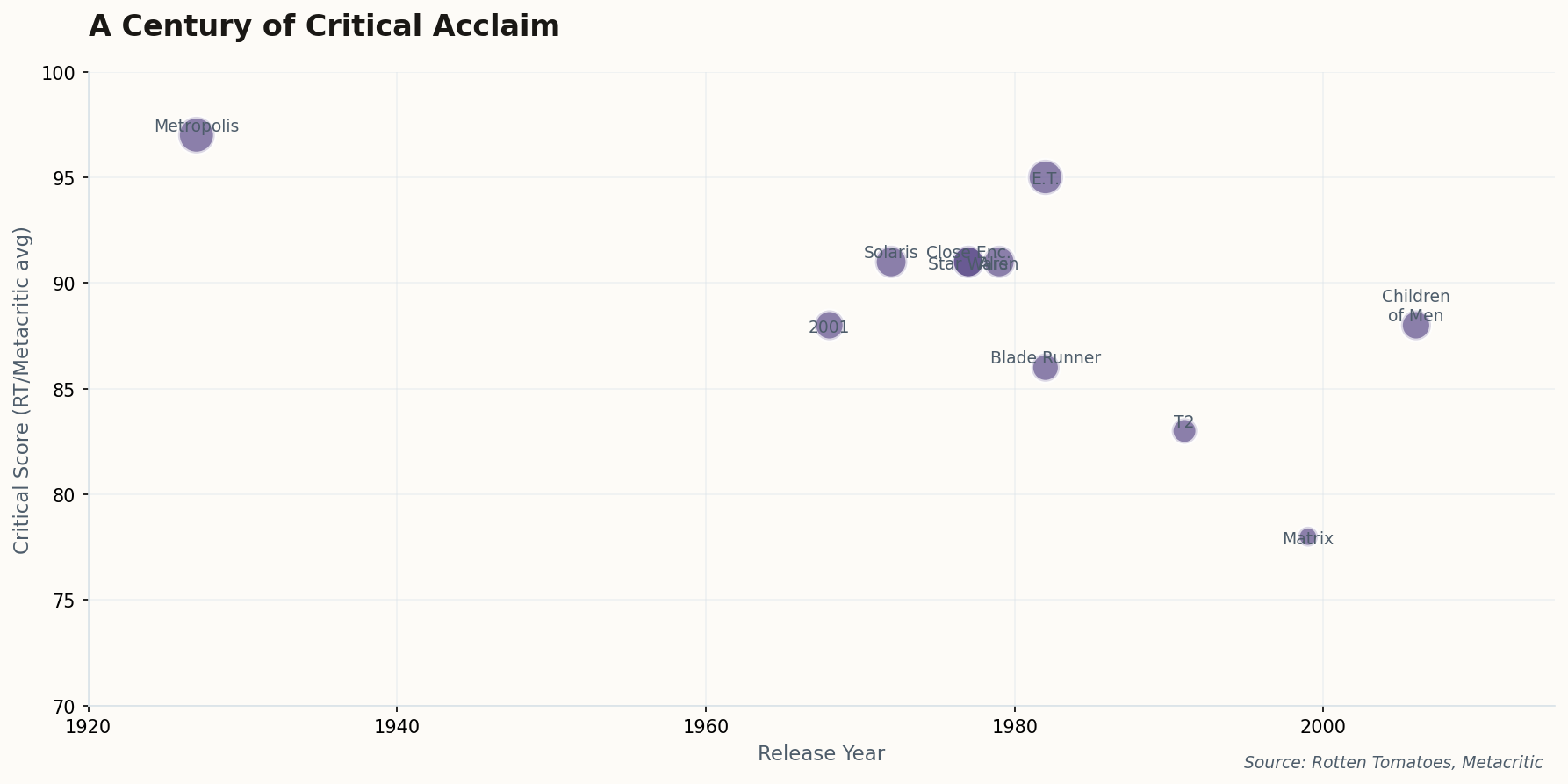
Scatter plot showing critical scores of sci-fi films across decades
A century of critical acclaim: the canon spans from 1927 to 2006, with no decade unrepresented.

Tarkovsky's pacing is glacial. The film demands surrender. But for those willing to submit, Solaris offers something Hollywood rarely attempts: genuine philosophical depth. It won the Grand Prix at Cannes and remains a staple of film school curricula worldwide. In an era of fast cuts and franchise formula, its meditative stillness feels almost radical.

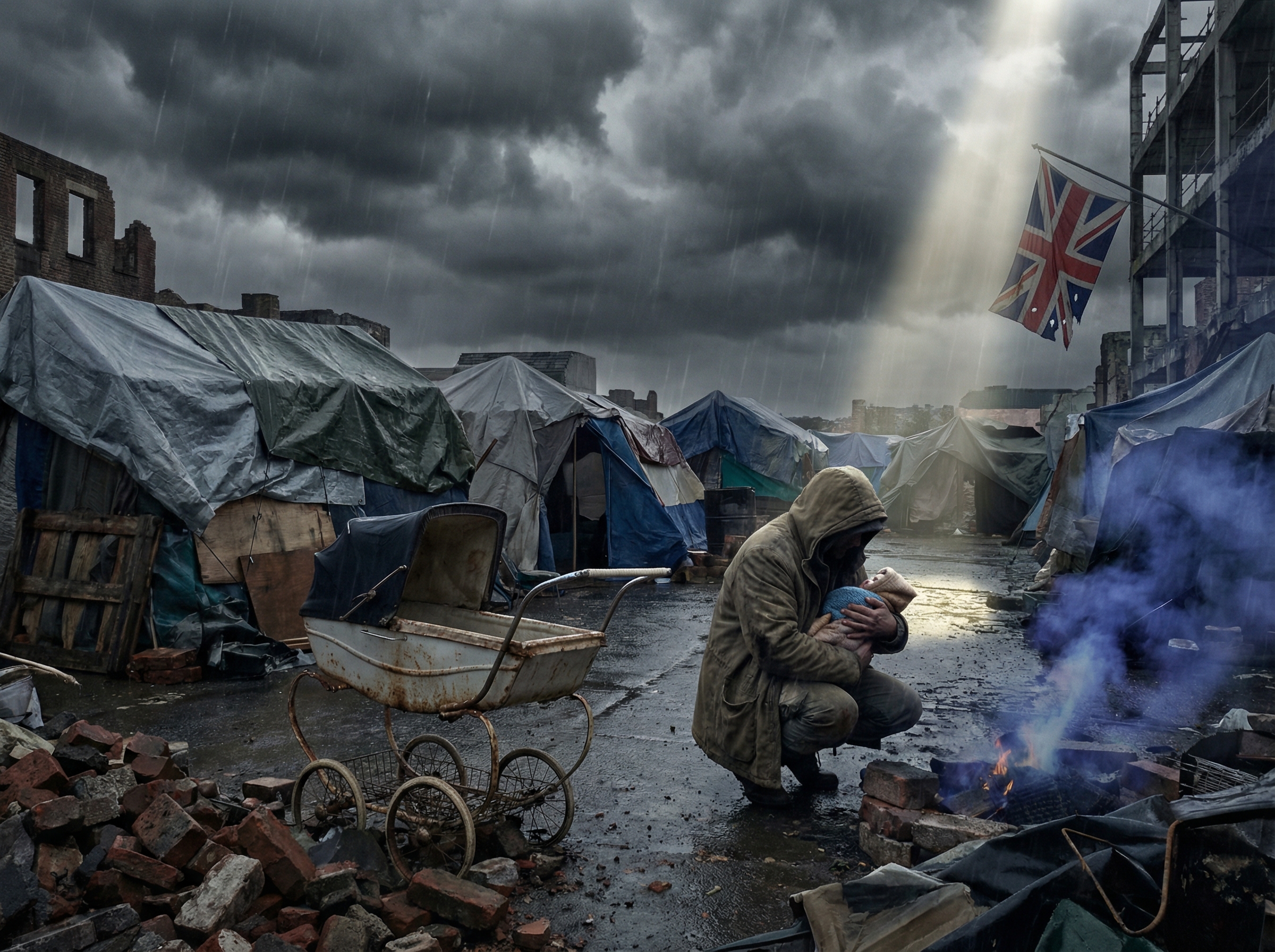
Dystopian near-future British city street with abandoned stroller and refugees behind fence
10

Children of Men — The Future Is Already Here

Children of Men flopped. $70 million worldwide on a $76 million budget. Critics praised it; audiences stayed home. And then something strange happened: the world started catching up to the film.

Cuarón's adaptation of P.D. James's novel imagines 2027 Britain after eighteen years of global infertility. Humanity, knowing it has no future, has collapsed into authoritarianism, refugee camps, and despair. The film's "documentary from the future" aesthetic—handheld cameras, long takes, casual violence—created a texture so convincing that its fictional horrors felt like news footage from next week.

In 2025, as global birth rates hit record lows in Japan, South Korea, and across the West, the film's premise has migrated from dystopian fiction toward demographic projection. South Korea's fertility rate is now 0.72—far below replacement level. The despair Cuarón depicted is no longer speculative. Perhaps that's why Children of Men is now widely considered the most prophetic film of the 21st century. It didn't predict technology. It predicted mood.

The technique: The famous single-take battle sequence—nearly seven minutes of continuous camera movement through an urban warzone—remains one of the most technically audacious shots ever filmed. Cuarón went on to use similar techniques in Gravity.

What Defines the Canon?

These ten films share one quality beyond craft: they changed the conversation. Each asked a question its era needed to hear. What is consciousness? What is memory? What separates creation from creator? A century of answers, and we're still listening.