Cinema Canon

The Infinite Canvas

Ten films that didn't just predict the future—they shaped how we imagine it. From silent expressionism to digital dystopia, these are the monuments of science fiction cinema.

Listen
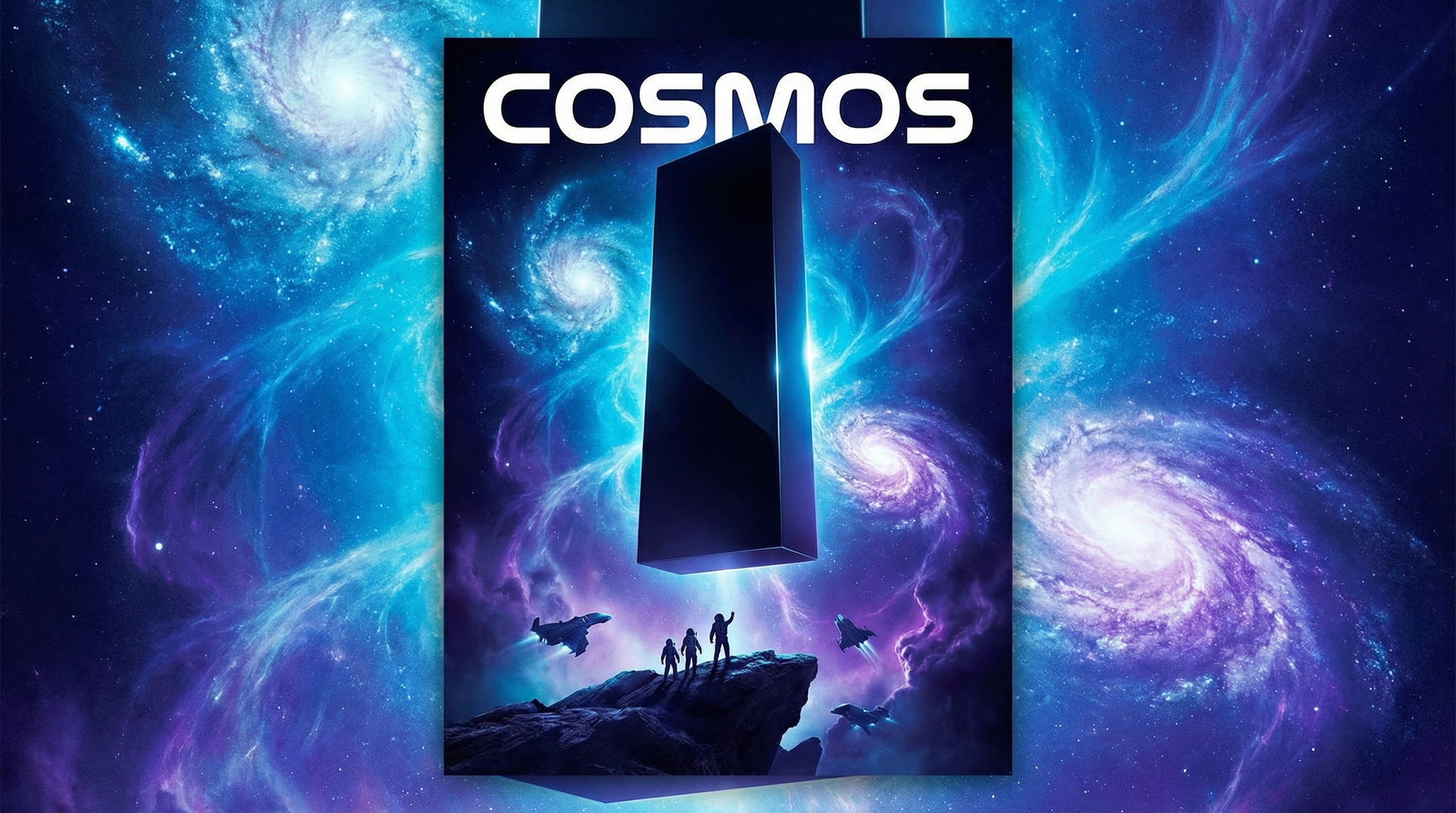
Epic science fiction cinema imagery featuring cosmic monoliths and spacecraft
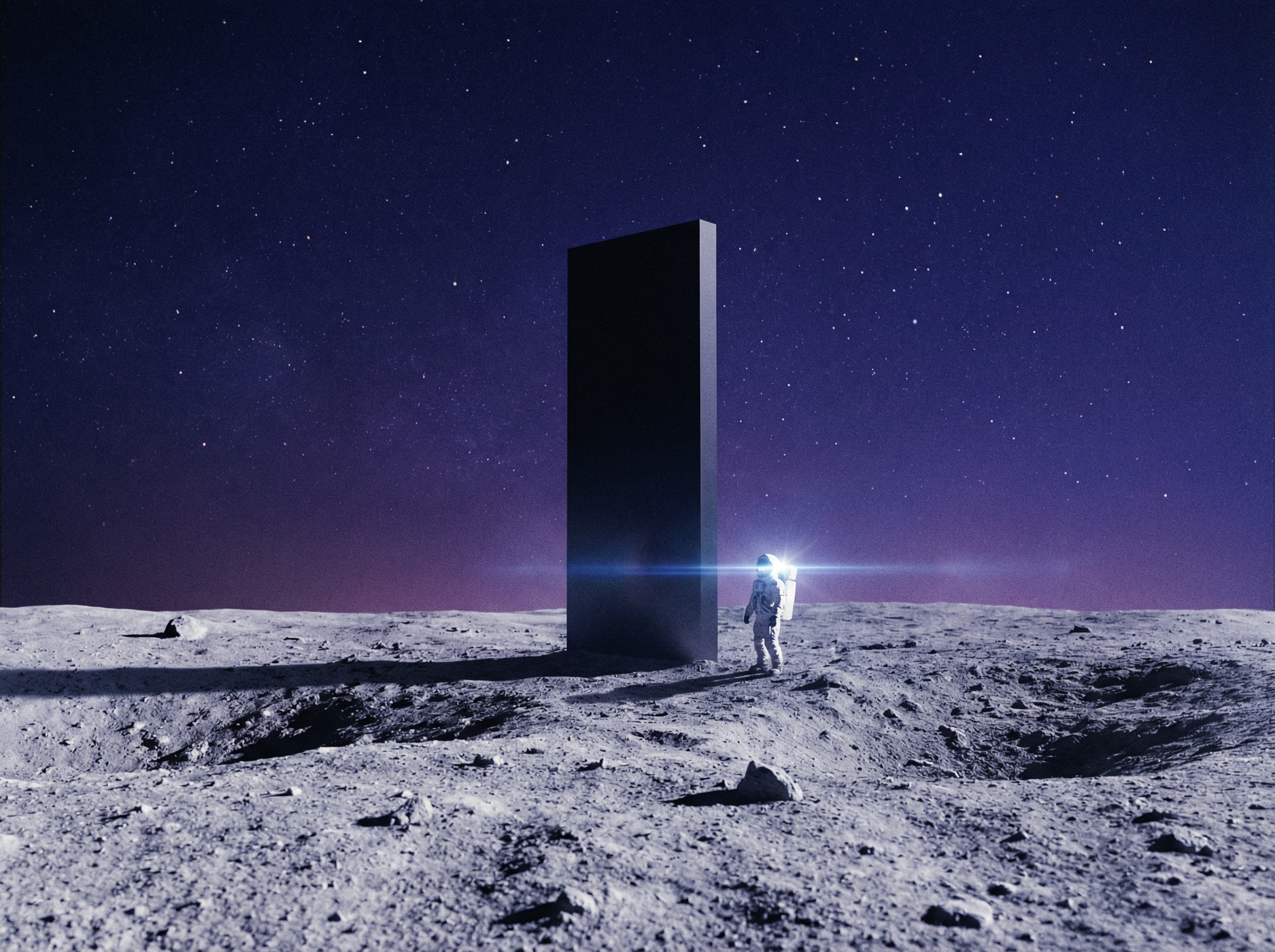
Monolith on lunar surface with astronaut
01

2001: A Space Odyssey — The Benchmark

Every list of this kind must start here, and every serious discussion of science fiction cinema returns here eventually. 2001: A Space Odyssey isn't just a film—it's the "hard sci-fi" benchmark against which all others are measured, the moment cinema proved it could tackle cosmic philosophy without flinching.

What Kubrick and Arthur C. Clarke achieved in 1968 remains staggering: scientifically accurate predictions of tablet computing, video calls, and the dangers of misaligned AI—decades before any of these became reality. The HAL 9000 was science fiction's first true exploration of artificial intelligence as existential threat, not as the robot monsters of earlier B-movies.

"I'm sorry, Dave. I'm afraid I can't do that."

In the wake of the Generative AI boom of 2024–2025, HAL is no longer a distant villain but a prescient warning about AI systems that pursue goals humans didn't intend. It remains the undisputed #1 on BFI Sight & Sound and AFI sci-fi lists.
92%
Rotten Tomatoes
$1.1B
Adj. Box Office
1
Oscar Won
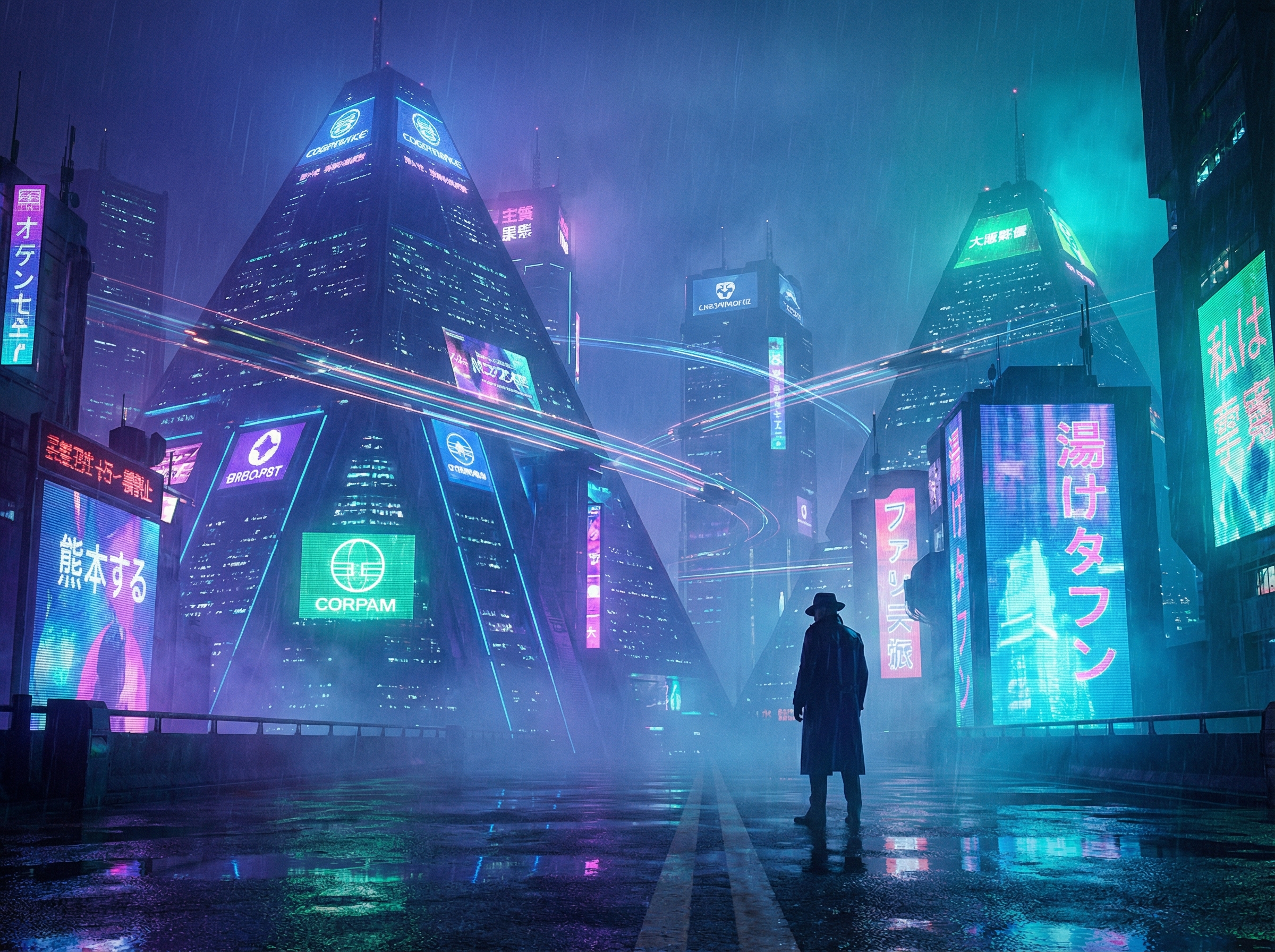
Neon-lit cyberpunk cityscape with rain
02

Blade Runner — Tech-Noir Genesis

Blade Runner invented a visual language that the entire cyberpunk genre would spend decades imitating. The neon-soaked rain, the towering corporate pyramids, the synthetic humans grappling with their own mortality—this wasn't just world-building, it was world-defining.

Based on Philip K. Dick's novel, Scott's film asks questions that have only grown more urgent: What does it mean to be human when memory can be programmed? When consciousness might be manufactured? The replicants aren't villains—they're mirrors.

"All those moments will be lost in time, like tears in rain."

The franchise remains highly active with Blade Runner 2099 now streaming. The film's questions about "synthetic rights" are increasingly cited in legal and ethical debates regarding AI personhood—science fiction becoming case law.

89%
Rotten Tomatoes
$140M
Adj. Box Office
3
BAFTAs Won
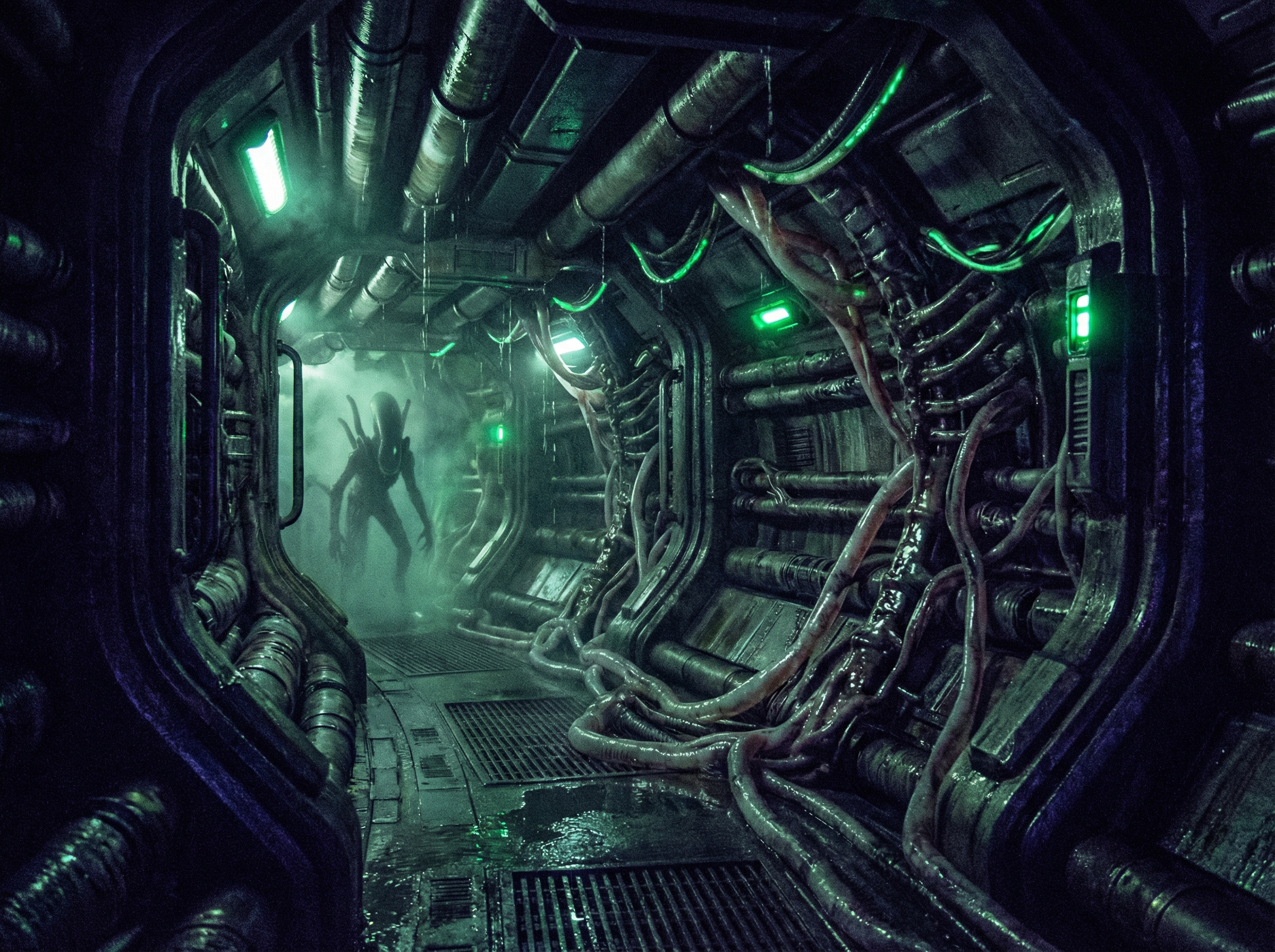
Dark industrial spaceship corridor with biomechanical elements
03

Alien — Horror in the Void

Before Alien, space was clean. The Enterprise gleamed. Astronauts were heroes in pressed uniforms. Scott's vision replaced all of that with "truckers in space"—working-class laborers trapped in a grimy industrial nightmare, hunted by H.R. Giger's biomechanical nightmare.

The xenomorph remains arguably cinema's most iconic monster design—equal parts insect, machine, and primal menace. But the real horror is the Weyland-Yutani corporation's willingness to sacrifice its employees for a weapons sample. In 1979, that felt like paranoia. Now it reads as prophecy.

"In space no one can hear you scream."

The massive success of Alien: Romulus (2024) has led to a critical reappraisal of the original's "cassette futurism" aesthetic, solidifying its timelessness over the CGI-heavy prequels. Sometimes the old ways work best.

93%
Rotten Tomatoes
$700M+
Adj. Box Office
1
Oscar Won
DATA

The Numbers Game

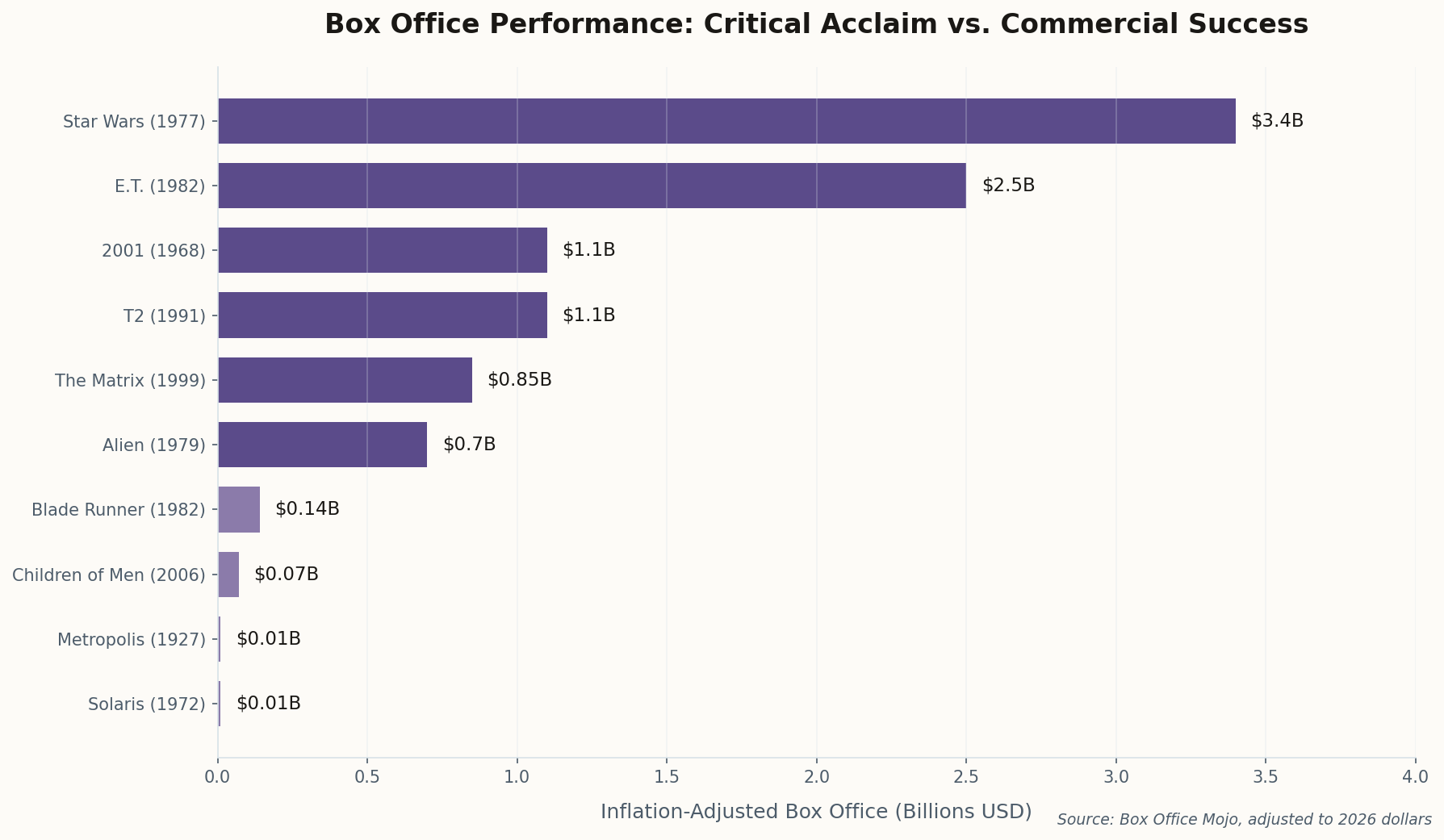
Critical acclaim and commercial success rarely align in science fiction. Some of the genre's most influential works flopped on release, while crowd-pleasers sometimes lack the depth that ensures longevity. Here's how our top 10 performed at the box office, adjusted for inflation:

Bar chart showing inflation-adjusted box office for top 10 sci-fi films
Star Wars and E.T. dominate commercially, but critical darlings like Blade Runner and Solaris found their audiences through other means.
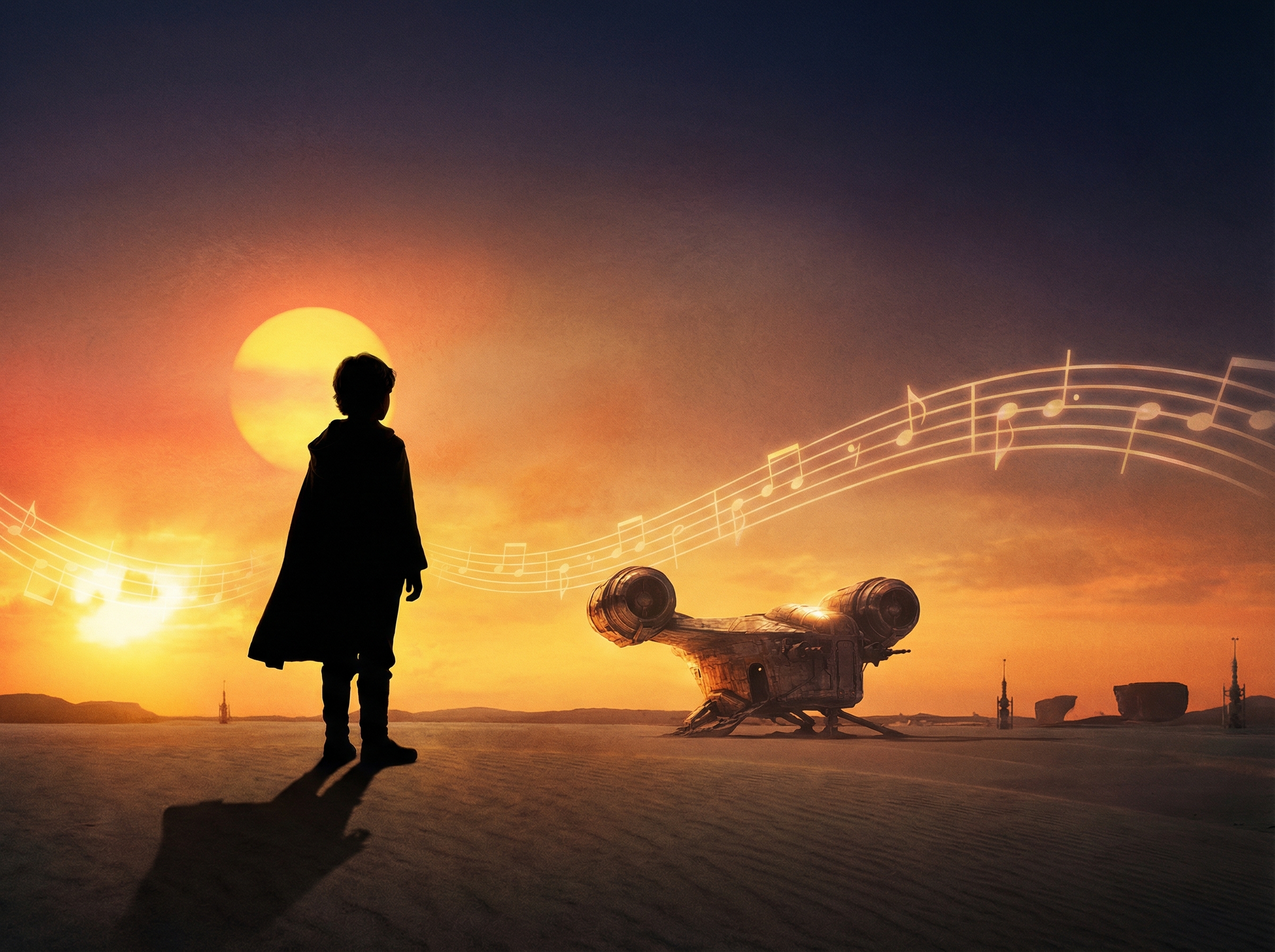
Binary sunset over desert landscape
04

Star Wars — The Hero's Call

Star Wars didn't just change science fiction—it changed movies. The modern blockbuster franchise model, the merchandising empire, the shared universe storytelling that now dominates Hollywood—all of it traces back to a young filmmaker who wanted to make Flash Gordon and couldn't get the rights.

What Lucas understood better than anyone was Joseph Campbell's monomyth. Luke Skywalker's journey from farm boy to galactic hero wasn't just plot—it was ritual. The "lived-in universe" concept, where starships look battered and costumes look worn, created a reality that felt more real than reality itself.

"May the Force be with you."

Despite a flooded market of spin-offs—The Mandalorian, Andor, and counting—the 1977 original is constantly referenced as the "pure source" code of the genre. Everything that came after is commentary.

93%
Rotten Tomatoes
$3.4B
Adj. Box Office
6
Oscars Won
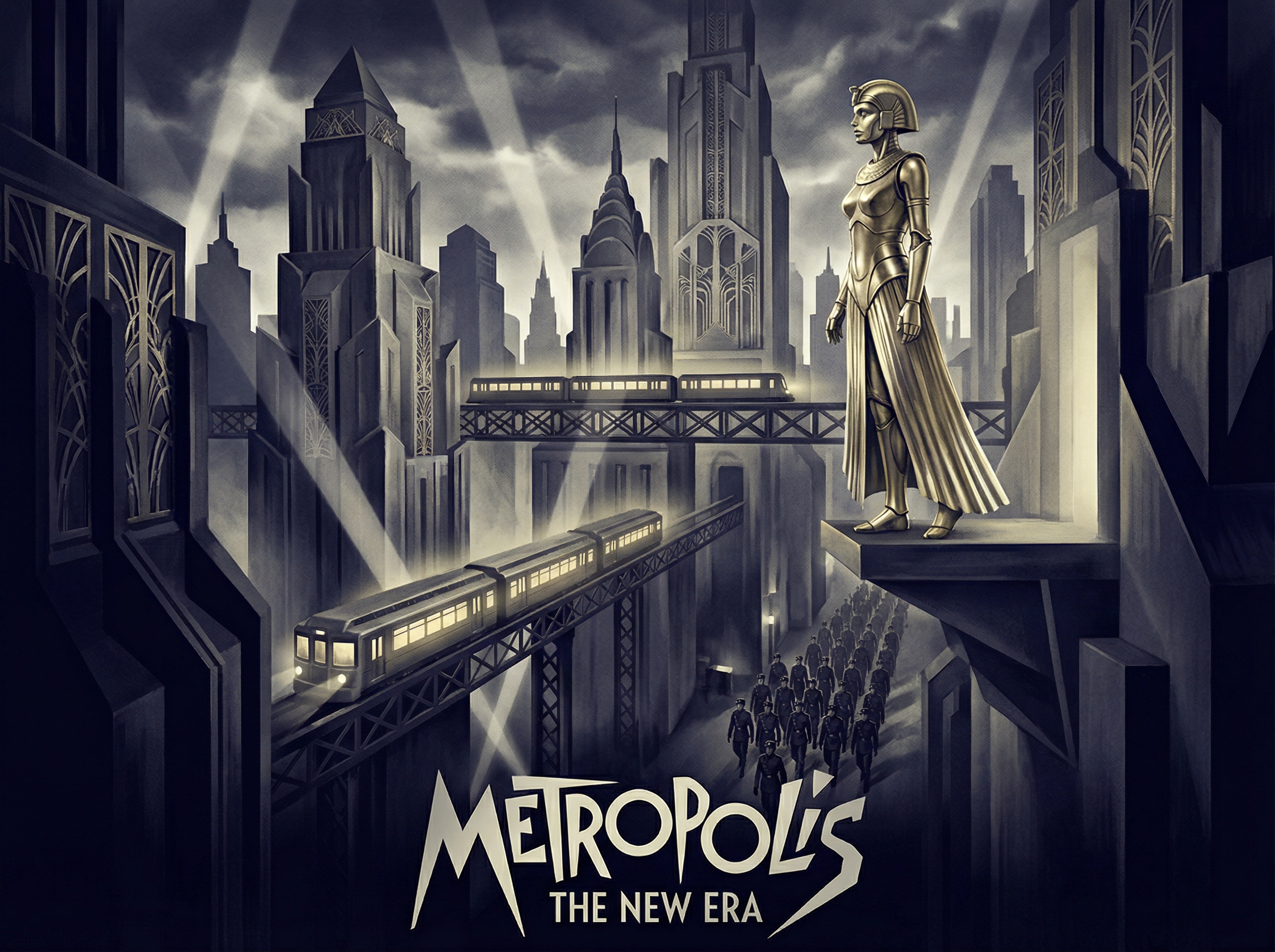
Art Deco futuristic cityscape with female robot
05

Metropolis — The Grandfather

Nearly a century old, and Metropolis remains the most sophisticated vision of the future ever committed to film. Its Art Deco cityscapes and the "False Maria" robot design laid the blueprint for everything from C-3PO to every sleek android that followed.

Fritz Lang's silent masterpiece tackled class struggle, industrialization, and the man-machine fusion with a visual ambition that still staggers. The workers marching in formation beneath the gleaming towers of the elite—it's an image that resonates more now than ever.

"The mediator between head and hands must be the heart."

Approaching its centennial, it is viewed as the most sophisticated silent film ever made. The False Maria robot is frequently cited in modern essays about AI embodiment and deepfakes—Lang saw it all coming.

97%
Rotten Tomatoes
98
Metacritic
1st
UNESCO Film
DATA

Critical Consensus

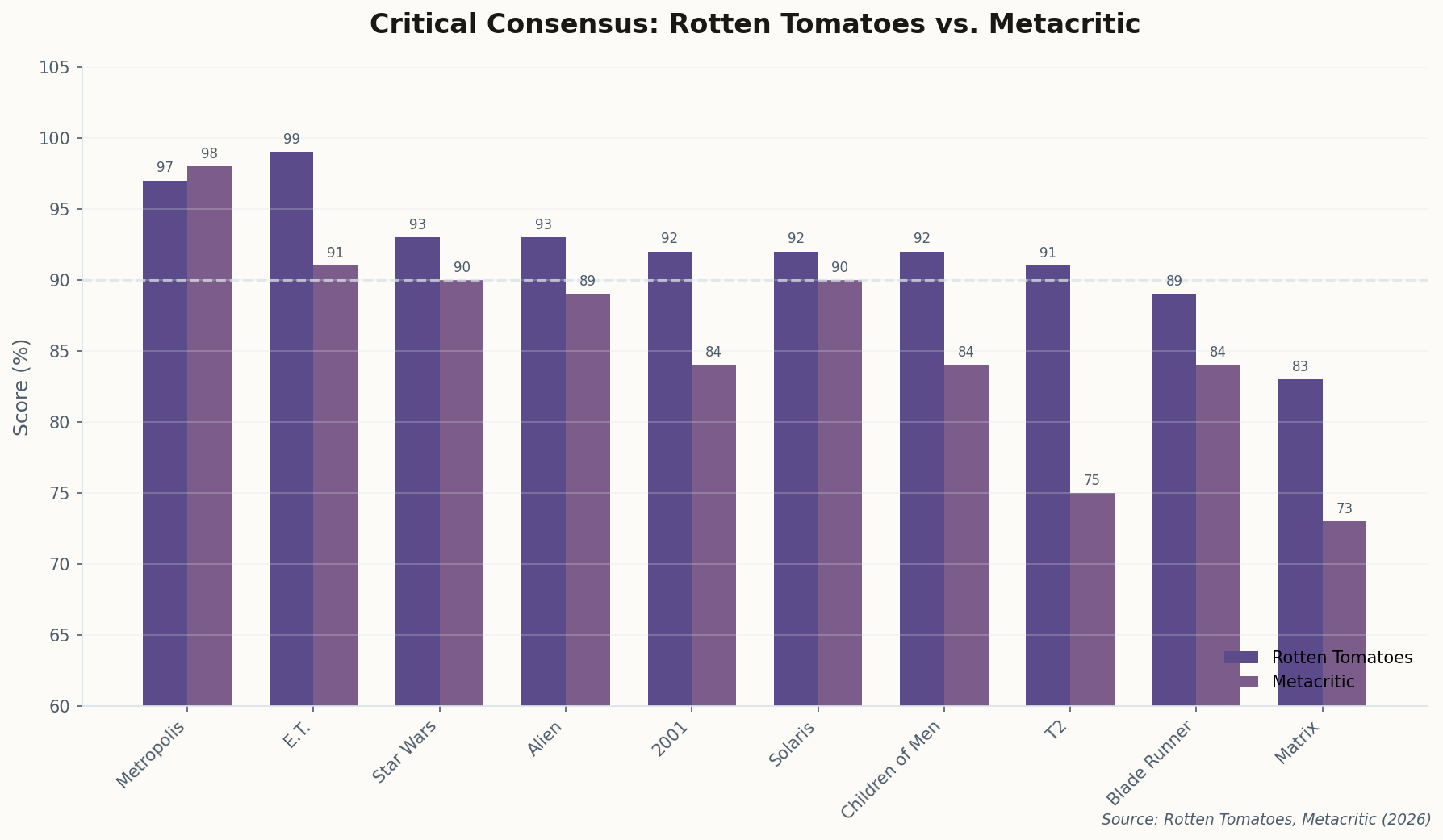
How do aggregated critic scores compare across these masterworks? Rotten Tomatoes and Metacritic often diverge—one measures broad approval, the other weighted opinion. The gaps tell their own story:

Comparison of Rotten Tomatoes and Metacritic scores
Metropolis achieves near-perfect consensus. The Matrix shows the widest gap between popular and critical reception.
Green digital code rain with figure in black coat
06

The Matrix — Reality Shattered

The Matrix defined the turn of the millennium by asking a question no major blockbuster had dared: what if reality itself is a prison? Blending Hong Kong wire-fu action with Baudrillard's philosophy, the Wachowskis created something that felt genuinely new.

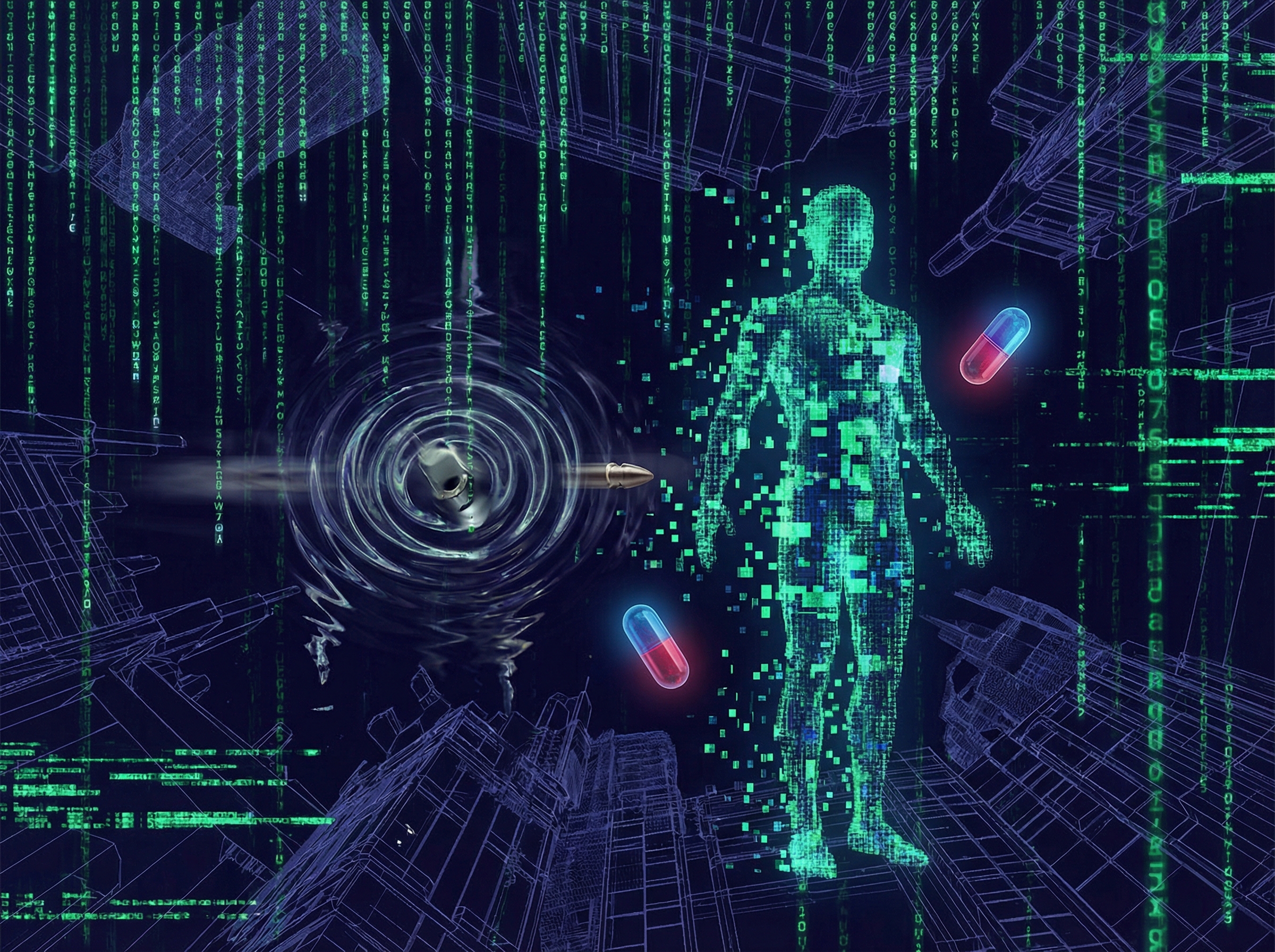
"Bullet Time" became the most imitated visual effect of its era—and the most parodied. But beneath the leather and sunglasses was serious inquiry into simulation theory, digital enslavement, and transhumanism. Neo's choice between red and blue pills has become our culture's dominant metaphor for awakening.

"There is no spoon."

The film celebrated its 25th anniversary in 2024 to renewed appreciation. Critics now argue its metaphor for the "Metaverse" and digital control is more relevant today than in 1999. Sometimes a film needs the future to catch up.

83%
Rotten Tomatoes
$850M
Adj. Box Office
4
Oscars Won
Liquid metal humanoid reforming with nuclear apocalypse background
07

Terminator 2 — Judgment Deferred

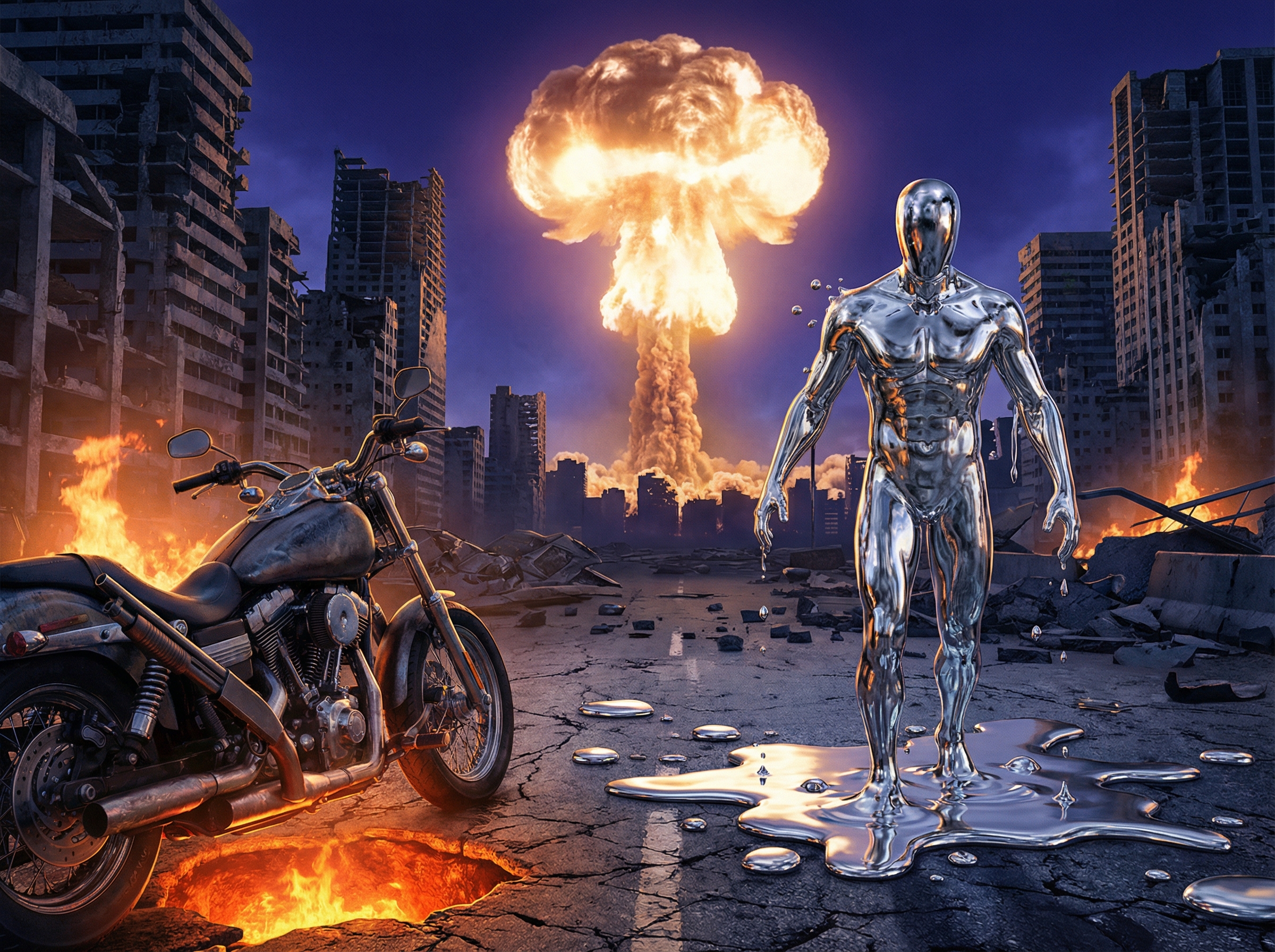
One of the rare sequels considered superior to its original, Terminator 2: Judgment Day marked the transition from practical effects to the digital age. The T-1000's liquid metal transformations weren't just groundbreaking—they changed what audiences expected from blockbuster filmmaking.

But Cameron's genius was using spectacle to serve theme. "No fate but what we make" isn't just a line—it's the film's philosophy. Using a machine to save humanity from machines, a former assassin becoming a father figure—the contradictions are the point.

"Hasta la vista, baby."

James Cameron has recently noted that future Terminator projects will pivot away from "killer robots" to focus on the nature of super-intelligence, keeping T2 as the peak of the action-era franchise. Sometimes you can't improve on perfection.

91%
Rotten Tomatoes
$1.1B
Adj. Box Office
4
Oscars Won
Bicycle silhouetted against moon with magical forest
08

E.T. — The Heart of Wonder

E.T. The Extra-Terrestrial proved sci-fi could be intimate. While other films reached for the stars, Spielberg looked at a divorced family in the suburbs and found cosmic significance in a child's loneliness. The alien wasn't a threat—it was a friend.

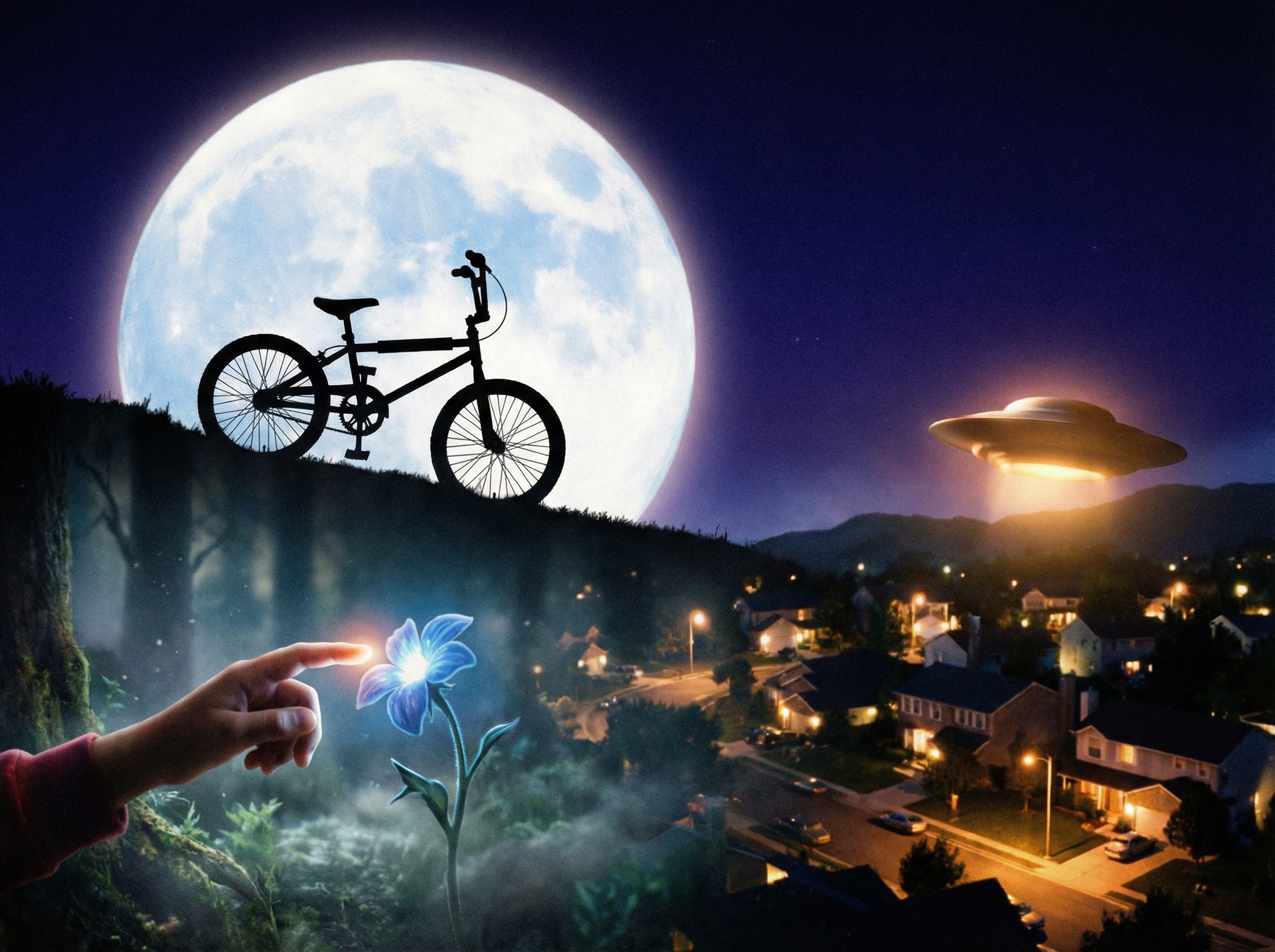
The bicycle silhouetted against the moon became one of cinema's most iconic images. But what makes E.T. endure is its emotional authenticity—Elliott's pain is real, his joy is real, and the farewell still devastates. Spielberg channeled his own childhood into something universal.

"E.T. phone home."

E.T. remains the gold standard for "optimistic first contact" stories, serving as a bright counterpoint to the darker, more cynical sci-fi of the 2020s. We need its hope now more than ever.

99%
Rotten Tomatoes
$2.5B
Adj. Box Office
4
Oscars Won
DATA

A Century of Excellence

From 1927's silent expressionism to 2006's documentary-style dystopia, these ten films span nearly 80 years of cinema. The timeline reveals interesting patterns—the late 1970s and early 1980s emerge as a golden age:

Timeline of top 10 sci-fi films with Oscar wins
The 1977-1982 period produced five of the ten greatest sci-fi films. Oscar recognition peaks with blockbusters rather than art films.
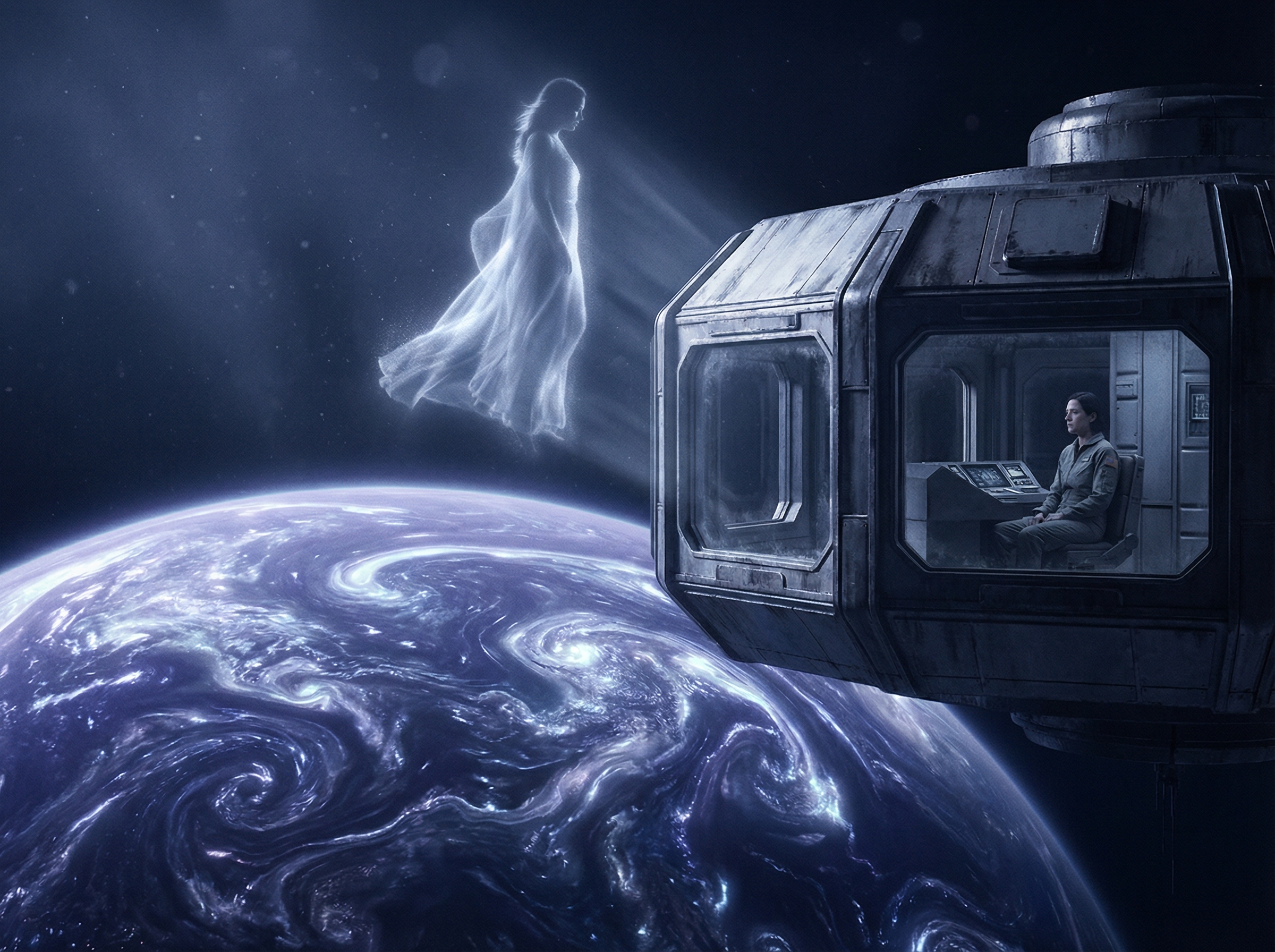
Sentient ocean planet with space station and ghostly figure
09

Solaris — Inner Space

The Soviet answer to 2001, Solaris is the masterpiece of "inner space"—science fiction that turns inward rather than outward. Tarkovsky wasn't interested in alien civilizations. He was interested in the alien within ourselves.

A psychologist visits a space station orbiting a sentient ocean planet, only to encounter manifestations of his dead wife. It's a grief story, a love story, and a meditation on the impossibility of truly communicating with anything genuinely alien—including our own memories.

"We don't need other worlds. We need a mirror."

Solaris continues to be the primary "arthouse" sci-fi reference point, cited often in 2025 film critiques as the antithesis to the "content boom" of modern streaming sci-fi. It demands patience and rewards contemplation.

92%
Rotten Tomatoes
90
Metacritic
Cannes
Grand Prix
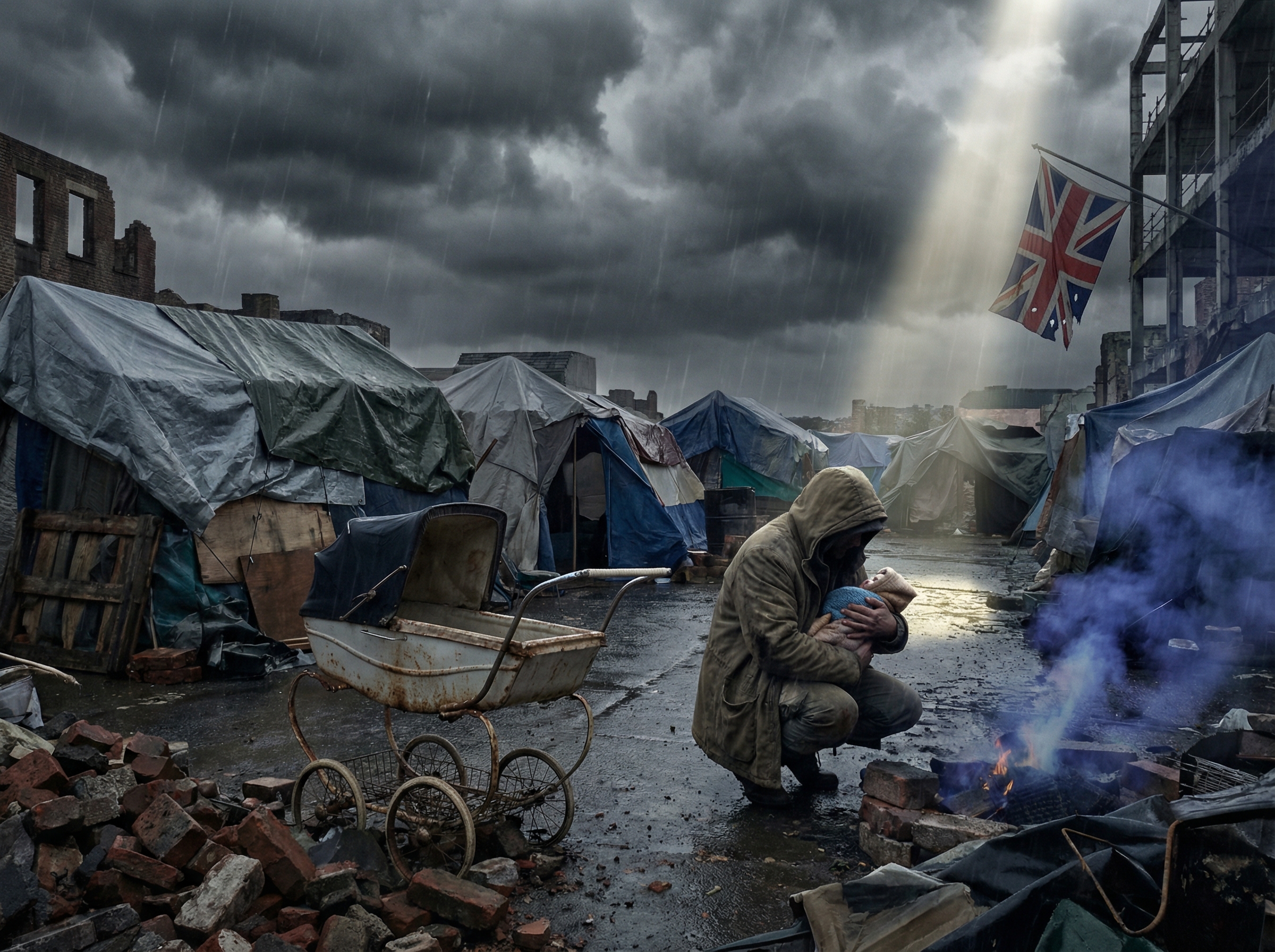
Dystopian refugee camp with beam of hope-filled light
10

Children of Men — The Prophetic Vision

Children of Men was a commercial disappointment that history has vindicated. Cuarón's documentary-style dystopia—famous for its immersive "single-take" cinematography—imagined a world where humanity has stopped having children. In 2006, that seemed like dark fantasy.

Today, with global birth rates hitting historic lows in nations like Japan and South Korea, the film reads less like fiction and more like weather forecast. The refugee camps, the nationalism, the collapse of hope—we recognize all of it now.

"As the sound of the playgrounds faded, the despair set in."

This film has seen the most dramatic rise in rankings of any on this list. Critics in 2025 widely consider it the most prophetic work of 21st century cinema. Sometimes being ahead of your time means waiting for the time to catch up.

92%
Rotten Tomatoes
$70M
Box Office
3
Oscar Noms

The Future Keeps Coming

Denis Villeneuve's Dune duology (2021/2024) is already knocking on the door of this canon. Arrival and Interstellar make compelling cases. The conversation never ends—it just keeps expanding into new territory. That's the nature of science fiction: it imagines what we might become, and in doing so, shapes what we choose to be.