Leica M System

The Ultimate Three

Your Leica M deserves a kit that makes sense. Here's how to build one without spending a second mortgage or carrying an extra backpack.

Listen
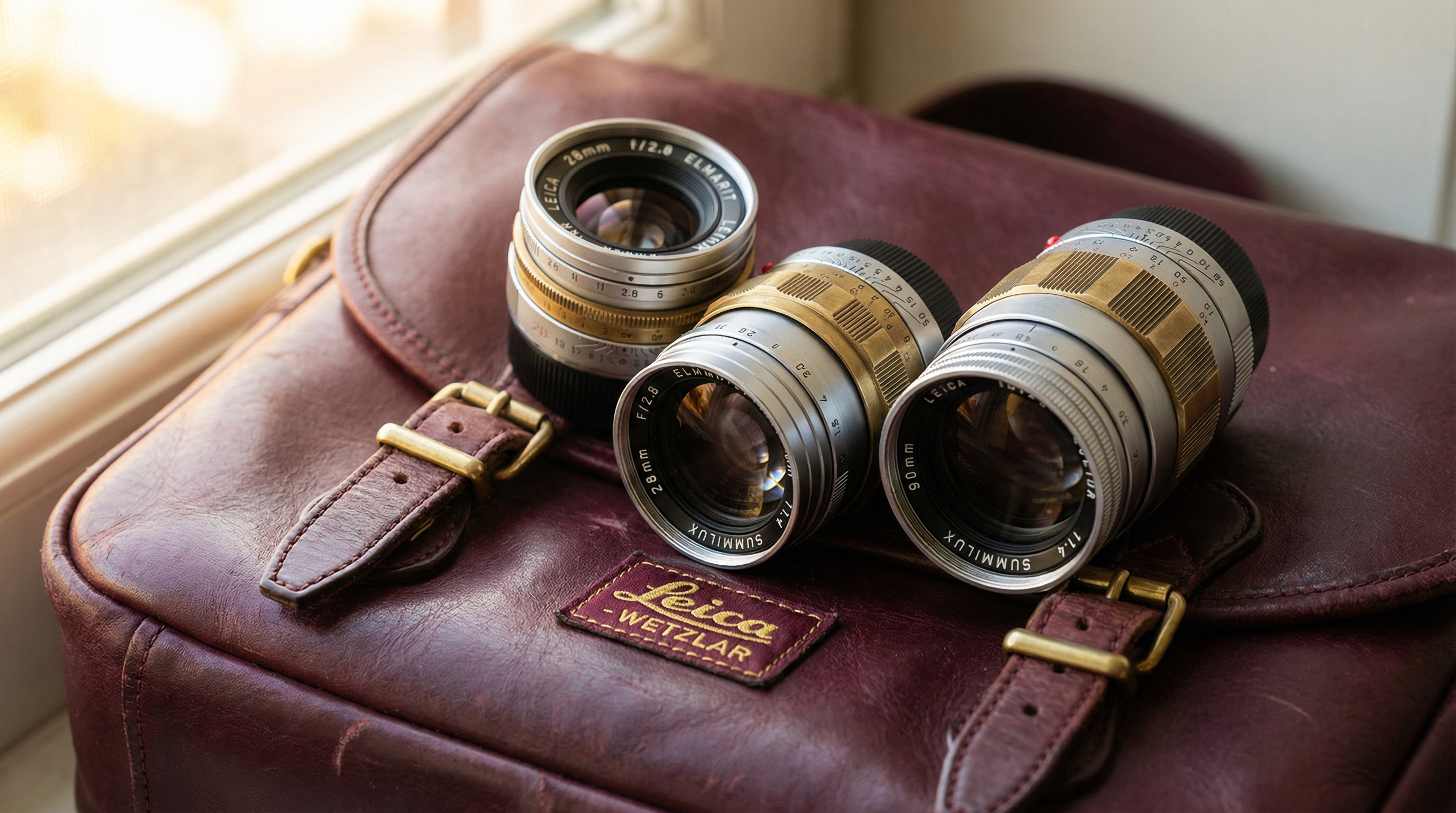
Three Leica M-mount lenses arranged on vintage leather
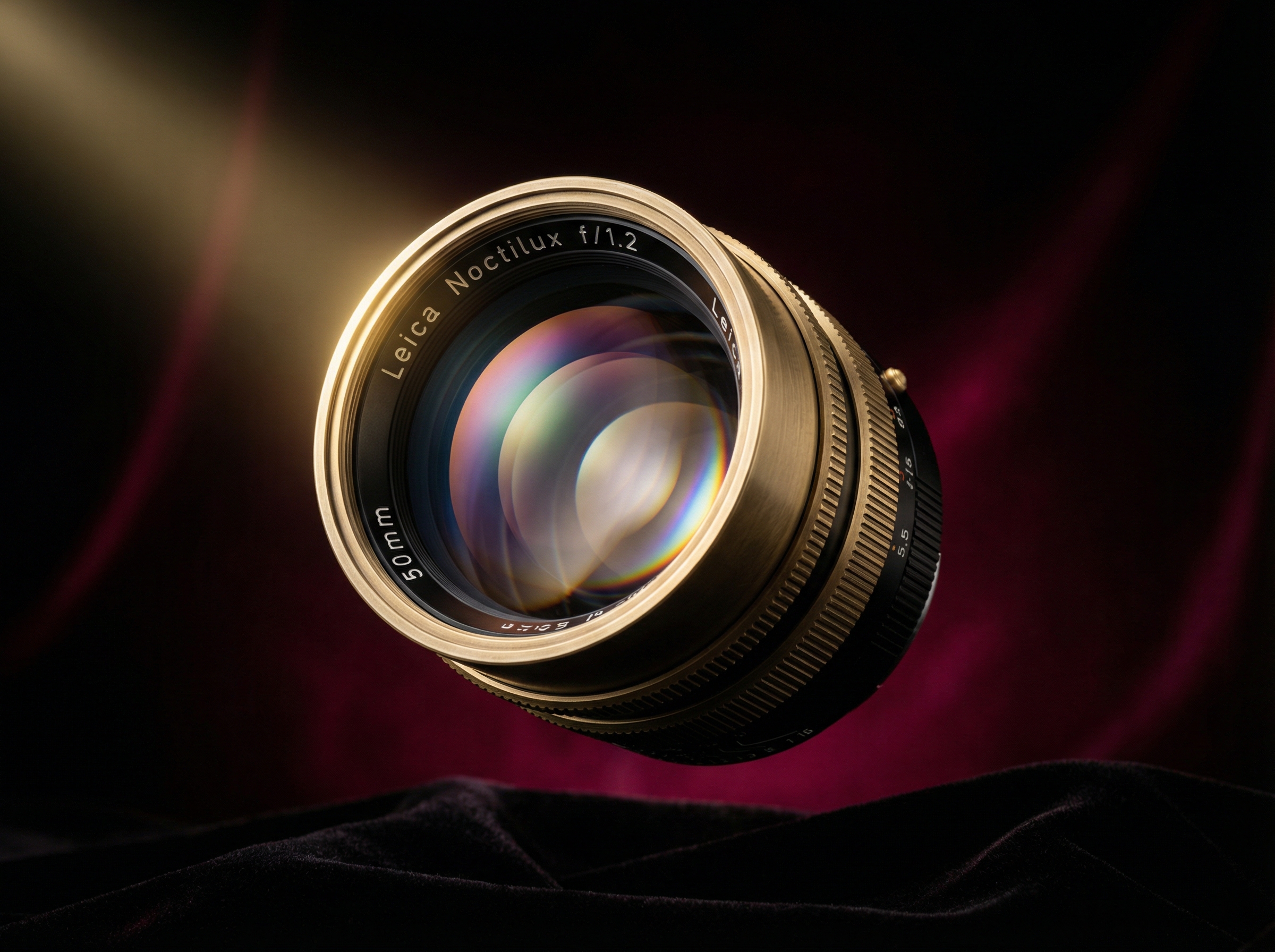
Dramatic lighting on a premium camera lens
01

The Noctilux That Changes Everything

Leica announced the Noctilux-M 35mm f/1.2 ASPH today, and it's not the lens you expected. For years, the Noctilux name meant one thing: the mythical 50mm f/0.95, a lens that weighed as much as a small dumbbell and cost as much as a used car. The new 35mm takes the family name in a different direction entirely.

At 416 grams and just 5cm long, this is a compact Noctilux. The f/1.2 aperture might seem modest by Noctilux standards, but paired with the 35mm focal length's deeper depth of field, you get something more practically useful: a lens that's fast enough for any light without requiring a gym membership to carry.

The real surprise is the 50cm minimum focus distance. Previous Noctiluxes topped out at 1 meter, making them portraits-only tools. This one lets you shoot environmental details, tabletop scenes, and the kind of intimate close work that 35mm photographers actually do. At an expected price of €9,000, it's not cheap—but it might actually get used.

The shift: Leica is moving away from "flagship specs at any cost" toward "flagship performance you'll actually use." That's a more interesting company.
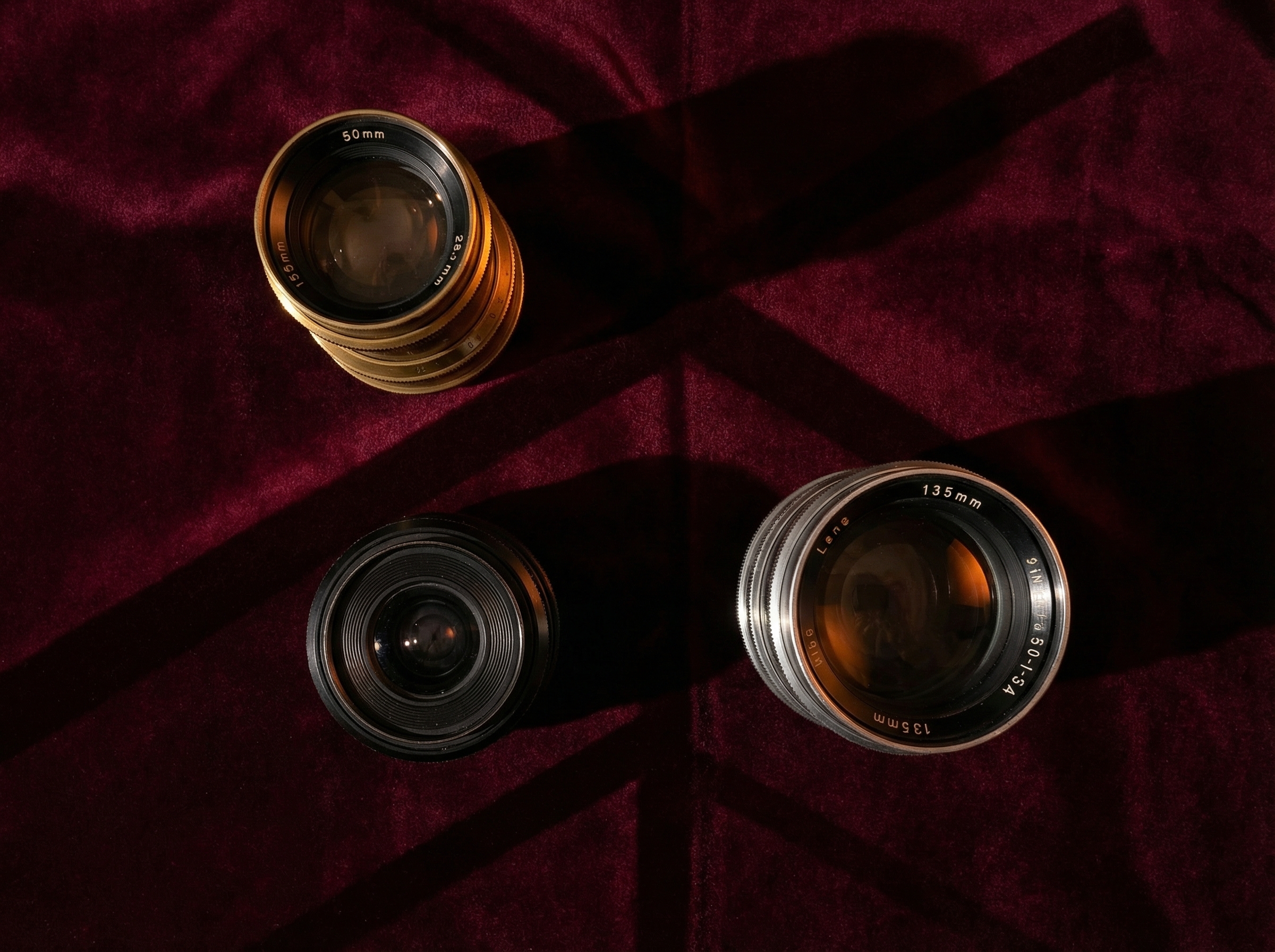
Three lenses arranged in triangle formation
02

Two Philosophies, One Decision

Every M shooter eventually faces the same question: which three lenses? The debates on Red Dot Forum and L-Camera-Forum never end, but in 2026, consensus has crystallized around two distinct approaches.

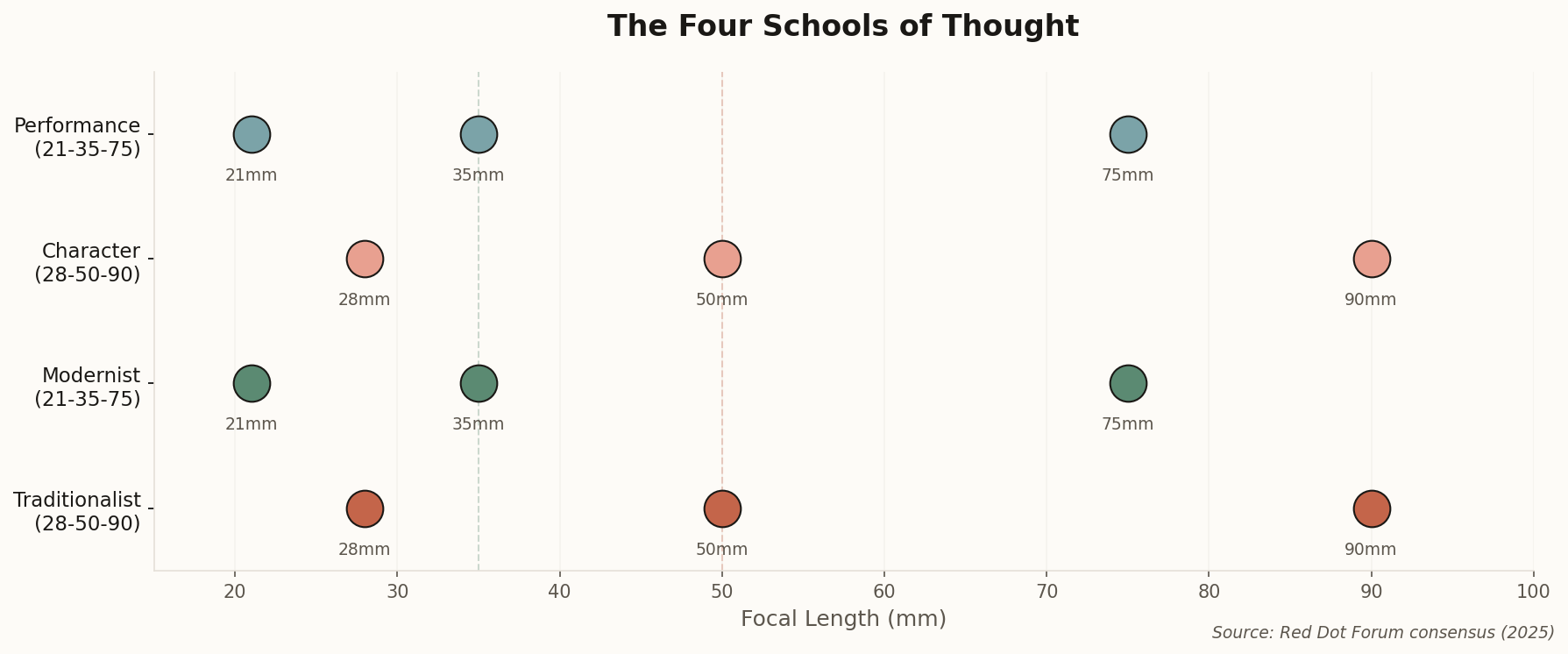
The Traditionalist Kit: 28mm – 50mm – 90mm

This is the Henri Cartier-Bresson progression, the documentary photographer's toolkit. The 28mm provides context for environmental storytelling. The 50mm anchors you in human-scale perspective—the "normal" lens that matches how we actually see. The 90mm reaches in for portraits and details without getting intrusive. It's a balanced system that's worked since rangefinders were invented.

The Modernist Kit: 21mm – 35mm – 75mm

The new school argues that modern use cases—travel vlogging, interior architecture, dynamic street photography—need wider glass. The 21mm (often requiring an external finder or Live View) delivers drama. The 35mm becomes your default, versatile enough for nearly everything. The 75mm handles portraits without the rangefinder focusing challenges of a 90mm at f/2.

Chart showing focal length coverage of different kit philosophies
The four dominant approaches to building a 3-lens M system, showing how focal length choices reflect different shooting philosophies.

Here's what the forums won't tell you: the "right" kit is the one you'll actually carry. A perfect 28-50-90 setup that stays home because it's too heavy loses to an imperfect kit that fits in a coat pocket.

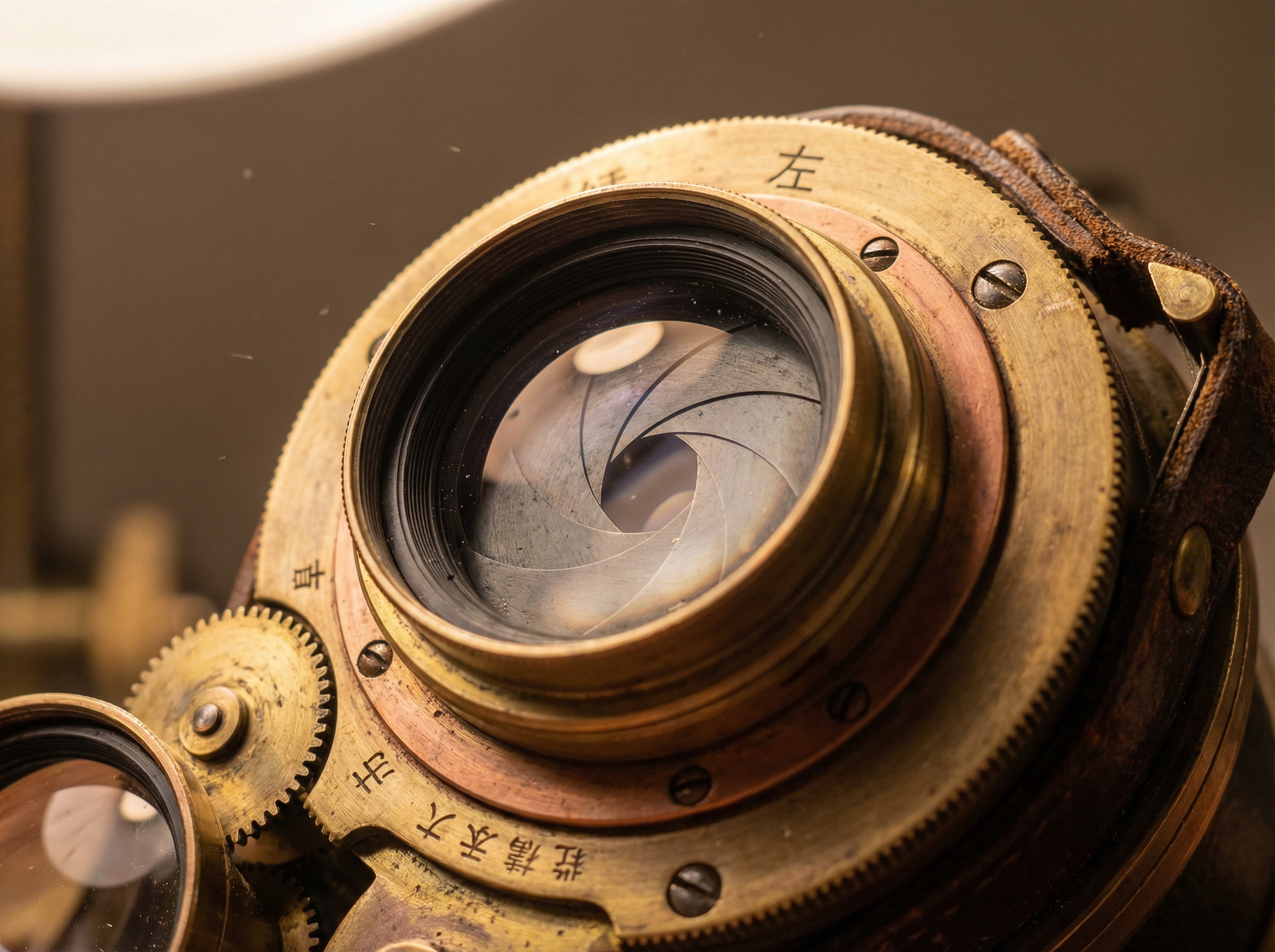
Japanese precision engineering and lens mechanisms
03

The $8,000 Question

Voigtlander's APO-Lanthar series has created an uncomfortable truth for Leica loyalists: at 95% of the optical performance for 11% of the price, the value proposition is impossible to ignore.

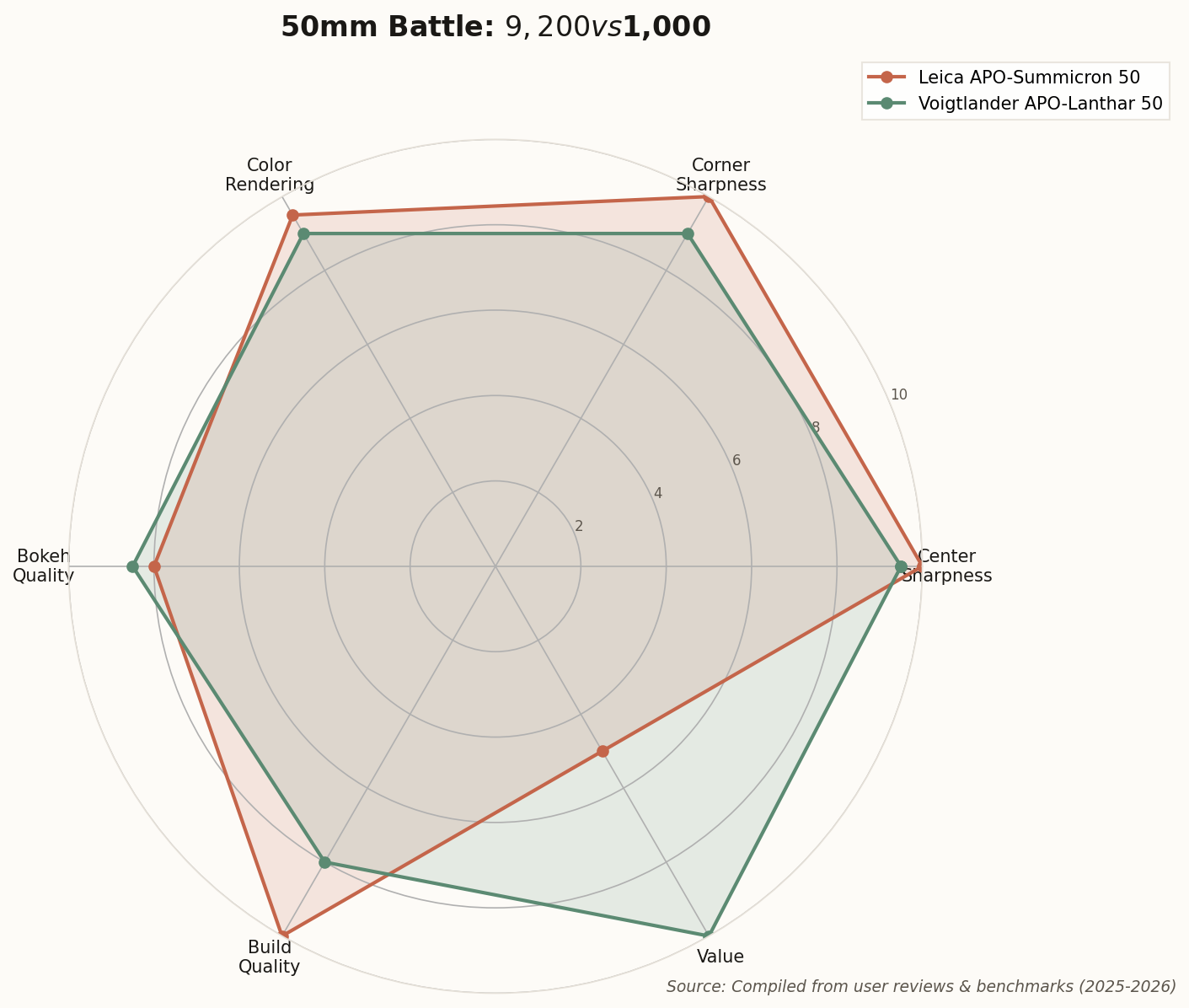
The Voigtlander APO-Lanthar 50mm f/2 costs approximately $1,000. The Leica APO-Summicron-M 50mm f/2 ASPH costs $9,200. Both are APO-corrected. Both resolve the M11's 60-megapixel sensor with ease. In blind tests, even experienced photographers struggle to identify which is which.

Bar chart comparing Leica and Voigtlander prices
The price gap between Leica and third-party alternatives has widened, but the performance gap has narrowed.
Radar chart comparing 50mm lens attributes
At f/2, the optical performance differences are marginal. The biggest gaps are in build quality (Leica's advantage) and value (Voigtlander's advantage).

The "smart money" recommendation from forum veterans in 2026: pair a used Leica 35mm Summicron (for the handling, the history, the "Leica experience") with a new Voigtlander 50mm APO-Lanthar (for the unimpeachable performance at a rational price). That's the lens kit equivalent of buying the base Porsche 911 instead of the GT3—you still get 95% of the experience without the bragging rights tax.

Reality check: If you're shooting commercial work where clients expect Leica red dots, or if you simply value the heritage and build quality, the Leica premium makes sense. If you're shooting for yourself and prioritize results over ritual, Voigtlander earns its cult following.

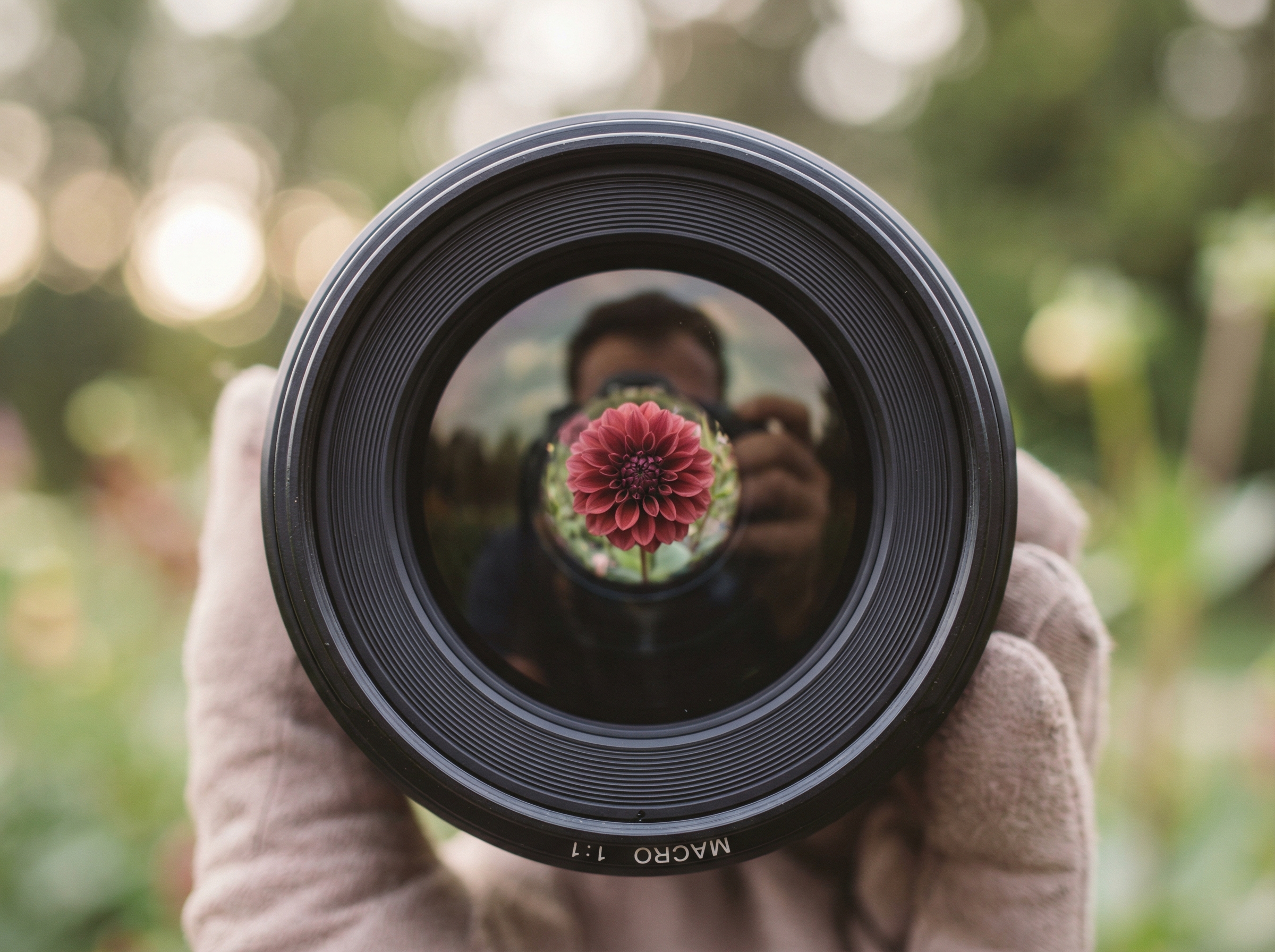
Macro flower photography with dreamy bokeh
04

The Close-Focus Revolution

Something subtle has changed the calculus of lens kit building: minimum focus distance. The updated Summilux-M 35mm f/1.4 ASPH now focuses to 0.4 meters when using Live View or a Visoflex finder. That's close enough to fill the frame with a coffee cup, a manuscript page, a human eye.

This matters because it collapses use cases. Previously, the 35mm was your "everything except close-up details" lens. Now it is your close-up lens. Some photographers are finding they can leave the 75mm or 90mm at home entirely—the 35mm's close-focus capability covers the detail shots they used to need a longer focal length for.

The pattern is spreading. Rumors suggest the APO-Summicron-M 50mm f/2 will get a similar update in early 2026, reducing its minimum focus distance from 0.7m to something far more useful. If true, the traditional argument for carrying a portrait-length lens weakens further.

The implication for kit building: if your 35mm can do close work, your three-lens kit might actually function like a four-lens kit. Or your two-lens kit might suffice where you thought you needed three.

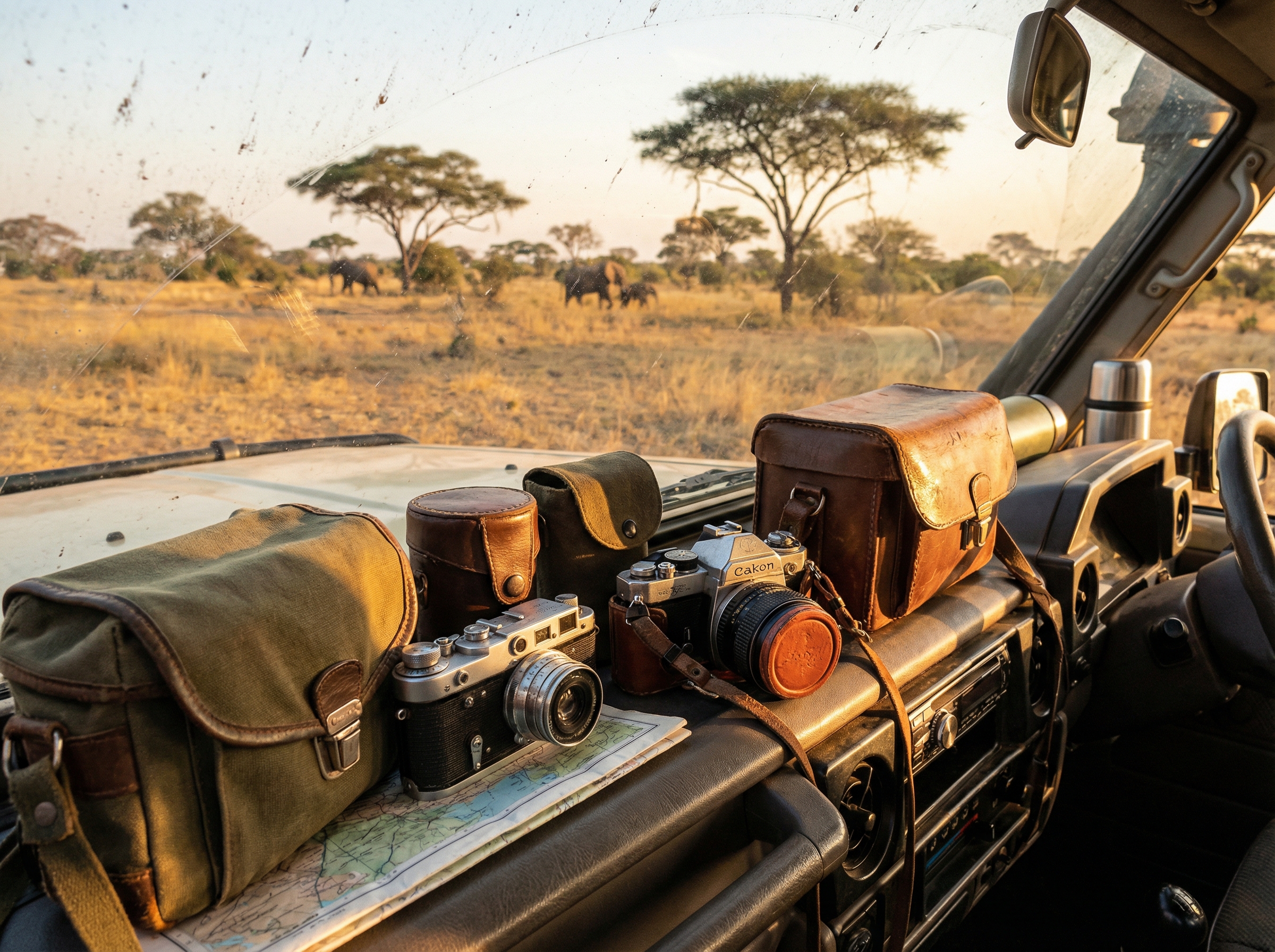
Camera gear on safari vehicle dashboard at golden hour
05

The Safari Question

Leica released three lenses in a limited olive-green "Safari" finish last month: the Summilux-M 35mm f/1.4 ASPH, the Summilux-M 50mm f/1.4 ASPH, and the Summicron-M 28mm f/2 ASPH. Optically, they're identical to the black versions. The only difference is cosmetic.

And yet they sold out immediately.

This tells us something about how people actually relate to their cameras. The Leica M is not purely a tool for making images—it's an object you live with, handle daily, build a relationship with over years or decades. The Safari finish, reminiscent of the legendary olive M3s and M6s issued to photojournalists, taps into that emotional dimension.

Is it rational to pay a premium for paint? No. But rationality isn't the only thing at play when you're choosing equipment you'll carry every day for the next twenty years. If the Safari finish makes you reach for the camera more often, it's paid for itself.

Alongside the Safari releases, Leica also introduced a Summilux-M 50mm f/1.4 Classic with a glossy black finish reminiscent of 1960s versions. Same optics, different soul. The collector market has noted.

Single minimalist lens in dramatic light
06

The Case for Just One

Here's the contrarian position gaining traction in forums: maybe you don't need three lenses at all.

Henri Cartier-Bresson shot almost exclusively with a 50mm. Alex Webb is synonymous with the 35mm. Alan Schaller varies between 24mm and 50mm but rarely reaches for anything in between. The masters didn't build their vision by covering every focal length—they built it by learning one perspective deeply.

There's a practical argument too. When you carry three lenses, you spend mental energy on lens selection. Should this be wider? Should I have switched to the 90? When you carry one lens, that energy redirects to composition, timing, presence. The limitations become creative constraints that sharpen your vision.

The counter-argument writes itself: sometimes the wrong focal length means missing the shot. But the one-lens advocates would reply that "missing the shot" might mean "recognizing this isn't your shot to take." The constraint forces you to find what is yours.

If you're building your first serious M kit, the three-lens approach makes sense—you're still discovering your preferences. But if you've been shooting for years and one focal length consistently gets 80% of your keepers, consider whether the other two lenses are serving you or just sitting in the bag, adding weight and anxiety.

My recommendation: Start with three, pay attention for a year, then ruthlessly cull. The ultimate kit might be smaller than you think.

The Kit Is the Easy Part

The lenses matter less than the commitment to carry them. The best three-lens kit is the one that goes with you, gets battered, earns its scratches. Build yours with intention—then go wear it out.