Photo Storage

Your Pixels Deserve Better Than Prayers

A decade of memories fits on a single drive now—but losing it takes only one bad sector. Here's what changed this week in the world of massive photo storage.

Listen
Vast archive of photographs floating in an ethereal digital ocean with servers and storage devices
01

The Cloud Price War Holds Steady at $6/TB

Abstract visualization of cloud storage pricing tiers

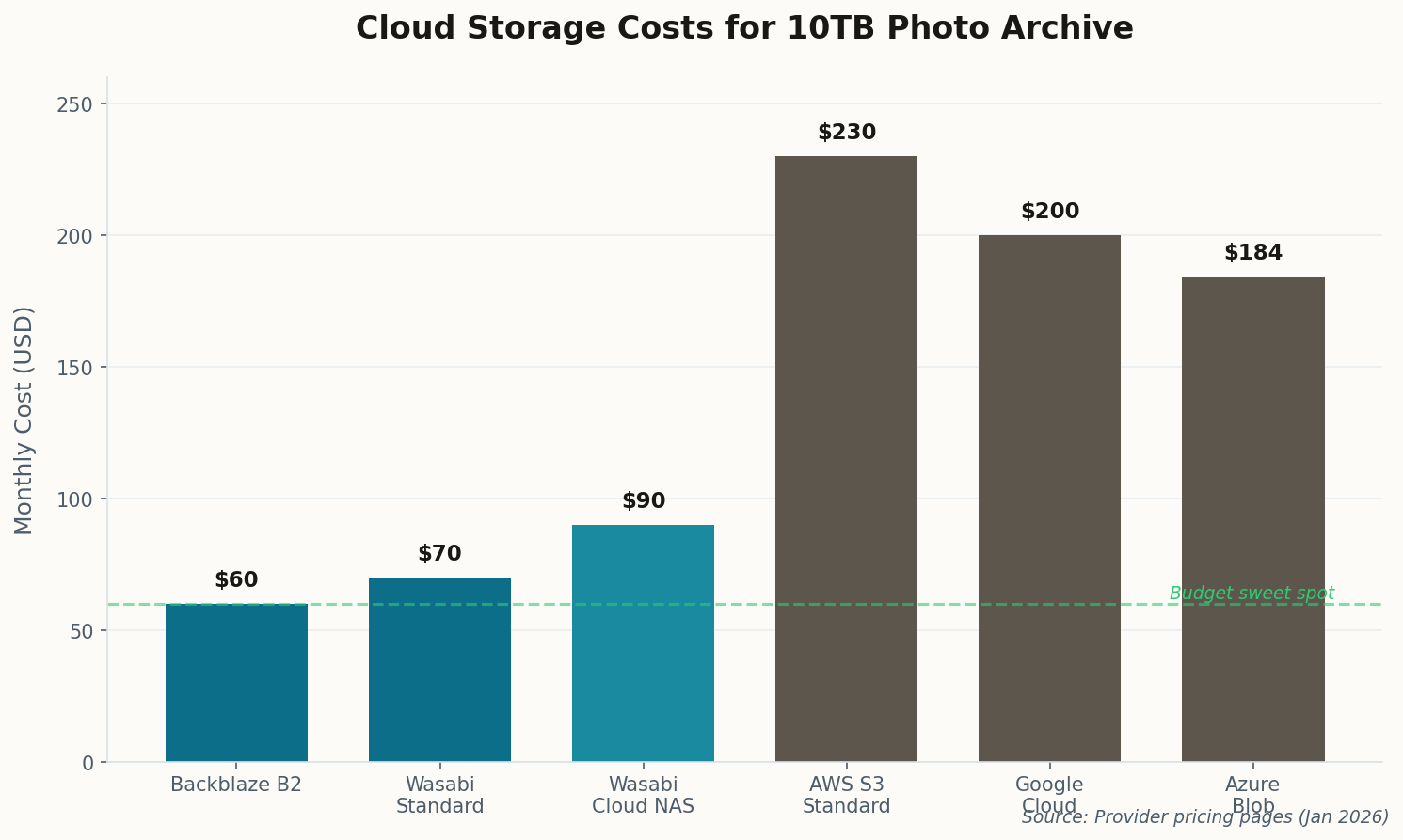
If you're sitting on 10TB of RAW files wondering where to stash an offsite copy, the math hasn't changed much—but the options have sharpened. Backblaze B2 remains the default recommendation at $6/TB/month with free egress, meaning your annual cloud bill for a 10TB archive runs $720. Wasabi matches at $6.99/TB for standard storage, but their new "Cloud NAS" tier at $8.99/TB offers something interesting: a mounted volume that feels local rather than object-storage remote.
Bar chart comparing monthly cloud storage costs for 10TB across different providers
Monthly cost comparison for a 10TB photo archive. Backblaze B2 and Wasabi lead the budget category.

The real story isn't the prices—it's what isn't included. Neither AWS S3 Standard ($230/month for 10TB) nor Google Cloud ($200/month) makes sense for archival unless you're already deep in their ecosystems. For pure photo backup, the budget providers have won on economics. The question is whether you trust them with your only offsite copy.

What to watch: Backblaze's new "B2 Overdrive" tier at $15/TB targets active editing workflows with faster retrieval. If you're running Lightroom Classic against cloud-synced proxies, this might be the missing piece. But for cold storage? Stick with standard B2.
02

Western Digital Enters the HAMR Race

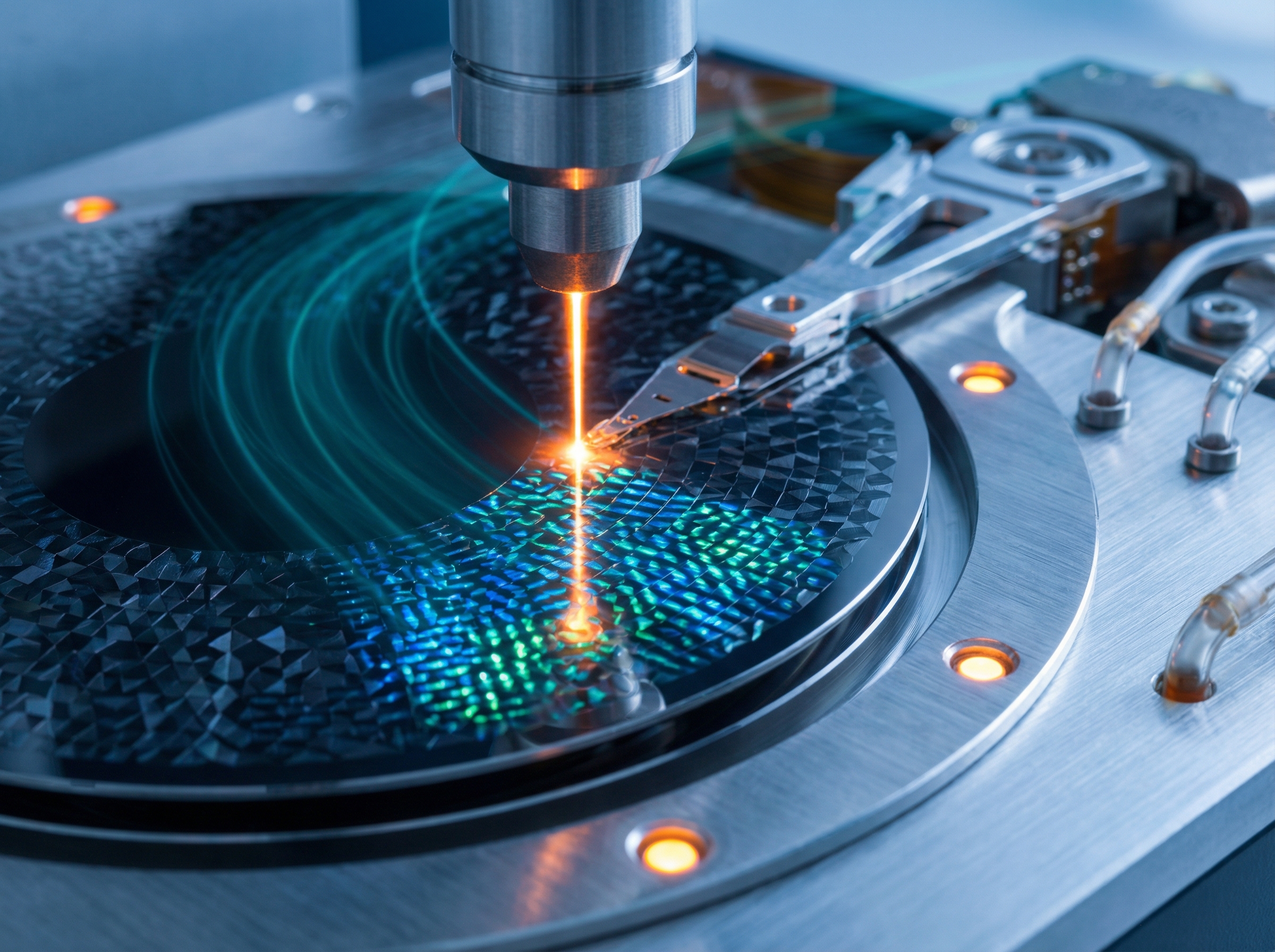
Close-up of a futuristic hard drive platter with heat-assisted magnetic recording technology

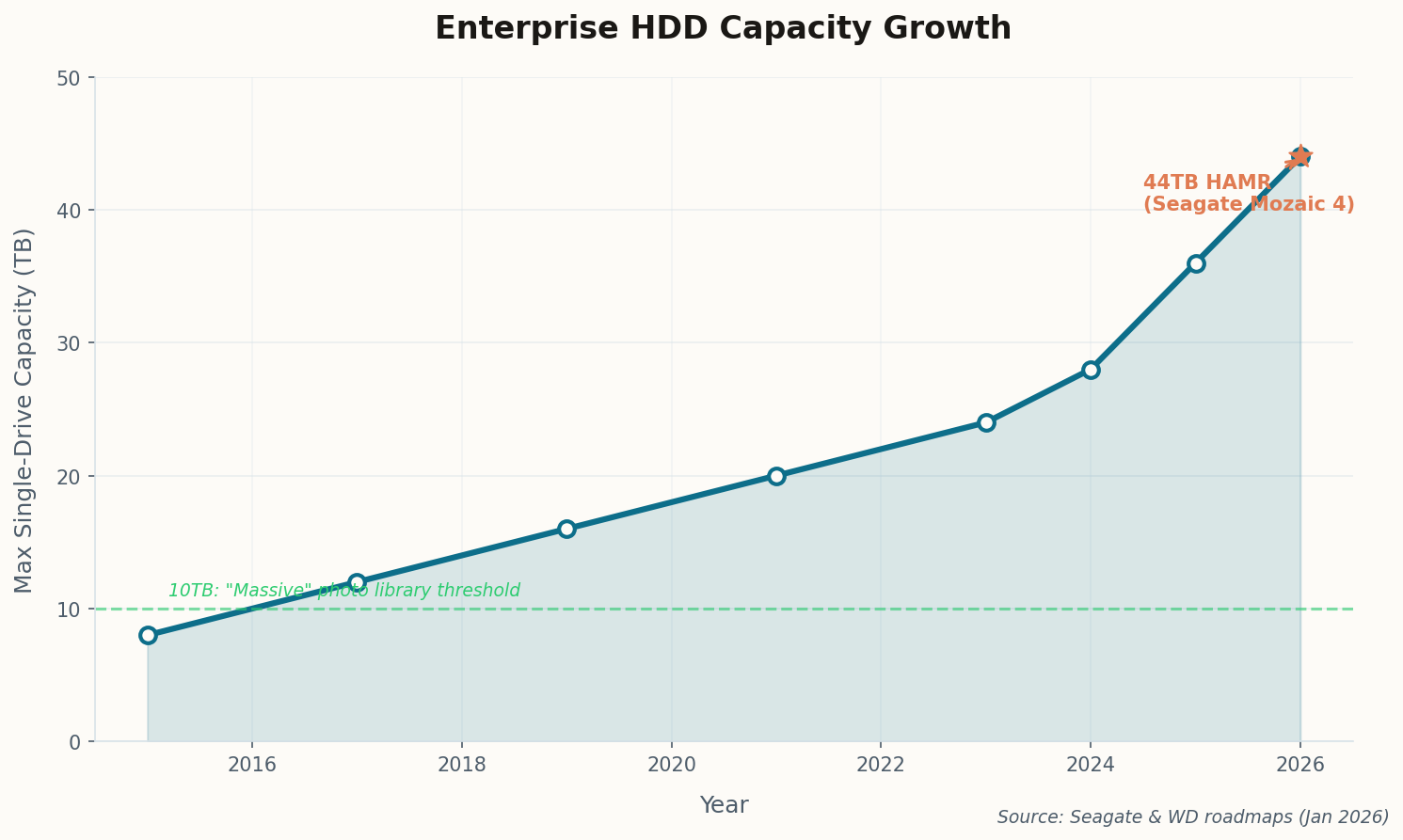
Western Digital finally committed to HAMR (Heat-Assisted Magnetic Recording) qualification in the first half of 2026, with 36TB and 44TB drives on the roadmap. This matters because Seagate has been the only game in town for 40TB+ capacity—and competition should eventually stabilize prices that have been climbing due to AI data center demand.

Line chart showing enterprise HDD capacity growth from 2015 to 2026
Enterprise HDD capacity has roughly doubled every 4 years. The 2026 HAMR generation pushes past 40TB for the first time.

The stock market noticed: WD shares surged on what analysts are calling "AI storage fever." But for photographers, the implication is practical. A 44TB drive can hold roughly 440,000 RAW files at 100MB each—or your entire career with room to spare. The question is whether you can actually buy one.

The elephant in the room: WD's HAMR tech is still in "qualification," meaning enterprise customers get first dibs. Consumer-grade 40TB+ drives remain 12-18 months out. If you're building a NAS today, the 24TB drives available now are your ceiling.

03

Synology's AI Push—And What It Means for Photo Libraries

Modern NAS device with glowing AI neural network patterns

Synology launched two things this week that matter to photographers. First, the BC800Z—a 4K camera with on-device AI that integrates with Surveillance Station. This is mostly relevant if you're running a studio that doubles as a secure facility, but the underlying trend is significant: NAS vendors are betting on edge AI.

More interesting for pure storage workflows: "Dockhand," Synology's new container management tool replacing Portainer. Why does this matter? Because self-hosted photo managers like Immich, PhotoPrism, and PhotoStructure run in Docker containers. A first-party tool that makes deployment easier removes one of the friction points keeping photographers locked into Google Photos or iCloud.

The deeper signal: NAS vendors see the shift toward self-hosted photo management. Synology Photos already exists, but it's clunky compared to Immich. By making it easier to run alternatives, they're acknowledging the competition—and betting that owning the hardware layer is enough.

04

Seagate's 44TB Drives Are Sold Out Through 2026

Stack of enterprise hard drives with sold out indicators

Here's the uncomfortable truth: Seagate's entire nearline HDD production is fully booked through the end of 2026. The culprit is AI—specifically, the training clusters that need petabytes of storage for datasets that don't fit in VRAM. Photographers planning to upgrade beyond 24TB drives are now competing with OpenAI for factory capacity.

The "Mozaic 4" platform (up to 44TB) will enter volume production in early 2026, but orders for the first half of 2027 are expected to open within months. If you were planning a major NAS expansion, the window to buy current-generation 20-24TB drives at reasonable prices is closing.

Practical takeaway: If you're running low on storage and can afford to buy drives now, don't wait for the next capacity milestone. The 24TB Seagate Exos X24 or WD Ultrastar HC580 are available today. The hypothetical 44TB drive may not be available at consumer-friendly prices until 2027.

The pricing signal is already visible: 20TB enterprise drives that sold for $350 in late 2025 are now pushing $420. This isn't inflation—it's allocation.

05

Immich 2.5 Ships "Free Up Space"—Finally

Self-hosted server glowing warmly with photographs streaming as light particles

Immich version 2.5.0 adds the feature photographers have been begging for: "Free Up Space." After your phone uploads photos to your self-hosted server and confirms the backup succeeded, you can delete the local copies with confidence. This is Google Photos' killer feature, rebuilt for people who don't trust Google.

The update also improves foreground upload reliability for large batches—critical when you're dumping 500 RAWs from a memory card to your phone for immediate cloud backup. Previous versions could stall or silently fail on large transfers.

Why this matters for 10TB+ workflows: Immich running on a NAS gives you a Google Photos-like experience without monthly fees per terabyte. You pay once for hardware, then browse your entire archive from anywhere. The catch is setup complexity—but if you're managing 10TB of photos, you've already accepted that tradeoff.

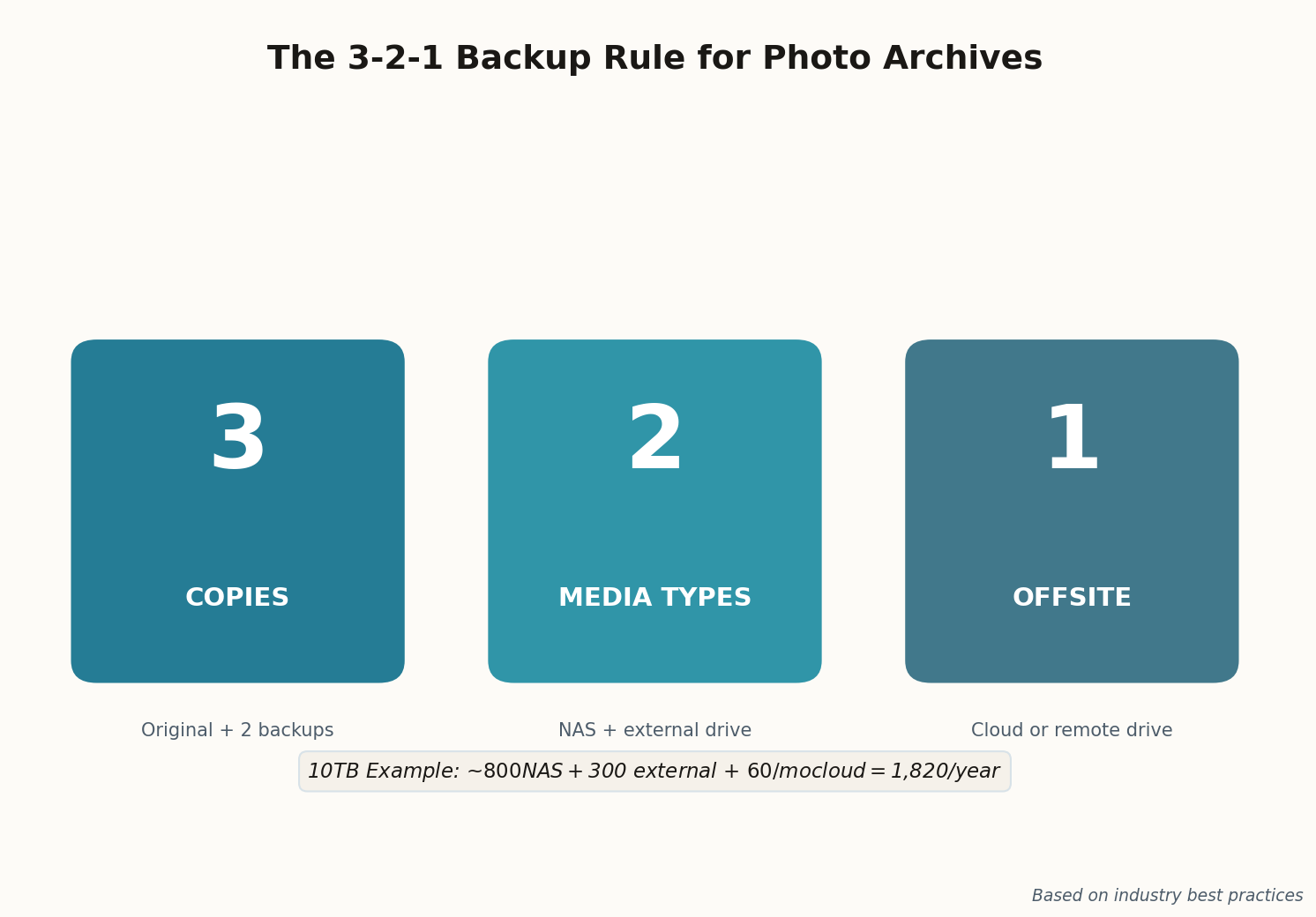
Infographic showing the 3-2-1 backup rule
The 3-2-1 rule: 3 copies, 2 media types, 1 offsite. Immich + NAS + B2 covers all three.
06

SuperDuper! 3.11 Adds APFS Snapshot Support

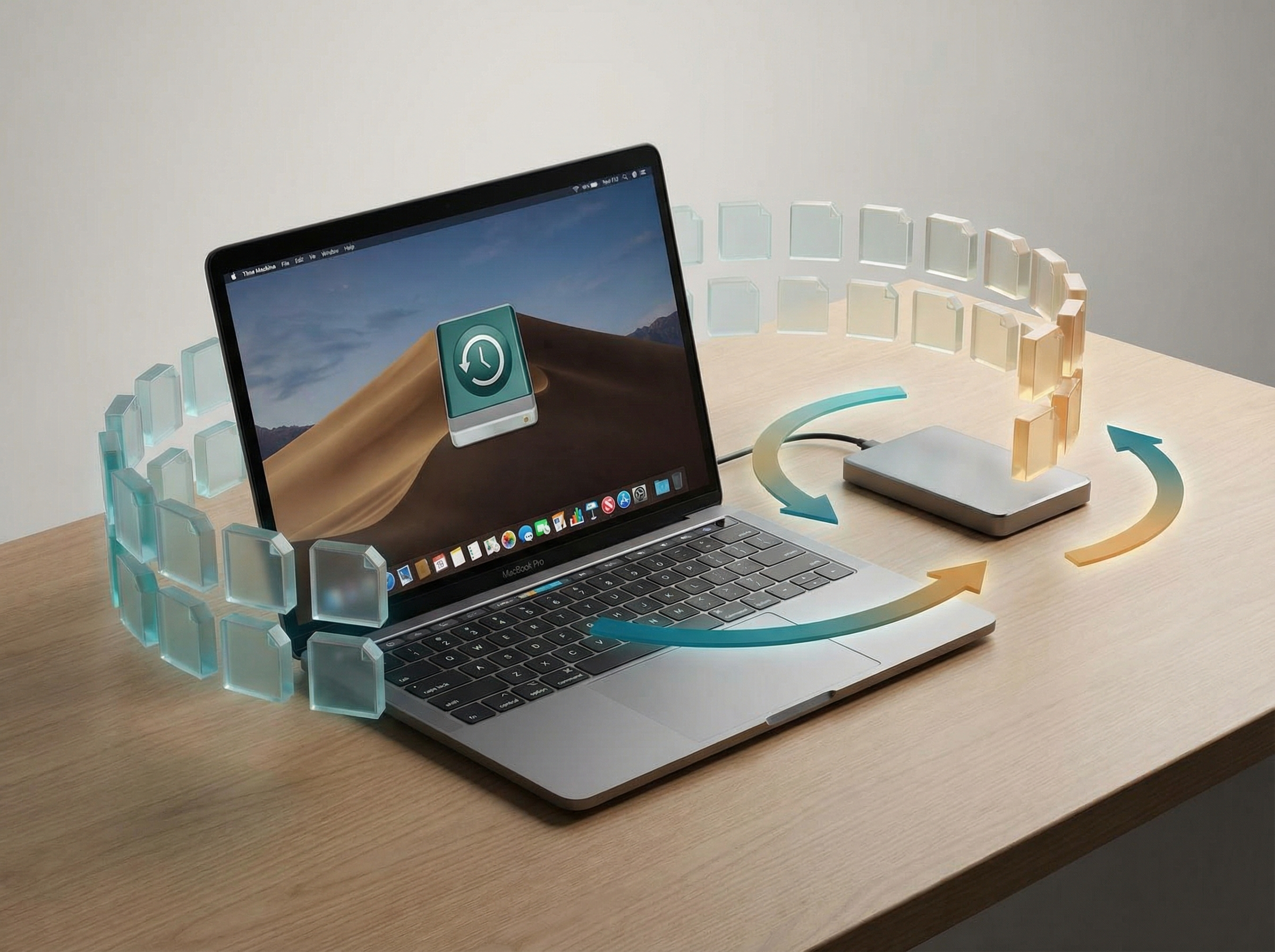
MacBook creating a mirror clone to an external drive with data streams

Mac photographers still running bootable clones got a meaningful update: SuperDuper! 3.11 adds full macOS Sequoia support and native APFS snapshot handling. This means you can now create point-in-time backups of your photo library that don't require unmounting the drive.

The more practical addition is "Smart Delete"—when your backup target is nearly full, SuperDuper! now intelligently clears space before writing rather than failing mid-backup. If you've ever woken up to a "disk full" error after an overnight clone, you understand the value.

Why this still matters in 2026: Time Machine exists, but it's not bootable. Carbon Copy Cloner and SuperDuper! remain the only ways to maintain a drive you can literally boot from if your main machine dies. For photographers working on deadline, that recovery time difference—minutes vs. hours—is worth the $28 license.

The stack that works: Internal SSD for active edits → NAS for primary archive → SuperDuper! clone for local recovery → B2 for offsite. Four copies, three media types, one cloud. Overkill? Only until you need it.

The Uncomfortable Math

A 10TB photo library represents roughly $2,000 in hardware (NAS + drives), $720/year in cloud backup, and approximately 100,000 irreplaceable moments. The first two numbers are known quantities. The third is why the first two exist.