
Photography

The Leica Mystique

Is the legendary "Leica look" an optical reality, a psychological placebo, or the most successful marketing campaign in camera history? After a century of debate, we're closer to an answer—and it's complicated.

Listen
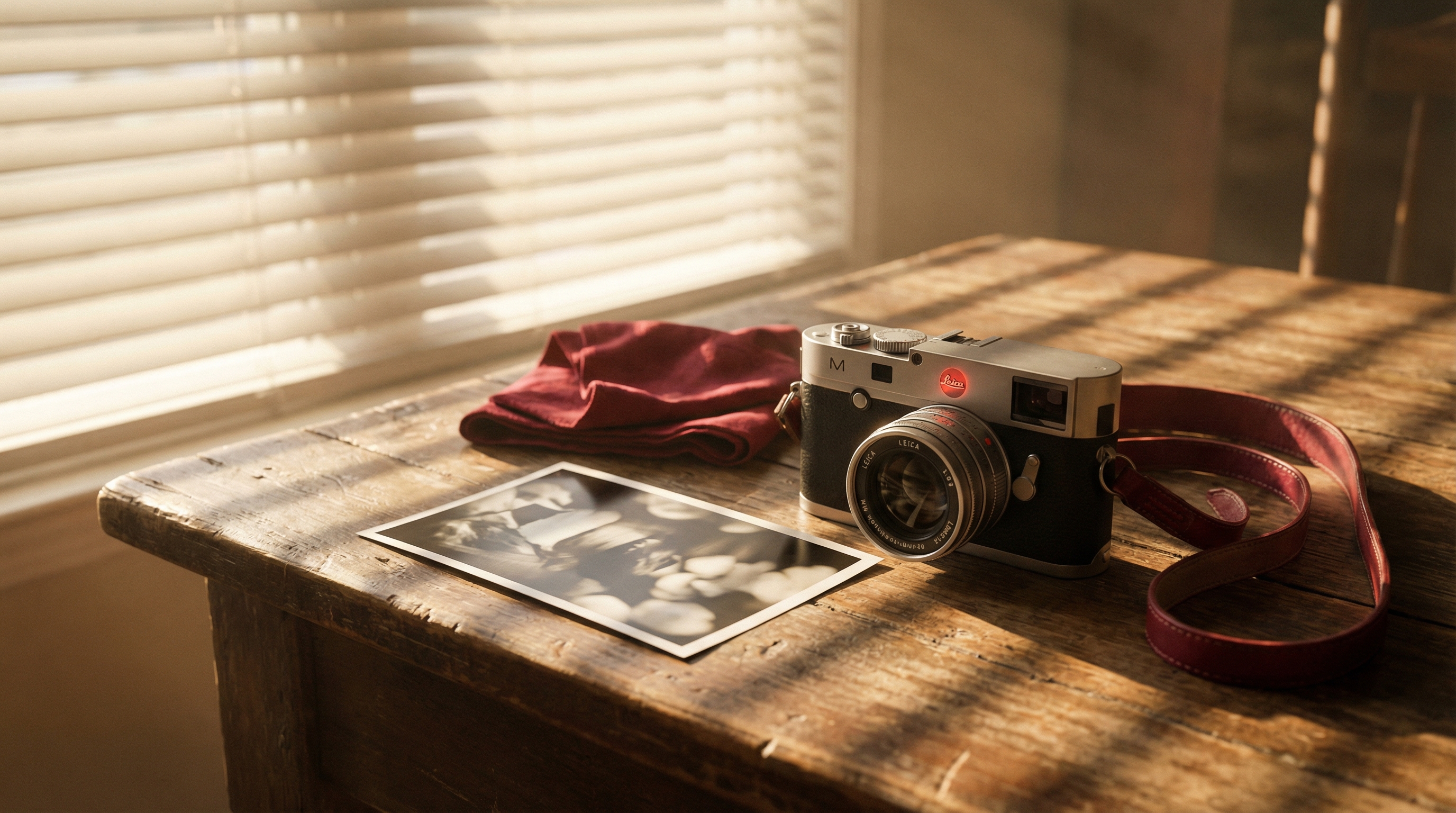
A Leica M camera on a weathered wooden table with afternoon light streaming through venetian blinds
iPhone screen with vintage photograph aesthetic and neural network nodes
01

Leica Admits the Look Can Be Simulated

Here's the elephant in Wetzlar: Leica itself has quietly validated what skeptics have argued for years. The Leica LUX app, launched in mid-2024, uses machine learning to replicate the rendering characteristics of specific Leica lenses—including the legendary Noctilux-M 50mm f/1.2—on iPhone photos.

Read that again. The company whose entire premium positioning rests on irreplaceable optical DNA has released software that promises to approximate that DNA computationally. It's as if Patek Philippe launched an app that makes your Apple Watch feel like a Grand Complication.

"Utilizes machine learning to replicate the distinct 'Leica look' of various lenses on iPhones." — Leica official description

The implications are profound. If an algorithm can get you 90% of the way to "the look," what exactly are you paying $10,000 for? The answer increasingly appears to be: the experience of shooting with a Leica, not the irreproducible output. That's not nothing—but it's a very different value proposition than "only our glass can render light this way."
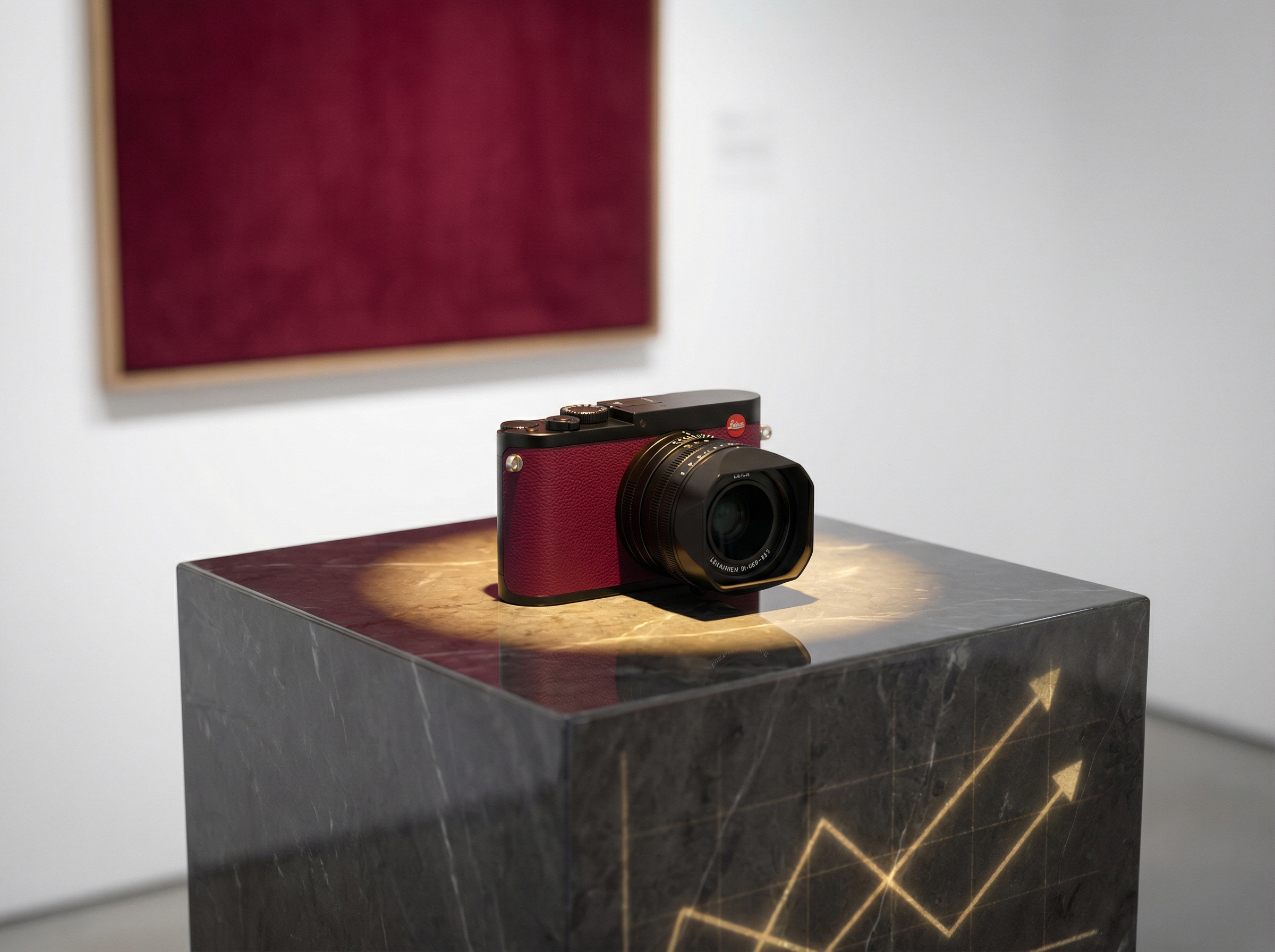
Leica Q3 camera on marble pedestal in gallery setting
02

Record Sales Prove the Myth Works

Whether the Leica look is "real" in an optical sense may be irrelevant to Leica's accountants. The company posted record sales for the fourth consecutive year, driven primarily by the Leica Q3—a compact camera that delivers "the look" in an autofocus package that any enthusiast can operate.

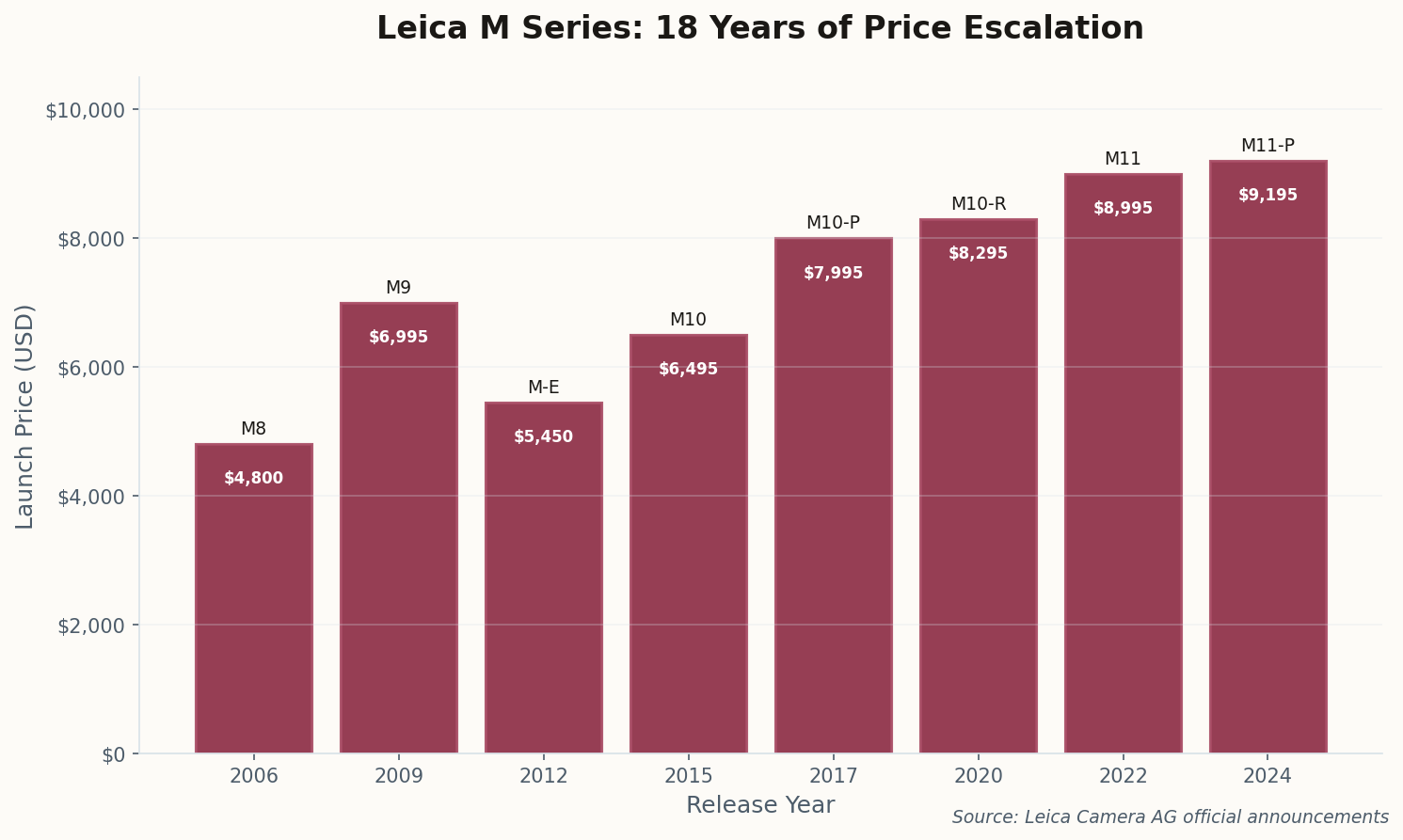
Chart showing Leica M series pricing from 2006 to 2024
The M series has nearly doubled in launch price since 2006, outpacing inflation by 3x.

The Q3's success is telling. Traditional Leica mythology centers on the rangefinder M system—manual focus, no screen, the pure photographic encounter. But the Q3 has a screen, autofocus, and shoots video. It's a "Leica for people who want the badge without the bruises," as one forum commenter put it. And it's selling like crazy.

This signals a strategic pivot: Leica is no longer selling primarily to purists who believe in optical exceptionalism. They're selling to people who believe in the idea of Leica—its heritage, its aesthetics, its exclusivity. The look has become a lifestyle marker, not just a rendering characteristic.

Abstract visualization of light rays bending through lens elements
03

The Science: Microcontrast Is Real

Strip away the mythology and there is a technical foundation for the Leica look. It centers on a concept called microcontrast: the ability of a lens to render subtle tonal differences in areas of similar brightness. High microcontrast creates the perception of three-dimensionality—that "pop" where subjects seem to separate from backgrounds with unusual clarity.

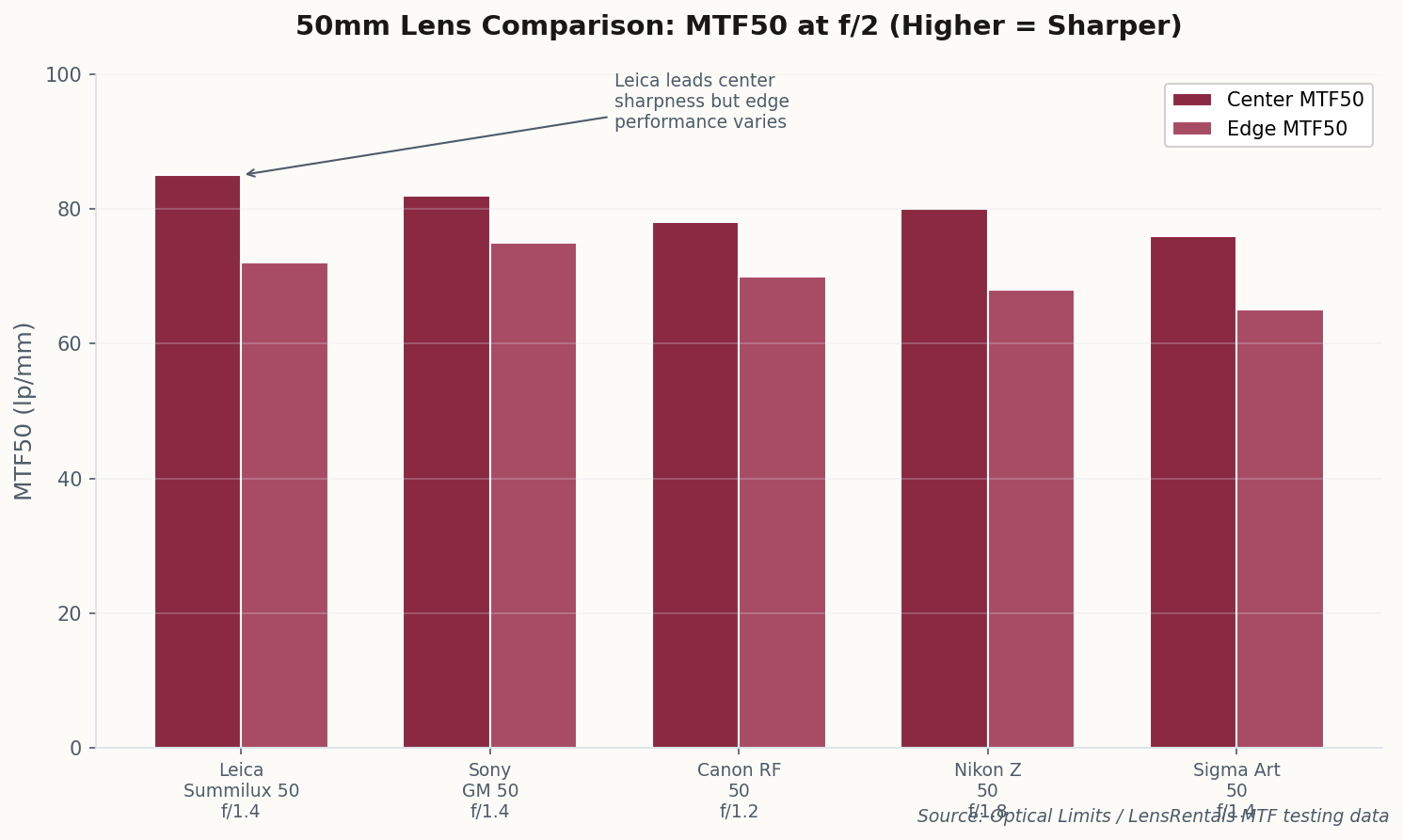
MTF50 comparison chart of 50mm lenses at f/2
The Summilux leads in center sharpness, but the gap with competitors has narrowed dramatically.

This isn't marketing vapor. MTF (Modulation Transfer Function) testing shows that Leica lenses do tend to maintain higher contrast at middle spatial frequencies—the sweet spot where microcontrast lives. The Summilux 50mm f/1.4, for instance, holds exceptional contrast between 20-40 line pairs per millimeter, which translates to texture rendering that other lenses can struggle to match.

But here's the nuance: modern lenses from Sony, Canon, and Sigma often outperform Leica lenses on edge-to-edge sharpness and aberration control. They're optimized for MTF charts. Leica's design philosophy instead prioritizes "how it looks" over "how it measures"—intentionally leaving certain aberrations uncorrected for character.

"Lenses with excellent microcontrast can render textures and fine details so crisply that they enhance the brain's perception of depth in a two-dimensional image."

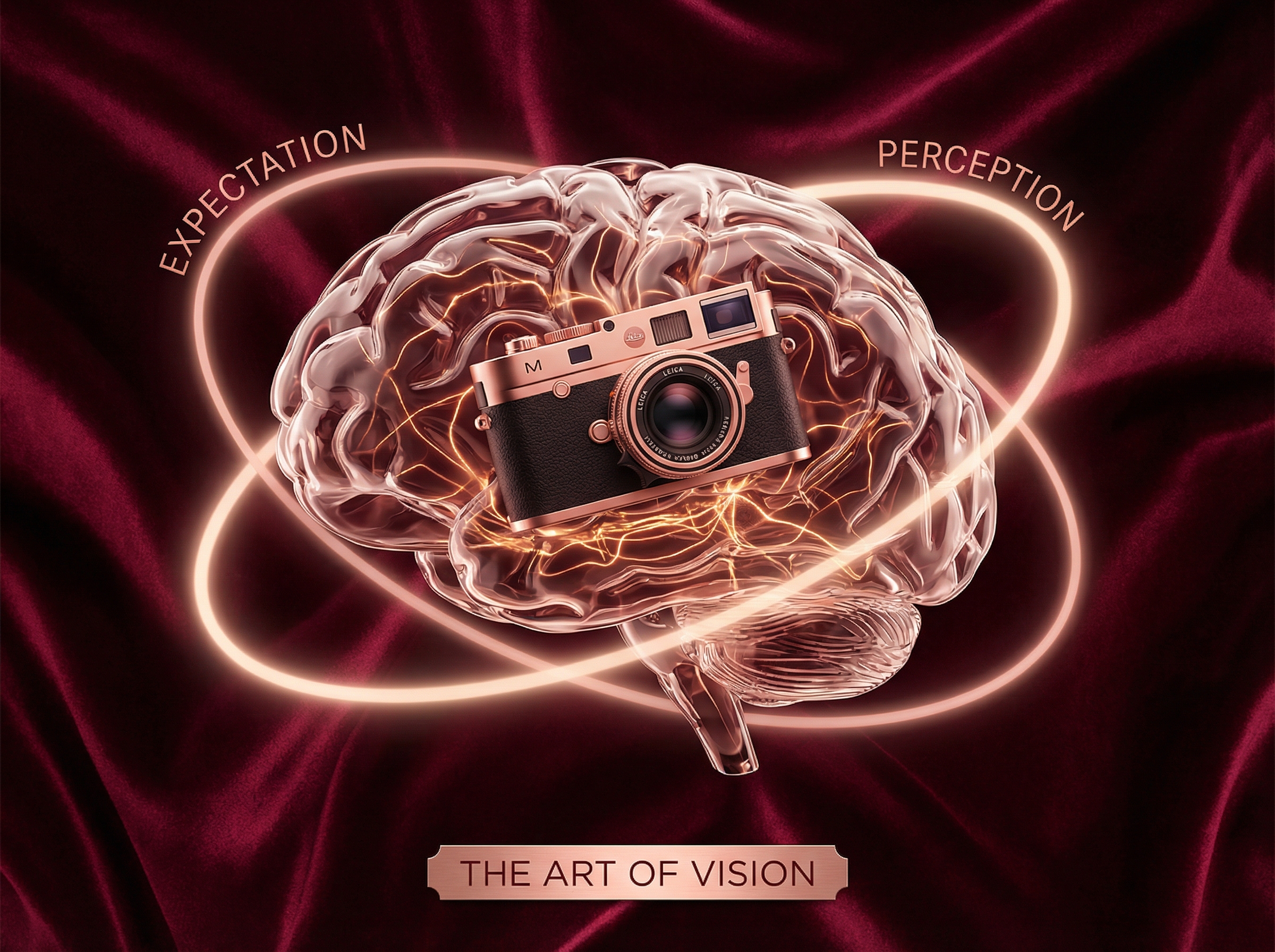
Translucent glass brain with Leica camera floating inside
04

Your Brain Is Part of the Lens

The uncomfortable truth for Leica believers: there's substantial evidence that expectation shapes perception. The "Marketing Placebo Effect" is well-documented in luxury goods—wine tastes better when you're told it's expensive, and photographs may look better when you know they're shot on a Leica.

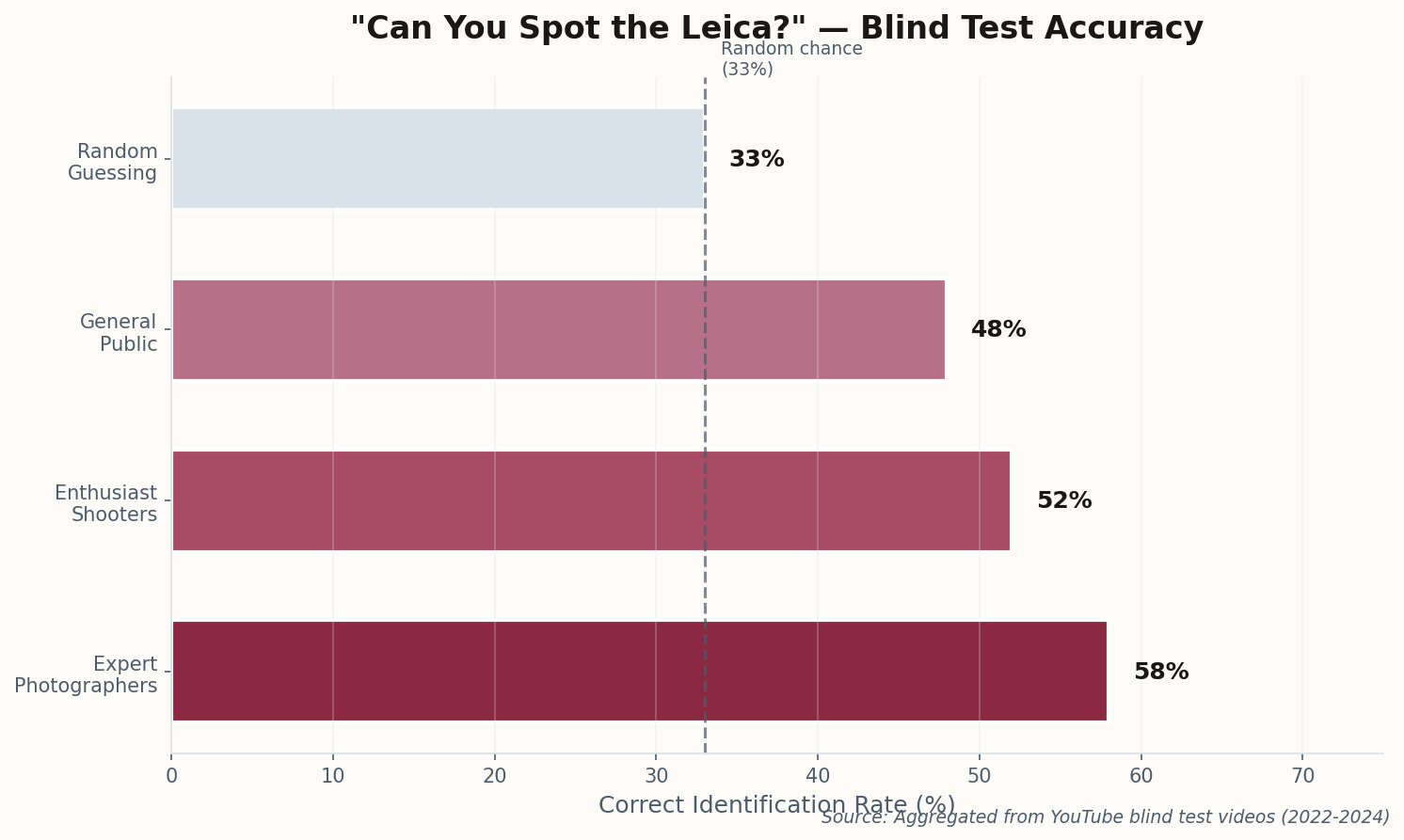
Chart showing blind test accuracy rates for identifying Leica images
Even expert photographers perform only marginally better than random chance in blind identification tests.

Blind tests conducted across YouTube and photography forums consistently show that viewers—even experienced photographers—struggle to identify Leica images at rates significantly better than random chance. When the red dot is hidden, the magic often evaporates. Show the same image with "Shot on Leica M11" in the corner, and suddenly people see the famous "rendering" and "three-dimensionality."

But the placebo argument cuts both ways. If shooting with a Leica makes you perceive your images as better, and that perception drives you to shoot more carefully, isn't the result genuinely better photographs? The camera becomes a psychological tool that changes how you work, regardless of its optical properties.

"If the actual experience does not contradict these pre-established expectations, users are likely to feel their high expectations have been met."

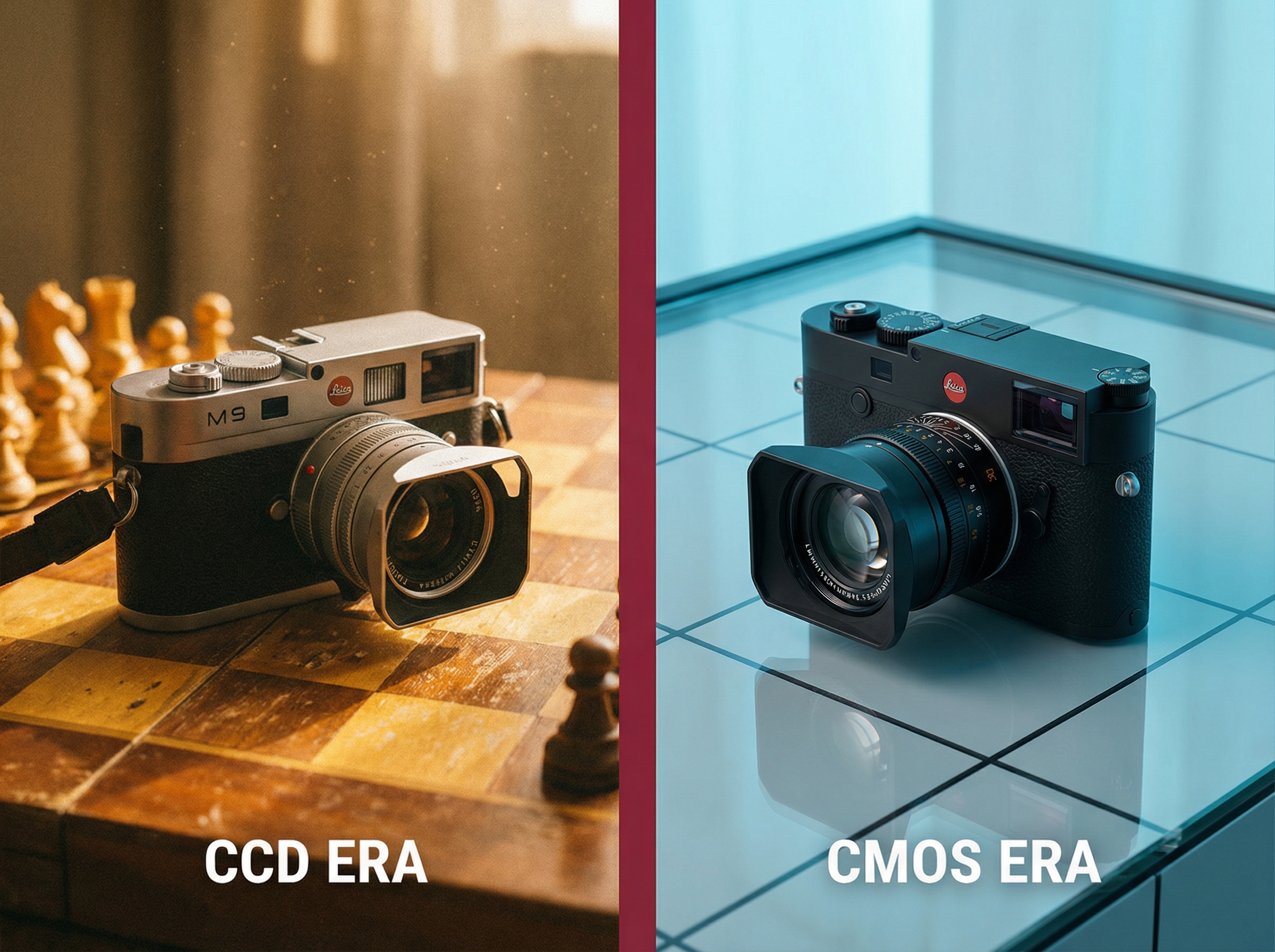
Split composition showing warm CCD-era tones versus clinical CMOS precision
05

The Civil War: CCD Purists vs. Modern Sensors

Even within the Leica community, there's no consensus on what "the look" actually is—because some believe it died in 2009.

A vocal sub-cult of Leica shooters argues that the true Leica look existed only in cameras with CCD sensors: the Leica M9 and its predecessors. These sensors rendered color with a warmth and organic quality that CMOS technology supposedly can't replicate. The modern M11's 60-megapixel CMOS sensor, by this logic, produces clinically excellent but soulless images.

This internal holy war exposes an uncomfortable truth: "the Leica look" is a moving target that means different things to different believers. For some, it's the lens rendering. For others, it's sensor color science. For others still, it's the full-frame rangefinder experience. These can conflict.

"Contemporary Leica cameras are characterized by a 'true to life' color science... leading some to view [the classic look] as a myth."

The irony: M9 bodies with failing sensors now command premium prices on the used market. People are paying extra for decade-old technology because they believe it renders light in a way that newer, objectively superior sensors cannot. Faith has a price.

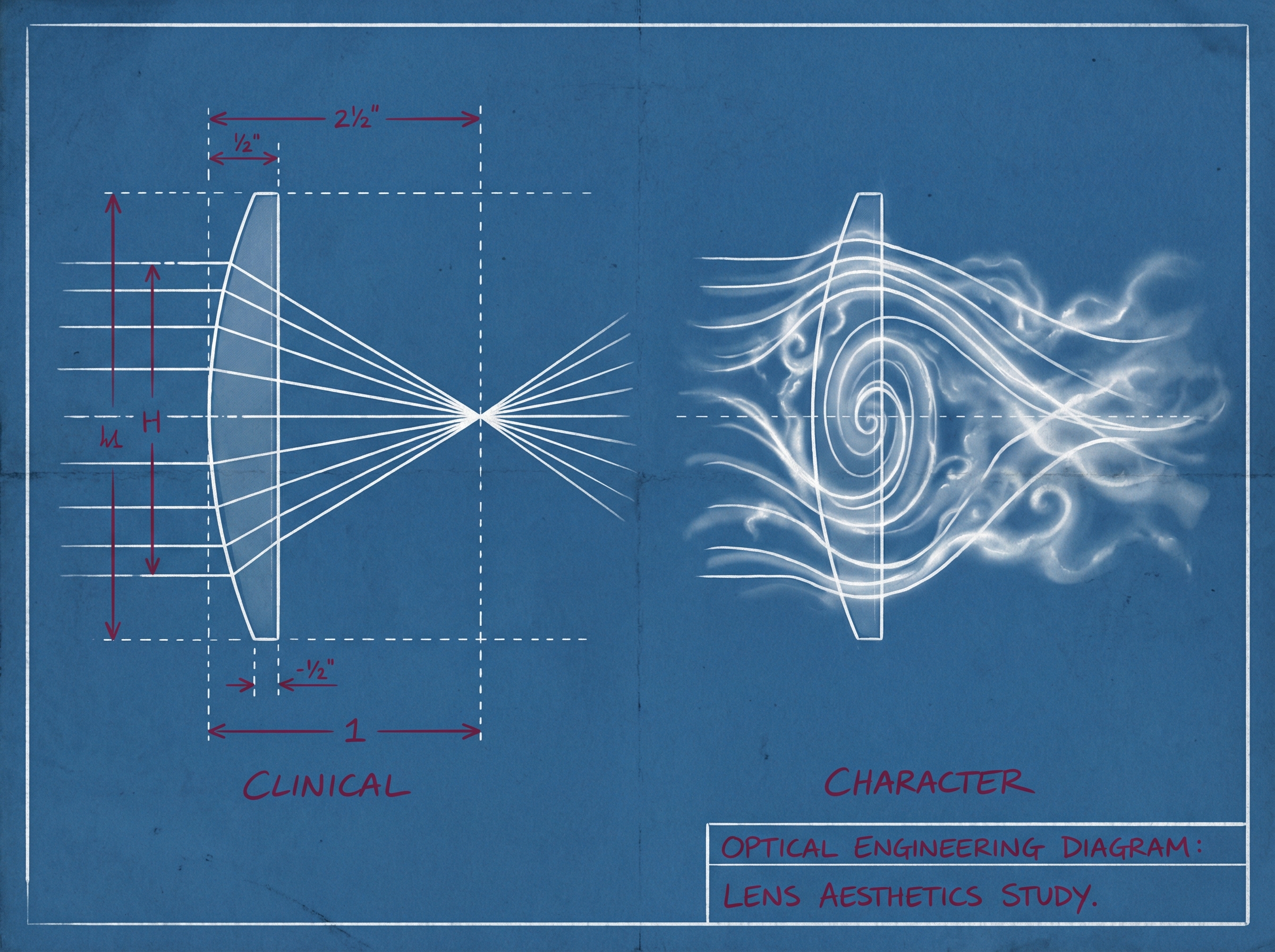
Two lens cross-sections showing clinical perfection versus artistic aberrations
06

The Philosophy: Perfection vs. Character

Modern lens design has become a race toward clinical perfection. Sony G Master lenses chase zero distortion and corner-to-corner sharpness. Canon RF glass is engineered to excel on MTF charts. Every aberration is corrected, every imperfection eliminated.

Leica takes a different path. Their optical engineers reportedly intentionally leave certain aberrations uncorrected—like spherical aberration, which softens the transition between sharp and out-of-focus areas. The result is "character": a rendering that human vision finds pleasing, even if it wouldn't win a sharpness contest.

This is the most defensible argument for the Leica look's reality. It's not that Leica lenses are "better" by objective metrics—they often aren't. It's that they're designed to a different philosophy, optimizing for aesthetic qualities that charts can't capture. The Summilux 35mm at f/1.4 has a gentle glow that some find magical and others find soft. The Noctilux wide open has swirly bokeh that's either "painterly" or "aberrated" depending on your perspective.

"Leica's lens designers prioritize specific characteristics... such as controlling aberrations and optimizing for microcontrast... different compared to other manufacturers."

The Leica look, in this framing, is real—but it's the result of deliberate optical flaws that happen to appeal to human perception. It's engineered imperfection.

Photographer's hands composing with screenless Leica M11-D
07

The Process Theory: The Camera as Meditation Device

Perhaps the most elegant resolution to the Leica look debate: what if the "look" isn't in the output at all, but in the input?

The Leica M11-D ships without an LCD screen. You cannot review images in the field. You compose, focus, shoot, and move on. This constraint—familiar to film photographers but radical in the digital era—forces a fundamentally different approach to photography.

Without the ability to "chimp" (obsessively check the screen after each shot), photographers report shooting more deliberately. They pay closer attention to light before pressing the shutter. They develop confidence in their exposure decisions. They stay present in the moment instead of retreating into the camera's UI.

The result, arguably, is genuinely better photographs—not because of the lens glass or sensor, but because the photographer is operating at a higher level. The Leica look, in this interpretation, is the look of someone who's paying attention. The camera is a meditation device that forces mindfulness, and the red dot is the price of admission to that mental state.

"This engagement with the photographic process is often cited as a significant contributor to the 'Leica look,' rather than solely relying on unreplicable optical qualities."

It's a beautiful theory. It also suggests that you could achieve the same effect with a $300 film camera and some discipline. But where's the fun in that?

The Verdict: All of the Above

The Leica look is simultaneously real and imagined, optical and psychological, measurable and ineffable. There is something different about how Leica lenses render—but whether that difference matters to your photographs depends more on you than on the glass. The smartest Leica owners seem to understand this: they're not buying proof of superior optics, they're buying a way of seeing. Whether that's worth $9,000 is between you and your bank account.