Higher Education

Courts and Campuses

This week, a federal judge ordered the Trump administration to prove it isn't targeting foreign students. Iowa legislators proposed dictating university curricula. And faculty reported record burnout from AI. The battlefield has shifted from policy to law.

Listen
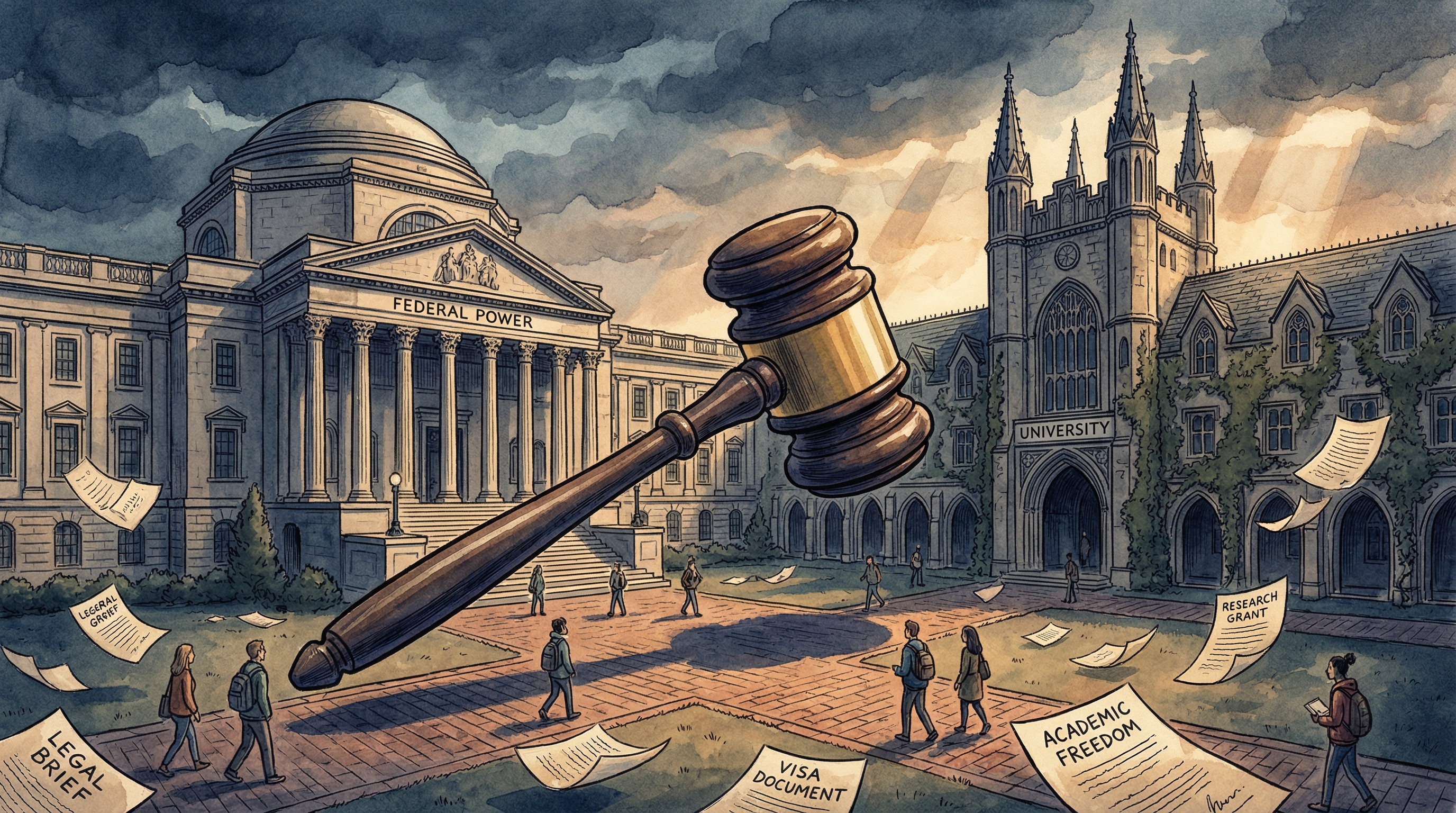
Editorial illustration of a courthouse and university building merged into a composite structure, with a gavel casting shadows across a campus quad
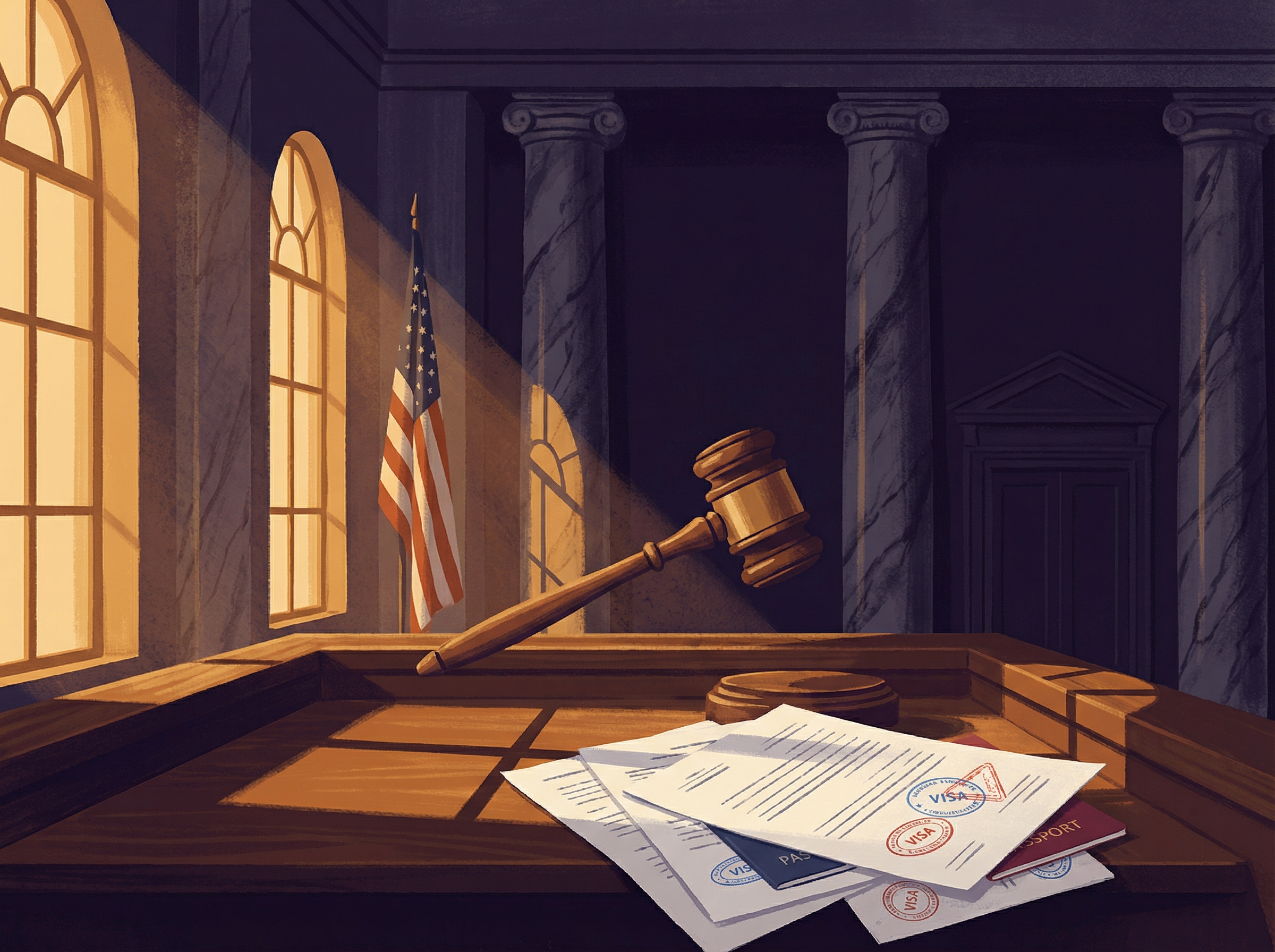
Federal courthouse interior with marble columns, a judge's gavel mid-strike, and scattered visa documents
01

A Judge Demands Receipts

A federal judge has ordered the Trump administration to prove it isn't systematically targeting foreign students and scholars in its immigration enforcement. The ruling is remarkable not for what it grants—no injunction yet—but for what it demands: evidence.

The case, brought by a coalition of universities and civil liberties groups, argues that recent enforcement patterns reveal a coordinated campaign against international academics. The administration must now produce documentation showing its actions aren't retaliatory against visa holders who've criticized federal policy.

The shift: For months, universities have responded to immigration pressure with accommodation—increased online options, emergency housing, quiet compliance. Now, they're fighting back in court. This ruling won't stop enforcement, but it forces the administration to justify it.

If the government cannot demonstrate neutral enforcement criteria, the lawsuit could establish that targeting scholars for their political views violates constitutional protections. That's a significant if—but it's now a legal question, not merely a political one.
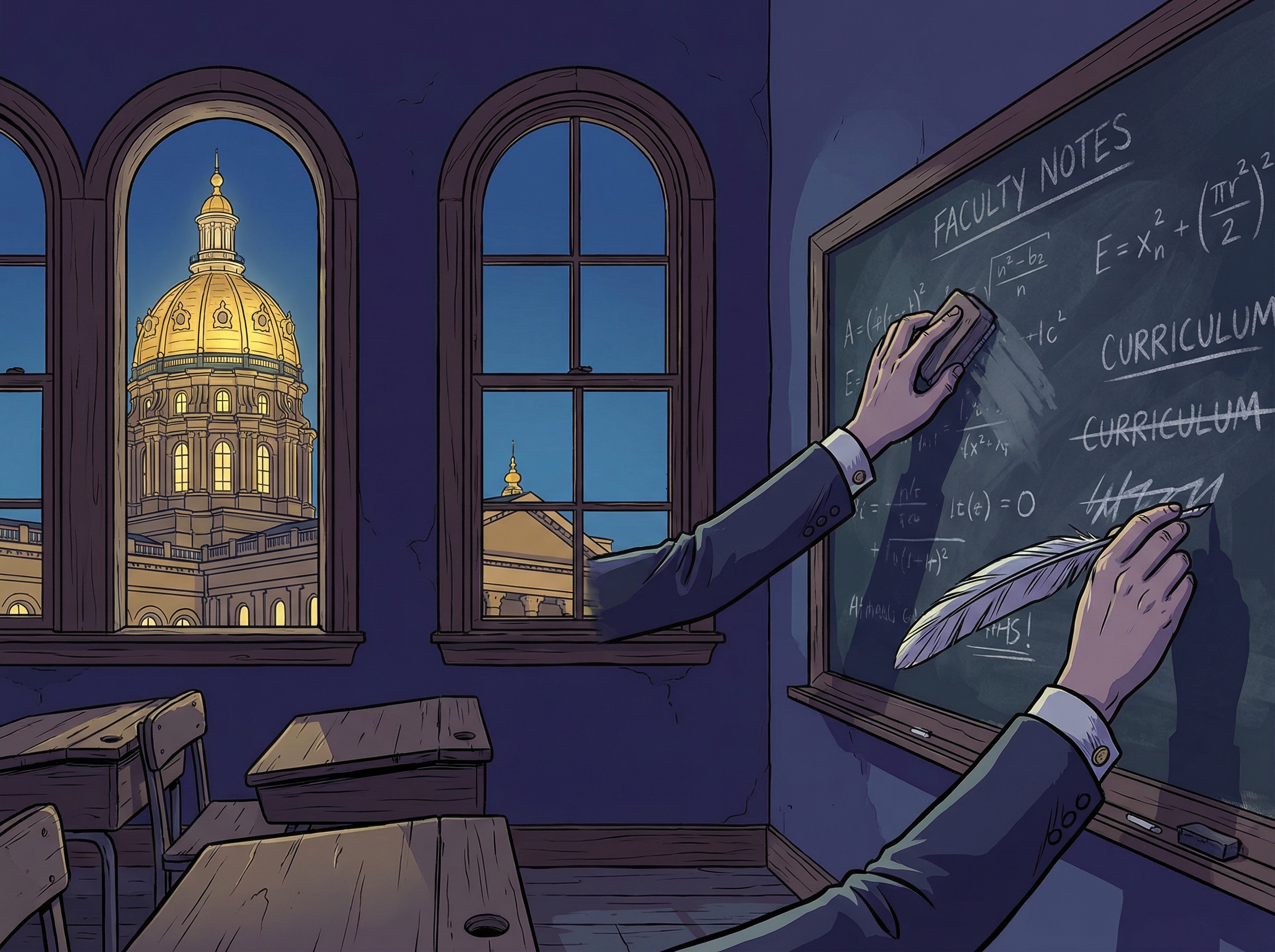
Iowa state capitol dome viewed through classroom window, legislators' hands reaching to write on chalkboard
02

Iowa's Legislature Wants to Write the Syllabus

Iowa legislators have introduced bills that would mandate specific general-education content at public universities and transfer curriculum authority from faculty senates to political appointees. This isn't another DEI ban. It's something more ambitious: legislating what professors must teach.

The proposals specify required courses on "founding documents," "Western civilization," and "free market economics." Faculty committees—the bodies that have traditionally governed curriculum—would be stripped of their authority to determine general education requirements.

"We're not talking about what can't be taught anymore. We're dictating what must be taught. That's a fundamentally different kind of intrusion."

The pattern here is escalation. First came restrictions: no DEI, no mandatory diversity training. Then came defunding: eliminate offices, cut programs. Now comes prescription: teach this, not that. Each step establishes the permission structure for the next.

Faculty governance isn't just tradition—it's the mechanism by which academic expertise shapes education. When legislators write curricula, the question becomes: whose expertise counts?

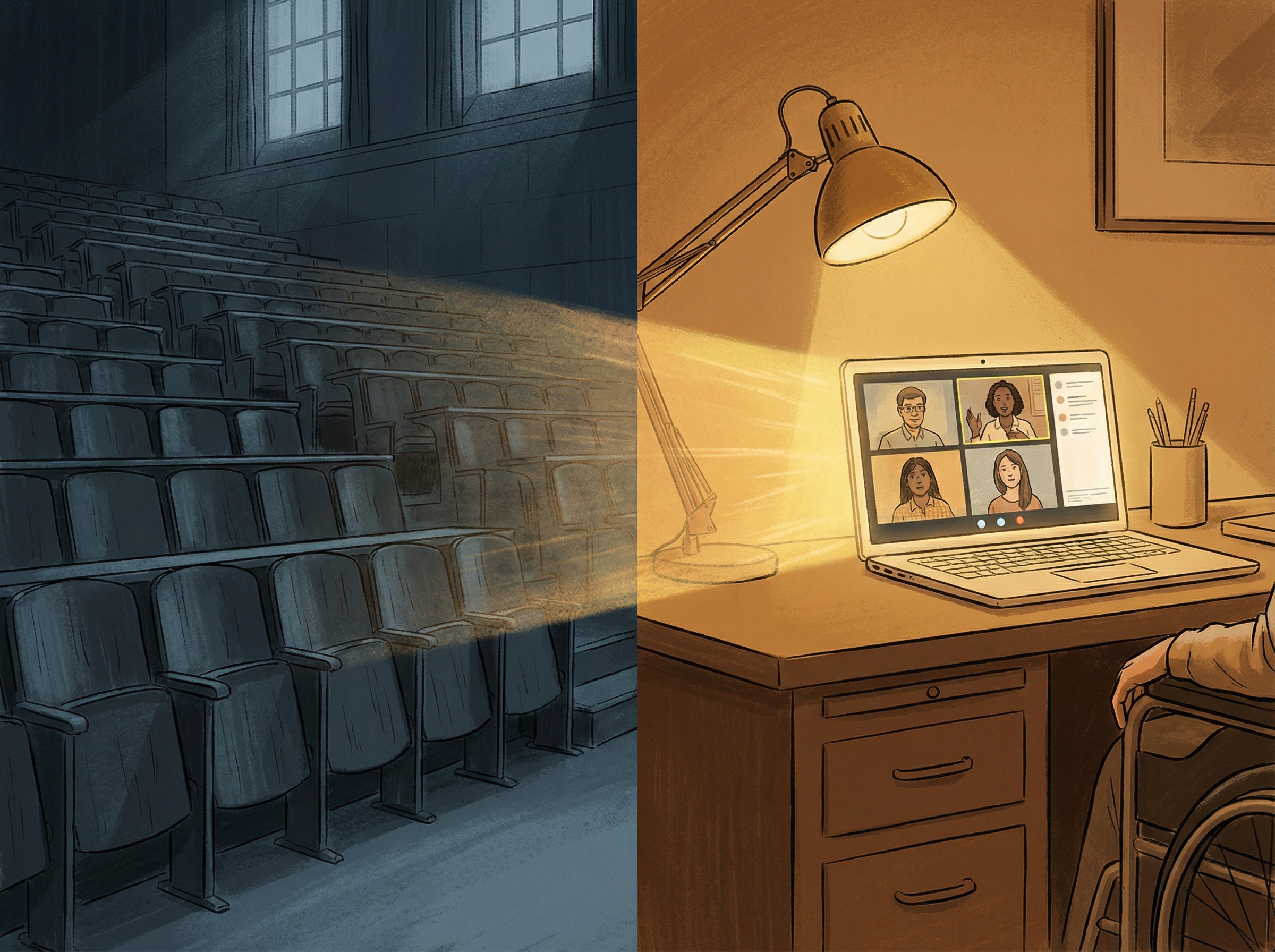
Split composition showing empty lecture hall on left and home office with laptop on right, warm lamp light fighting screen glow
03

Remote Teaching as Reasonable Accommodation

A judge has ruled that Pennsylvania Western University violated disability law when it ordered a professor to return to campus despite documented medical conditions. The university argued that in-person presence was essential to the job. The court disagreed.

The ruling is narrow but significant. It doesn't establish that all faculty can work remotely. It establishes that universities must actually prove in-person presence is necessary before denying accommodations—and that the burden of proof lies with the institution.

The context: Since 2022, universities have pushed aggressively for return-to-campus mandates. This ruling creates friction. Every denial of remote accommodation now carries legal risk if the institution can't demonstrate specific pedagogical necessity.

The case will likely be appealed. But in the meantime, it provides a template for faculty seeking flexibility and a warning for administrators who've treated "back to normal" as self-evidently reasonable.

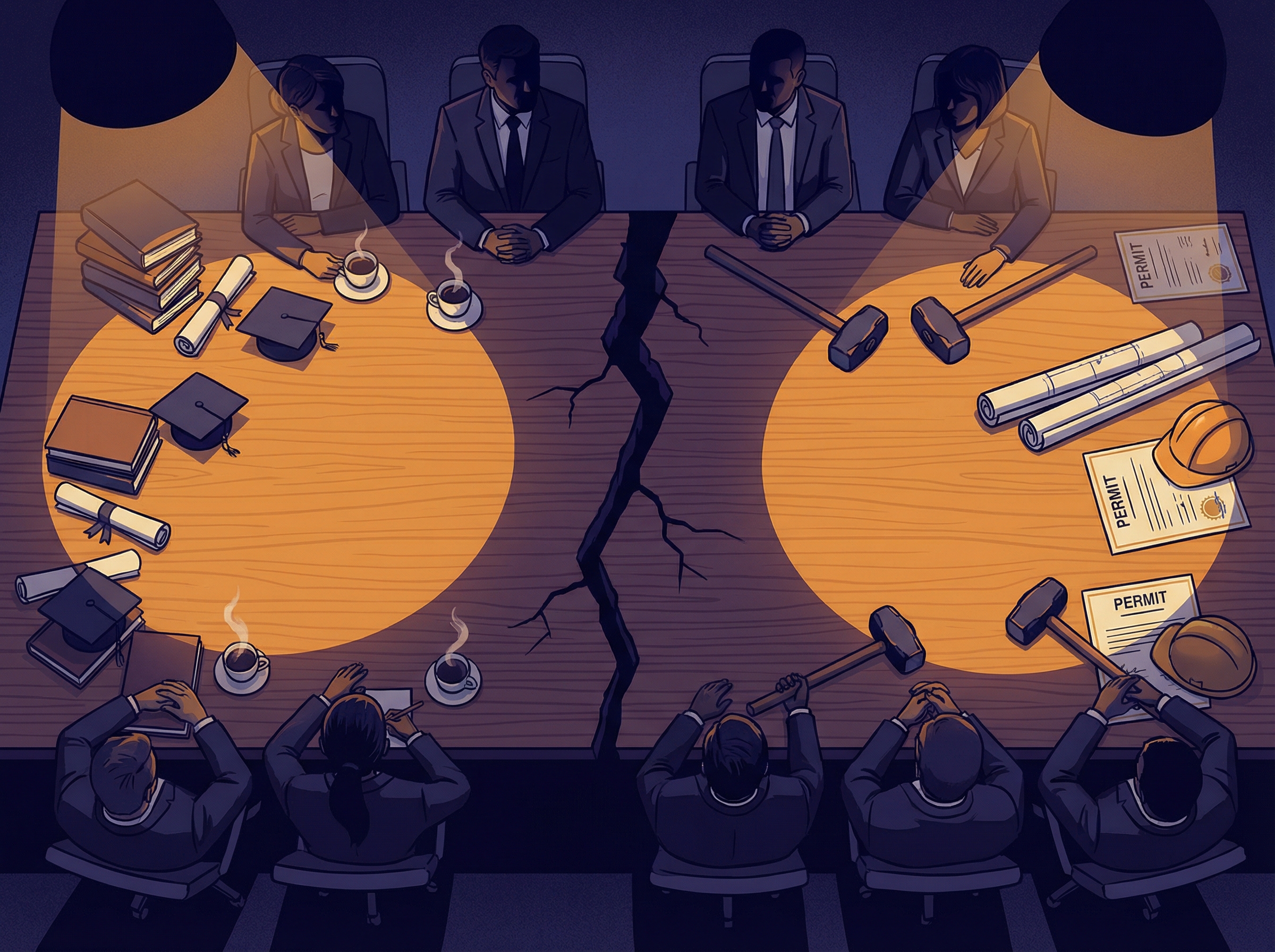
University reform meeting table seen from above with a visible crack splitting two factions
04

The Reformers Turn on Each Other

The university-reform movement is splintering. Len Gutkin's analysis in The Chronicle traces the growing divide between "classical liberals" who advocate for open inquiry and free speech, and the "hard right," whose goal has shifted from reforming institutions to dismantling them entirely.

The classical liberals wanted debate, viewpoint diversity, protection of controversial scholarship. They built organizations, funded centers, wrote manifestos about the marketplace of ideas. They believed higher education could be saved from within.

The hard right has different plans. Defund. Restrict. Eliminate tenure. Transfer authority to legislatures. For this faction, universities aren't institutions to reform—they're enemies to defeat.

"The people who said they wanted more debate are now allied with people who want to end debate entirely. That coalition can't hold."

This matters because the classical liberals provided intellectual cover for the hard right's political project. As that cover erodes, universities face pressure from activists who no longer pretend to share academic values—and from erstwhile reformers who realize they've been useful idiots.

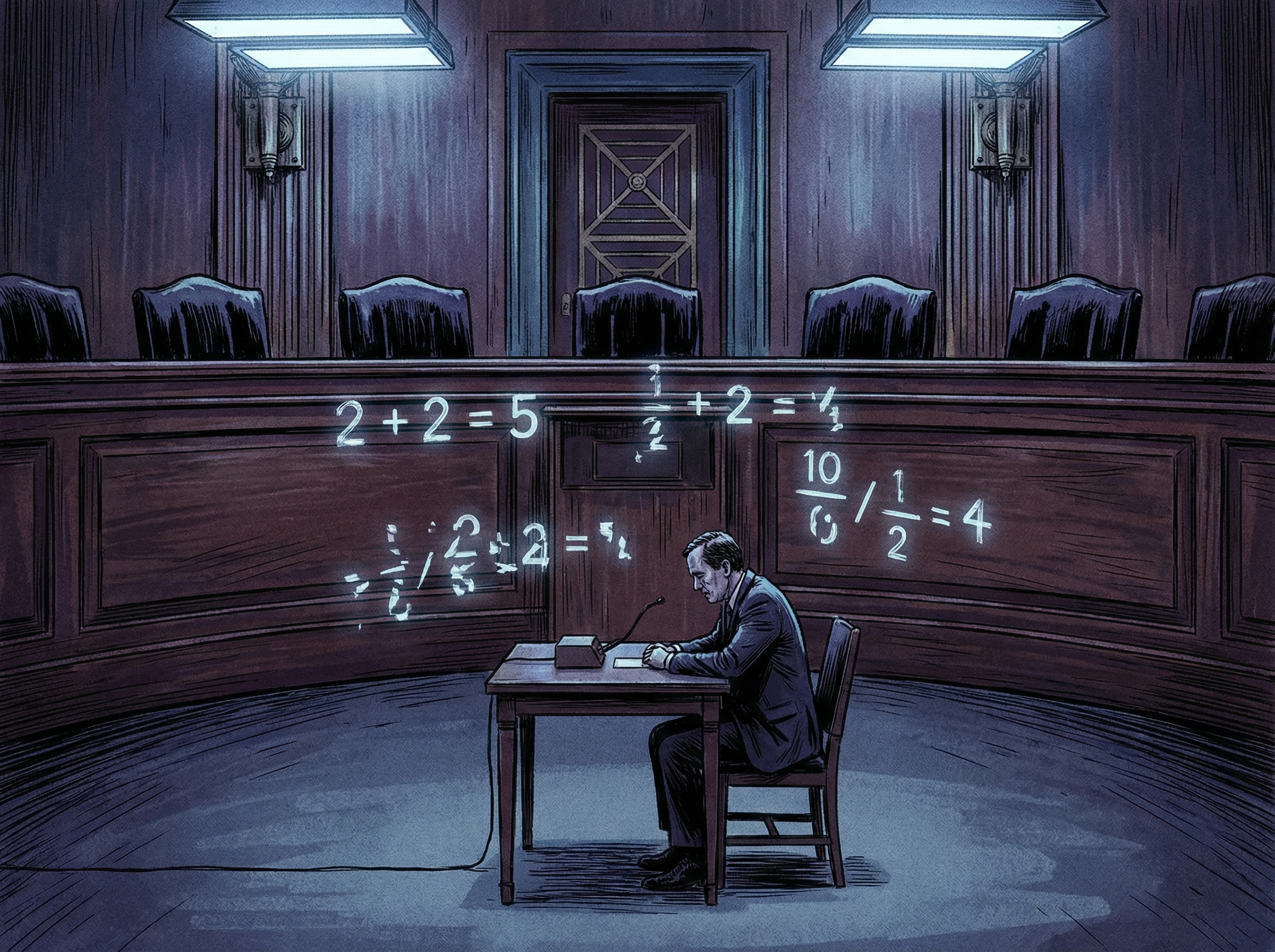
Congressional hearing room with university president at witness table, mathematical equations floating between them
05

Congress Asks: Can Your Students Do Math?

Congressional hearings on higher education usually focus on culture-war flashpoints: DEI, free speech, Israel-Palestine. This week's hearing took a different tack. Lawmakers grilled university leaders about basic academic competency—specifically, why students can't do math.

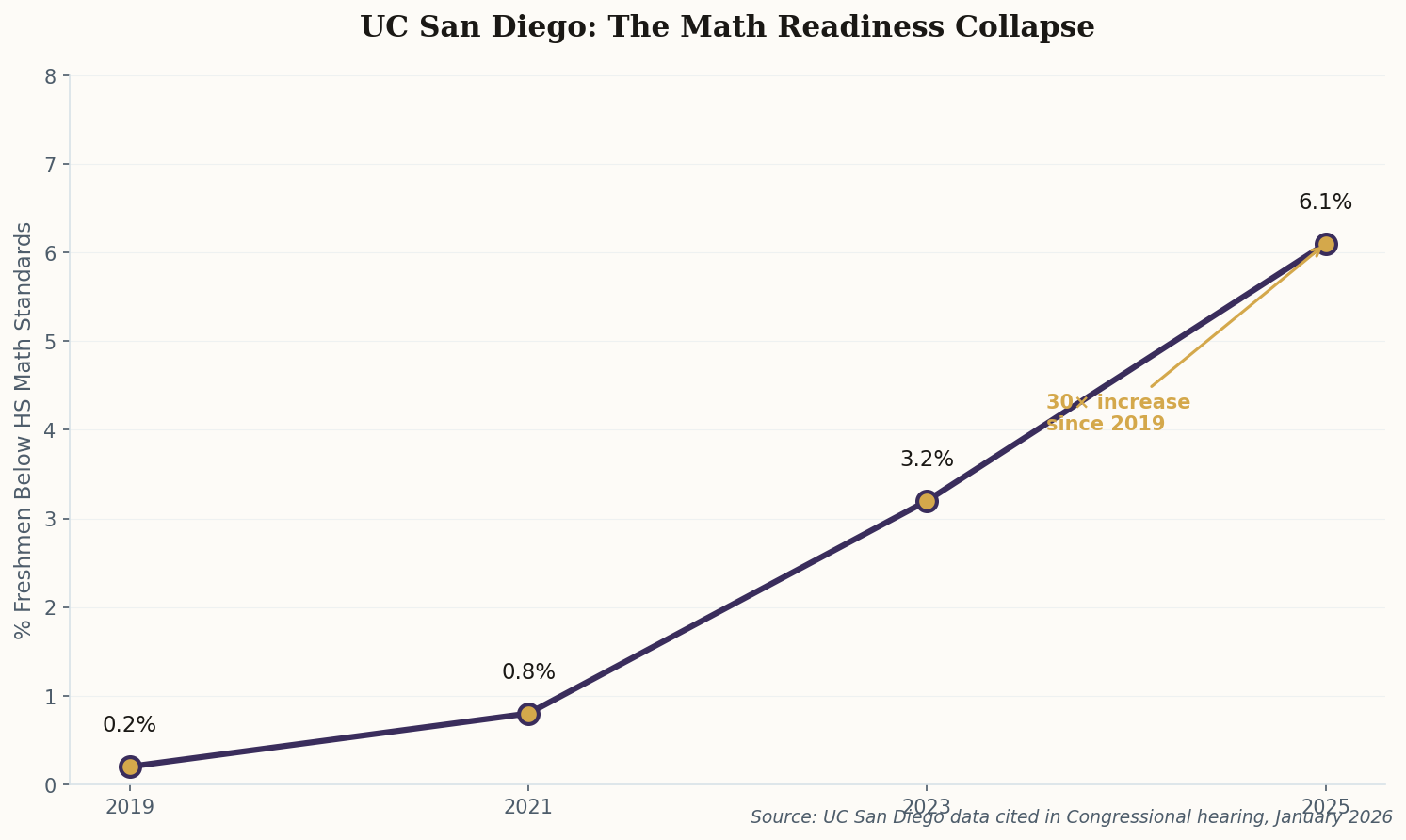
The trigger was a viral report from UC San Diego showing a thirtyfold increase in freshmen failing to meet high-school math standards. The data is genuinely alarming.

Line chart showing percentage of UC San Diego freshmen below high school math standards: 0.2% in 2019 rising to 6.1% in 2025
UC San Diego's math readiness crisis: 30x increase in under-prepared freshmen since 2019

The hearing's implicit argument: if students arrive unprepared and graduate anyway, what exactly is the degree certifying? This shifts the critique from ideology to value proposition. It's harder to defend than most culture-war attacks—because the numbers are real.

The risk: Competency-based critiques could justify credential inflation, micro-credentialing, or alternative pathways that bypass traditional institutions. If universities can't demonstrate they're adding value, someone else will offer to.

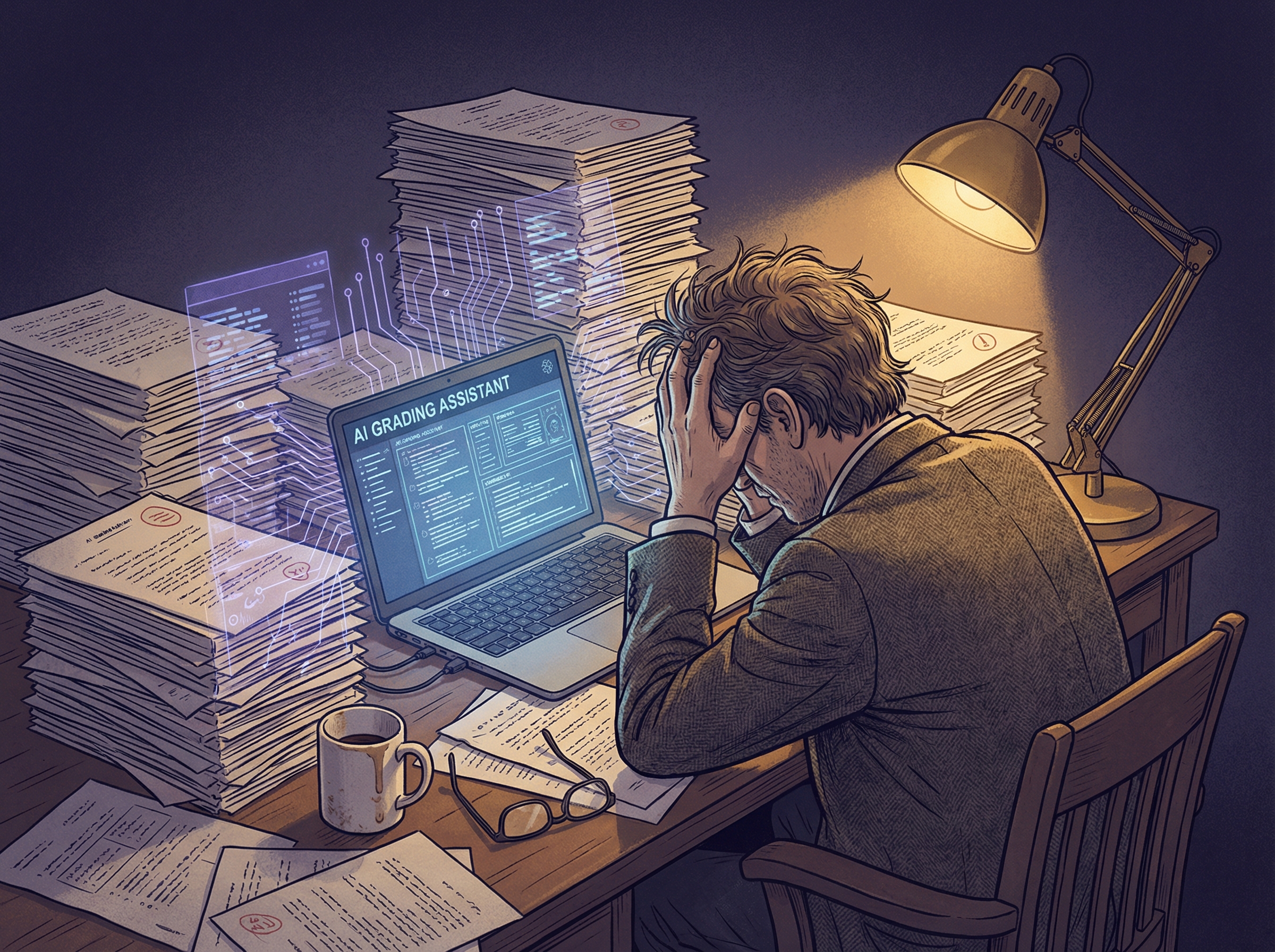
Exhausted professor at desk surrounded by papers, laptop glowing with AI interface, head in hands
06

The AI Exhaustion Report

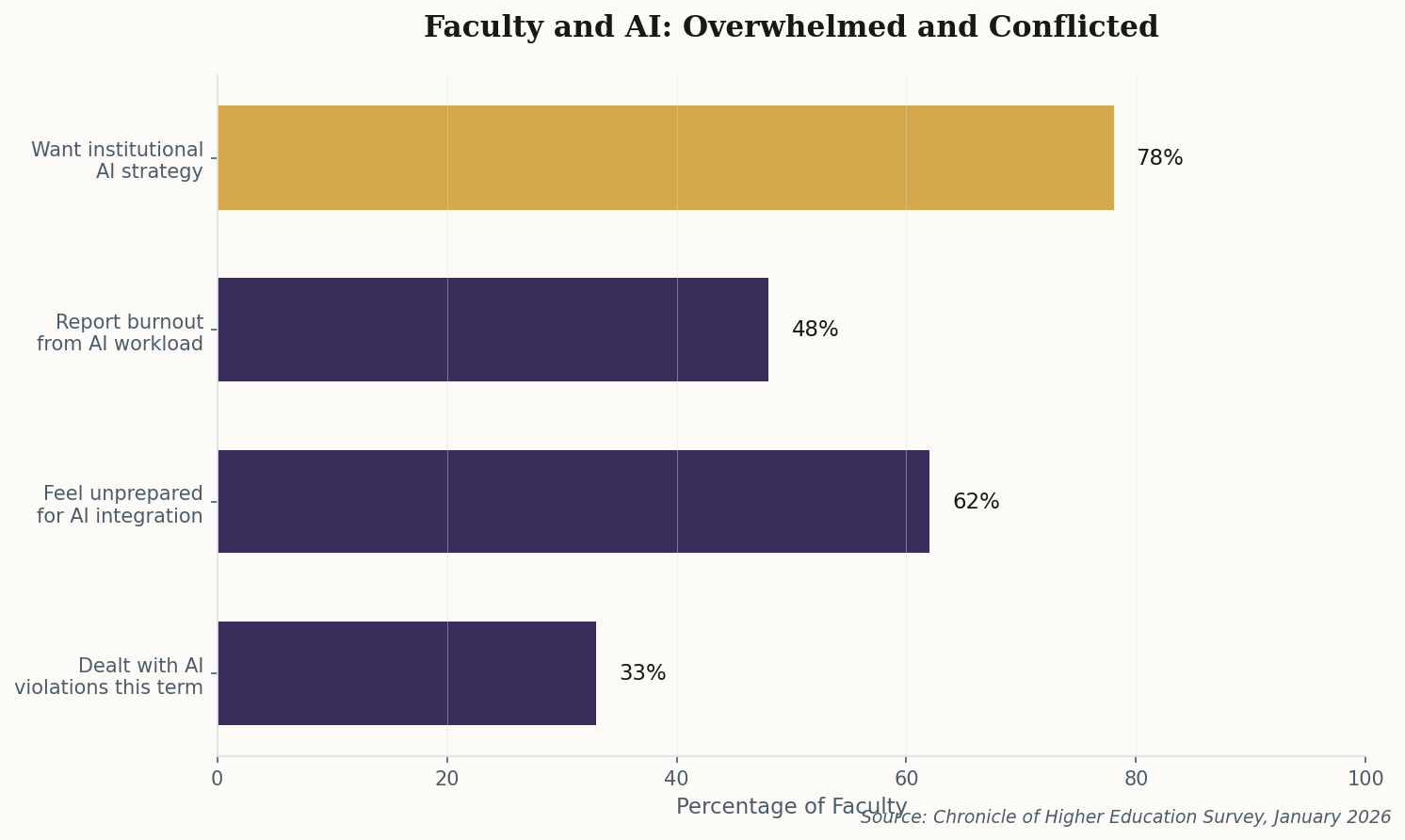
Beth McMurtrie's latest report confirms what faculty have been saying in hallways and on social media: AI isn't just a pedagogical challenge. It's an exhaustion crisis. One-third of faculty surveyed reported dealing with significant AI-related academic integrity violations this semester alone.

Horizontal bar chart showing faculty AI concerns: 78% want institutional AI strategy, 62% feel unprepared, 48% report burnout, 33% dealt with violations
Faculty are overwhelmed: most want institutional guidance they aren't getting

The numbers reveal a gap between faculty needs and institutional response. Nearly 80% want a coherent AI strategy from their university. Most feel unprepared for AI integration. Half report burnout specifically from AI-related workload.

"I'm spending more time trying to figure out if students wrote their papers than actually teaching them to write."

The exhaustion isn't just about cheating. It's about uncertainty—not knowing what's permitted, what's expected, how to redesign assignments, whether the tools they're learning will be obsolete in six months. Faculty are being asked to navigate a paradigm shift without maps, training, or time.

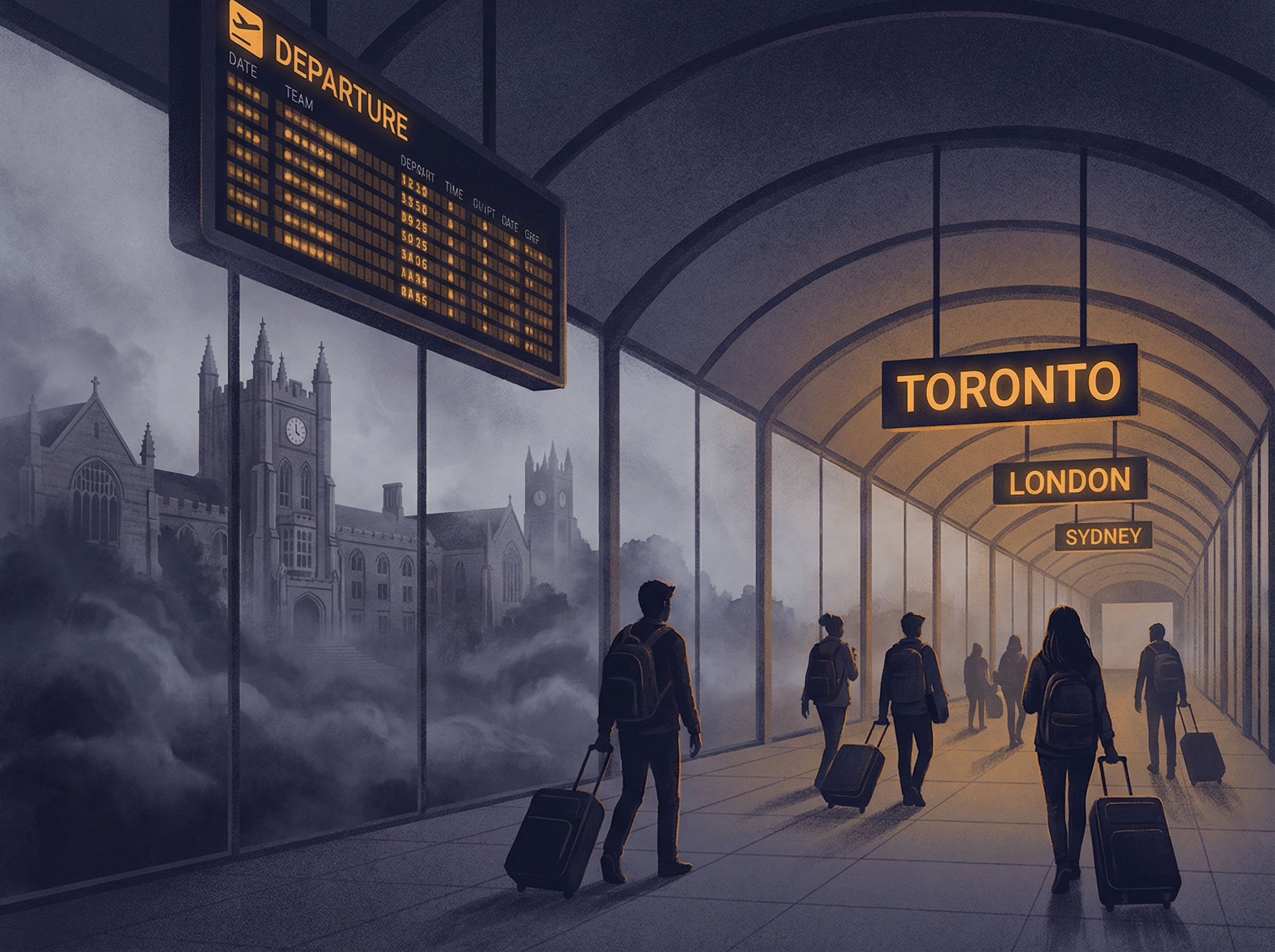
Airport departure terminal with silhouettes of students walking toward gates labeled Toronto, London, Sydney
07

The Pipeline Runs Dry

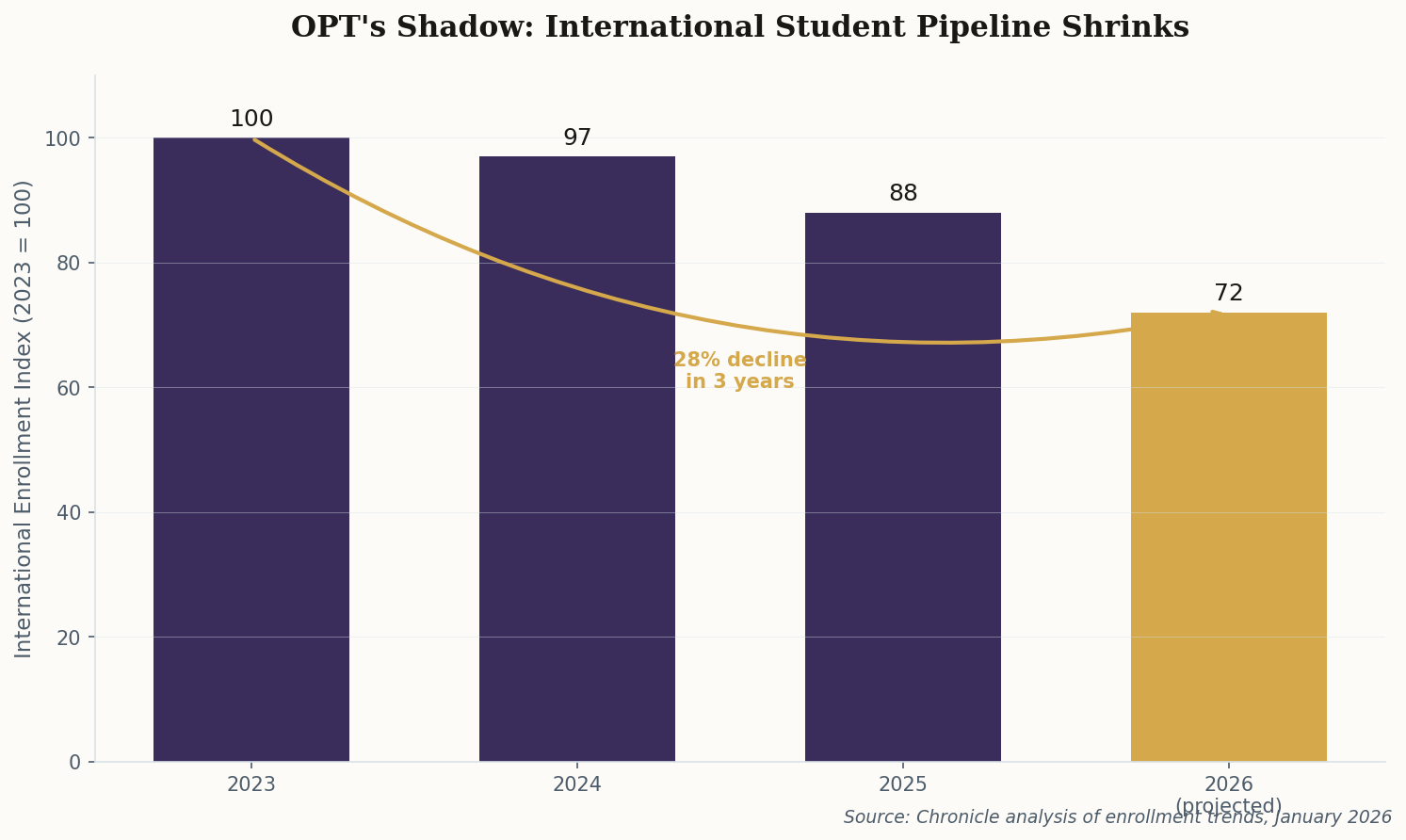
The Optional Practical Training program—which allows international graduates to work in the U.S. after completing their degrees—has long been one of America's most powerful recruitment tools for global talent. Students came for the education; they stayed for OPT. Now that pipeline is collapsing.

Bar chart showing international enrollment declining 28% from 2023 to projected 2026
OPT uncertainty is driving prospective students to competitors in Canada, UK, Australia

New restrictions and bureaucratic uncertainty around OPT are driving prospective students to universities in Canada, the UK, and Australia—countries that have been aggressively recruiting international talent while the U.S. makes itself less welcoming.

The math: International students contribute over $40 billion annually to the U.S. economy. Many research programs depend on international graduate students. The enrollment decline isn't just about tuition revenue—it's about whether labs can function, whether papers get published, whether innovation happens here or elsewhere.

Some of this is policy. Some is perception. Prospective students see the headlines—ICE on campus, visa restrictions, political hostility—and make rational decisions. By the time the damage is visible in enrollment numbers, the students have already gone elsewhere.

The Week Ahead

The stories this week share an unexpected throughline: the courts. A judge demanding evidence of non-retaliation. A ruling protecting remote accommodations. The implicit threat of credential-based regulation if competency questions go unanswered. Higher education has long operated in a space of institutional autonomy, buffered from direct legal intervention. That buffer is eroding. The academy's fights are increasingly being decided not by faculty senates or boards of trustees, but by judges interpreting statutes and legislators drafting new ones. Whether this juridification helps or hurts depends on who's bringing the cases—and who's writing the laws.