The Copier Company's Existential Bet
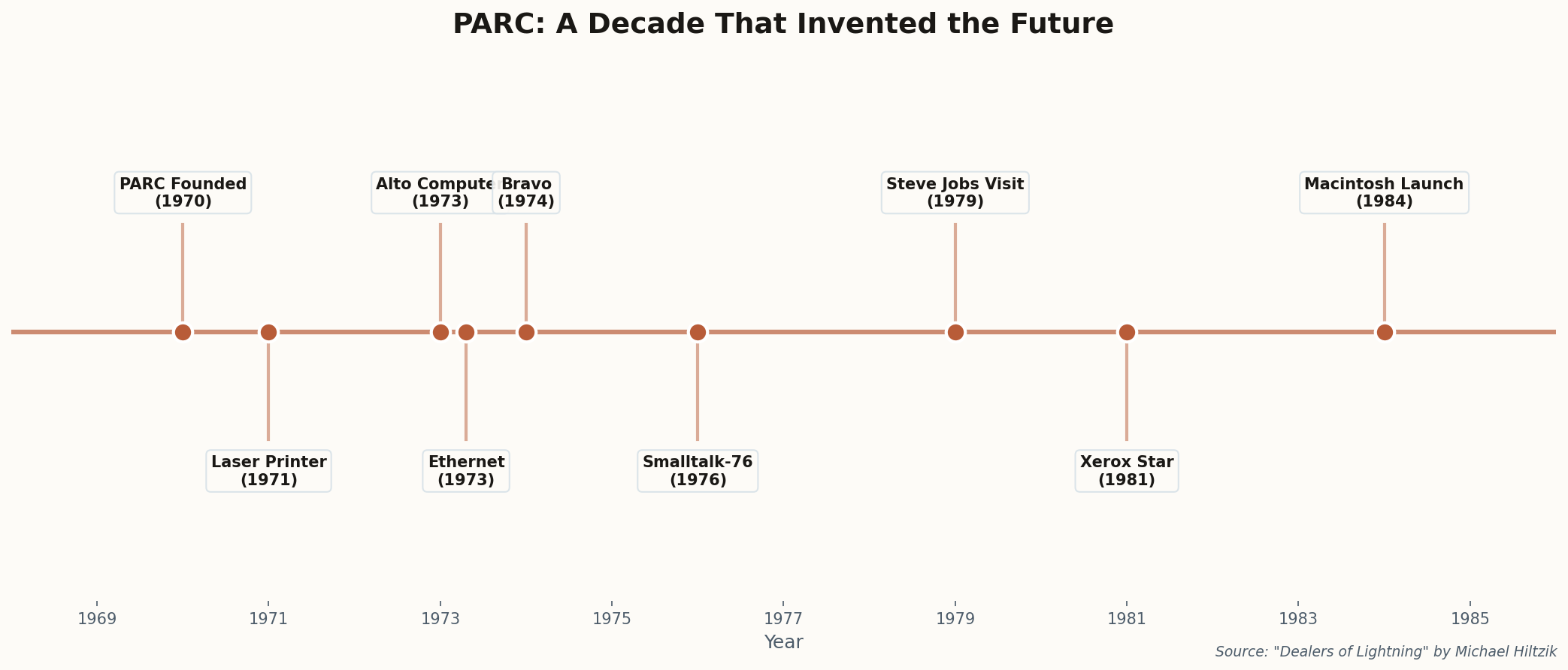
In 1969, Xerox CEO Peter McColough had a terrifying premonition: the paperless office. The company that had built an empire on copying documents suddenly realized that digital technology might make paper irrelevant. His response was audacious—pour money into inventing the future before it could destroy you.
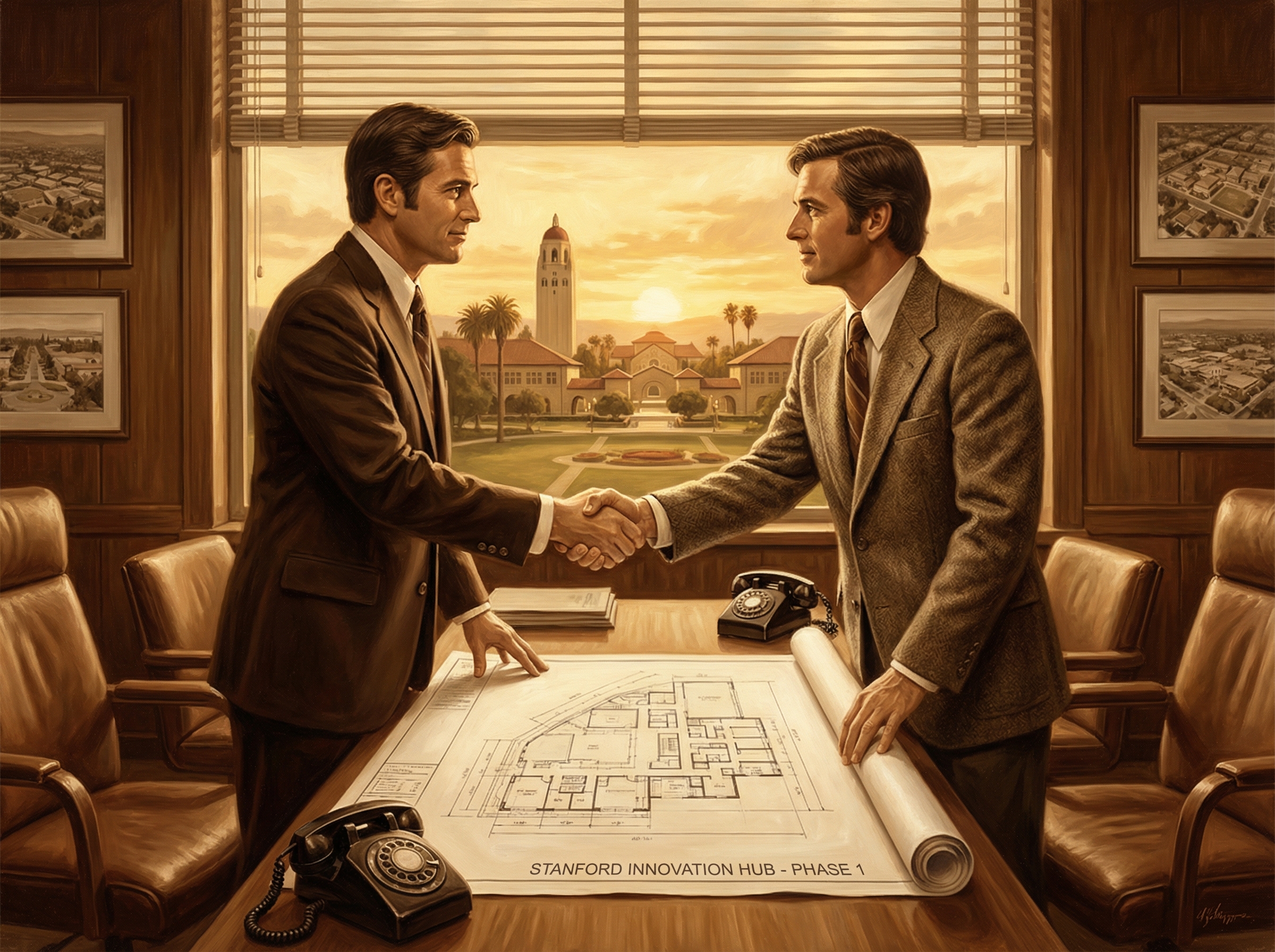
He tapped George Pake, a physicist from Washington University, to build something unprecedented: a corporate research lab with the intellectual freedom of a top university. They placed it 3,000 miles from Xerox's stifling Rochester headquarters, in the shadow of Stanford University. The Palo Alto Research Center—PARC—was born.
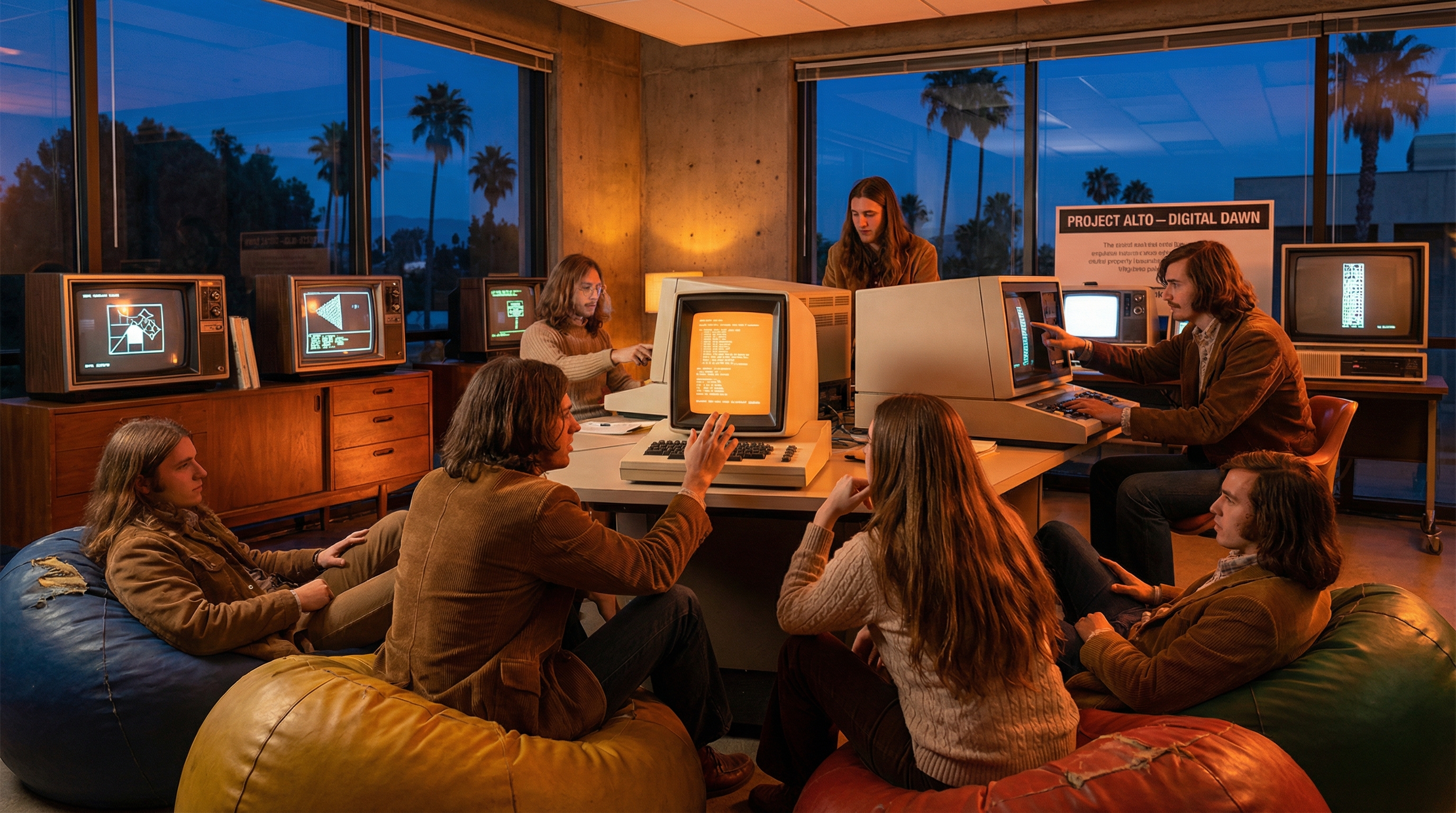
The culture Pake built was unlike any corporate environment of the era. Beanbag chairs replaced conference tables ("it's impossible to leap to your feet and denounce someone from a beanbag chair," noted Alan Kay). Researchers had near-unlimited budgets and zero commercial pressure. Friday "Dealer" meetings forced scientists to defend their ideas before brilliant, often ruthless peers. It was a hothouse for genius—and for expensive ideas that would never make Xerox a dime.