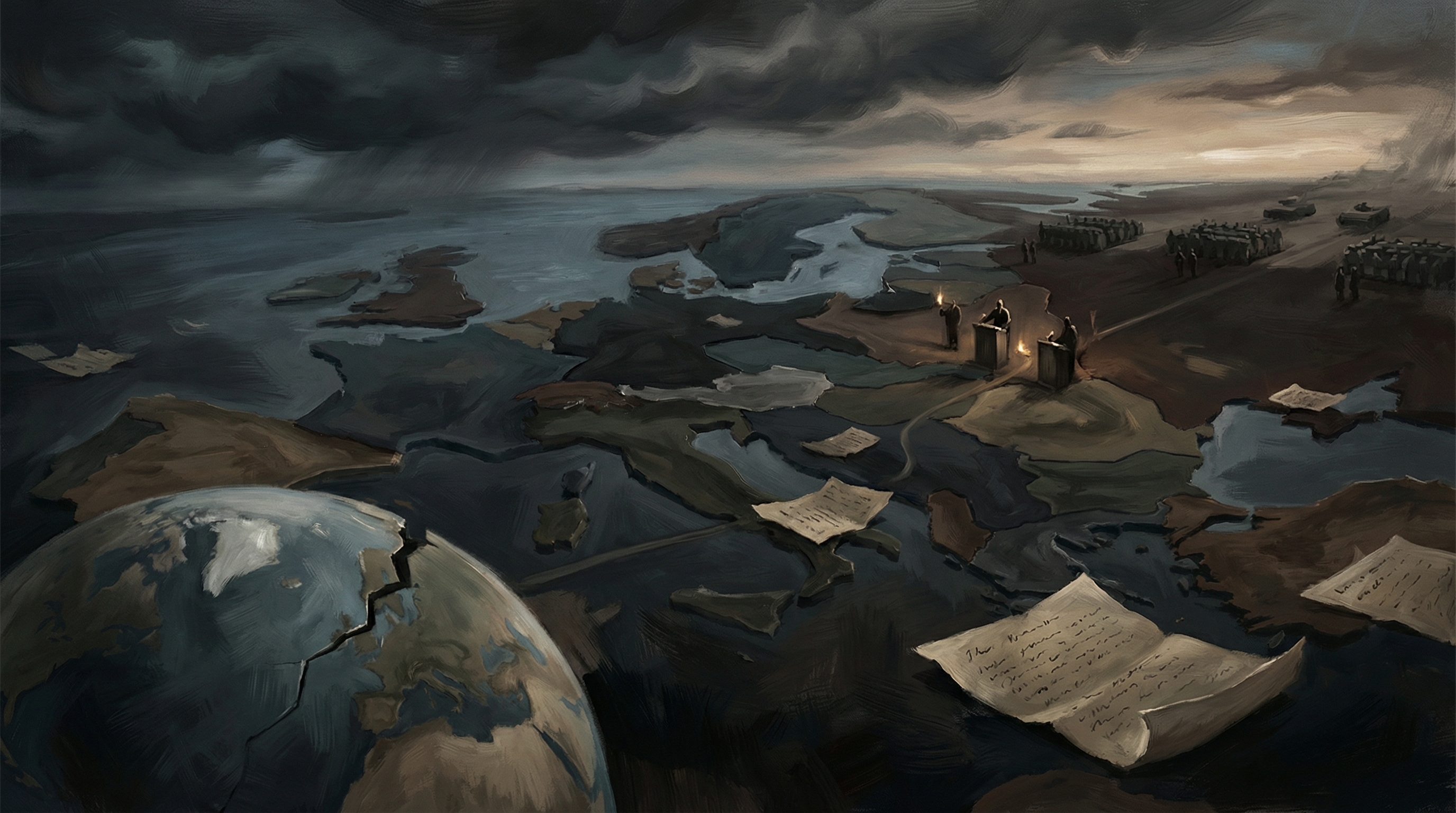
The Carthaginian Peace That Built a Time Bomb
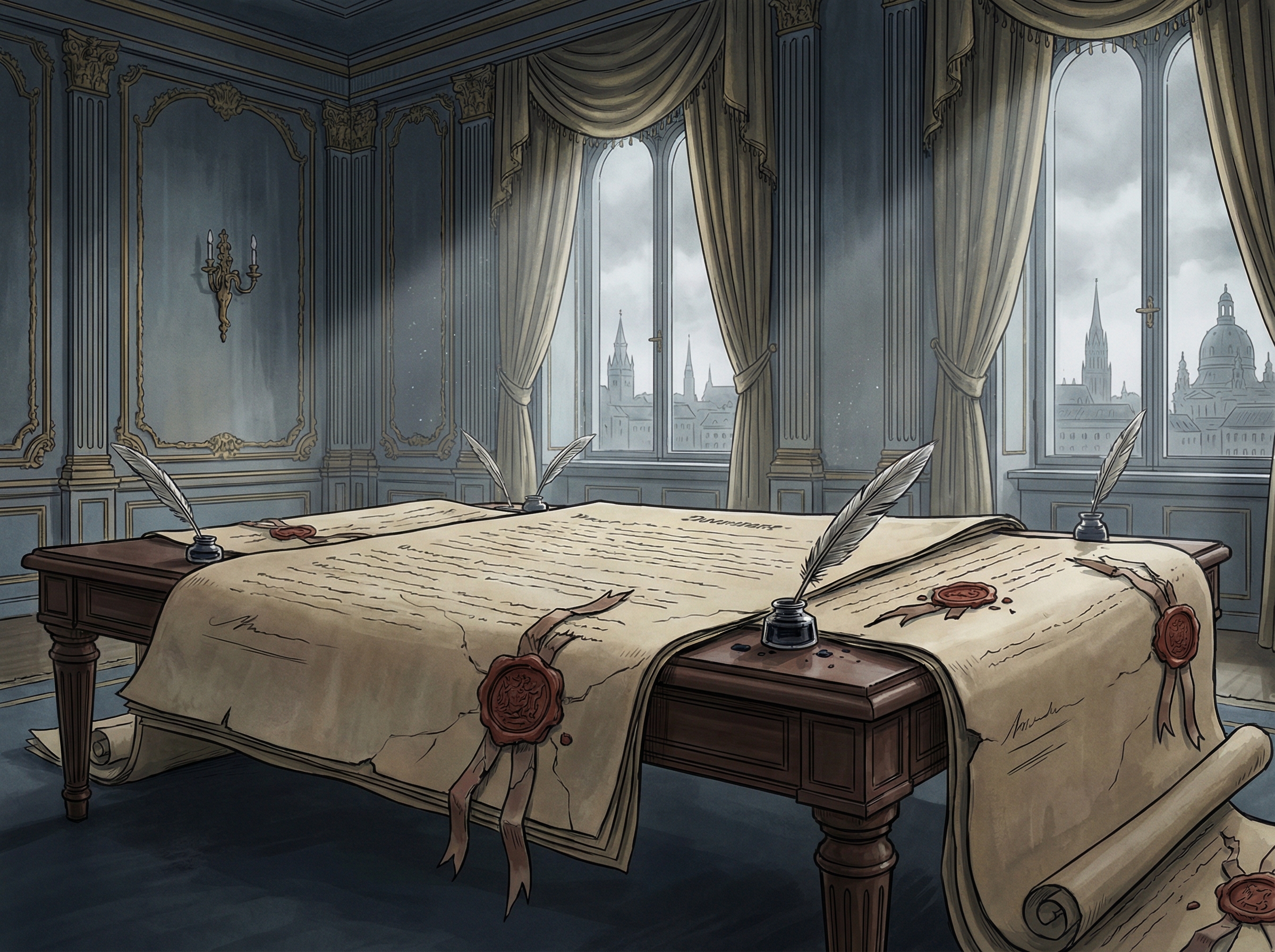
The war to end all wars produced a peace that guaranteed another one. When the Allied powers gathered at Versailles in 1919, they faced an impossible task: punish Germany enough to satisfy vengeful publics, yet leave it stable enough not to collapse into chaos. They failed on both counts.
Article 231 — the "War Guilt Clause" — forced Germany to accept sole responsibility for the war. It wasn't just a diplomatic formality. It was the legal foundation for reparations set at 132 billion gold marks (roughly $33 billion in 1921, equivalent to over $500 billion today). Germany lost 13% of its territory, 10% of its population, all overseas colonies, and was stripped to a military of just 100,000 men with no air force, no submarines, and a navy of six battleships.
The economist John Maynard Keynes, who attended the conference as a British Treasury representative, quit in disgust and published The Economic Consequences of the Peace within months. His warning was prophetic: "If we aim deliberately at the impoverishment of Central Europe, vengeance, I dare predict, will not limp." Clemenceau wanted security. Wilson wanted idealism. Lloyd George wanted votes. The compromise satisfied no one and enraged an entire nation.
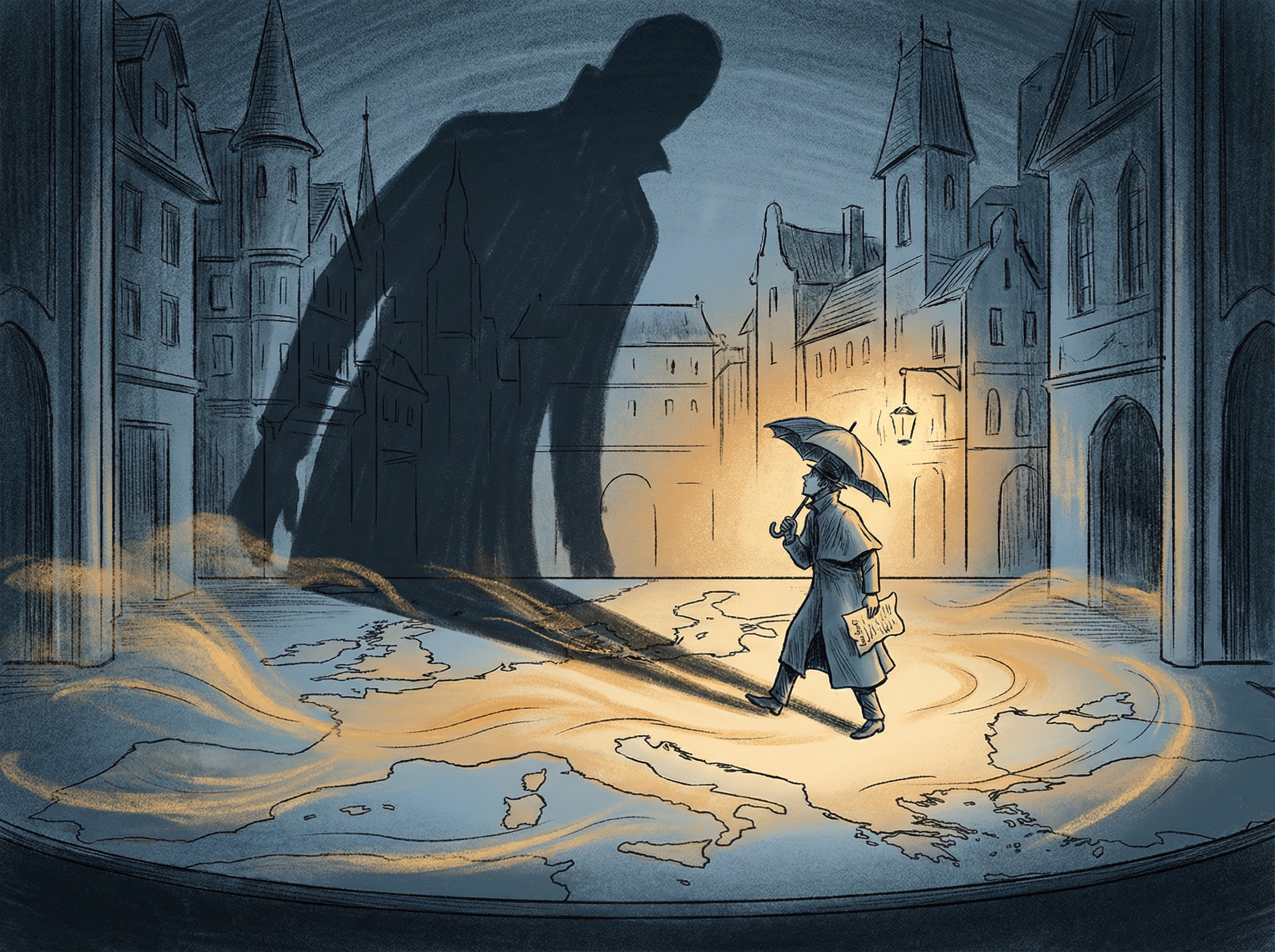
The so-what here is structural: Versailles created a Germany that was humiliated but not destroyed, weakened but not incapacitated, resentful but not incapable of rebuilding. That combination — wounded pride plus latent industrial power — was a detonator waiting for a spark.