
Swift Programming Language

The Bird That Learned to Fly Everywhere

Swift's twelve-year journey from Apple's proprietary app language to a cross-platform systems programming powerhouse challenging C++ on its home turf.

Listen
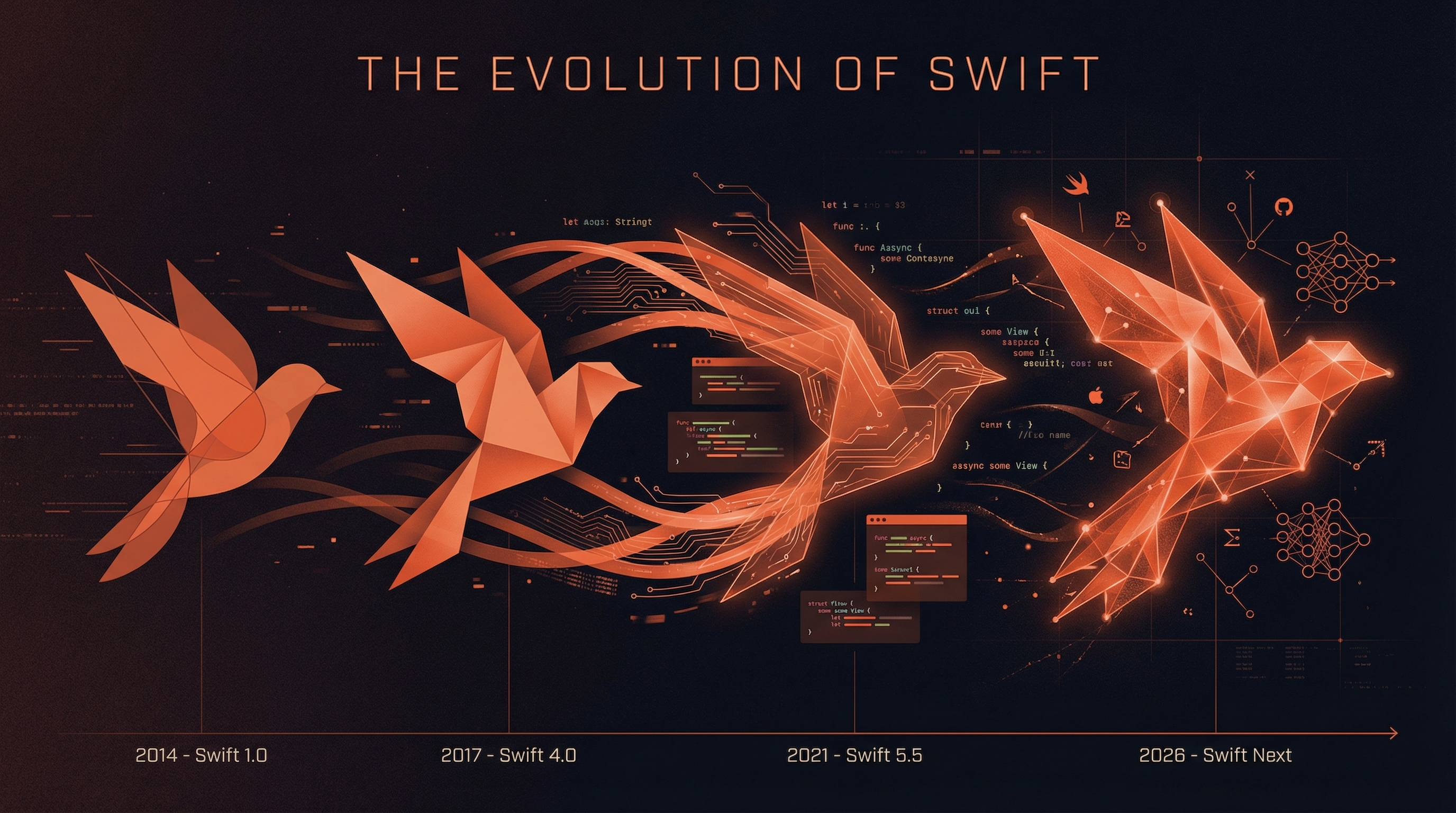
Swift programming language evolution visualization showing an orange swift bird transforming through time
FreeBSD daemon alongside Swift bird, representing Unix heritage meeting modern language
01

Swift's Unix Homecoming: FreeBSD Gets Official Support

When Apple announced Swift in 2014, the idea of running it on FreeBSD—the operating system that powers Netflix's streaming infrastructure and Sony's PlayStation—would have seemed absurd. Swift was for iPhones and Macs, full stop.

That mental model is now officially obsolete. The Swift Server Workgroup has signaled that 2026 will see officially supported binary builds for FreeBSD, completing Swift's journey across the major Unix-like operating systems. This isn't academic curiosity; it's strategic positioning. FreeBSD dominates in network appliances, high-security server environments, and embedded networking gear where Linux's GPL licensing creates headaches.

The move also signals something subtler: Swift is no longer fighting to escape Apple's orbit—it's building its own gravity. When your language runs on macOS, iOS, Linux, Windows, and now FreeBSD, you're not a platform-specific tool anymore. You're a genuine alternative to C++ for systems work. That's the real prize here.
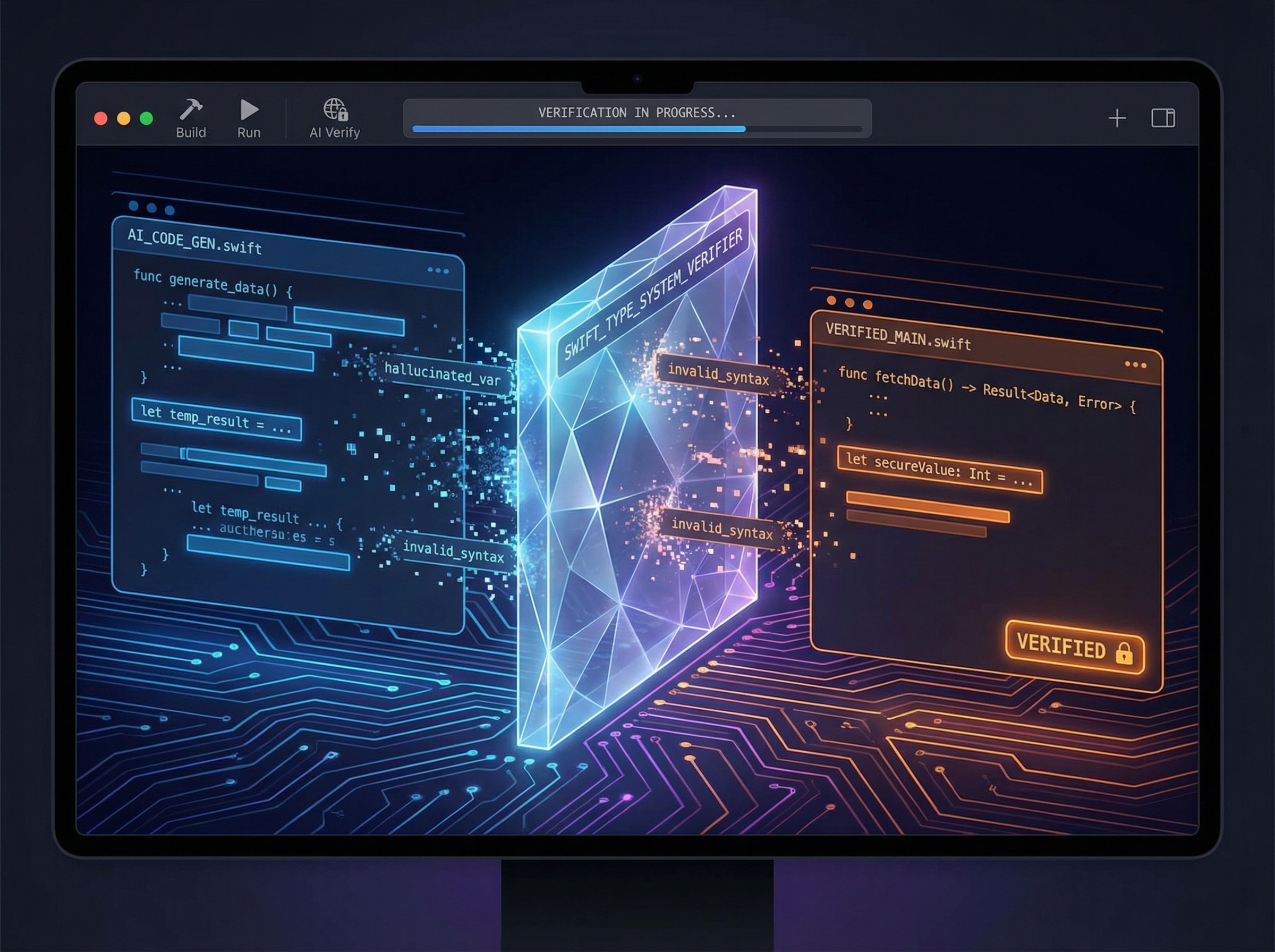
Xcode interface with AI code being filtered through Swift type system
02

Xcode 17's Secret Weapon: Using Swift to Verify AI-Generated Code

Here's a competitive advantage that Python and JavaScript developers simply cannot replicate: Xcode 17 will reportedly use Swift's compiler as a real-time filter for AI code suggestions, catching hallucinations before they reach your editor.

The logic is elegant. When an AI coding assistant suggests let result = fetchUser(id: "abc"), Swift's type checker can instantly verify whether fetchUser exists, whether it accepts a string parameter, and whether the return type matches the assignment. In dynamically typed languages, these errors only surface at runtime—often in production. In Swift, they die in the editor before you ever see them.

This matters because AI coding tools are becoming default infrastructure, not optional add-ons. If Swift developers get fewer broken suggestions and faster iteration cycles, that's a genuine productivity moat. Apple is essentially turning Swift's notorious strictness—often criticized as "fighting the compiler"—into a feature that other ecosystems can't easily copy.

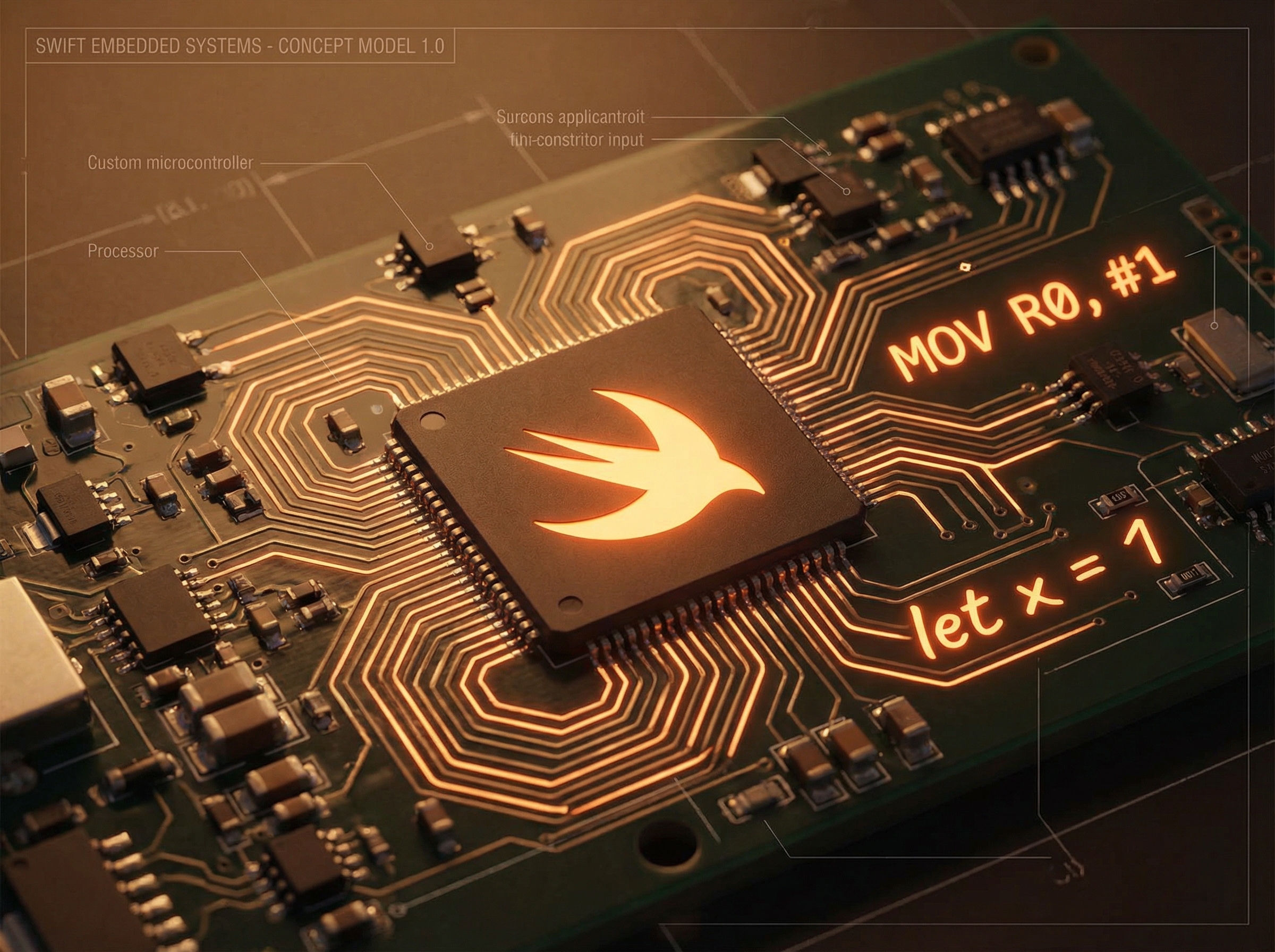
Microcontroller circuit board with Swift orange glowing traces
03

Swift 6.3 Graduates Embedded Swift from Experiment to Production

The upcoming Swift 6.3 release marks a pivotal transition: Embedded Swift is graduating from experimental curiosity to production-ready toolchain. The headline features—pure-Swift floating-point printing for microcontrollers, the new @c attribute for C-compatible function exports, and @section for precise linker control—reveal a language finally speaking fluent embedded.

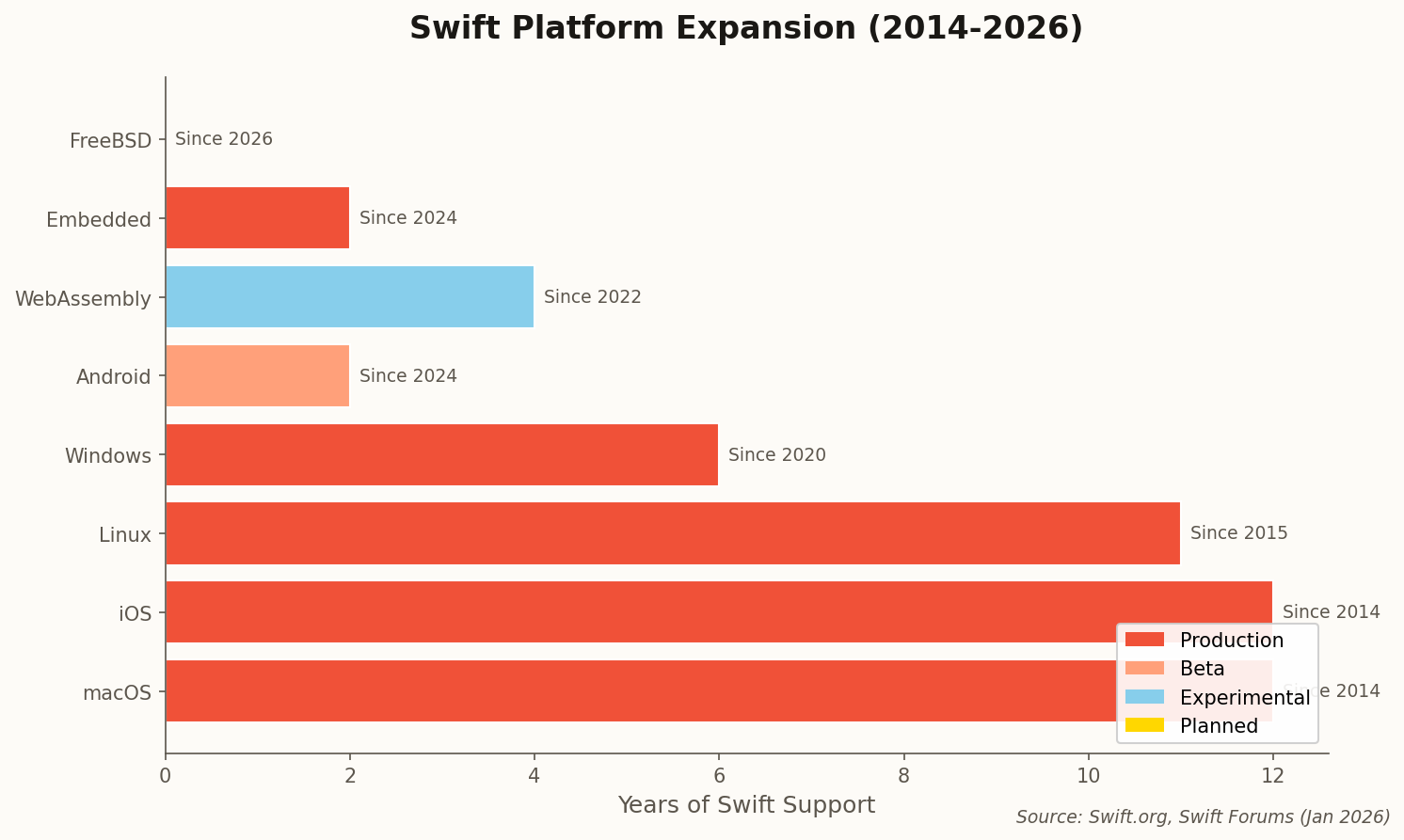
Chart showing Swift platform expansion from 2014-2026
Swift's platform expansion: from Apple-only to 8 supported platforms in 12 years

Why does this matter? Safety-critical embedded systems—medical devices, automotive controllers, aerospace components—have been C and C++ territory for decades. The reasoning was simple: you need predictable memory layout, no garbage collection, and direct hardware access. Swift now offers all three, plus memory safety guarantees that C literally cannot provide.

"Swift is positioned to become the default choice for safety-critical embedded systems by the end of the year," according to recent Swift.org communications. That's not marketing hyperbole—it's a technical claim backed by enhanced LLDB debugging specifically tuned for embedded targets. When your language can debug microcontrollers as smoothly as iPhone apps, you're playing in a different league.

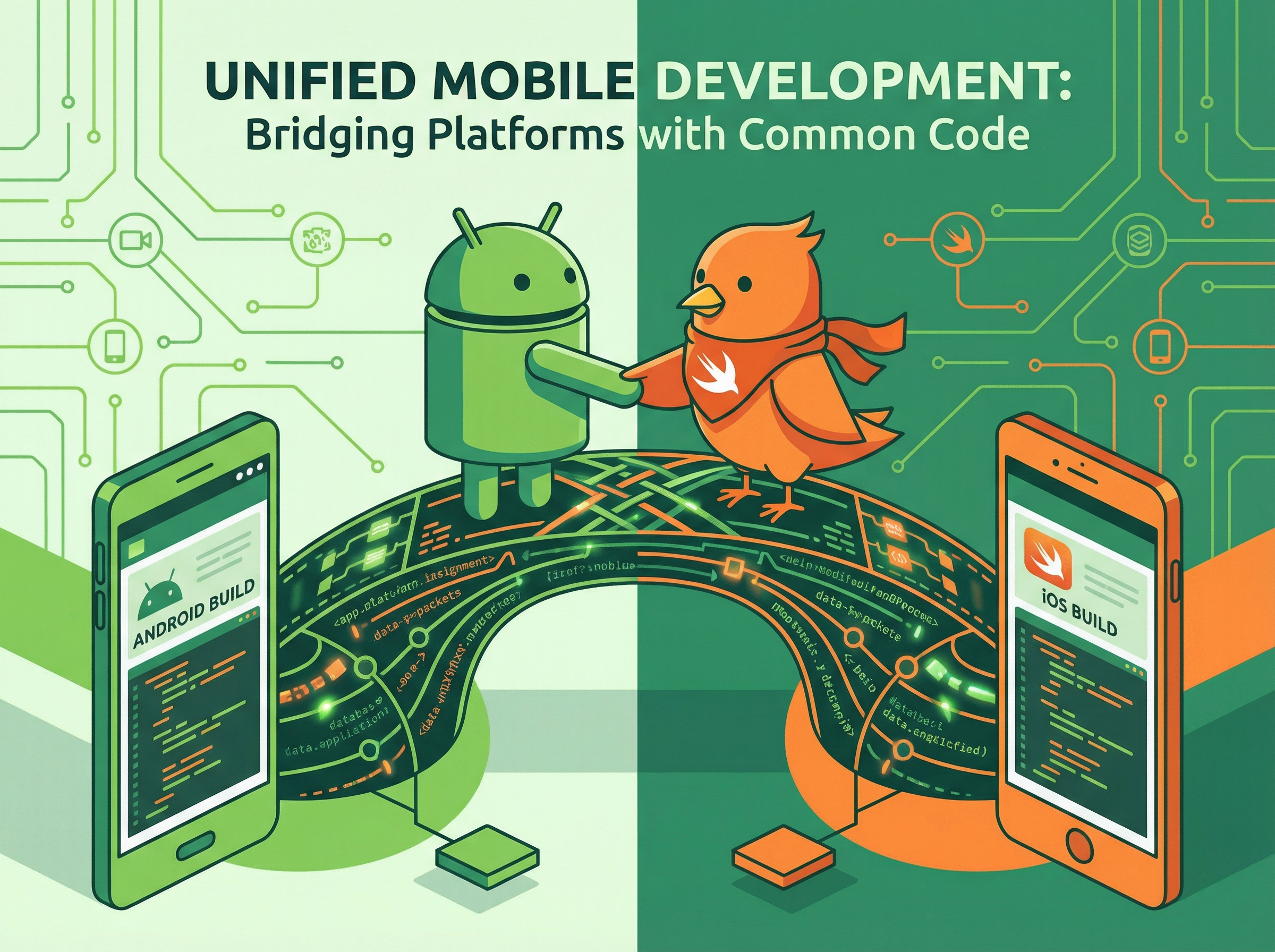
Android robot and Swift bird across a bridge of code, unified mobile development
04

Swift on Android: The Cross-Platform Dream Gets Real

The Swift on Android Workgroup has laid out a roadmap to production-ready SDK status by Q3 2026. The current focus: full LLDB debugger support and a dedicated Android Studio plugin that makes Swift feel native to the Android development experience.

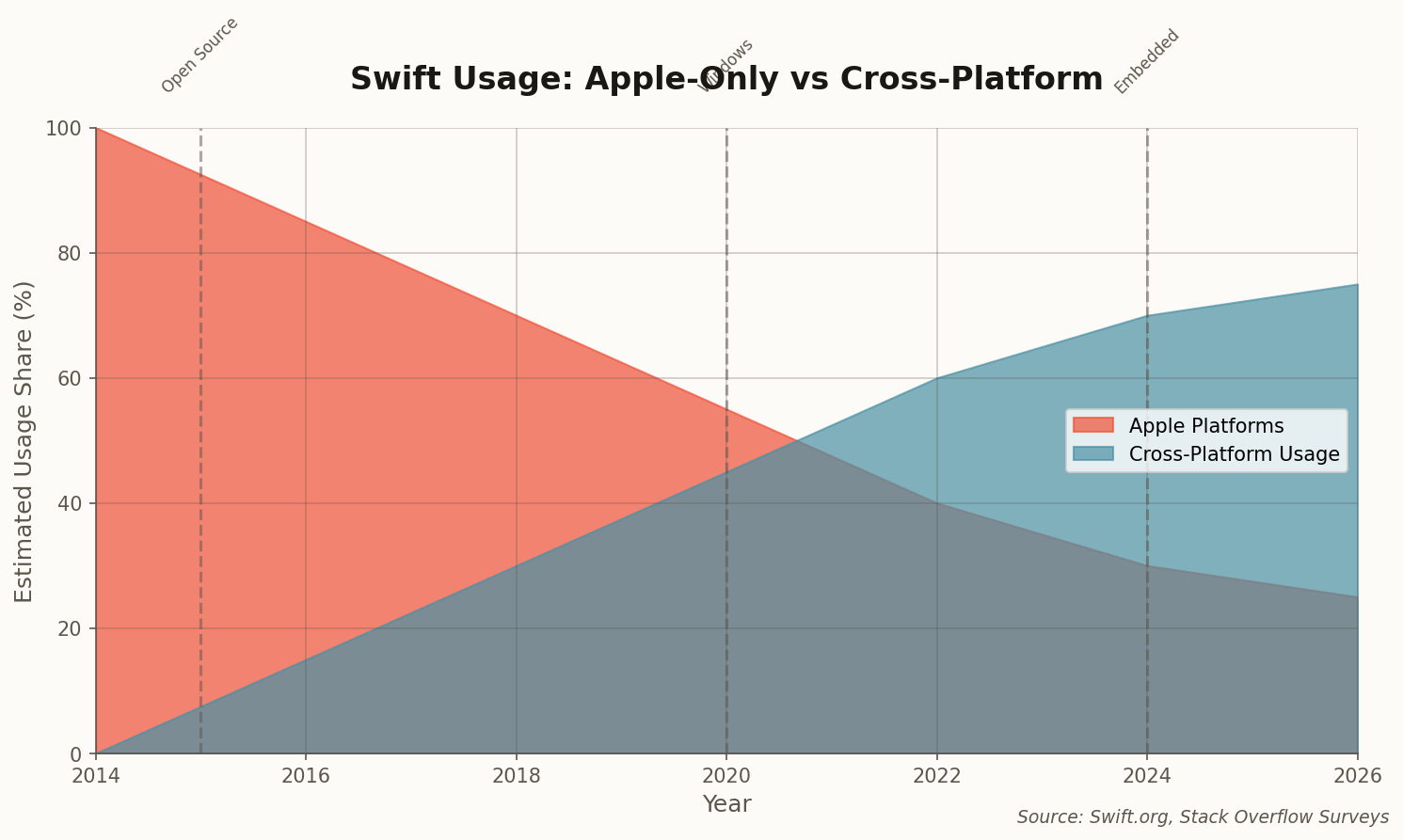
Chart showing Swift's evolution from Apple-only to cross-platform usage
Estimated Swift usage share: Apple platforms vs cross-platform (2014-2026)

This is the dream scenario that Kotlin Multiplatform and Flutter have been chasing: write your business logic once, deploy it everywhere. The difference is that Swift now runs natively on both iOS and Android, without an intermediate runtime or bridge layer adding latency and complexity.

For engineering teams, the calculus changes dramatically. Instead of maintaining parallel Swift and Kotlin codebases for shared logic, or betting on cross-platform frameworks that may not survive the next Google I/O keynote, you can standardize on one language that Apple controls but Google accepts. That's a rare alignment of corporate interests, and teams should take advantage while it lasts.

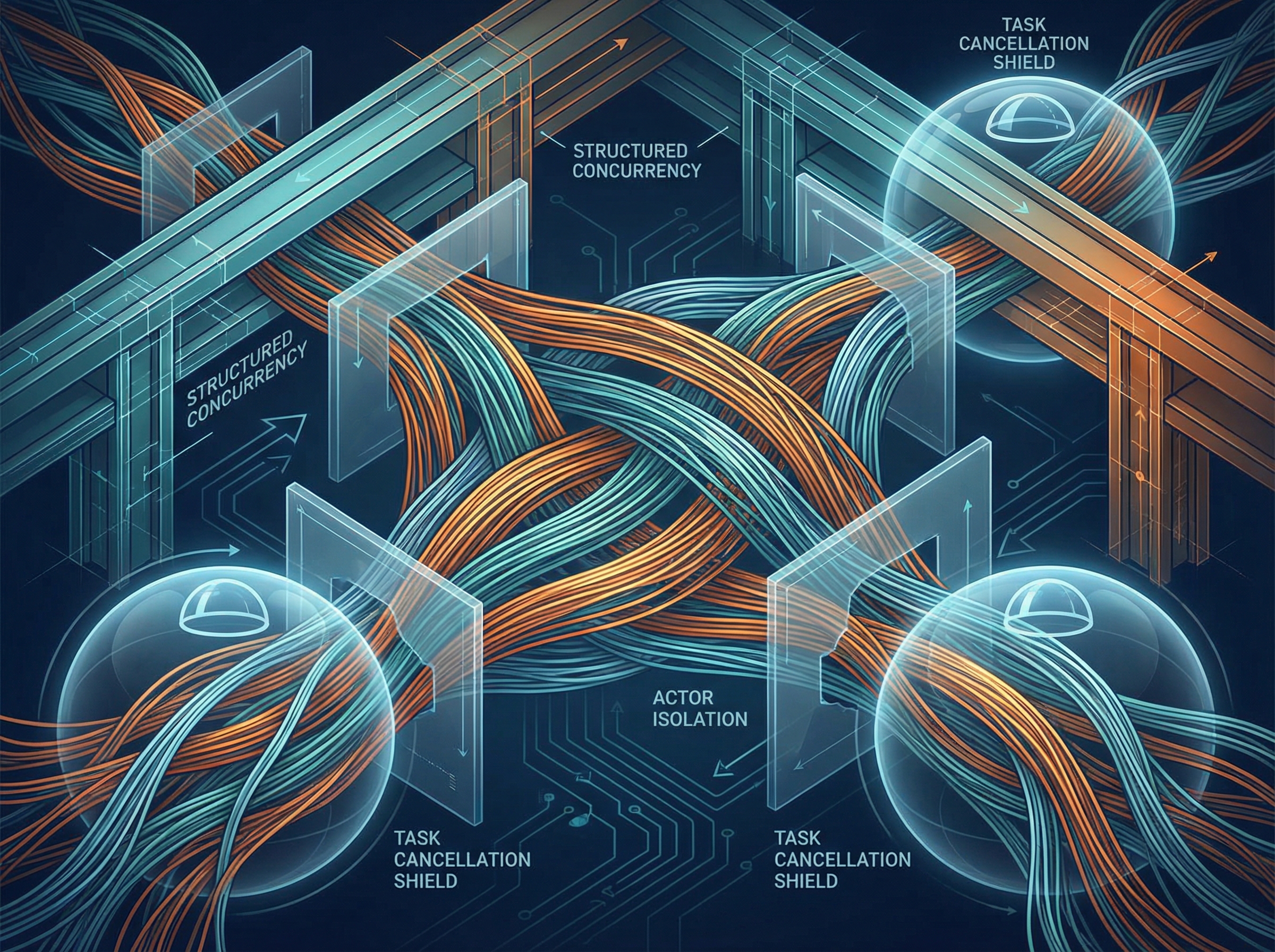
Abstract visualization of concurrent tasks weaving through actor isolation barriers
05

Concurrency Gets Refined: Task Shields and Custom Executors

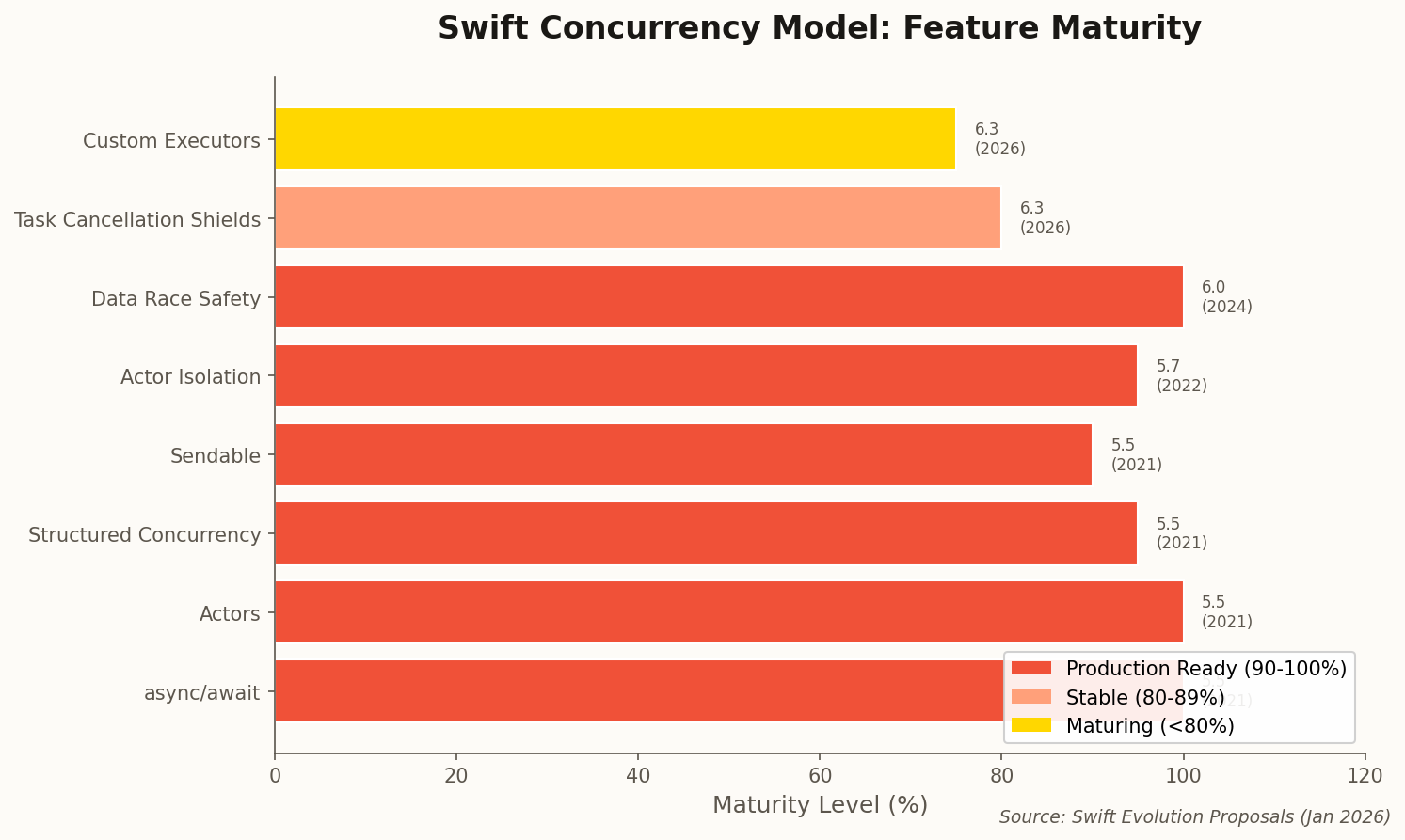
Two proposals currently in review reveal how mature Swift's concurrency model has become. SE-0504 (Task Cancellation Shields) addresses a subtle but critical problem: what happens when a task gets cancelled while it's cleaning up resources? The answer, previously, was "undefined behavior that causes production crashes." The new shields protect critical cleanup operations from abrupt cancellation.

Chart showing Swift concurrency feature maturity levels
Swift concurrency model maturity by feature (Swift 5.5 to 6.3)

SE-0505 (Delayed Enqueuing for Executors) is even more specialized—a low-level improvement for custom executor implementations that matters enormously for server-side Swift. "Protecting resource cleanup during task cancellation is critical for server-side Swift robustness," notes the proposal. When you're handling thousands of concurrent connections, these edge cases aren't academic.

These proposals show Swift's concurrency story moving beyond the "async/await is here!" phase into the "let's make this bulletproof for real workloads" phase. It's the kind of incremental refinement that separates production-ready languages from interesting experiments.

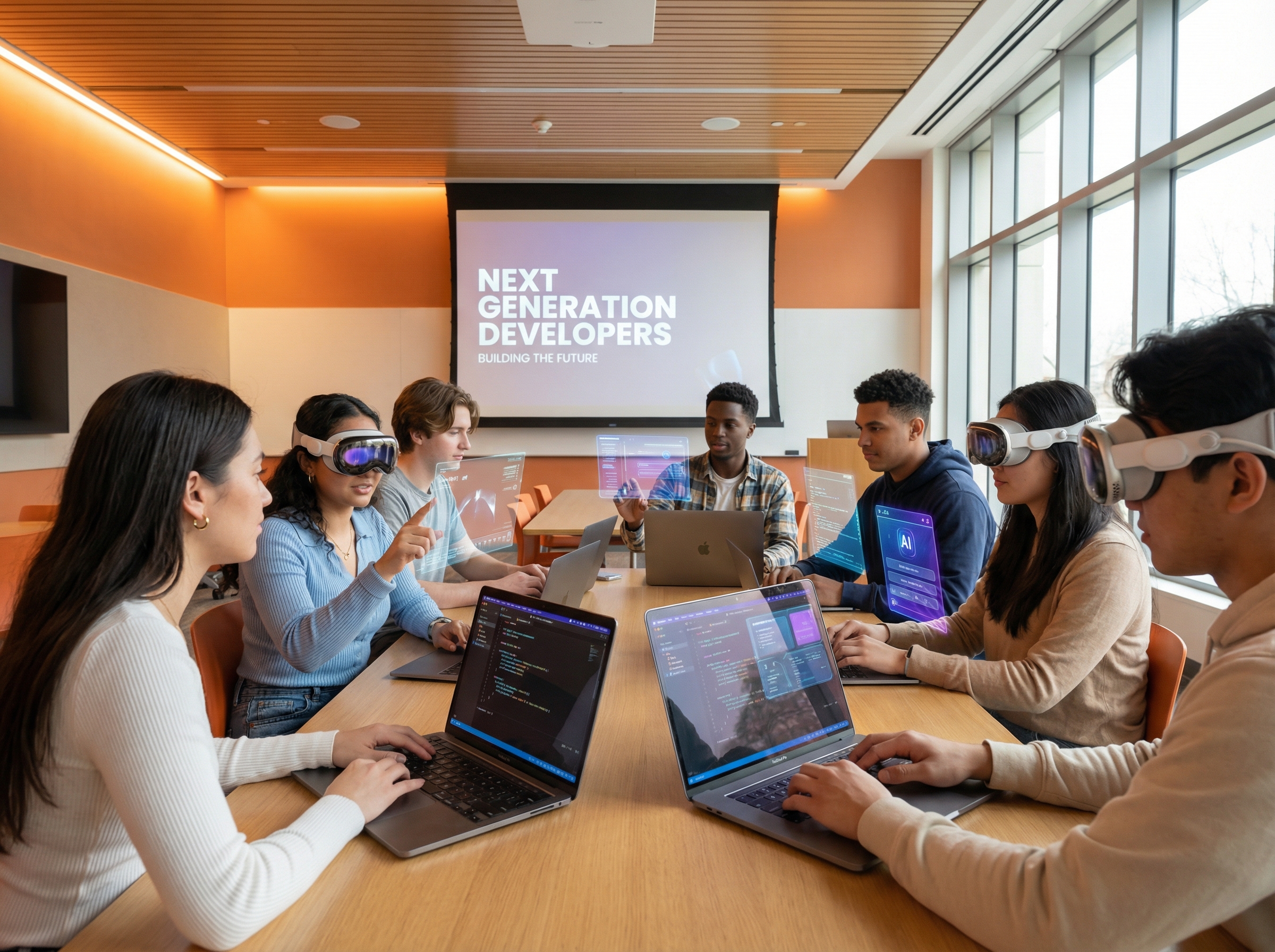
Young students coding with Swift on MacBooks, spatial computing and AI elements around them
06

The Next Generation: Swift Student Challenge Opens

The Swift Student Challenge is back, with 2026 themes emphasizing "Spatial Computing" and "On-device Intelligence." These aren't arbitrary buzzwords—they're Apple's bets on where computing goes next, and they're training the next generation of developers to think that way.

The Student Challenge matters because it's Apple's primary talent pipeline. Every year, hundreds of students worldwide learn Swift not from tutorials but from building ambitious apps with deadline pressure and real feedback. The winners get WWDC scholarships; the losers get portfolio pieces and Swift skills. Either way, the ecosystem grows.

The spatial computing emphasis is particularly telling. Vision Pro needs developers who think in three dimensions by default. Training students on spatial thinking now means better visionOS apps in three to five years. Apple is planting seeds, and they're using Swift as the medium.

TIMELINE

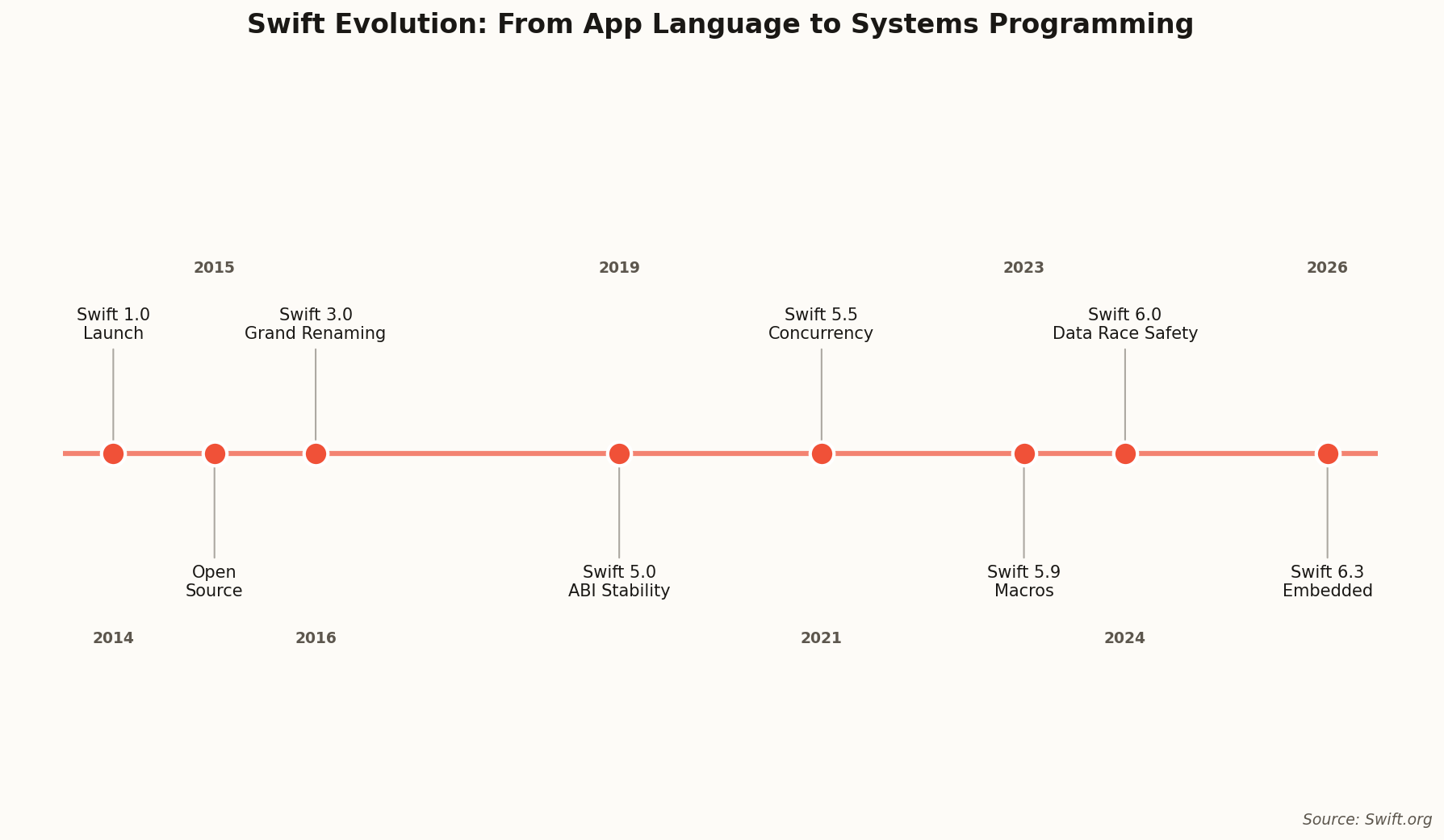
Swift's Evolution: 2014 to 2026

Swift evolution timeline from 2014 to 2026
Major milestones in Swift's twelve-year journey from app language to systems programming

Looking at Swift's trajectory in aggregate reveals a deliberate strategy executed over a decade:

2014: Swift 1.0 launches as "Objective-C without the C"—a proprietary language for Apple platforms only.

2015: Open-sourcing and Linux port signal ambitions beyond Apple's walled garden.

2016: Swift 3.0's "Grand Renaming" prioritizes long-term design over backward compatibility—a painful but necessary reset.

2019: ABI stability in Swift 5.0 means the language can finally ship in the OS, reducing app sizes and guaranteeing binary compatibility.

2021: Native concurrency arrives with async/await and actors, fundamentally changing how Swift handles parallelism.

2023: Macros and ownership controls bring C++-level expressivity without C++-level footguns.

2024: Swift 6.0 makes data race safety the default. Embedded Swift targets microcontrollers.

2026: Android, FreeBSD, and production-ready embedded support cement Swift's position as a true cross-platform systems language.

The pattern is clear: each major release has pushed Swift further from its iOS origins and closer to being a genuine C++ successor. The bird learned to fly everywhere.

What's Next?

Watch the Swift 6.3 release (expected Q1 2026) for embedded maturity, and the Android SDK's Q3 production milestone. The real test comes when enterprise teams start standardizing on Swift for cross-platform business logic—that's when we'll know if the bird can truly fly anywhere.