The End of American Expansion
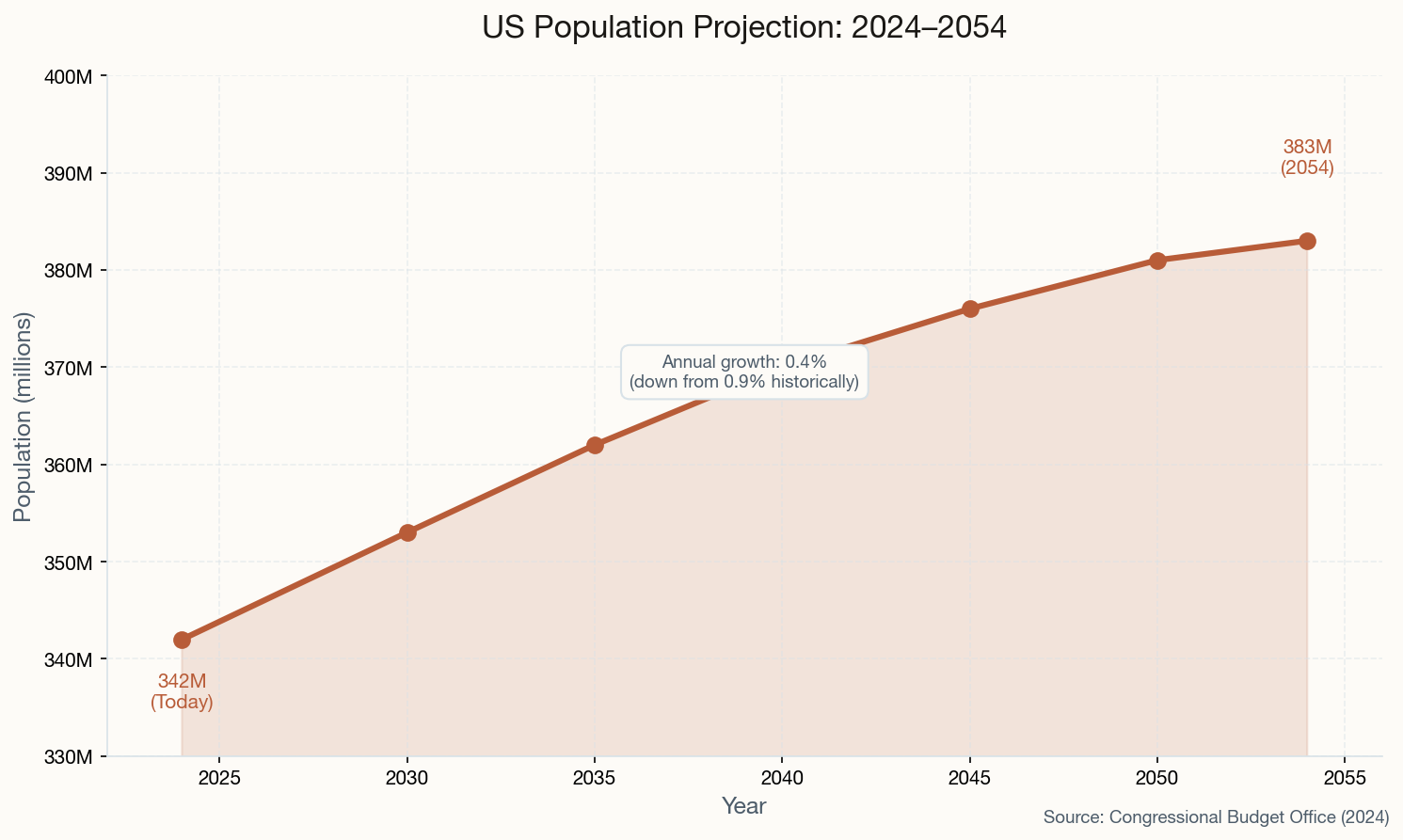
Here's a number that should reshape how you think about this country: 0.4%. That's the average annual population growth rate the CBO projects for the next 30 years. For context, the historical average since 1974 was 0.9%. We're not slowing down a little. We're cutting our growth rate in half.
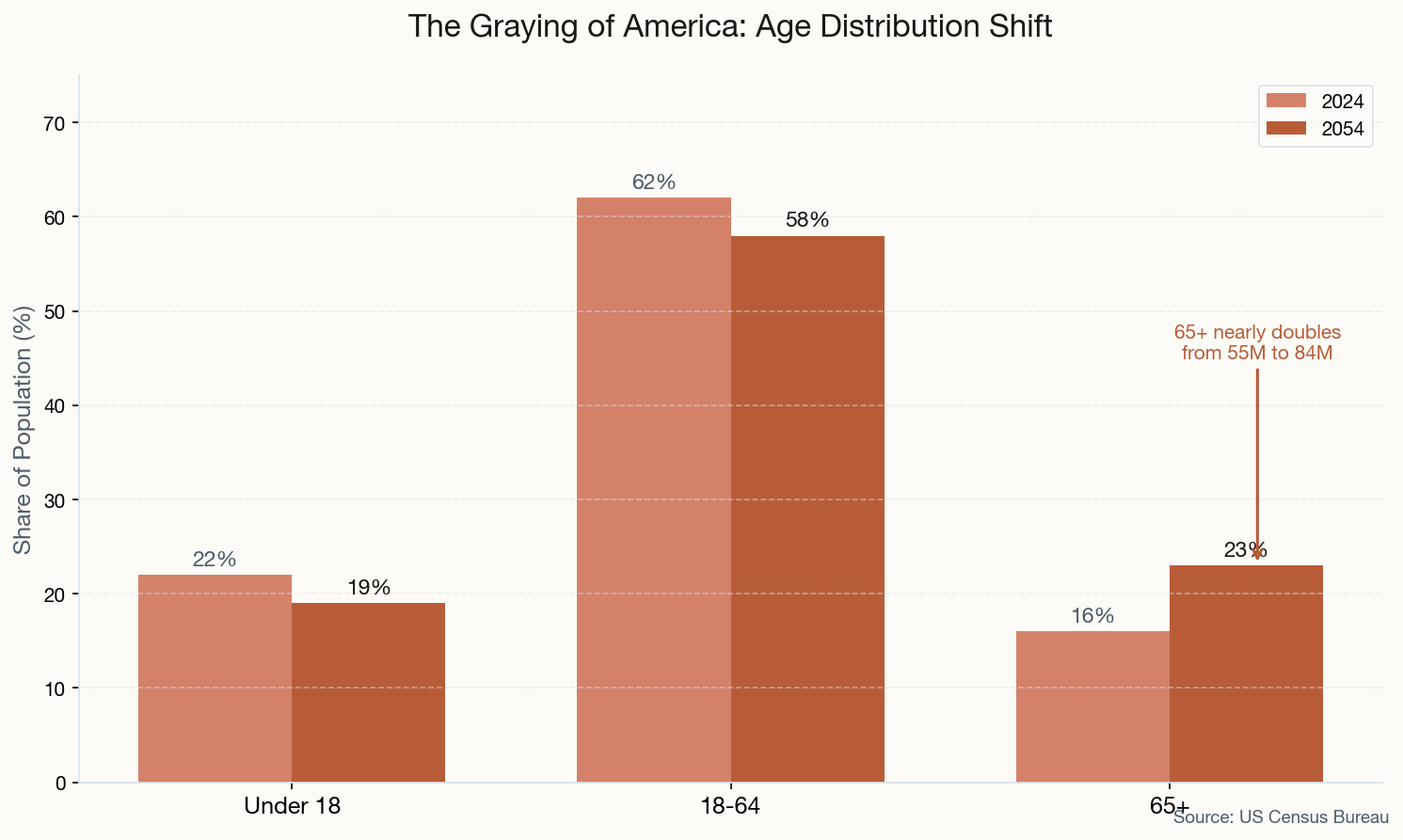
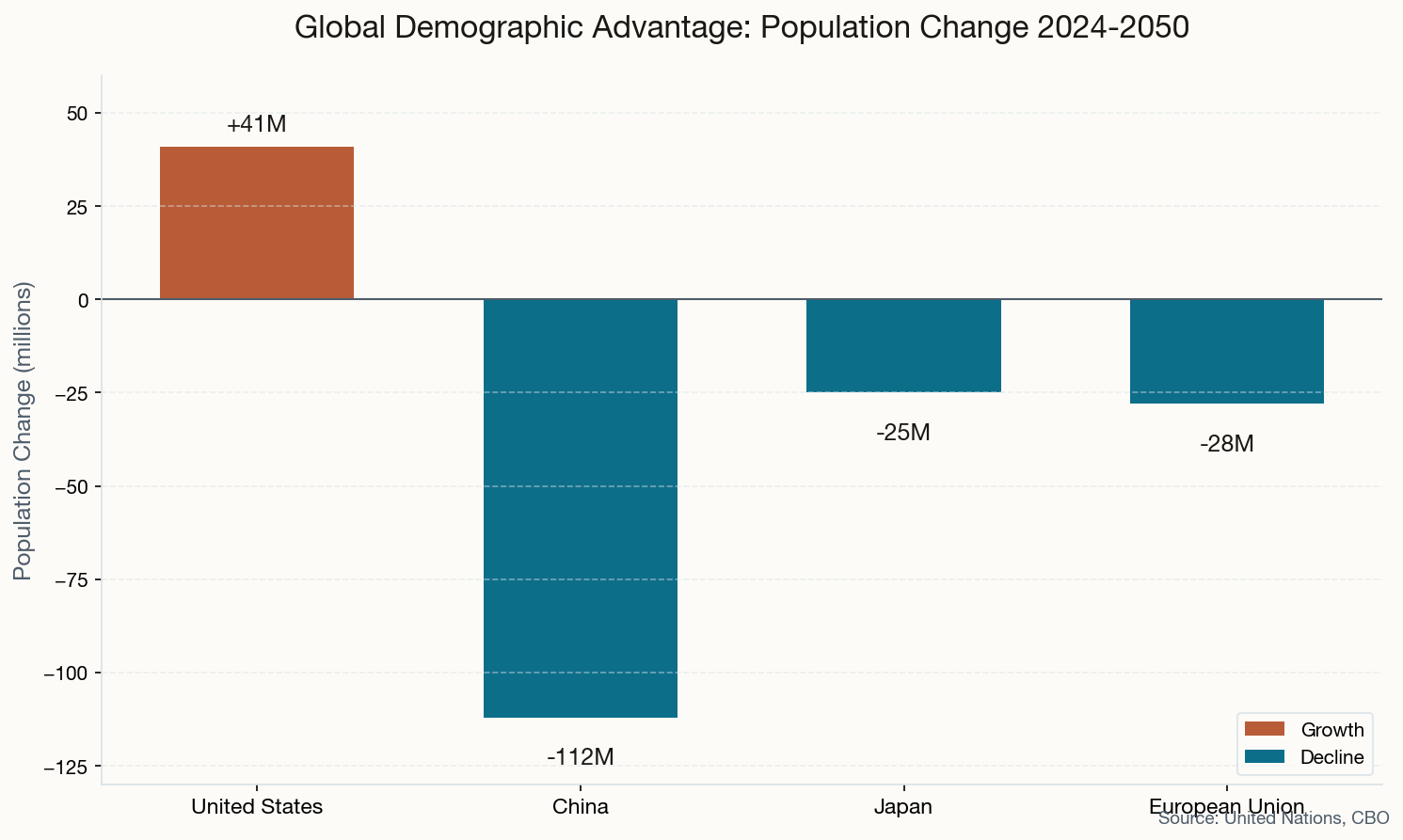
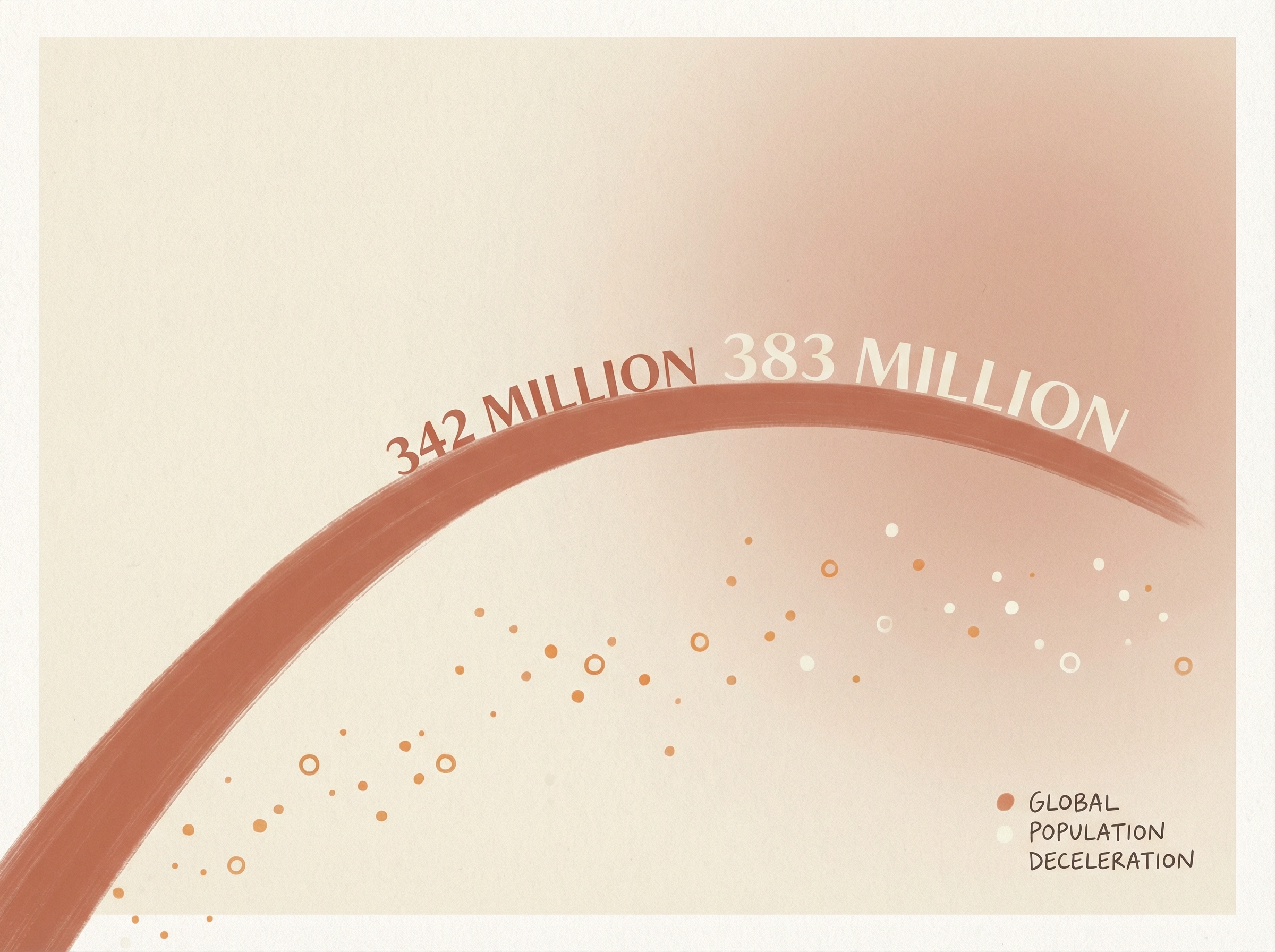
The trajectory: 342 million Americans today, 383 million by 2054. That's 41 million more people over three decades. Sounds like growth, right? Except here's the structural reality the CBO lays bare: without immigration, the US population would start shrinking by 2040. Not stabilizing. Shrinking.
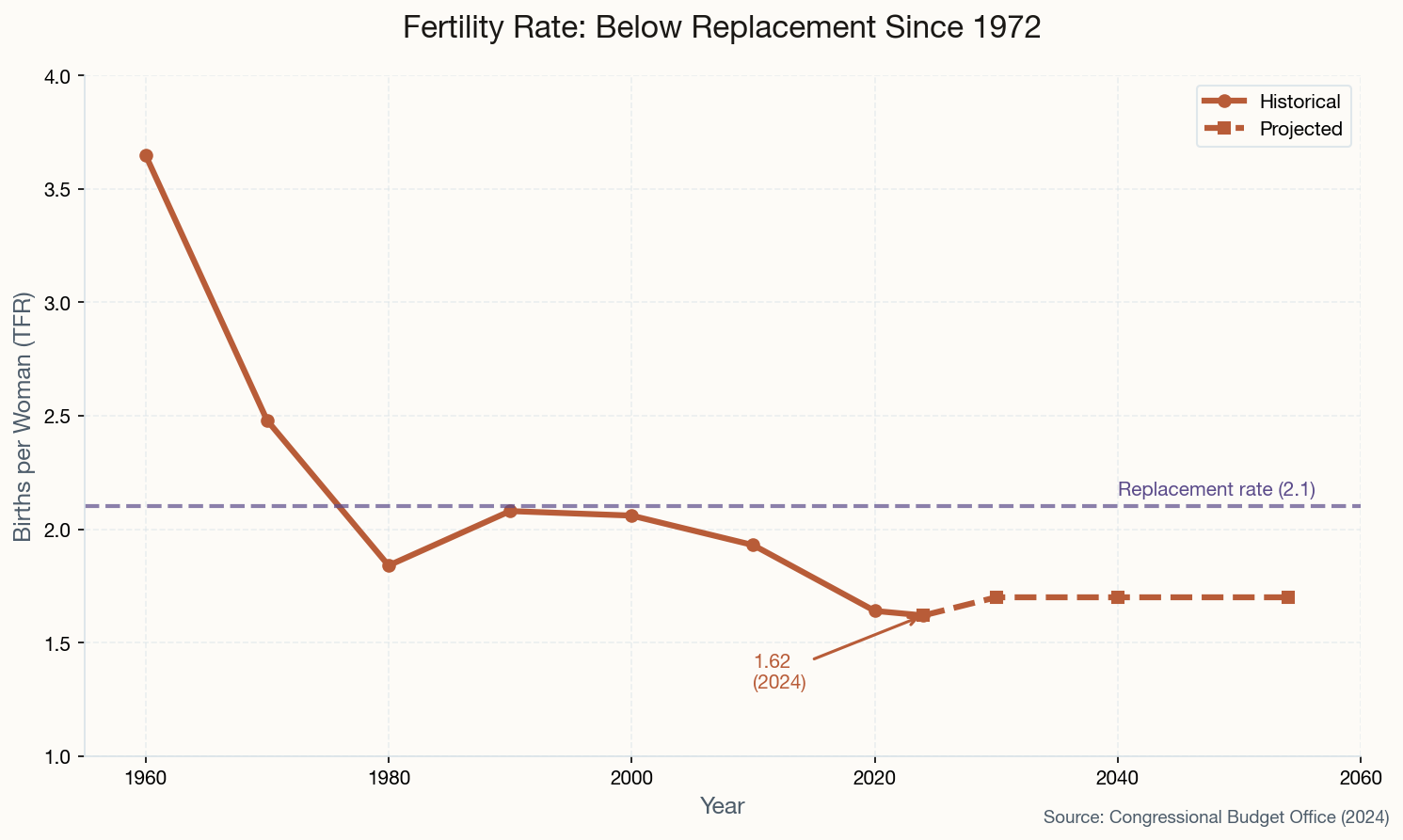
This isn't a temporary blip or a post-pandemic adjustment. It's structural. The CBO's projections assume net immigration of about 1.1 million people annually. That's not a ceiling or a floor, it's the level required to keep the population from declining. Immigration has gone from a political debate to a mathematical necessity.
The implications ripple through everything: housing demand, labor supply, tax base, infrastructure investment. Every long-term projection you've seen for the American economy needs to be recalibrated. The era of building for relentless expansion is over. Now we're building for managed transition.