AI-Driven Coding

The Agents Are Here

This week, AI coding tools crossed a threshold: from assistants that help you type, to agents that work in parallel while you sleep. But as the industry sprints toward autonomous code generation, security researchers are asking an uncomfortable question.

Listen
A dramatic visualization of human hands on a keyboard with streams of luminescent code flowing into an AI neural network
01

Cursor Spawns a Swarm: Subagents Change the Game
Multiple robotic arms emerging from a central AI core, each handling different coding tools in parallel

Forget autocomplete. Cursor v2.4 doesn't just help you write code—it delegates. The new Subagents feature lets the main AI spin up independent, task-specific agents that handle parts of a larger objective in parallel. One agent refactors your authentication module while another writes tests and a third updates the documentation. You watch the diff roll in.

This isn't incremental improvement; it's a categorical shift. For years, AI coding tools operated as souped-up typeahead: you write, they predict, you accept or reject. Subagents invert the model. You describe the goal, the AI decomposes it, and multiple workers execute simultaneously. The developer's role shifts from author to orchestrator.
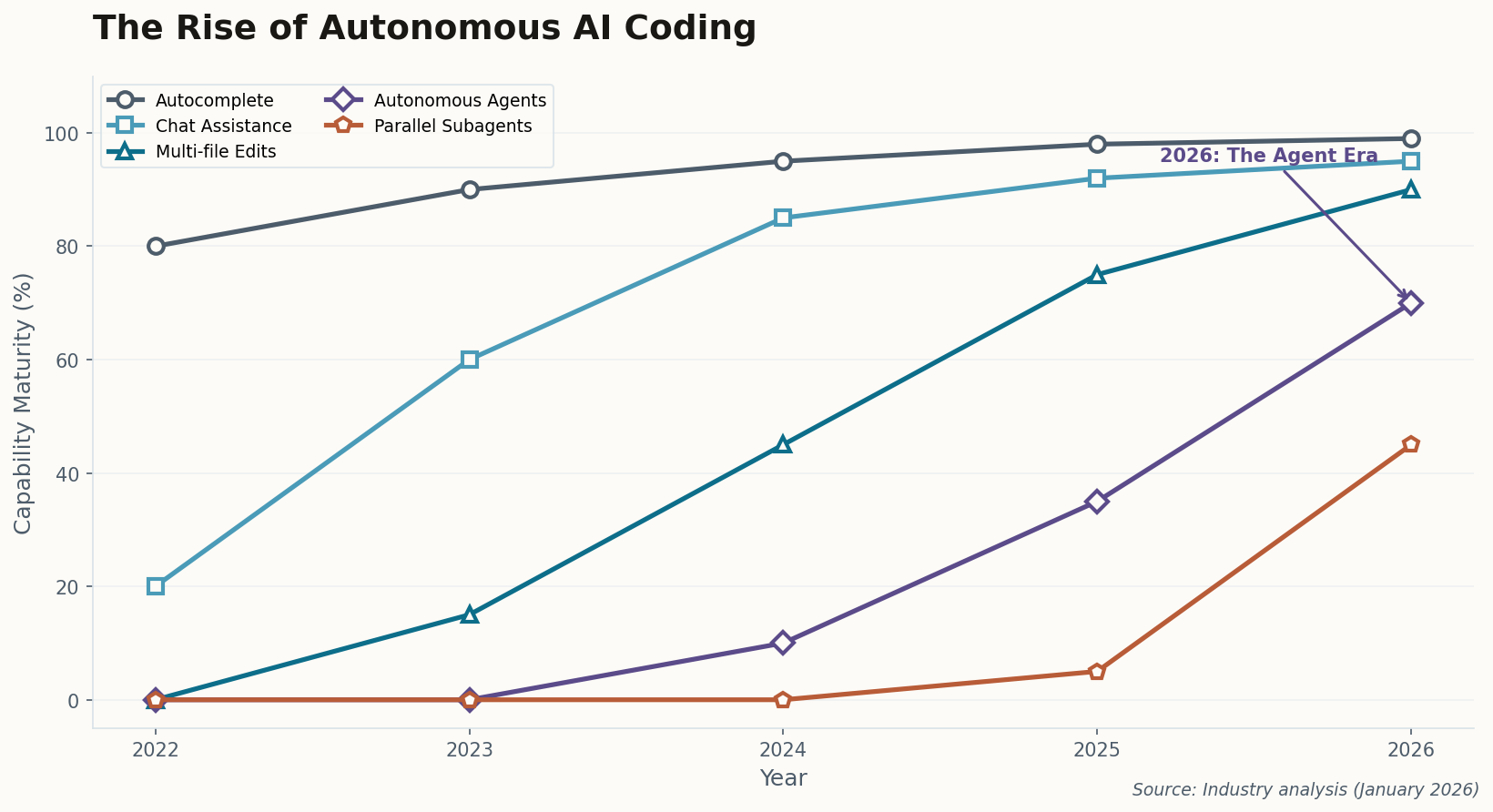
Chart showing the evolution from autocomplete to autonomous agents from 2022-2026
The capability curve has gone exponential. Parallel subagents represent the steepest jump since multi-file editing arrived in 2024.

Two other features in this release tell us where Aman Sanger's team thinks this is heading. Image Generation is now built directly into the editor—powered by models like Google's Nano Banana Pro—collapsing the barrier between code and creative assets. And Cursor Blame, available to Enterprise users, distinguishes AI-generated code from human-written code in git history. That last one sounds like a feature. It's actually an admission: we're going to need to know who (or what) wrote this.

The question isn't whether you'll use autonomous agents for coding. It's whether you'll trust them without a human checkpoint—and whether your organization's security posture is ready for code that writes itself.
02

GitHub Brings Custom Agents to the Enterprise

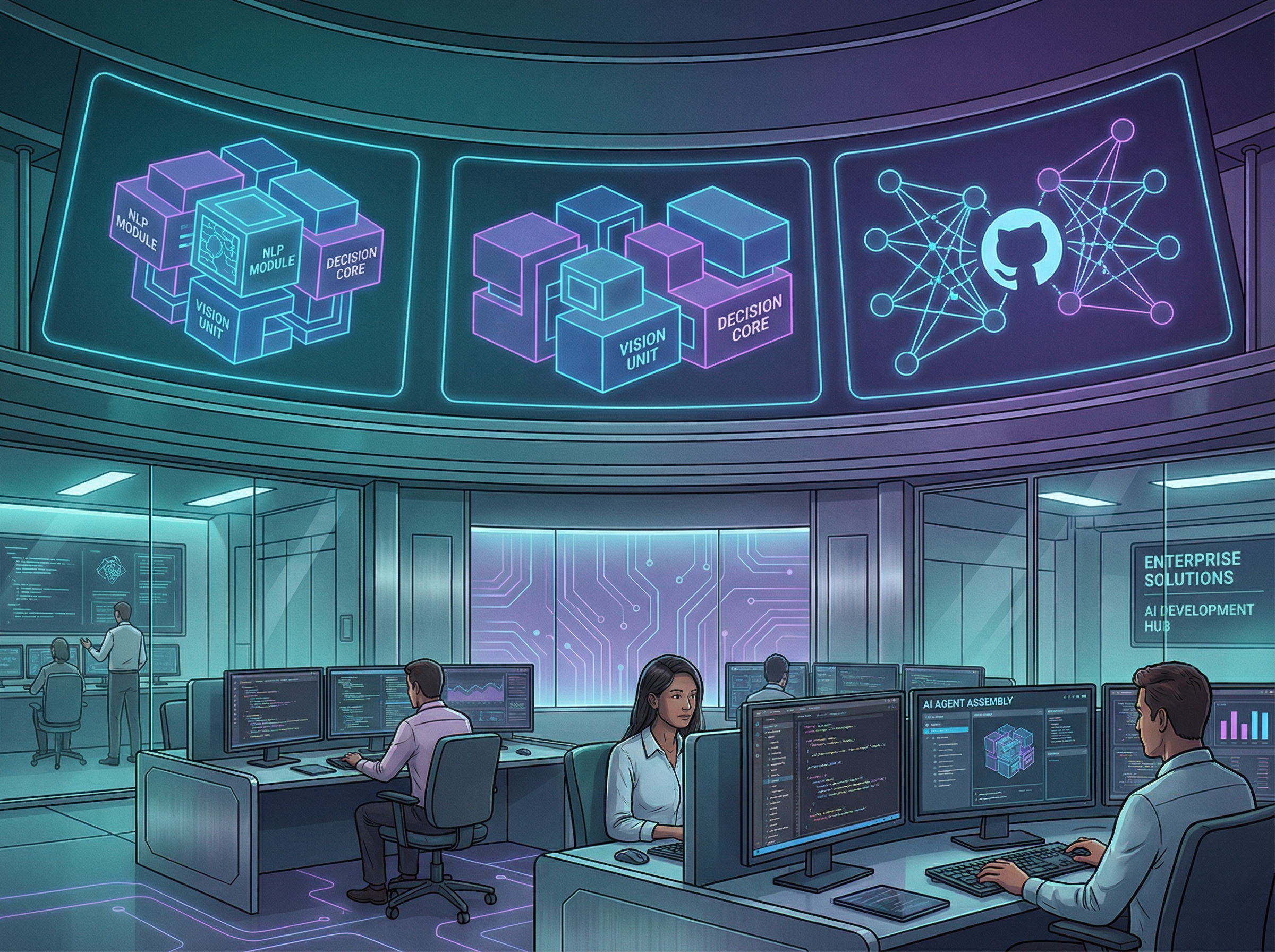
A sophisticated control room with holographic screens showing custom AI agents being assembled

GitHub's Copilot Studio extension has reached general availability in VS Code, and it represents something significant: the industrialization of AI agent development. You can now build, manage, and test custom Copilot agents directly within your IDE, with full support for standard software development lifecycle practices—source control, pull requests, code review, the works.

Why does this matter? Because "custom AI agent" has been a research artifact or a startup demo until now. Copilot Studio makes agent development a repeatable, governed process that enterprise engineering orgs can actually adopt. Your company can build an agent that understands your proprietary codebase, your API conventions, your deployment patterns—and manage it the same way you manage any other piece of code.

The framing here is deliberate. Microsoft isn't selling you a chatbot; they're selling you the ability to create "custom AI employees." Agents that know your systems. Agents that can be version-controlled and audited. Agents that, presumably, will never quit to work at a competitor.

This is the beginning of a new software category: agent infrastructure. Expect to see CI/CD pipelines for agents, A/B testing frameworks for agent behavior, and—inevitably—agent-to-agent communication protocols. The IDE is becoming an agent factory.

03

The Security Reckoning: "Vibe Coding" Meets Reality

A crumbling digital fortress with security warning symbols seeping through cracks

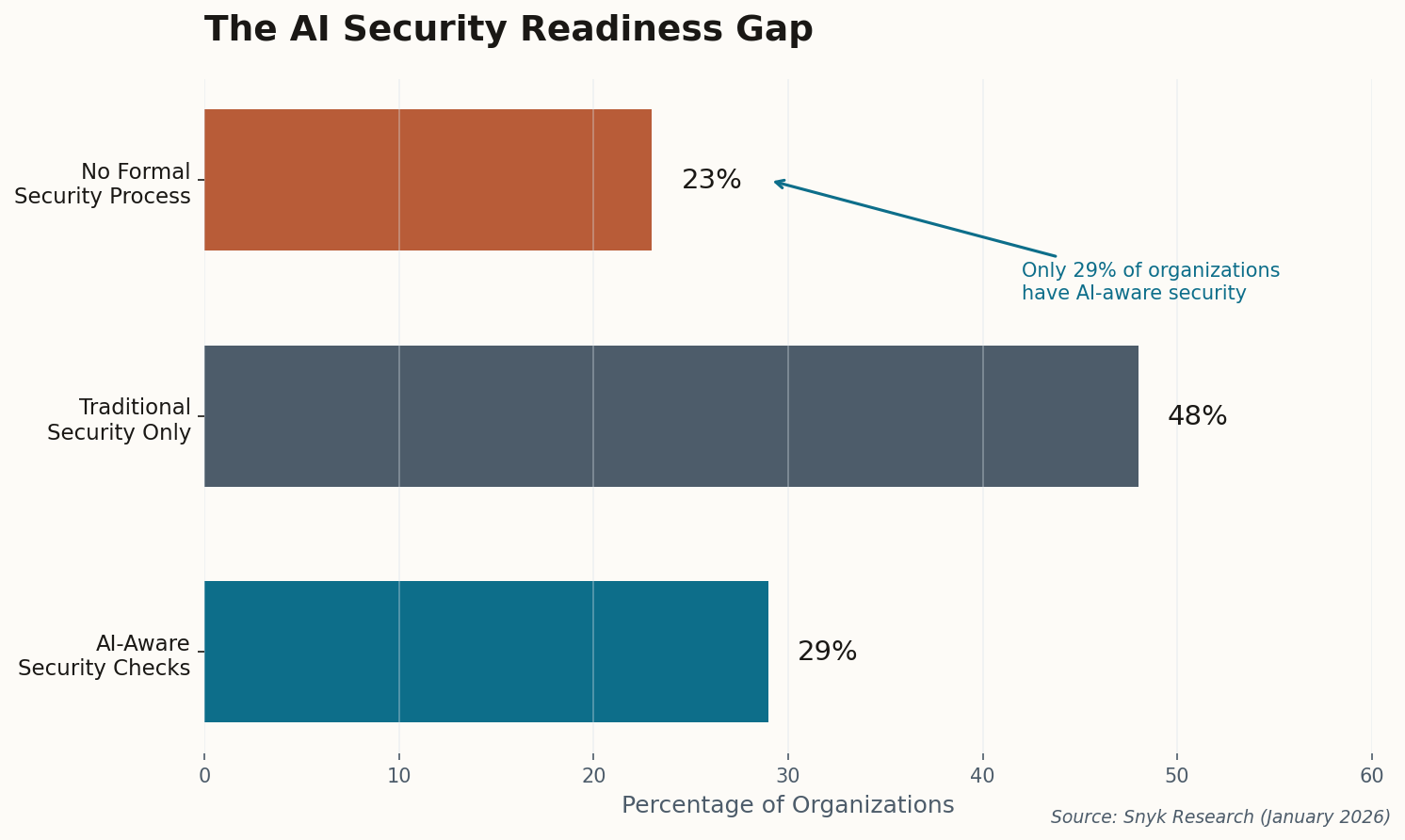
While the AI coding industry celebrates its new autonomous powers, security researchers are sounding alarms. A new report from Snyk reveals that only 29% of organizations have implemented AI-aware security checks in their development pipelines. The rest are flying blind—accepting AI-generated code with the same review processes designed for human developers.

Chart showing only 29% of organizations have AI-aware security checks
The AI Security Readiness Gap: Most organizations haven't updated their security posture for AI-generated code.

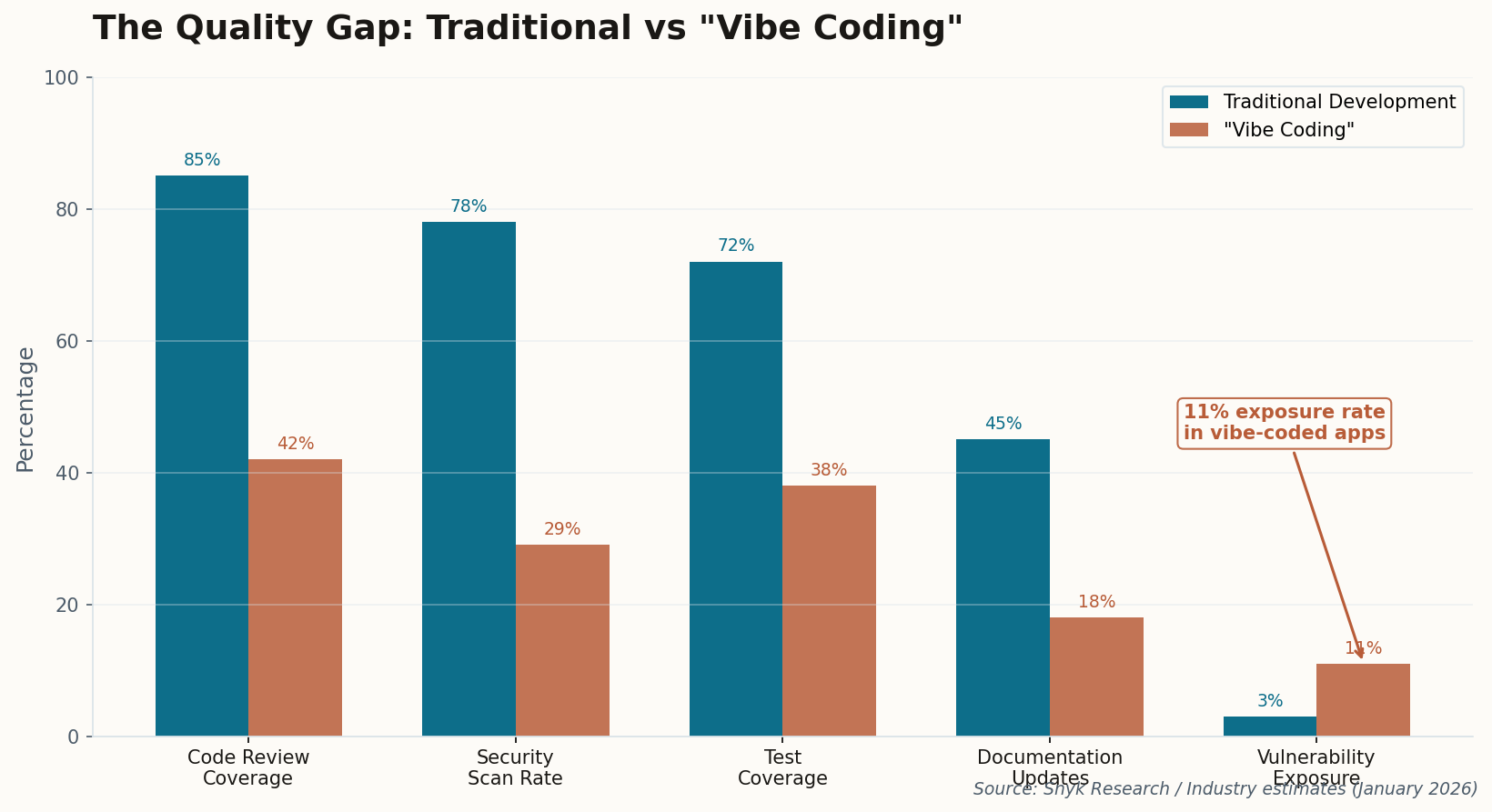
The report coincides with a wave of warnings about "vibe coding"—the practice of accepting AI output based on whether it "feels right" rather than rigorous verification. It's seductive: the AI produces plausible-looking code, it compiles, maybe it even passes existing tests. Ship it. But Snyk found an 11% vulnerability exposure rate in independently-built applications that relied heavily on AI-generated code with minimal human oversight.

Chart comparing code quality metrics between traditional development and vibe coding
When speed trumps verification, security metrics suffer. Traditional development still beats "vibe coding" on every quality measure except velocity.

The security industry's response is predictable but necessary: "AI verification" will become as standard as linting in 2026 workflows. Expect new tool categories to emerge—static analysis tuned for AI code patterns, anomaly detection for AI-introduced vulnerabilities, provenance tracking for generated snippets. The arms race between AI speed and security thoroughness has begun.

The uncomfortable truth: we've already shipped a lot of code that no human fully understood before it hit production. The question now is how much of it is sitting in your systems, waiting to be exploited.

04

Claude Steps Outside the IDE

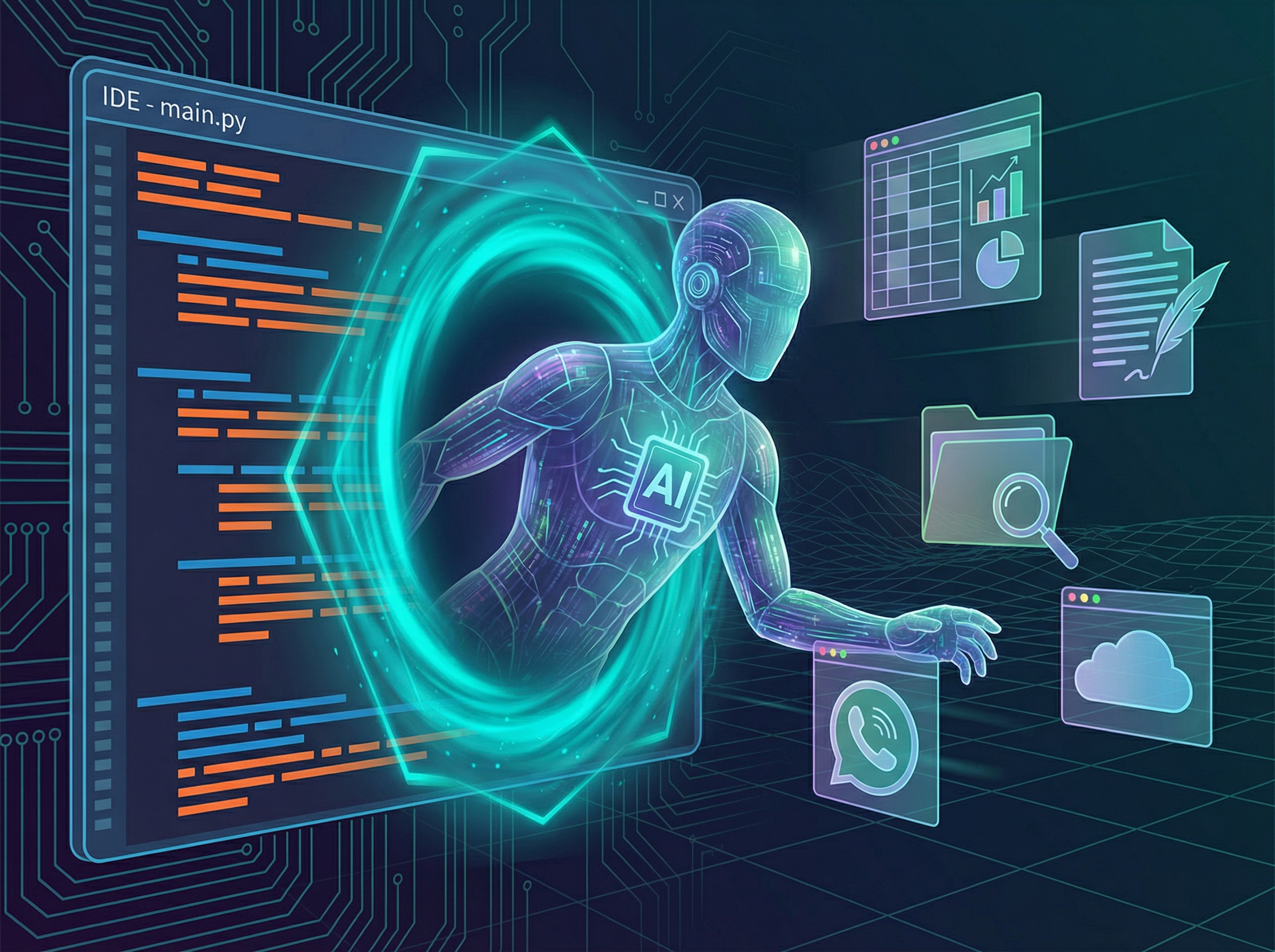
An AI assistant stepping out of a code editor into a wider digital workspace

Anthropic expanded the "Claude Cowork" desktop preview to Pro plan users this week, and the positioning tells you everything about where AI coding assistants are heading: out of the IDE and into the operating system.

Cowork isn't just Claude Code with a GUI. It's an OS-level agent capable of file management, document creation, research tasks, and general knowledge work. The AI that helped you write a Python script can now organize your project folders, draft your design docs, and summarize your meeting notes—all within the same interface.

This expansion coincides with Anthropic's release of a new Claude Constitution on January 21st, which defines the AI's values and behavioral boundaries. It's a telling conjunction: as Claude gains more power to act autonomously in your digital environment, Anthropic is publicly codifying the constraints on that autonomy. Trust, it seems, requires transparency about limits.

The implication for developers is significant. Your AI pair programmer is becoming your AI colleague—one that can handle the non-coding parts of software development that consume so much of our time. Whether that's liberating or concerning probably depends on how comfortable you are with an AI that can read your filesystem.

05

Copilot Breaks Out of the Chatbox

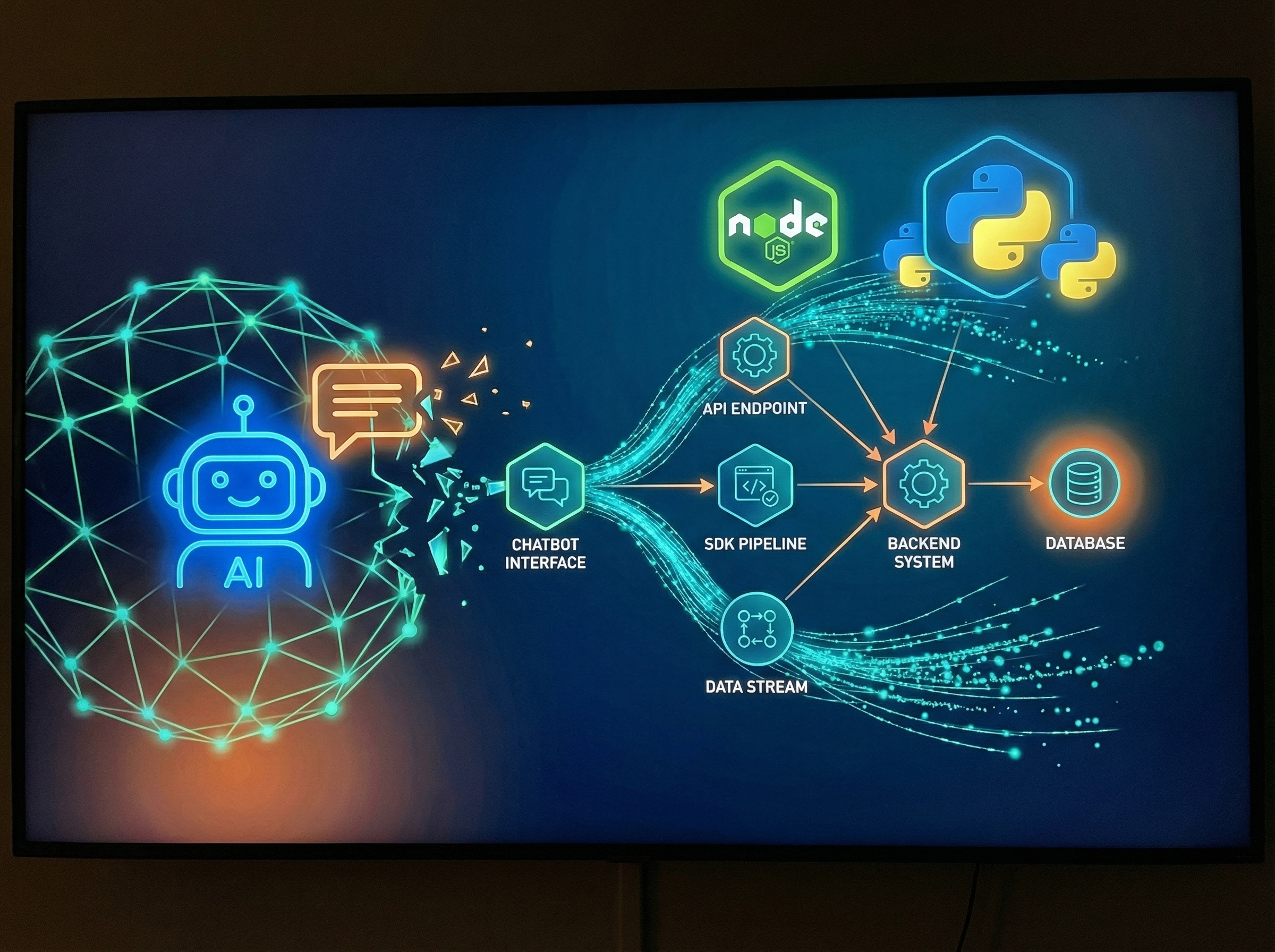
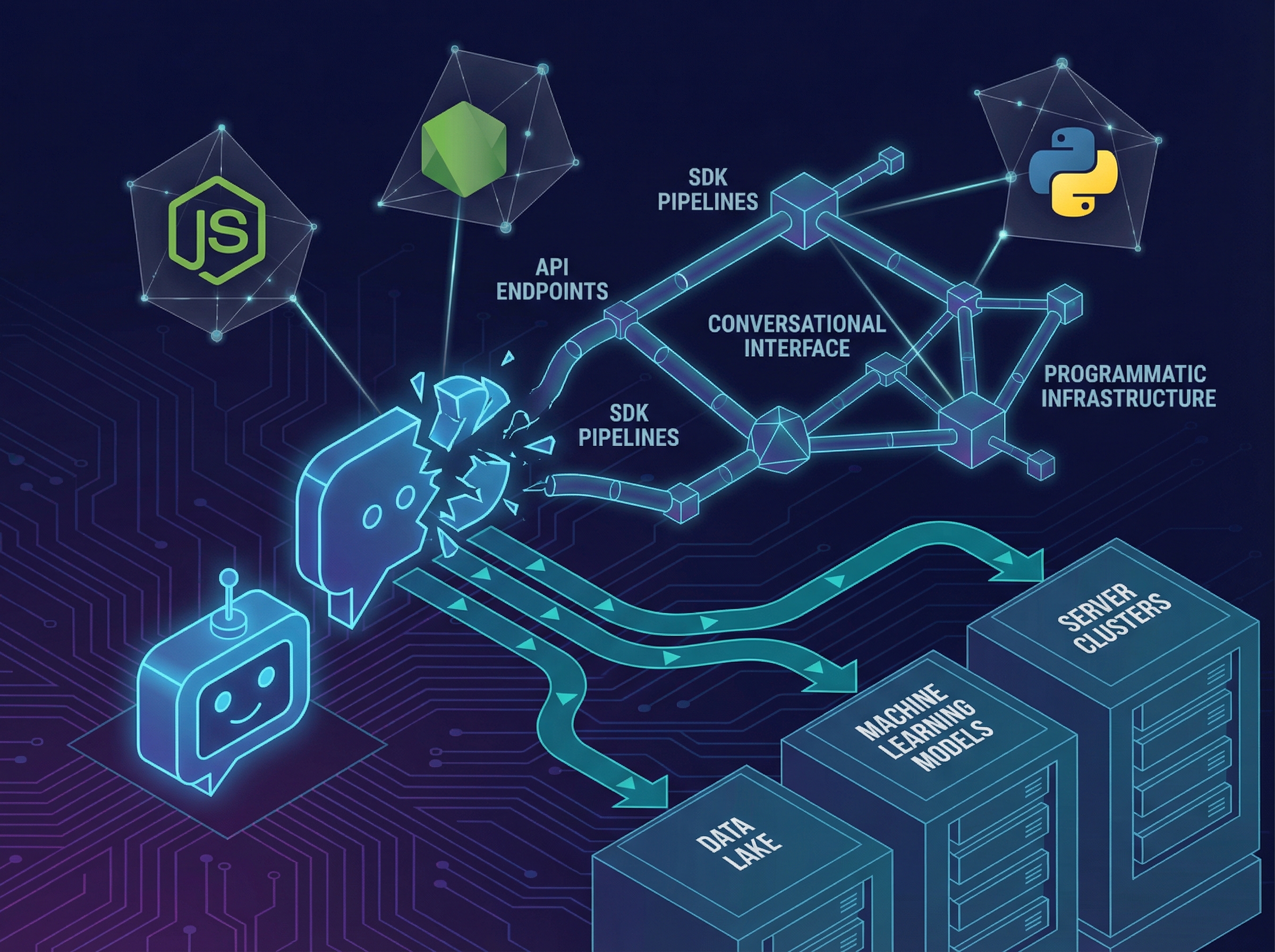
An AI chatbot breaking out of a chat bubble into a network of API endpoints and SDK pipelines

GitHub Copilot now officially supports OpenCode, a standard for open developer tools, and has released a technical preview of the Copilot SDK. Translation: you can now integrate Copilot's capabilities programmatically into your own applications, pipelines, and services.

The SDK supports Node.js, Python, Go, and .NET—covering the vast majority of backend development. This isn't about using Copilot in your editor anymore; it's about embedding Copilot in your CI/CD pipeline, your internal developer portal, your custom tooling. The AI assistant becomes an API.

The OpenCode standard is particularly interesting. It's an attempt to create interoperability between AI coding tools—a world where your agent infrastructure isn't locked to a single vendor. Whether the major players actually embrace this remains to be seen (open standards have a way of getting "embraced and extended" by dominant platforms), but the intent is promising.

For engineering teams, this opens up a new design space. What if your deployment pipeline could automatically generate documentation for changes it detects? What if your monitoring system could suggest fixes for the errors it catches? The conversation shifts from "how do we use AI tools" to "how do we build AI into our tools."

06

The Terminal Renaissance Continues

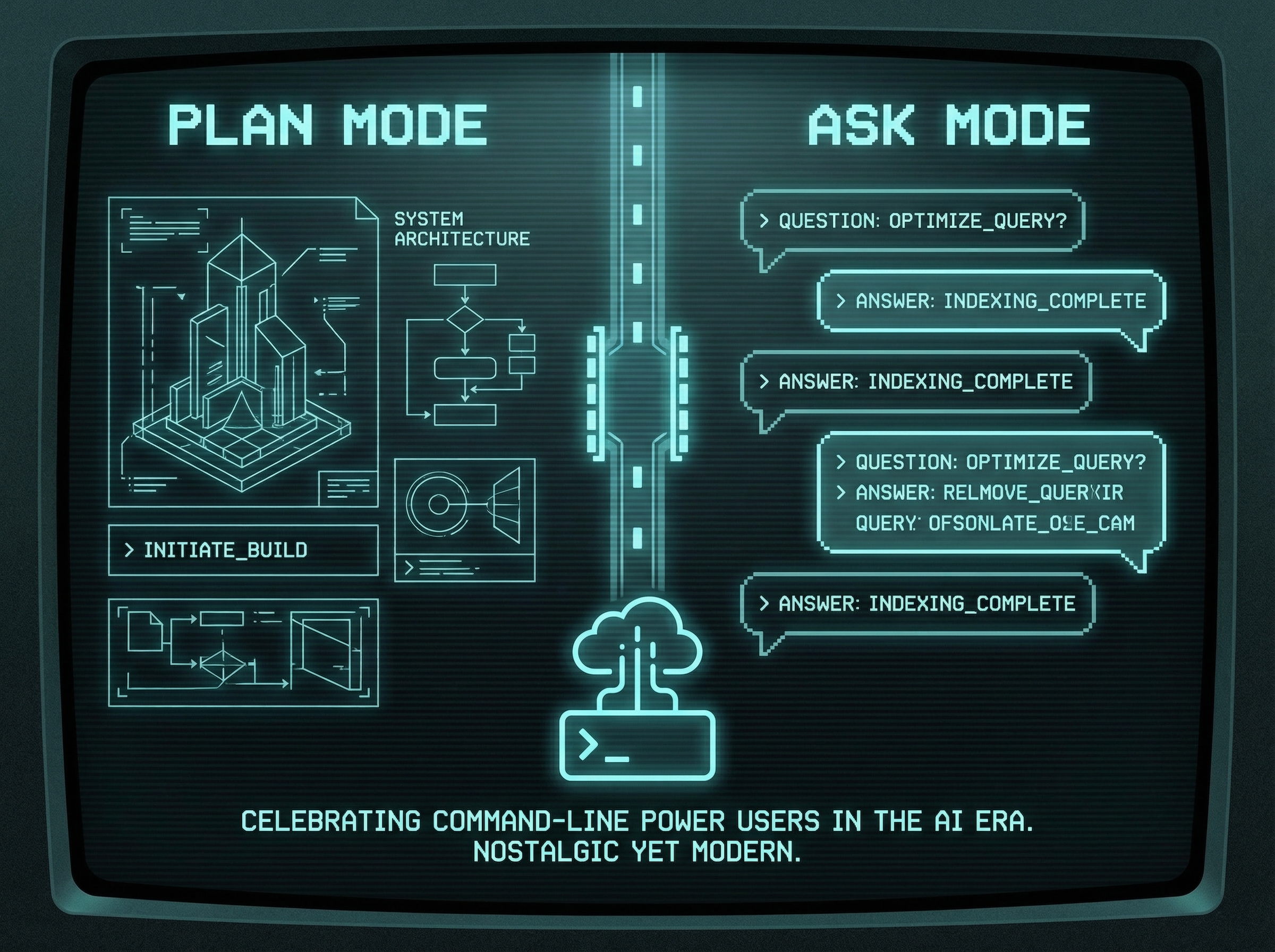
A retro-futuristic terminal interface with Plan and Ask modes displayed

Lost in the subagent hype, Cursor also shipped significant updates to its CLI this week. The new Plan and Ask modes acknowledge a truth that GUI-first AI tools often ignore: many developers still live in the terminal, and they're not leaving.

Plan mode is designed for architectural thinking—you describe what you want to build, and the CLI helps you think through the structure before you write any code. Ask mode is for quick queries: "what does this function do," "where is this variable defined," "why is this test failing." The separation is smart; different cognitive modes deserve different interaction patterns.

Perhaps more interesting is Cloud Handoff, which lets you start a conversation in your terminal and seamlessly transfer it to Cursor's cloud-based IDE agent. Start debugging on your laptop's command line, realize you need the full IDE, and pick up exactly where you left off. Context preservation across interfaces—that's the kind of polish that separates tools you tolerate from tools you rely on.

Word-level inline diffs in the terminal round out the release. It sounds minor, but anyone who's squinted at a unified diff in a terminal window knows the cognitive load involved. Small UX improvements compound.

The takeaway: AI coding isn't going to kill the terminal. It's going to make it more powerful than ever.

The Speed-Safety Trade-off Defined a Week

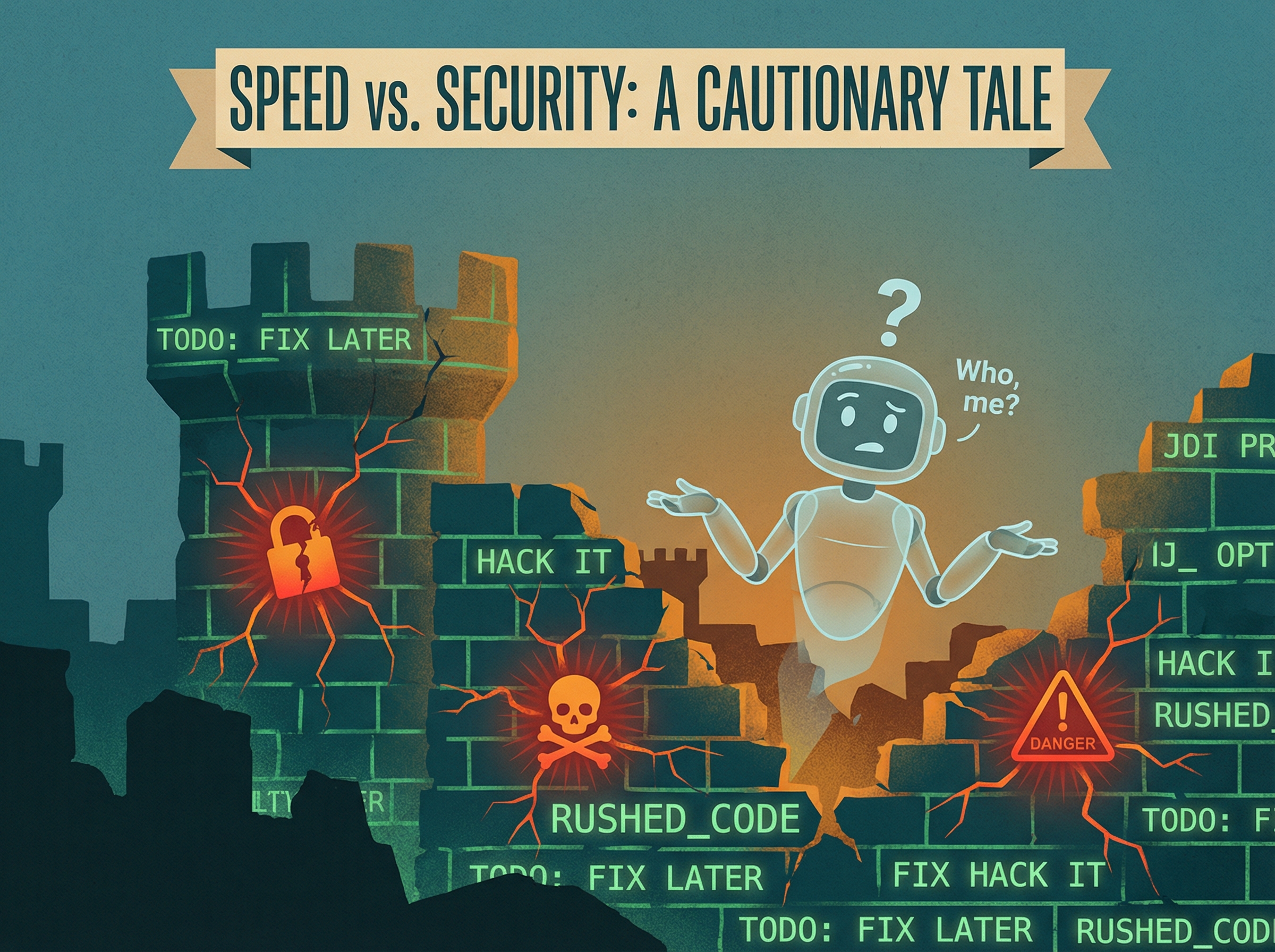
Every story this week—subagents, Copilot Studio, security warnings, expanded agent capabilities, SDK releases, CLI improvements—orbits the same tension: AI is making software development dramatically faster, and our verification systems haven't caught up. The organizations that figure out how to move fast and verify rigorously will define the next era of software. The ones that choose speed alone will become case studies in the next generation of security research reports.