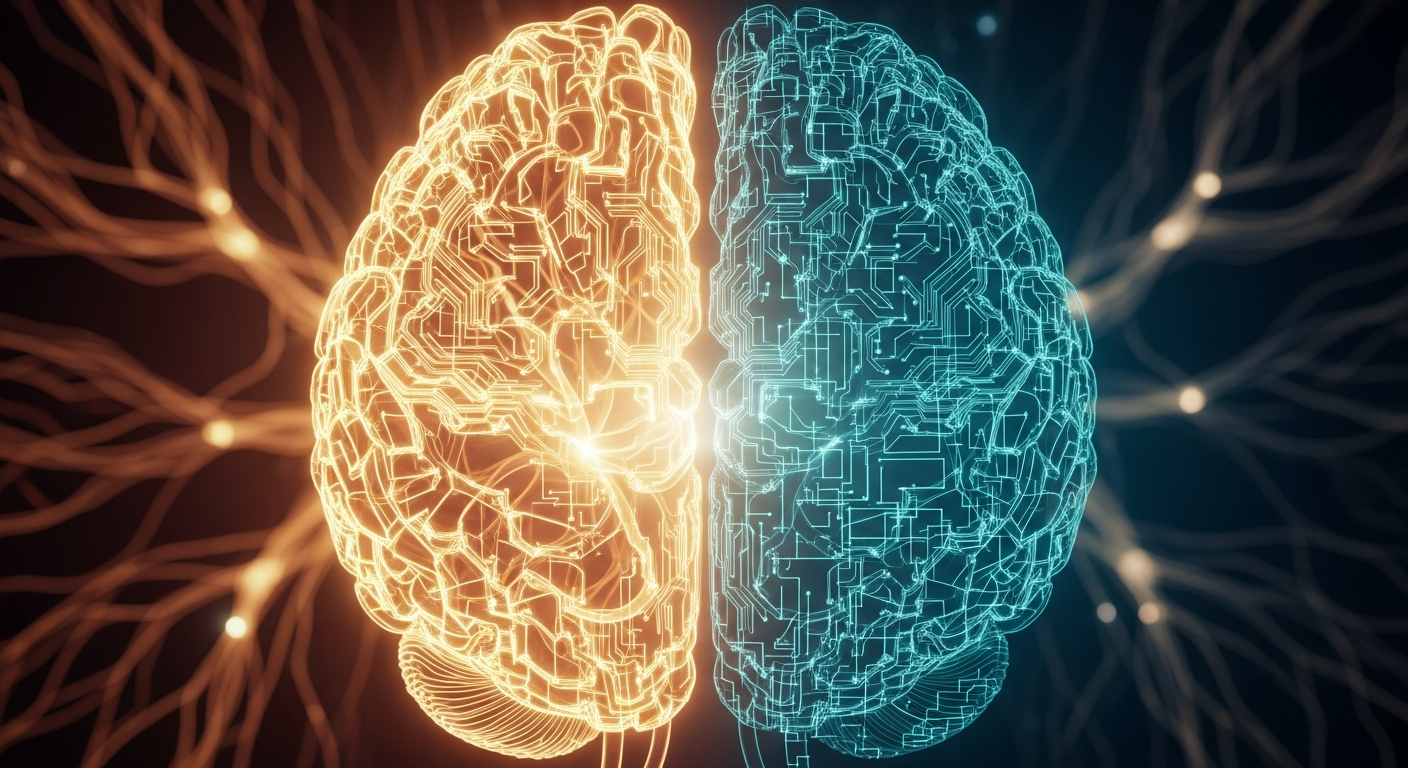
Your Brain Already Thinks Like an AI
Here's a finding that should make you uncomfortable: researchers at The Hebrew University of Jerusalem discovered this week that your brain processes spoken language using essentially the same "next-word prediction" mechanism that powers ChatGPT and Claude.
The study challenges a comforting assumption we've held onto—that human cognition is fundamentally different from algorithmic processing. It isn't. When you're listening to someone speak, your brain is building meaning step-by-step, predicting what comes next, exactly like an LLM generates text.
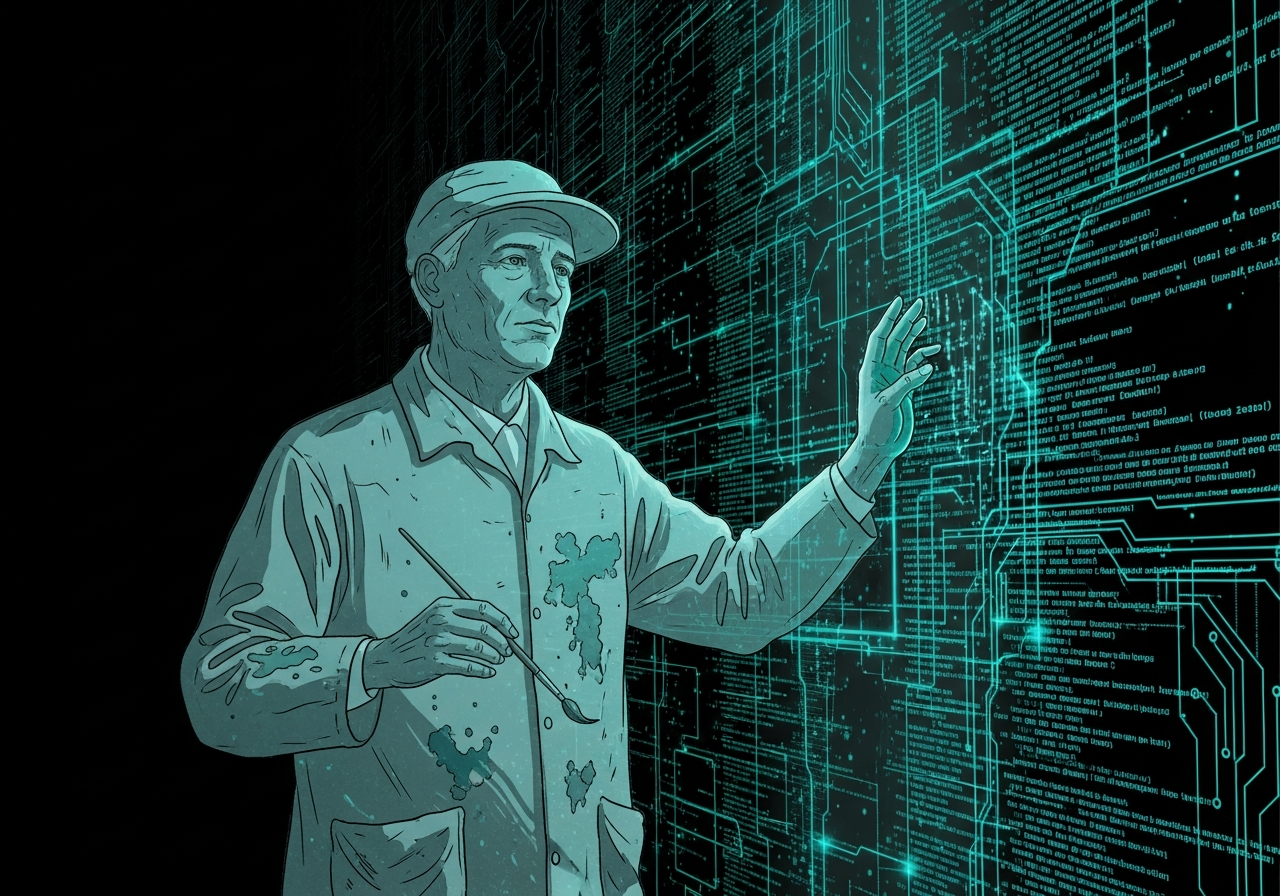
The implications are significant for the creativity debate. If the foundational architecture of human thought overlaps this much with AI, the "soul" argument for why human creativity is special starts looking shaky. It suggests that AI models may be closer to replicating human-like creative processes than we assumed—not because they've become more human, but because we've always been more algorithmic than we realized.
The uncomfortable question: If AI creativity isn't "fake" because it mimics our own processes, what exactly makes human creativity special? The answer may not be in the mechanism, but in the stakes.