The Light You Already Have
The Authenticity Imperative
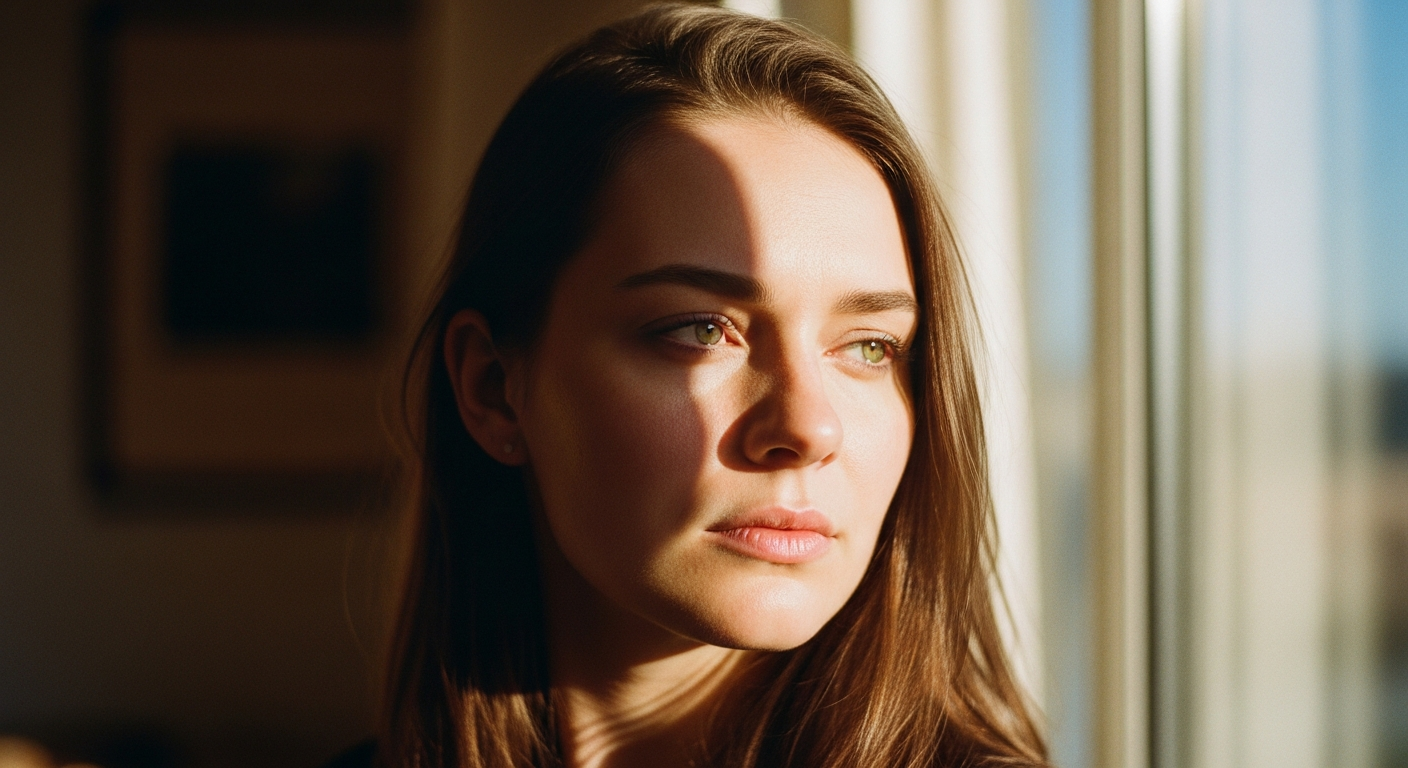
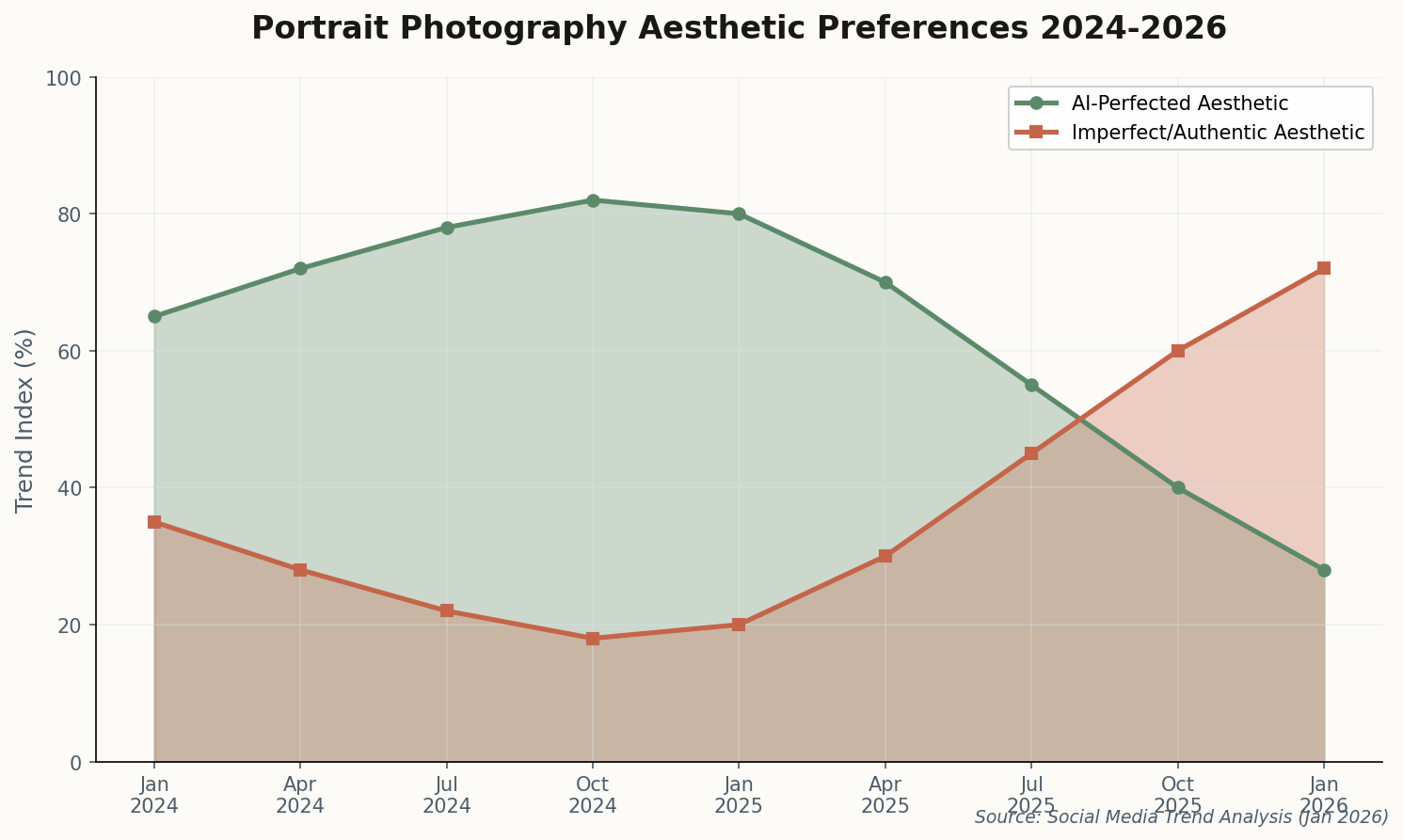
According to Digital Camera World, search interest for natural light portraiture peaked this month, driven by a seismic shift in commercial and social media aesthetics. Brands are abandoning polished studio looks for what they're calling "relatable, sun-drenched aesthetics."
"Photographers are increasingly embracing imperfections such as subtle grain... and raw, emotional moments." — Digital Camera World, January 19, 2026
This isn't nostalgia. It's market response. The Instagram generation grew up on filters and facetune—and now they can spot synthetic perfection from a mile away. They're craving the opposite: skin texture you can almost feel, light that tells you what time of day it was, shadows that hint at stories beyond the frame.
Vertical or Bust
Photo Contest Insider drops a number that should reshape how every portrait photographer thinks about composition: 9:16 vertical is now the primary frame for professional portrait work. Not an option. The default.
This isn't capitulation to TikTok—it's adaptation to reality. Your client's portrait will be viewed on phones. Shot horizontally, it becomes a postage stamp in a vertical scroll. Shot vertically, with tight crops and environmental details stacked above and below the subject, it dominates the screen.
"Composing shots with vertical formats (9:16) in mind is crucial." — Photo Contest Insider, January 17, 2026
Lenses Built for Natural Light
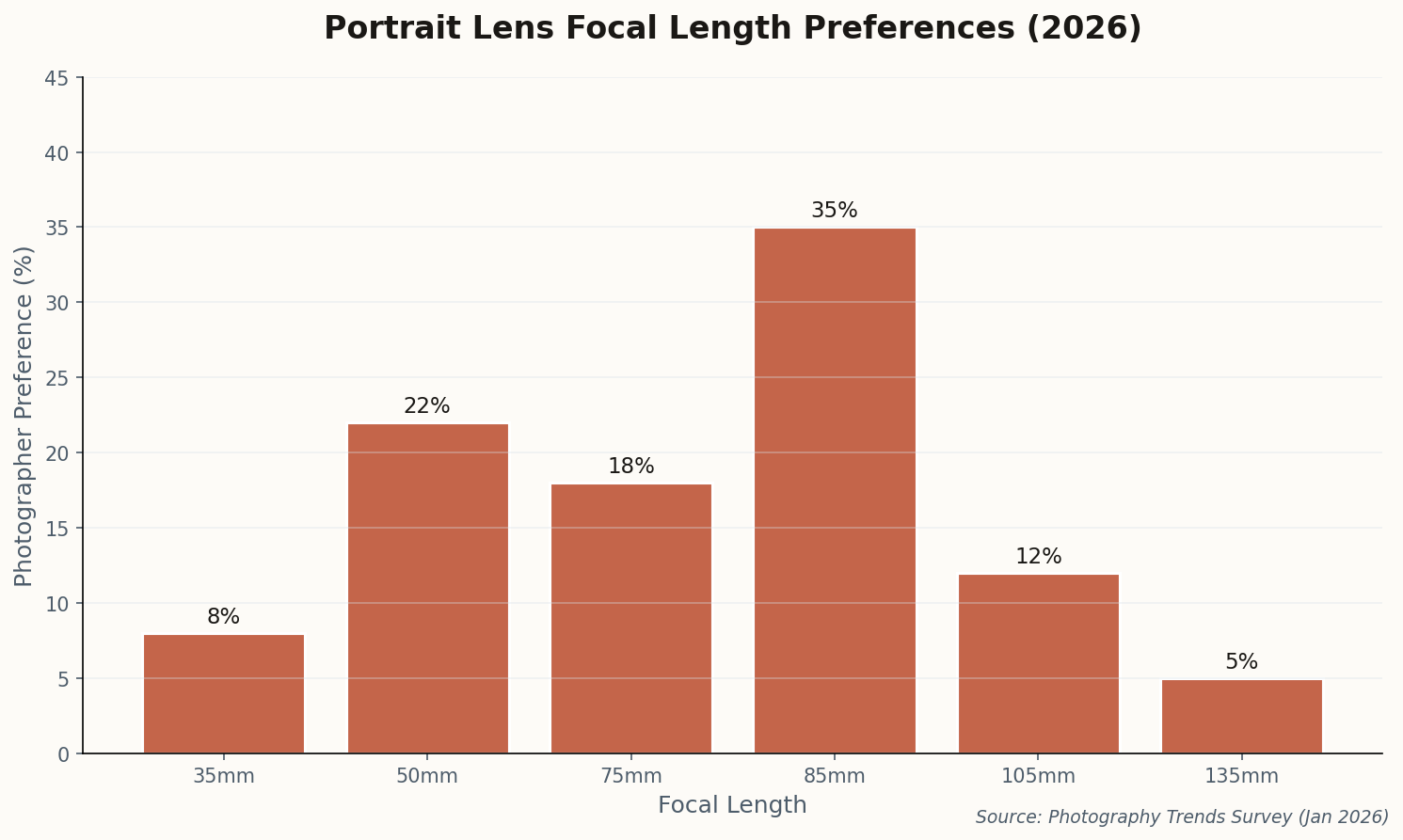
When you're not plugging into a power strip, every stop of aperture counts. Two lens announcements this week speak directly to that need.
Voigtlander Portrait Heliar 75mm f/1.8
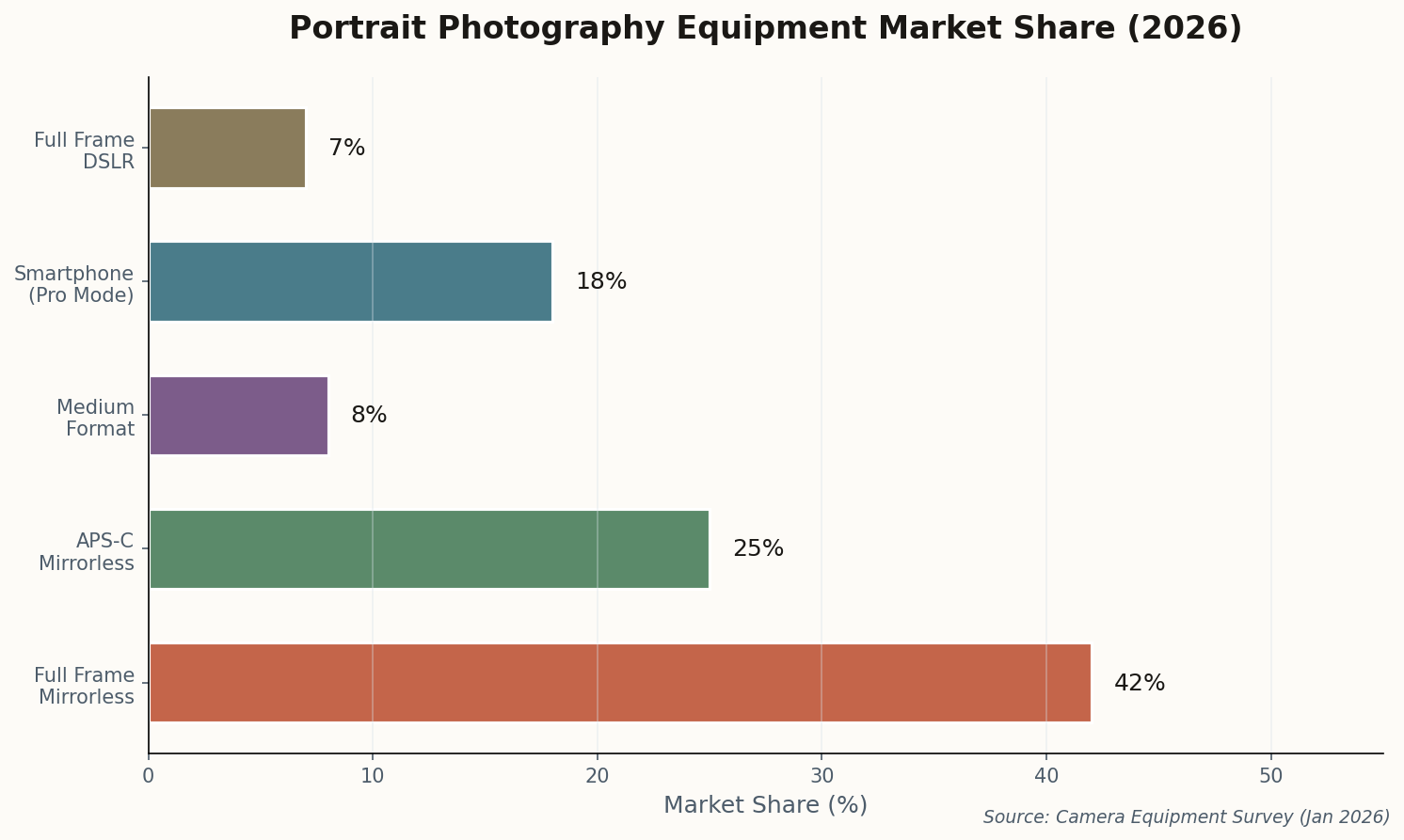
Manual focus for Canon RF and Nikon Z with a unique "spherical aberration control ring" that lets you dial in bokeh character on the fly. Classic optical design optimized for flattering skin tones. ~$799
The spherical aberration ring is the interesting bit. Voigtlander is essentially giving you three lenses in one: sharp and clinical, soft and dreamy, or somewhere in between. Turn the ring, change the look. No post-processing required.
SG-Image 75mm f/1.2 for Medium Format
Ultra-fast manual focus for Fujifilm GFX and Hasselblad XCD. All-metal construction, 9 aperture blades. The kicker? Under $500
According to PetaPixel, this breaks the price barrier for "impossible" bokeh on medium format. An f/1.2 aperture on a sensor that large creates subject separation you literally cannot achieve on full-frame at any aperture.
Martin Parr at Jeu de Paume
Martin Parr's retrospective "Global Warning" opens January 30 at Jeu de Paume in Paris—and if you're serious about understanding what natural light can do when weaponized for social commentary, this is required viewing.
Parr is famous for using "bad" light deliberately: harsh midday sun, on-camera flash in broad daylight, colors so saturated they border on nausea. The result is hyper-real, uncomfortable, and utterly distinctive.
"Explores themes of consumerism... which often feature portraits within these contexts." — PHMuseum, January 14, 2026
The exhibition is a masterclass in rule-breaking. Parr doesn't use natural light because it's flattering. He uses it because it's true—sometimes uncomfortably so.
Mistakes Are Now Features
Pixpa's 2026 trend report identifies a major shift: photographers are deliberately embracing motion blur, missed focus, and harsh shadows that would have been deleted a decade ago.
The influence is cinematic. Think Roger Deakins' dramatic rim lighting or Lubezki's window-lit magic hours. Photographers are bringing that language to stills—not by recreating it artificially, but by waiting for the right moment in available light.
"A strong movement towards capturing genuine experiences... moving away from overly polished images." — Pixpa, January 18, 2026
This validates something working photographers have always known: the "mistake" often holds more truth than the technically perfect shot. A face half in shadow tells you something about the space. A slight motion blur tells you someone was alive.
Essentials Masterclass: January 22
If you're looking to upskill without buying gear, Eventbrite is listing a comprehensive online workshop this Wednesday focused specifically on maximizing available light for beginners. Topics include lens selection, aperture strategies, and—critically—how to interact with subjects when you don't have assistants holding reflectors.
It's accessible education for photographers looking to upskill in the new year without dropping money on strobes they'll never fully use.
The best camera is the one you have. The best light is the one shining through your window. The best portrait is the one that looks like a human took it—because increasingly, that's the rarest thing of all.