Bone Health

Your Bones Are Rebuilding (Or Not)

This week's research upends assumptions about osteopenia: that acne medication you took, the protein you're not eating, and why NASA astronauts might know more about your skeleton than your doctor.

Listen
Crystalline bone lattice structure with areas of healthy amber warmth contrasting fragile translucent sections
01

The Acne Drug That May Be Stealing Your Bones
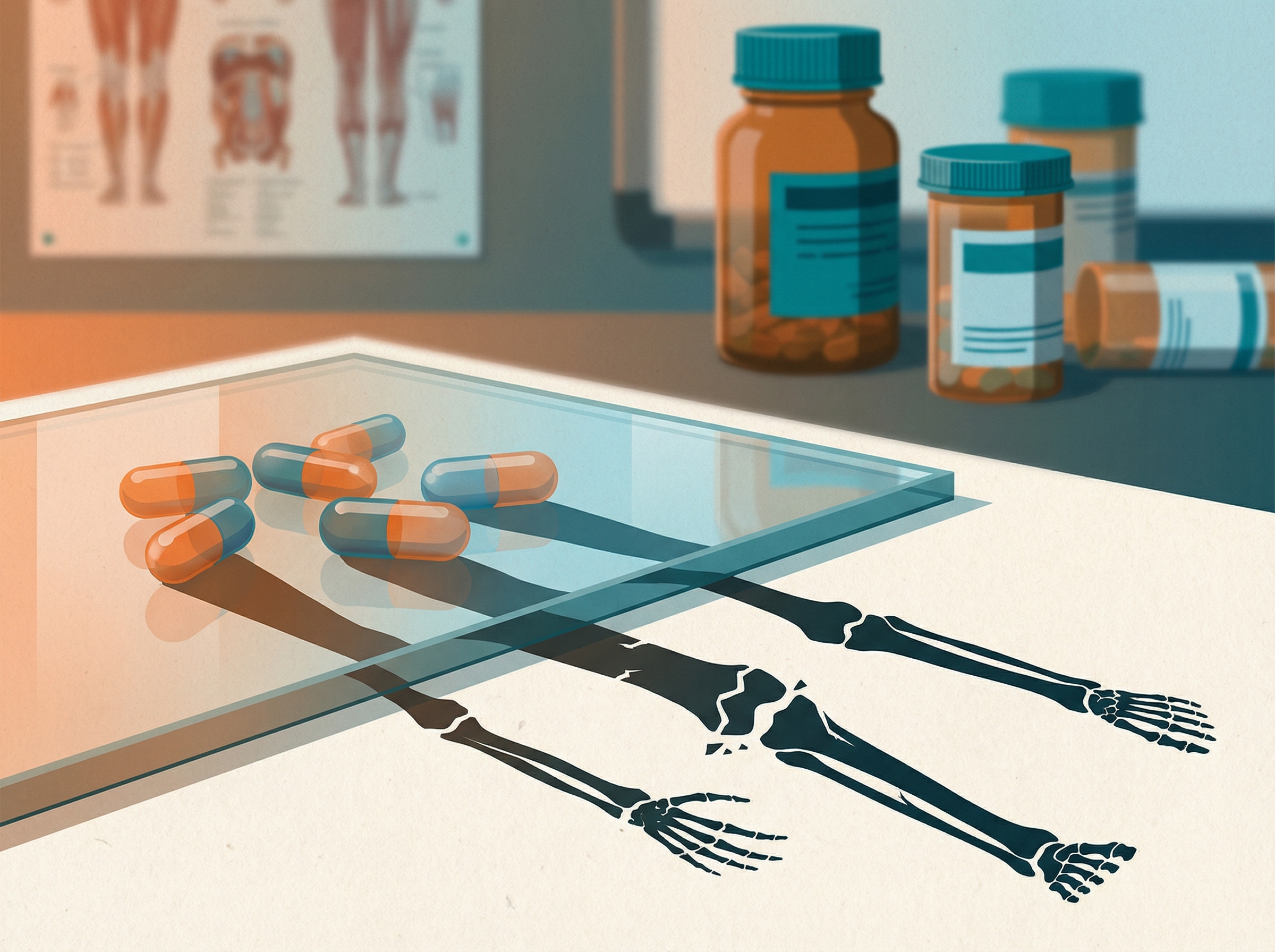
Prescription medication capsules casting shadows that transform into fractured bone silhouettes

Here's a question that probably never came up in your dermatologist's office: What does clear skin cost your skeleton? A new systematic review and meta-analysis finds that isotretinoin—the nuclear option for severe acne, sold under brand names like Accutane and Absorica—may be quietly altering bone remodeling in ways that increase osteopenia risk.

The mechanism isn't mysterious. Isotretinoin is a vitamin A derivative, and vitamin A in excess is a known bone antagonist. What's new is the quantified correlation: patients on long-term isotretinoin therapy showed measurably decreased bone mineral density compared to controls. The effect was most pronounced in younger patients—exactly the demographic most likely to be prescribed it.

The clinical implication is straightforward but rarely practiced: if you're prescribing isotretinoin for more than a few months, bone health monitoring should probably be part of the protocol. For the millions who took it as teenagers and are now hitting their 40s, this is another variable to consider when your doctor mentions "age-related bone loss." It might not be entirely about age.
02

Protein Isn't Just for Muscles—It's a Bone Drug

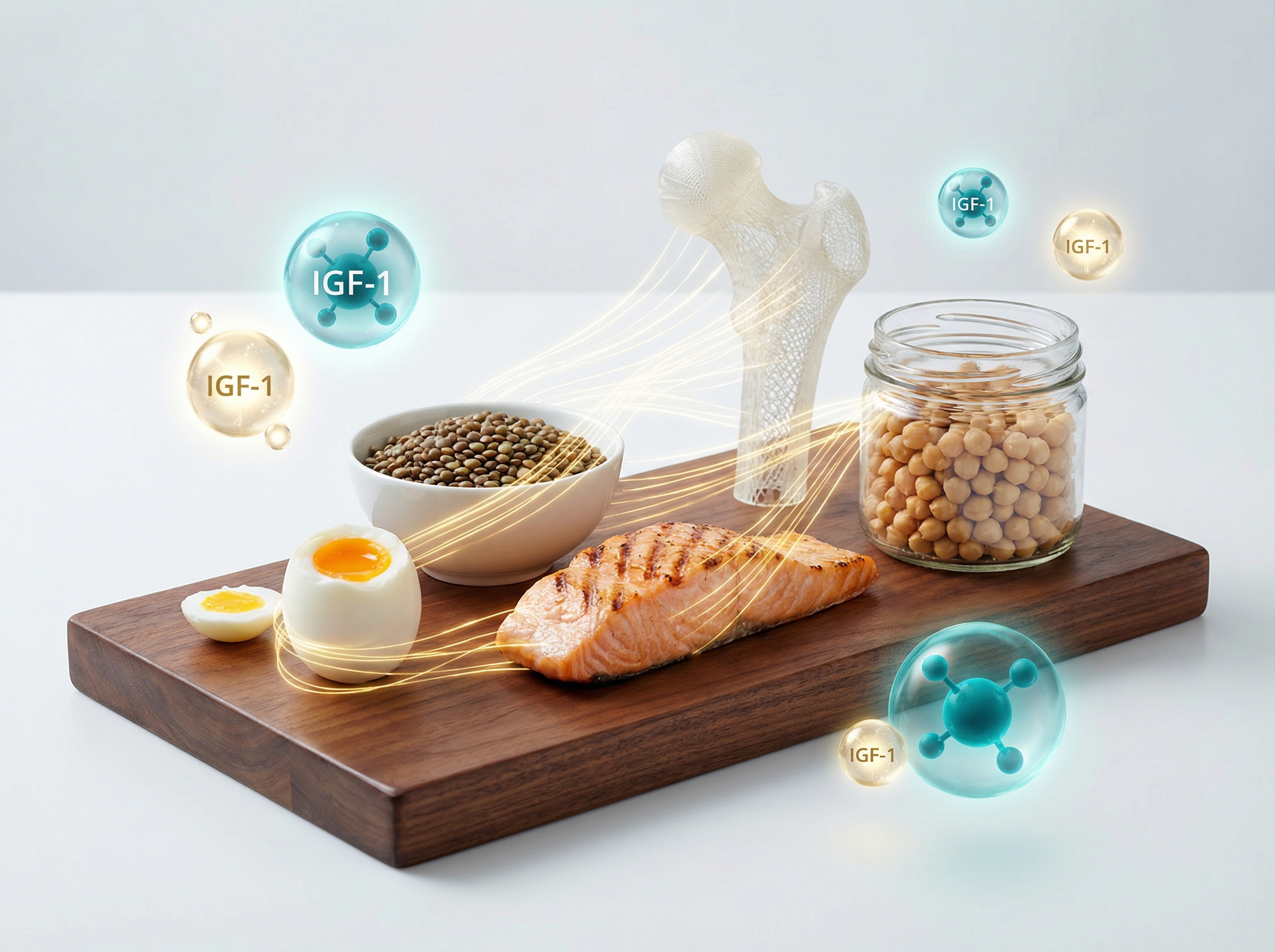
Protein-rich foods with ethereal golden light beams connecting to bone structure

Calcium gets all the bone-health attention. Vitamin D gets the supplement aisle. But protein? That's still filed under "gym bros and bodybuilders" in most people's mental health categories. A new report makes the case that this is a critical blind spot—especially for post-menopausal women watching their bone density decline.

The mechanism is hormonal: adequate protein intake directly stimulates Insulin-like Growth Factor 1 (IGF-1), a hormone that doesn't just build muscle but actively promotes bone formation. When protein intake drops, IGF-1 drops, and your bones lose a key anabolic signal. Worse, low protein also compromises calcium absorption—so even if you're dutifully taking your calcium supplements, your body may not be using them effectively.

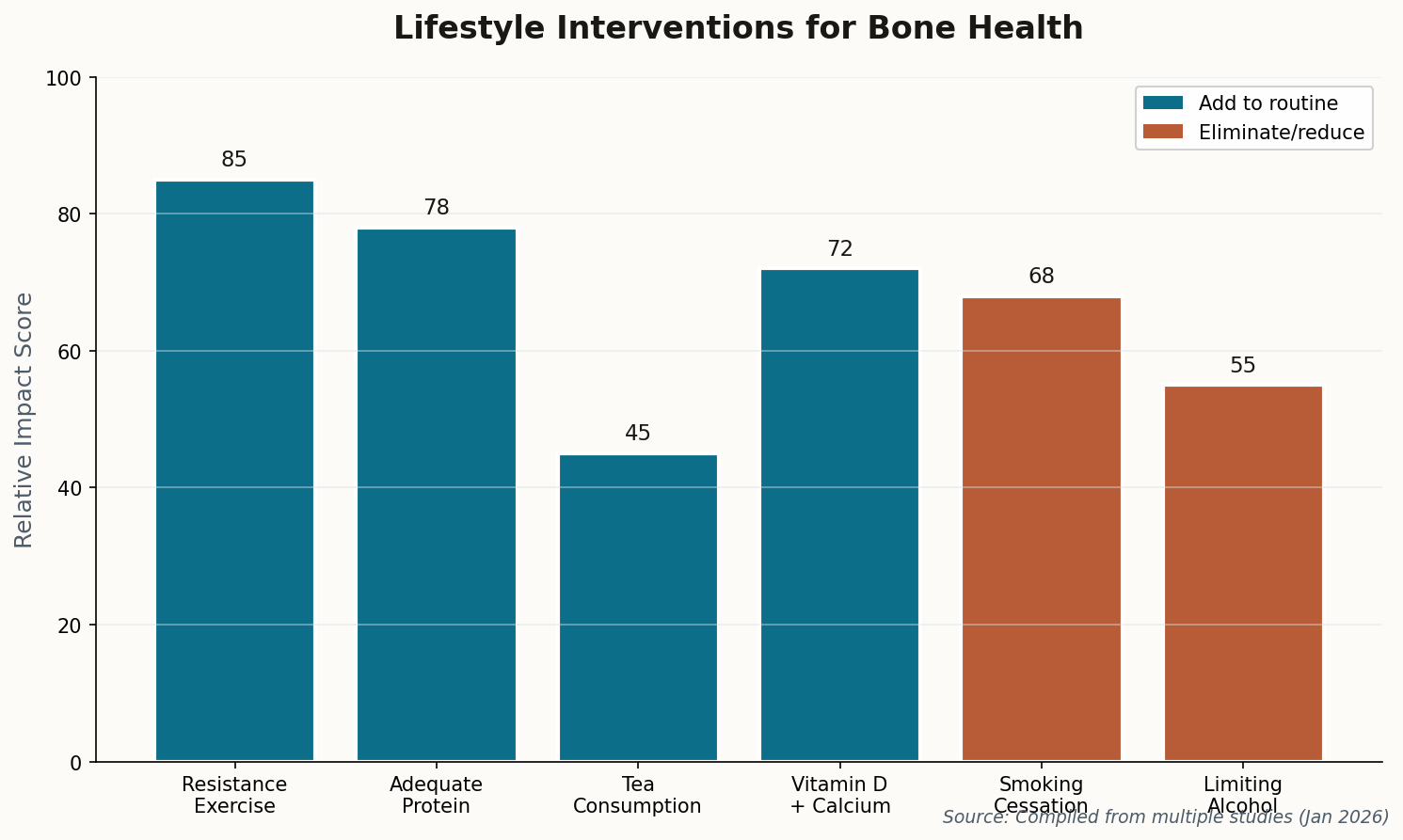
Bar chart showing relative impact of lifestyle interventions on bone health
Lifestyle interventions ranked by relative impact on bone mineral density. Resistance exercise and adequate protein lead the pack.

The practical implication: if you're treating osteopenia with calcium and vitamin D alone, you may be leaving your most powerful lever untouched. Protein recommendations specifically target 1.0-1.2 grams per kilogram of body weight for older adults—significantly higher than the general RDA. For a 150-pound post-menopausal woman, that's 68-82 grams daily, not the 45 grams she might be getting on a typical diet.

03

The Builder Drug That's Outperforming Everything Else

Modern syringe pen injector before bone cross-section showing transformation from porous to dense structure

For years, the osteoporosis medication landscape has been dominated by drugs that slow bone loss. Romosozumab (brand name Evenity) does something different: it actually builds new bone. A new meta-analysis confirms what early trials suggested—this anti-sclerostin antibody therapy significantly outperforms everything else on the market.

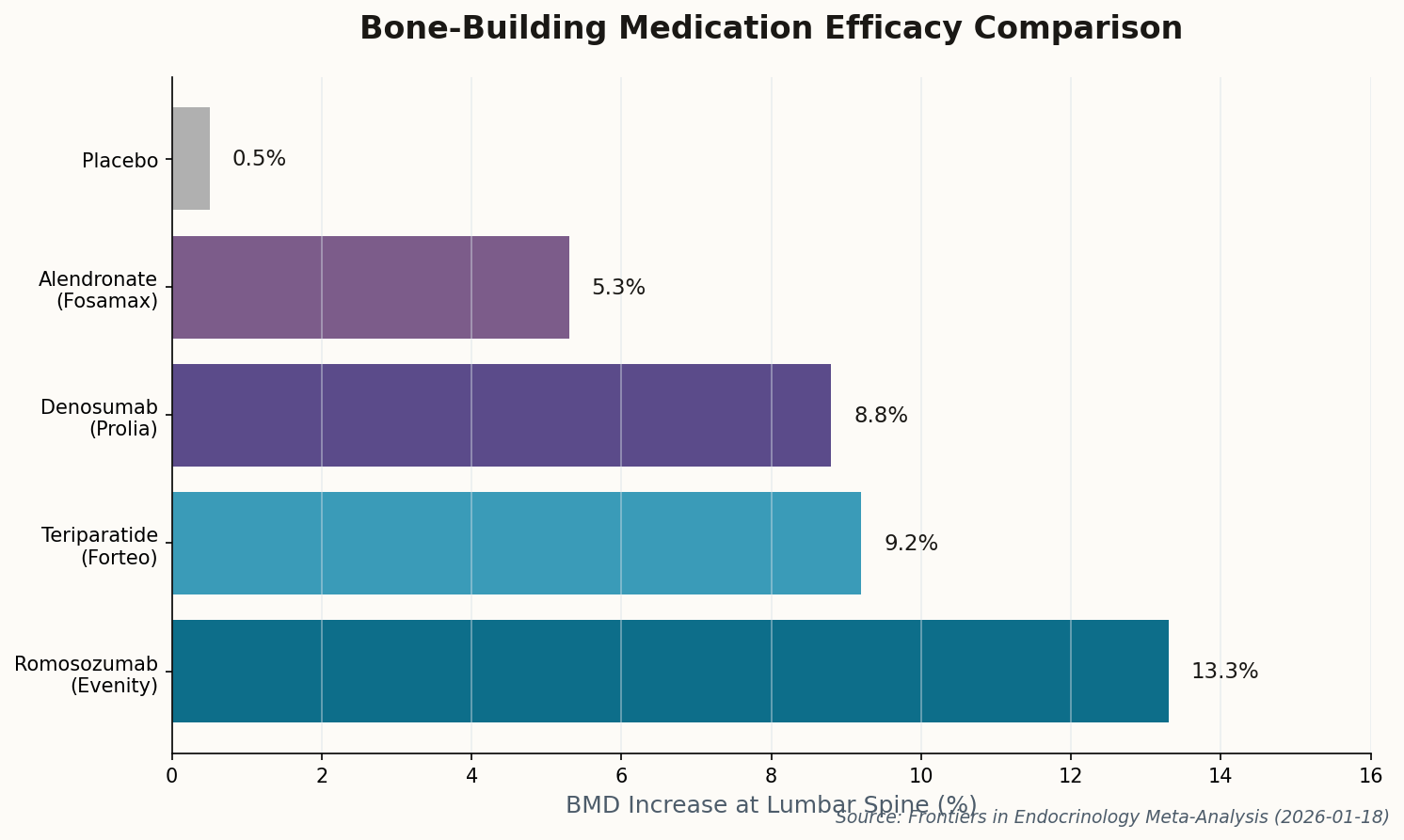
The numbers are striking. At the lumbar spine, romosozumab achieved a 13.3% increase in bone mineral density—compared to 9.2% for teriparatide (Forteo), 8.8% for denosumab (Prolia), and just 5.3% for alendronate (Fosamax). The advantage held at the hip and femoral neck too. This isn't marginal improvement; it's a different category of outcome.

Horizontal bar chart comparing bone mineral density increases across different osteoporosis medications
Bone-building medication efficacy comparison. Romosozumab leads with 13.3% BMD increase at the lumbar spine.

The clinical positioning is now clearer: romosozumab isn't just an option—it's arguably the first-line choice for patients with severe osteopenia who need aggressive reversal rather than maintenance. The main barrier remains access: it's expensive, requires monthly injections for a year, and insurers often demand trial and failure of older drugs first. But for high-risk patients, the "wait and see" approach with bisphosphonates may now be harder to justify.

04

AI Can Now Spot Your Bone Loss Before You Feel It

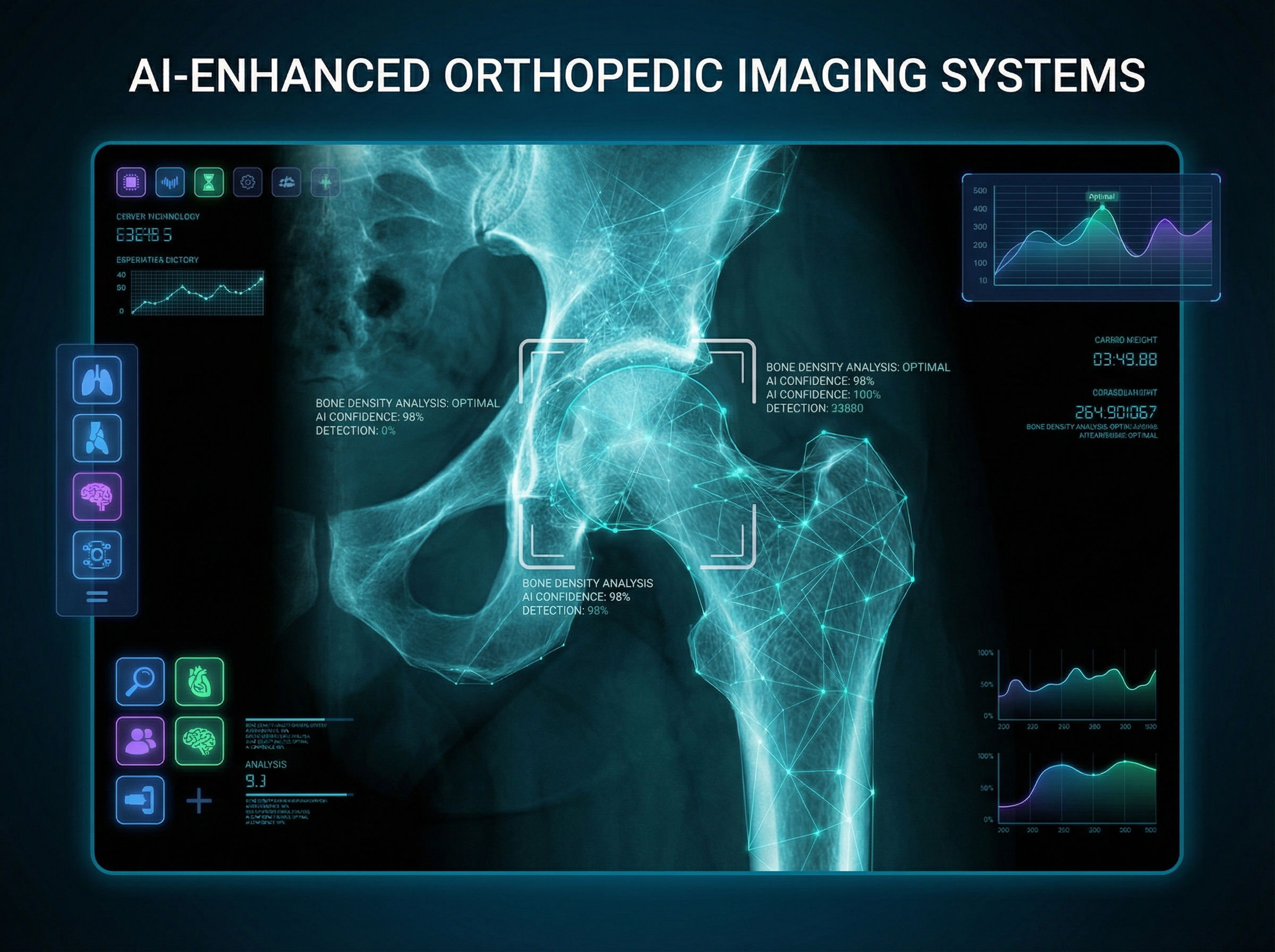
X-ray image with AI neural network overlays highlighting bone density patterns

You've probably had a chest X-ray or CT scan for reasons having nothing to do with your bones. But those images contain information about bone density that, until now, required a separate DEXA scan to assess. A systematic review confirms that machine learning models can now extract that hidden signal with remarkable accuracy—opening the door to opportunistic screening at massive scale.

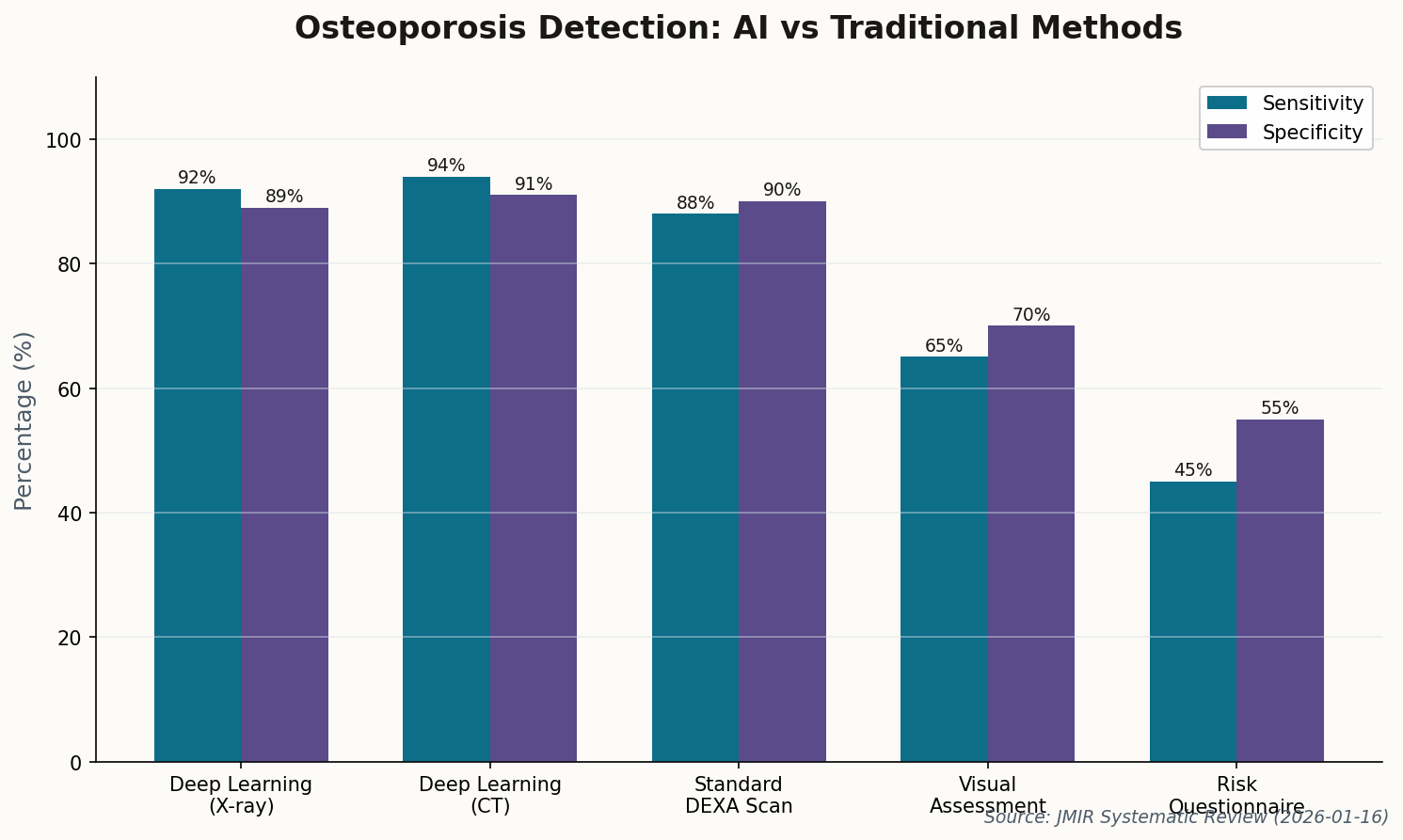
Deep learning models analyzing X-rays achieved 92% sensitivity and 89% specificity for osteoporosis detection. CT-based models did even better: 94% sensitivity, 91% specificity. For context, that's approaching DEXA-level performance (88% sensitivity, 90% specificity) without requiring a dedicated bone density test.

Grouped bar chart comparing AI vs traditional methods for osteoporosis detection
Diagnostic accuracy comparison: Deep learning on routine imaging vs. traditional screening methods.

The population health implications are significant. Most osteoporosis goes undiagnosed until a fracture occurs. If every CT and X-ray could automatically flag patients at risk, the screening gap would collapse overnight. The technology exists; what's needed now is integration into clinical workflows and validation in diverse populations. Watch for pilot programs from major health systems within the year.

05

How Sugar Turns Into "Bone Fat"

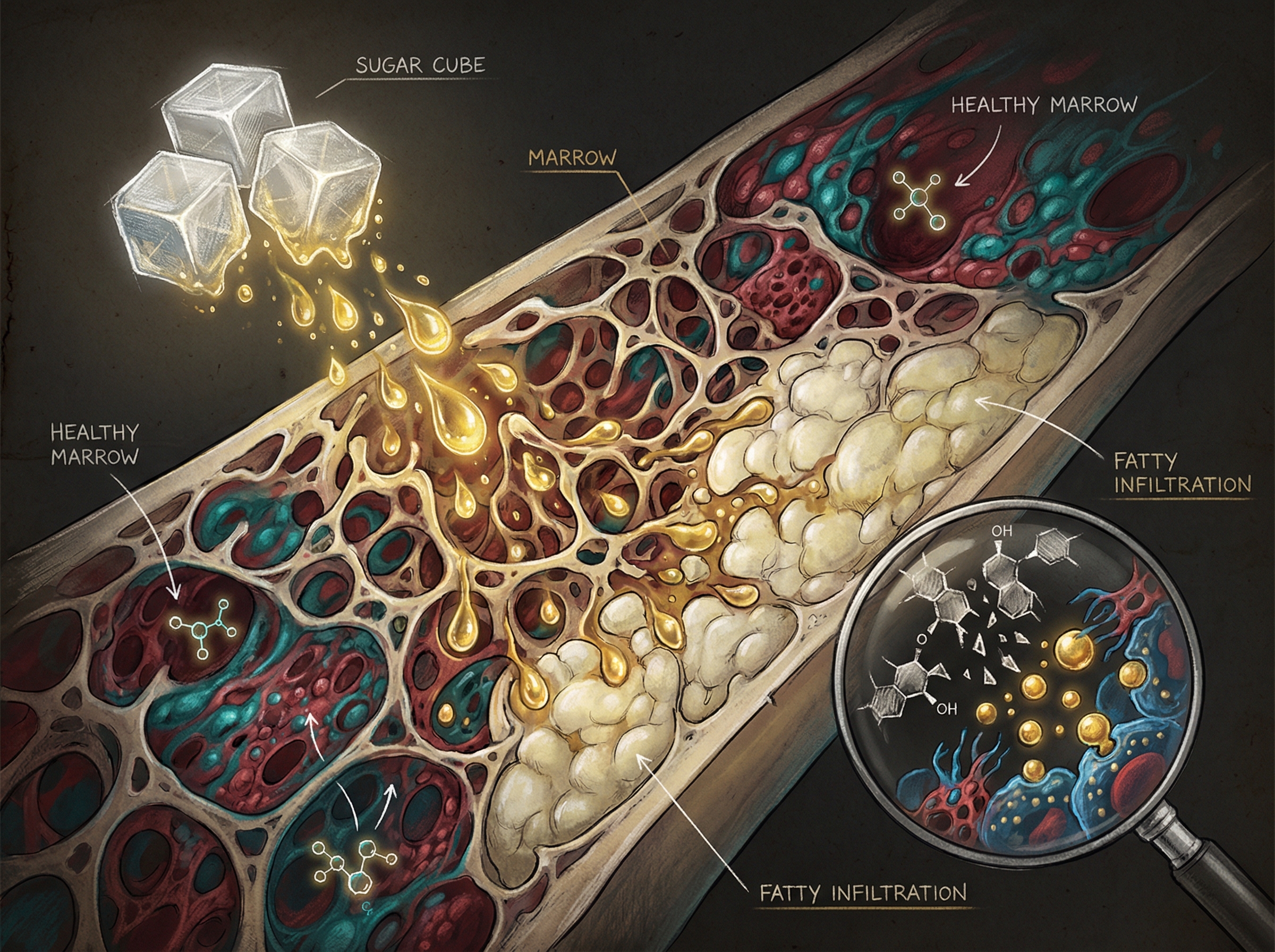
Sugar cubes dissolving into golden droplets infiltrating bone marrow cross-section

Here's a mechanism for osteopenia you won't find in most patient education materials: dietary sugar converting to fat inside your bones. New federal funding has been awarded to University of Western Australia researcher Dr. Kai Chen to investigate exactly how this happens—and whether RNA therapies could block it.

The target is marrow adiposity—the accumulation of fat cells within bone marrow that weakens bone structure. Unlike subcutaneous fat you can see, bone marrow fat is invisible but metabolically active. High sugar intake appears to drive stem cells in the marrow toward becoming fat cells rather than bone-building osteoblasts. The result: bones that look normal on the outside but are increasingly hollow and fragile on the inside.

The research is early-stage, but the therapeutic vision is compelling: a targeted treatment that could reprogram the metabolic pathway without requiring patients to dramatically change their diets. That said, while we wait for RNA therapies, the interim recommendation is obvious—reducing sugar intake isn't just about weight and diabetes anymore. Your skeleton has a stake too.

06

The Case for Your Daily Tea Ritual

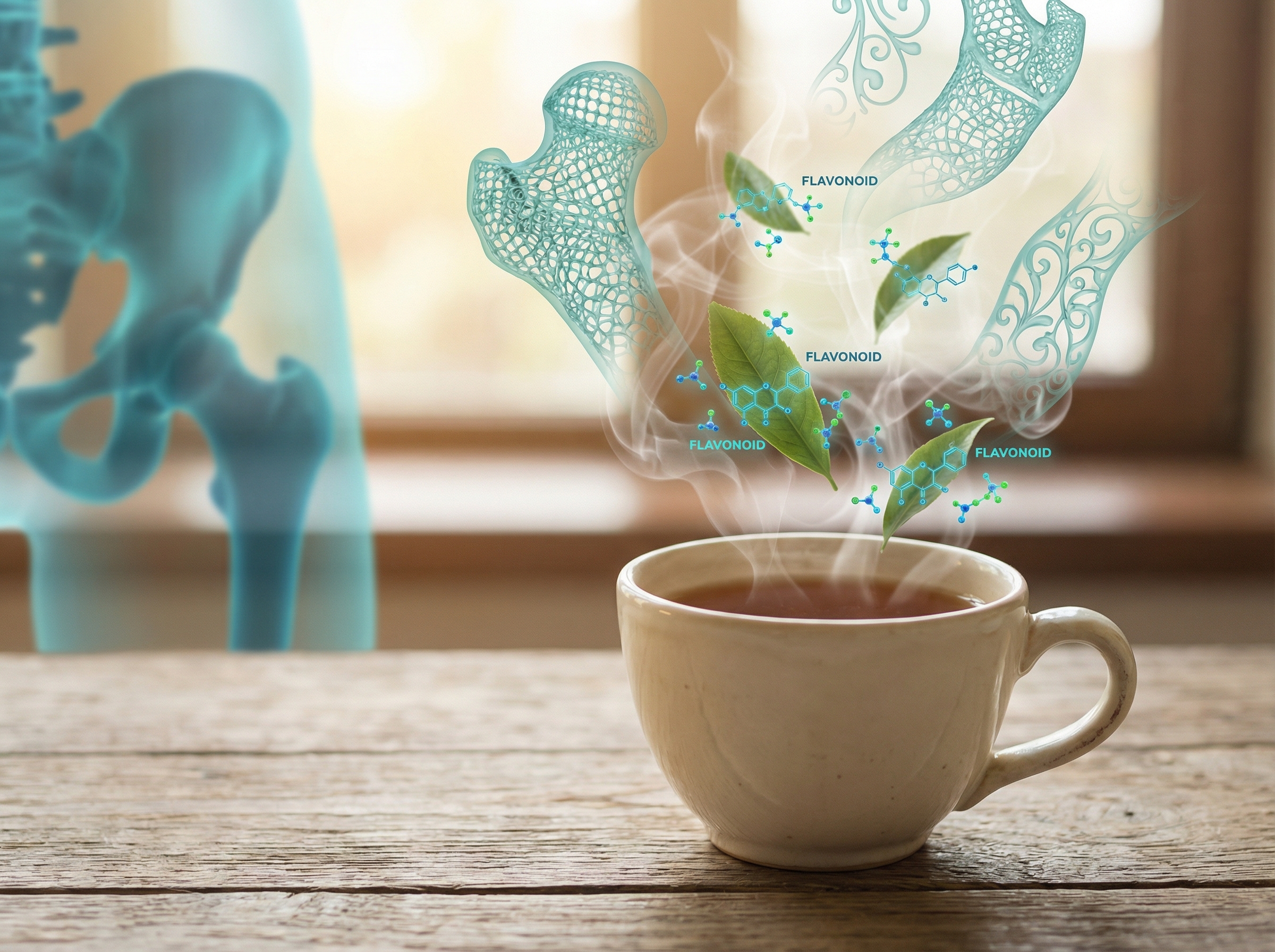
Elegant ceramic teacup with steam transforming into bone lattice patterns

Sometimes the most actionable health findings are also the most pleasant. A 10-year longitudinal study of older women found that habitual tea consumption is associated with modestly higher bone mineral density in the hip—one of the most fracture-prone sites in the osteoporotic skeleton.

The protective effect is attributed to flavonoids—bioactive compounds abundant in tea that appear to support bone formation or reduce resorption. The study distinguished between tea and coffee: moderate coffee consumption showed no negative effect, but excessive intake (more than 5 cups daily) combined with alcohol was detrimental. Tea consumption across all levels studied showed a positive association.

The magnitude of effect isn't transformative—we're not talking about tea replacing medication for established osteoporosis. But for the vast middle ground of people with osteopenia or normal bone density who want to maintain what they have, a daily tea habit is now a defensible part of a bone-health strategy. It's also a reminder that not every intervention needs to be a pill or a workout.

07

What Astronauts Prove About Exercise and Bone

Astronaut performing resistance training in space station with Earth visible through window

Space is the ultimate bone-loss laboratory. Remove gravity, and bone density plummets faster than any disease can cause on Earth. That's what makes NASA Johnson Space Center's research on 51 astronauts so relevant to everyone sitting in a chair reading this newsletter.

The finding: specialized in-flight resistance exercise regimens successfully maintained bone microarchitecture even during extended missions. The study validated a new measurement approach—Trabecular Bone Score (TBS)—alongside standard DEXA scans to assess not just density but quality of bone structure. Both metrics held steady with rigorous exercise protocols.

The translation to Earth isn't complicated: if high-intensity resistance training can preserve bone in the most extreme unloading environment possible, it can certainly do the same for someone whose biggest gravitational challenge is getting off the couch. The astronaut protocol—heavy resistance exercises targeting major muscle groups—isn't exotic. It's what any decent strength training program already includes. The difference is consistency and intensity. Your bones, like astronauts' bones, respond to mechanical load. The question is whether you're providing enough of it.

The Bottom Line: Bone health isn't just about calcium pills and annual DEXA scans. This week's research points to a more integrated approach—watching medication side effects, eating enough protein, embracing resistance training, and yes, having your tea. Your skeleton is constantly rebuilding itself. The question is what signals you're sending it.

Until Next Week

Bones are patient. They don't complain until they break. The research is getting better at catching problems before that happens—now it's about acting on what we know.