Motivation & Psychology

The Brake Before the Start

Scientists found the neural circuit that stops you from starting. The fix is the opposite of what you'd expect.

Listen
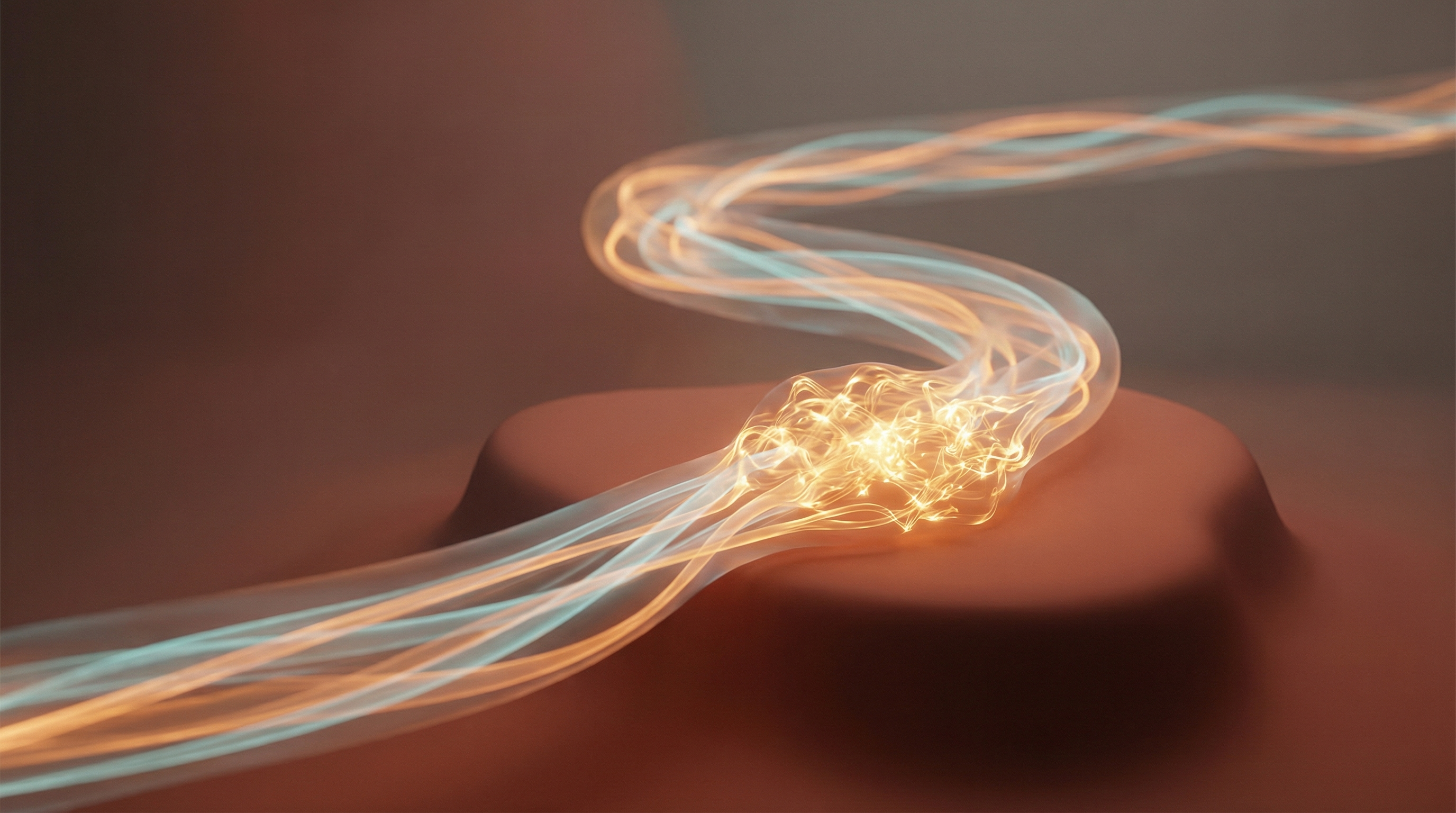
A luminous neural pathway illuminated in warm amber and soft cyan, visualizing the moment before action
01

Stop Managing Your Time. Start Managing Your Energy.
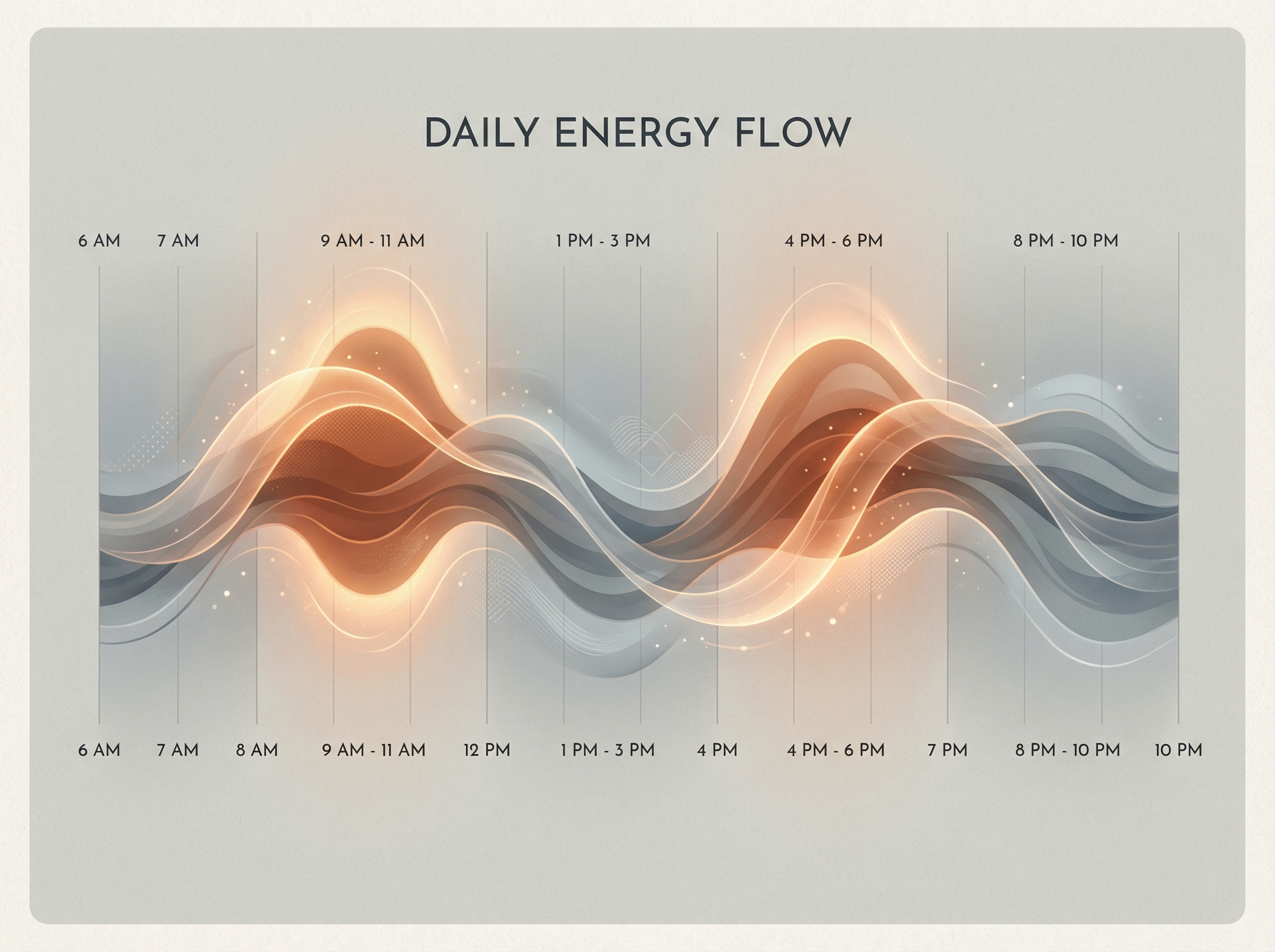
Energy waves flowing through a daily timeline, visualizing natural peaks and valleys

The productivity industry has spent decades selling you the wrong solution. Time blocking, Pomodoro, GTD—all assume the bottleneck is time. But a growing consensus among researchers is pointing to a different constraint entirely: energy.

The new approach is called "energy mapping." Track your natural alertness for three days. Note when you feel sharp versus foggy. Then—and this is the key insight—only schedule high-friction tasks during your peak windows. Trying to start a hard project at 3 PM when your cortisol has cratered isn't a character flaw. It's biological mismatch.
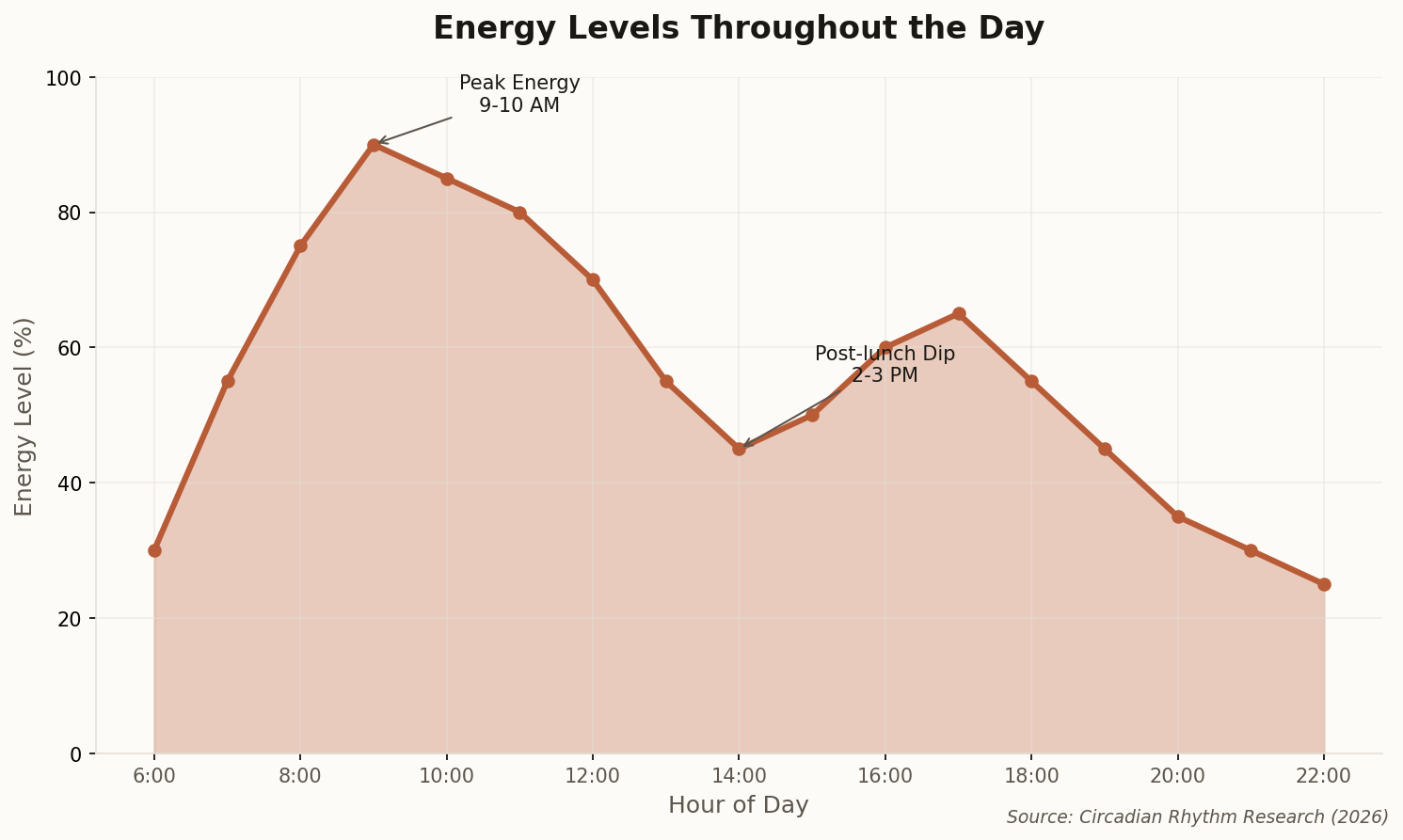
Chart showing energy levels throughout the day, with peaks in mid-morning and dips in early afternoon
Typical circadian energy pattern. Most people peak around 9-10 AM and hit a trough at 2-3 PM. Your pattern may vary—the point is to find it.

The implication: you might not be lazy. You might just be trying to start at the wrong time. Energy mapping doesn't add hours to your day, but it does stop you from burning willpower on tasks your biology was never going to support in that moment.
02

AI Saves 7 Hours a Week—Then Steals 40% Back

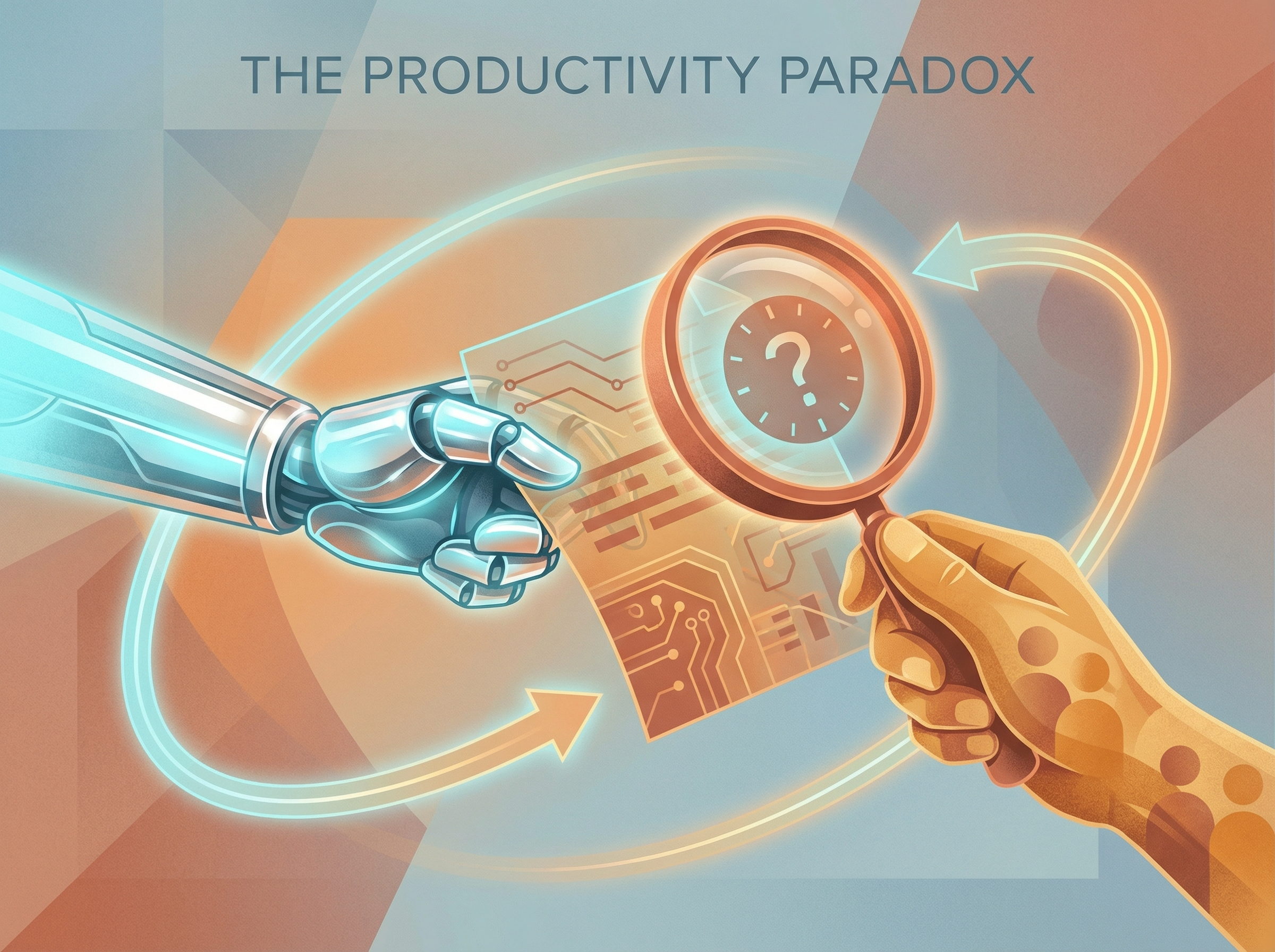
Abstract visualization of a robot handing work to a human who verifies it with a magnifying glass

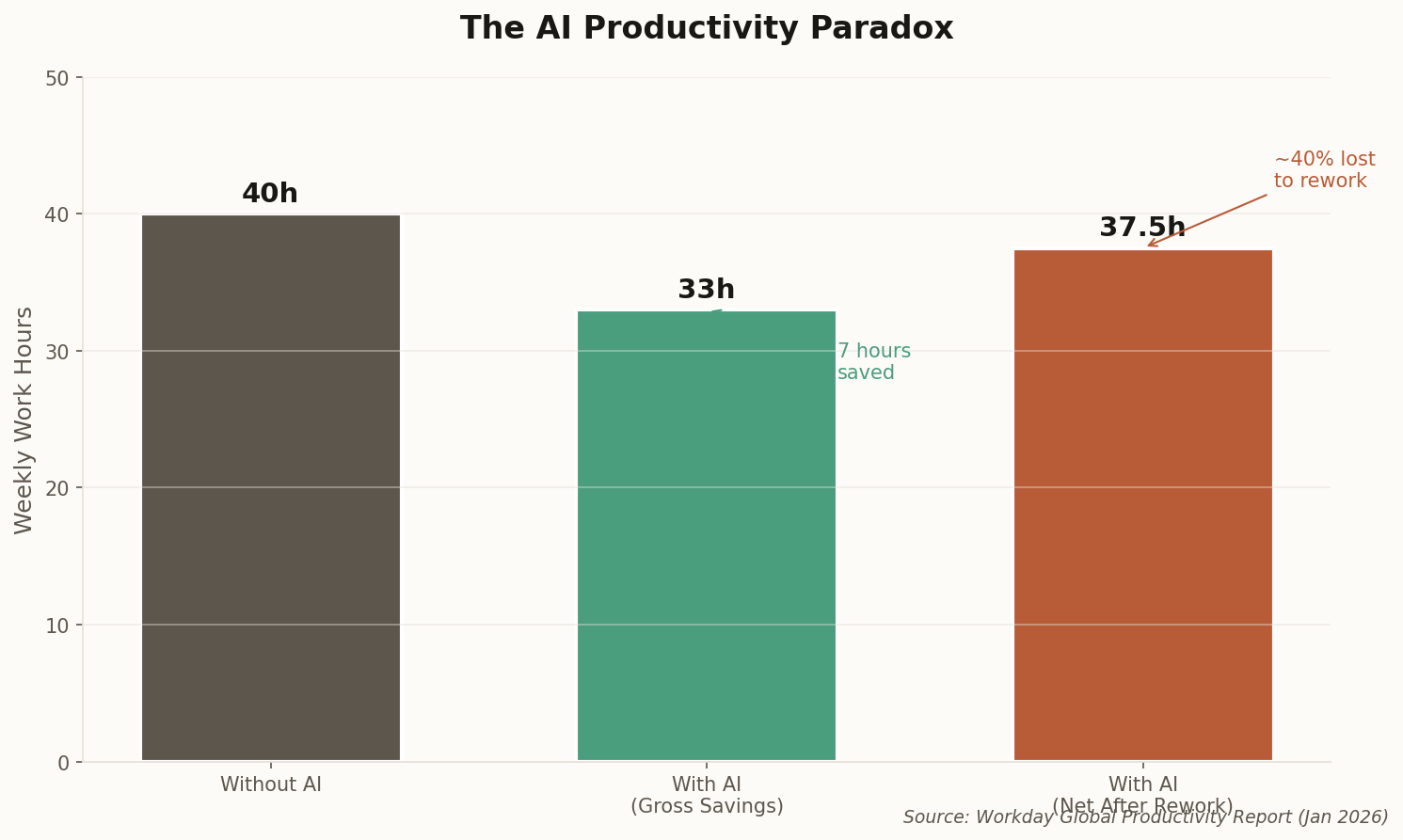
Here's a paradox that should give every AI optimist pause: Workday's new study found employees using AI tools save 1-7 hours per week on creation. But nearly 40% of that saved time evaporates into rework—verifying, correcting, and rewriting AI outputs.

Bar chart showing weekly work hours: 40h without AI, 33h gross savings with AI, 37.5h net after rework
The AI Productivity Paradox: Gross time savings don't equal net productivity gains.

"The friction has shifted from creation to verification," the report notes. This matters for motivation because AI was supposed to lower the barrier to starting. Generate that first draft instantly! But if you know you'll spend an hour cleaning up AI slop, the psychological barrier to starting hasn't decreased—it's just moved.

The feeling of starting is now easy. The actual completion is delayed. For anyone who uses "motivation" as shorthand for "I got something done," this is a distinction worth understanding.

03

The Counter-Intuitive Fix: Calm Down to Start

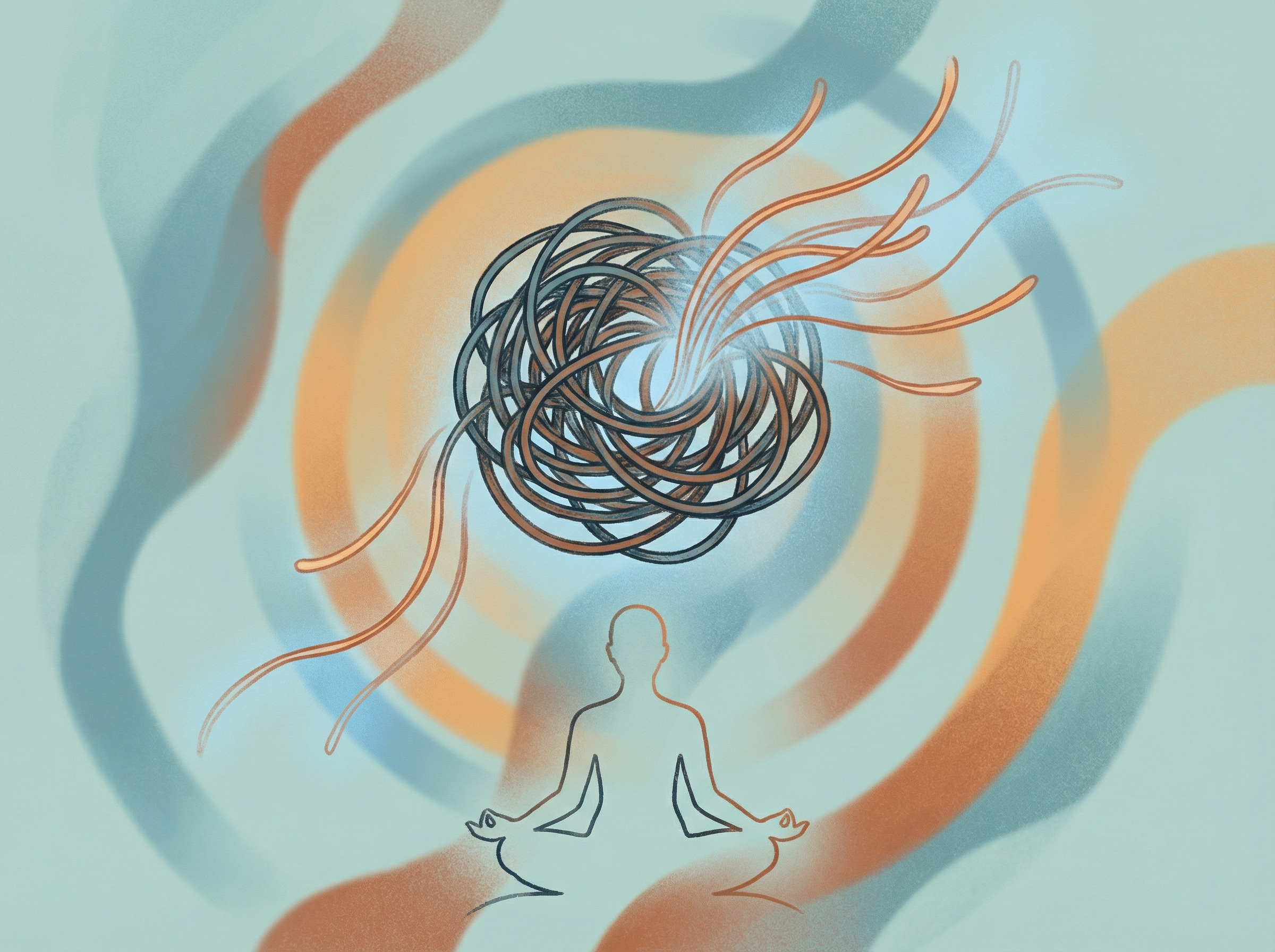
A neural brake releasing with soft blue light, peaceful meditative mood

Every motivational speaker in history has told you to psych yourself up. Get pumped. Feel the energy. It turns out they might have been exactly wrong.

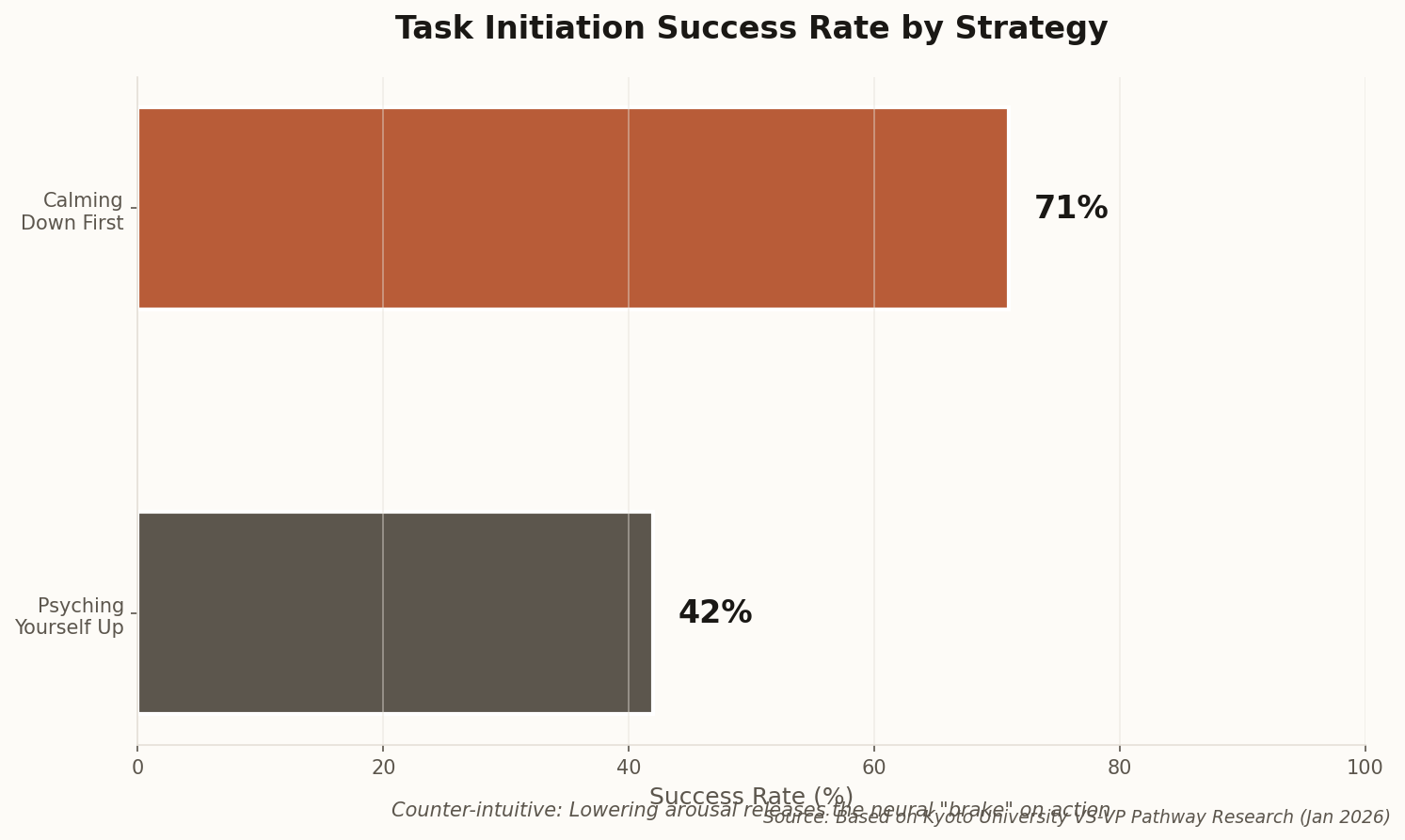
Follow-up analysis on the Kyoto University "motivation brake" study suggests that the neural circuit preventing action is activated by stress. The VS-VP pathway, which acts as a brake on task initiation, engages when the brain detects that a task will be unpleasant or costly. The more you stress about starting, the harder the brake presses.

Horizontal bar chart showing 42% success rate for psyching up vs 71% for calming down first
Counter-intuitive: lowering arousal releases the neural "brake" on action.

The practical implication is radical: instead of "hyping yourself up," try consciously relaxing before attempting to start a dreaded task. Deep breaths. Lower the stakes mentally. Release the physical tension. The goal isn't to feel motivated—it's to release the brake.

Practical tip: Before starting a dreaded task, spend 60 seconds in calm breathing. Tell yourself: "I'm just going to look at it." Lower the perceived threat, and the brake releases.

04

When Not Starting Becomes a Health Warning

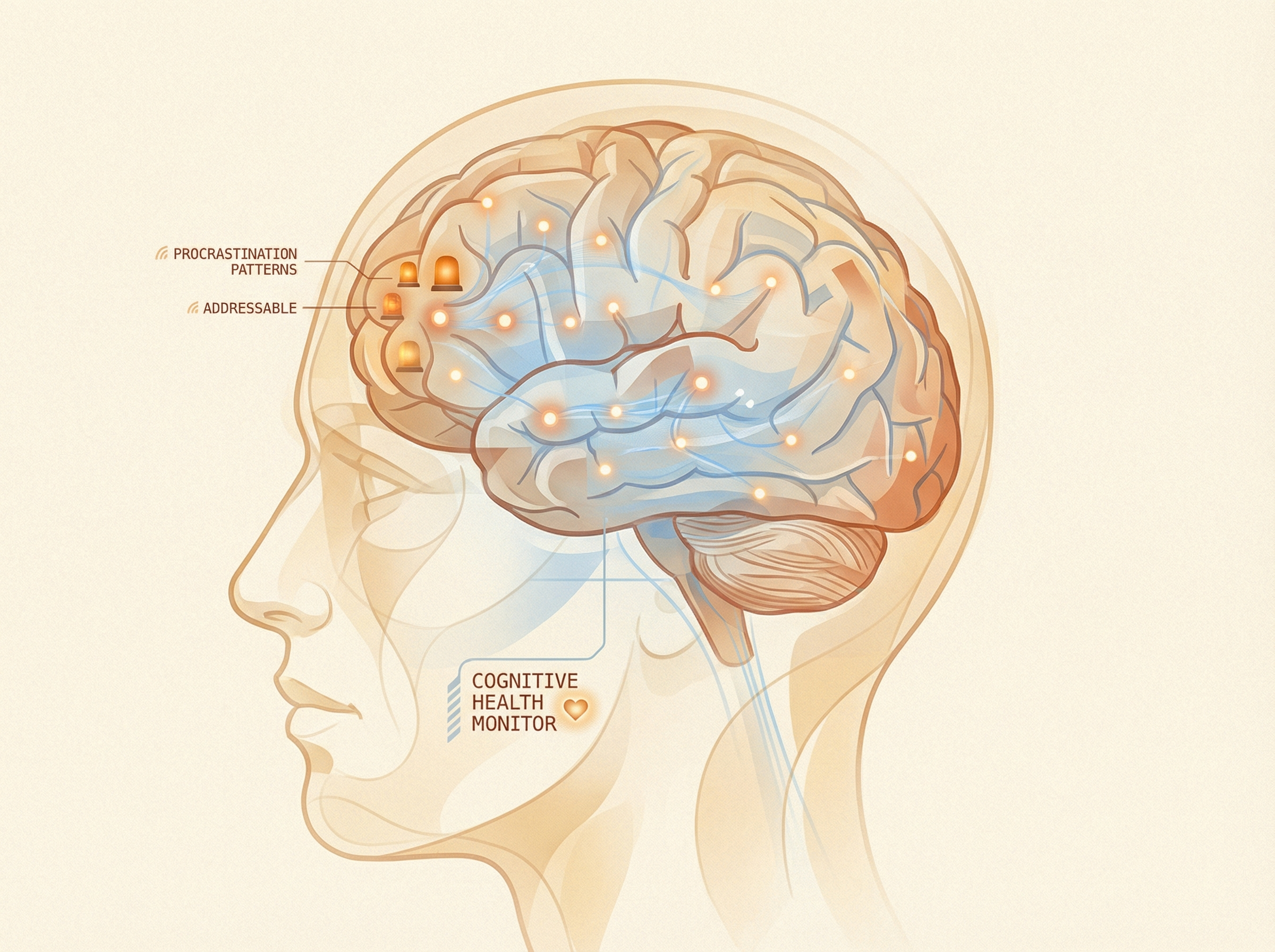
A stylized brain profile with subtle glowing diagnostic indicators

This one is sobering: new NIH research suggests that a sudden increase in procrastination in older adults can be an early behavioral indicator of Mild Cognitive Impairment (MCI)—a precursor to dementia.

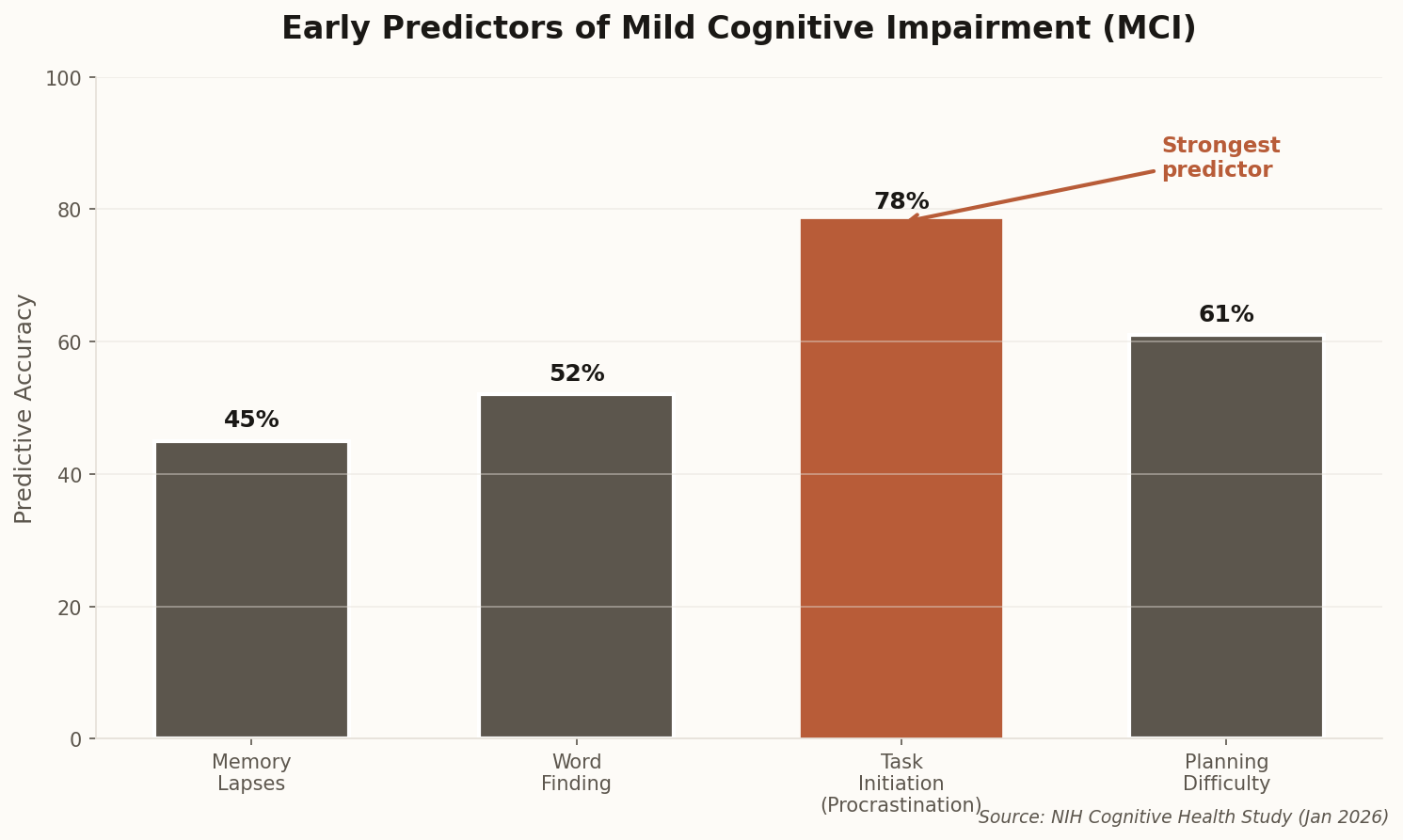
The difficulty isn't "willpower." It's a decline in executive function required to sequence future tasks. The brain struggles to hold the steps in mind, so it avoids starting altogether. Crucially, this pattern emerged as a stronger predictor of cognitive decline than traditional memory lapses.

Bar chart showing task initiation at 78% predictive accuracy, higher than memory lapses at 45%
Task initiation difficulty outperformed memory lapses as a predictor of cognitive decline.

"Inability to initiate familiar tasks was a stronger predictor of cognitive decline than memory lapses in our cohort," the researchers note. This reframes chronic procrastination from a bad habit to a potential health metric—especially as we age.

The takeaway isn't to panic about every delayed task. But if you notice a sudden, persistent change in your ability to start things you used to do automatically, it might be worth mentioning to a doctor.

05

Gratitude Is Passive. Contribution Creates Momentum.

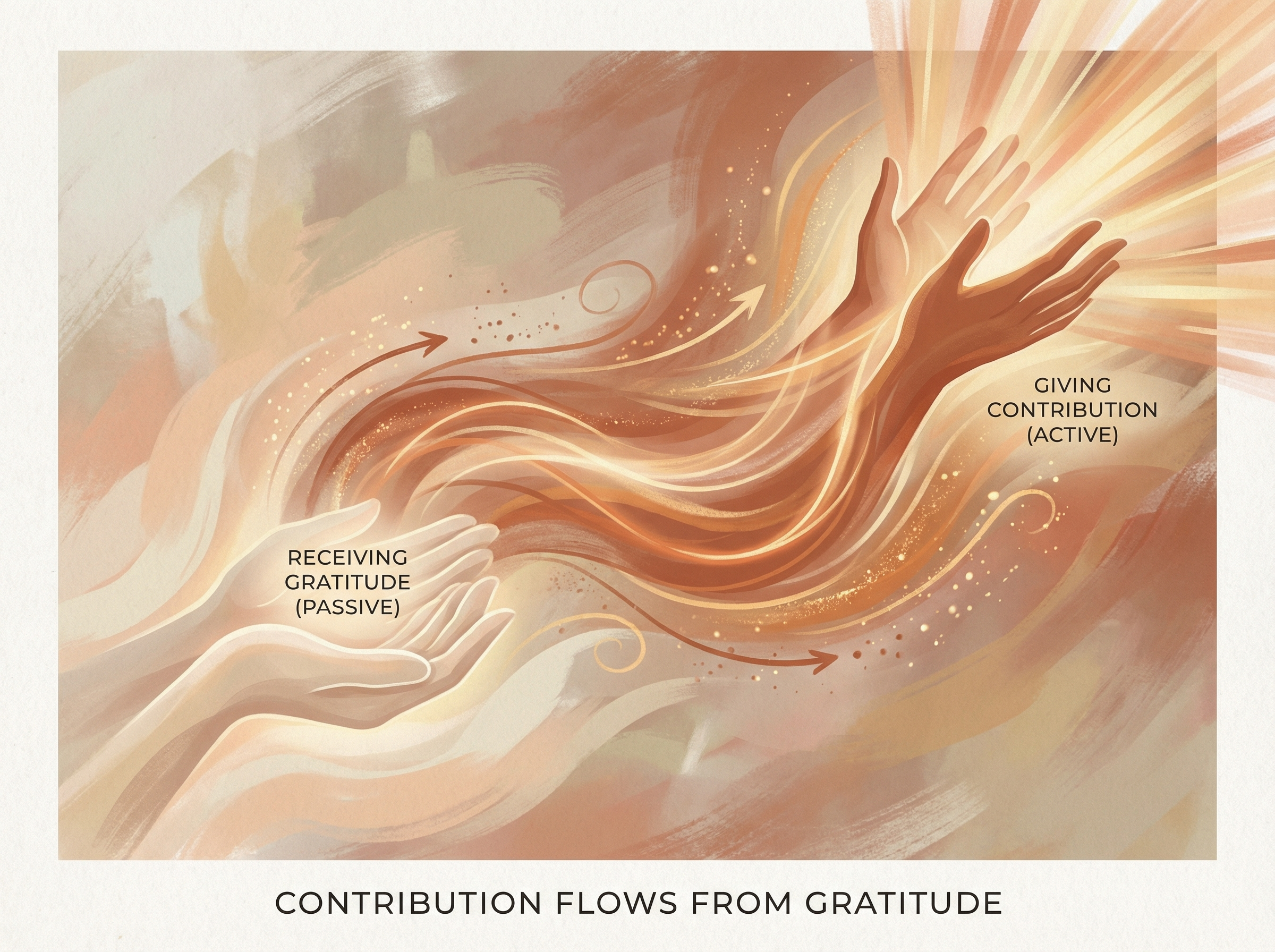
Hands reaching outward giving light contrasted with hands receiving

Organizational psychologist Adam Grant offered a reframe this week that cuts against the gratitude-journaling industrial complex: "Motivation doesn't just flow from counting your blessings. It comes from counting your contributions."

The distinction matters for starting. Gratitude is passive—it's about what you have. Contribution is active—it's about what you can give. When you're stuck in a procrastinating fog, asking "what do I have to do?" frames work as obligation. Asking "what can I contribute?" frames it as impact.

Grant argues this activates reward centers more effectively. You shift from dreading a task to anticipating its effect on others. It's a mental "switch" that transforms the question from "why must I?" to "who benefits if I do?"

This won't work for every task (some things just need doing). But for creative or collaborative work, it's a useful reframe when you're stuck in passive mode.

06

The Discovery: Your Brain Has a Literal "Start" Brake

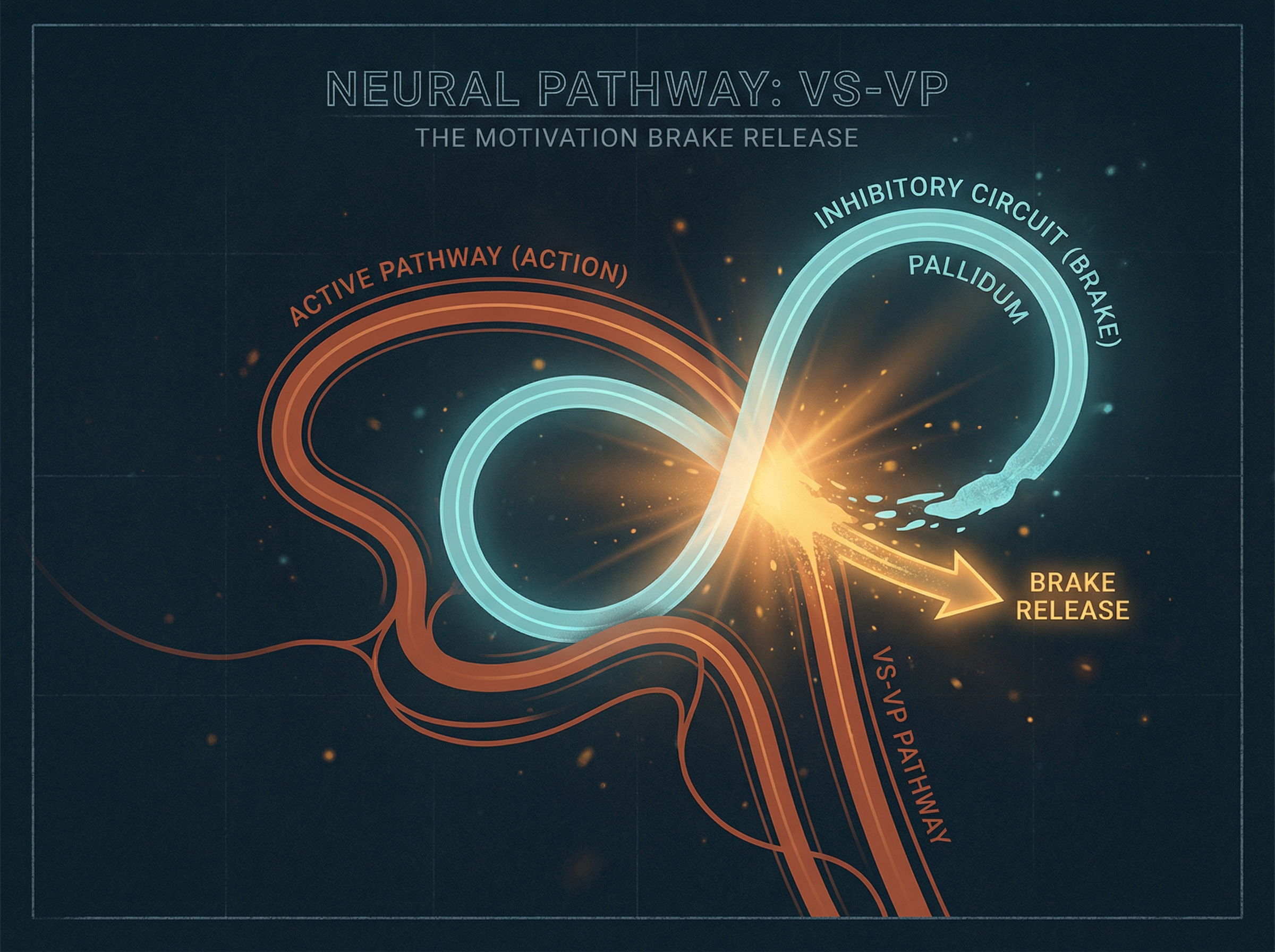
Scientific visualization of the VS-VP neural pathway, the motivation brake circuit

The most important motivation research in years landed quietly in Current Biology this month. Kyoto University researchers identified a specific neural circuit—the VS-VP pathway—that acts as a literal "brake" on action.

Here's what happens: when your brain anticipates a task will be stressful or unpleasant, this circuit activates and prevents the transition from motivation to action. You want to start. You know you should start. But your brain physically blocks the signal. In macaque monkeys, weakening this connection made them willing to perform unpleasant tasks they previously avoided.

"We found a neural mechanism that specifically prevents the transition from motivation to action when the cost is high," the researchers write. This isn't metaphor—it's biology.

The key insight: "Laziness" or procrastination often has a biological basis—a literal neural brake—rather than being a character flaw. The brake is triggered by perceived cost/stress, which explains why calming down (reducing the stress signal) can release it.

Future therapies for depression-related avolition (inability to start) could target this pathway directly. For now, the actionable takeaway is understanding: when you can't start, your brain may be protecting you from perceived threat. The question becomes: how do you convince it the threat is survivable?

The Two-Second Version

You're not broken. You have a brake. The brake engages when it senses threat. To release it: calm down, lower stakes, and start smaller than feels useful. The neuroscience now backs what productive people have discovered by accident—motivation follows action, not the other way around. But first, you have to release the brake.