Listen to this issue
Brain Health

The Gym Bro's Supplement Just Got a PhD

This week, creatine crossed from weight rooms into neurology journals. Here's what changed—and what it means for your brain.

Abstract visualization of creatine molecules crossing the blood-brain barrier
01

Oxford Puts Its Name on the Line

When Oxford University Press publishes something, tenure committees pay attention. Their February 2026 issue of Nutrition Reviews features a systematic review with a verdict that would have seemed absurd a decade ago: creatine supplementation provides measurable cognitive benefits in healthy older adults.
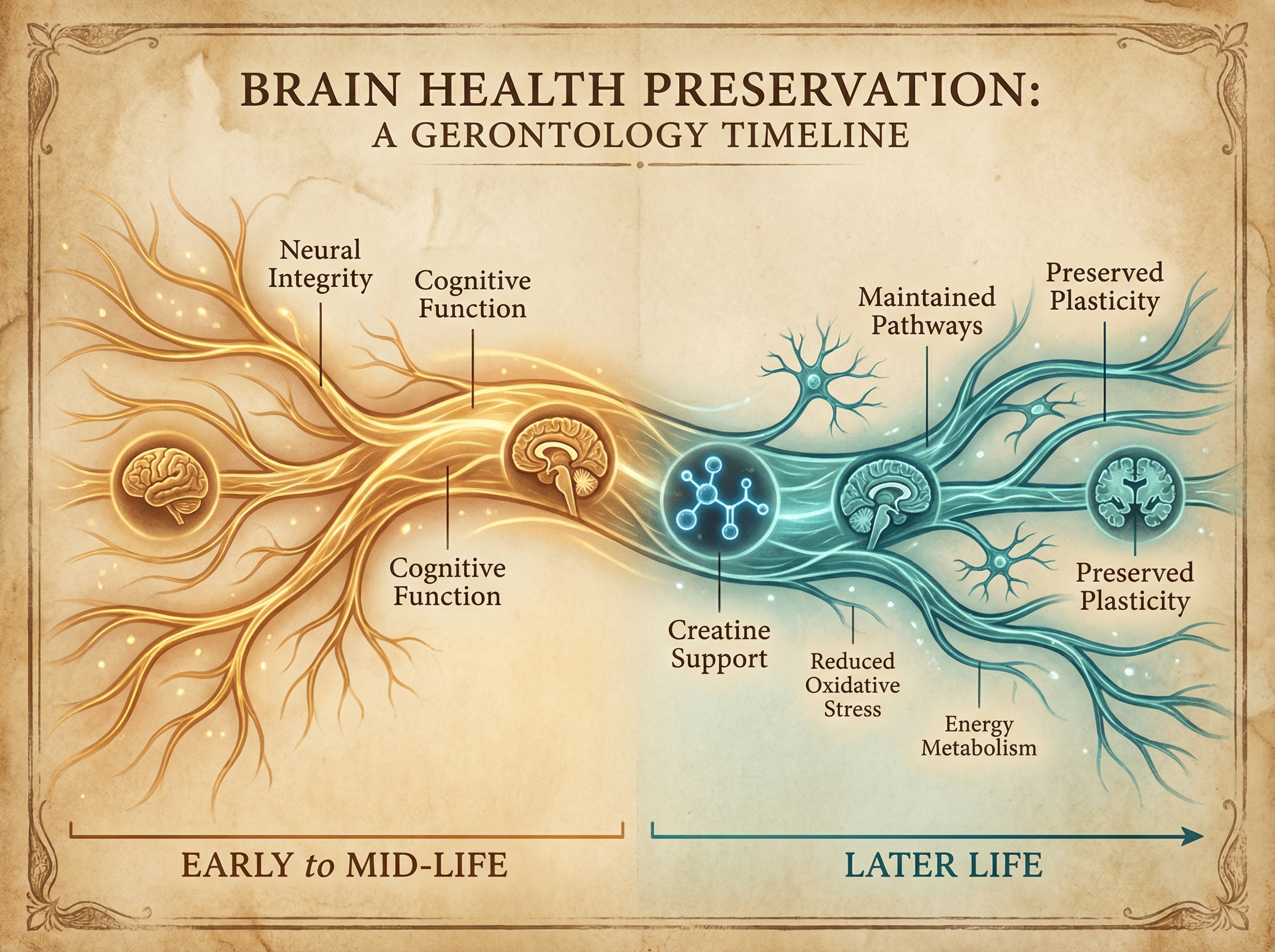
Scientific illustration of aging brain with neural pathways

The key finding isn't that creatine helps cognition generally—it's the specificity. Memory and attention showed significant improvements. Global cognition scores? Not so much. This distinction matters because it suggests creatine isn't some blunt cognitive enhancer; it's addressing particular metabolic bottlenecks in the aging brain.
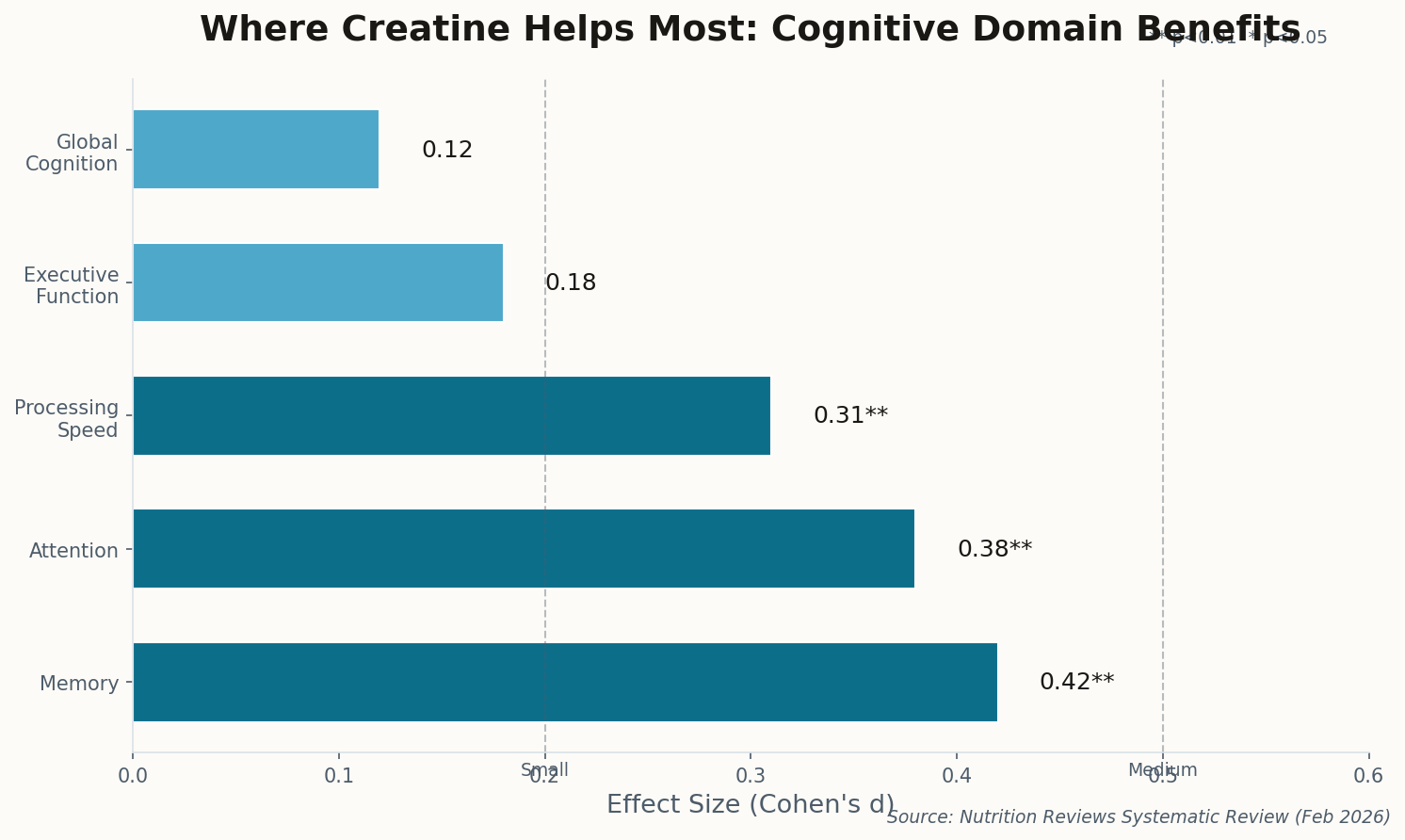
Bar chart showing cognitive improvement effect sizes by domain
Effect sizes (Cohen's d) by cognitive domain. Memory and attention show the strongest response.
What this means

Creatine just moved from "gym supplement" to "potential geriatric intervention." Expect to see it mentioned alongside vitamin D and omega-3s in longevity protocols by year's end.
02

The #1 Brain Supplement of 2026 Isn't What You'd Guess

Move over, lion's mane. Forget your nootropic stacks. According to News-Medical.Net's annual analysis, the supplement most likely to actually improve your cognitive performance in 2026 is the same powder bodybuilders have been dumping in their shakes since the 1990s.

Conceptual image of creatine molecule as brain fuel

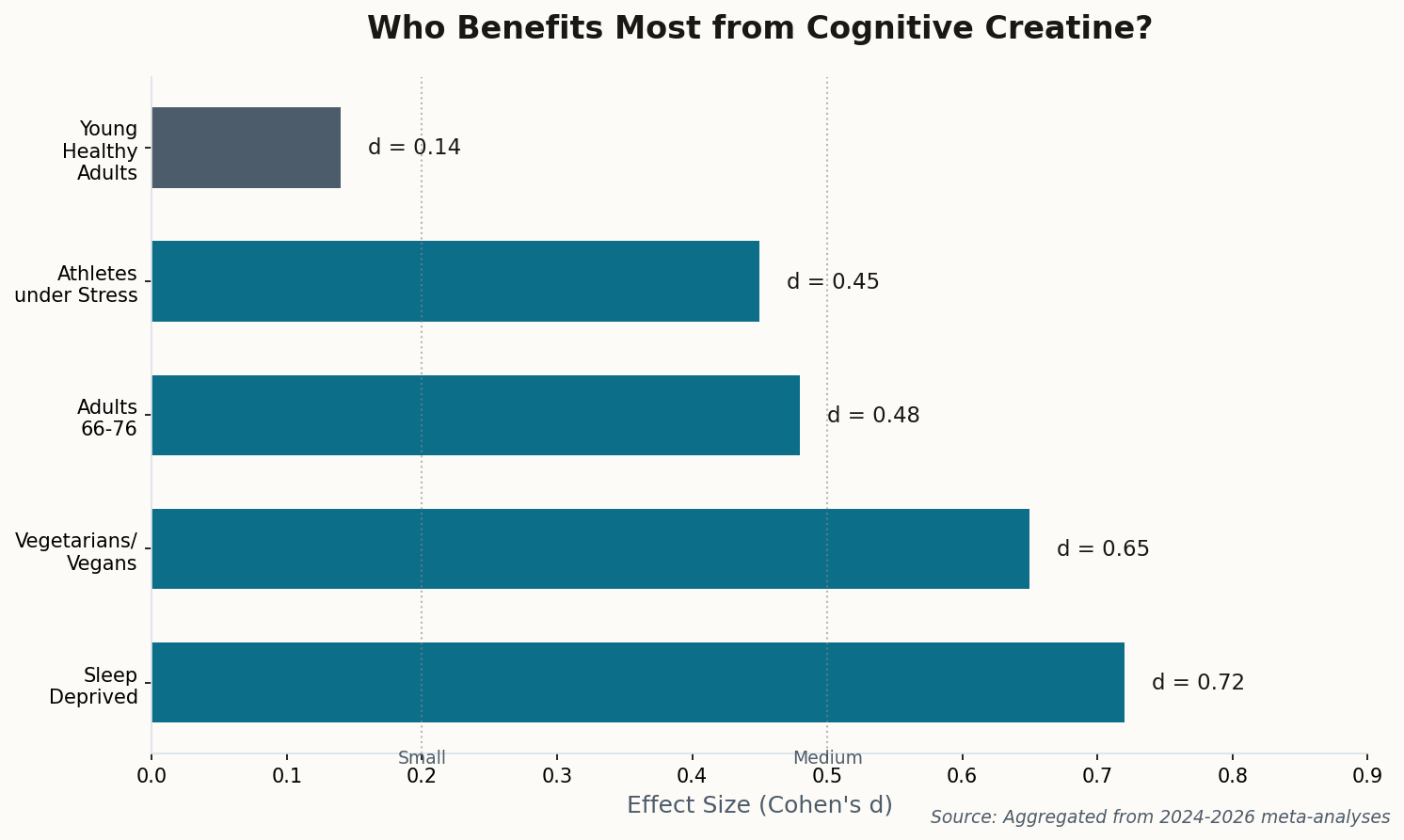
The analysis highlights two groups who benefit most: vegetarians and vegans (who get essentially zero dietary creatine) and the sleep-deprived (whose brains are running on empty ATP reserves). For these populations, supplementation isn't optimization—it's addressing a genuine deficit.

Bar chart showing relative cognitive benefits by population group
Vegetarians and sleep-deprived individuals show the largest cognitive improvements from creatine supplementation.

The mechanism: Creatine acts as a "rechargeable battery" for neurons, buffering ATP during high-demand cognitive tasks. When your brain's energy reserves are already low, the buffer matters more.

03

The Wellness Industry Smells Opportunity

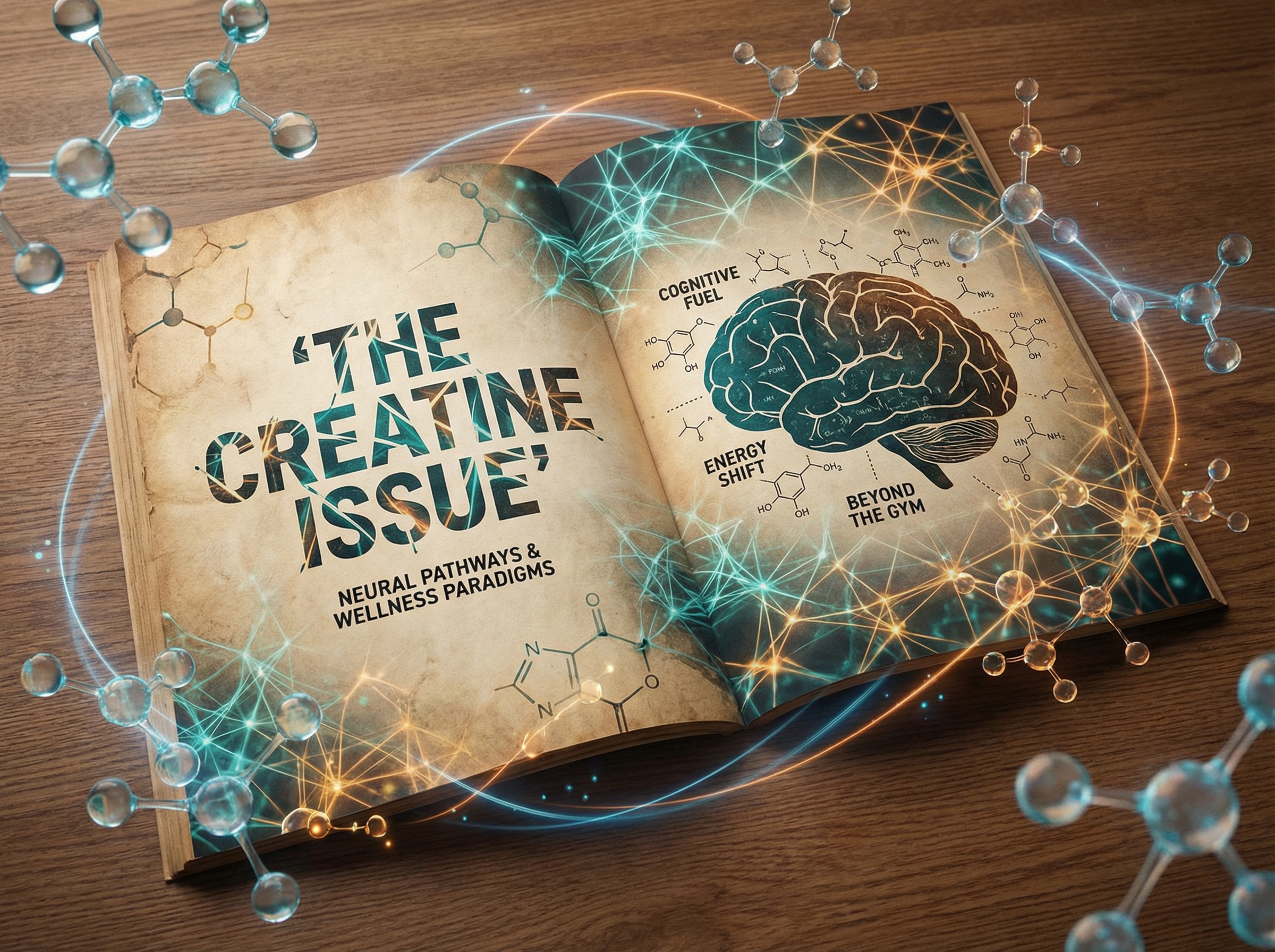
When Eudēmonia—the wellness publication that shapes what Goop readers think about next—dedicates an entire issue to creatine, something has shifted. Their "Creatine Issue" positions the supplement as foundational to what they call "metabolic psychiatry."

Magazine cover featuring abstract brain and energy visualization

The thesis: brain fog, attention problems, and even depression may share a common root cause—cellular energy deficits. Creatine, in this framework, isn't treating symptoms. It's restoring the bioenergetic substrate that healthy brain function requires.

They highlight emerging data on creatine as an adjunctive treatment for depression, particularly when combined with SSRIs or therapy. The early trials show faster response times and stronger symptom reduction. It's not replacing conventional treatment, but it may be amplifying it.

What to watch

The "bioenergetic deficit" theory of mental health is gaining steam. Creatine is just the first intervention—expect more focus on brain metabolism in psychiatric research.

04

When the Financial Press Covers Supplements, Pay Attention

The Economic Times doesn't usually cover nutritional supplements. Their beat is markets, commodities, and capital flows. So when they ran a feature on creatine as "brain fuel," the subtext was clear: this isn't just a health story anymore. It's an economic one.

Their angle focused on workforce productivity—specifically, the economic cost of cognitive fatigue and how knowledge workers might use creatine to maintain output during demanding periods. The piece recommended dosages ranging from 10g daily for general cognitive support to 20-30g during acute sleep deprivation.

The signal: When financial press starts covering a supplement, it means the mass-market adoption curve is beginning. Executives, consultants, and knowledge workers are the new target demographic—not athletes.

This reframing from "performance" to "productivity" is significant. Gyms sell to the fitness-conscious. Brain optimization sells to everyone with a demanding job. That's a much larger market.

05

Women's Health Gets Specific

Prevention's coverage zeroed in on something the academic reviews often bury in their data tables: the gender disparity in creatine's mood effects. Early clinical trials suggest that women with depression may respond more strongly to creatine supplementation than men.

Calming abstract illustration representing mental wellness

The proposed mechanism involves hormonal interactions with creatine kinase—the enzyme that mediates creatine's energy-buffering effects. Estrogen appears to influence how effectively creatine restores ATP in the prefrontal cortex, a region frequently showing energy deficits in depression.

Most striking: in studies combining creatine with cognitive behavioral therapy (CBT), participants showed significantly stronger reductions in depressive symptoms compared to CBT alone. This positions creatine not as an antidepressant replacement, but as a treatment potentiator—making existing therapies work better.

The bigger picture

For treatment-resistant depression, the standard approach is to add or switch medications. Creatine offers a lower-risk option that may accelerate existing treatments. Expect more psychiatrists to consider it as an adjunct.

06

The Blood-Brain Barrier Problem (And Why Your Dose Matters)

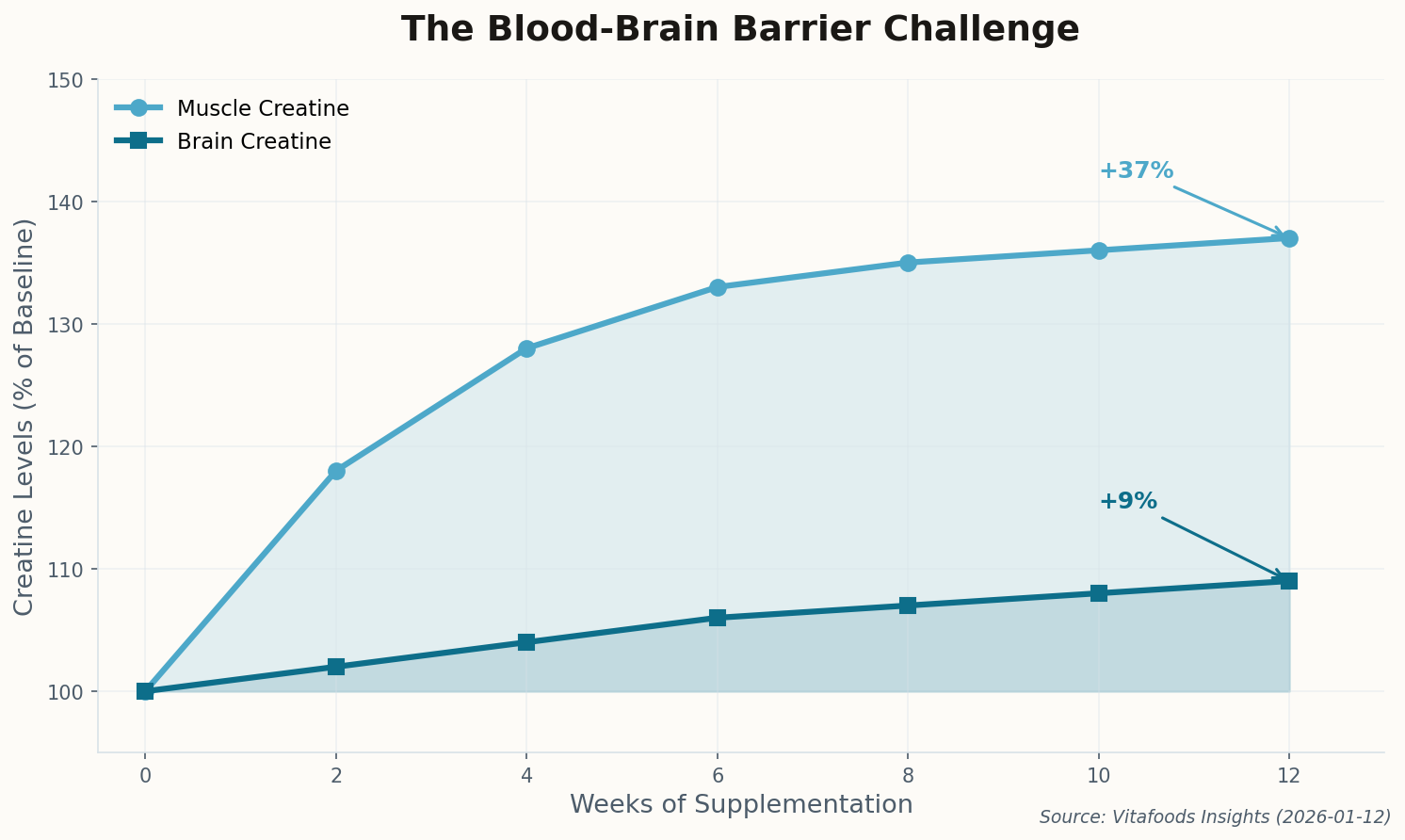
Here's the inconvenient truth the hype articles skip: getting creatine into your brain is significantly harder than getting it into your muscles. Vitafoods Insights published a technical deep-dive on the bioavailability challenge, and the numbers are sobering.

Line chart comparing brain and muscle creatine uptake over time
Muscle creatine saturates quickly (+37% in 12 weeks). Brain creatine shows more modest gains (~9%) due to blood-brain barrier transport limitations.

The blood-brain barrier limits creatine transport, meaning muscle saturation happens within weeks while brain saturation may require 12 weeks or longer. This explains why someone taking a standard "gym dose" for a week and expecting cognitive effects will be disappointed.

The review found that micronized creatine monohydrate remains the superior form for absorption—outperforming the various esters and proprietary blends that cost 3-4x more. Sometimes the boring option is also the best one.

Practical guidance: For cognitive benefits, plan on consistent supplementation for at least 8-12 weeks before expecting measurable effects. Standard dosing (3-5g daily) works, but patience is required.

The Bottom Line

Creatine's cognitive benefits are real, supported by peer-reviewed research, and most pronounced in populations with lower baseline stores. The main challenge isn't efficacy—it's patience. Brain uptake takes months, not days. If you're considering it, commit to the timeline or don't bother starting.