Alzheimer's Research

Your Brain's Backup Battery

This week in Alzheimer's research: Two major drug programs collapse while scientists discover your gut microbiome may be running the show all along. Plus, a non-invasive test that predicts cognitive decline 2.5 years out.

Listen
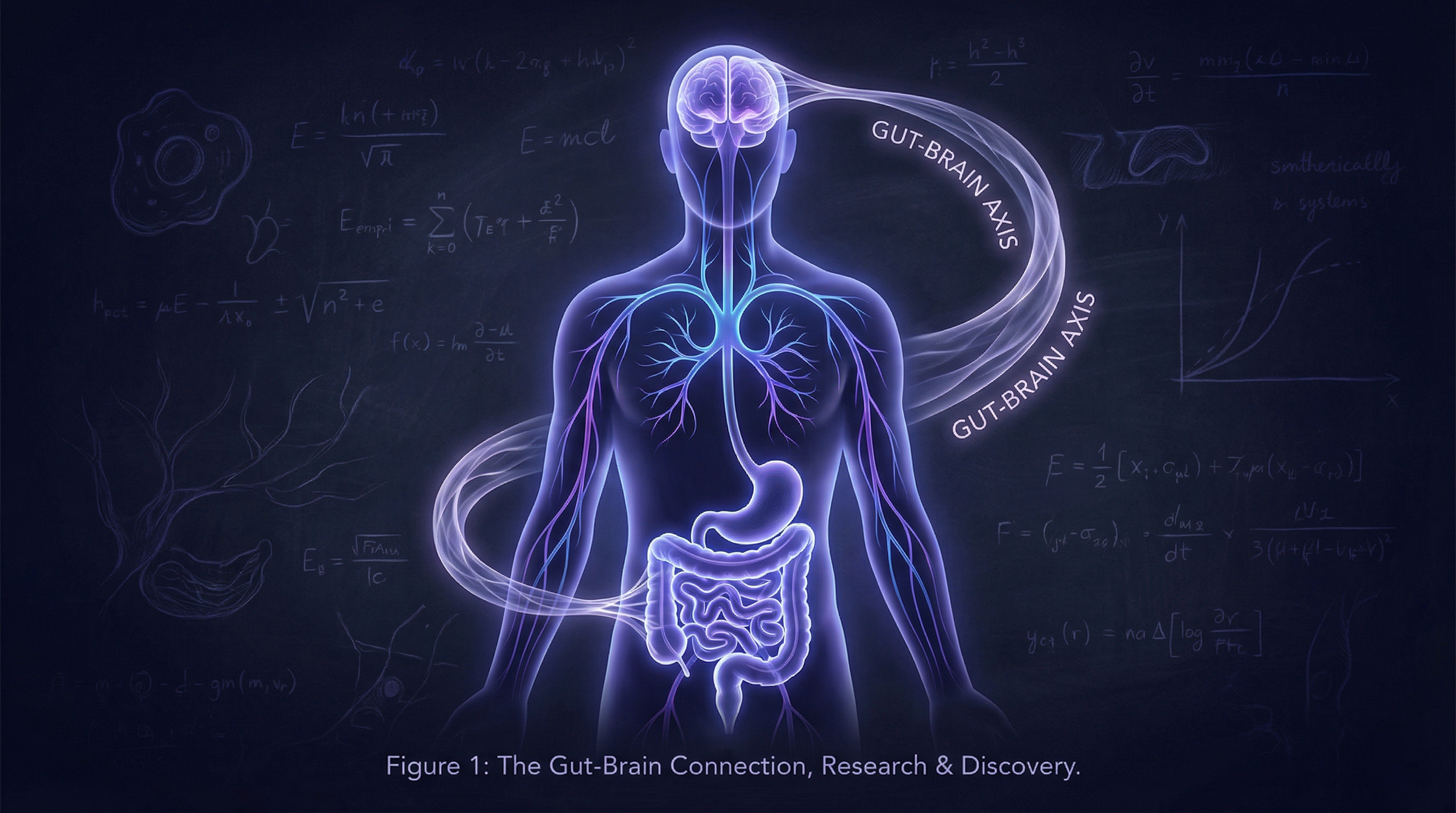
Neural pathways representing gut-brain connection in Alzheimer's research
01

The Second Brain Theory Gets Real
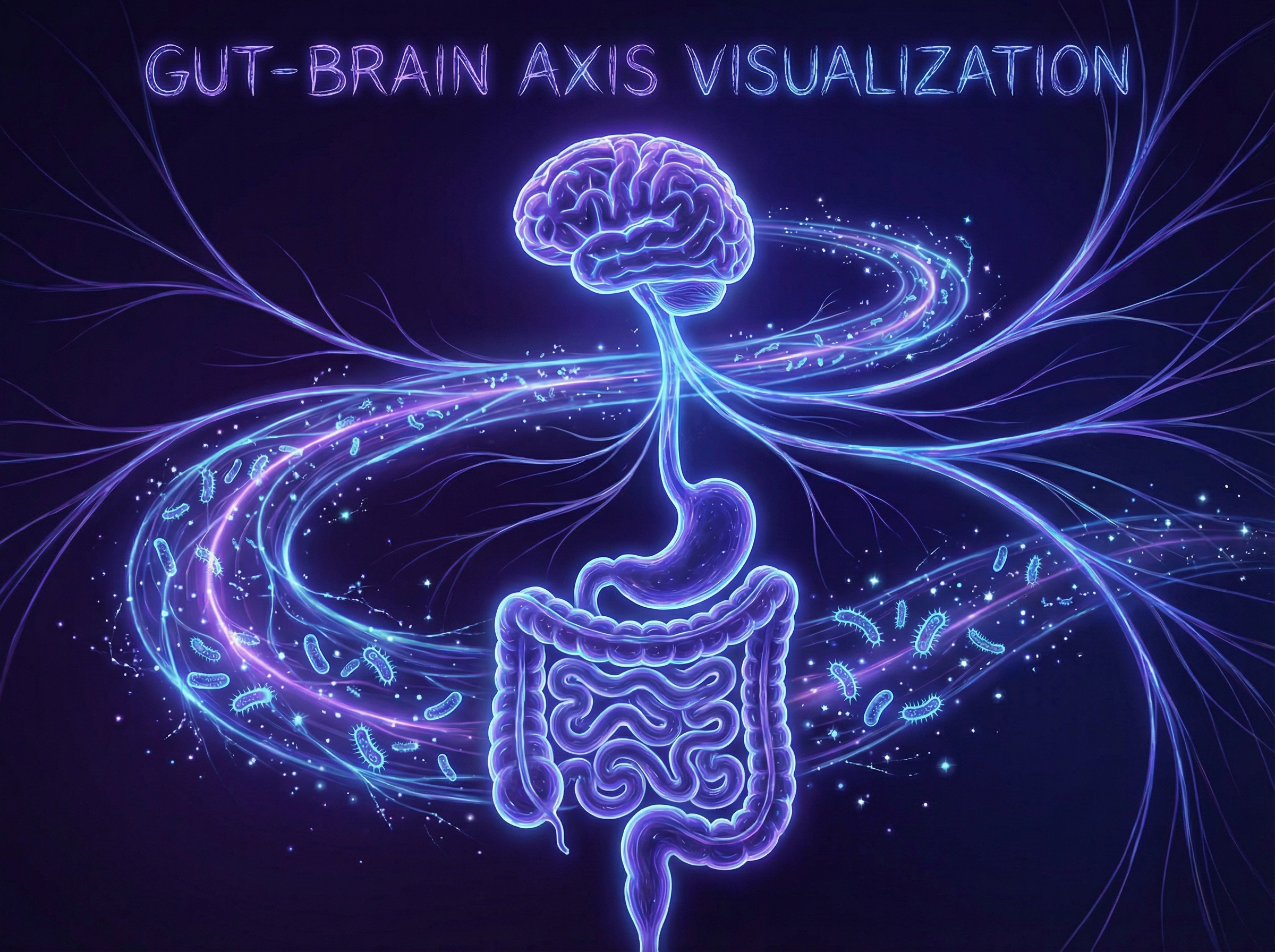
Visualization of gut-brain neural highway

For decades, Alzheimer's research fixated on the brain as both origin and battleground. New research from Arizona State University suggests the war may actually start in your digestive tract—years before you notice anything wrong upstairs.

The study identified specific gut microbiome disruptions that precede the inflammatory cascade eventually reaching the brain. Think of it as a biological early warning system we've been ignoring: while researchers hunted for brain-based biomarkers, the gut was already sounding alarms.

The implications are significant. Dietary and probiotic interventions—cheap, safe, and non-invasive—might offer a prevention window we previously thought required expensive pharmaceuticals. This isn't alternative medicine wishful thinking; it's the "body-first" hypothesis gaining hard empirical support.

The takeaway: If gut dysbiosis drives neuroinflammation, then the billion-dollar drug pipeline may be treating symptoms while ignoring the source. Diet might actually matter.

02

The Hippocampus Isn't the Whole Story

Holographic brain scan showing widespread atrophy patterns

Memory loss isn't just about the hippocampus. A mega-analysis of over 10,000 MRI scans reveals that age-related cognitive decline correlates with structural changes across the entire brain—not just the memory center everyone's been watching.

The research, published in Nature Communications, identified a non-linear pattern that should concern anyone tracking brain health: memory loss accelerates disproportionately as widespread tissue shrinkage accumulates. It's not a gradual slope—it's a cliff edge that approaches faster than linear models predicted.

Perhaps most importantly for personalized medicine: genetic risk factors like APOE4 were found to influence this whole-brain atrophy pattern. If you carry the gene, monitoring isolated brain regions may give false reassurance.

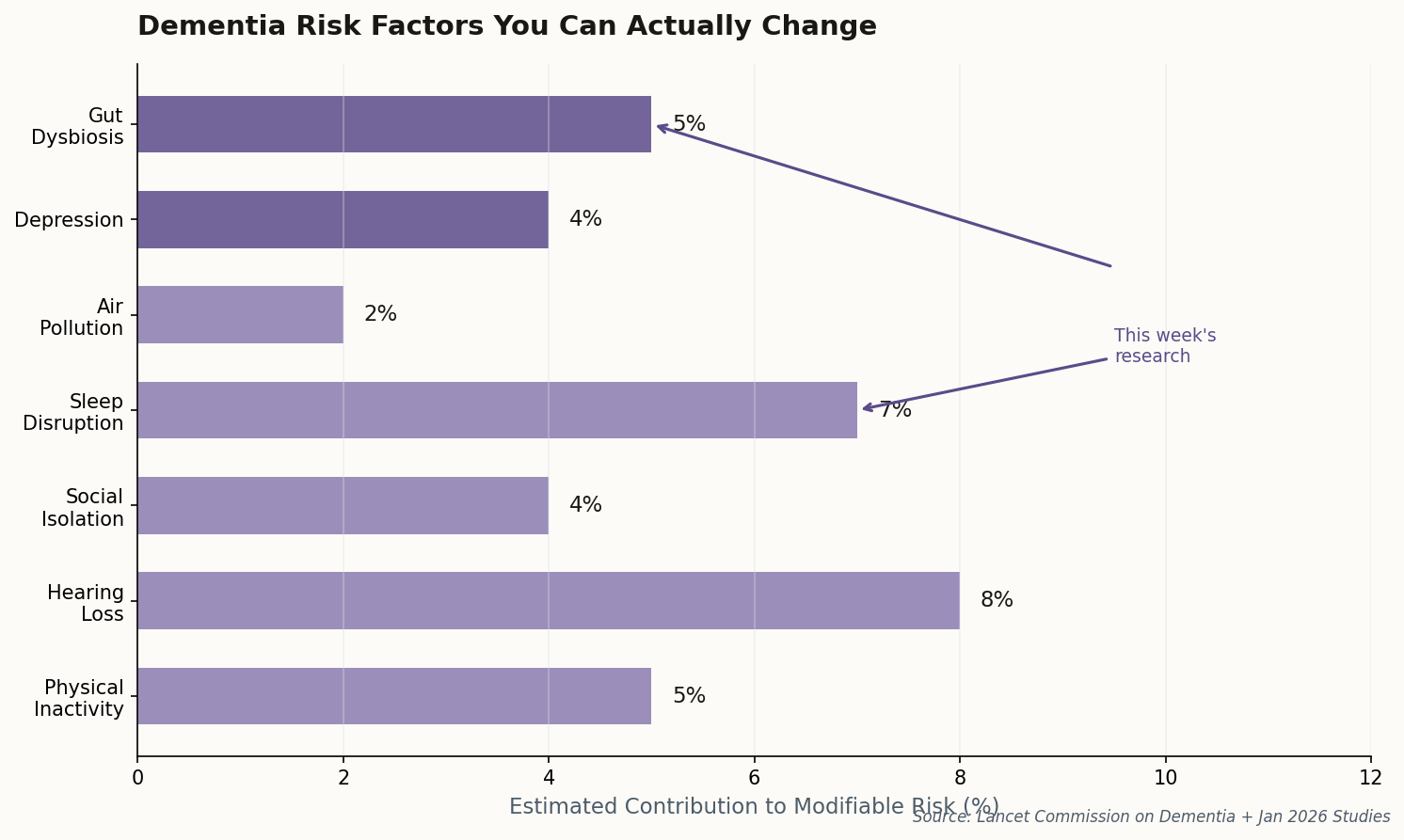
Chart showing modifiable dementia risk factors
Modifiable risk factors for dementia, with this week's research highlighted. Source: Lancet Commission + January 2026 studies.
03

Simufilam: The Controversial End

Empty pharmaceutical lab representing discontinued research

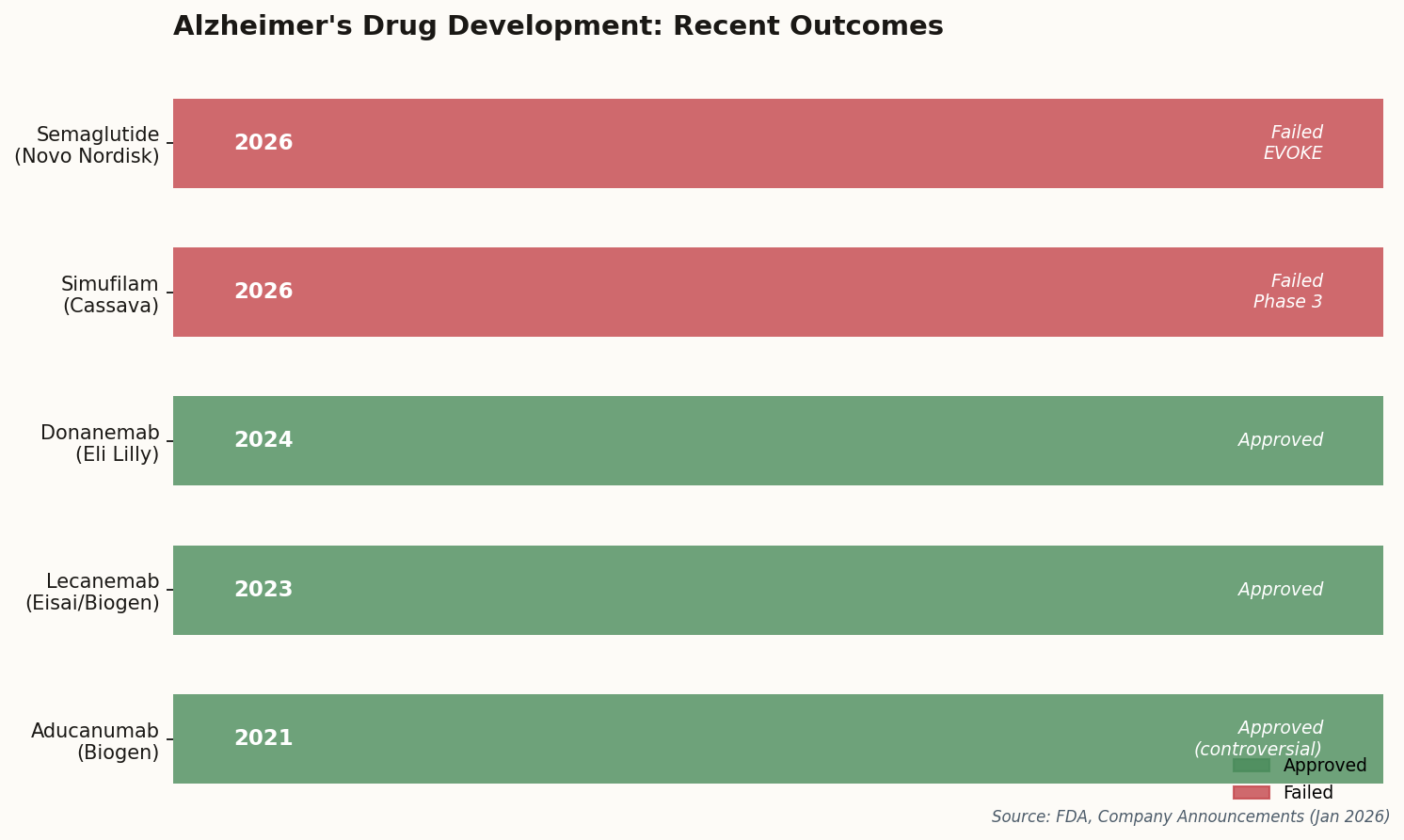
The most controversial drug in Alzheimer's research is officially dead. Cassava Sciences announced it will discontinue simufilam after both Phase 3 trials—RETHINK-ALZ and REFOCUS-ALZ—failed to meet any primary, secondary, or exploratory endpoints. Not a single one.

This wasn't just another drug failure. Simufilam had been dogged by allegations of data manipulation, a citizen petition to the FDA, and a Securities and Exchange Commission investigation. True believers pointed to earlier phase results; skeptics called it too good to be true. The Phase 3 data settles the debate decisively.

The company published detailed results immediately in the Journal of Prevention of Alzheimer's Disease—a transparency move that at least allows the field to learn from the failure rather than leaving researchers to speculate about what went wrong.

Chart showing recent Alzheimer's drug trial outcomes
Recent Alzheimer's drug development outcomes. Two approved treatments in 2023-2024, two major failures in January 2026.
04

Ozempic Can't Cross the Wall

Blood-brain barrier blocking molecules

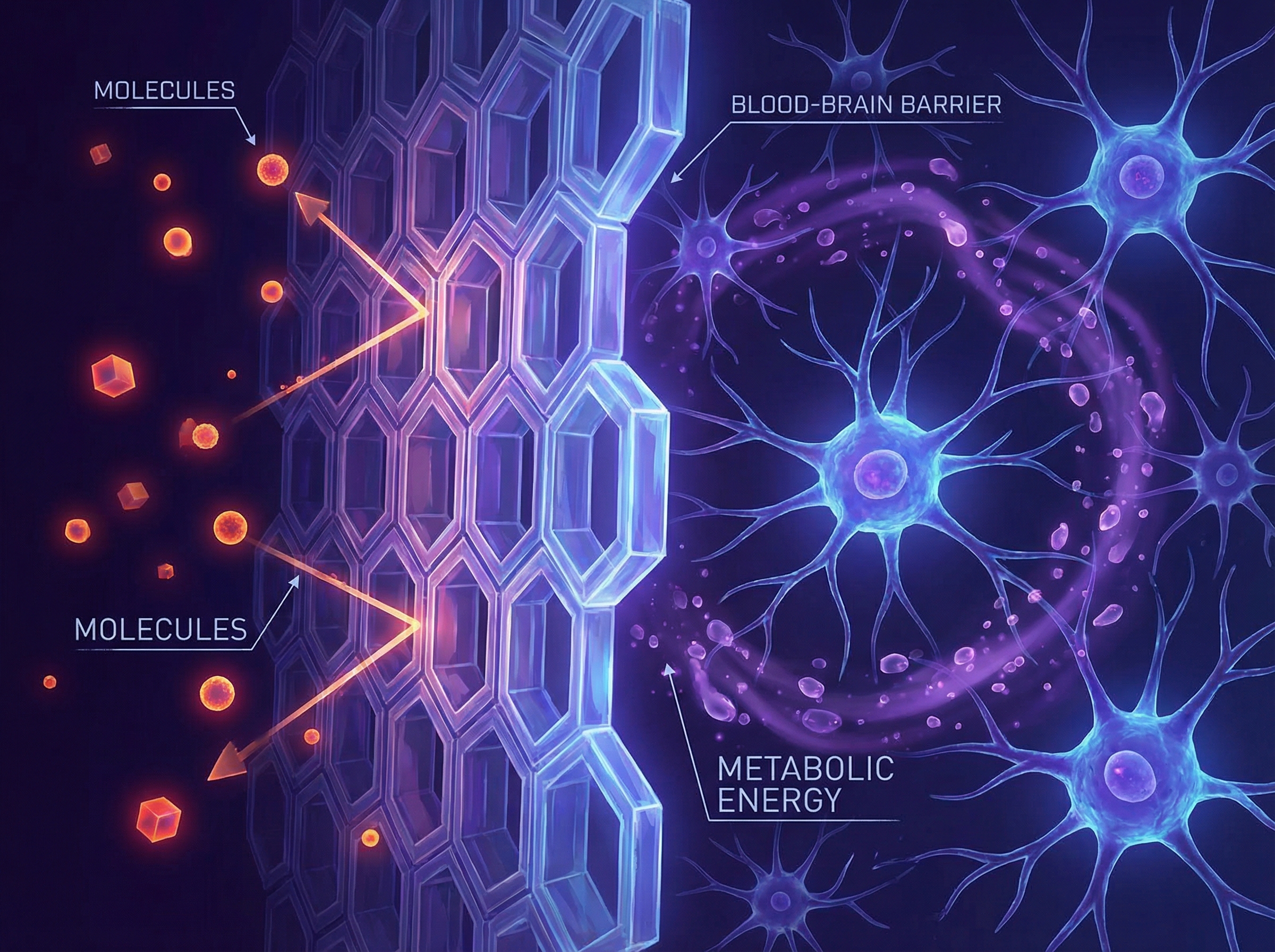
The dream of repurposing Novo Nordisk's blockbuster weight-loss drugs for Alzheimer's hit a biological wall—literally. Post-mortem analysis of the failed EVOKE trials suggests semaglutide simply can't cross the blood-brain barrier in sufficient quantities at safe doses.

The metabolic improvements were real: patients showed better glucose regulation and reduced systemic inflammation. None of it translated to neuroprotection or slowed cognitive decline. The brain remained unreached while the body improved.

This doesn't end the GLP-1 story for dementia entirely. There's still a plausible case that metabolic interventions early enough—decades before symptoms—could have preventive value. But for treating established disease, GLP-1 agonists aren't the answer. The hype cycle needs recalibration.

What this means: Metabolic health matters for brain health, but fixing metabolism after neurons start dying is too little, too late. Prevention, not treatment.

05

The Crystal Ball We've Been Waiting For

Brain activity waves forming predictive patterns

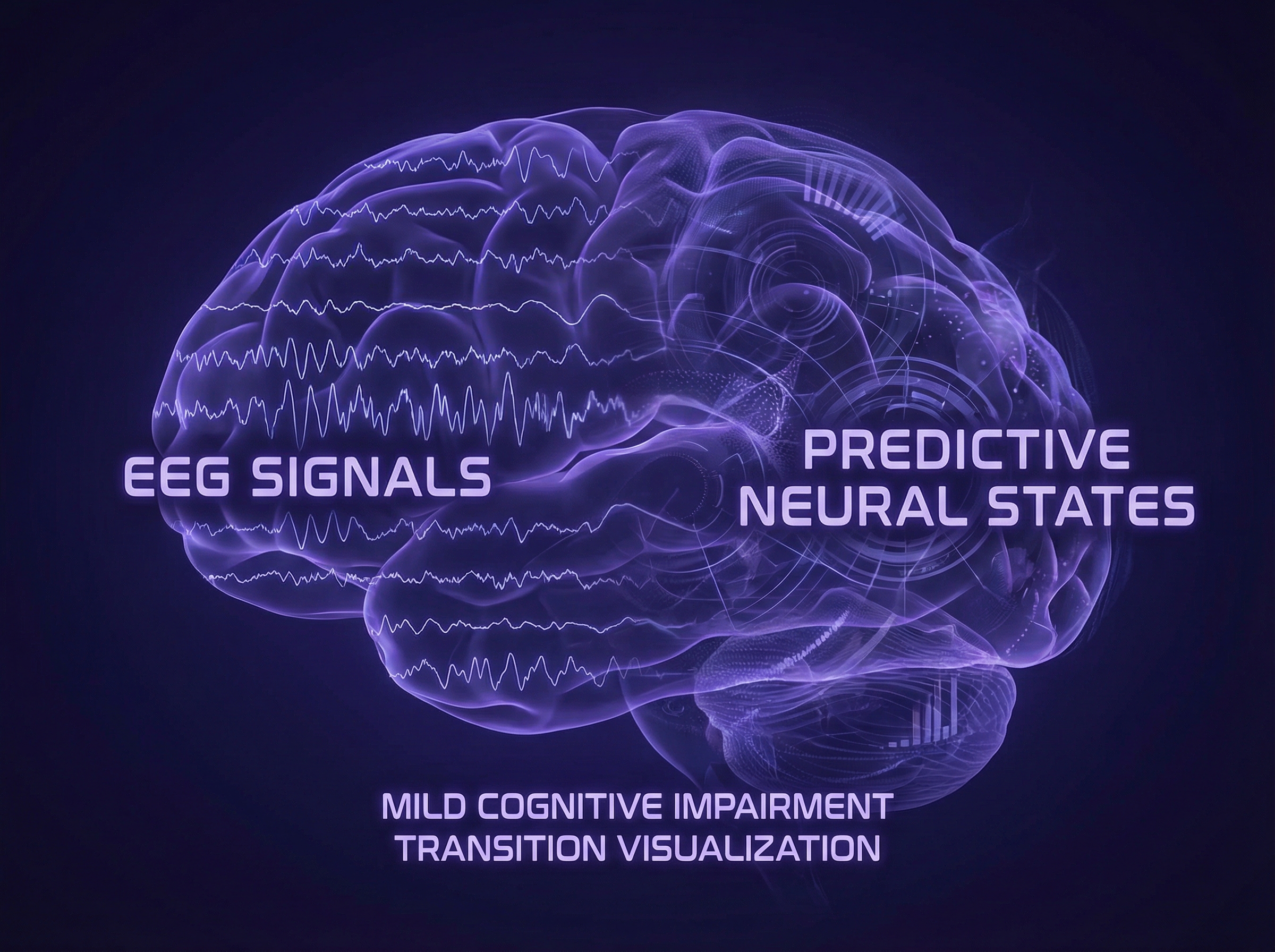
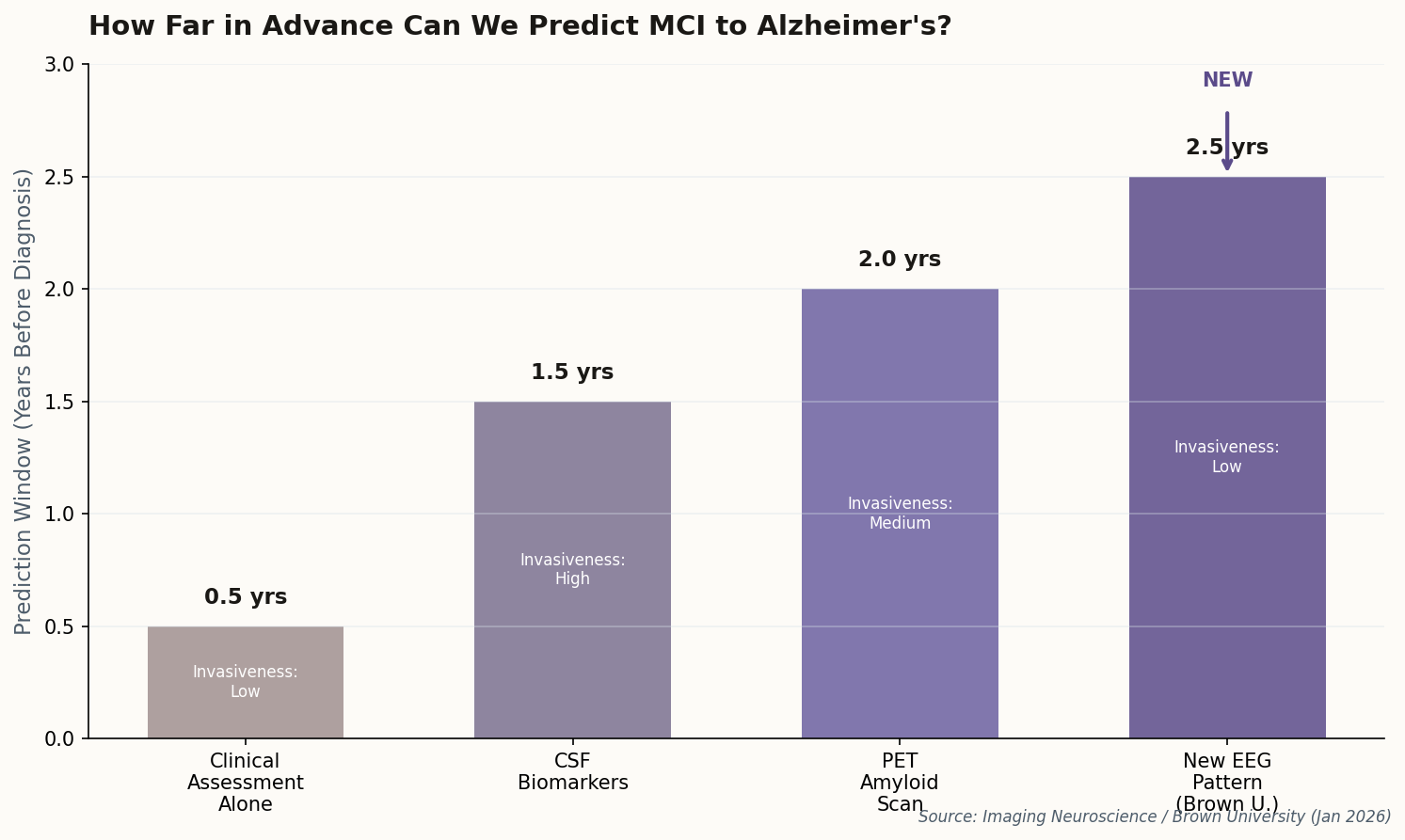
Researchers at Brown University have identified a specific pattern of electrical brain activity that predicts which patients with Mild Cognitive Impairment will progress to Alzheimer's disease—up to 2.5 years before it happens.

The method uses standard EEG and imaging techniques. No spinal taps. No expensive PET scans. No invasive procedures. This is the "holy grail" that clinical trial designers have been hunting for: a way to identify patients who will actually progress, ensuring experimental drugs get tested on the right population.

Comparison of MCI-to-Alzheimer's prediction methods
How far in advance different methods can predict MCI-to-Alzheimer's conversion. The new EEG pattern outperforms existing techniques while being less invasive.

Previous trial failures have been haunted by the inclusion problem: testing drugs on patients who were never going to progress anyway. If this biomarker validates in larger studies, it could dramatically improve the signal-to-noise ratio in future trials—and potentially salvage drugs that "failed" only because they were tested on the wrong patients.

06

Sleep Is the Cheapest Medicine

Circadian rhythm visualization with sleeping figure

A new study confirms what sleep researchers have suspected: disrupted circadian rhythms and poor sleep hygiene aren't just symptoms of aging—they're strong predictors of future dementia. And unlike your genes, you can actually do something about them.

The research, supported by Alzheimer's Research UK, found that "weak" daily patterns—where activity doesn't peak distinctly during the day—correlated with significantly higher dementia risk. The mechanism likely involves glymphatic clearance: the brain's garbage collection system that runs primarily during sleep.

This is immediately actionable advice that doesn't require waiting for drug approvals or genetic interventions. Consistent sleep schedules, morning light exposure, and evening wind-down routines aren't just wellness fads—they're evidence-based risk reduction strategies that work decades before symptom onset.

Practical steps: Wake at the same time daily. Get bright light within an hour of waking. Dim lights 2 hours before bed. These simple interventions may reduce dementia risk more than any drug currently available.

The Pattern This Week

Two expensive pharmaceutical programs collapsed while three studies pointed toward cheaper, earlier interventions: gut health, sleep hygiene, and non-invasive biomarkers. The future of Alzheimer's treatment might not be a blockbuster drug—it might be catching the disease before it needs one. The billions spent on amyloid-targeting therapies have produced three approved treatments with modest benefits and significant side effects. Meanwhile, lifestyle interventions addressing 35% of modifiable risk factors remain underutilized. Perhaps it's time to rebalance the portfolio.